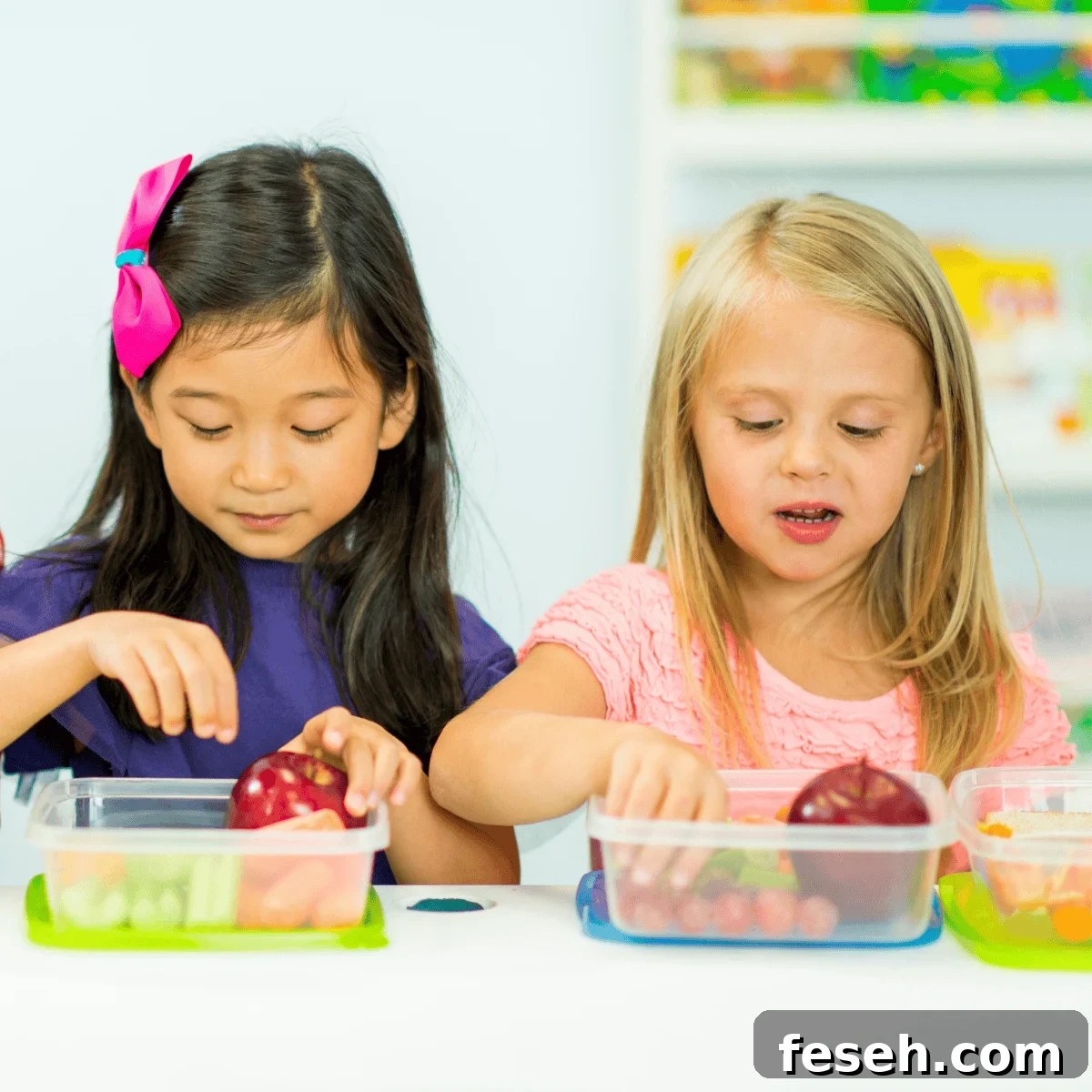
If you have a kindergartener, chances are you hear, “Mom, can I have a snack?” multiple times every day. Snacks quickly become a major part of the routine—buying them, stocking a variety in the pantry, tossing a few in your bag for outings, and packing them for school.
Many schools are nut-free to protect children with allergies. That’s essential for safety, but it does mean more planning when choosing school snacks. I want to help simplify that planning.
Quick note: if your school allows nuts, they’re a great source of nutrition. Kindergarten-aged children are typically past the stage where whole nuts are considered a choking hazard, though I sometimes choose chopped or piece forms like cashew pieces rather than whole nuts.
Snacks can play a useful role in meeting a child’s nutrition needs. As both a dietitian and a parent, I aim to offer snacks that provide real fuel. I try to avoid what I call “crunchy air” snacks—items like plain potato chips, many crackers, or simple snack crackers that are low in calories and nutrients. These don’t satisfy kids for long, so they end up asking for more food and don’t really contribute to balanced nutrition.
Dozens of Nut-Free Snacks For Kindergarteners
Below are favorite nut-free snack ideas for kindergarteners. They are simple, quick, nutritious, and safe for nut-free campuses—great options for school or at-home snacking.
What To Look For On Nutrition Labels When Choosing Nut-Free Snacks For Kindergarteners
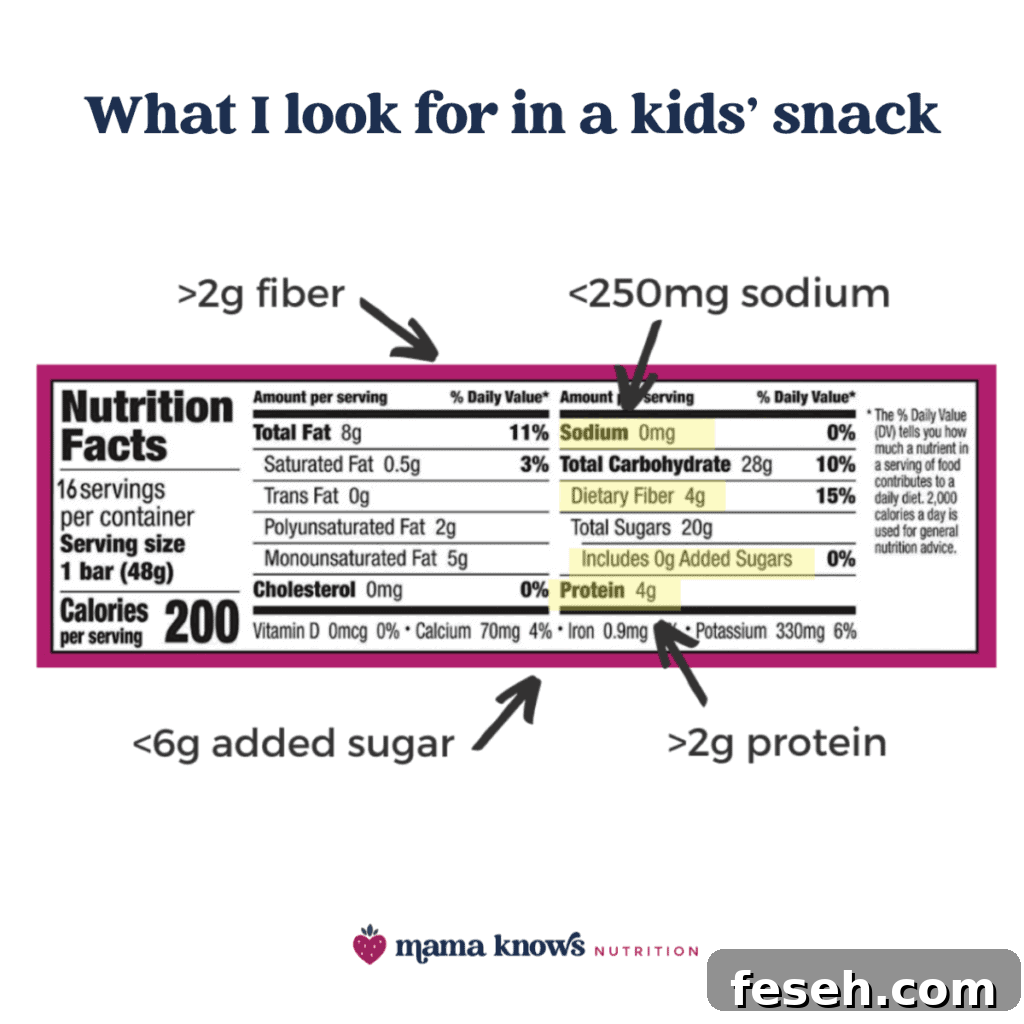
When selecting snacks, I typically check for the following:
5–7 grams or less of added sugar
Natural sugars from fruit are okay and often raise the total sugar number. Focus on added sugar—if sugar or a syrup appears as the first or second ingredient, the product is likely high in added sugar.
At least 2 grams of protein or fiber
This is a basic threshold; more is better. Protein and fiber help keep kids feeling full between meals.
More real-food ingredients than not
I prefer ingredient lists that resemble homemade food—simple, recognizable items rather than long lists of additives.
No artificial colors, flavors, or sweeteners
Not absolute, but a useful guideline when possible.
A modest amount of sodium
Not every snack will meet every guideline, and that’s fine. I’ll sometimes accept a higher amount in one area if the snack offers benefits in another—like extra protein or fiber.
Nut-Free Snacks That Stay Cool
If your child can keep their snack cool in a lunch bag or small cooler, these refrigerated options are excellent.
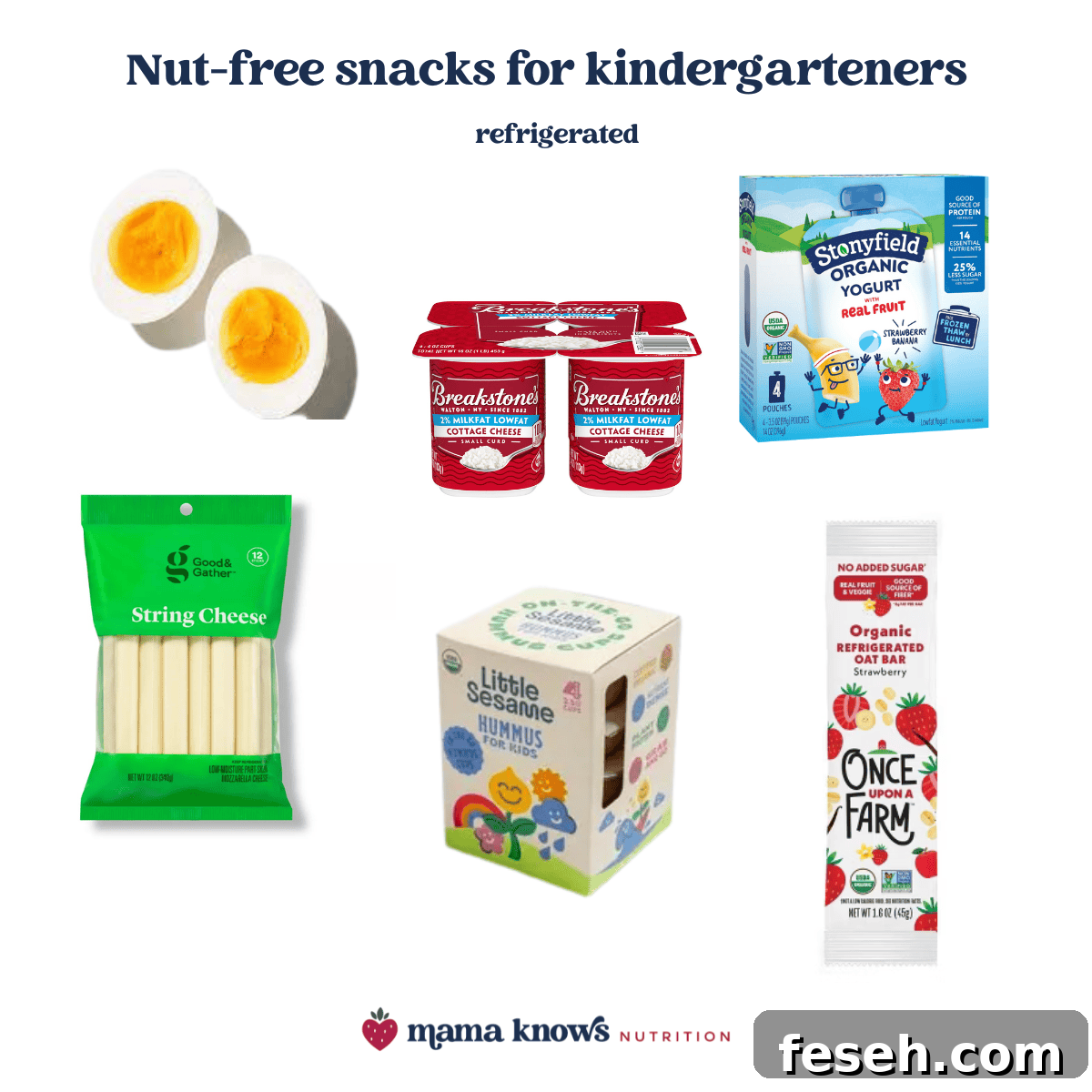
Hard-boiled eggs
Not every child will choose an egg, but for egg-eaters, hard-boiled eggs are a top snack—packed with protein. Make a batch at home or purchase ready-to-eat options from the store.
String cheese
String cheese is convenient and typically supplies 5–7 grams of protein, plus fat for satiety. Cheese squares and Babybel wheels are equally easy to pack and usually well-liked by kids.
Cottage cheese cups
Cottage cheese often offers more protein than string cheese and adds variety to the snack rotation.
Yogurt cups
Choose unsweetened or low–added-sugar varieties to get protein and calcium. Yogurt pouches are useful for fast snack times.
Veggies and hummus
Baby carrots, cucumber sticks, or snap peas with a few tablespoons of hummus provide protein, healthy fats, and fiber. If you need to avoid sesame, check labels for tahini or sesame ingredients.
Nut-Free Snacks That Don’t Need Cooling
Harvest Snaps Pea Crisps
Made primarily from green peas, these snacks offer more protein and fiber than many crunchy snacks while still feeling fun to eat.
Hippeas
Puffed snacks made from chickpeas that deliver a better nutrient profile than typical cheese puffs—more protein and fiber.
Crackers (select varieties)
Not all crackers are equal. Look for options with whole-food ingredients and a better nutrient profile—favorites include seed or vegetable-based crackers and whole-grain options like Triscuits or Wheat Thins. Pay attention to nut-free labeling for any seed or nut-based varieties.
Snack bars
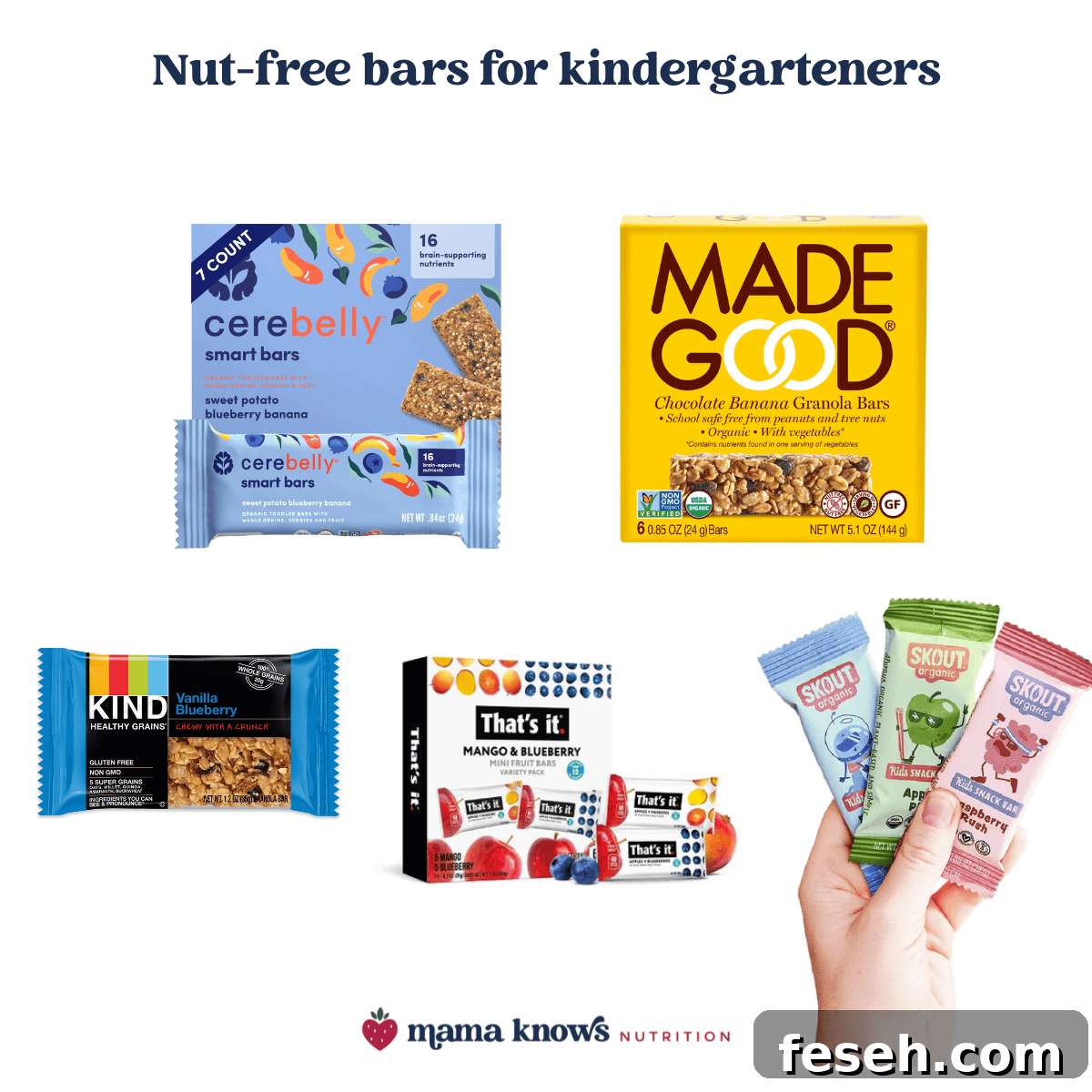
Bars are convenient for school, but ingredient quality varies widely. Choose bars with recognizable ingredients, moderate added sugar, and some protein or fiber to help kids stay satisfied.
Fruit snacks and fruit-based options
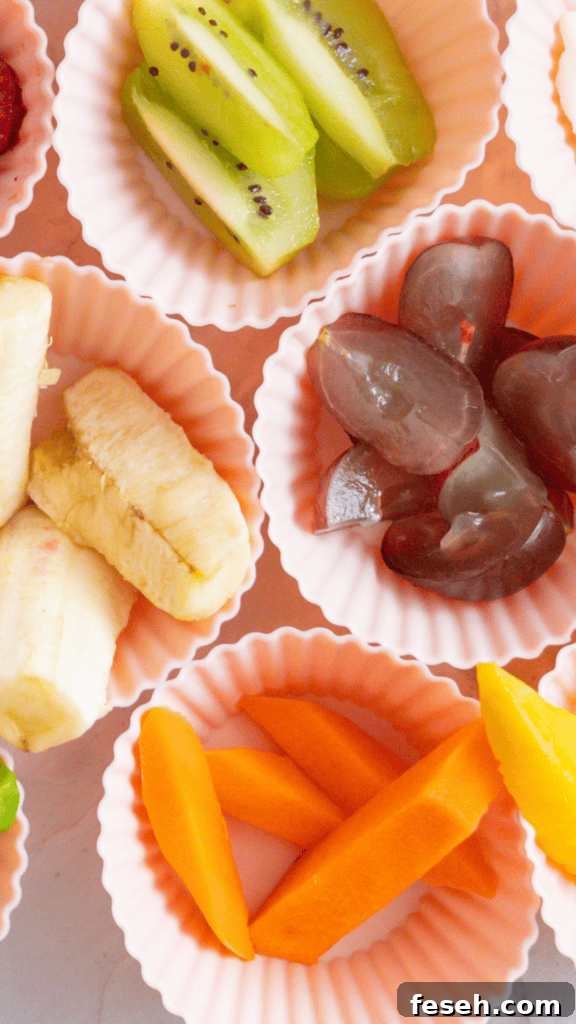
Many kids love fruit snacks. Some brands make snacks using only fruit and no added sugar—these are lighter on nutrition, so pair them with a protein or fat source for a more balanced snack. Fresh fruit like bananas, clementines, or apple slices are simple and nutritious; apples can be kept from browning by soaking briefly in cold water with a pinch of salt.
- Fresh fruit: banana, clementine, apple slices
- 100% fruit fruit rolls or sticks
- Fruit cups packed in 100% juice
- Dried or freeze-dried fruit (watch portions—calories concentrate when dried)
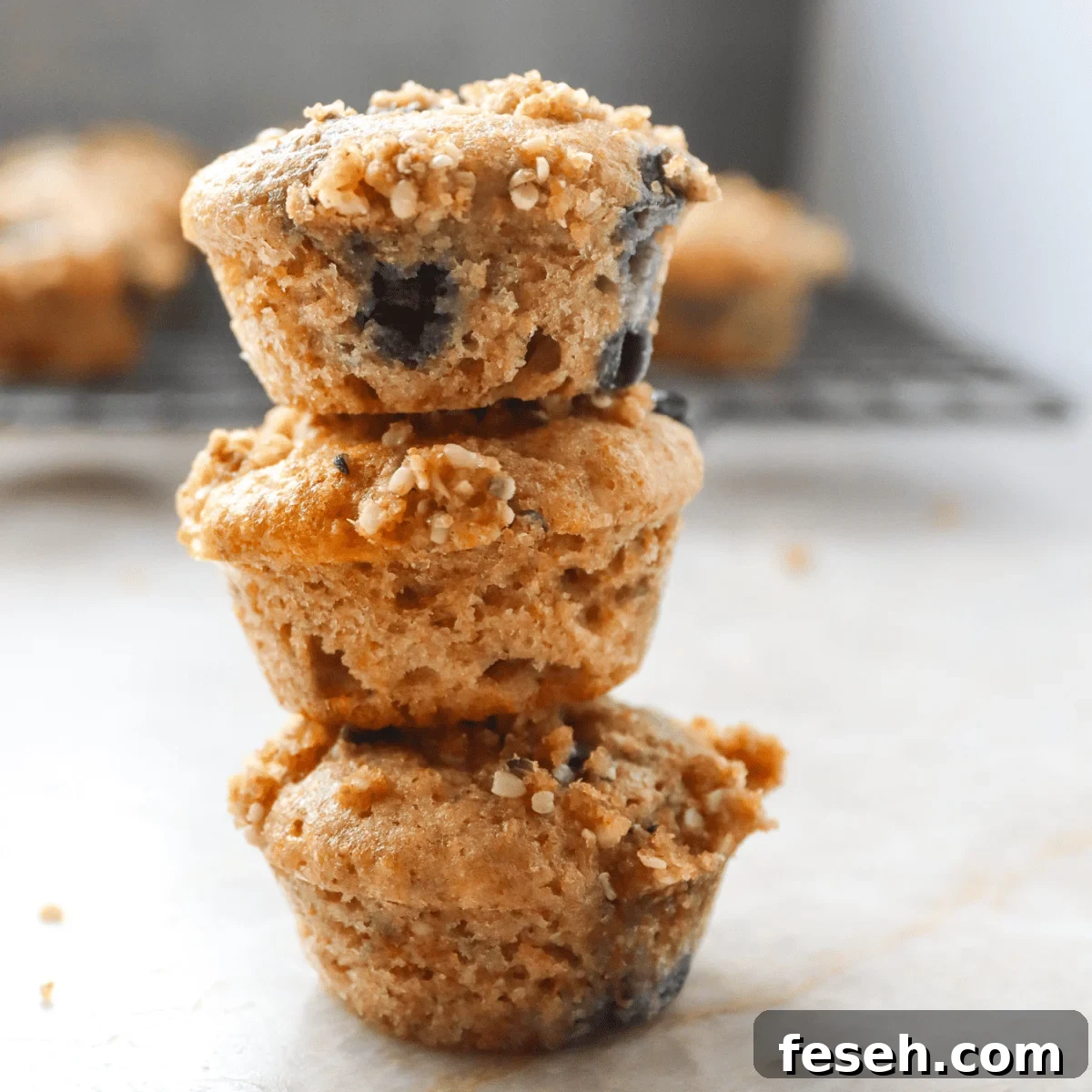
Mini blueberry muffins
Nut-free mini blueberry muffins can be a tasty, lower–added-sugar treat. Small muffins are easy to pack and often go over well with kids.
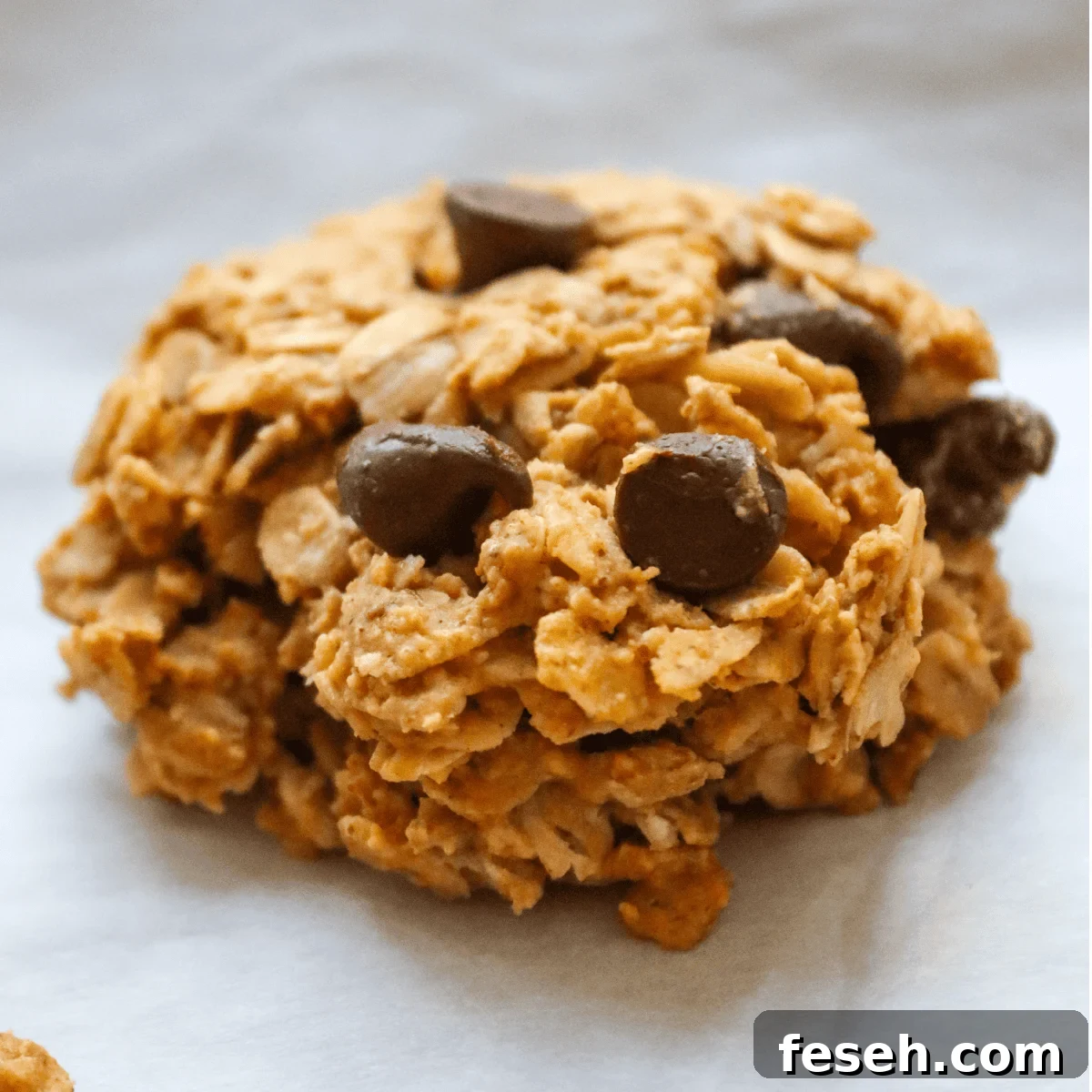
3-ingredient oatmeal cookies
Simple oatmeal cookies made with basic pantry ingredients are easy to prepare at home. For a nut-free version, use sunflower seed butter instead of nut butters.
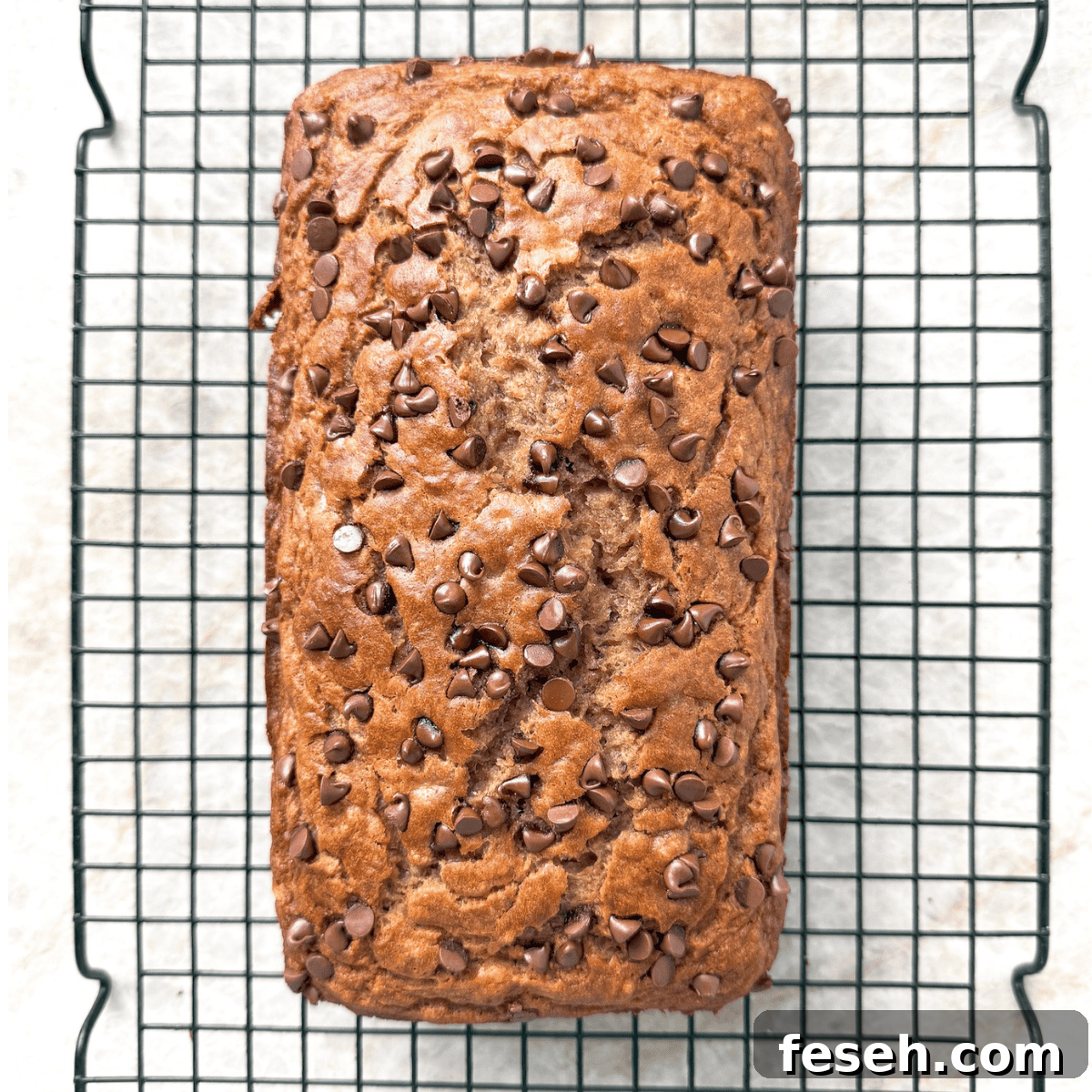
Chocolate chip banana bread
Home-baked banana bread is a versatile snack—slice and freeze or store for the week. Make it nut-free and add mix-ins like oats or seeds if allowed.
Happy snacking
Keeping snack options varied and nutritious helps reduce daily decision fatigue. If you want more ideas beyond nut-free options, there are many other kid-friendly snack lists and resources to explore.
For quick access to organized snack lists, consider downloading printable grab-and-go snack PDFs tailored to preschoolers and toddlers to simplify packing and planning.

Downloadable snack lists can save time and make packing consistent, balanced snacks easier. Also consider a toddler-specific snack list if you care for younger children as well.
Having a handful of reliable, nut-free snack options makes school life easier and supports kids’ nutrition and satisfaction between meals.