
Today’s episode is the second installment in a two-part series about probiotic supplements. In Part 1, we covered the basics: what probiotics are, how to select strains that fit your needs, and how to verify product quality. This second part answers listener questions and offers practical guidance for choosing, storing, and using probiotics effectively.
Click the PLAY button above to listen to the episode.
If you enjoy the Liz’s Healthy Table podcast, consider subscribing and leaving a review on your preferred podcast platform.
“All probiotic supplements will generally do better in the refrigerator.”
~Anthony Thomas, Ph.D.

Anthony Thomas, Ph.D., from Jarrow Formulas returns to answer listener questions about probiotic storage, choosing strains for children, strain-specific benefits, probiotics for IBS, evidence from long-term studies, how to combine probiotics with antibiotics, and more.
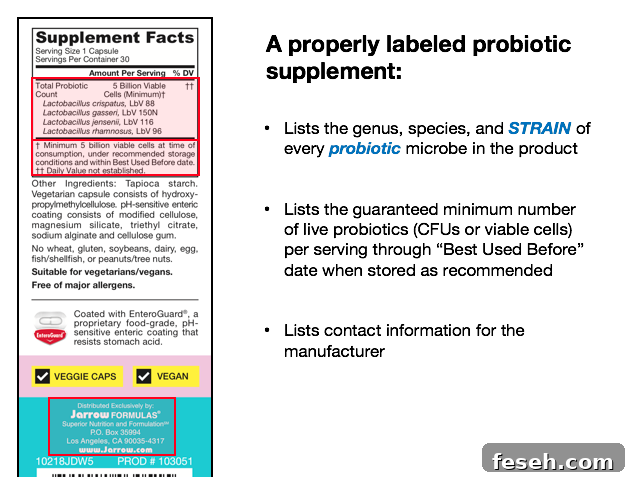
Dr. Thomas emphasizes labeling and transparency: a properly labeled probiotic should list genus, species, and strain for each organism it contains, and state the minimum number of live cells or colony forming units (CFUs) per serving when the product is used prior to the “Best Used Before” date and stored as recommended. The manufacturer’s contact information should be on the label for consumer questions.

[Tweet “Liz’s Healthy Table podcast on Probiotic Supplements (Part 2) w/Anthony Thomas, Ph.D. @JarrowFormulas. Learn about taking probiotics with antibiotics; choosing probiotics for kids; storing supplements to extend shelf life. #ProbioticStrainsMatter”]
Show Highlights:
- Why most probiotic products maintain higher potency when stored in the refrigerator.
- Why effective probiotic doses are often measured in billions of CFUs.
- Why probiotics don’t “go bad” in the traditional sense but potency can decline after the expiration date.
- How certain strains can reduce symptoms of irritable bowel syndrome (IBS).
- Reference to clinical research on Lactobacillus plantarum 299v and its effects on IBS symptoms.
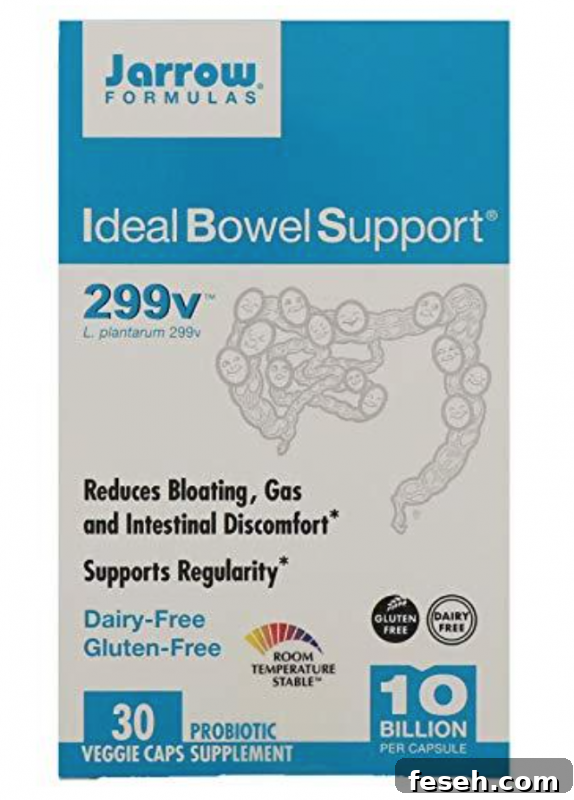
- Related content includes episode #32 on the Low FODMAP diet for IBS with Kate Scarlata, RDN, which provides additional context for managing IBS.
- How probiotics can interact with medications, and when to consult a healthcare provider about such interactions.
- Guidance on taking probiotics alongside antibiotics, including timing strategies to preserve probiotic viability and benefit.
- The potential benefit of the yeast Saccharomyces boulardii (S. boulardii) when taken with antibiotics to help prevent antibiotic-associated diarrhea.
- Why probiotics may pose risks for people with compromised immune systems and why medical supervision is important in those cases.
- Practical tips to ensure you’re getting a specific, evidence-backed strain rather than a vague blend of organisms.
- Challenges in conducting long-term probiotic studies and why evidence can be limited for some outcomes.
- Examples of strain-specific applications, such as using certain probiotics for constipation or for mental health support, where emerging research suggests possible benefits.
- How to evaluate probiotic products for adults and children by reviewing the scientific literature relevant to the indicated use.
- Why accurate strain identification on the label matters and how consumers can ask manufacturers for study references or strain documentation.
- An upcoming article by Liz about probiotics and vaginal health for those interested in that topic.
Contact and Resources
My email: [email protected]
- The Parents On Demand Network
- www.superhealthykids.com
Resources:
International Scientific Association for Probiotics and Prebiotics (ISAPP).
Clinical Guide to Probiotics — a resource that lists brands, strains, recommended dosages, indications, and references for studies supporting each health claim.
Clinical Guide to Probiotics for Women’s Health — resources focused on women’s health applications.

Notes and practical tips
- Look for labels that provide full genus, species, and strain identifiers along with guaranteed CFUs through the expiration date when stored correctly.
- If a product recommends refrigeration, follow that guidance to preserve potency; many products that are shelf-stable will still benefit from cooler storage.
- When taking antibiotics, discuss with your healthcare provider whether to add a probiotic, which strain to use, and the optimal timing relative to antibiotic doses.
- For children, choose probiotic strains that have evidence of safety and efficacy in pediatric populations and follow dosing recommendations for age and weight.
- If you are immunocompromised, seek medical approval before using probiotic supplements, as certain live microbes may pose a risk.
Have a question or suggestion for a future episode? Post a comment below or join the podcast community to share ideas and feedback.