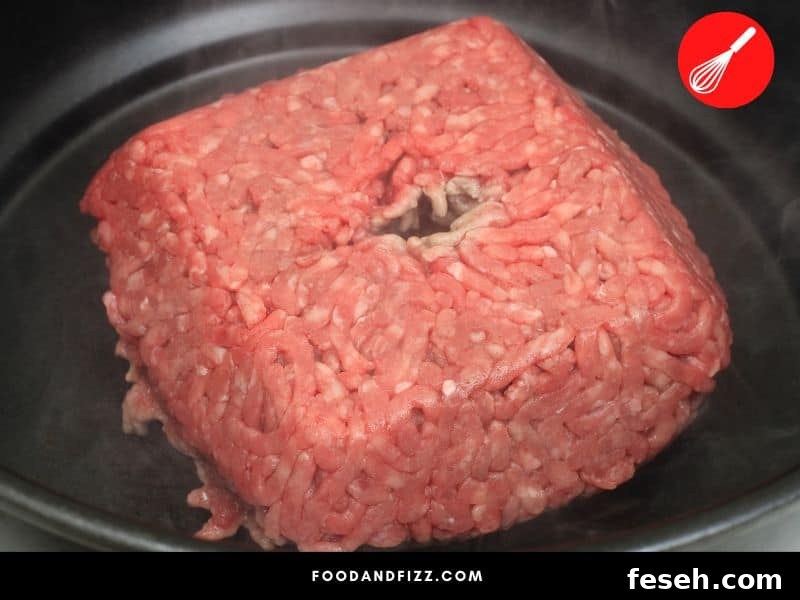
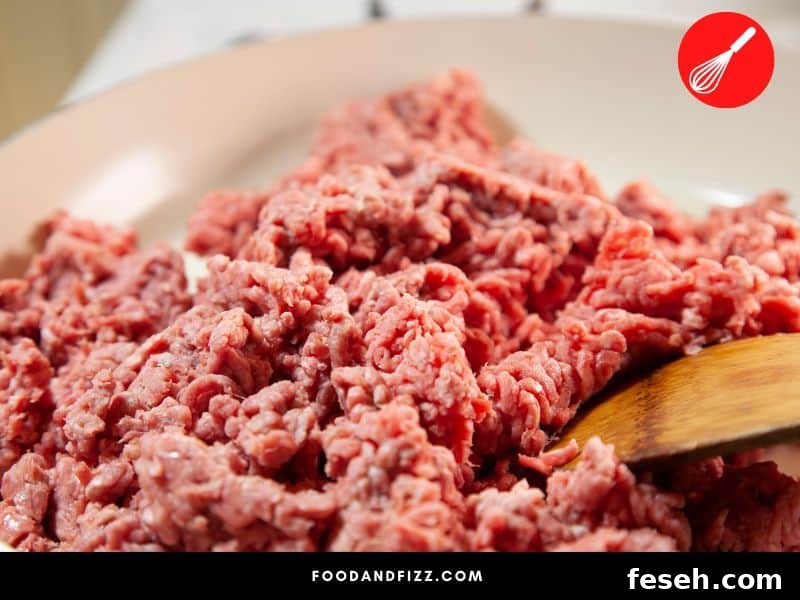
Fresh ground beef is normally pink or red. Seeing brown shades in ground beef often raises concern: does that mean it’s spoiled? Browning is common and usually results from a natural chemical change, but it’s important to check for other signs of spoilage before using it.
Read on to learn why ground beef turns brown, when it’s still safe to eat, and which signs indicate it should be discarded.
Table of Contents
Is Ground Beef Turning Brown Safe to Eat?
Brown discoloration in ground beef is most often due to oxidation. When meat is exposed to air, pigments break down and the bright red color can shift to brown. This change is usually normal and not a definitive sign of spoilage. Still, always check for off-odors, slimy texture, or visible growths before using brown ground beef.
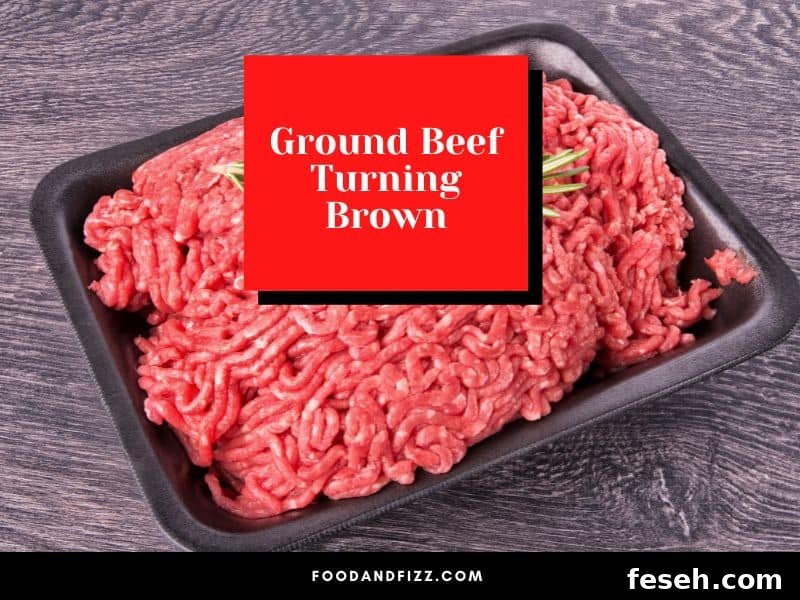
Why Is My Ground Beef Turning Brown?
Meat color comes from myoglobin, an iron-containing protein that stores oxygen in muscle. Myoglobin changes color depending on how much oxygen it’s exposed to. Oxidation and the myoglobin state determine whether meat looks purple-red, bright red, or brown.
Color change alone usually doesn’t mean the meat is spoiled, but when browning occurs alongside a foul smell, slimy surface, or unusual growths, that indicates spoilage.
1. Purple-Red
With no oxygen present, myoglobin appears dark purple-red (deoxymyoglobin). This is common in vacuum-packed meat or freshly cut pieces that haven’t been exposed to air.
2. Bright Red
When oxygen reaches the surface, myoglobin binds oxygen and becomes oxymyoglobin, producing a bright cherry-red color. Consumers often associate this “bloomed” color with freshness.
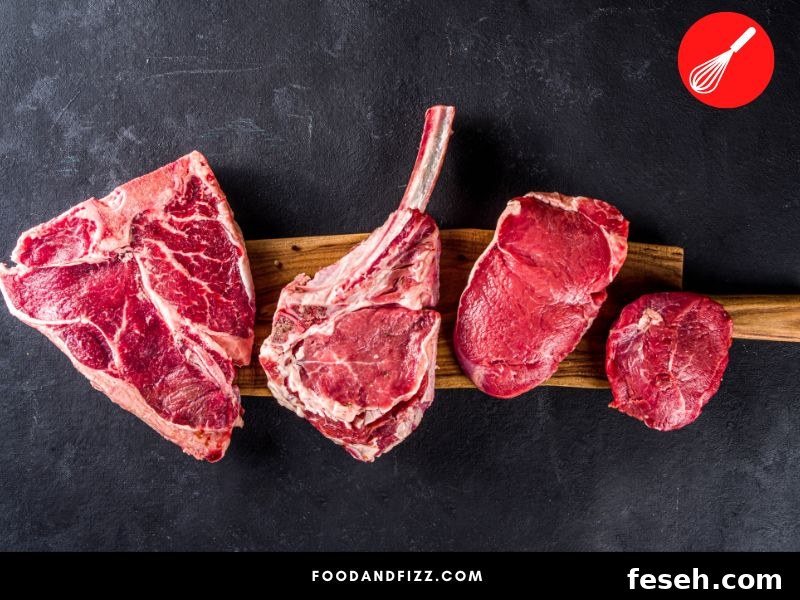
3. Tan or Brown
When oxygen is limited or when myoglobin has been exposed to air for a long time, it converts to metmyoglobin, which gives meat a tan or brown color. This indicates oxidation and that the meat is further along in its shelf life, though not automatically spoiled.
Ground beef often browns because it was packaged with little oxygen or because it has had prolonged exposure to air. That doesn’t automatically make it unsafe, but it suggests you should use it soon.
Is Ground Beef that is Turning Brown Safe to Eat?
Color alone doesn’t determine safety. If brown ground beef smells normal, has no slimy coating, and was stored properly and within its use-by date, it is generally safe to cook and eat. However, because oxidation signals advancing age, plan to use it promptly rather than returning it to long-term storage.
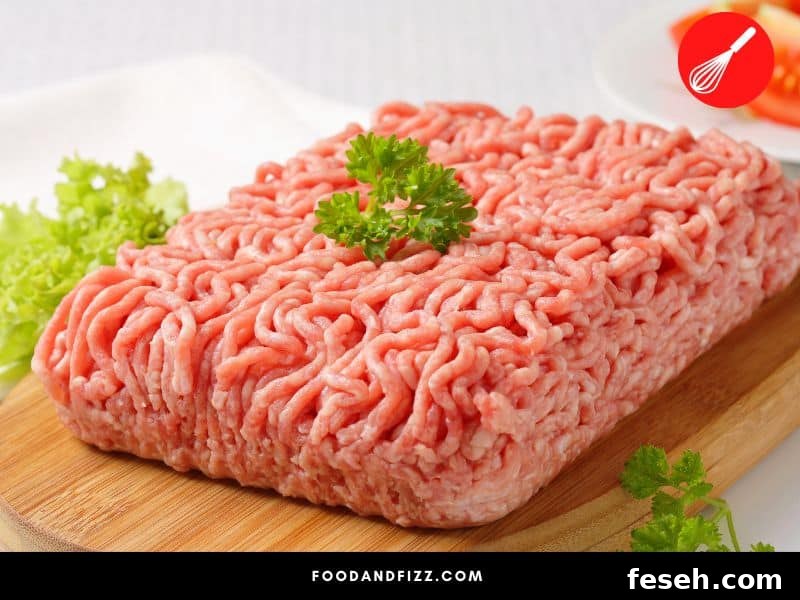
How Long Does Ground Beef Last?
In the refrigerator, ground beef is safest to use within 1–2 days. Ground meat spoils faster than whole cuts because grinding increases exposed surface area and the chance for bacterial growth.
In the freezer, quality is best if used within about four months, though freezing halts bacterial growth and keeps meat safe for much longer if stored properly. Wrap meat tightly in plastic, foil, or airtight containers to prevent freezer burn and cross-contamination.
How Do I Know That My Ground Beef Has Gone Bad?
Look for multiple signs of spoilage rather than judging by color alone. Key indicators include appearance, smell, texture, storage history, and expiration dates.
1. Appearance
Spoiled ground beef may show mold or unusual colors like gray or green. Brown alone is not a reliable indicator of spoilage, but when paired with other signs, it’s a red flag.
2. Odor
A strong, unpleasant smell—sour, ammonia-like, or sulfurous—means the meat has spoiled. Fresh ground beef should have a neutral, meaty scent.
3. Consistency and Texture
Spoiled ground beef feels sticky, tacky, or slimy. Fresh ground beef is firm and crumbles when pressed.
4. Storage and Handling
If ground beef has been refrigerated longer than two days, or left at room temperature for more than two hours, it may be unsafe even if it looks normal. Bacteria multiply rapidly in the “danger zone” temperatures, so when in doubt, discard it.
5. Expiration Dates
Avoid consuming meat past its expiration date. While some foods tolerate a little extra time, meat carries a higher risk of foodborne illness and should be discarded when expired.
If you’re unsure about freshness, err on the side of caution and throw it away—cooking won’t always neutralize toxins produced by bacteria.
What Happens When I Eat Ground Beef That Is Bad?
Eating spoiled ground beef can cause foodborne illness. Symptoms include fever, nausea, diarrhea, vomiting, headaches, dizziness, and abdominal pain. Most cases resolve in days, but some infections can be severe, require hospitalization, or lead to long-term complications.
Why Did My Ground Beef Turn Brown When I Cooked It?
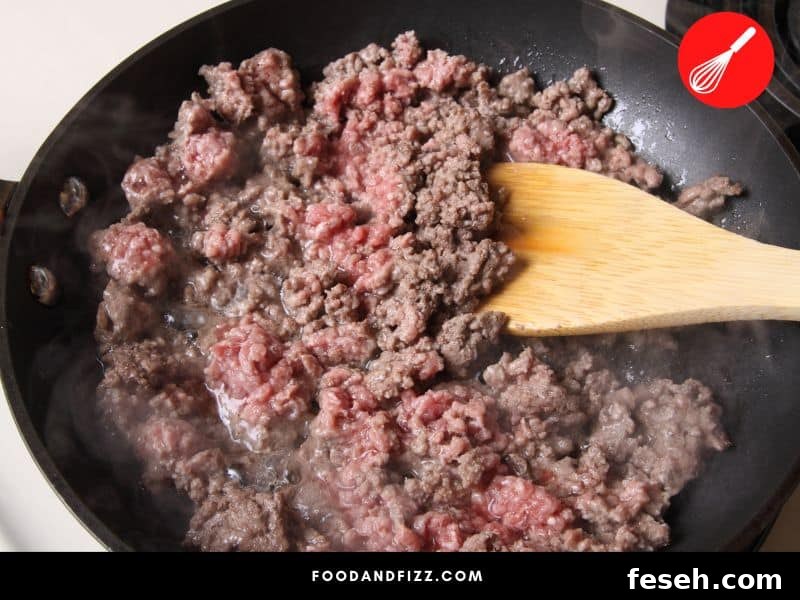
Browning during cooking is normal and results from two main processes: myoglobin breakdown and the Maillard reaction.
1. Breakdown of Myoglobin
As meat heats, myoglobin denatures and can no longer bind oxygen, forming hemichrome and metmyoglobin which cause brown or tan colors. At lower internal temperatures meat stays pink; at higher temperatures it turns brown.
2. Maillard Reaction
The Maillard reaction occurs when proteins and sugars react under heat, producing brown color and desirable flavor compounds. This reaction enhances taste and appearance and is responsible for browning during cooking.
How Does Ground Beef Retain Its Fresh, Reddish Color?
Some processors add small amounts of gases such as carbon monoxide to packaging to stabilize the red color by forming carboxymyoglobin, which resists oxidation and keeps meat looking red longer. This practice is controversial because it can mask aging, but spoiled meat still shows other clear signs like odor and slime.
Regardless of color treatments, always check texture, smell, storage time, and expiration date to determine safety.
Frequently Asked Questions to Ground Beef Turning Brown
Is It Bad if My Ground Beef Turned Brown in the Fridge?
Brown ground beef in the fridge isn’t automatically bad. If it smells normal, isn’t slimy, and was stored properly within its use-by date, it should be safe to cook.
Ground Beef Turned Brown After Thawing, Is it Still Good?
Thawed ground beef may show color changes from oxygen exposure or packaging conditions. If there are no off-odors, sliminess, or other spoilage signs, it’s generally fine to use.
Conclusion to Ground Beef Turning Brown – Is It Safe to Eat?
Ground beef turns brown mainly due to oxidation and changes in myoglobin. Color change alone rarely means the meat is unsafe. Check for smell, texture, storage time, and expiration dates. If none of those reveal spoilage and the meat has been handled properly, it can be cooked and eaten—preferably soon. When in doubt, discard it to avoid the risk of foodborne illness.