Welcome to Gastro-Entomology 101. Today we’ll take a playful look at two very different but fascinating insects: the predatory dragonfly and the sociable honey bee. To kick things off, enjoy this short clip I prepared.
After that peek at the feeding habits of members of the Odonata and Apoidea, let’s consider how they inspired a baking experiment.
Ever tried stir-fried grasshoppers or beetles? The Dude boldly sampled street food in Thailand years ago, and although I still cringe at the memory, I’m intrigued. Rather than jumping straight into eating actual insects, I approached this curiosity in a gentler, decorative way.
Fresh insects are traditionally best when eaten, but first you have to catch them. I designed two decorative “traps” for the photos—simple props meant to mimic lures, built from ingredients that suggest honey and lavender to play up the theme.
First up, the honey bee. Bees are remarkably focused foragers, always drawn to anything that resembles nectar or a honeycomb. In these images, the bee appears to land on what it thinks is a food source.
On contact with the surface in the staged scene, a sticky royal icing “glues” the prop in place—an edible illusion for photography, not a real trap. It’s a tongue-in-cheek way to reference how adhesive elements can immobilize tiny subjects in a controlled setting.
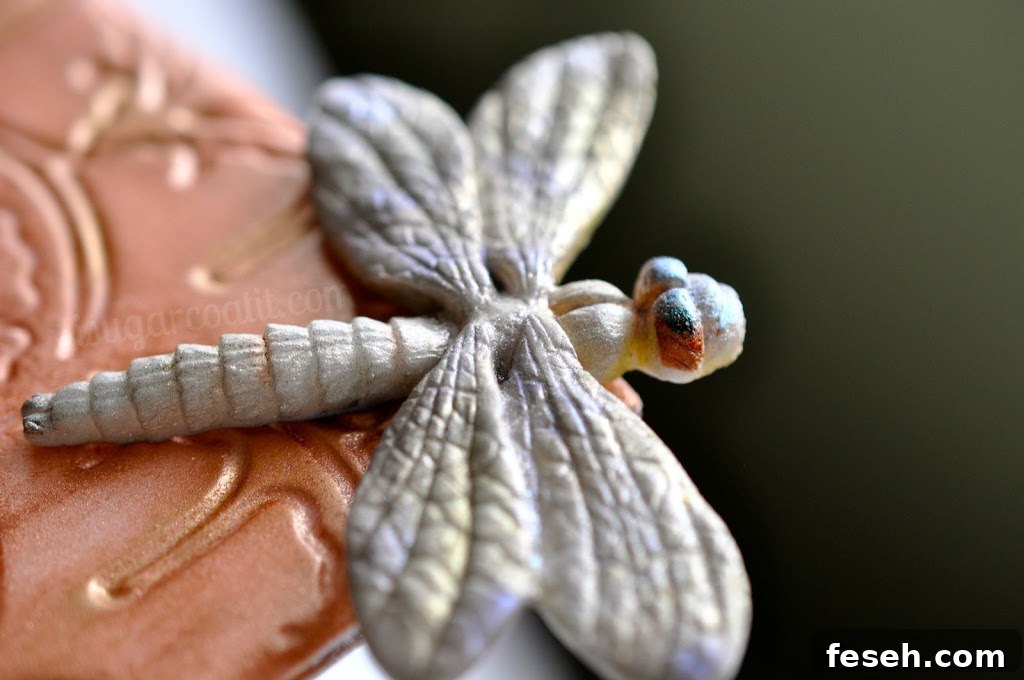
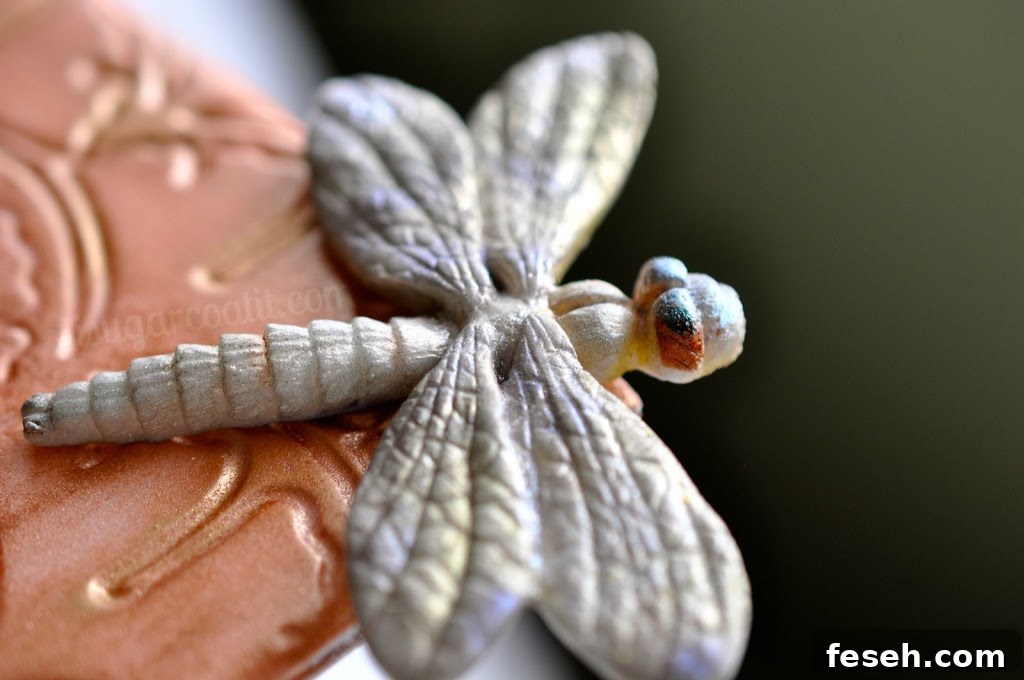
Next, the dragonfly: long-bodied, agile and striking with its translucent, patterned wings. In my decorative setup, the dragonfly is shown similarly caught by the scene’s adhesive element—again, used here purely as a visual device.
After the photo session, I translated the insect motif into something edible. Rather than actual insects, I created confectionery versions and enjoyed the cupcakes made from a lavender and honey-flavored batter. The result was surprisingly pleasant and easy to adapt to different decorative styles.
To be clear, no real insects were harmed to make the photos or the cupcakes. The little entomological treats were formed from modeling chocolate using a silicone mold, then finished with edible luster dust to give them shimmer. The flavor inspiration—lavender and honey—became the cupcake theme, while royal icing served as the “sticky” element for decoration.
For finishing, I covered a batch with black marshmallow fondant and used impression mats to add texture. I painted the impressions with edible dust mixed with a small amount of vodka to create a metallic sheen. Another batch was decorated differently and will be shared in a future post.
To wrap up the lesson, a little lighthearted bee rap and some jokes seemed fitting:
I like bee butts and I cannot lie… a playful nod to Sir-Mix-A-Lot.
Q: Who is the bee’s favourite singer?
A: Sting!
Q: What did the bee say to the naughty bee?
A: Bee-hive yourself.
Q: What did the confused bee say?
A: To bee or not to bee.
If you’re reaching for honey, remember how bees make it: worker bees collect nectar and transform it into honey through repeated processing inside the hive—a remarkable natural process.
These lavender and honey cupcakes are simple to make and yield a charming dessert for gatherings or themed events. Ready to bake?
(Bee humour adapted for the post.)
I Sugar Coat It
Gastro-Entomology or Lavender Honey Cupcakes
Lavender & Honey Cupcakes — yields 18 regular-size cupcakes
Print Recipe
Prep Time 10 minutes
Cook Time 20 minutes
Total Time 30 minutes
Servings: 18
Course: Dessert
IngredientsMethod
Ingredients
- 1 cup unsalted 2 sticks, softened
- 1 cup superfine sugar
- 2 cups self-rising flour
- 4 eggs
- 1 tablespoon . lavender honey
- 1 teaspoon . vanilla extract
Method
-
Prepare your muffin pan. If not using baking cups, grease and flour the pan.
-
Preheat your oven to 400ºF.
-
Combine all the ingredients in a mixer bowl fitted with the paddle attachment and beat on medium for 2-3 minutes, or until fully combined.
-
Use an ice-cream scooper to spoon batter into the cups/wells.
-
Bake for 20 minutes. Remove from oven and let cool for 5 minutes in pan. Remove from pan and let cool on a rack.
-
Decorate to your liking and enjoy!