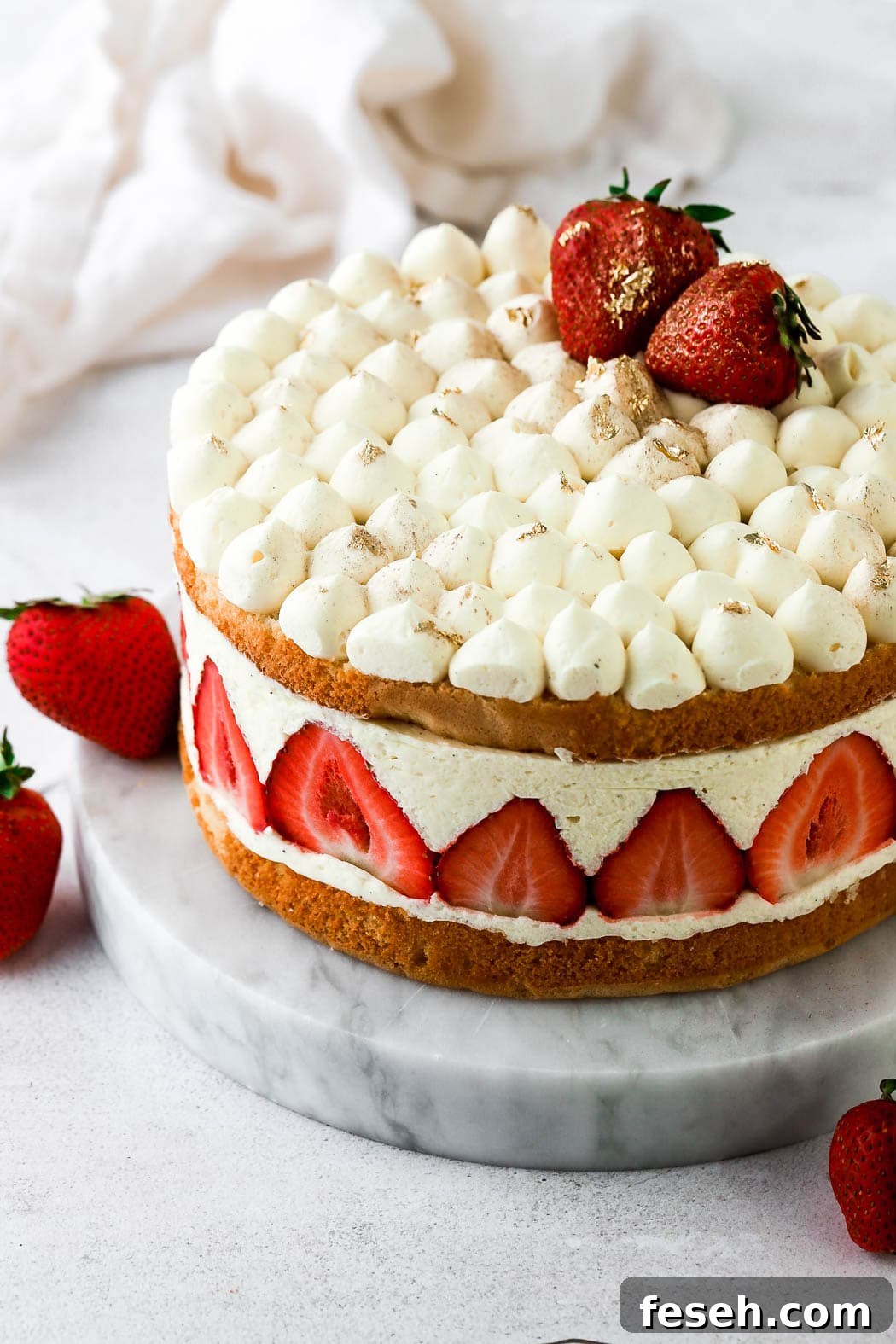
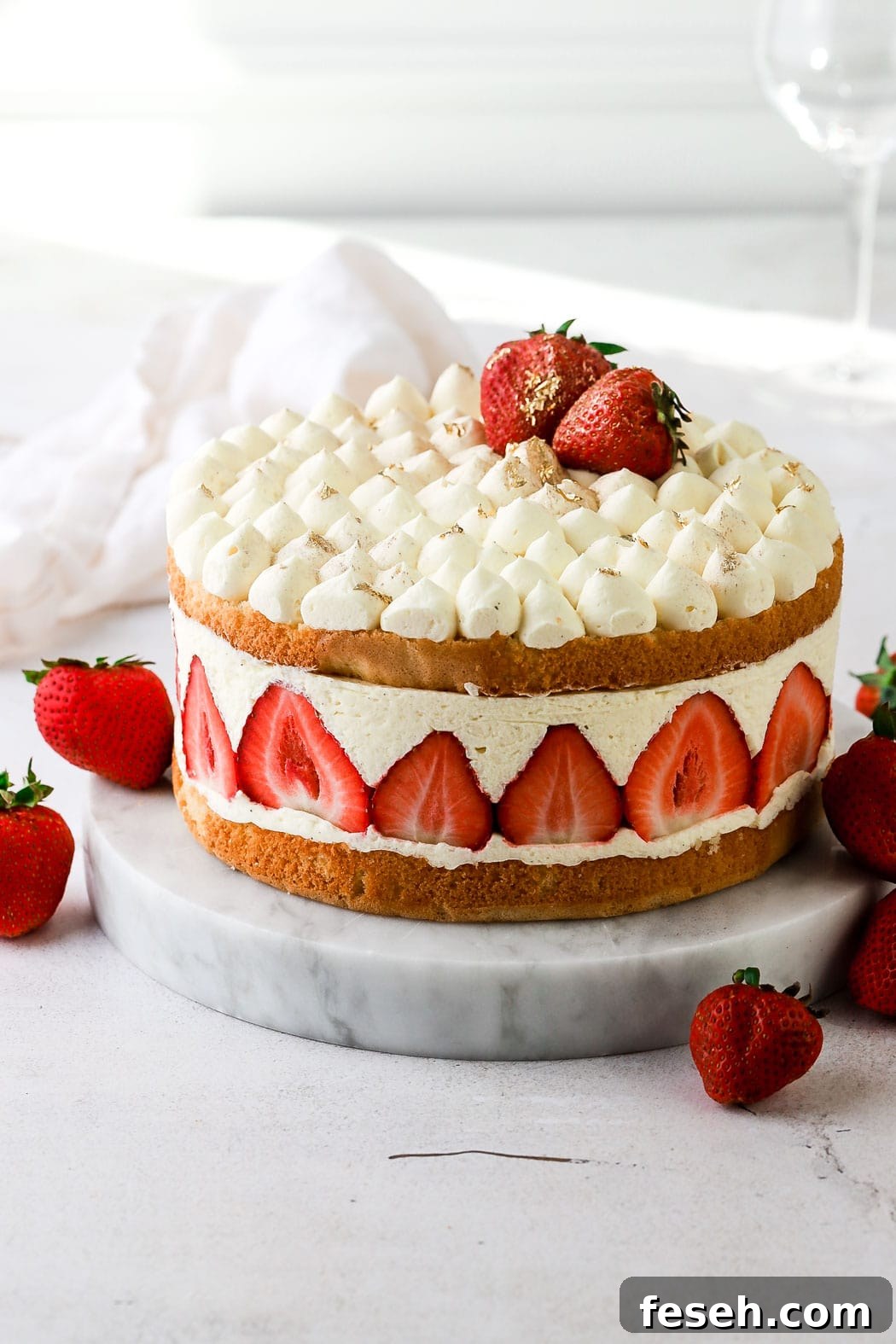
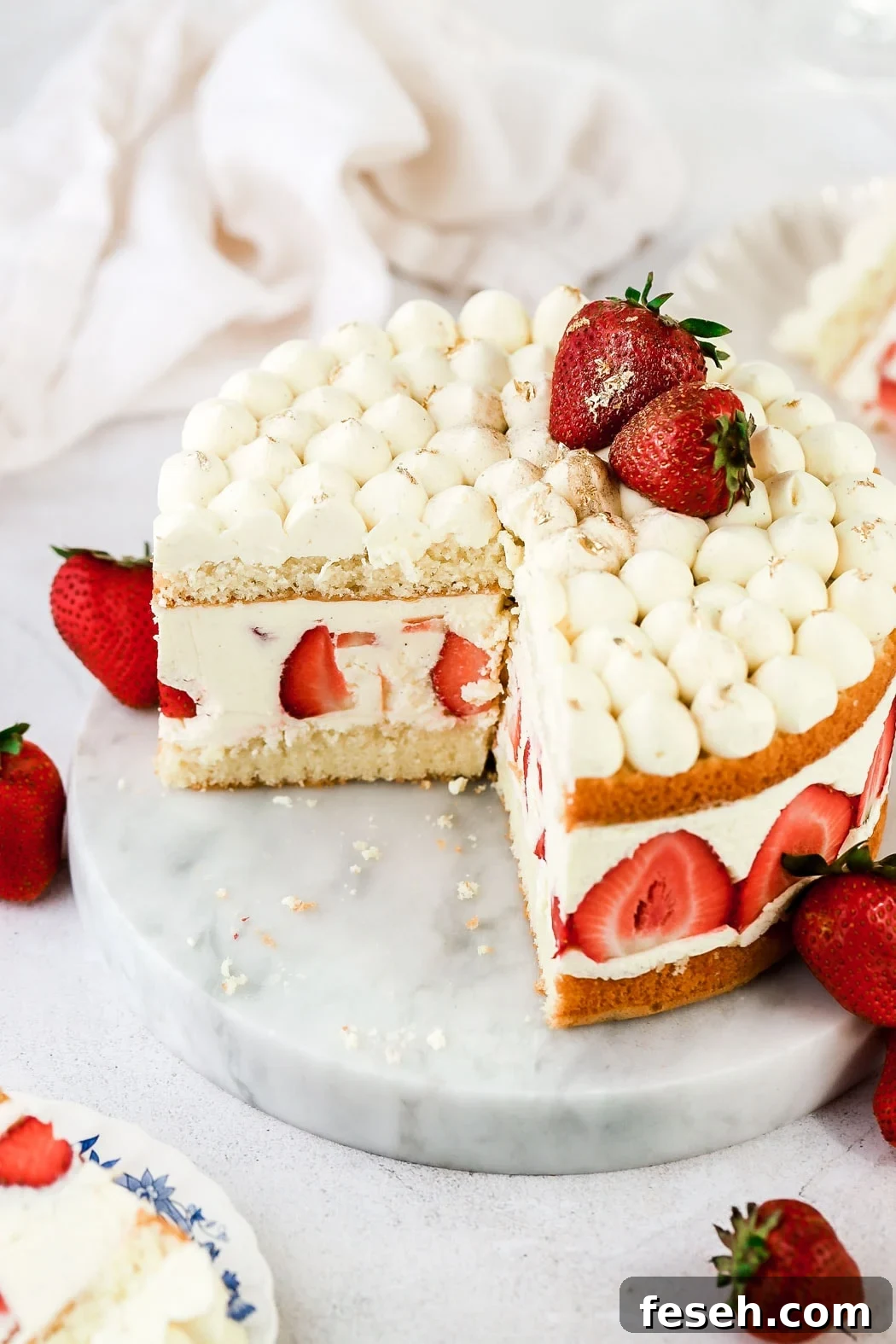
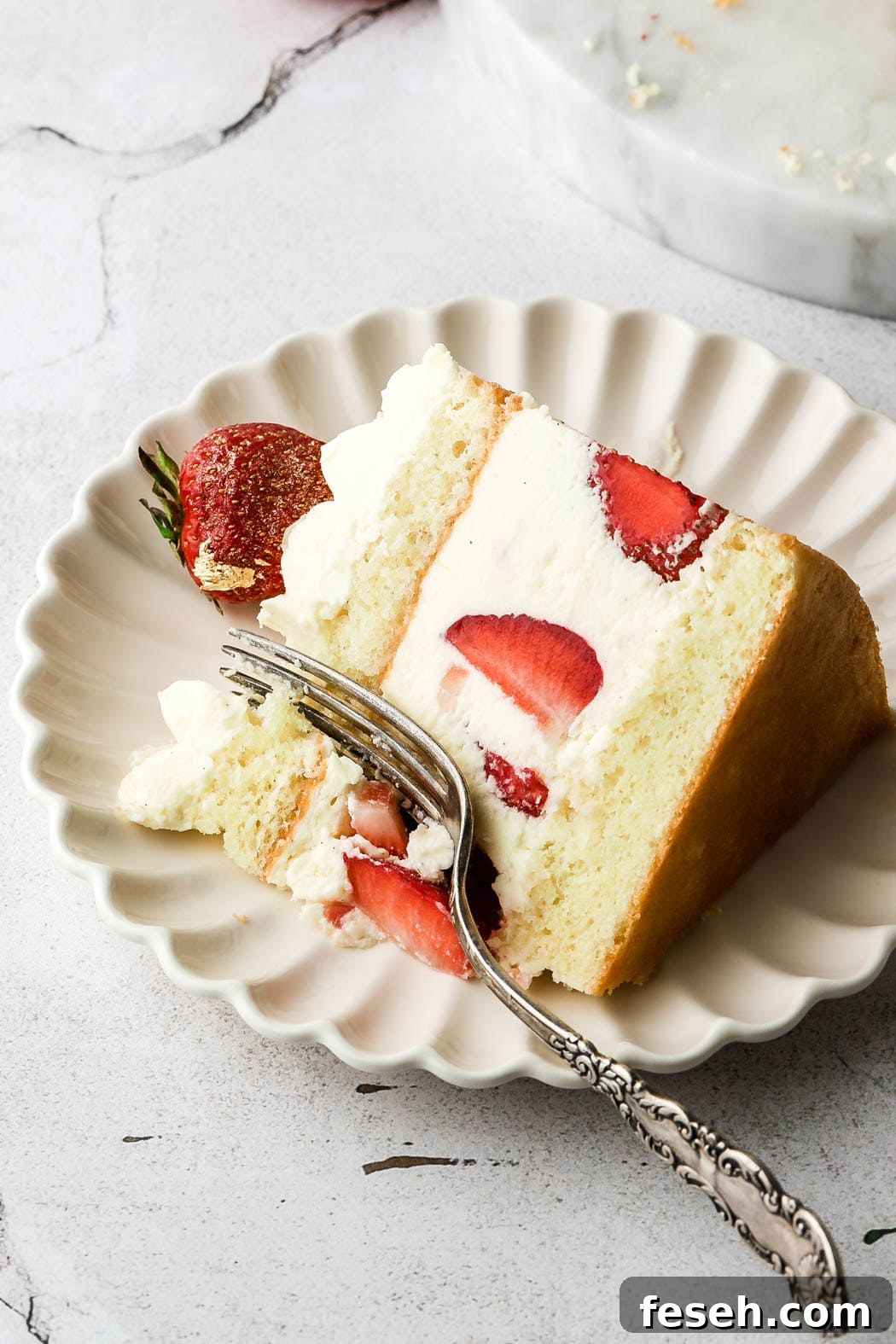
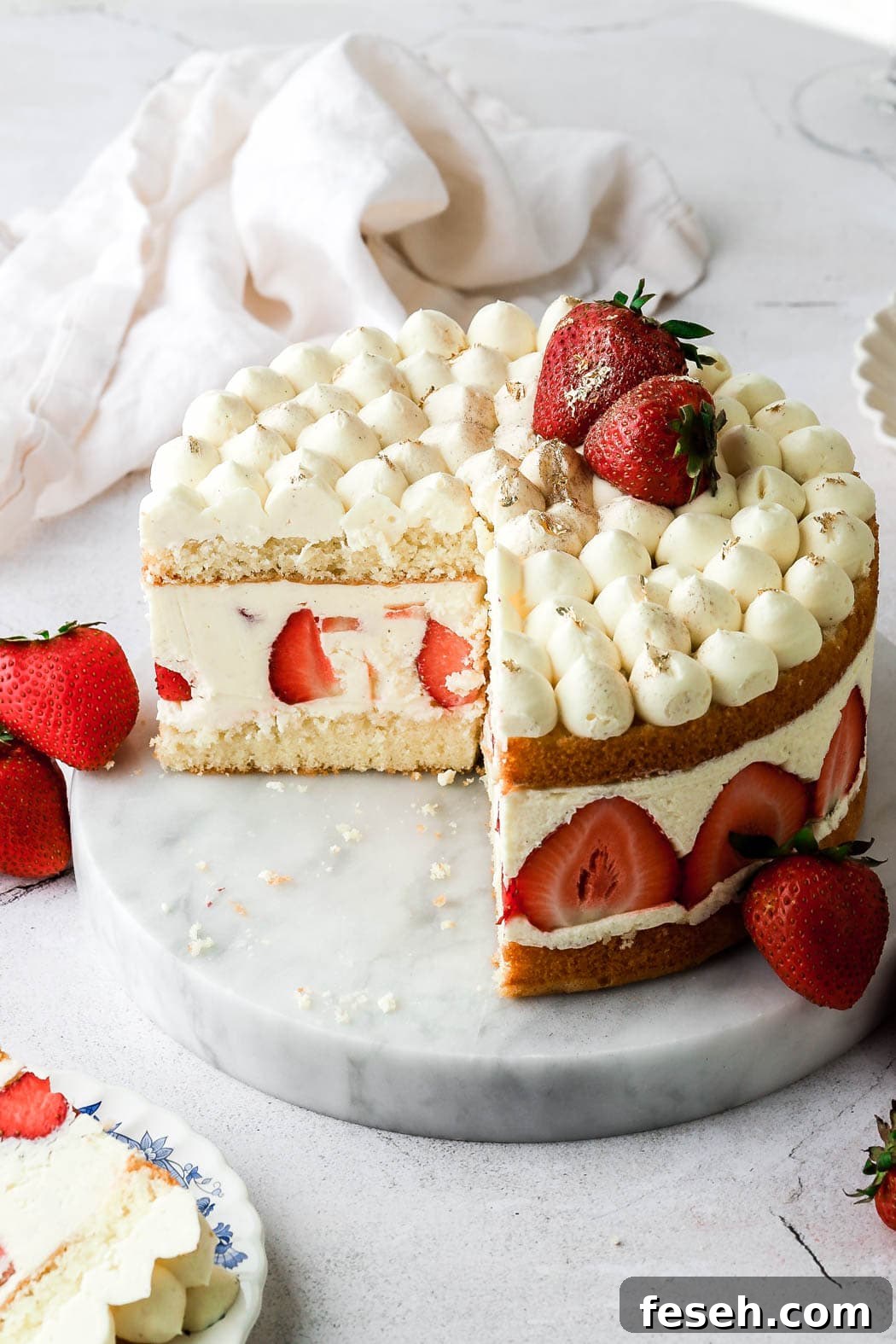
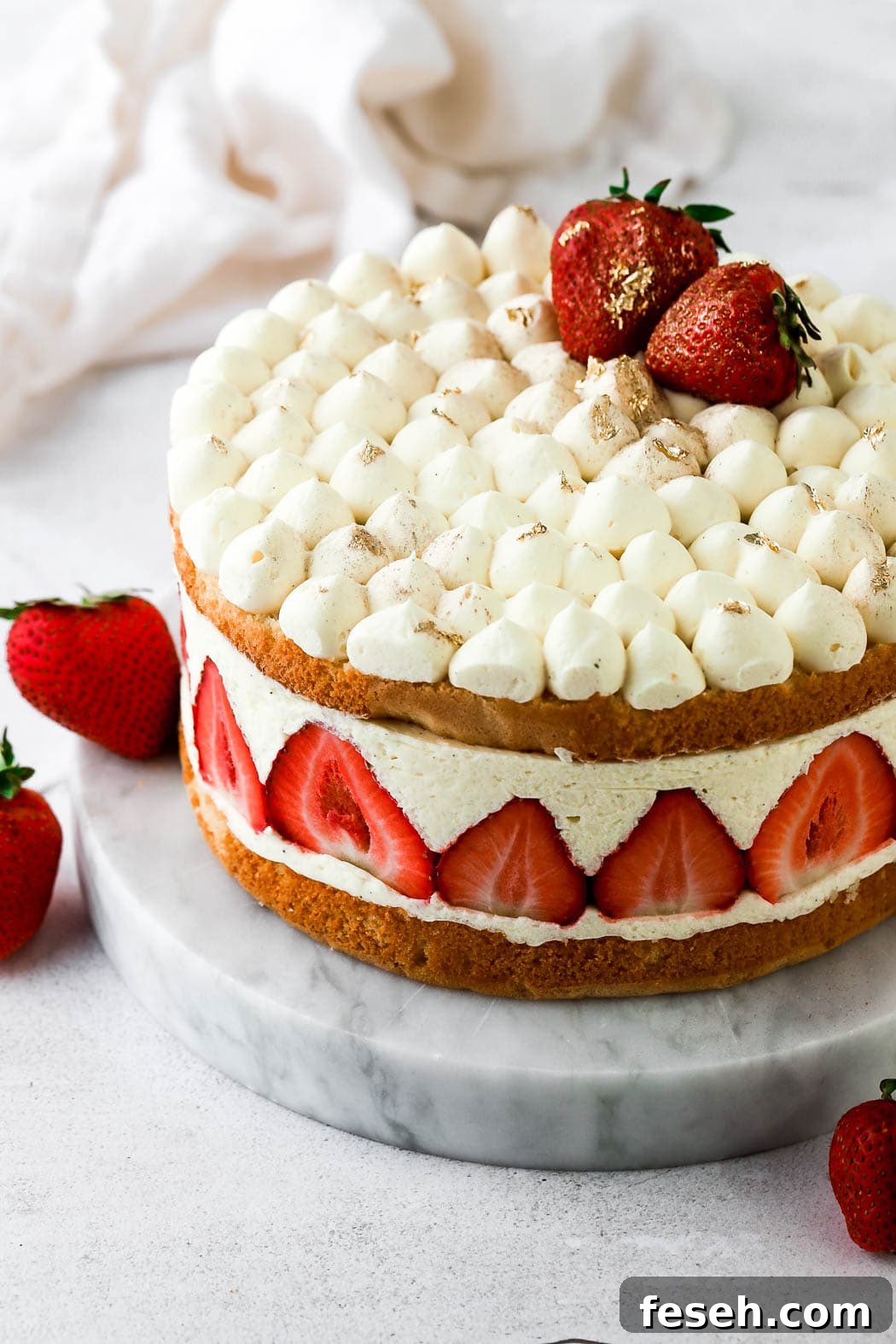
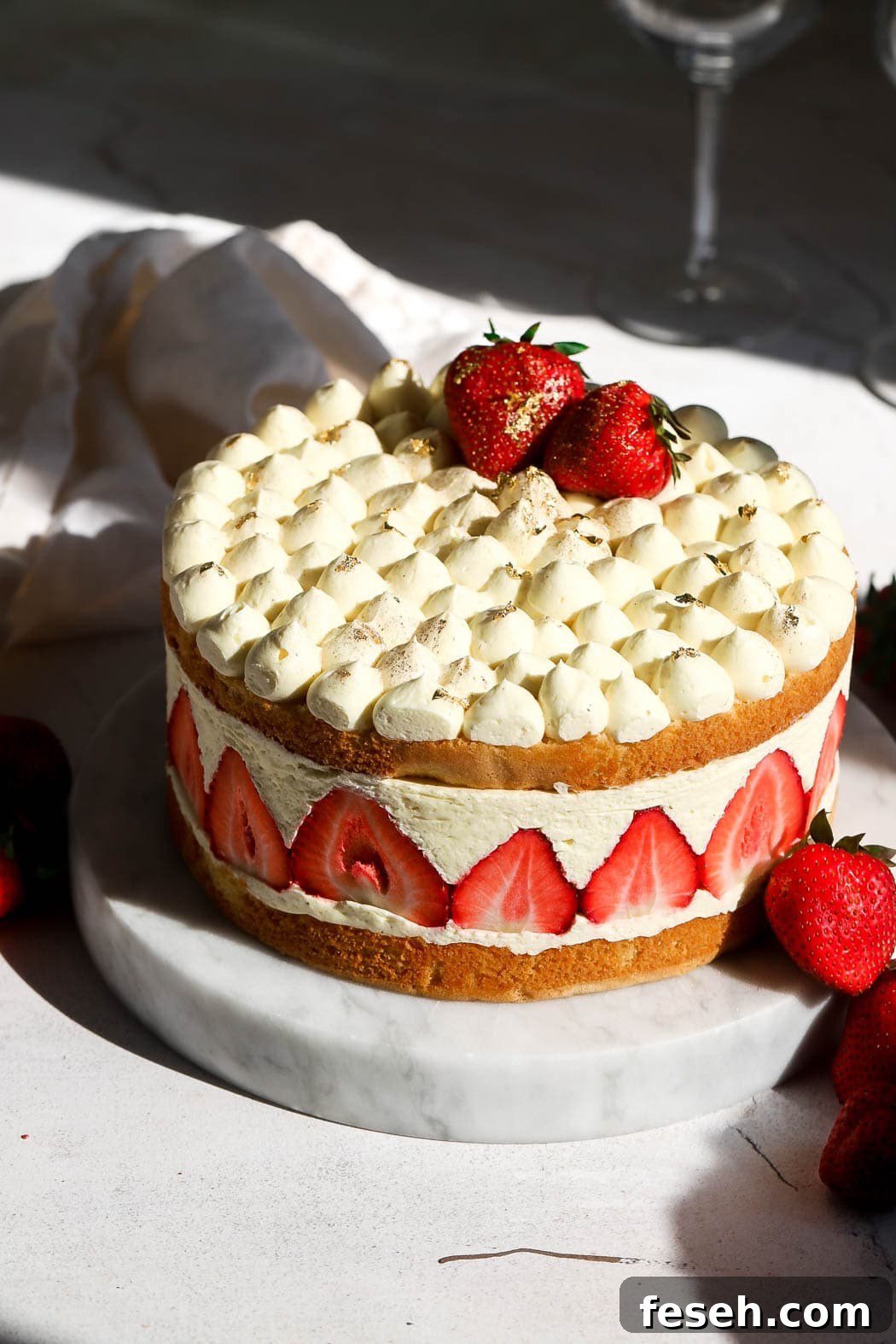
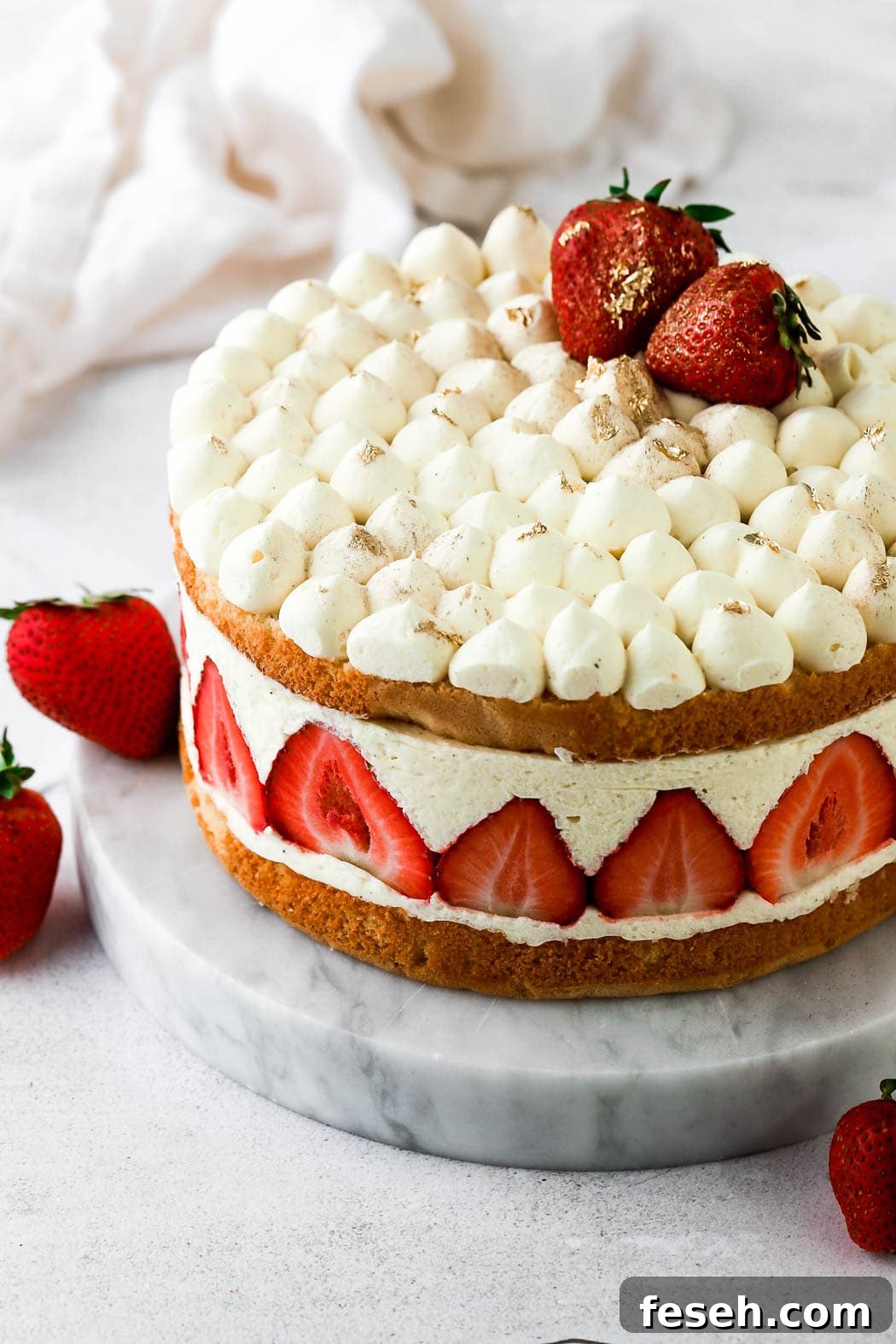
Fraisier is a classic French strawberry cake composed of two layers of genoise sponge soaked with simple syrup, filled with crème mousseline, and finished with halved strawberries lining the perimeter.
What is Fraisier Cake
“Fraisier” comes from the French word fraise, meaning strawberry. Traditionally, a fraisier is made with a light genoise sponge, a rich but silky crème mousseline, fresh strawberries in the center, and halved strawberries pressed along the cake’s outer edge for the iconic look.
If you’re craving a taste of French pâtisserie at home, this cake delivers an elegant, fresh strawberry experience without needing professional skills.
Why you’ll love this recipe
- A bright, seasonal dessert that highlights fresh strawberries
- Impressive presentation for special occasions
- Can be prepared a day or two ahead for convenience
- Approachable steps—technique matters, but the recipe is beginner-friendly with clear guidance
What is genoise
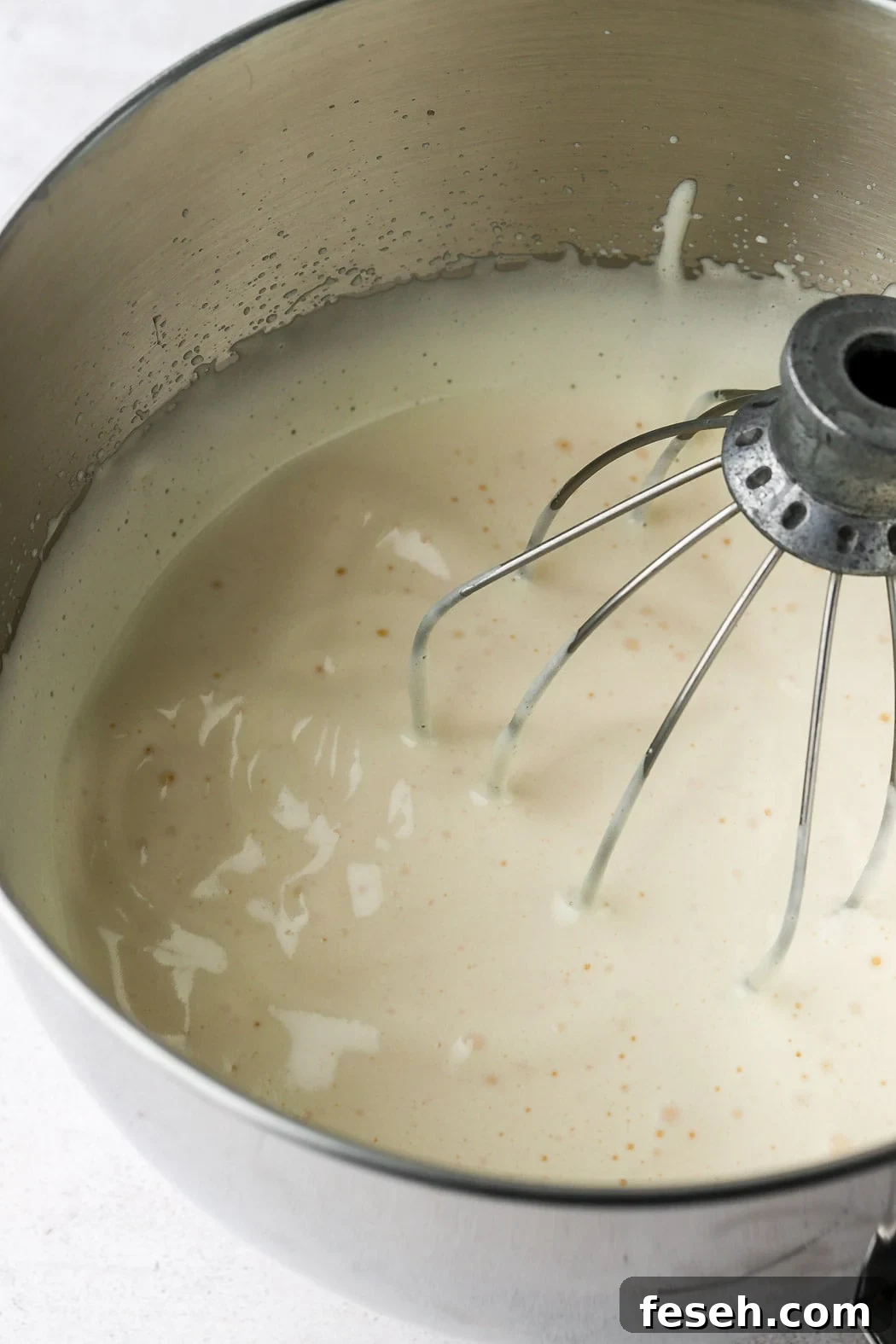
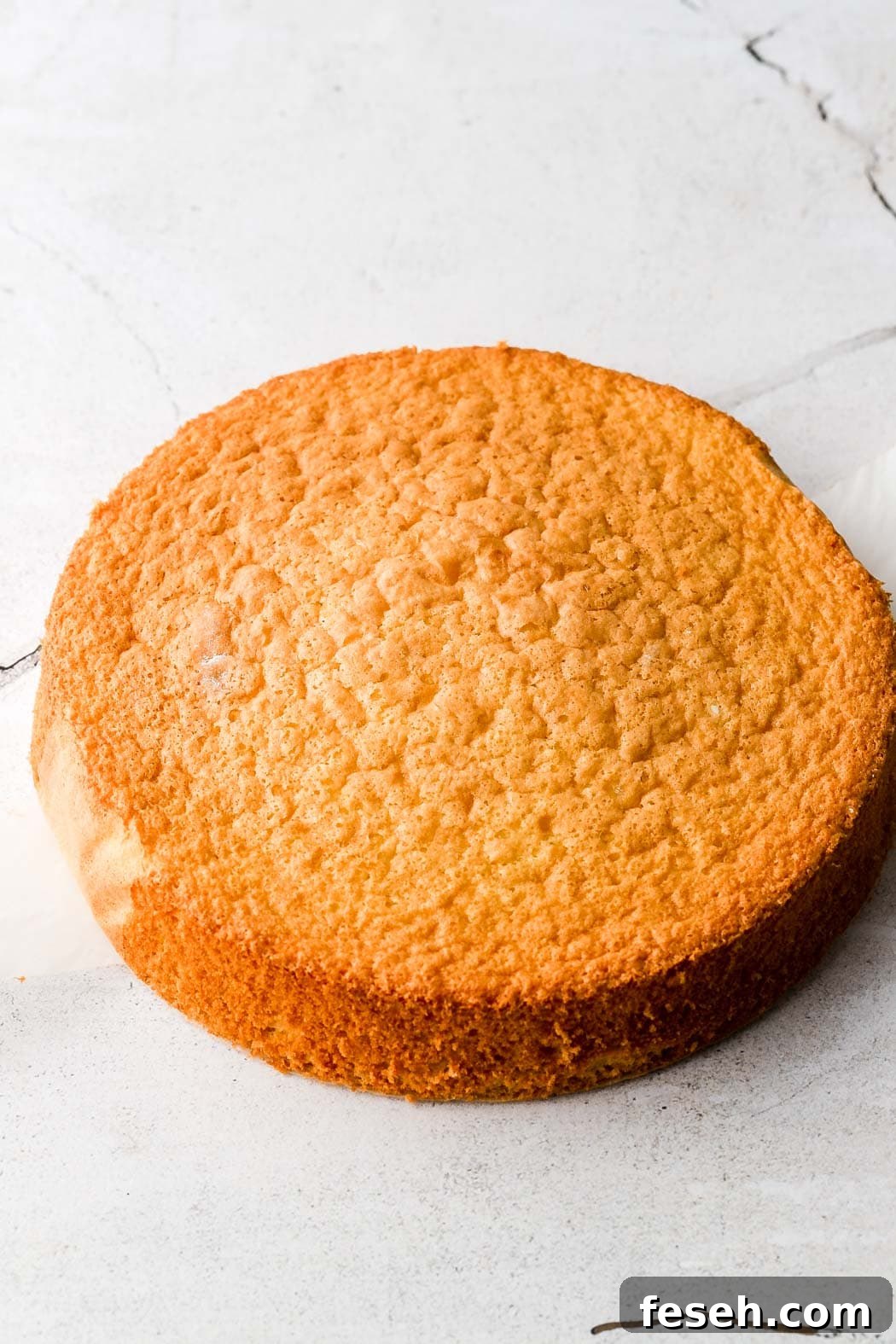
Genoise is a classic sponge cake that relies on whipped eggs (not chemical leaveners) for lift. Its structure is airy and slightly dry compared with butter-rich cakes, which is why we brush it with syrup for extra moisture.
Traditional genoise uses eggs, sugar, and flour, with a small amount of butter often folded in to add richness. The essential technique is:
- Whip the eggs and sugar until very light and voluminous to trap air.
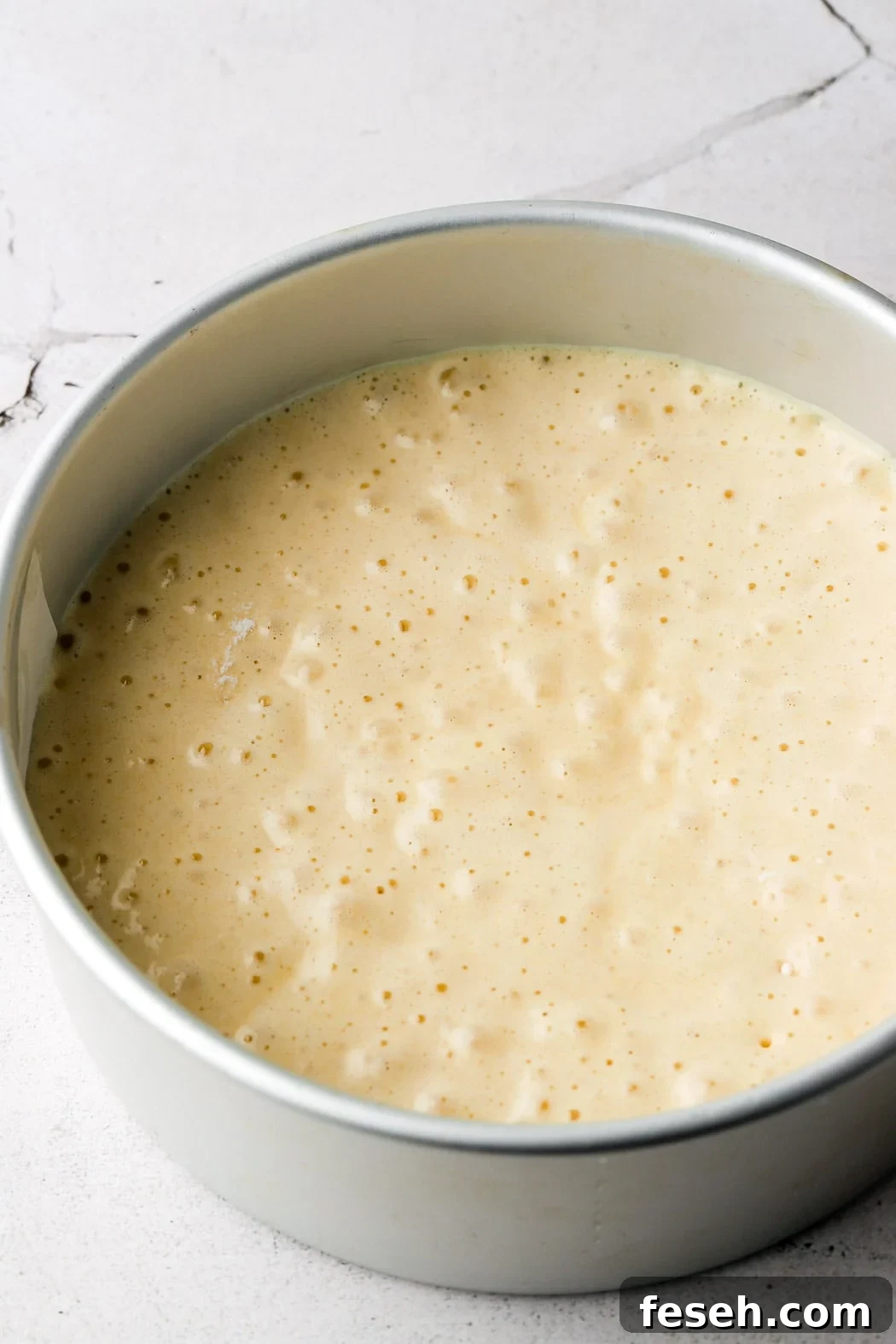
- Gently fold in flour and cooled melted butter just until incorporated to preserve the aeration.
The batter should still show bubbles when poured into the pan—this trapped air becomes the cake’s rise.
What is crème mousseline
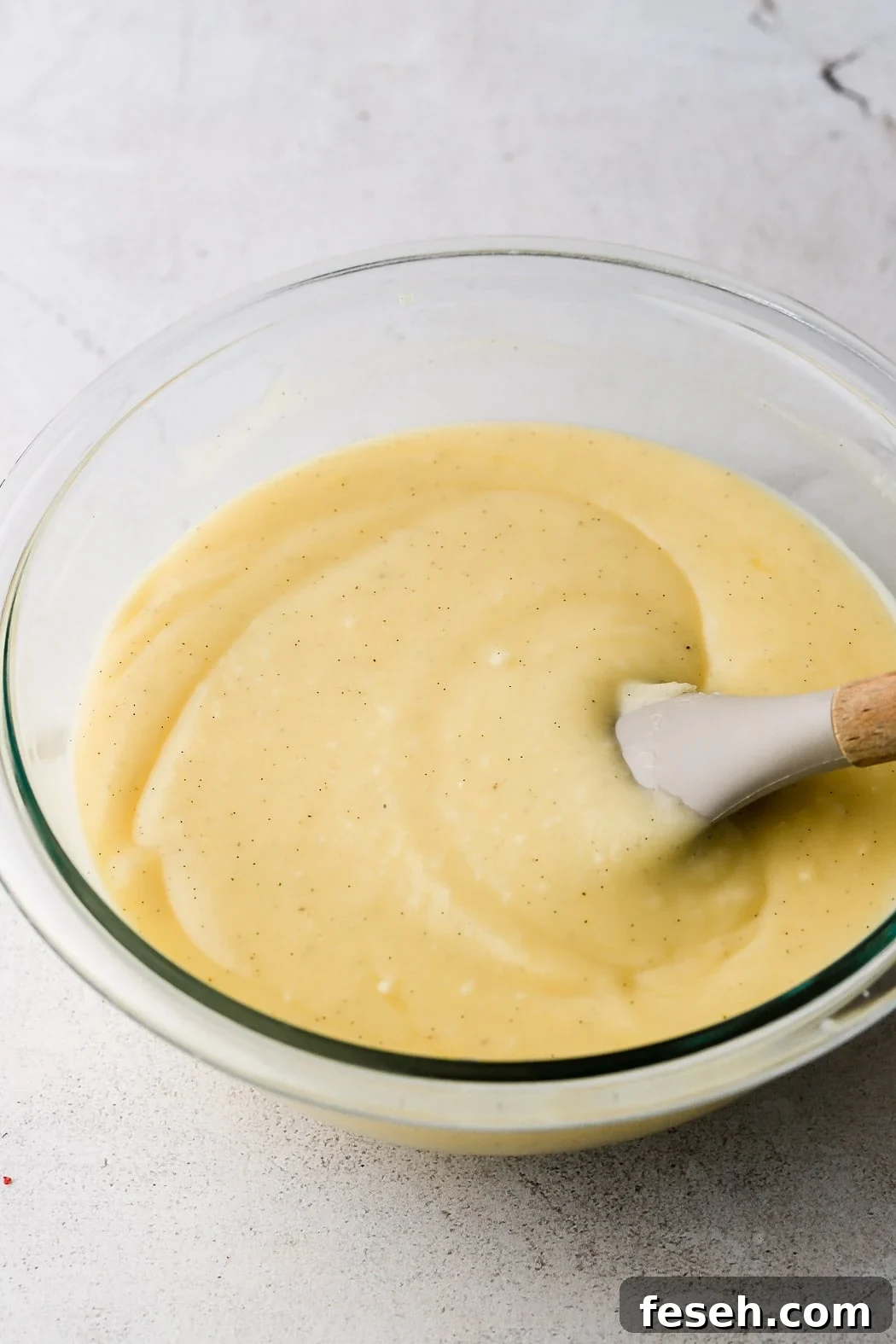
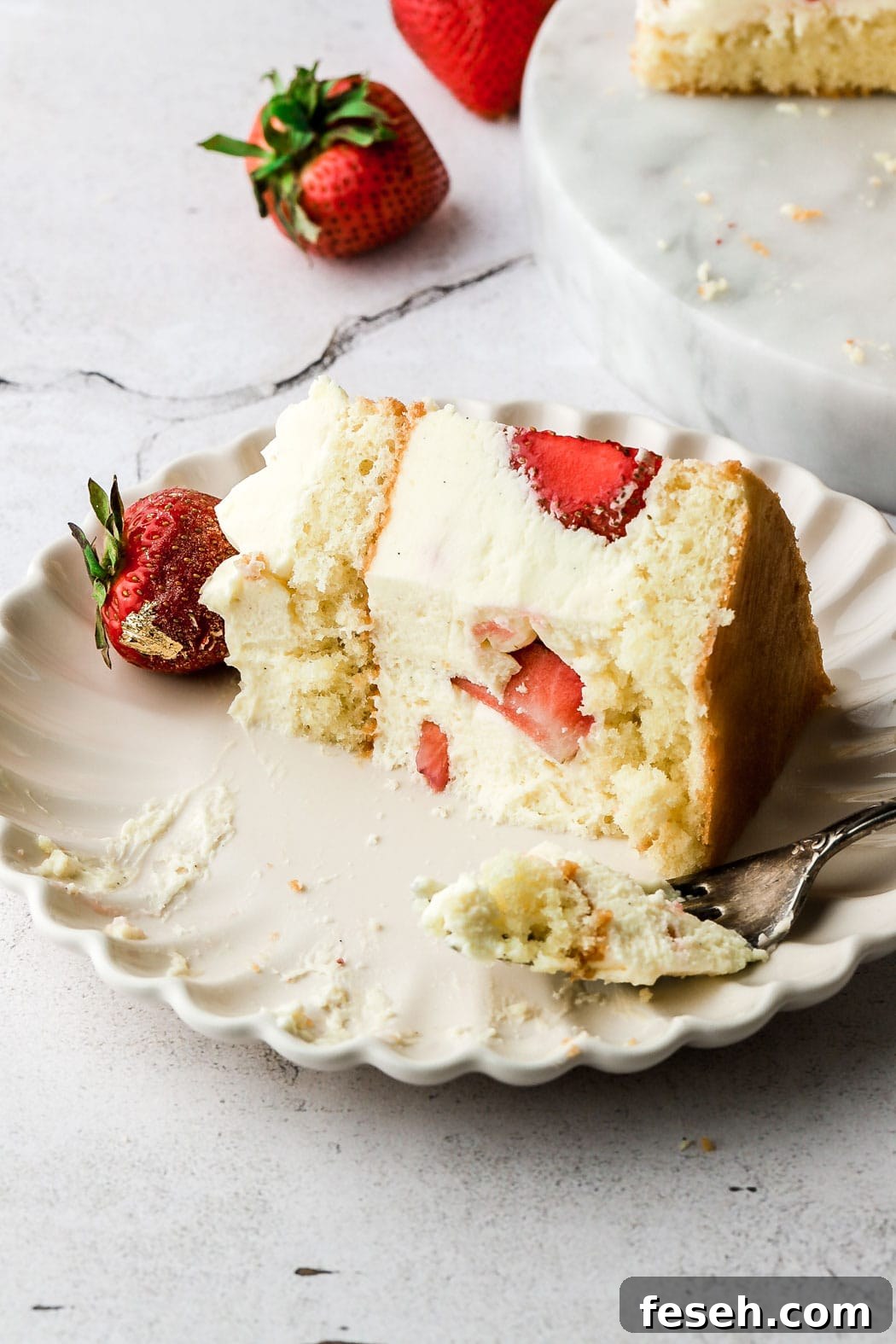
Crème mousseline is essentially pastry cream enriched with butter to create a smooth, spreadable filling. It’s similar to German buttercream but lighter when the ratios are adjusted—here the goal is a creamy, mousse-like texture rather than a heavy buttercream.
The balance typically used is about two parts pastry cream to one part butter by weight. This yields a luscious, silky filling that holds its shape but remains soft and creamy inside the cake.
The recipe uses a whole-egg pastry cream to avoid leftover yolks or whites while still delivering rich flavor. The pastry cream is cooled before being whipped into the butter to form the final mousseline.
Why use simple syrup
Genoise is low in fat and can be a touch dry on its own. Brushing the sponge with simple syrup keeps it tender and flavorful. A basic syrup is equal parts sugar and water, simmered until the sugar dissolves; a splash of vanilla or lemon juice adds bright flavor that complements the strawberries.
Ingredients & Substitutions
- Flour: All-purpose flour works well. Use a digital scale for accuracy to avoid excess flour.
- Sugar: Granulated sugar is recommended. For smoother texture in some components, superfine (caster) sugar is acceptable.
- Butter: Unsalted is preferred for the crème mousseline; salted butter can be used in the cake—adjust salt accordingly. Dairy-free spreads can substitute if needed.
- Eggs: Room-temperature large eggs give best volume. This recipe’s pastry cream uses whole eggs to avoid leftover whites.
- Milk: Whole milk for the pastry cream; lower-fat or plant-based milks are usable with slightly different texture.
- Vanilla: Real vanilla bean or paste gives the best flavor; extract can be used as an alternative.
- Strawberries: Choose firm, evenly sized strawberries for the outer ring. Avoid overly ripe berries to prevent sogginess.
Step-by-Step Instructions
- Make the pastry cream: Whisk eggs, sugar and cornstarch. Heat milk and cream to a simmer, temper into the egg mixture, then return to the pot and cook, whisking, until it thickens. Stir in butter and vanilla, cover the surface with plastic wrap, and chill.
- Make the simple syrup: Simmer equal parts sugar and water until the sugar dissolves. Cool and add vanilla or a little lemon if desired.
- Make the genoise: Beat eggs and sugar until pale and ribboning, fold in sifted flour in two additions with melted butter, pour into an ungreased lined 8-inch pan, and bake until springy and golden. Cool and slice the cake horizontally.
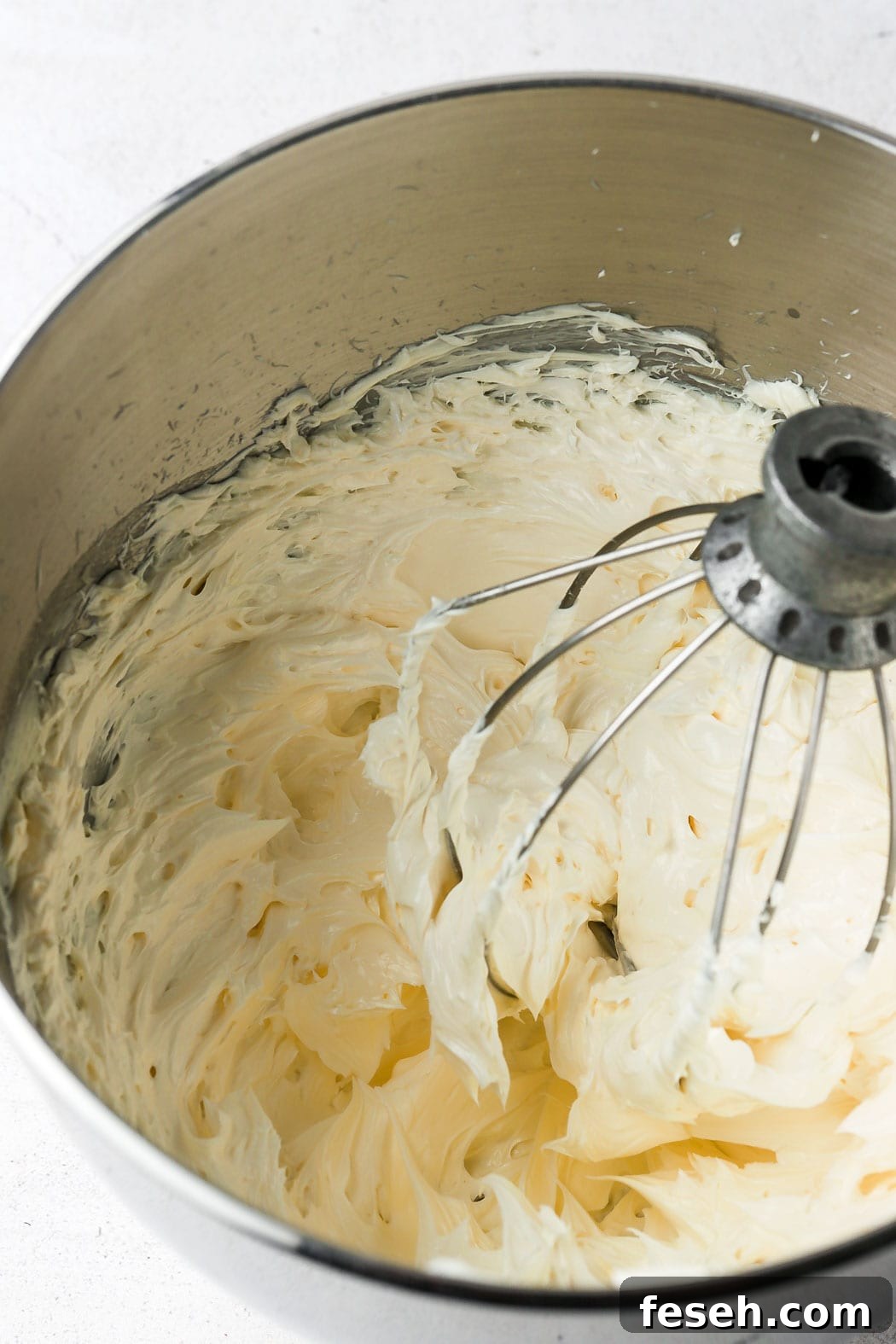
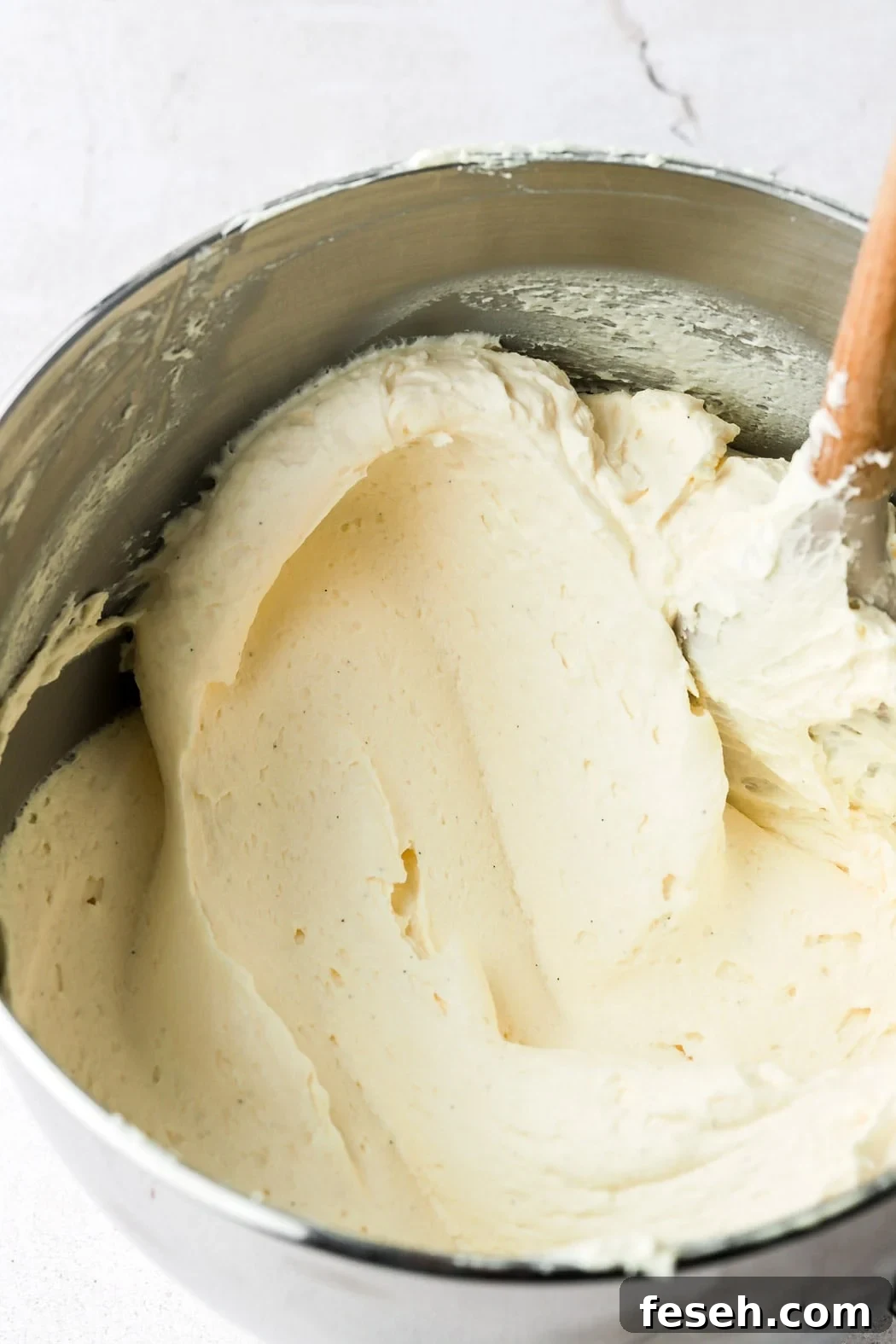
- Make the crème mousseline: Beat softened butter until very pale and fluffy. Add the chilled pastry cream in several additions, mixing thoroughly, then smooth with a spatula.
Equipment needed
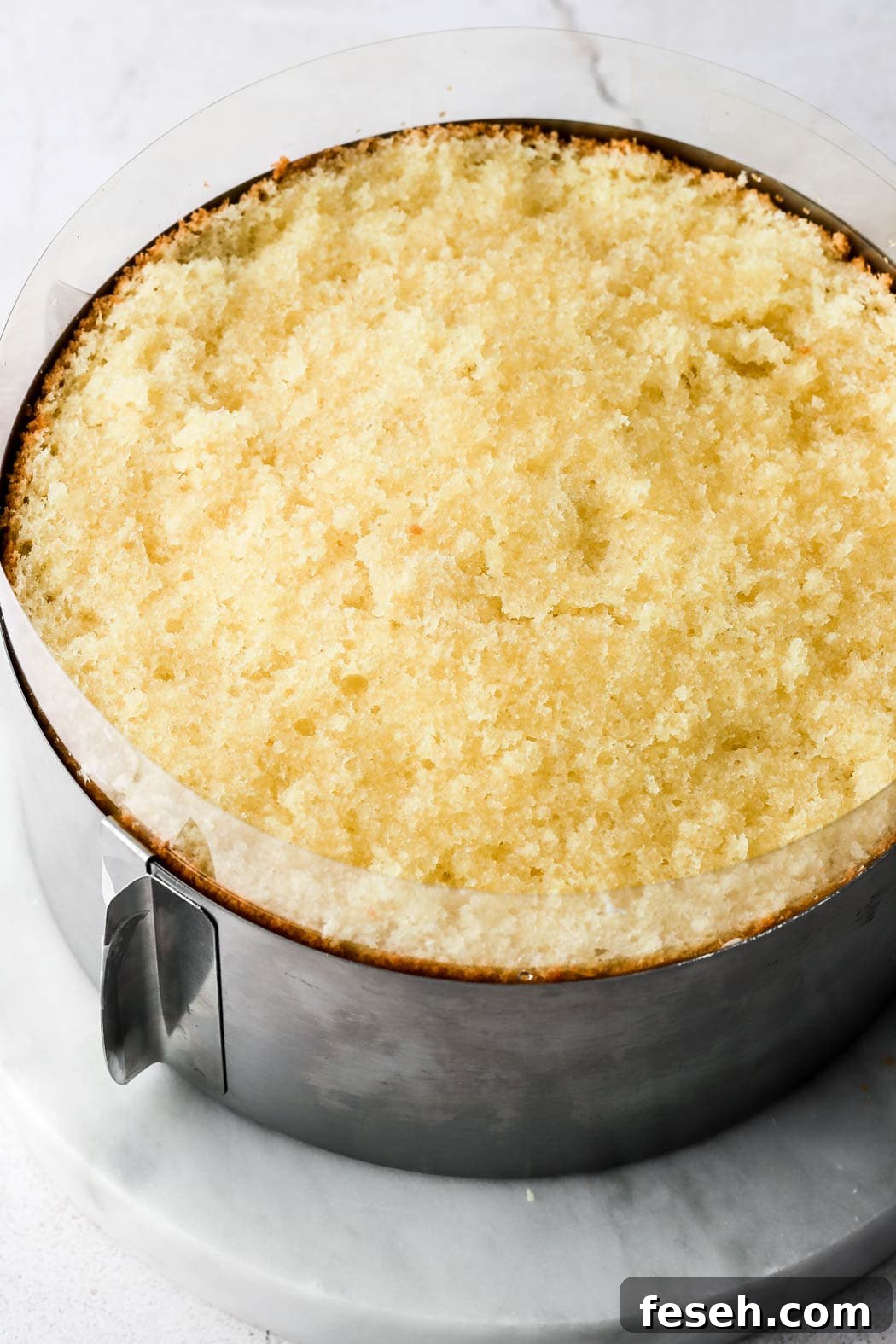
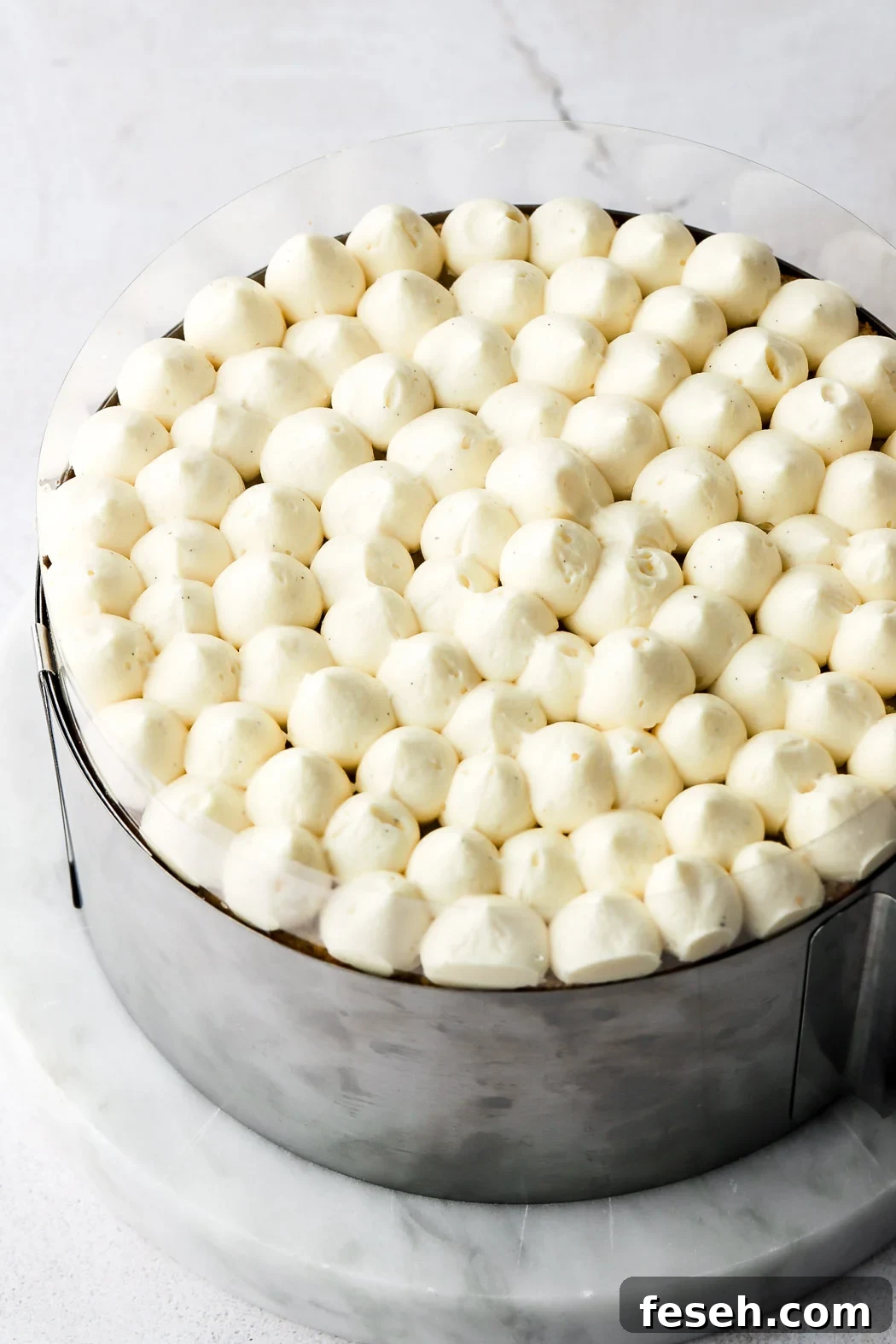
The usual tools are a stand mixer (or hand mixer), bowls, spatulas, a large serrated knife, and an 8-inch round pan. For the signature look, acetate sheets (cake collar) and a cake ring make assembly easier and neater, but you can assemble without them if you pipe a border of cream to hold the strawberries in place.
If you skip acetate, handle the layers gently and chill as needed to firm the cream during assembly. A springform pan can also be used if preferred for easier removal.
How to assemble a fraisier cake
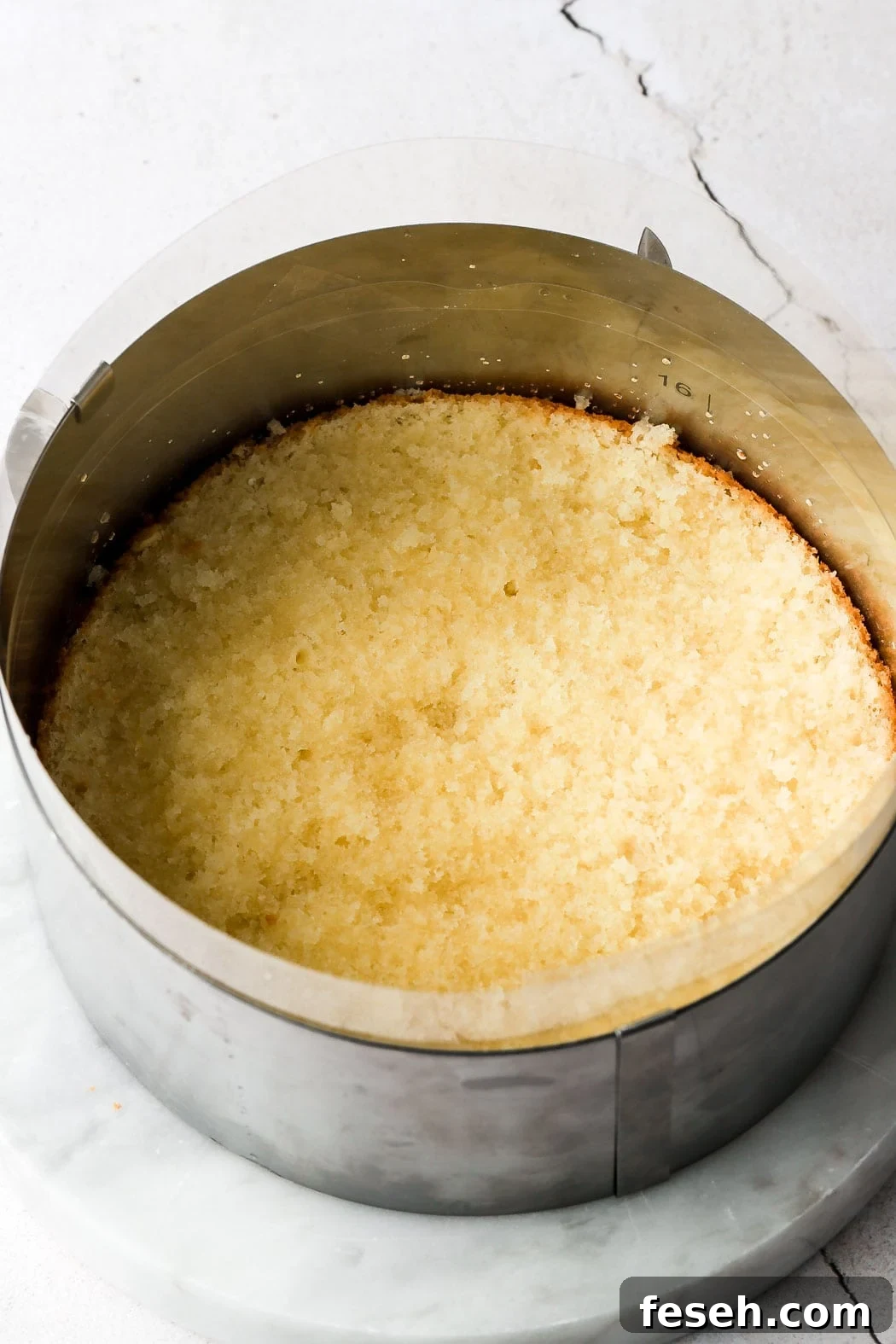
- Slice the chilled genoise horizontally and place the bottom layer inside a cake ring. Fit acetate between the cake and the ring to create a smooth wall.
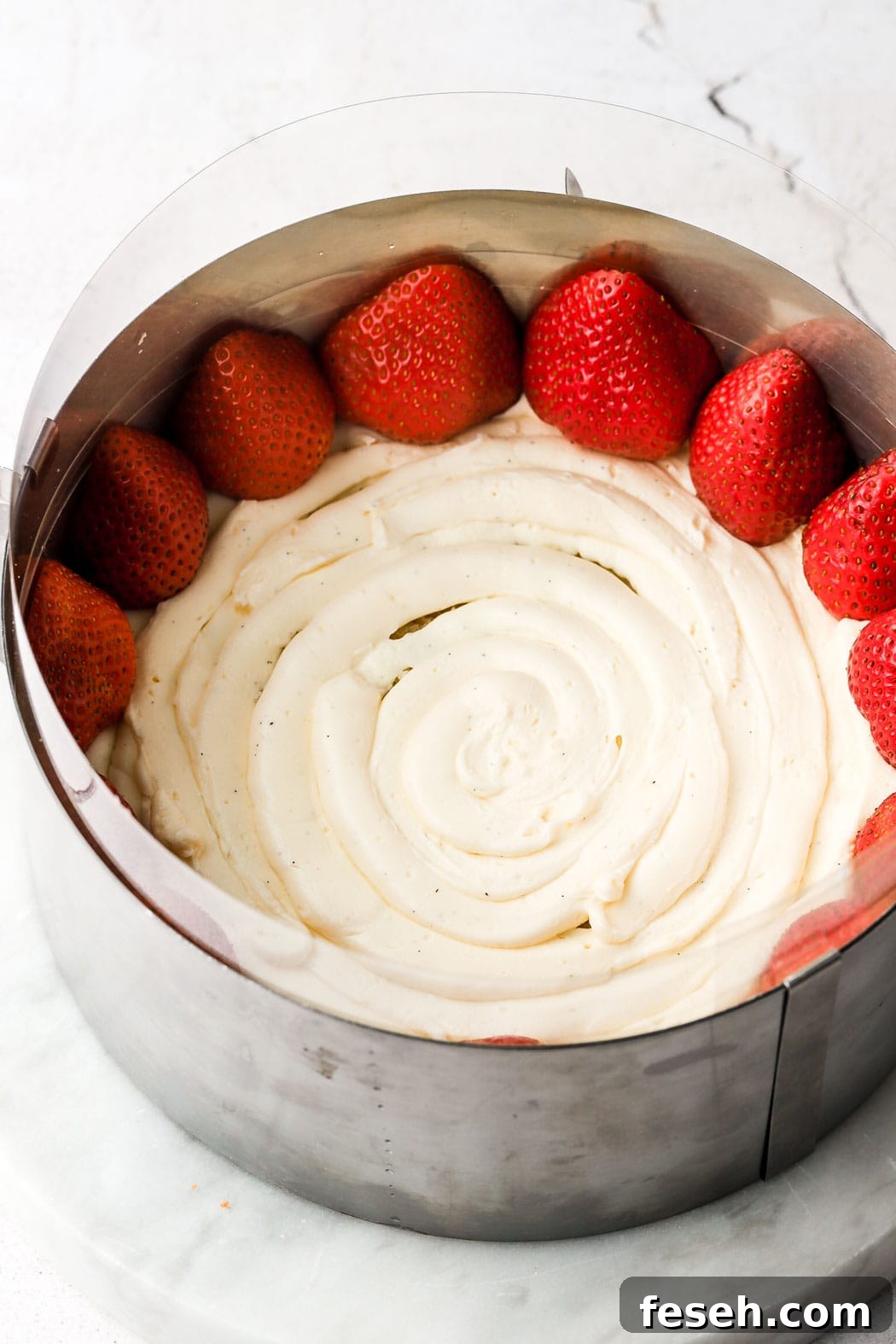
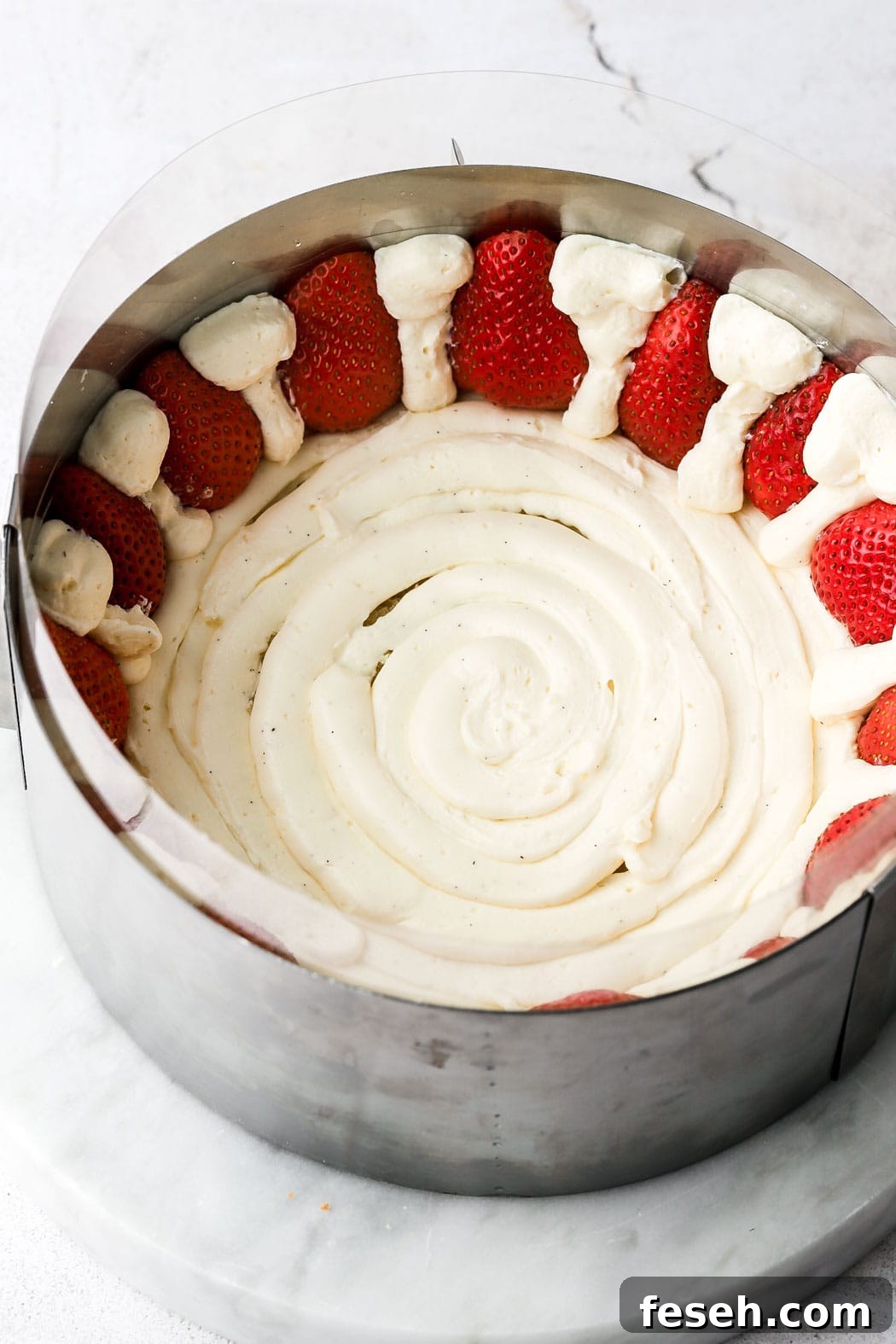
- Brush the sponge with simple syrup, then pipe a thin ring of crème mousseline around the edge to secure the strawberry halves.
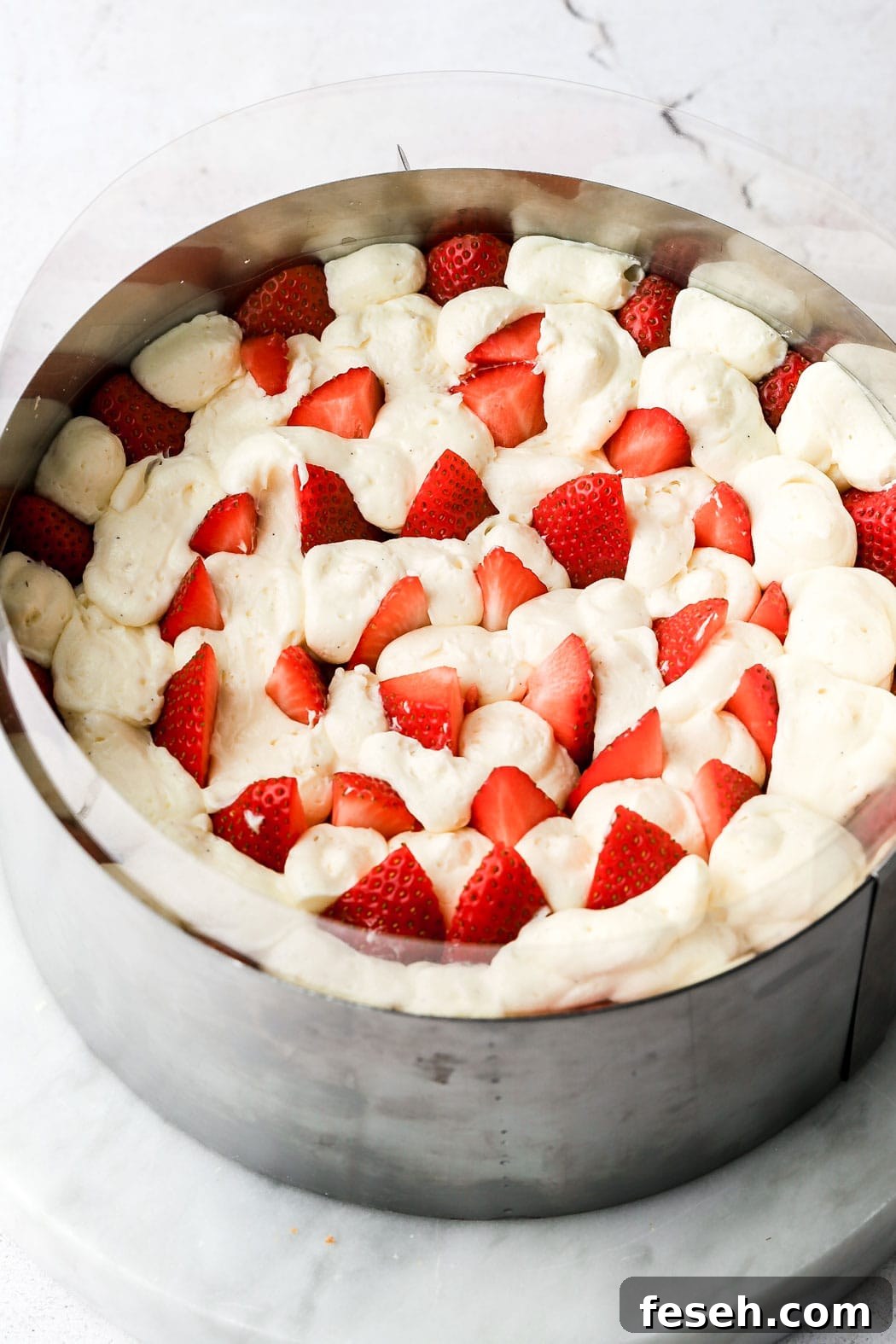
- Arrange halved strawberries around the perimeter, cut side facing the acetate. Pipe cream into any gaps to stabilize them.
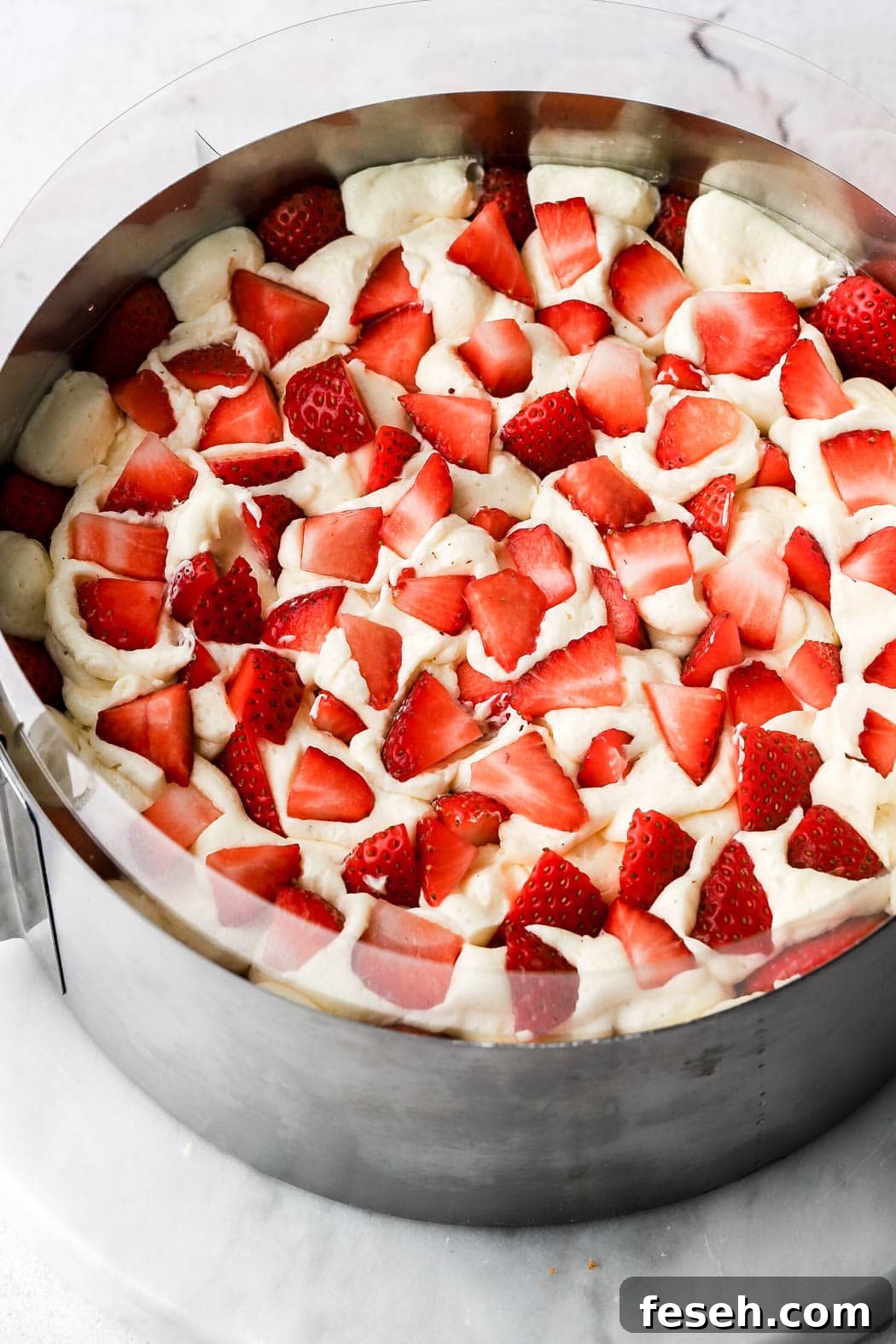
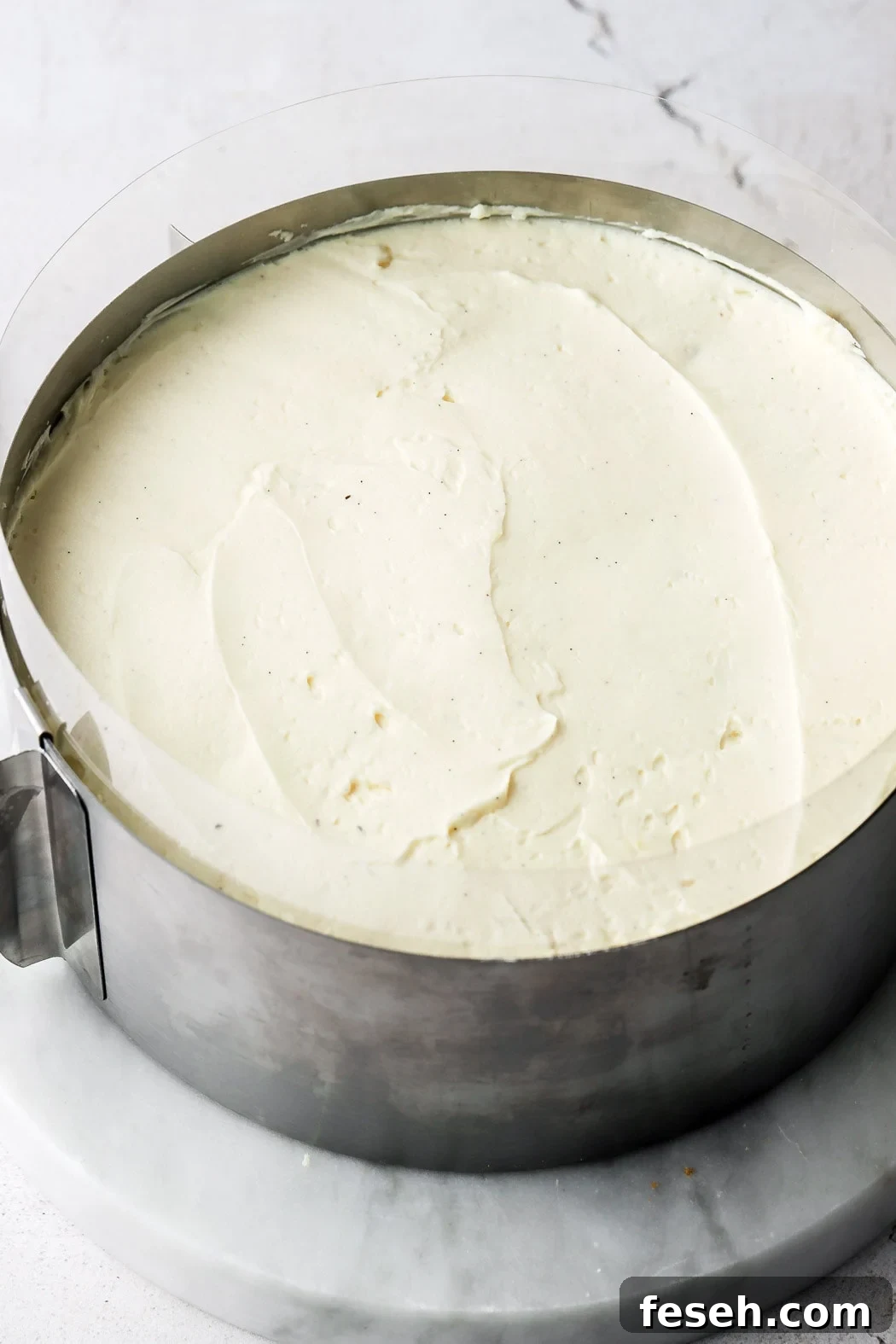
- Fill the center with more cream and sliced strawberries, then spread a flat layer of cream to level the surface.
- Place the top genoise layer on, brush with syrup, and pipe decorative poofs of mousseline. Garnish with fresh strawberries or edible gold if desired.
- Chill the assembled cake for a few hours so it firms up before unmolding and slicing.
How to decorate a fraisier cake
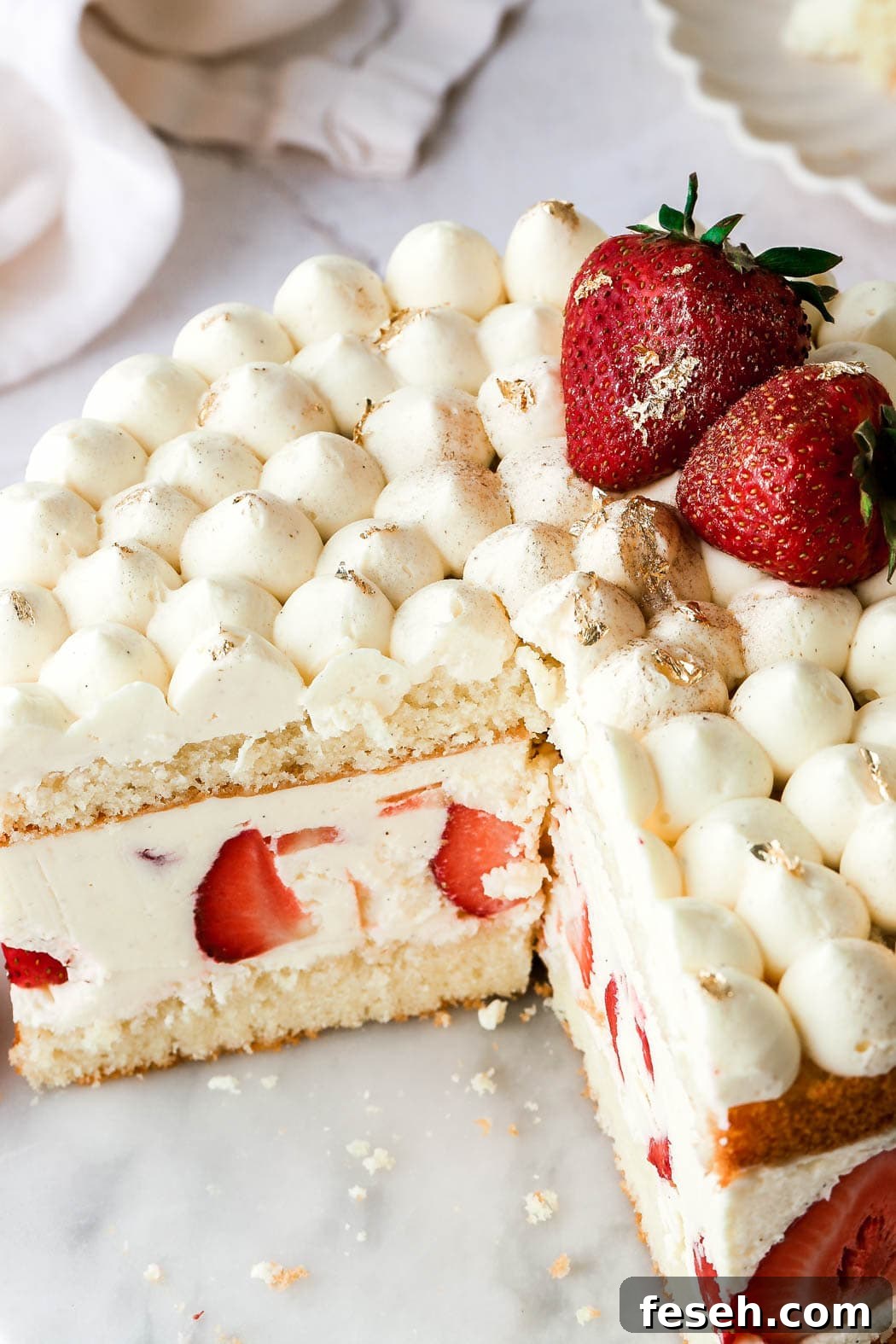
Traditional fraisier often has a marzipan top, but a simple and elegant alternative is to pipe small mousseline poofs across the top, arrange a few whole strawberries, and add subtle metallic accents if you like.
Keep decorations balanced and light so the fresh strawberry flavor remains the star.
Frequently Asked Questions
Yes. A 9-inch pan will yield a slightly shorter cake and may need a few more strawberries; a 7-inch pan will be taller and use fewer strawberries. You can halve the recipe for a 6-inch cake.
You can substitute most vanilla sponge cakes, but genoise is traditional and provides the right texture for this assembly.
Genoise rises from air whipped into the eggs. Overmixing when folding in flour and butter can deflate the batter. Fold gently and work quickly; if necessary, add a teaspoon of baking powder as a last resort.
Leaving the pan ungreased helps the batter cling to the sides and rise evenly. Line only the bottom with parchment for easy removal, and run a knife around the edge after baking to release the cake.
It should thicken enough to hold a streak from the whisk for a few seconds but remain softer than a firm custard. That slightly looser texture is ideal because the mousseline will thicken once the butter is incorporated. The pastry cream typically reaches just over 190°F (88°C).
A split mousseline usually results from temperature shock—either the pastry cream is too cold for the butter or the butter is too cold. Bring both to similar temperatures and add the cream gradually to the butter.
Diplomat cream (pastry cream folded with stabilized whipped cream) is a lighter option but requires stabilization—typically gelatin—to hold the structure. It will yield a mousse-like texture if you prefer that style.
Use fresh, firm strawberries that are similar in size for a neat perimeter. Avoid overly ripe berries to prevent excess juice and loss of structure.
How to store fraisier cake
Store the fraisier covered in the refrigerator. A cake dome is ideal; otherwise chill until firm and then wrap gently with plastic or foil. The cake keeps well for 4–5 days, though it will gradually soften as the strawberries release juice.
Freezing is not recommended because thawing typically causes the fruit to break down and release liquid, which affects texture and appearance.
Thanks for reading! If you try this French fraisier cake, feel free to share your photos and tag the recipe author on social media.
Happy baking!
Love, B
Cakes
Fraisier Cake Recipe
Pin Recipe
email recipe