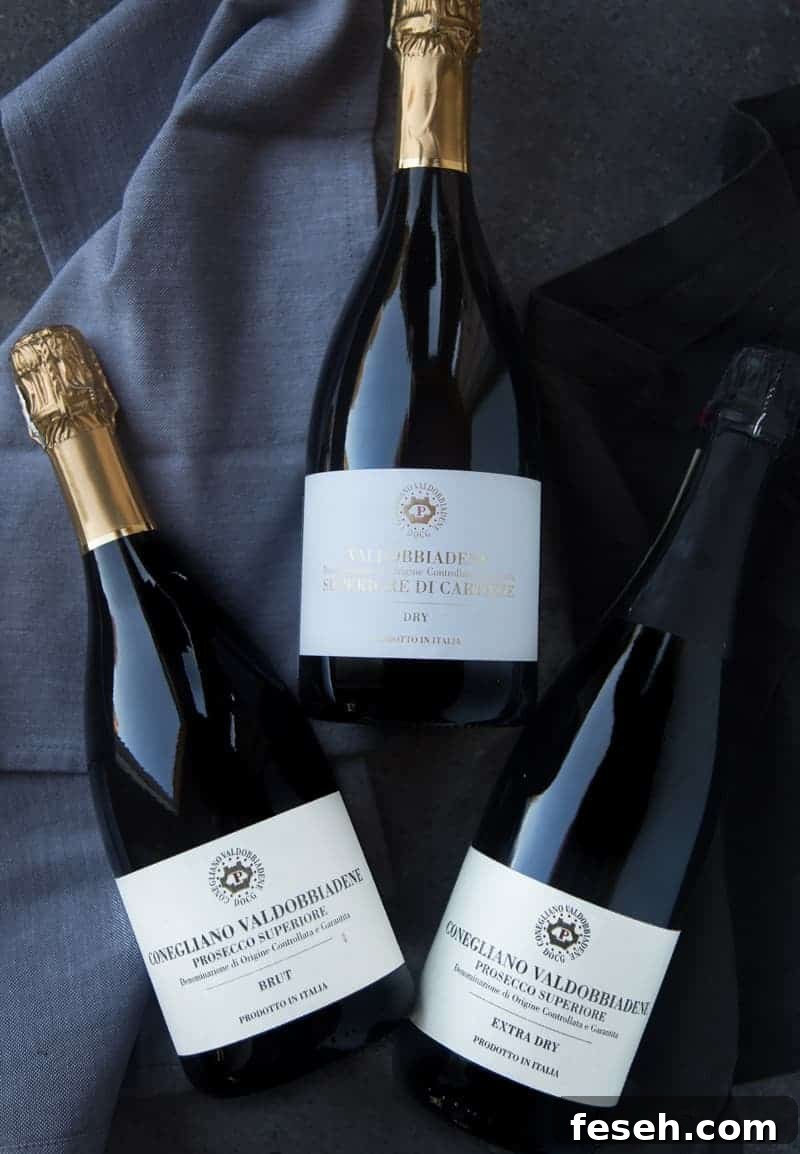
Prosecco Superiore DOCG represents the top tier of Prosecco, produced in the steep, picturesque hills between Conegliano and Valdobbiadene in Italy. This article explains what makes Prosecco Superiore DOCG distinct from general Prosecco DOC, outlines its styles and subzones, and suggests food pairings and recipe ideas to enjoy with these elegant sparkling wines.
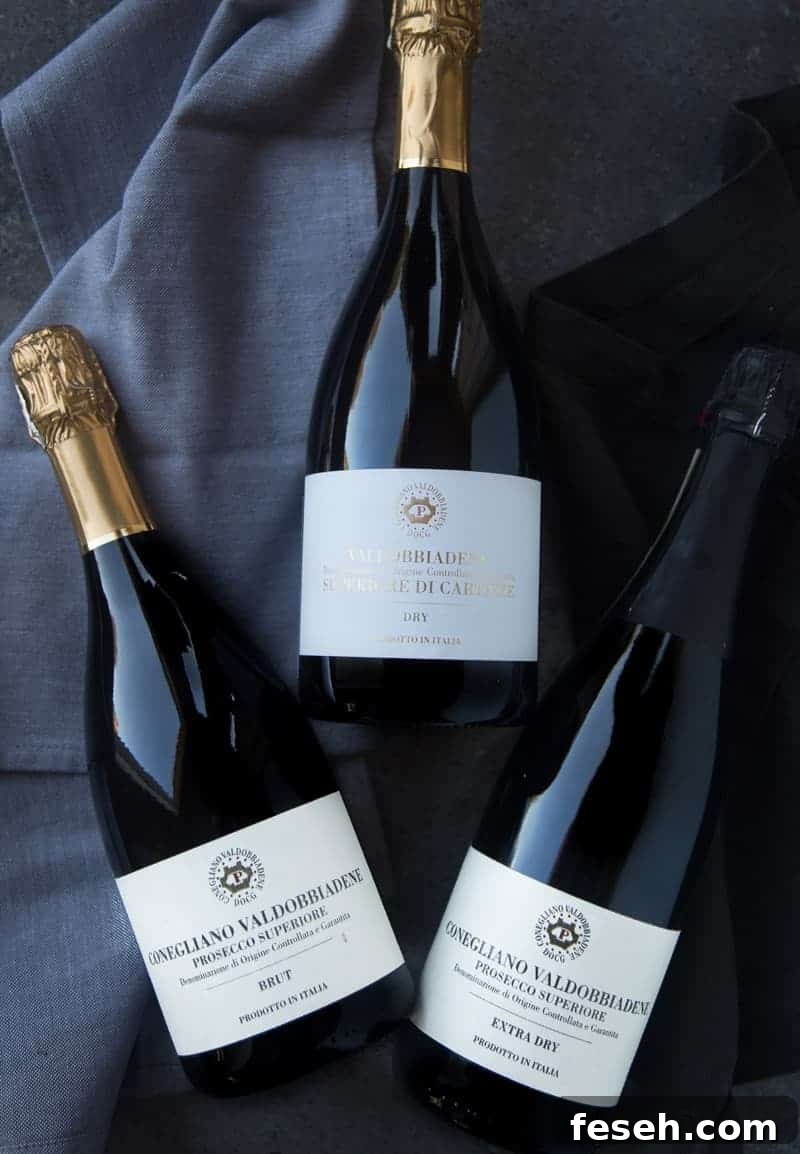
Table of Contents
- What’s the difference between Prosecco and Prosecco Superiore DOCG?
- Prosecco Superiore DOCG
- Why this matters
- Understanding Prosecco Superiore
- Three types of Prosecco produced
- Styles of Prosecco Superiore — From dry to sweet
- Conegliano Valdobbiadene Prosecco Superiore DOCG: The Vineyards
- Cartizze and Rive
- Food pairing for Prosecco Superiore
- Recipes to try with Prosecco Superiore
What’s the difference between Prosecco and Prosecco Superiore DOCG?
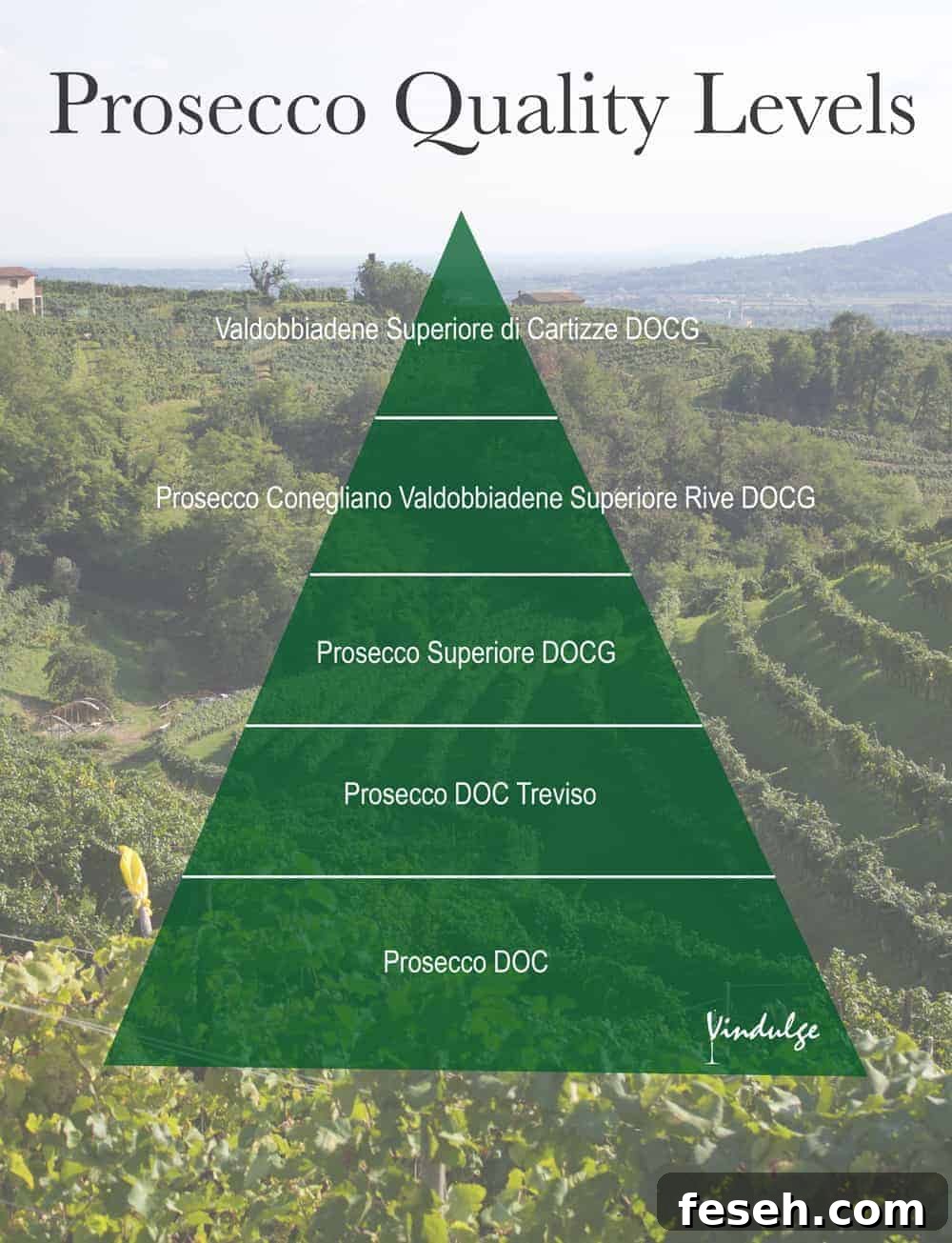
Prosecco is widely known as a fresh, fruity, and approachable sparkling wine produced across the Veneto region. However, within that broader category there are clear quality tiers. Prosecco Superiore DOCG comes from a defined, historic area and adheres to stricter production rules, resulting in more refined and expressive wines compared with many entry-level Prosecco DOC bottlings.
Prosecco Superiore DOCG
Prosecco Superiore DOCG is produced specifically in the hilly area between Conegliano and Valdobbiadene. This zone includes multiple towns that have long traditions of careful viticulture and winemaking. Wines labeled Conegliano Valdobbiadene Prosecco Superiore DOCG are subject to tighter regulations on grape sourcing and winemaking methods, which helps preserve regional character and quality.
Why this matters
These wines often offer exceptional value: many well-made examples can be found in the $15–$25 range. Compared with mass-produced Prosecco, Superiore wines typically show lower residual sugar, crisper acidity, and more nuanced fruit and floral aromas. Most are produced by small, family-run estates that focus on hand-harvested fruit and careful cellar techniques.
Because of that attention to detail and the distinctive terroir, Prosecco Superiore DOCG often pairs beautifully with food and can be enjoyed in many dining situations.
Understanding Prosecco Superiore
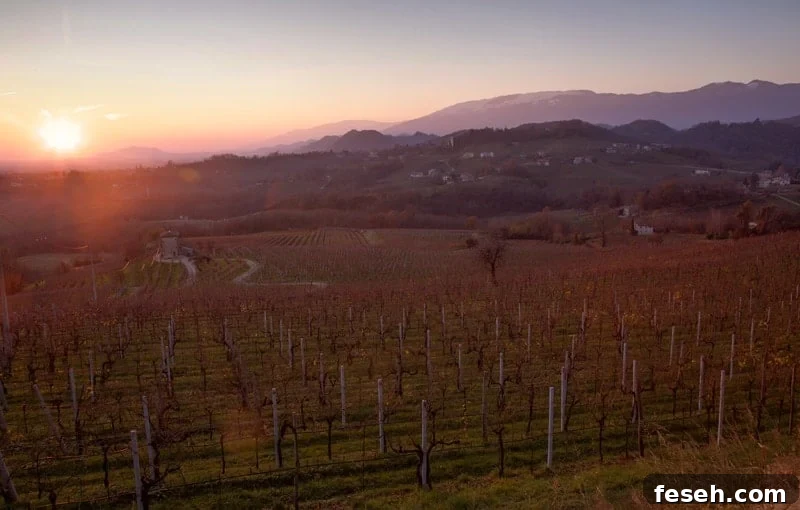
Conegliano Valdobbiadene Prosecco Superiore DOCG and its more specific subdesignations represent some of the most distinguished sparkling wines from the Veneto. They highlight the Glera grape’s bright fruit character while reflecting the cooling influence of elevation, slope, and soil in the production area.
Three types of Prosecco produced
- Tranquillo: The still version of the wine. It represents a tiny share of regional production and is rarely exported.
- Frizzante: Semi-sparkling wines with a soft spritz. Often bottled with lees and allowed a light secondary fermentation; they are typically enjoyed young.
- Spumante: The fully sparkling style and by far the most common form of Prosecco production.
Styles of Prosecco Superiore — From dry to sweet
Although Prosecco Superiore is often labeled “fruity,” most production leans toward the drier end of the scale. Glera must make up at least 85% of the blend, and residual sugar levels determine the official sweetness category shown on the label:
- Brut: 0–12 g/l RS — The driest and most common style, producing crisp wines with minimal sweetness.
- Extra Dry: 12–17 g/l RS — Slightly off-dry, with perceptible fruitiness balanced by acidity.
- Dry: 17–32 g/l RS — The sweetest standard designation, showing richer fruit and more noticeable sweetness.
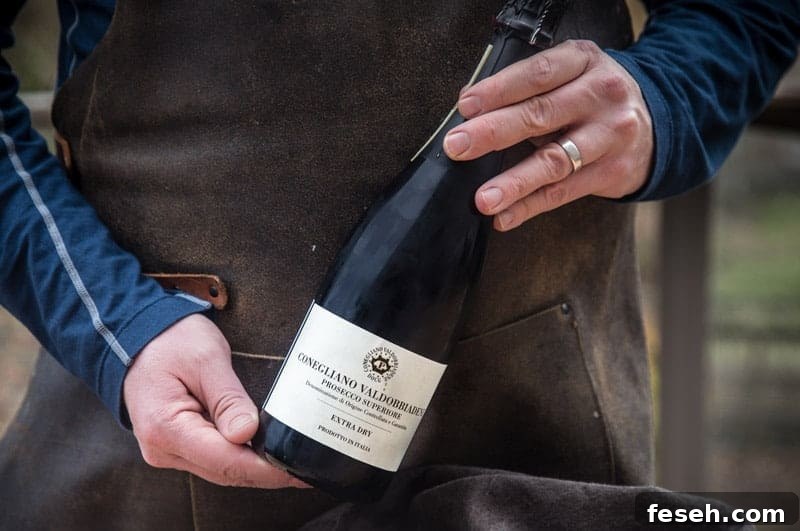
Conegliano Valdobbiadene Prosecco Superiore DOCG: The Vineyards
The winegrowing towns of Conegliano and Valdobbiadene sit just inland from Venice and form the historic heart of Prosecco Superiore production. Vineyards are often planted on steep slopes, where hand-harvesting is common. The region’s varied exposures and soils contribute to the complexity and finesse of the wines.
Within this DOCG, there are smaller subzones that highlight especially distinctive sites and styles.
Cartizze and Rive
Cartizze and the various Rive are recognized subzones within the Conegliano Valdobbiadene area. These represent the region’s finest sites — akin to crus — where steep terroirs and careful viticulture often produce more concentrated, age-worthy sparkling wines. Prices for Cartizze and select Rive bottlings typically sit higher than basic Prosecco Superiore but remain excellent value relative to comparable artisan sparkling wines.
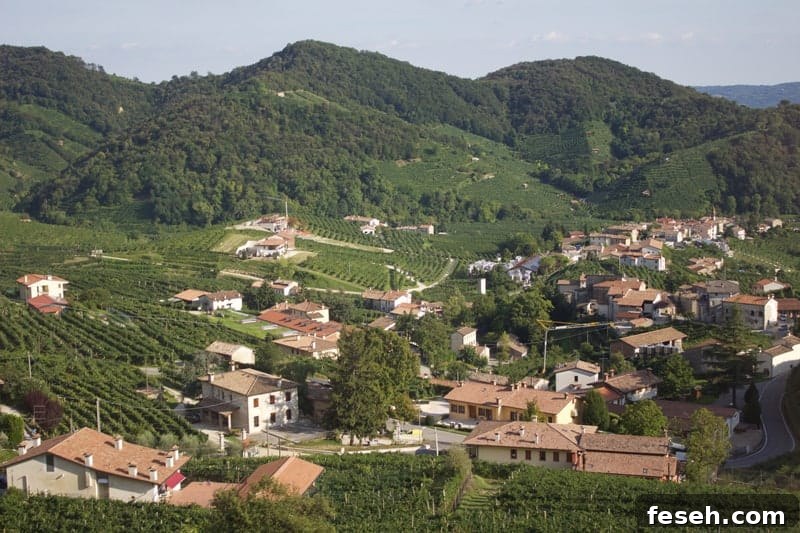
The local producers are often multigenerational families who tend small parcels on challenging terrain. Their focus on manual work in the vineyard and attention in the cellar translate into wines that capture the sense of place and offer vibrant, balanced drinking experiences.
Food pairing for Prosecco Superiore
- Brut: Versatile and dry, it pairs with a wide range of foods — from appetizers and salads to seafood and lighter main courses. A grilled pork chop with a savory sauce is an excellent match.
- Extra Dry: With a touch more sweetness and pronounced fruit, it works well as an aperitif and with richer cream-based dishes or flavorful poultry like duck.
- Dry: Sweeter and fruit-forward, it’s often reserved for desserts or pastries, but it also provides an interesting contrast with spicy dishes such as shrimp with chili-based sauces.
Recipes to try with Prosecco Superiore
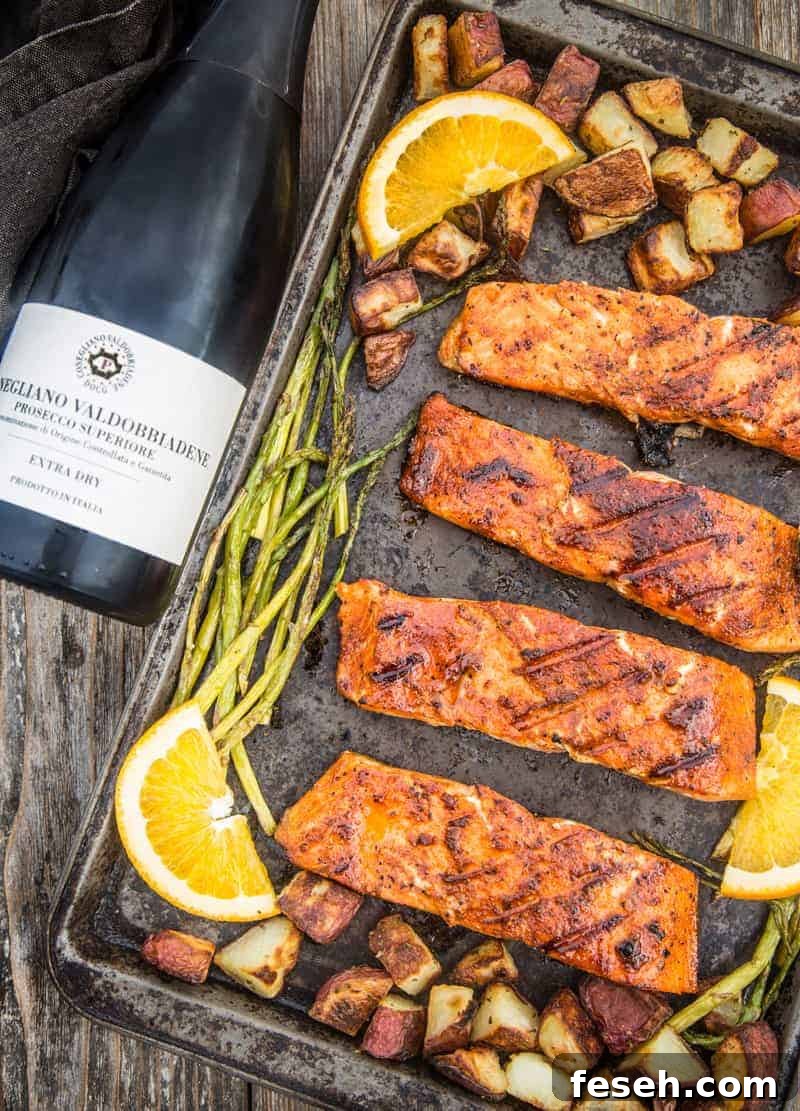
- Grilled Salmon with a Maple Orange Glaze
- Grilled Pork Chops with Wine Brown Butter Sauce
- Spicy Sriracha Grilled Shrimp
- Whole Smoked Chicken
- Smoked Salmon Dip
- Sicilian Arancini di Riso (Sicilian Rice Balls)
- Prosecco Risotto