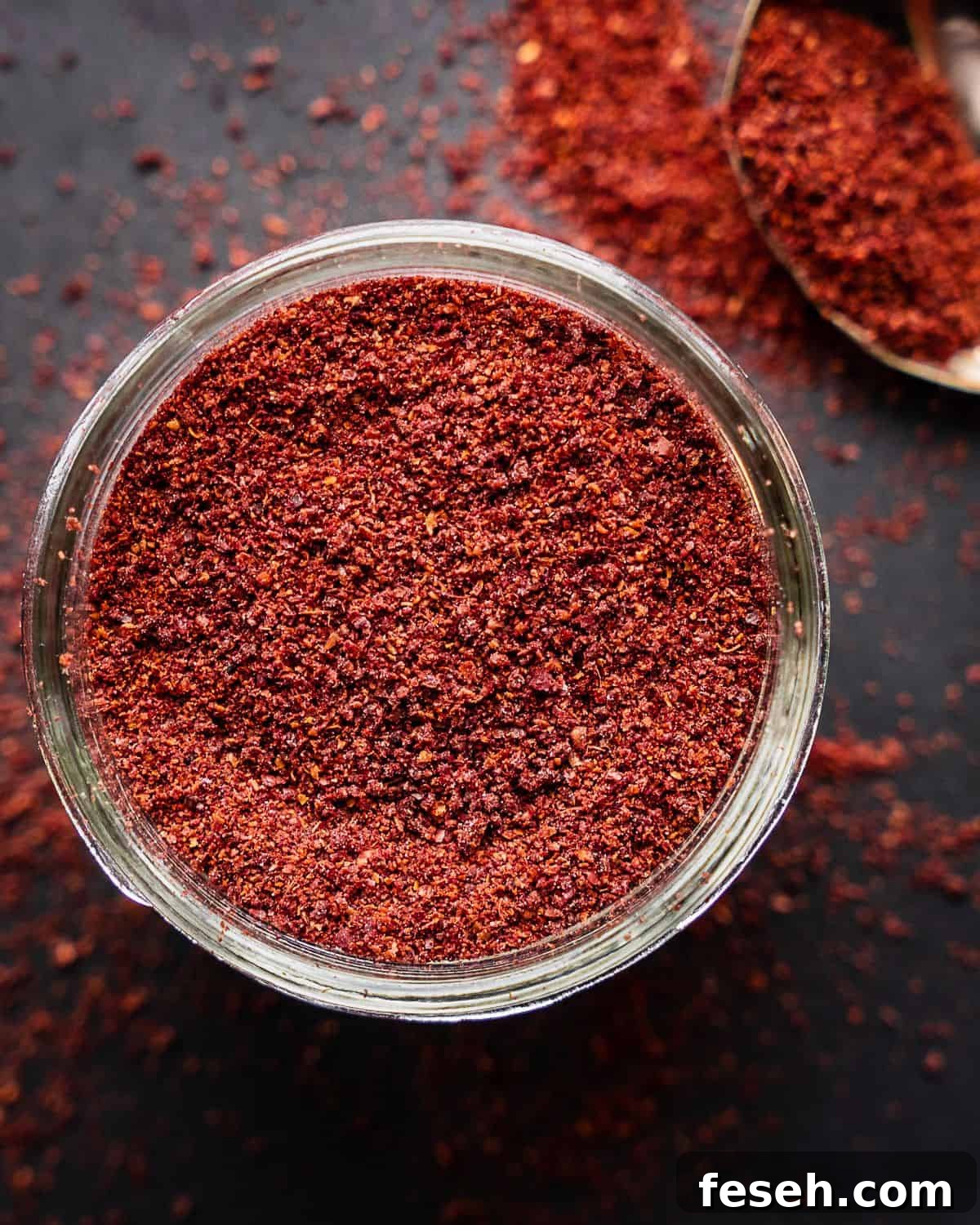
Sumac is a fragrant, tangy spice long cherished across the Middle East. Commonly used to brighten salads, meats and dips, it’s a key ingredient in za’atar and a staple in many regional pantries.
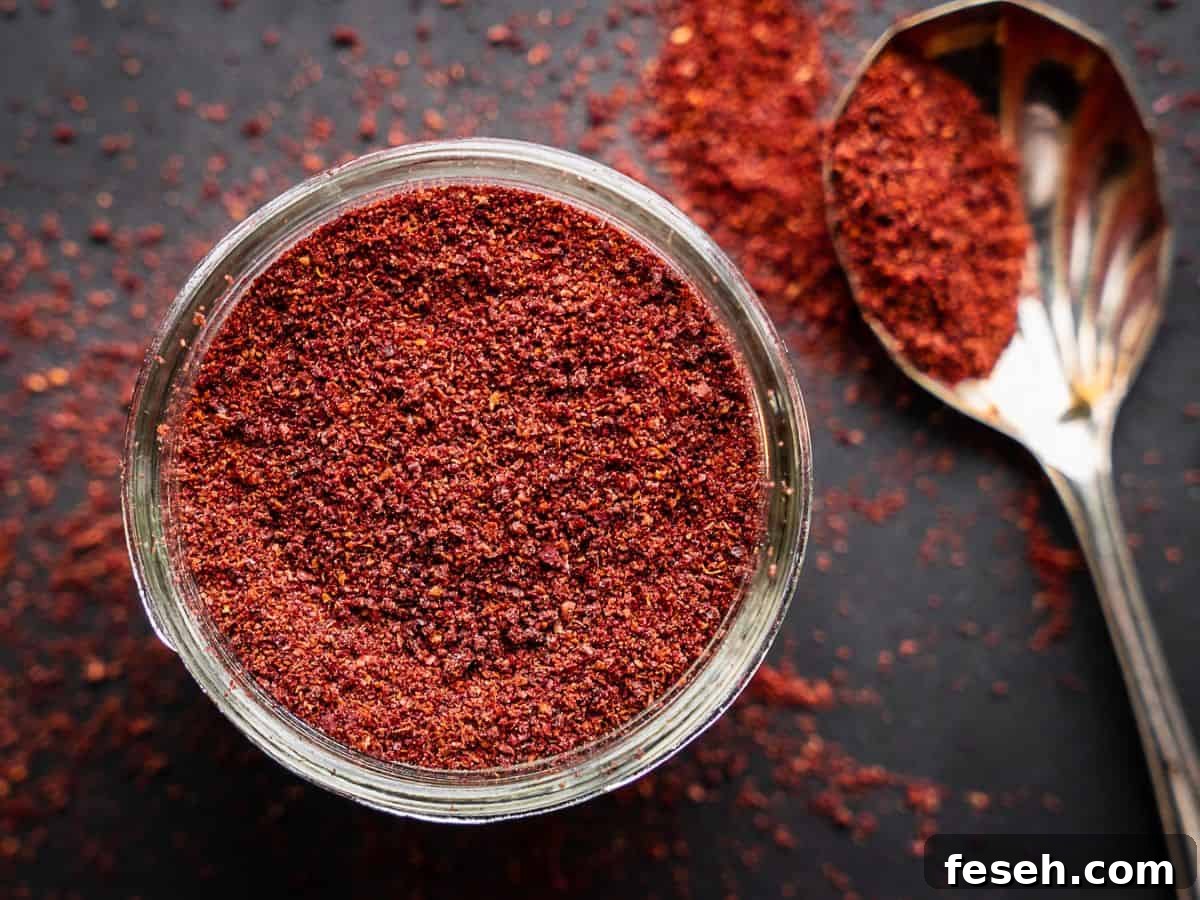
Table of Contents
- Plant information and history
- How to use Sumac
- Recipes that feature Sumac
- Other uses
- Nutritional information
- Where to buy
- How to Store
- Poison Sumac
Outside its native region sumac is still unfamiliar to many, but it’s gaining popularity worldwide as cooks discover its bright, lemony tang without added liquid.
This guide covers its history and plant details, culinary uses, recipe ideas, storage tips and safety notes so you can use sumac confidently.
Plant information and history
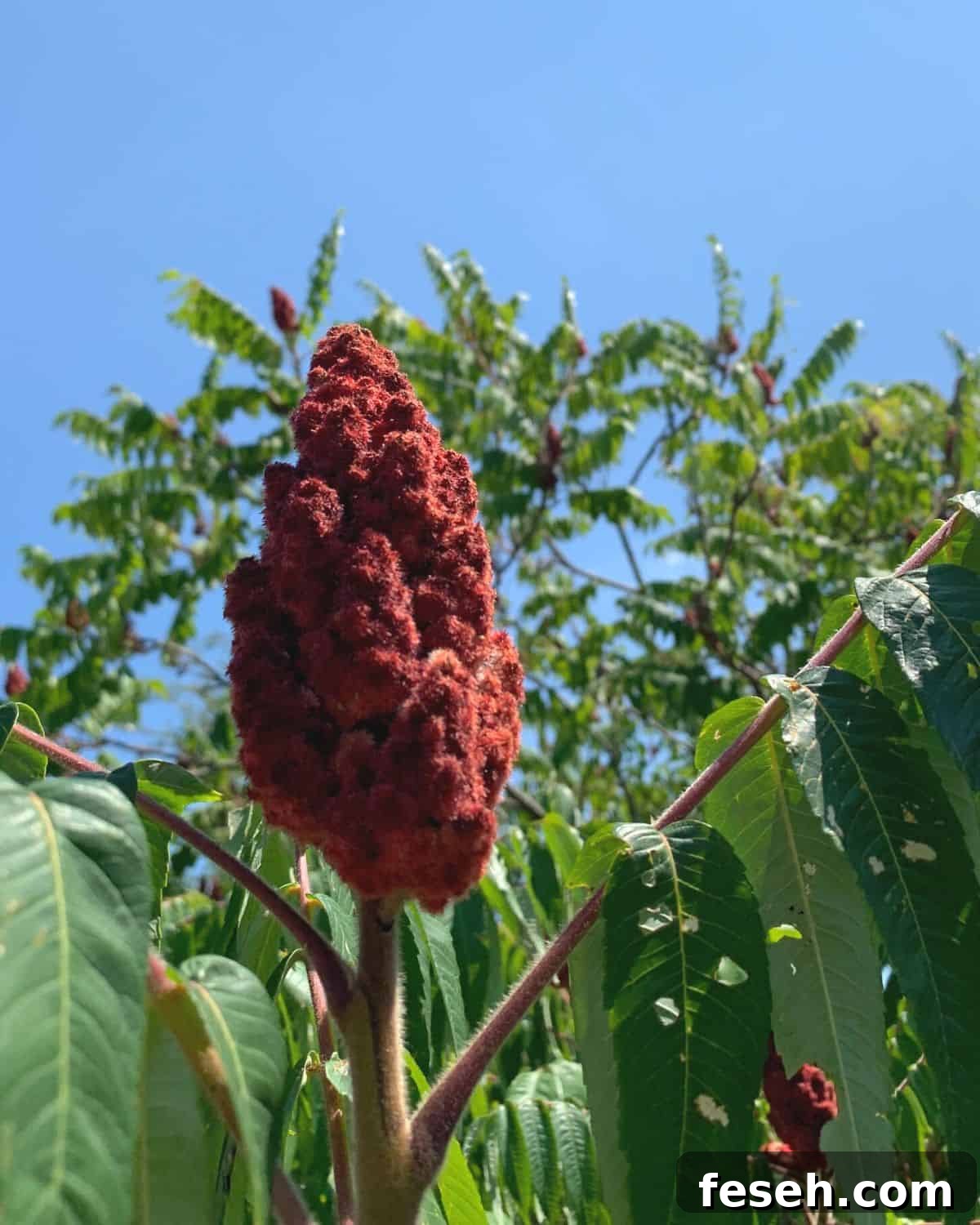
Sumac (Rhus) belongs to the Anacardiaceae family, the same botanical group as cashews and mangoes. Native to the Middle East and the Mediterranean, some species also grow wild in North America. The name sumac (also spelled sumach or summaq) comes from the Arabic سماق, referring to its deep red color.
The plant thrives in warm, dry climates found in countries like Turkey, Syria and Iran. It can reach up to 20 feet and develops a shrubby form with compound leaves and clusters of small, red berries. These berries are harvested and sun-dried, then ground into the coarse, ruby-red powder sold as the culinary spice.
Traditionally, berries were cleaned and crushed using simple mills; commercial producers use low-heat grinders to preserve the bright flavor. In Middle Eastern markets you’ll often find large piles of sumac displayed alongside other regional spices.
How to use Sumac
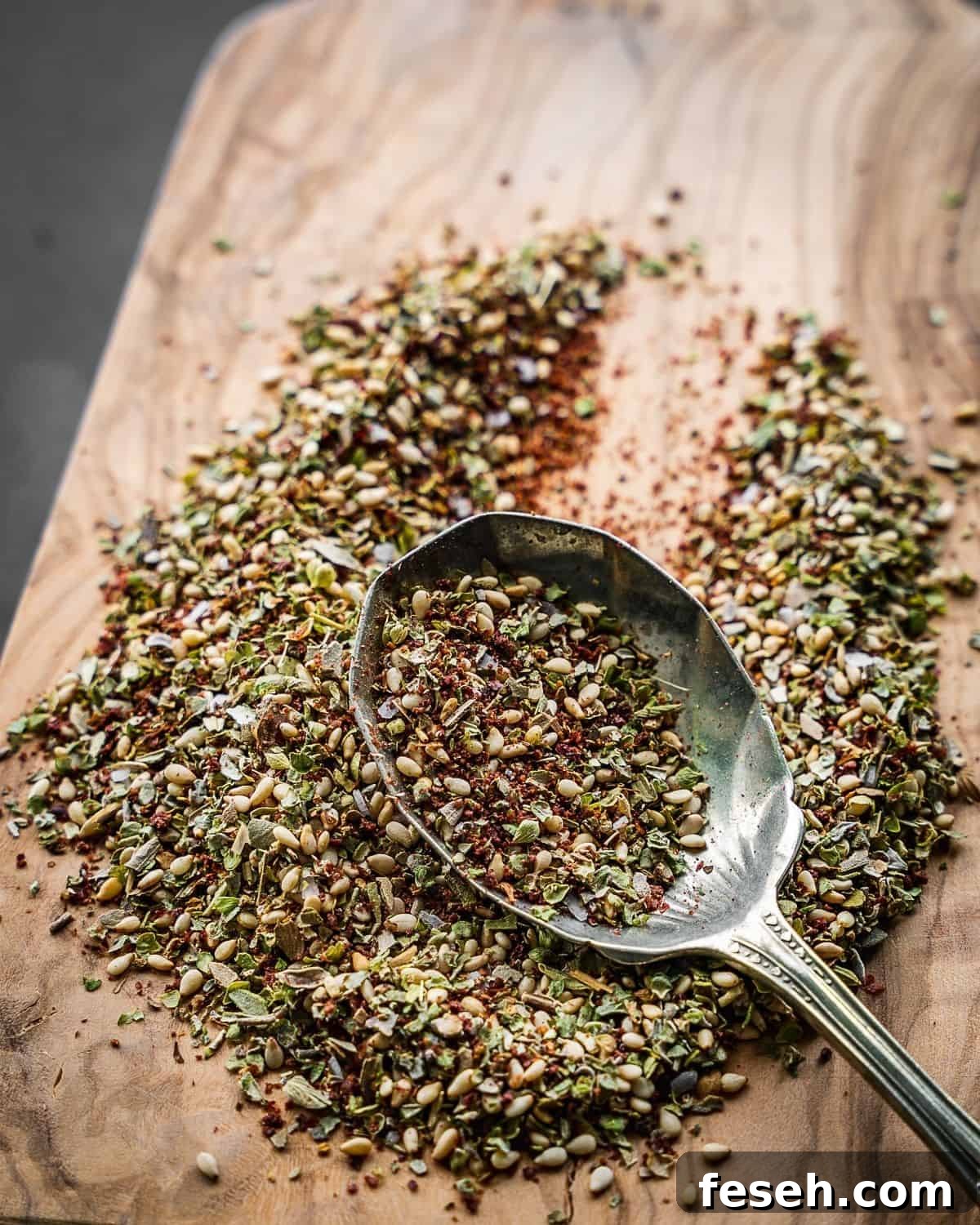
Sumac lends a vivid, citrusy acidity to dishes without adding moisture, making it a versatile finishing spice. It’s common across Levantine cuisines—sprinkled on kebabs, stirred into salads and folded into dips like mutabal and hummus variations. It’s a primary component of za’atar blends and pairs well with labneh, grilled vegetables, fish and roasted meats.
Unlike many herbs that need cooking, sumac delivers its punchy, lemony flavor raw or cooked. Use it as a finishing sprinkle on fattoush and other salads, mix it into marinades, or coat chicken and vegetables for a tart, aromatic lift.
Classic dishes that highlight sumac include fattoush, musakhan (sumac chicken), za’atar chicken thighs, labneh balls, and sumac onions. It’s also excellent in grain salads, vinaigrettes and flatbreads.
Recipes that feature Sumac
For inspiration, try recipes that showcase sumac’s bright acidity and aroma.
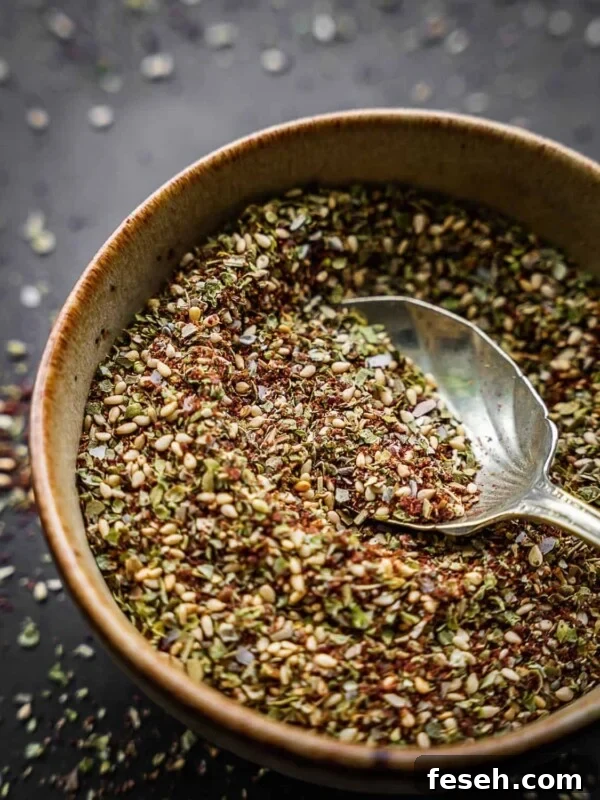
Za’atar Spice Blend
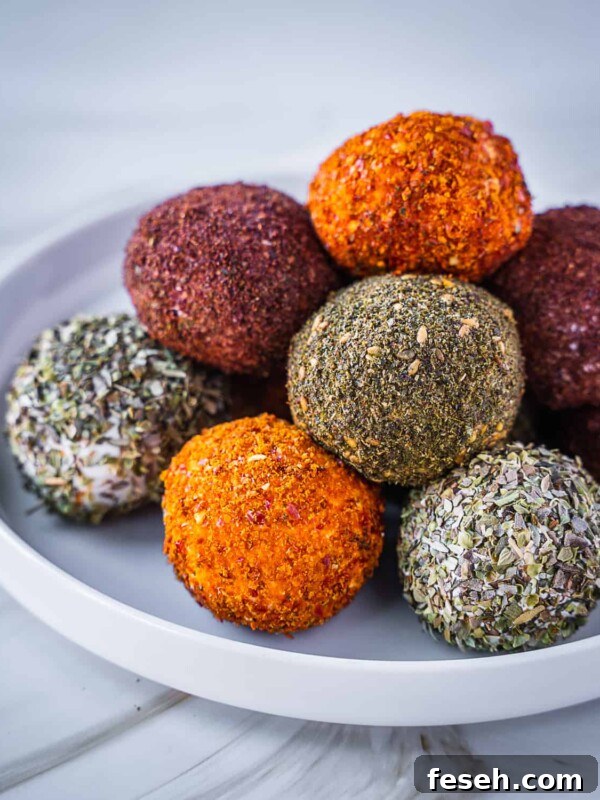
Labneh Balls (Shanklish)
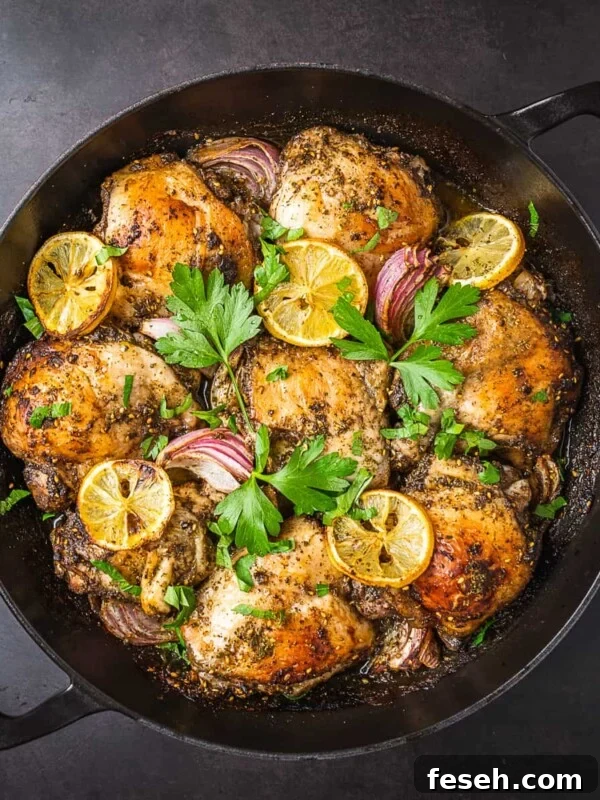
Za’atar Chicken Thighs
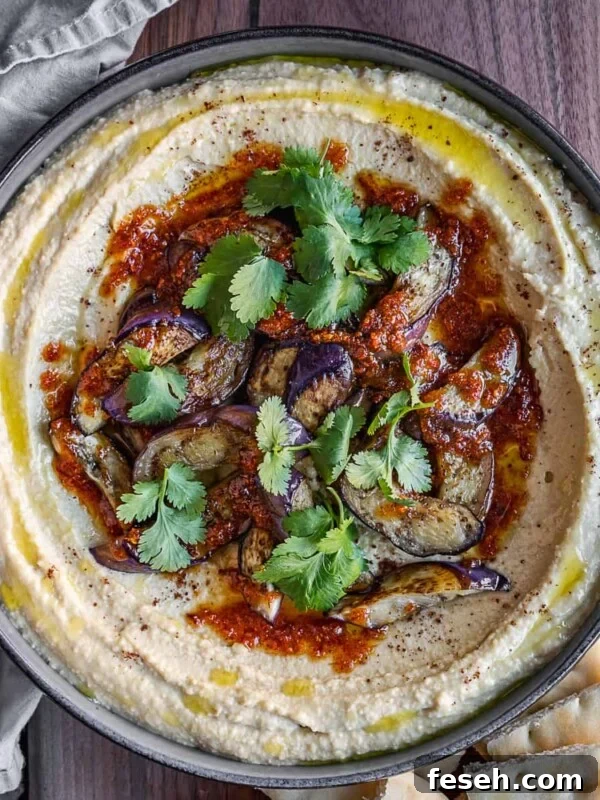
Caramelized Eggplant Hummus
Other uses
Beyond the kitchen, sumac has traditional medicinal uses and has been applied for digestive complaints, minor infections and skin issues. Some research indicates antioxidant and anti-inflammatory properties, though more studies are needed. Sumac has also been used historically as a natural dye and in leather tanning.
Use medicinally only with proper guidance and do not rely on it as a substitute for professional medical advice.
Nutritional information
Sumac contributes small amounts of vitamins and minerals, including vitamin C and some minerals like iron and potassium. As a seasoning, it provides flavor with negligible calories.
Where to buy
Sumac is commonly available at Middle Eastern and specialty grocery stores, and increasingly at mainstream supermarkets. You can buy it as ground powder or whole dried berries. If local options are limited, look for reputable spice sellers online or at international markets.
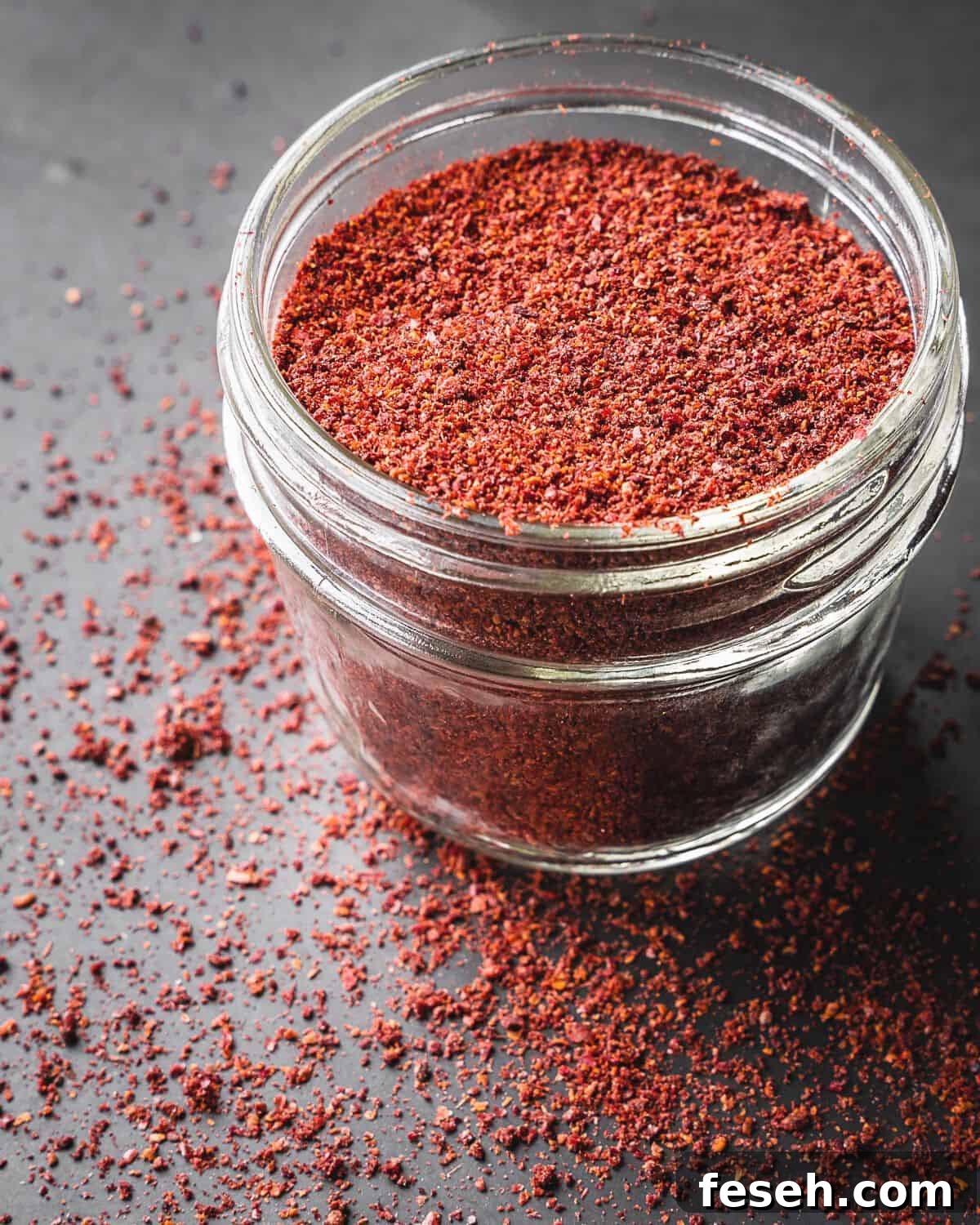
How to Store
Keep sumac in an airtight container in a cool, dark pantry away from heat and sunlight. It does not require refrigeration. For the best flavor, use ground sumac within about six months; buy smaller quantities if you use it infrequently.
Poison Sumac
Poison sumac (Toxicodendron vernix) is a different species that grows in wetlands and produces white berries. It contains the allergen urushiol and can cause severe skin reactions. If foraging, learn to identify edible Rhus species and avoid plants that match poison sumac’s description.
When purchased from markets or stores, culinary sumac is safe and distinct from poison sumac. If you plan to forage, consult reliable field guides or experienced foragers.