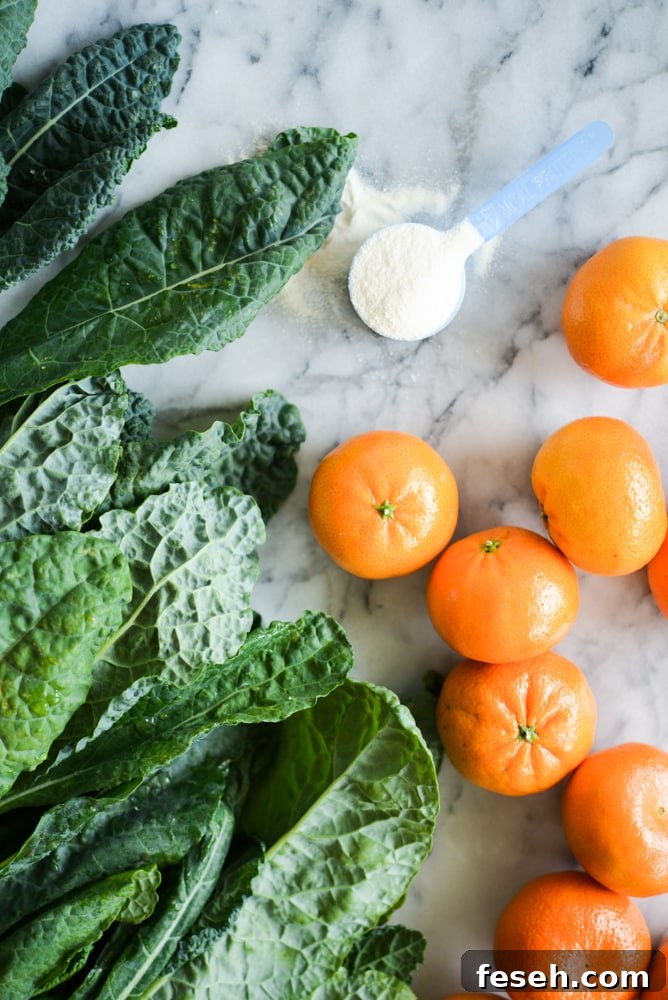
Today we’re discussing three natural beauty boosters that are easy to add to your daily routine and can support healthier skin, hair, and nails.
Collagen Peptides
How collagen peptides support beauty
Collagen is the most abundant protein in the body, making up roughly 30% of total protein and providing structure to connective tissues. It appears in varying degrees of firmness across ligaments, bones, teeth, skin, hair, cartilage, and muscle. Think of collagen like the frame of a tent: it gives tissues their shape, resilience, and support.
As we age, collagen production naturally slows, which contributes to fine lines, reduced elasticity, and drier skin. Consuming collagen peptides supplies key amino acids, such as glycine and proline, that help the body build and maintain collagen. Many people who take collagen regularly report improved skin elasticity, reduced dryness, and a more youthful appearance.
Collagen also supports healthier hair and nails by providing the structural components those tissues need to grow and stay strong. Additionally, collagen can help repair and strengthen the gut lining, promoting better digestion and nutrient absorption—factors that indirectly benefit skin, hair, and nail health.
How to add collagen peptides to your routine
Collagen peptides dissolve easily in hot or cold liquids, so they can be stirred into coffee, tea, smoothies, or any beverage. They’re a convenient morning addition to help start the day with extra protein and skin-supporting nutrients. For travel or quick snacks, collagen chews or powder packets are simple options to keep on hand.
Vitamin C
How vitamin C supports beauty
Vitamin C is a potent antioxidant and the primary water-soluble antioxidant in the skin. It helps protect collagen from oxidative damage caused by free radicals and supports collagen synthesis, which keeps skin firmer and more resilient. Vitamin C also contributes to skin hydration, brightening, and protection from environmental stressors, and it may help support healthy hair by reducing hair loss linked to oxidative stress.
How to add vitamin C to your routine
Because vitamin C is delicate, fresh sources are often the best option. Simple ways to increase intake include eating citrus fruit like oranges or grapefruit, squeezing lemon or lime into water or meals, or adding vitamin C–rich fruits to smoothies. Regularly including fresh produce ensures consistent supply of this essential nutrient.
Leafy Greens
How leafy greens support beauty
Leafy greens are among the most nutrient-dense foods available. They are anti-inflammatory, rich in antioxidants (including vitamin C), and provide minerals such as potassium, magnesium, and calcium that help maintain proper hydration. Their combination of vitamins, minerals, and phytonutrients supports detoxification, reduces inflammation, and contributes to healthier-looking skin.
How to add leafy greens to your routine
Leafy greens are versatile and easy to include daily. Try sautéed or massaged kale with lemon, green smoothies, salads, or incorporating greens into omelets, casseroles, wraps, and soups. Baking kale into chips, tossing spinach into pasta or stir-fries, and adding arugula or mixed greens to sandwiches are simple ways to boost nutrient intake without much extra preparation.
Making collagen peptides, vitamin C, and leafy greens part of your regular morning or daily routine can create a solid foundation for skin, hair, and nail health. Small, consistent changes—like stirring collagen into your coffee, enjoying a citrus fruit, and adding a side of greens—add up to meaningful benefits over time.