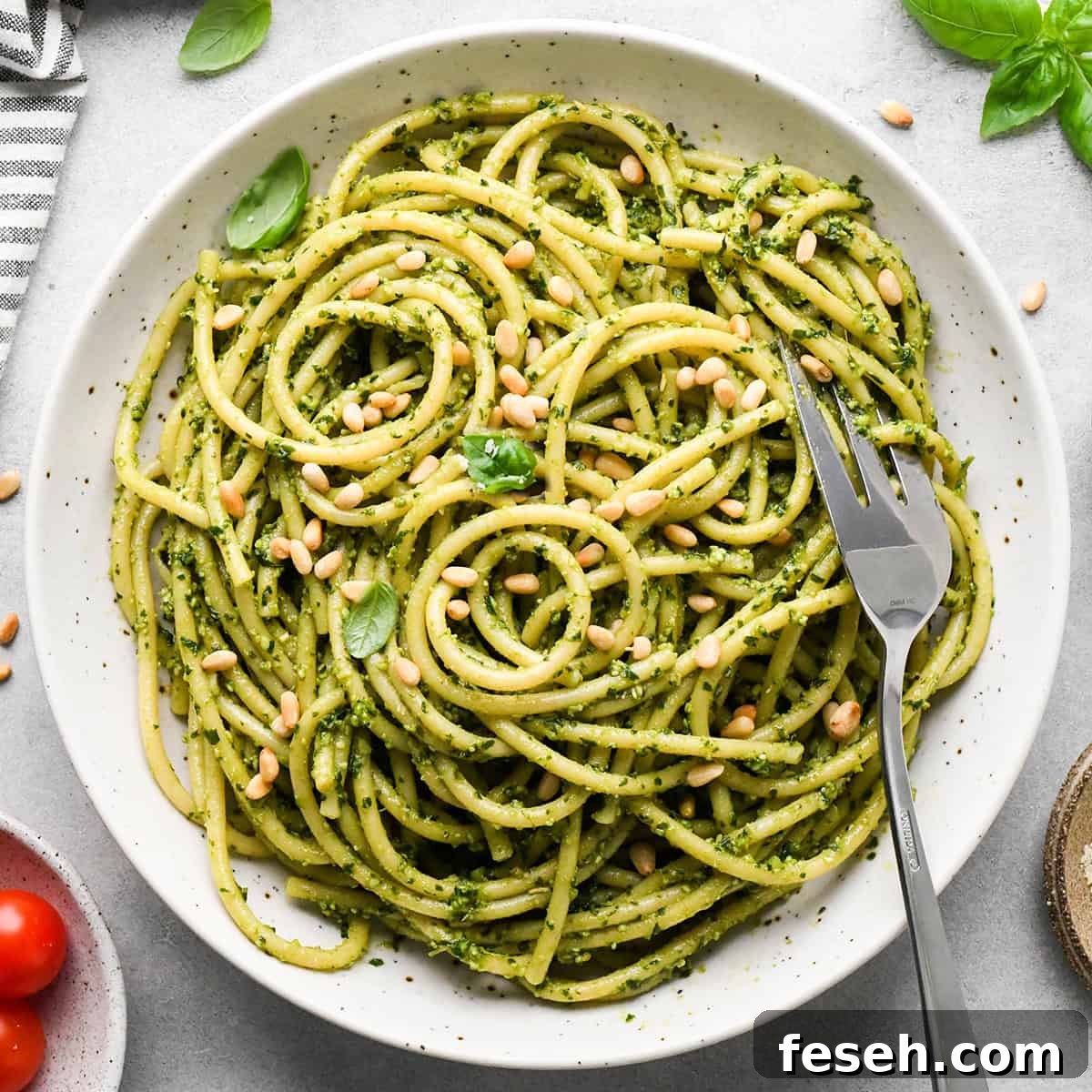
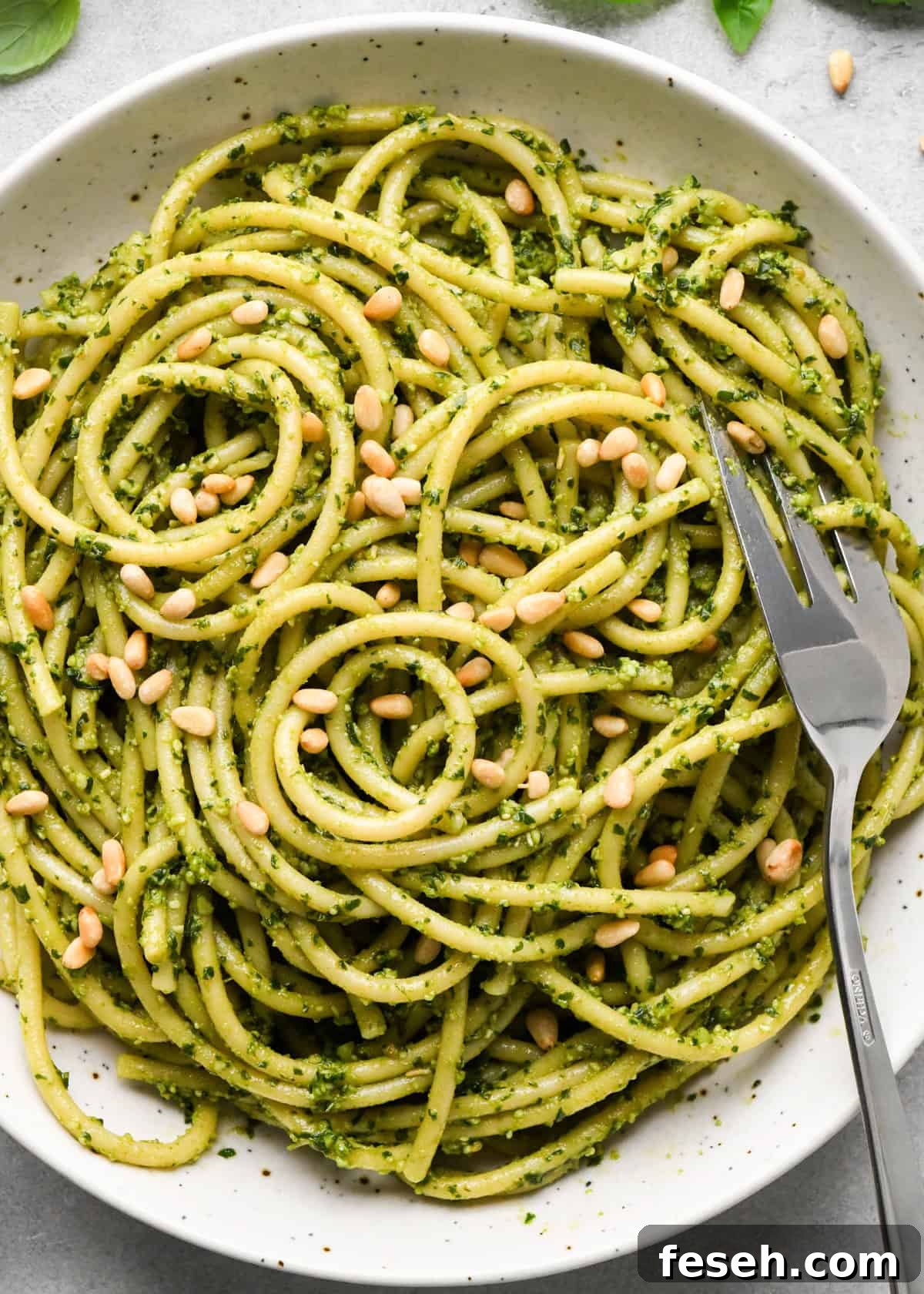
This pesto pasta recipe is an easy, fresh, and delicious dinner ready in about 15 minutes. Made with a quick 5-minute basil pesto, it’s a family favorite that’s perfect warm or cold and works as a main dish or a side.
Pasta al pesto is one of the best ways to use fresh summer basil. The combination of bright basil, nutty pine nuts, salty parmesan and a good olive oil makes a simple sauce that pairs beautifully with nearly any pasta shape.
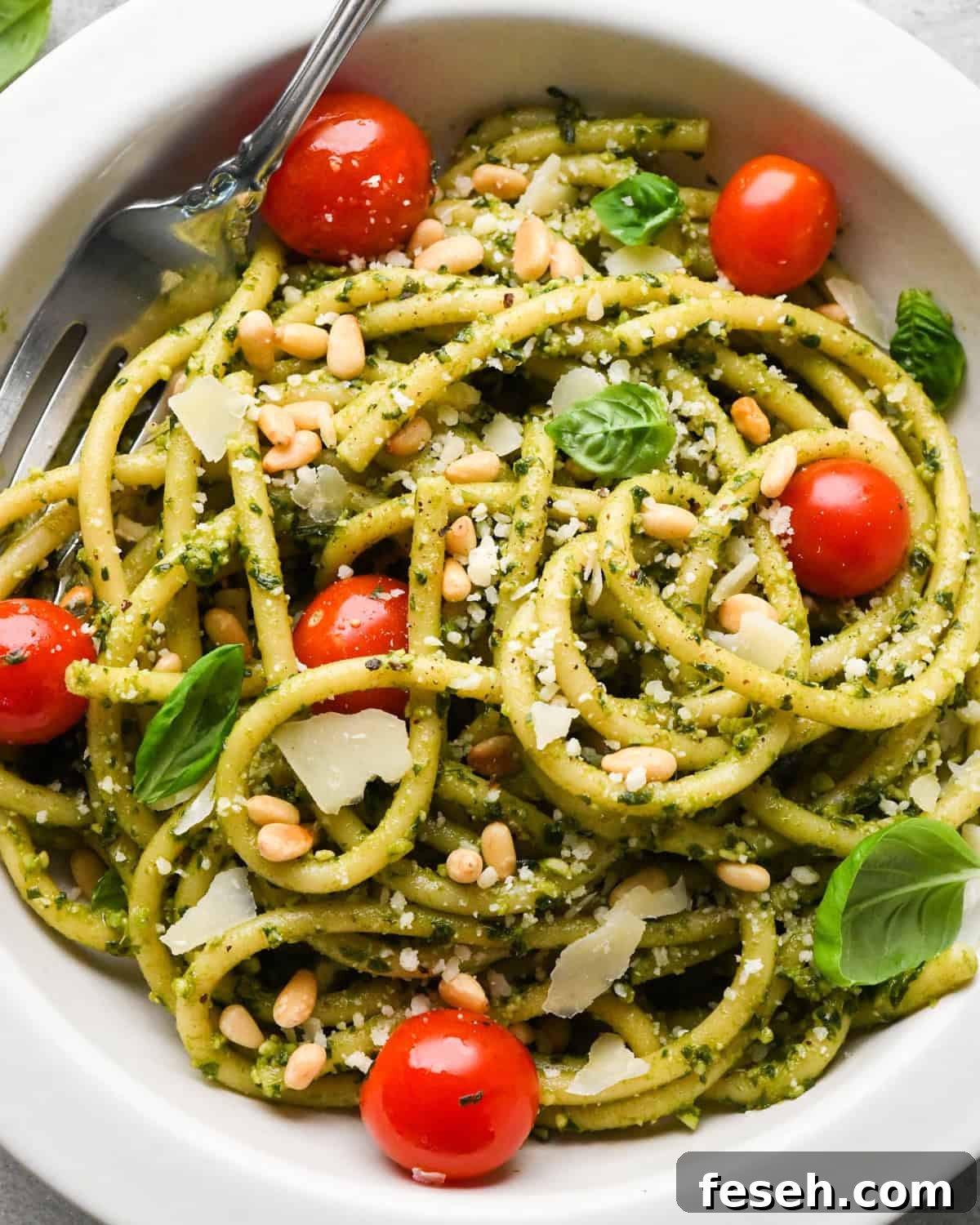
Making your own pesto is straightforward and takes only a few minutes while the pasta cooks. After blending the sauce, simply toss it with hot pasta and finish with toasted pine nuts, cherry tomatoes, and freshly grated parmesan for a quick, flavorful meal. Add a protein like meatballs, grilled chicken, or baked pesto chicken for a heartier dinner.
This was DELICIOUS! This was my very first time making pesto sauce so this was the first recipe I tried, and I’ll never look for another! My entire family loved it which is no easy feat. This will be added to the list of our family faves
– Jessica
Pesto Pasta: Ingredients & Substitutions
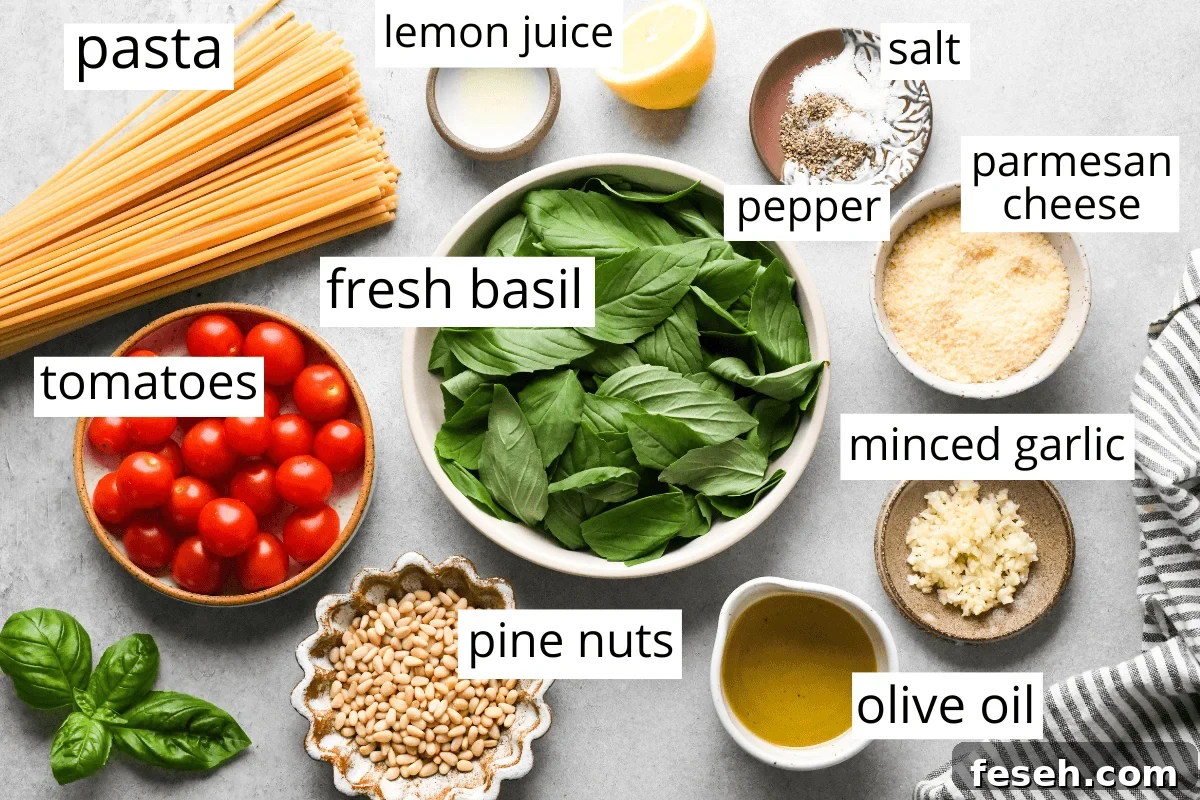
- Fresh basil. Use fresh leaves for the best flavor. If you don’t have enough basil, you can substitute up to half with fresh spinach, though reducing the recipe is another option.
- Olive oil. Olive oil is ideal for classic pesto; avocado or another neutral oil can work in a pinch.
- Pine nuts. Pine nuts give authentic pesto its distinctive taste. If needed, try walnuts, pecans, or almonds as alternatives.
- Garlic. Fresh minced garlic is recommended; roasted garlic is a tasty variation.
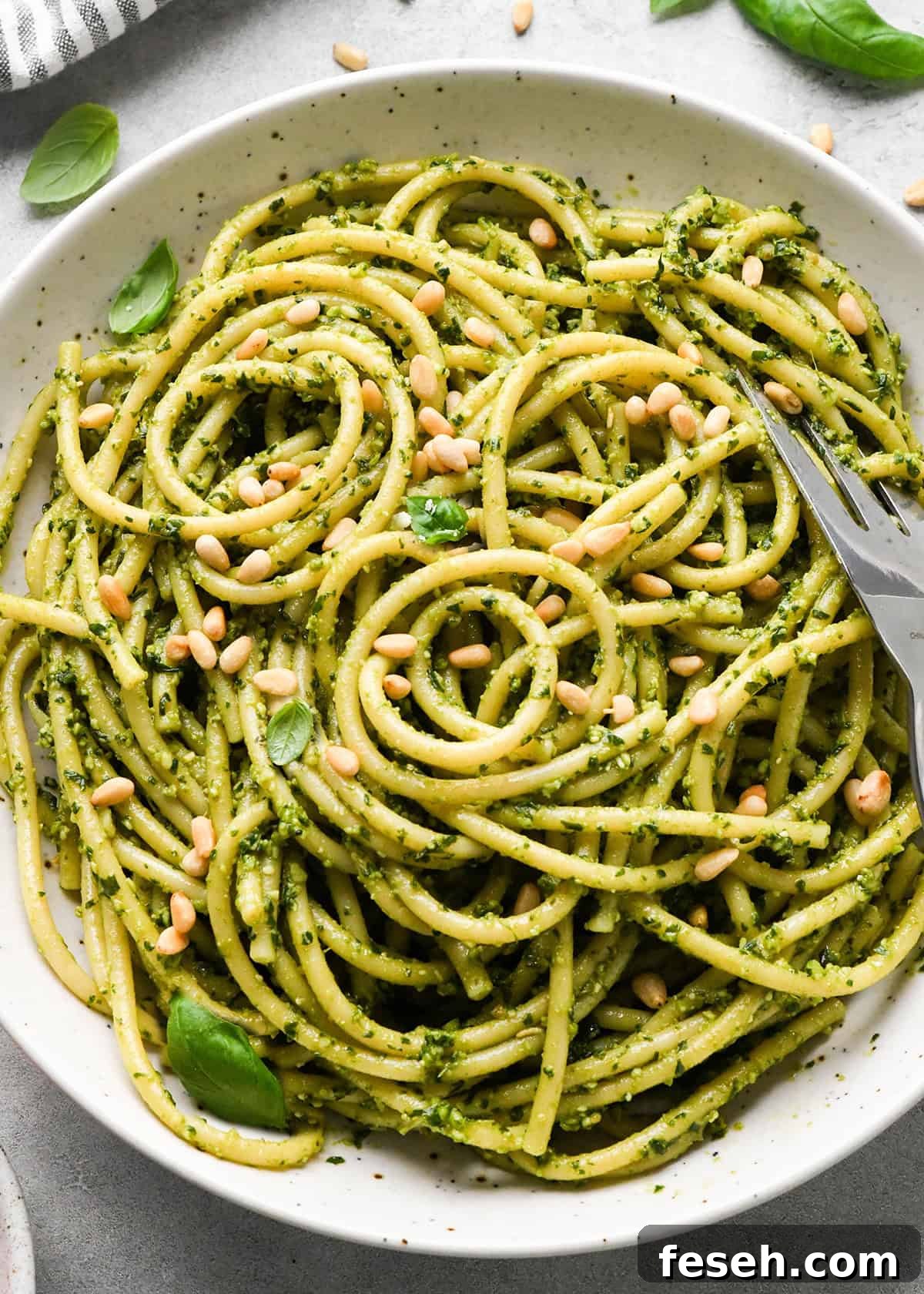
- Pasta. Thick spaghetti such as bucatini is lovely here, but angel hair, tagliatelle, linguine, rigatoni, fusilli, or rotelle all work well. Use gluten-free pasta like chickpea pasta or try zucchini noodles for a lighter version.
How to Make Pesto Pasta
Here’s an overview of the process: cook pasta, make the pesto while the water comes to a boil, then toss the warm pasta with the sauce and finish with garnishes.
Cook the Pasta
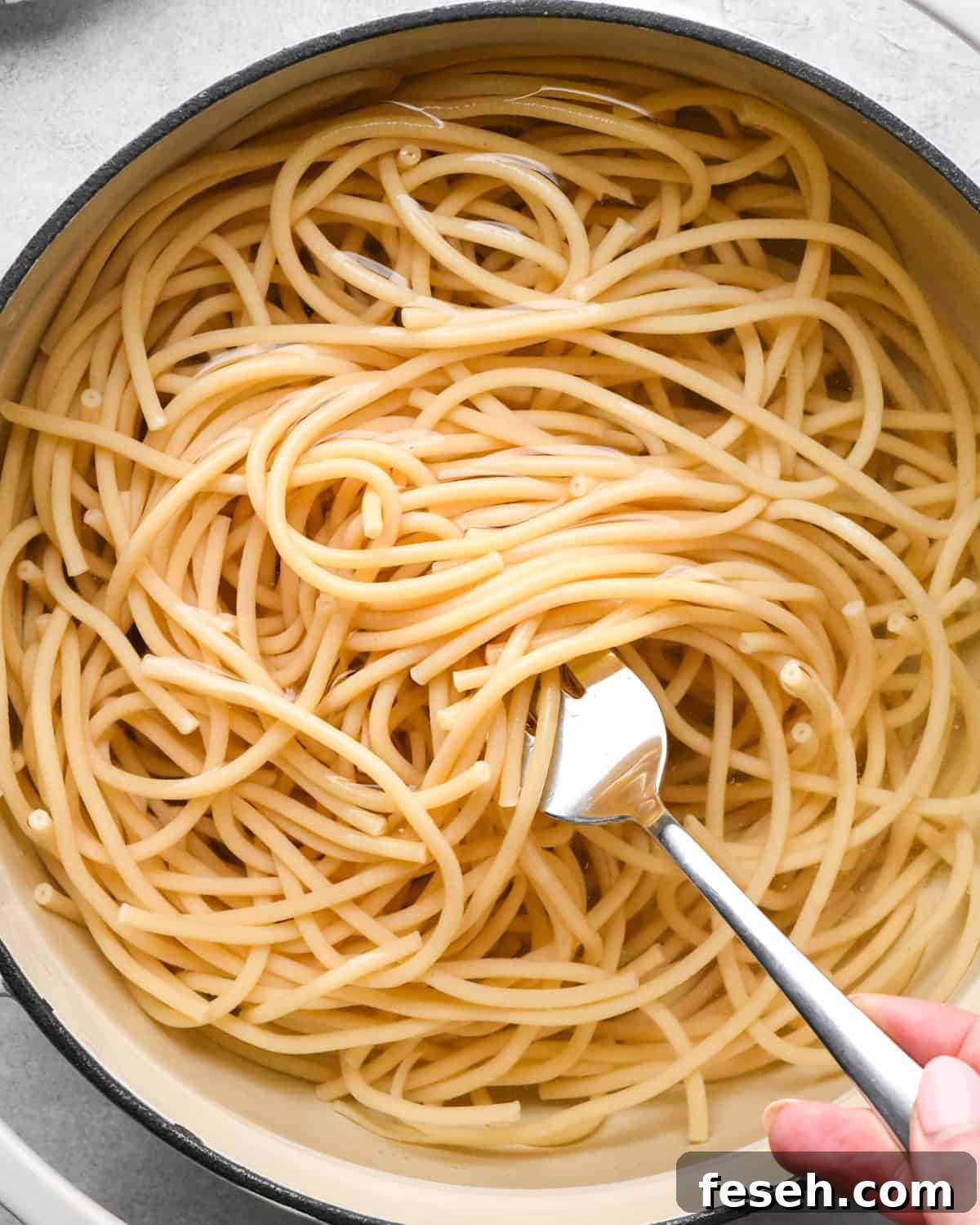
Start by bringing a large pot of water to a boil and cook the pasta according to package directions. Use well-salted water to season the pasta from within.
Use salted water
Salted water seasons the pasta and makes the finished dish more flavorful. Aim for water that tastes pleasantly salty.
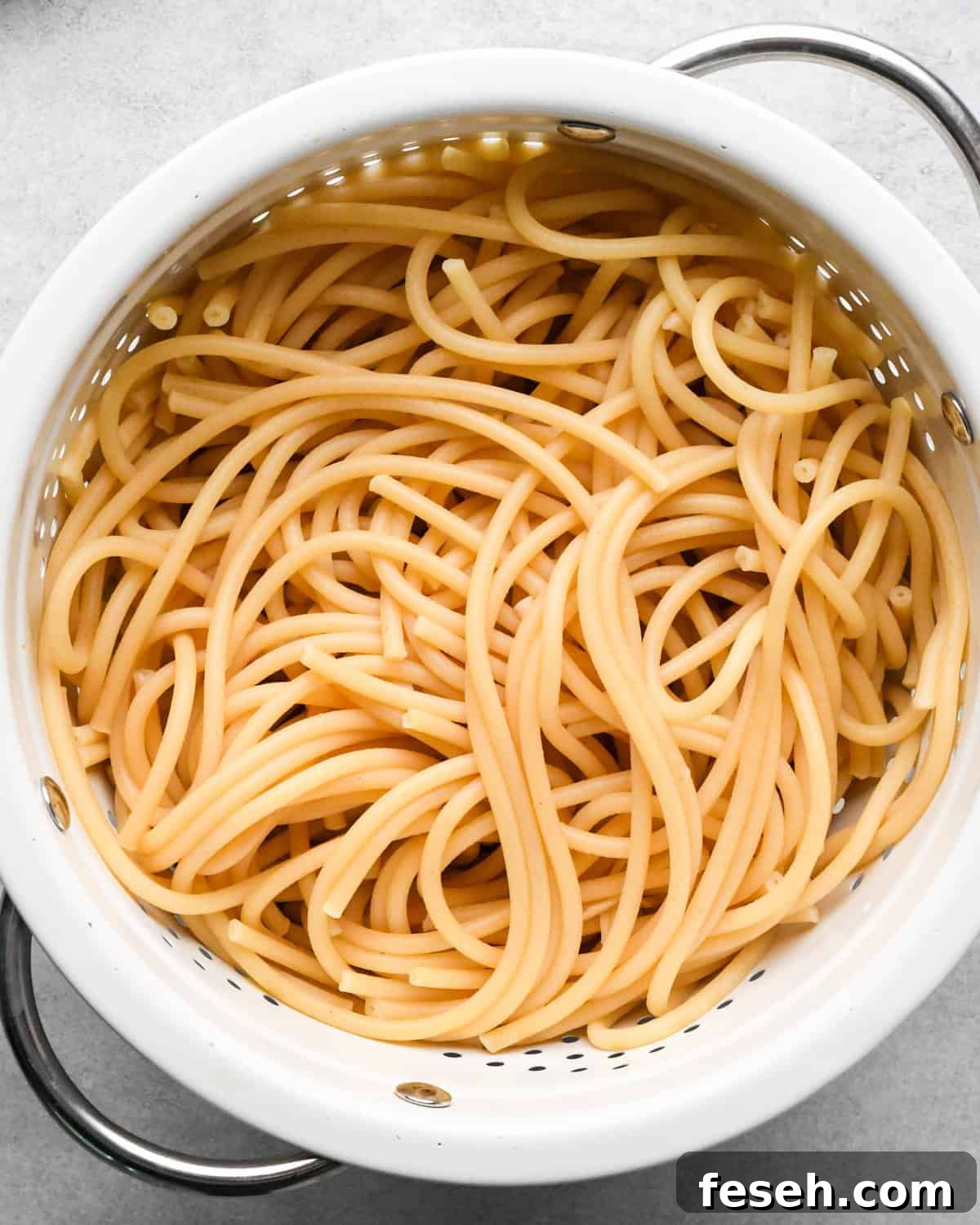
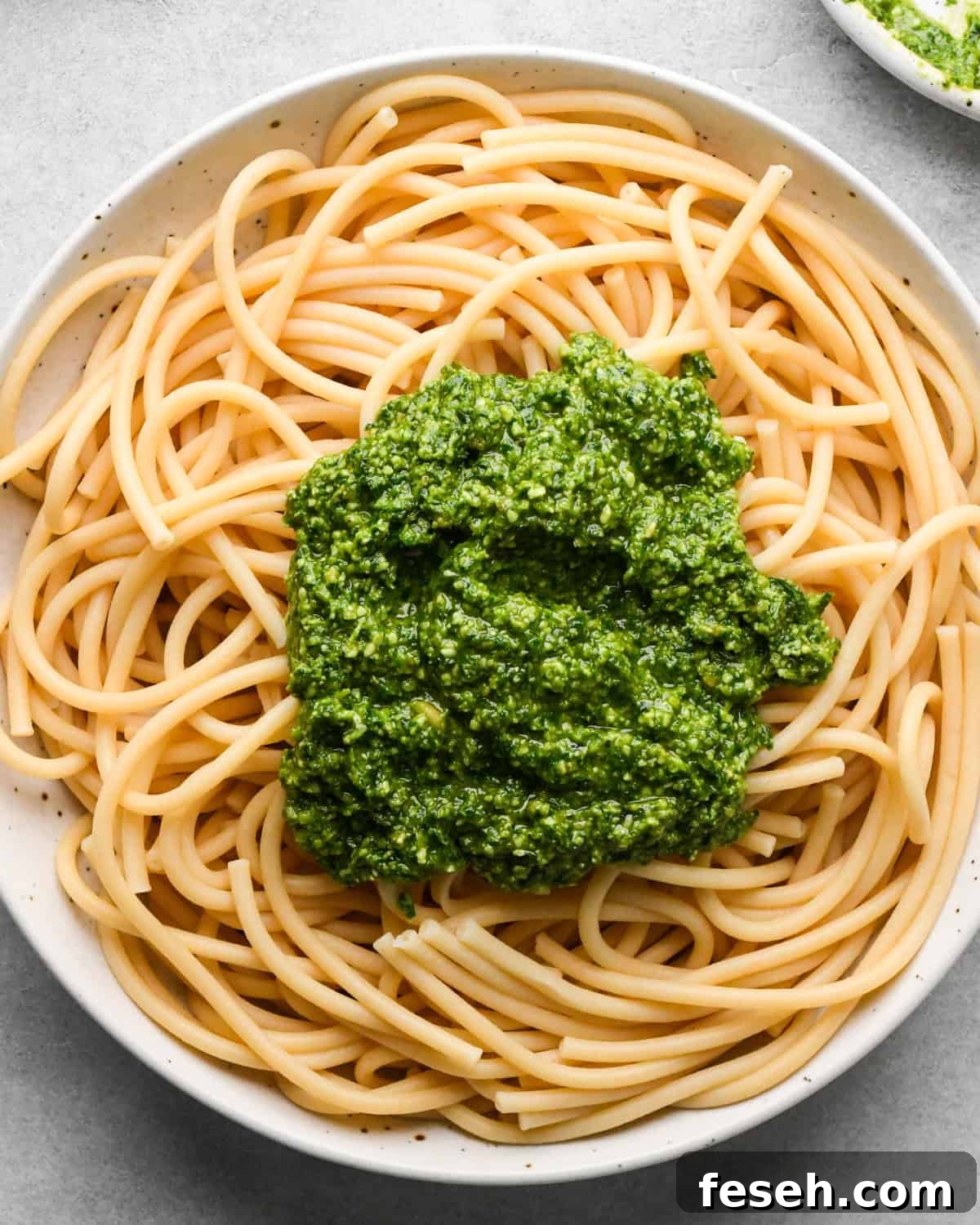
When the pasta is done, drain it but do not rinse. Return it to the pot, cover to keep warm, and set aside while you finish the sauce.
Do not rinse the pasta
Rinsing removes the starch that helps the pesto cling to the noodles. If needed, add a little olive oil to prevent sticking.
Make the Pesto Sauce
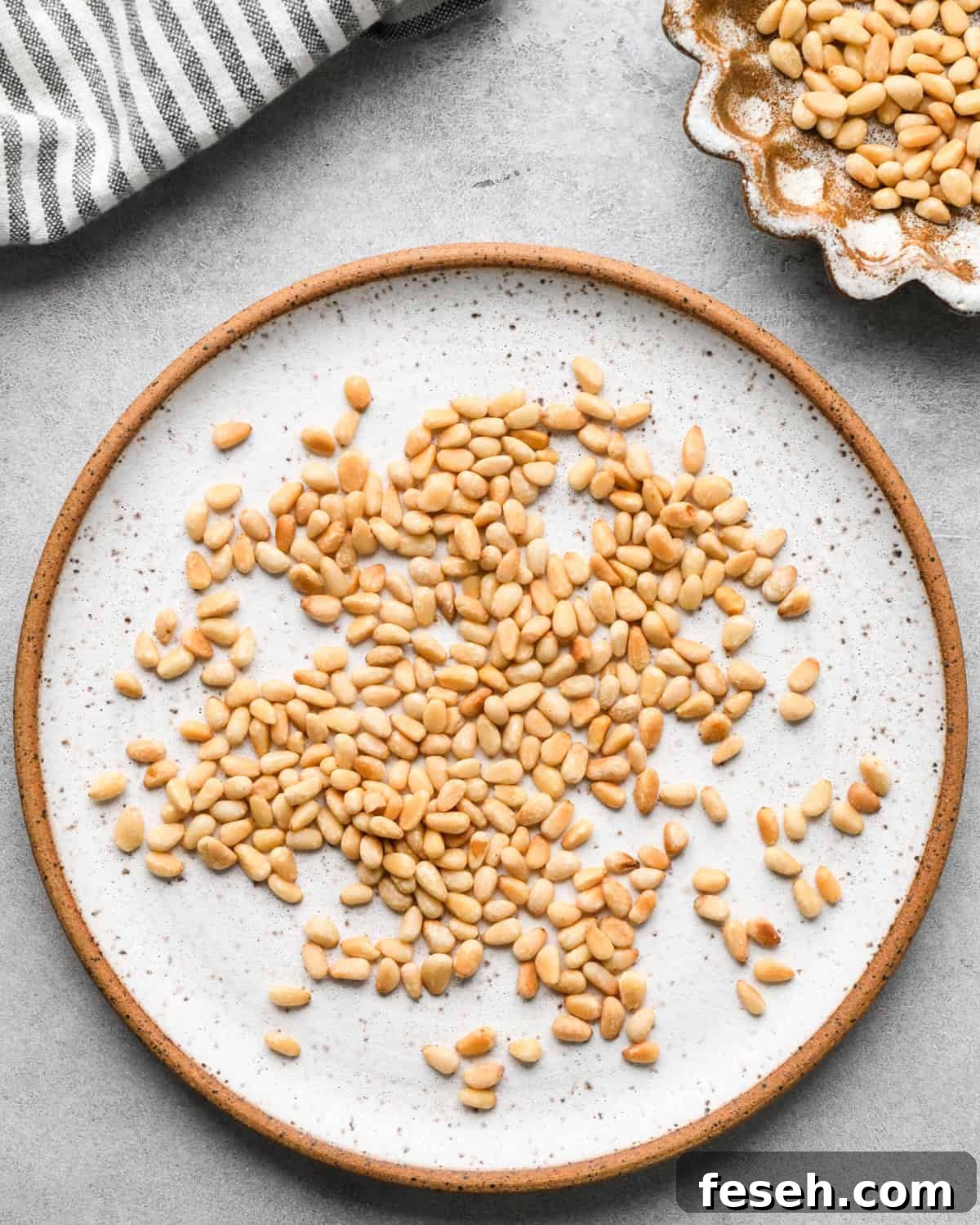
Toast the pine nuts over medium-low heat, stirring often, until golden—about 4–5 minutes. Remove them from the pan to cool and set aside 2 tablespoons for garnish; use the rest in the sauce.
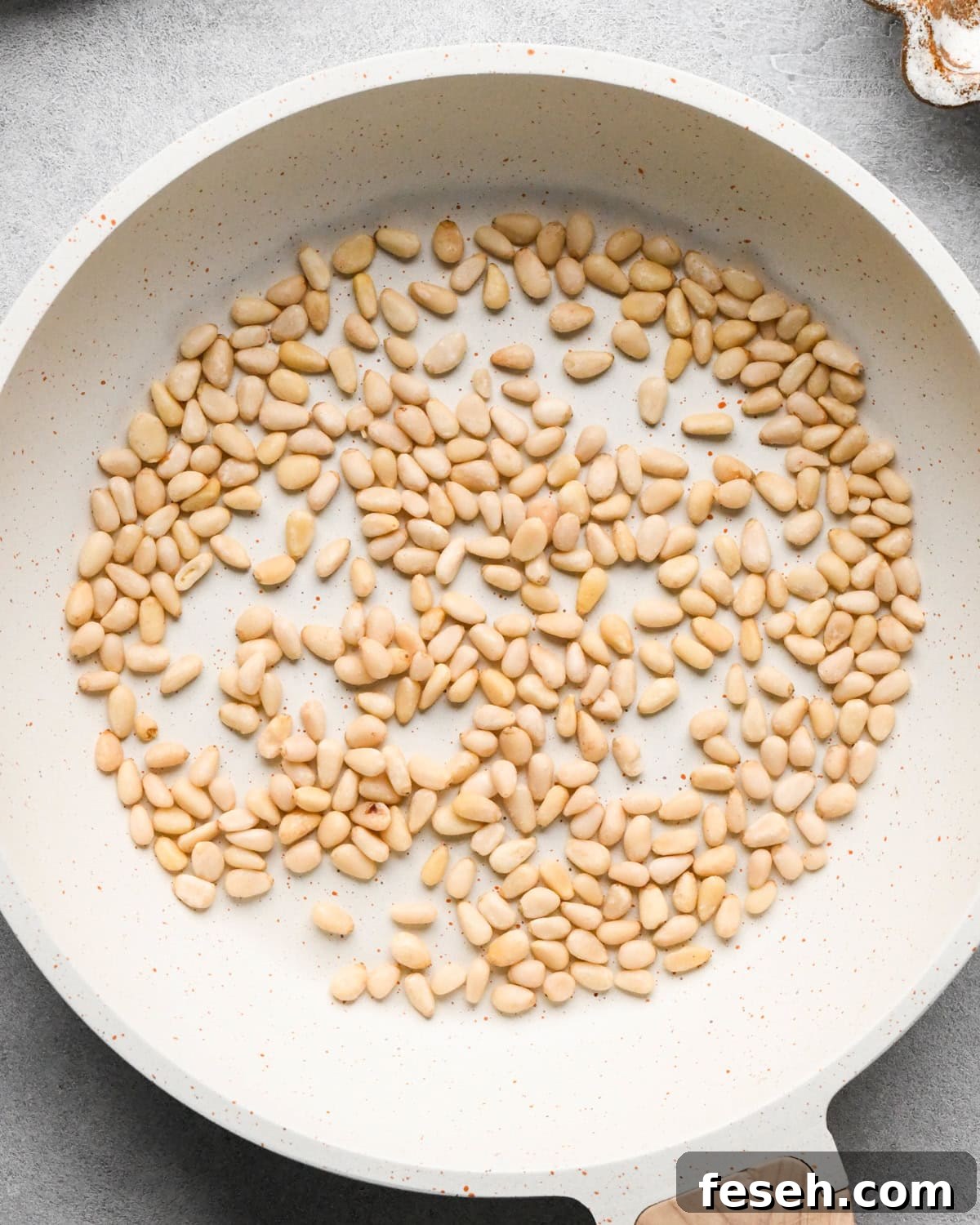
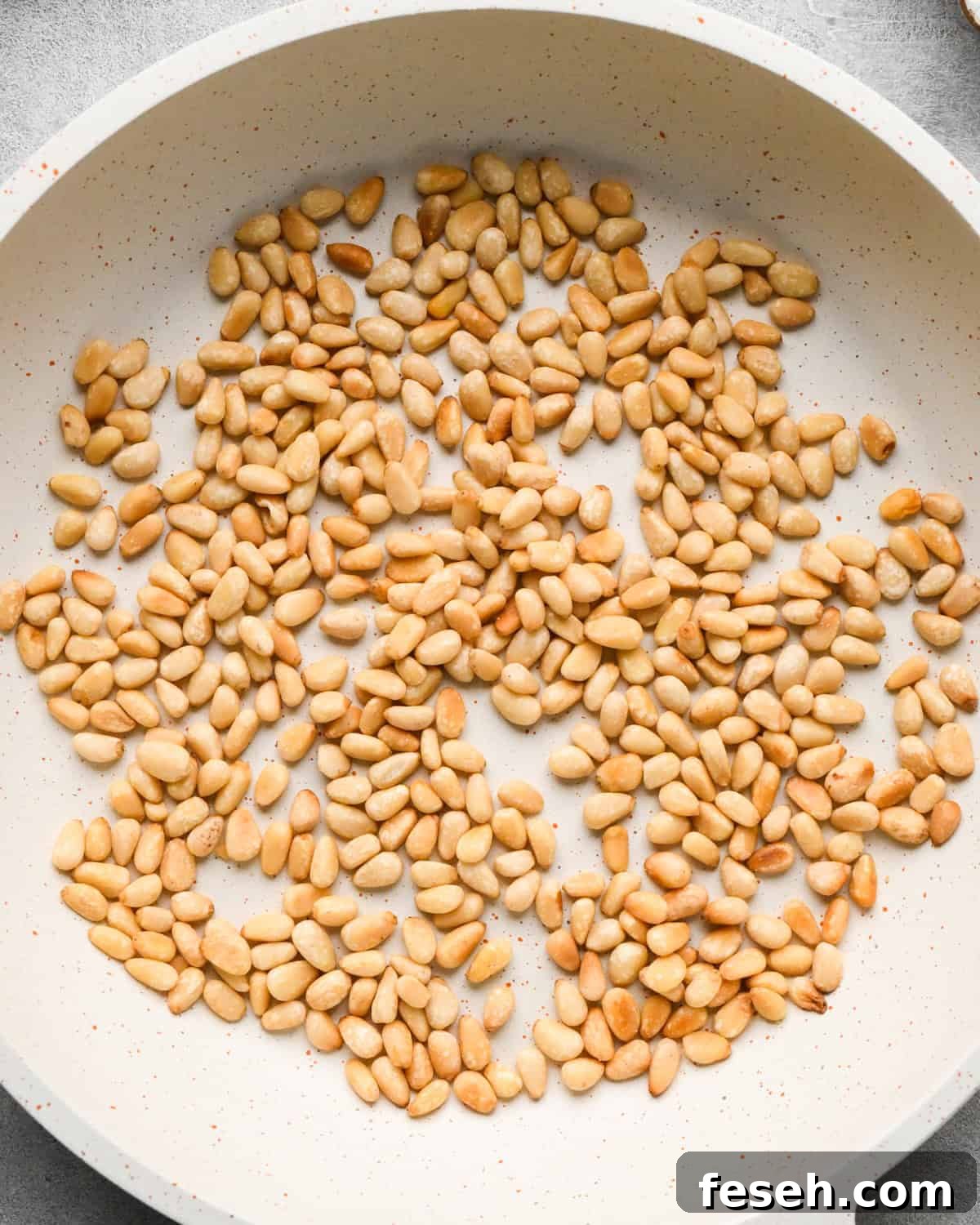
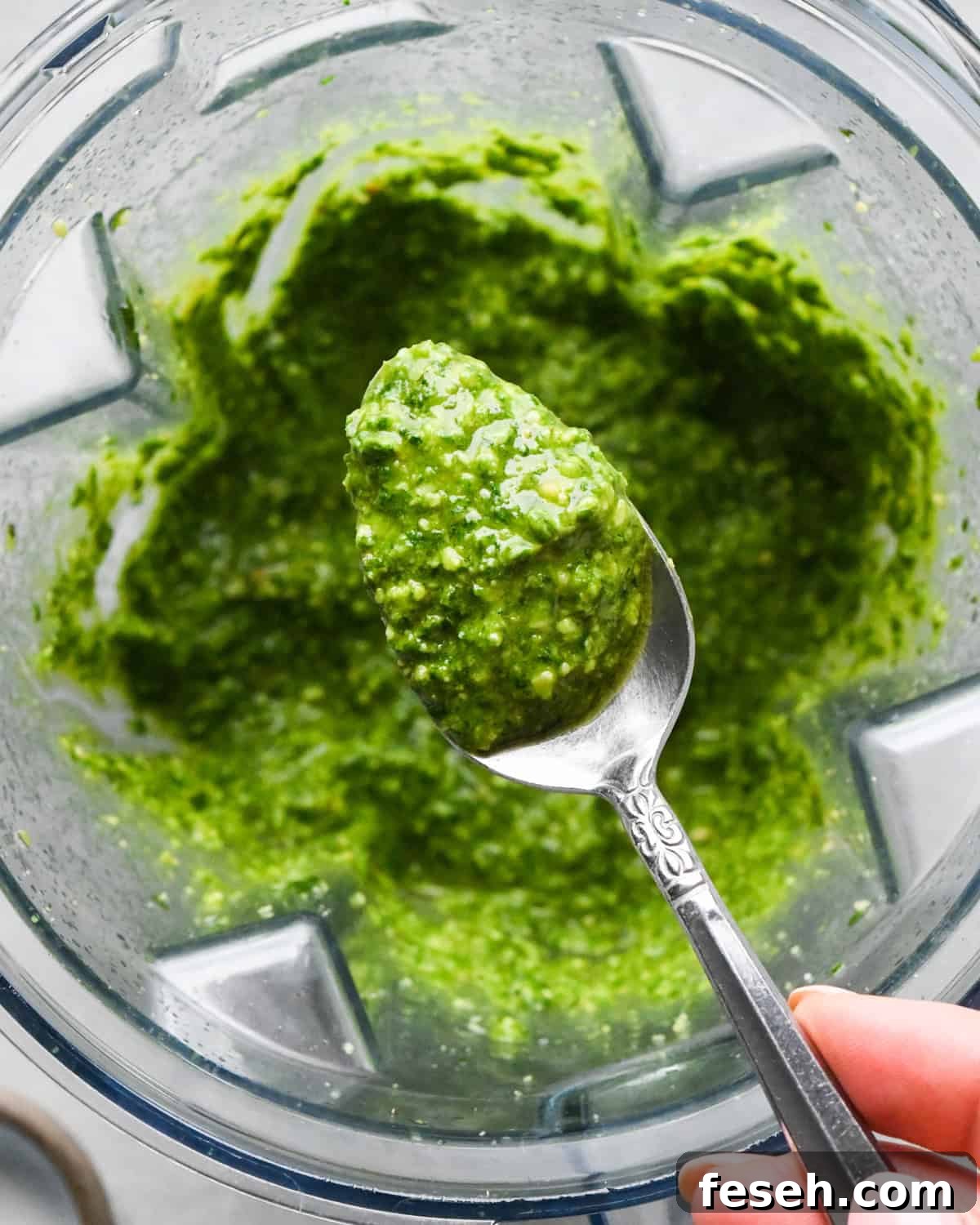
In a blender or food processor, combine olive oil and basil and pulse until combined but not completely smooth. Add 1/4 cup toasted pine nuts, minced garlic, lemon juice, grated parmesan, salt, and pepper. Blend until you reach your preferred texture, pausing to scrape down the sides as needed.
Note on consistency
Make the pesto as chunky or as smooth as you like. Homemade pesto lets you control texture and flavor.
Assemble the Pesto Pasta
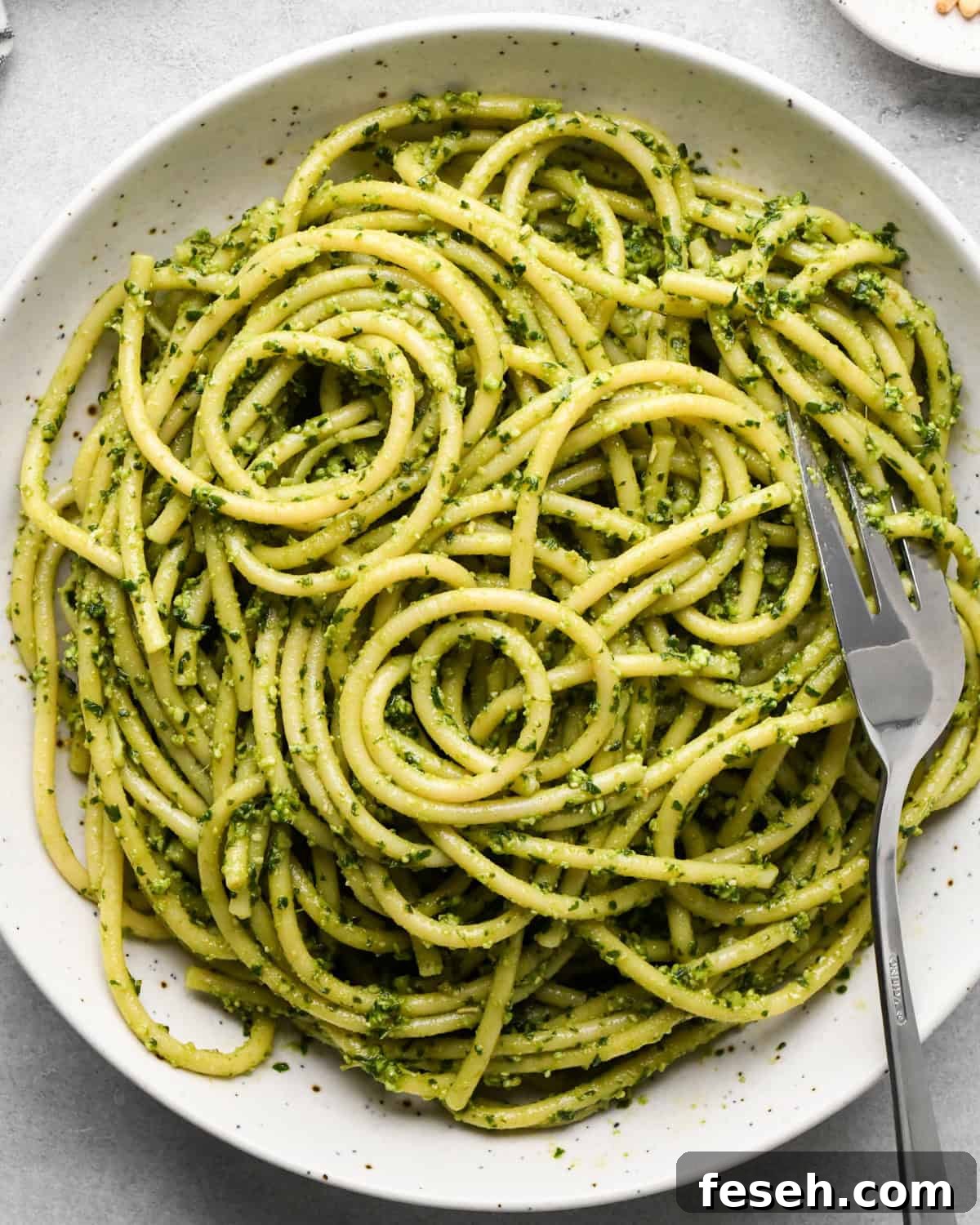
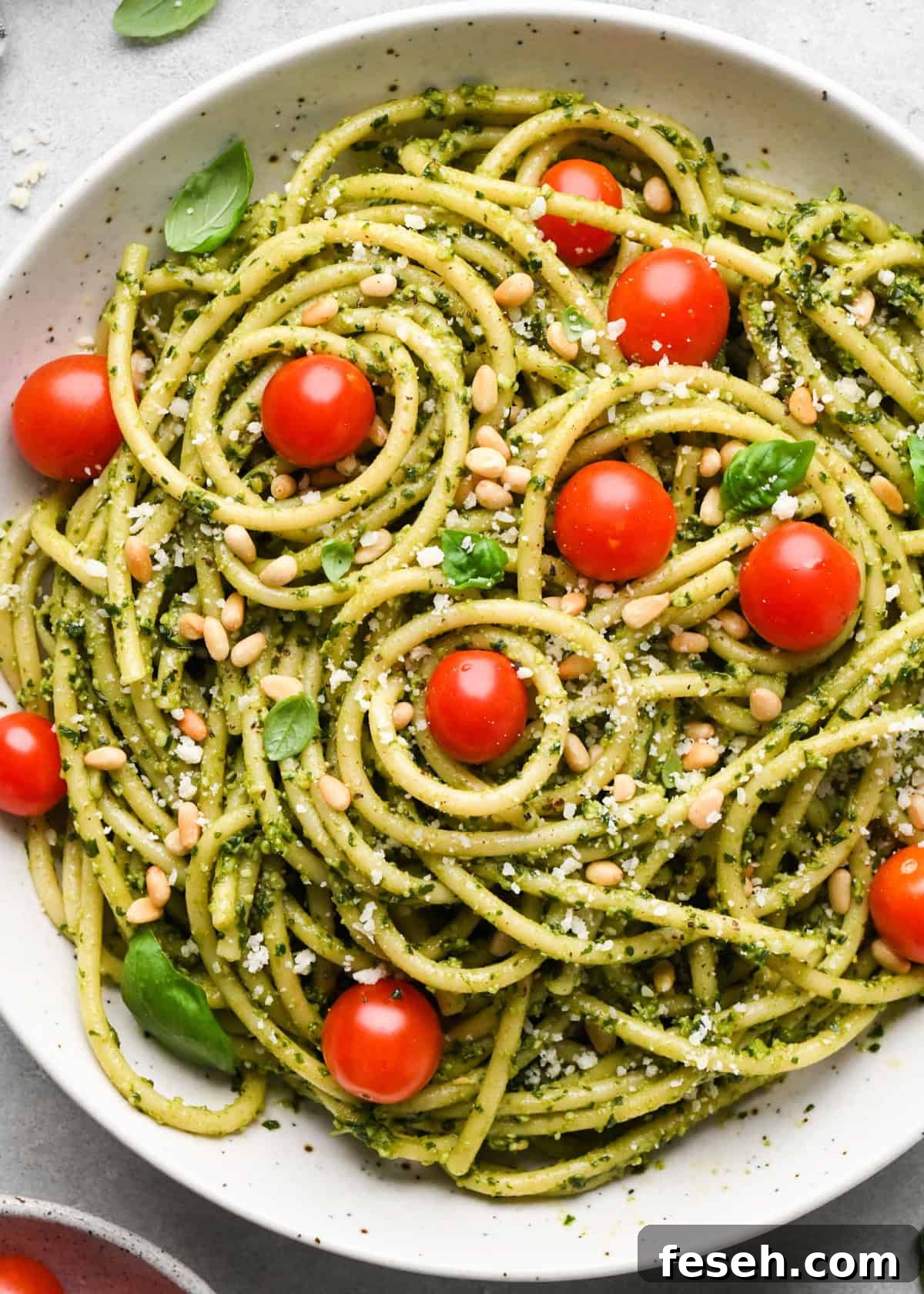
With the pasta still warm, add the pesto to the pot and stir until the noodles are evenly coated. Transfer to a serving bowl and garnish with reserved toasted pine nuts, fresh basil, grated parmesan, and cherry tomatoes if desired.
Serve
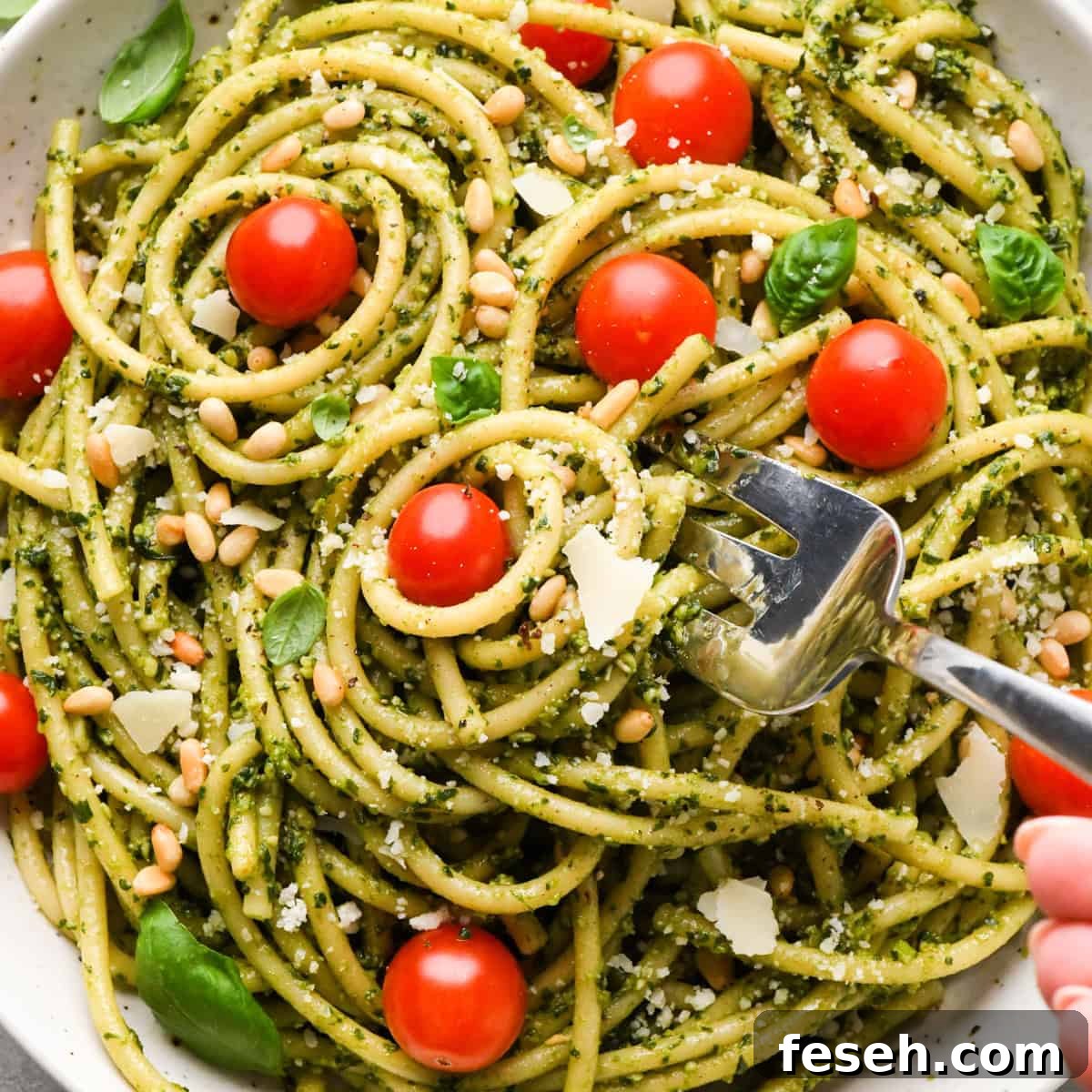
Finish with chopped basil, extra parmesan, and the reserved pine nuts. Serve warm as a main course or side, or chill and serve cold for a pasta salad-style dish. It pairs well with meatballs, roasted vegetables, or grilled chicken.
Store or Freeze
Keep leftovers in an airtight container in the refrigerator for 3–5 days, or freeze for up to one month. Reheat gently on the stovetop or in the microwave, or serve cold straight from the fridge.
More Quick & Easy Pasta Recipes
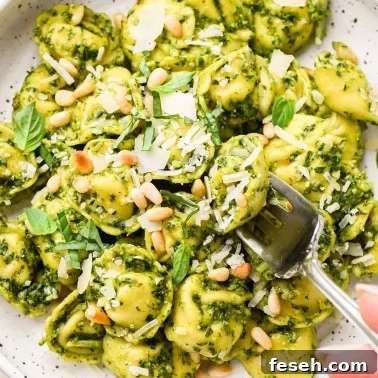
Try other simple pasta dishes like sausage pasta, pasta primavera, spinach tortellini, or a summer burrata pasta for more weeknight inspiration.
Pesto Pasta Recipe FAQs
Bucatini or other thick spaghetti varieties are a favorite here, but any pasta works. Try long noodles like linguine or tagliatelle, shaped pastas like rigatoni or fusilli, gluten-free chickpea pasta, or vegetable noodles like zucchini.
Yes. This dish is delicious warm or cold. To serve cold, refrigerate until chilled.
Avoid heating pesto directly, as heat can alter the basil’s color and flavor. Tossing pesto with warm pasta is enough to gently warm the sauce without compromising its fresh taste.
Yes. Freeze the assembled pasta or freeze the pesto sauce separately and combine with freshly cooked pasta when ready to serve.
Yes. The recipe scales easily—halve it if you have less basil, or double/triple when you have extra herbs.
If you try this recipe and enjoy it, please leave a comment and rating. Share your photos on social media and tag the creator if you like to show how your version turned out.
Pesto Pasta Recipe
Laura
Equipment
- Vitamix blender
- Food processor
- Measuring spoons and cups
- Spatula
- Large pot
- Colander
Ingredients
Homemade Pesto Sauce
- 2 cups fresh basil
- 6 Tablespoons pine nuts (toasted)
- 4–5 Tablespoons olive oil
- 1 teaspoon lemon juice
- 1 ½ Tablespoons minced garlic
- ½ cup parmesan cheese
- ½ teaspoon fine sea salt
- ⅛ teaspoon pepper
Pasta
- Salted water
- 16 ounces bucatini (or preferred pasta)
- 2 Tablespoons toasted pine nuts (for garnish)
- Baby tomatoes, fresh basil, parmesan (optional garnishes)
Instructions
Cook Pasta
- Cook pasta according to package instructions in well-salted water.
- Drain (do not rinse), return to the warm pot, cover, and set aside.
Make the Pesto Sauce
- Toast pine nuts in a small skillet over medium-low heat, stirring often until browned (4–5 minutes). Remove to cool.
- Reserve 2 Tablespoons toasted pine nuts for serving and use ¼ cup in the sauce.
- In a blender or food processor, combine olive oil and basil and blend until combined but not totally smooth, about 60 seconds. Pause and scrape down the sides if needed.
- Add ¼ cup pine nuts, garlic, lemon juice, parmesan, salt and pepper and blend until you reach the desired consistency (30–60 seconds). Taste and adjust seasoning.
Assemble & Serve
- Add pesto to the warm pasta and stir to combine.
- Transfer to a serving dish.
- Garnish with remaining toasted pine nuts, parmesan, chopped basil and tomatoes if desired.
- Serve warm or refrigerate and serve chilled.
Notes
Ingredient substitutions:
- Pasta: Bucatini is a favorite, but angel hair, linguine, tagliatelle, rigatoni, fusilli or rotelle all work. Chickpea pasta is a good gluten-free option. Zucchini noodles make a lighter, veggie-focused version.
- Olive oil: Flavor-infused olive oil can be used if it complements basil; avocado oil is another alternative.
- Pine nuts: These give classic pesto its characteristic taste, but walnuts, pecans or almonds can substitute if necessary.
- Garlic: Fresh minced or roasted garlic both work well.
Store/Freeze: Refrigerate leftovers in an airtight container for 3–5 days or freeze for up to 1 month. Reheat gently or enjoy cold.
Nutrition
Nutrition information is approximate.
Try these recipes
Homemade Basil Pesto Sauce
Burrata Salad
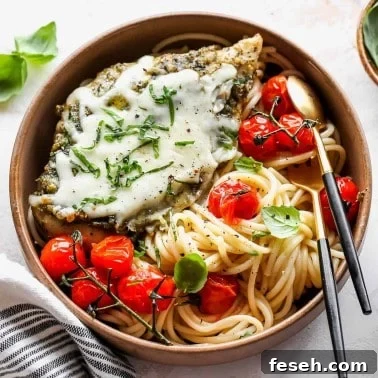
Baked Pesto Chicken
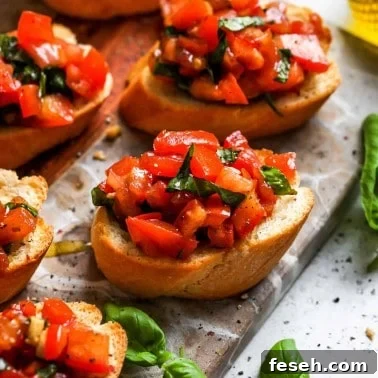
Easy Tomato Bruschetta Recipe
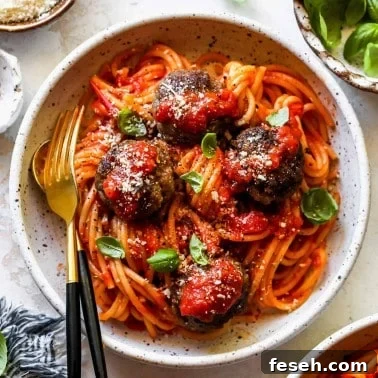
Homemade Meatballs Recipe