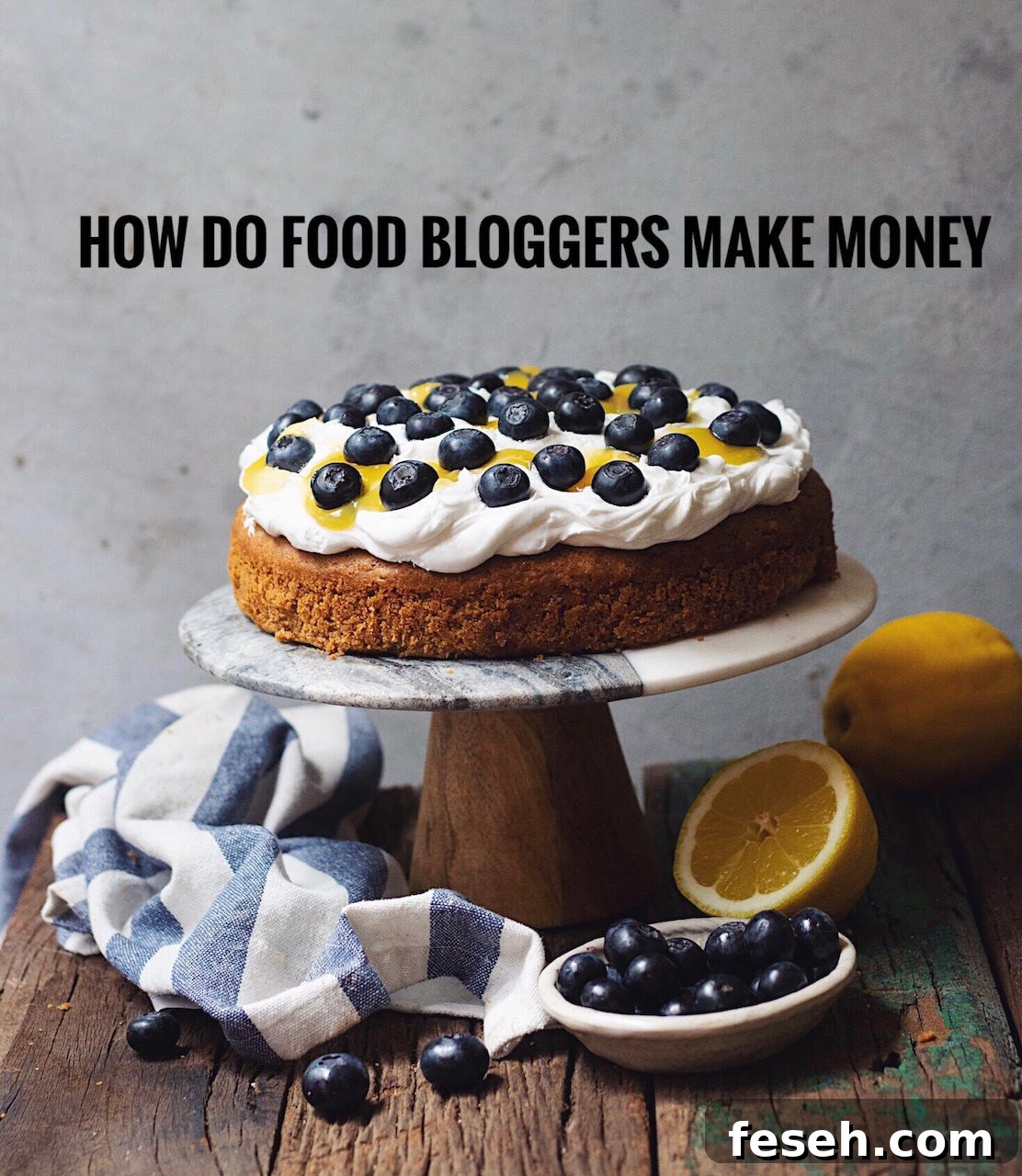
HOW DO FOOD BLOGGERS MAKE MONEY. There are two types of bloggers online: those who blog as a hobby and those who treat blogging as a profession. I began as a hobbyist but made blogging my full-time career after graduating in June last year. Over the past year it has become my main occupation. When I decided to pursue this path full-time, two factors made the choice easier:
- I genuinely loved blogging. It allows me to combine the things I enjoy most: baking, food styling, photography, writing and meeting people.
- I began earning a good income from blogging while still in college, which made the transition financially viable.
So, how do food bloggers make money? What are the practical ways to monetize a food blog and build reliable income streams? Below are the common and realistic methods food bloggers use to earn.
1) SOCIAL MEDIA COLLABORATIONS

One of the largest income sources for food bloggers is brand collaborations on social media. I create content featuring a brand’s products and promote it across my Instagram and blog. Early on I partnered with F&B brands like FoodHall and Mother Dairy, and later expanded to tech brands (laptops, cameras, phones) and others. The range of collaboration possibilities grows as long as you remain authentic to your voice and audience.
Tips to attract brand collaborations:
- Create an “Advertise” or “Work With Me” page on your site so brands can quickly see your offerings.
- Keep your contact details and email clearly visible on your blog and social profiles.
- Pitch ideas proactively to brands, but present proposals professionally and concisely.
- Be easy and enjoyable to work with; deliver strong value and be prepared to work hard.
2) RECIPE DEVELOPMENT
If you lack a large social following, you can still work with brands by developing recipes and visual content for their websites or social channels. I create recipes and photography for various brands, and that content is used on their platforms without necessarily being promoted from my own channels. While this often pays less than social media campaigns, it’s a solid way to start building professional relationships and revenue.
3) WORKSHOPS — PERSONAL, CORPORATE AND BRAND-SPONSORED

Workshops are a dependable income stream. Audiences who follow food blogs often want hands-on learning, so running baking, styling or cooking workshops works well. You can organize them solo, partner with other creators, or collaborate with brands and venues. Brand-sponsored workshops typically involve an upfront fee from the brand and allow you to promote the event to your audience, driving attendance and exposure for both you and the sponsor.
Corporate workshops are another option: many companies hire creative experiences for team engagement. These can be lucrative but often require outreach or a corporate contact. Listing workshop services on your website helps brands and event planners find you.
4) FOOD STYLING AND PHOTOGRAPHY ASSIGNMENTS
Food bloggers already develop styling and photography skills for their own content — these services are in high demand from restaurants, cafés, food brands and publishers. Offering menu photography, product shoots, or styled images for digital and print use is a practical revenue source. Some bloggers also work on TV commercials, television sets, and cookbooks as stylists or photographers.
5) PLACING ADVERTISEMENTS ON YOUR BLOG

Blog advertising remains a popular monetization route. Once your blog attracts consistent, high traffic, you can join an ad network to display ads and earn revenue. Successful food blogs with large audiences can generate substantial monthly income through advertising, though results vary widely depending on traffic and ad formats.
6) E-BOOKS AND BOOKS
Publishing e-books or print books is a natural extension for food bloggers. Selling cookbooks, recipe collections, or themed e-books on your website lets you offer exclusive value to readers and build a passive income stream. I personally announced my book, Bake With Shivesh, with HarperCollins and look forward to its release. Start small with well-produced e-books or downloadable guides, and consider merchandise if it fits your brand.
In summary, food bloggers can combine several income streams — brand collaborations, recipe development, workshops, styling and photography services, blog ads, and books or e-books — to create a sustainable career. Choose the mix that suits your skills, audience size and long-term goals, and focus on consistent quality and authentic engagement with your readers.