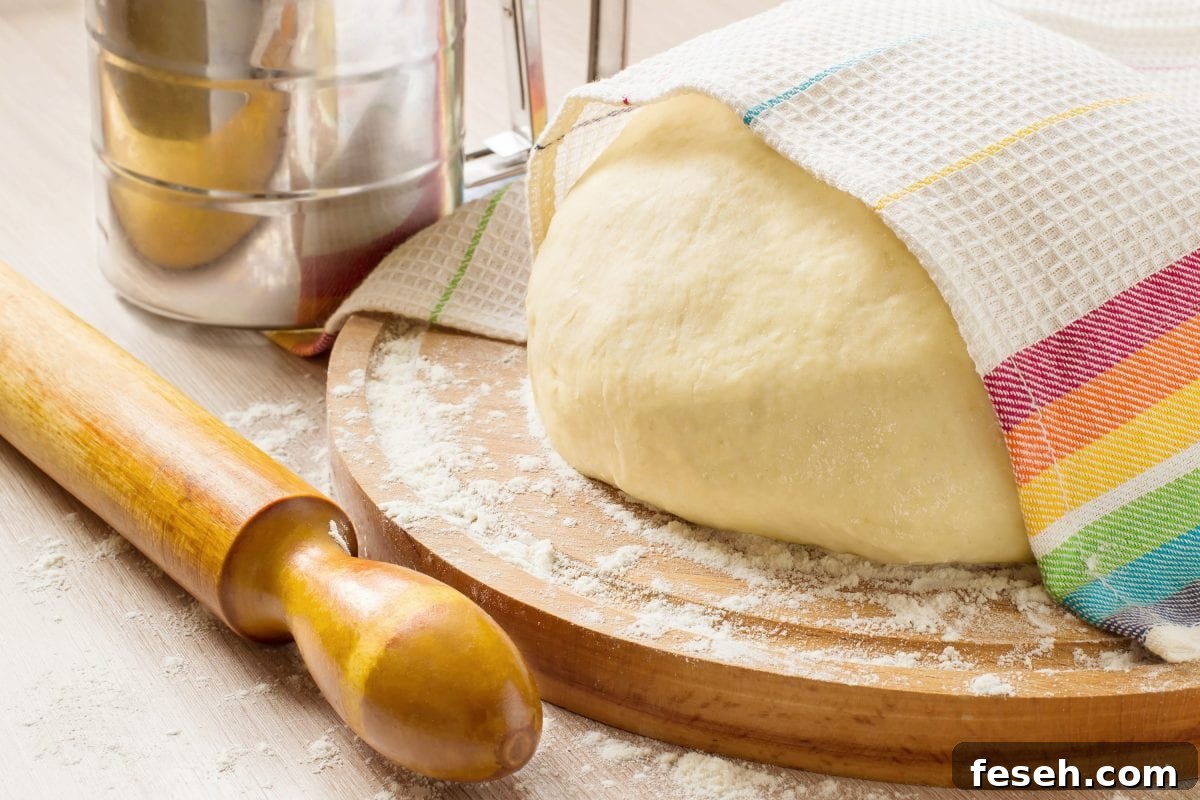
Yeast has become noticeably harder to find in recent months, mirroring shortages of many other grocery items. As restaurants and food chains adjusted or closed, more people began cooking and baking at home, rediscovering the joy of making food from scratch.
Social media quickly filled that gap with tips and techniques for making your own yeast alternatives. One common and reliable method is creating a sourdough starter: a natural mixture of wild yeast and beneficial bacteria captured from the environment and from flour. Bakers relied on this process for generations before commercial yeast became widely available.
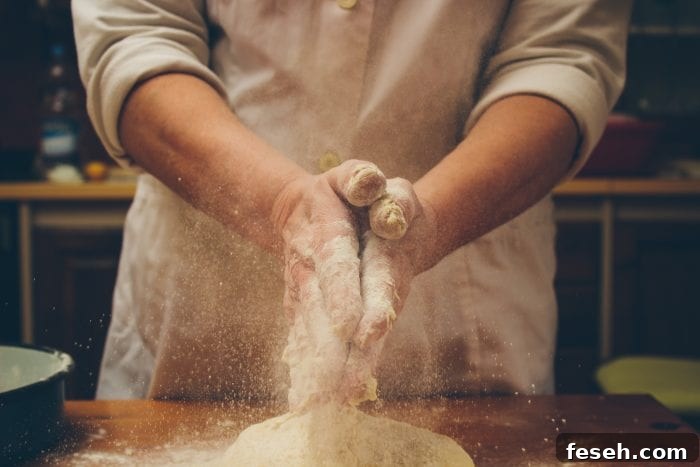
“There’s a good chance you’ve already got what you need at home to get started,” said Stephen Jones, director of Washington State University’s Bread Lab. What you’ll actually be doing is capturing wild yeast and bacteria present in the air and in flour to create a sourdough starter—an approach bakers used long before commercial yeast existed.
Creating a starter is simple and requires just two ingredients: flour and water. The basic process recommended by experienced bakers and institutions like the Bread Lab focuses on patience and regular feeding to establish a healthy culture.
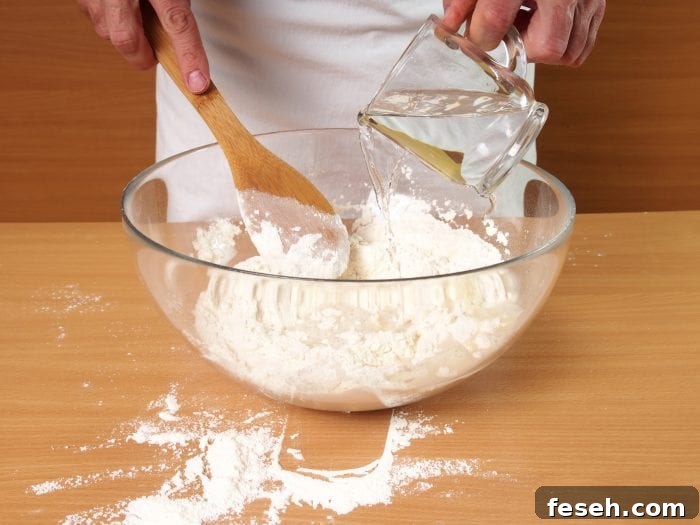
- Measure equal parts flour and water into a clean, small bowl or jar. A good starting amount is 2–4 tablespoons of each.
- Stir until the mixture is smooth and uniformly combined.
- Cover loosely with a lid or a clean towel and leave it at room temperature. This allows wild yeast and bacteria from the air to begin colonizing the mixture.
- Feed the starter twice daily—morning and evening—with 1–2 tablespoons each of flour and water. Stir well after each feeding to incorporate air and distribute the microbes.
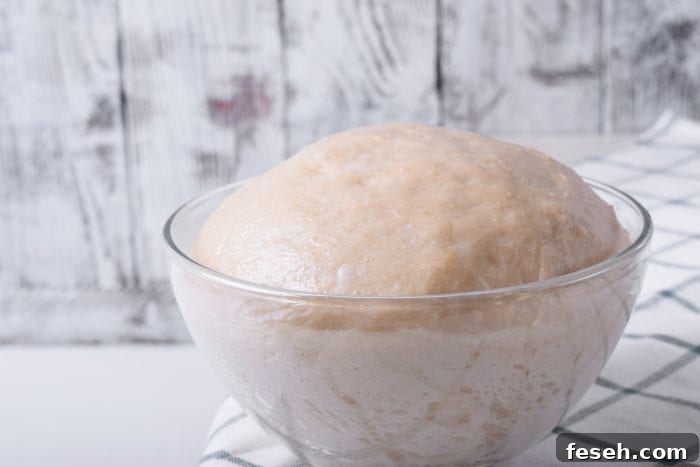
- Bubbles should appear in about 3–5 days, depending on your kitchen’s temperature and local microbes. After roughly five days you’ll likely have an active starter that can leaven bread.
- If you don’t plan to bake often, store the starter in the refrigerator and feed it weekly. If you bake frequently, keep it at room temperature and continue feeding daily.
A simple test to check readiness: drop a spoonful of starter into a glass of water. If it floats, the starter is airy and active enough to use in many sourdough recipes.
Once your starter is established, search for recipes that specifically call for a sourdough starter—many breads, pancakes, waffles, and even some pastries can be adapted to use it. Maintain your starter by regularly discarding a portion before feeding; this keeps the culture healthy, prevents overflow, and provides a consistent ratio of fresh flour and water.
Remember that every starter is unique: temperature, flour type, and local microbes all influence flavor and activity. Whole grain flours often speed fermentation and add complexity, while white flours produce a milder taste. If your starter develops an unpleasant smell or visible mold, discard it and begin again with clean equipment and fresh ingredients.
Making your own starter takes a little time and attention, but it’s a reliable, sustainable way to bake when commercial yeast is scarce. With patience, your starter will become the foundation for delicious homemade breads and baked goods.
Good luck—may your dough rise beautifully!