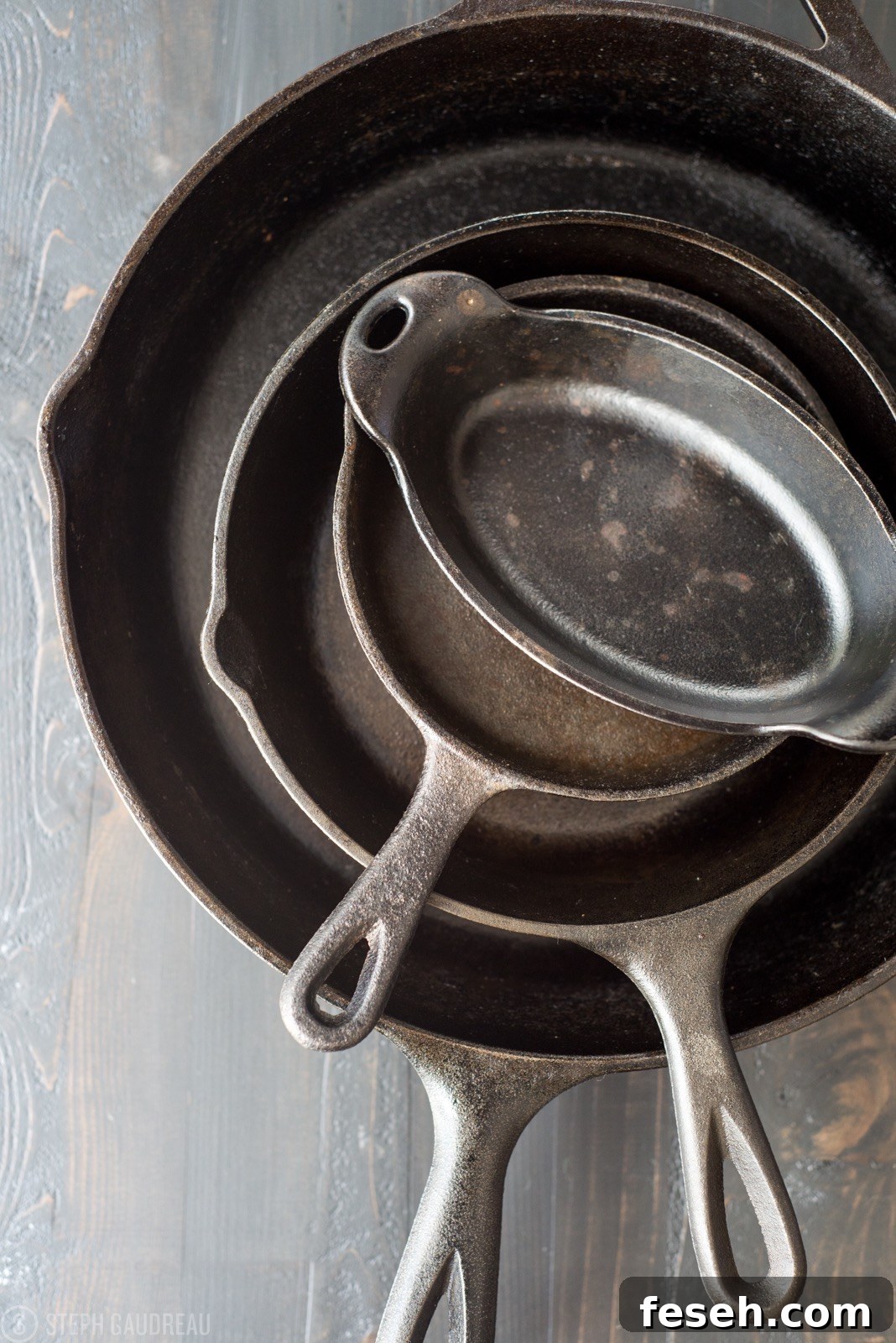
Steph’s Note: My friend—talented storyteller, creative badass, and occasional butt-kicker—Dave Conrey of Fresh Rag pitched me this story idea recently. While it’s a bit non-traditional for a mostly recipe-and-info site, I immediately got drawn into the nostalgia. Cooking often anchors life stories, so I asked Dave to share his. Take it away, Dave!
I remember a camping trip in the Northern Sierra mountains with a large group of family and friends. After a week of hiking and fishing, everyone gathered for one last morning together before heading home. One dad took charge of a large Coleman camp stove and moved between two cast iron skillets like a conductor. In one pan he fried bacon and sausage, in the other he scrambled eggs. He’d cook a batch, dump the perfectly cooked food into a serving tin for people to grab, then repeat.
I don’t recall him eating any of his work, but I do remember his focused expression as he steered the meats and eggs with calm, practiced movements. He was in his element, and that confident rhythm set the tone for the whole campsite. Between the chatter of happy campers and the swirling aromas, the moment felt like a little pinnacle of life. That final breakfast became one of my lasting memories from the trip.
Over the years I saw skillets used many times but never embraced one for myself. Still, every time someone cooked in cast iron I felt a warm tug of nostalgia back to that campsite morning. Once I watched my uncle prepare to season his well-used skillet. Not knowing much about iron, I asked why he oiled it before placing it in the oven. He explained that seasoning keeps the pan in good condition and maintains a slick surface. I asked why he didn’t just use a non-stick pan.
“Because this cooks better,” he answered, holding the pan with steady conviction. He could tell I didn’t fully get it yet, but he expected I would eventually.
Some years later I mentioned to my wife that I’d like a cast iron skillet. It surprised her a little—I wasn’t doing much cooking back then—but she remembered the idea for the future. That Christmas Eve she handed me a long, heavy box during our family tradition of opening a single present each. Inside was the yellow and black Lodge logo on the most beautiful piece of metal I’d ever seen: a 12-inch cast iron skillet.
My mother laughed, thinking a skillet was an odd gift—she associates kitchen tools as chores in disguise. But anyone who enjoys cooking understands that quality equipment is a genuine gesture of love. I held the shiny black pan in my hands, feeling its faint oily texture and imagining the meals I’d make. It arrived preseasoned, ready for bacon and eggs, so I cleaned any dust and set it on the stove, eager for Christmas morning.
The truth is, the first few uses of a cast iron skillet can be imperfect. Preseasoned pans are useful, but they need time and repeated use to develop the multiple layers of seasoning that make them optimal. My early attempts were uneven; I learned by doing. Now my steaks, bacon, and eggs come out consistently well, and the skillet has become my preferred tool. What surprised me most was how my attitude toward cleaning changed.
I’ve always disliked washing dishes. It felt like a chore I’d put off and an annoyance for my spouse. With the cast iron pan, though, cleaning became a craft. Doing the proper maintenance after each use transformed it from unpleasant work into a deliberate, satisfying routine. I let the pan cool a bit, pour excess grease into a jar, and wipe out loose bits with a paper towel. I add a small amount of water—just enough to help remove stuck particles—and use a modest kitchen brush to scrub in circular motions, dislodging the last food remnants.
Back on the stove, I dry the skillet thoroughly with a towel, both inside and underneath. Once completely dry, I apply a light coat of neutral oil—usually a small amount of refined coconut oil or another high smoke point oil—and rub it in with a paper towel. I buff the interior to a satin sheen, check for any sticky spots, and touch up as needed. The process is simple, practical, and oddly calming. It makes me feel, in a small way, more competent and connected to the craft of cooking.
Buying any tool comes with a romantic expectation: you imagine all the great things you’ll do with it. The early attempts can disappoint—you cut a board too short, hammer a nail at the wrong angle, or overcook a steak—but persistence pays off. With the skillet, patience and practice brought a breakthrough moment when my first perfectly cooked meal made everything click. I realized then that the pan is more than a hunk of iron; it’s a craftsman’s tool that rewards attention and care.
I can’t claim that a cast iron skillet is the ultimate culinary device for everyone, but for me it has become indispensable. If you’re curious, try starting with a well-made 12-inch skillet from a reputable manufacturer and let use build the seasoning. Treat the pan with respect, and it will repay you with years of dependable service and delicious food.
Connect with Dave at FreshRag.com and listen to his interview on Ep 9 of Harder to Kill Radio.