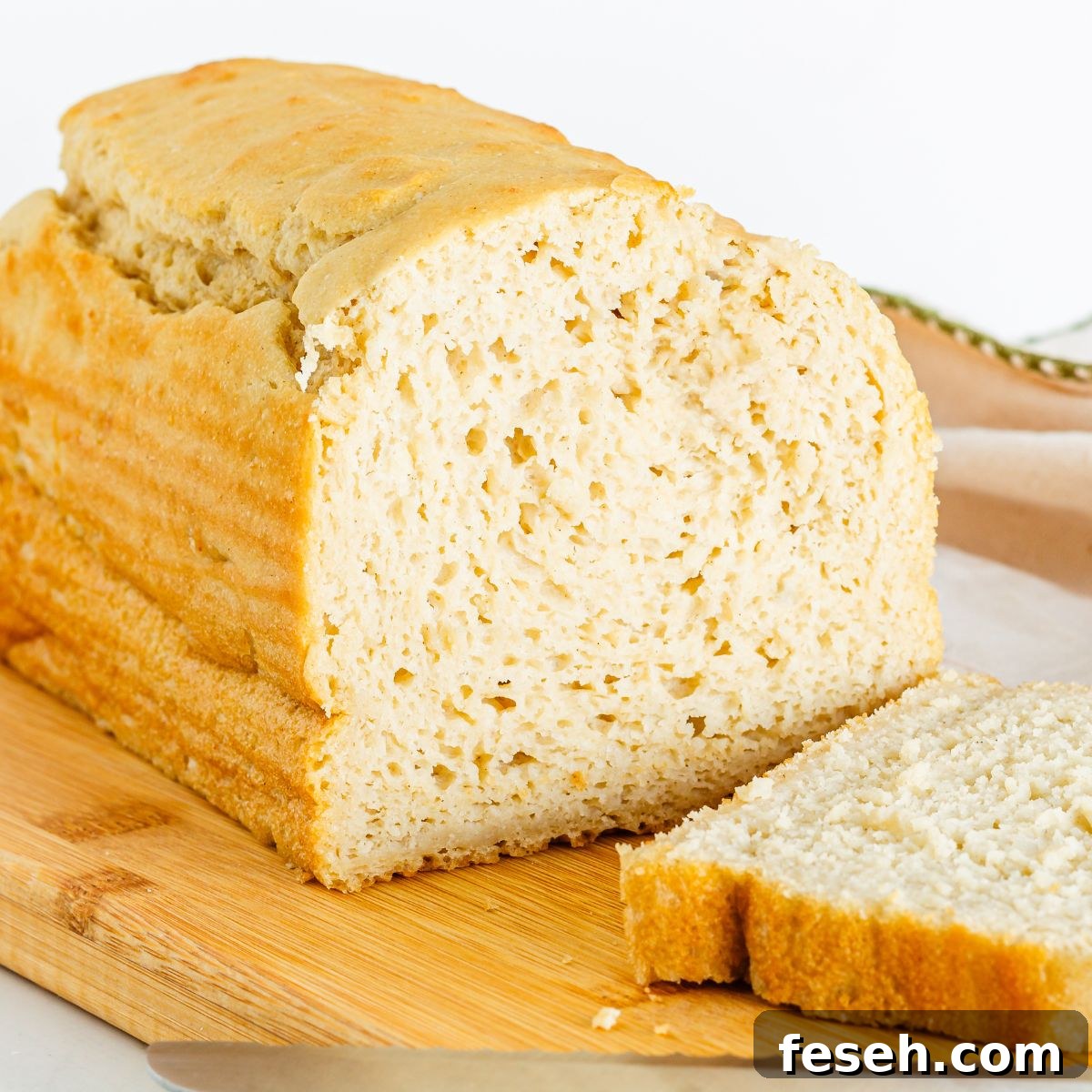
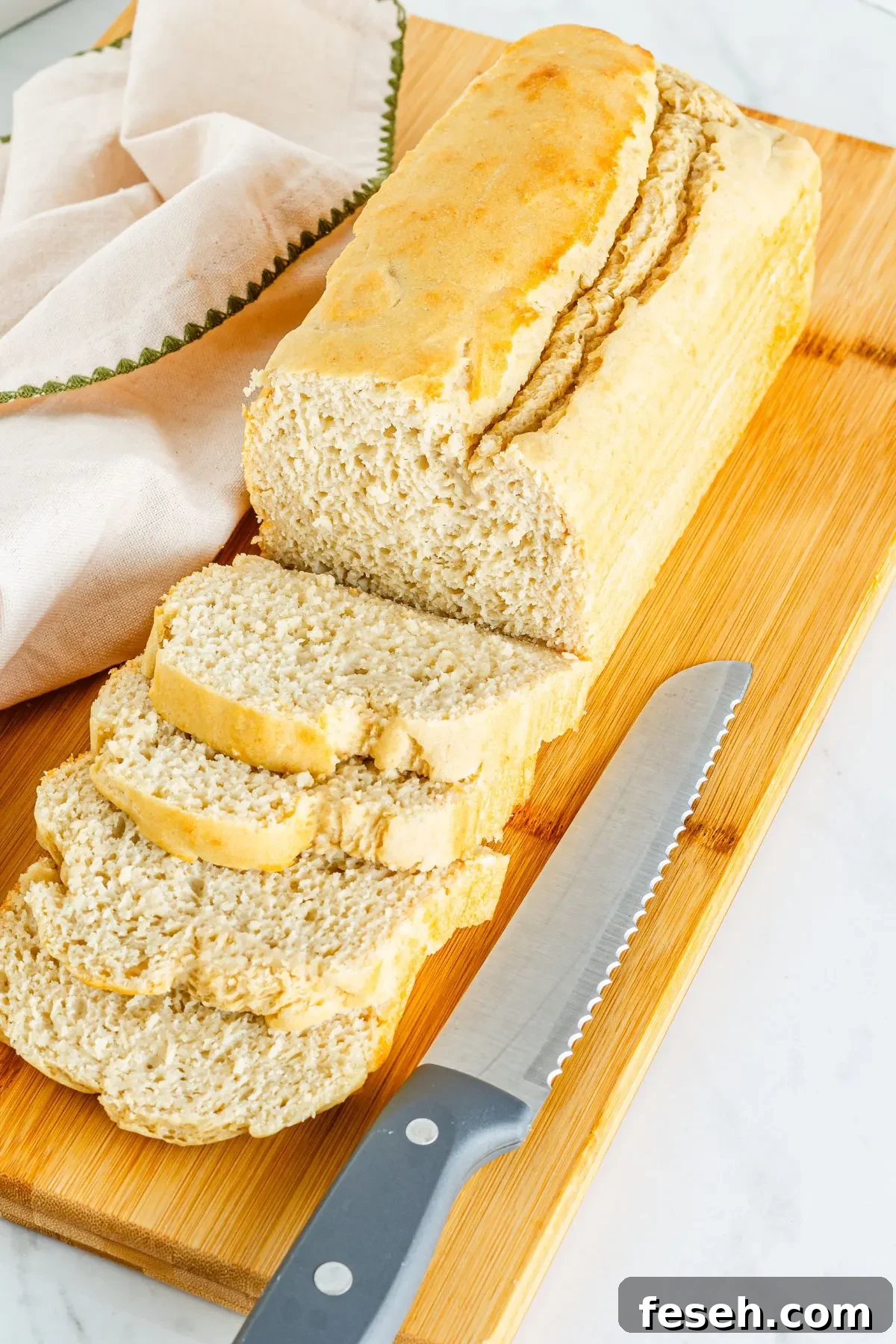
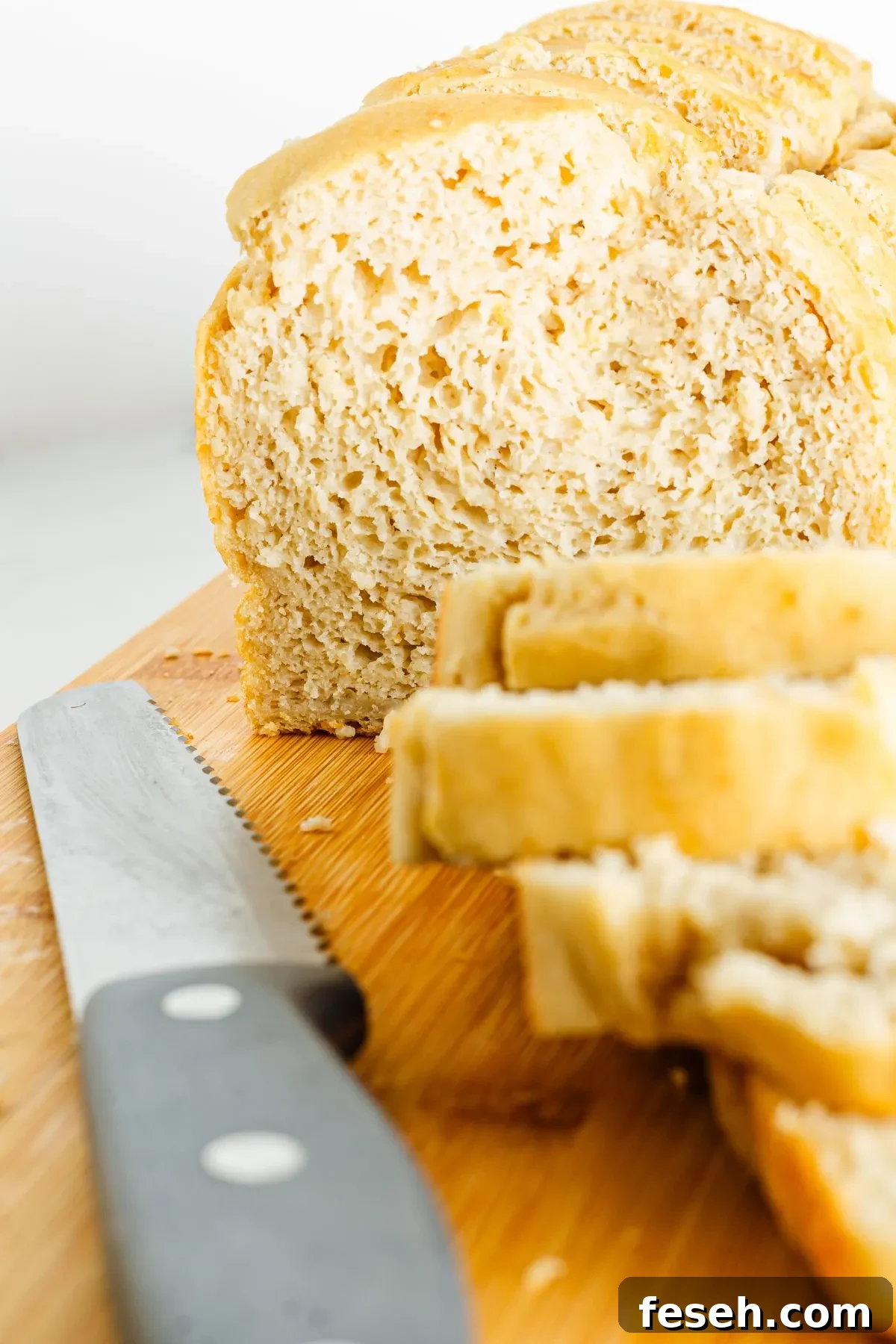
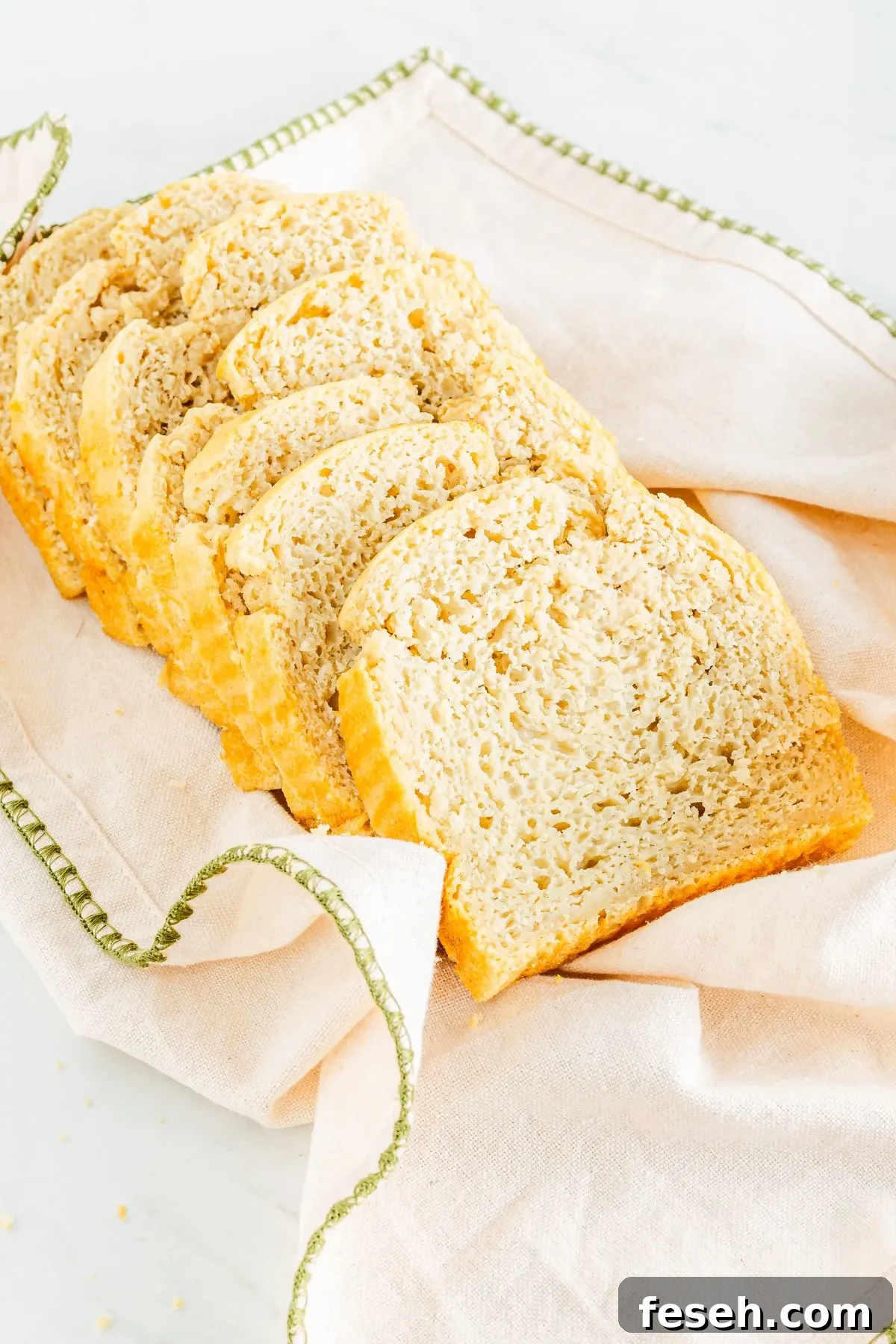
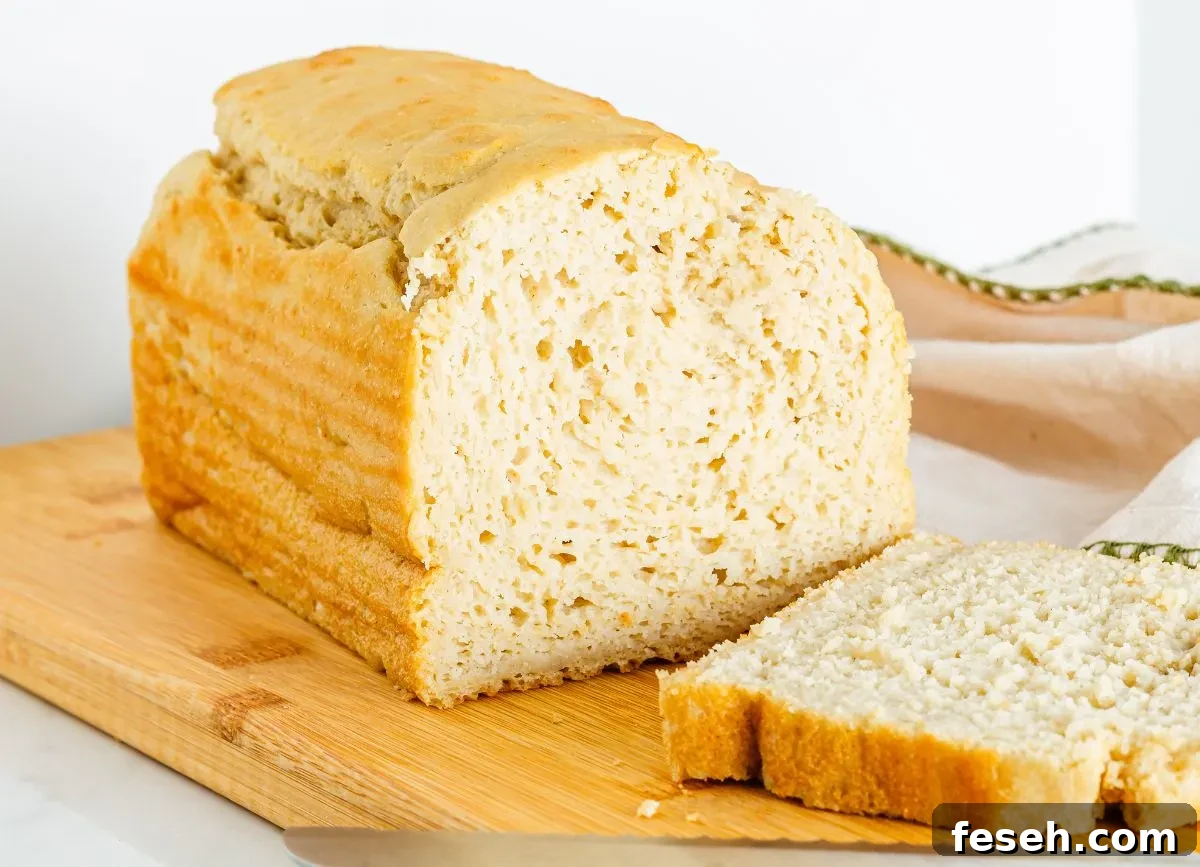
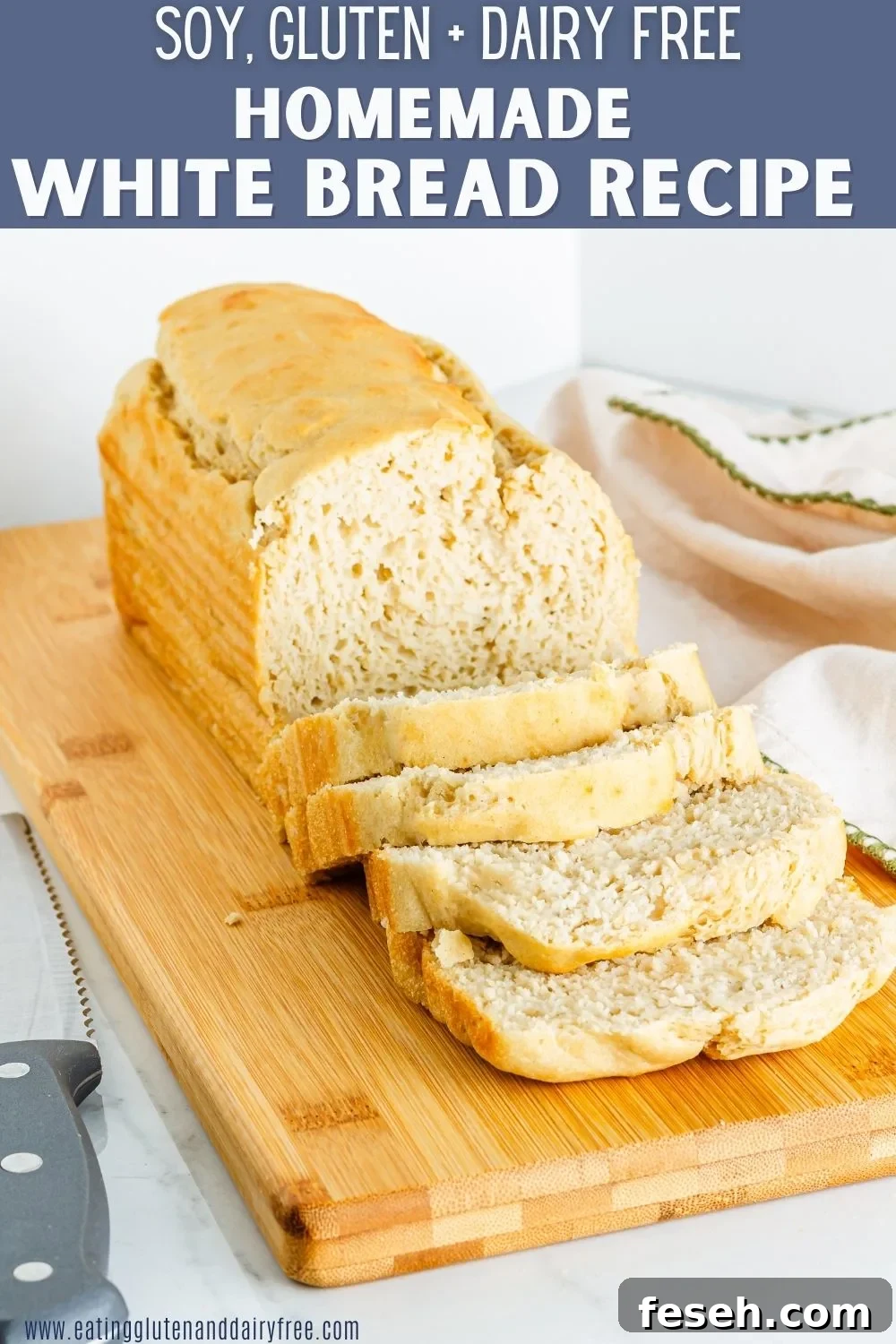
Forget the tiny, scrawny slices from store loaves. This easy Homemade Gluten Free Bread Recipe yields generous, fluffy slices you and your family will love.
It’s not only gluten-free but also a Dairy Free Bread Recipe.
Are you tired of overpaying for disappointing gluten-free bread? We felt the same, so we developed a straightforward gluten-free white bread that works for sandwiches, toast, French toast, croutons and more.
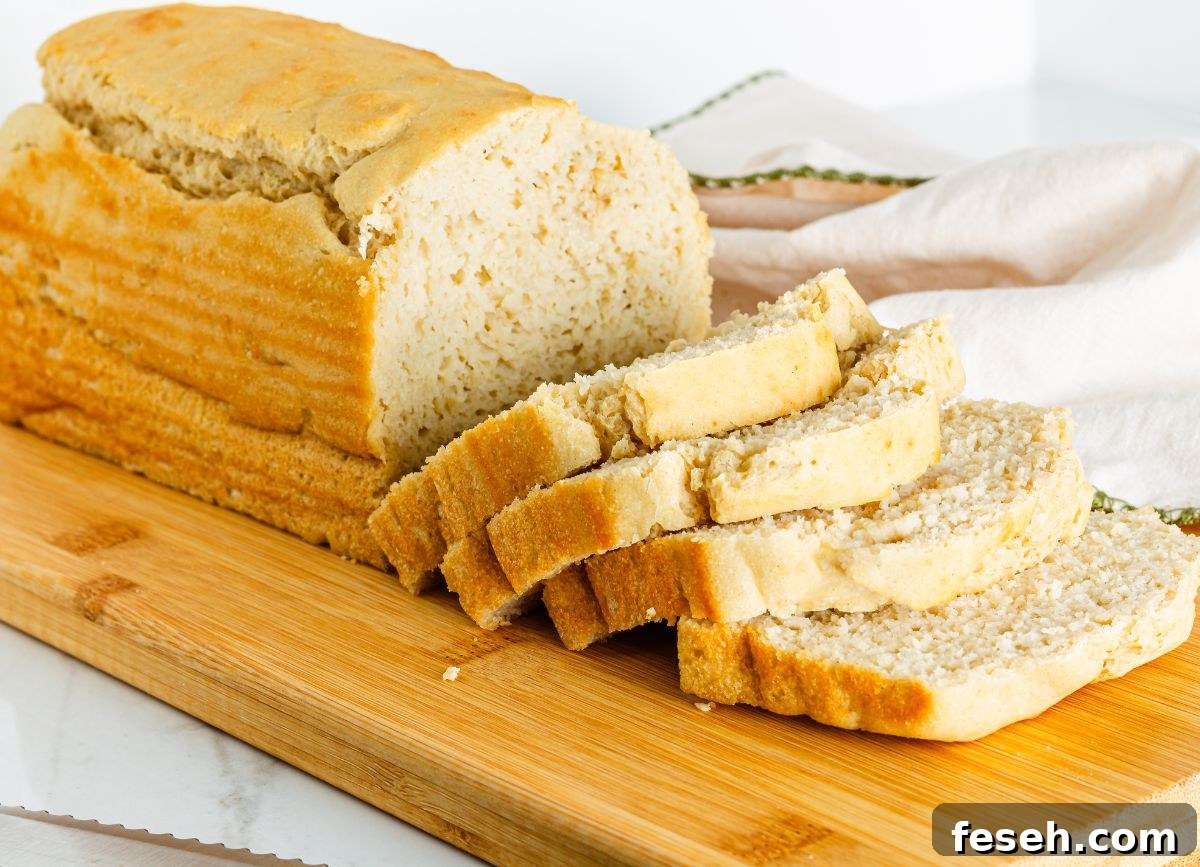
If you want a simple, reliable gluten-free bread recipe that doesn’t rely on a premade mix, this is it. We tested many versions and found a formula that produces a real sandwich loaf without costing a fortune or requiring complicated steps.
Why Make Homemade Gluten Free Dairy Free Bread?
- Generous slices: No more tiny, thin store slices.
- Cost effective: Buying ingredients smartly — bulk, sales and price comparison — keeps costs down compared to store-bought specialty loaves.
- Quick: Ready in about 70 minutes, so you won’t spend the whole day in the kitchen.
- Scalable: Easy to double or triple for big families or weekly meal planning.
- Tested brands: We share brand recommendations that we found worked best with yeast-based gluten-free bread to avoid frustrating failures.
- Allergy friendly: Gluten free, dairy free and soy free by default, with substitution ideas for egg-free and xanthan gum–free versions in the notes.
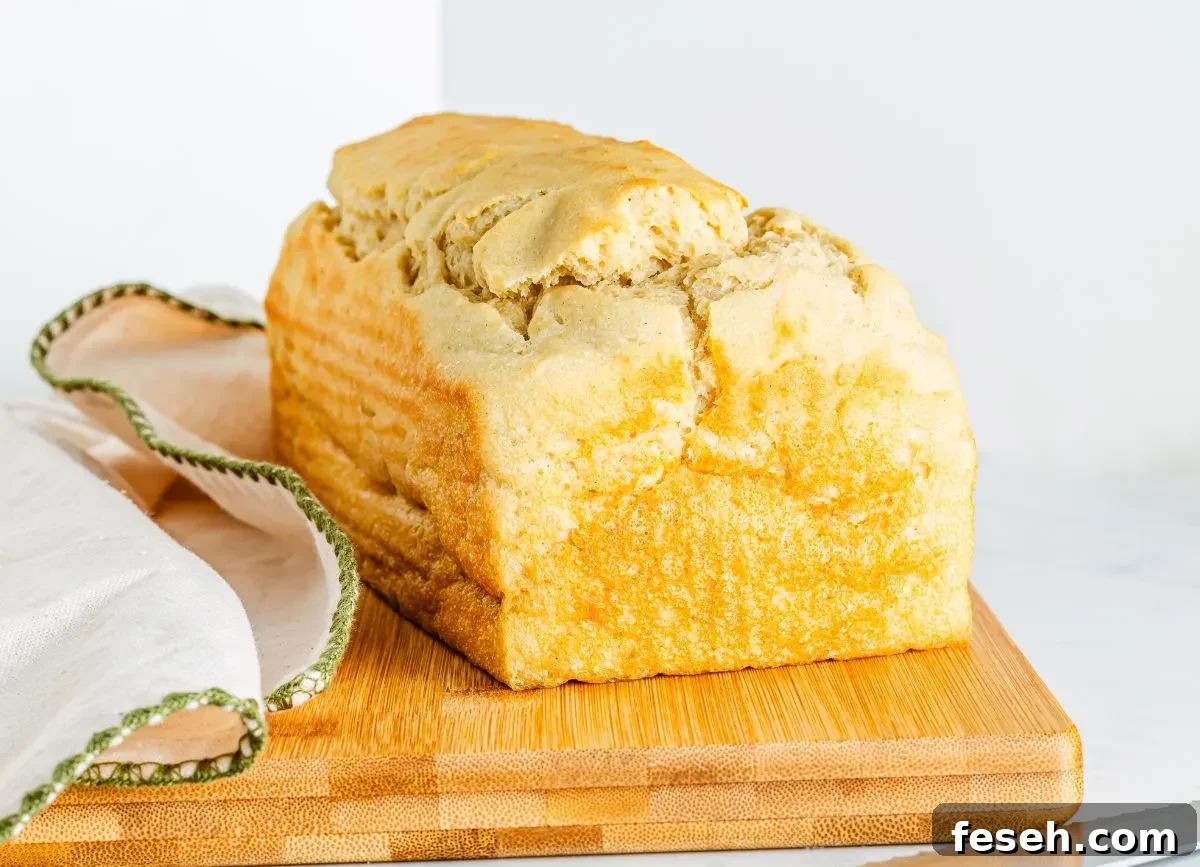
Helpful Kitchen Tools and Equipment
Gather these items before you start.
- Measuring cups and spoons: Use the scoop-and-level method for dry ingredients for accurate results.
- Mixing bowl or stand mixer: If using a stand mixer, use the paddle attachment rather than a dough hook.
- 9×5-inch loaf pan or 9×4 Pullman pan: A Pullman pan gives taller, more uniform loaves.
- Baking spray: For greasing the pan.
- Cutting board and a sharp serrated knife for slicing.
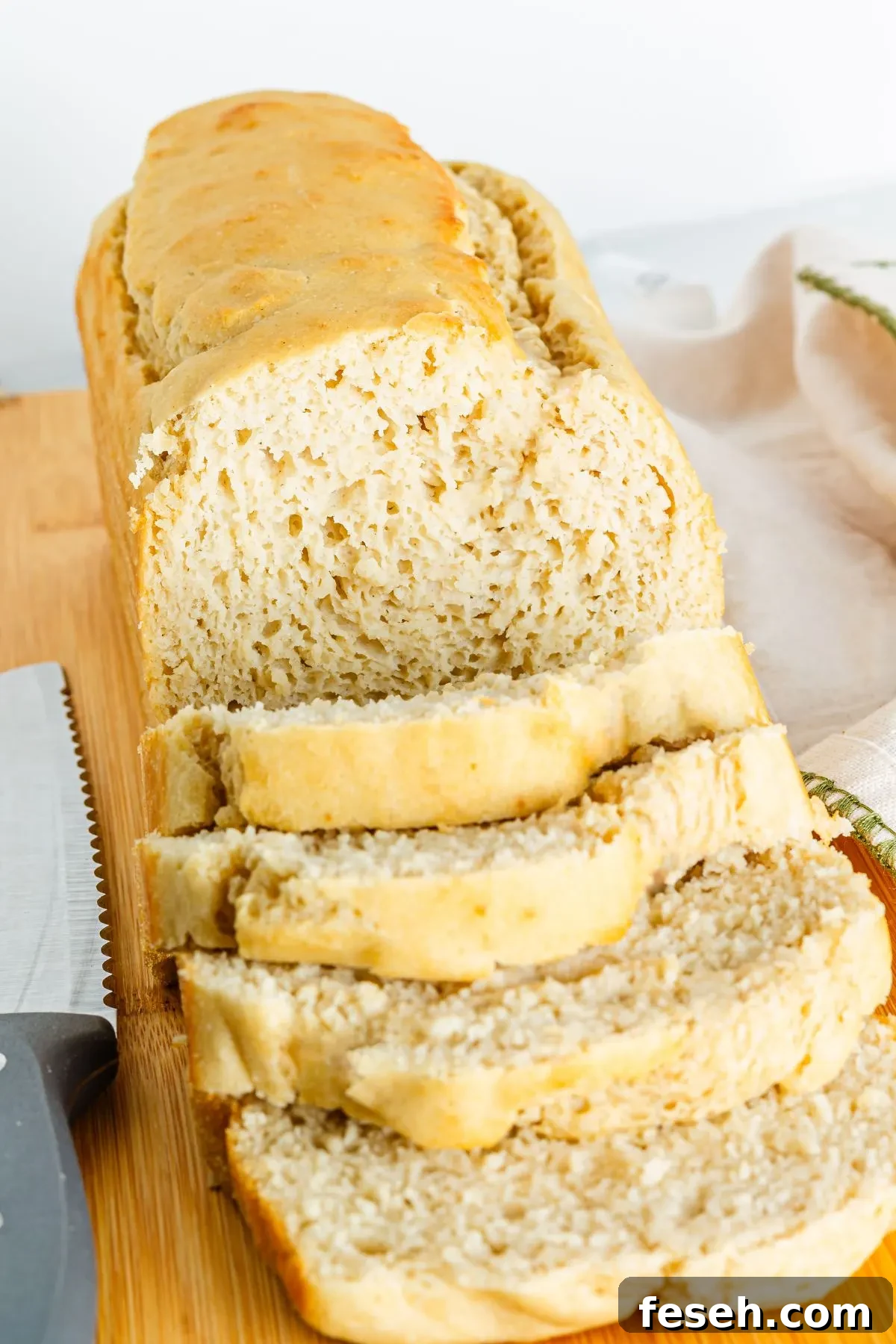
Ingredient Notes
These ingredients produce the best results in this specific recipe. If you choose to experiment with other brands, expect some trial and error.
We recommend using a gluten-free all-purpose flour blend that already contains a binding agent like xanthan or guar gum. For this recipe we had the most consistent success with the brands we list below; other blends designed for quick breads or cakes may not perform well with yeast.
- All-purpose gluten-free flour: Use a blend suitable for yeast breads (contains xanthan or guar gum). Avoid blends labeled specifically for quick breads or 1-to-1 mixes that warn against yeast baking.
- Baking powder: Double-acting, aluminum-free baking powder gives a cleaner flavor and helps with rise. Use fresh powder for best results.
- Rapid rise yeast: Also called instant or fast-acting yeast; it gives a predictable same-day rise and a light crumb.
- Olive oil: Use a good-quality oil for flavor and moisture.
- Honey: Feeds the yeast and adds tenderness and light sweetness.
- Apple cider vinegar: Helps improve texture in gluten-free loaves.
- Warm water: Around 100–110°F so it activates the yeast without killing it.
- Large egg whites: Room temperature works best for consistent rise.
- Salt: Enhances flavor — use your preferred salt.
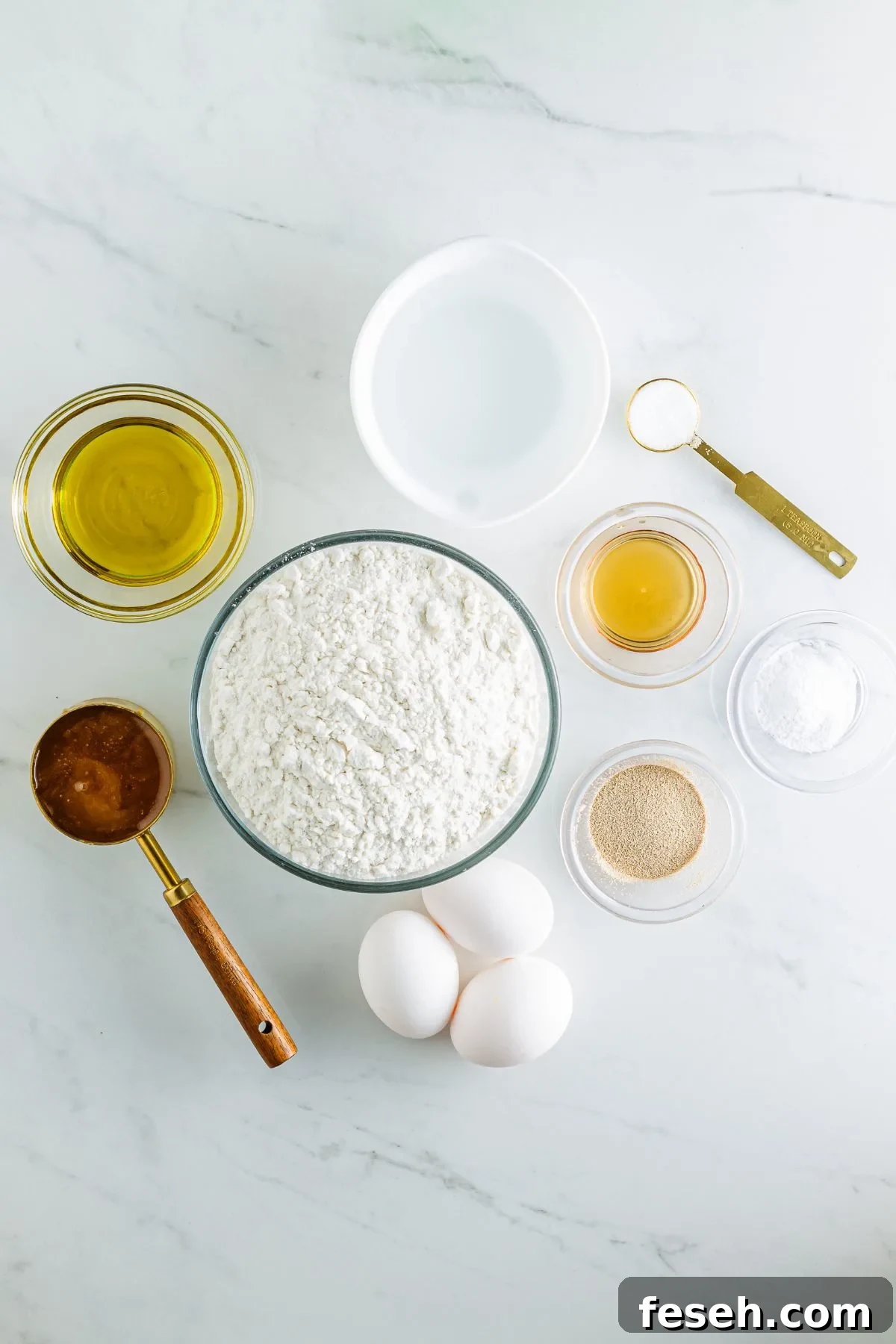
Bread Recipe Instructions:
Preheat the oven to 350°F and position the top rack to the middle. Grease a loaf pan with cooking spray.
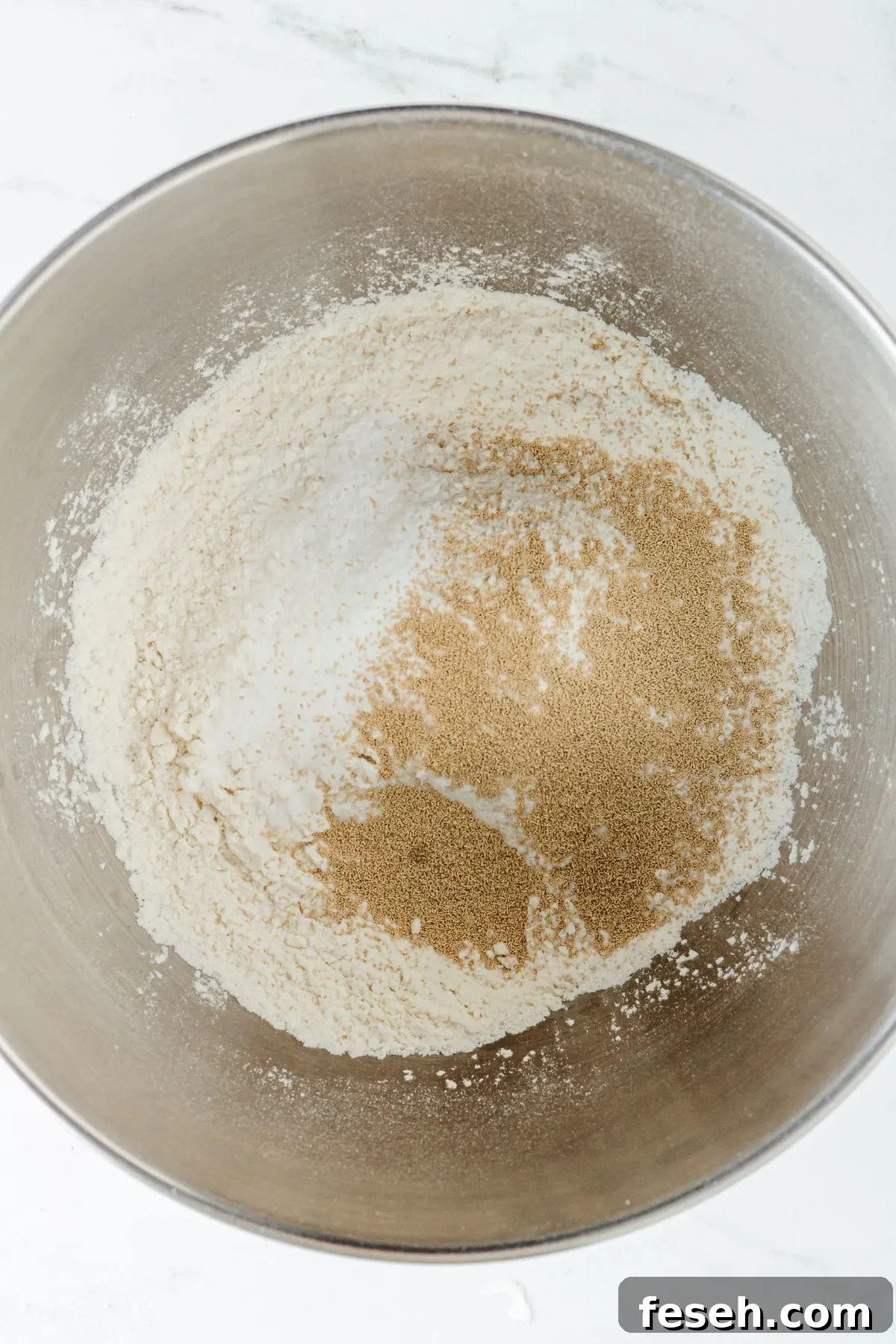
In a large bowl or stand mixer, combine the dry ingredients: gluten-free flour blend, baking powder, and rapid rise yeast.
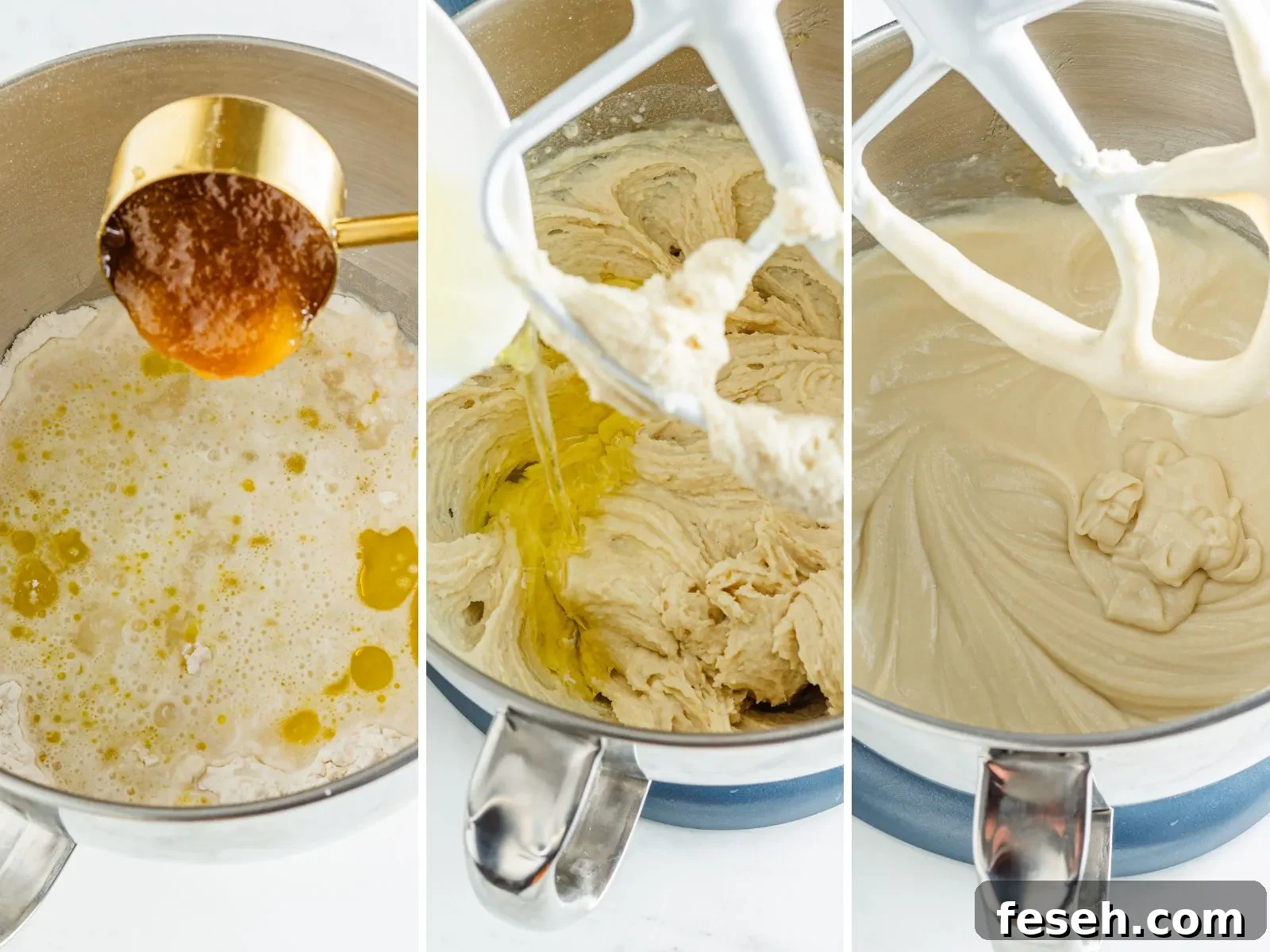
Add olive oil, honey, apple cider vinegar and warm water. Mix on low for 1 minute. Add egg whites and salt, then mix on medium for another minute until the batter resembles a thick cake batter.
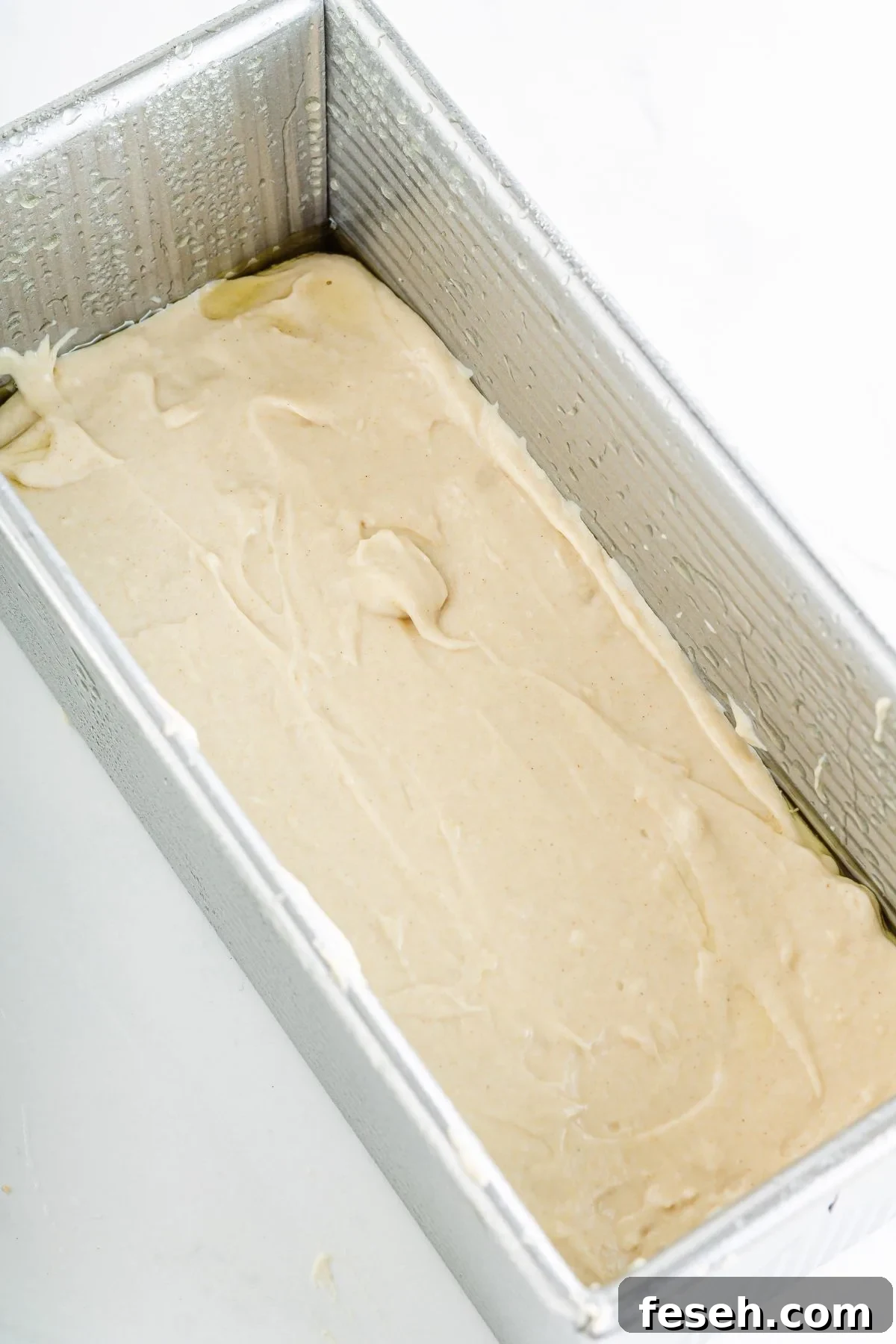
Transfer the batter into the prepared pan. Cover with lightly greased plastic wrap or beeswax wrap, then place a kitchen towel over the pan. Let the dough rise in a warm spot for 30 minutes.
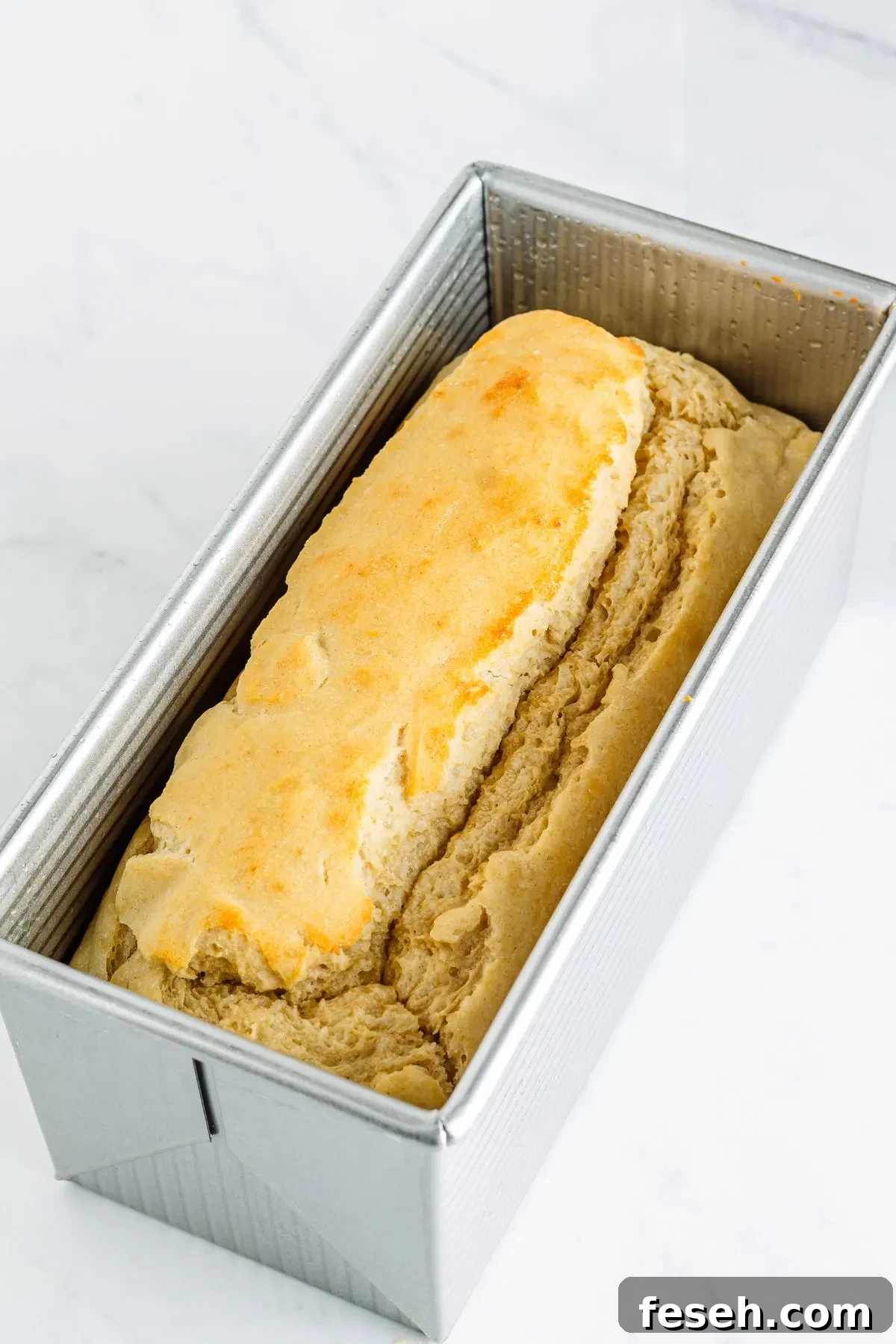
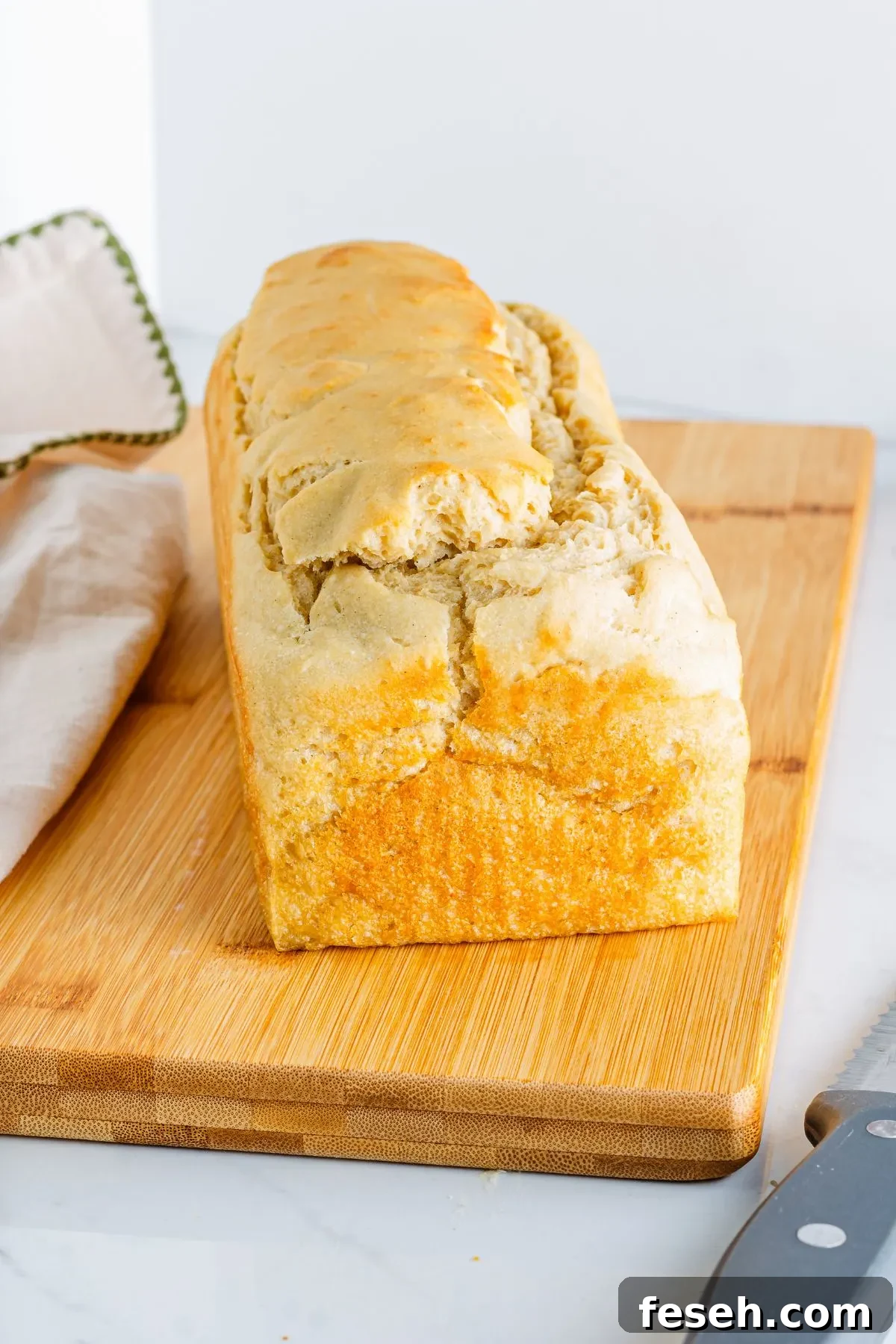
Remove the coverings and bake the loaf on the middle rack for 35 minutes at 350°F, until golden brown. A toothpick inserted into the center should come out clean.
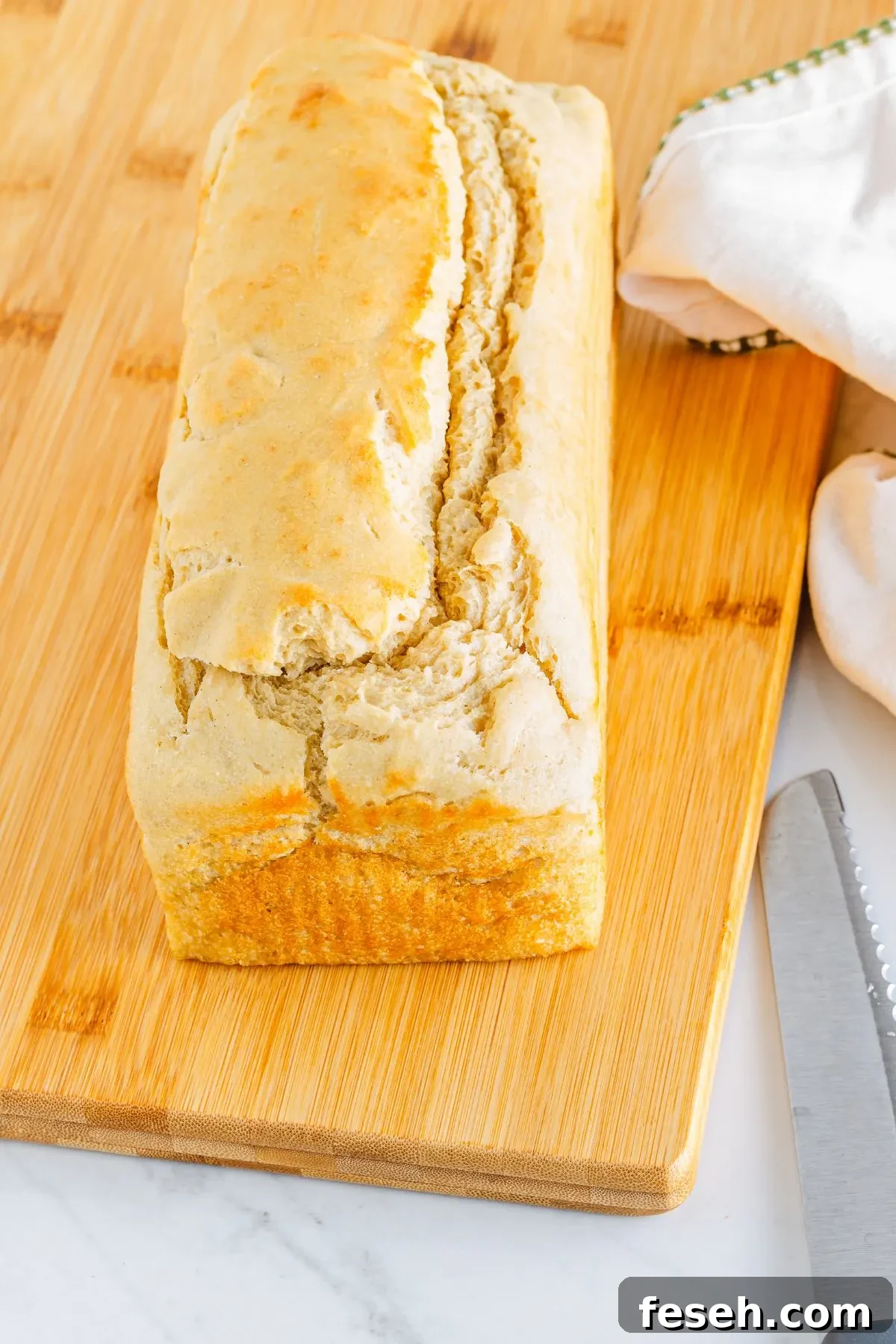
Let the loaf cool in the pan for 10 minutes, then transfer it to a cooling rack and cool completely before slicing.
Storage
Once fully cooled, store leftover bread in an airtight container. Do not pre-slice before storing. Keep at room temperature up to 5 days.
You can also freeze the loaf once cooled. Wrap tightly in plastic wrap, then foil, and place in a freezer bag. Freeze up to 3 months and thaw in the refrigerator overnight.
FAQ
What size bread loaf pan should I use?
A 9×5-inch pan or a 9×4-inch Pullman loaf pan both work. A Pullman pan gives a taller loaf and more uniform slices. If you only have a 9×5 pan and want more height, you can fashion a taller sleeve with aluminum foil to support the sides during rise.
Why use aluminum-free baking powder?
Many conventional baking powders contain aluminum compounds that can impart a metallic taste. Double-acting, aluminum-free baking powder reacts once when moistened and again with heat, which helps improve rise and flavor — helpful in gluten-free breads that lack gluten’s elasticity.
What type of yeast should I use?
Rapid rise (instant) yeast works best in this recipe for a reliable same-day rise. Active dry or other yeasts can be used if you prefer a longer rise time and more developed flavor, but the method and timing will change.
Best gluten-free flour blend?
Use an all-purpose gluten-free blend formulated for baking with yeast and containing a binder (xanthan or guar gum). We tested several blends and recommend using a reliable brand that lists a binder in its ingredients to avoid failed rises.
Do I need to adjust for high altitude?
We don’t have personal high-altitude testing experience. If you bake at altitude, consult resources from yeast and baking ingredient manufacturers for adjustments, particularly for yeast, liquid and oven temperature.
Tips for cutting the best gluten-free bread
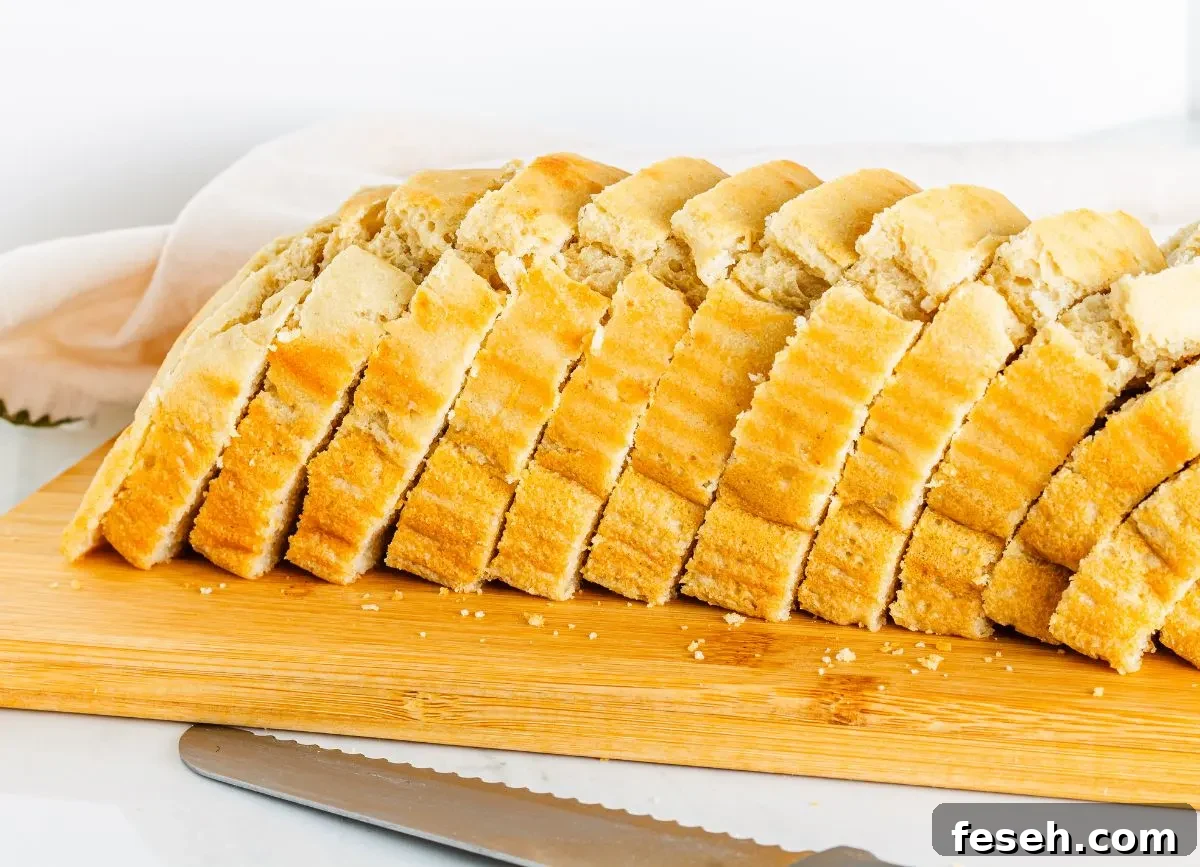
- Use a sharp serrated knife to get clean slices without crushing the crumb.
- Cool completely before slicing — gluten-free loaves are more delicate when warm.
- Chill briefly if needed: A 10–15 minute freeze can firm very soft loaves for easier slicing.
- Use a gentle sawing motion and clean the knife between cuts for tidy slices.
- Consider a bread slicer if you bake often and want perfectly uniform slices.
Bread Recipe Tips
- Use the paddle attachment in a stand mixer rather than a dough hook.
- Confirm yeast and other packaged ingredients are labeled gluten-free if needed.
- Arrange oven racks so the loaf won’t touch the top while rising or baking.
- Use room-temperature egg whites and ingredients to help the yeast activate evenly.
- If your flour lacks a binder, add 1 teaspoon of guar or xanthan gum, or use psyllium husk as a gum-free option (see substitutions).
- Optional: Brush the top with an egg white or melted dairy-free butter before baking for a deeper golden crust.
Recipe Substitutions
These substitutions have been tried by friends and testers; results can vary.
- No xanthan gum: Try psyllium husk powder as a binder; some testers had good results and others experimented with chia gel.
- Egg-free: Use a commercially prepared egg replacer designed for baking. Some replacements contain psyllium husk, which can also help texture.
- No olive oil: Substitute melted coconut oil, avocado oil, or melted dairy-free butter sticks. Avoid spreads or margarine that aren’t fully melted.
These options make the recipe more flexible for different dietary needs while still aiming for a reliable loaf.
More bread loaf recipes
Try these other loaf-style recipes for variety:
- Banana Bread
- Lemon Poppy Seed Loaf
- Chocolate Chip Pumpkin Bread
- Orange Cranberry Loaf
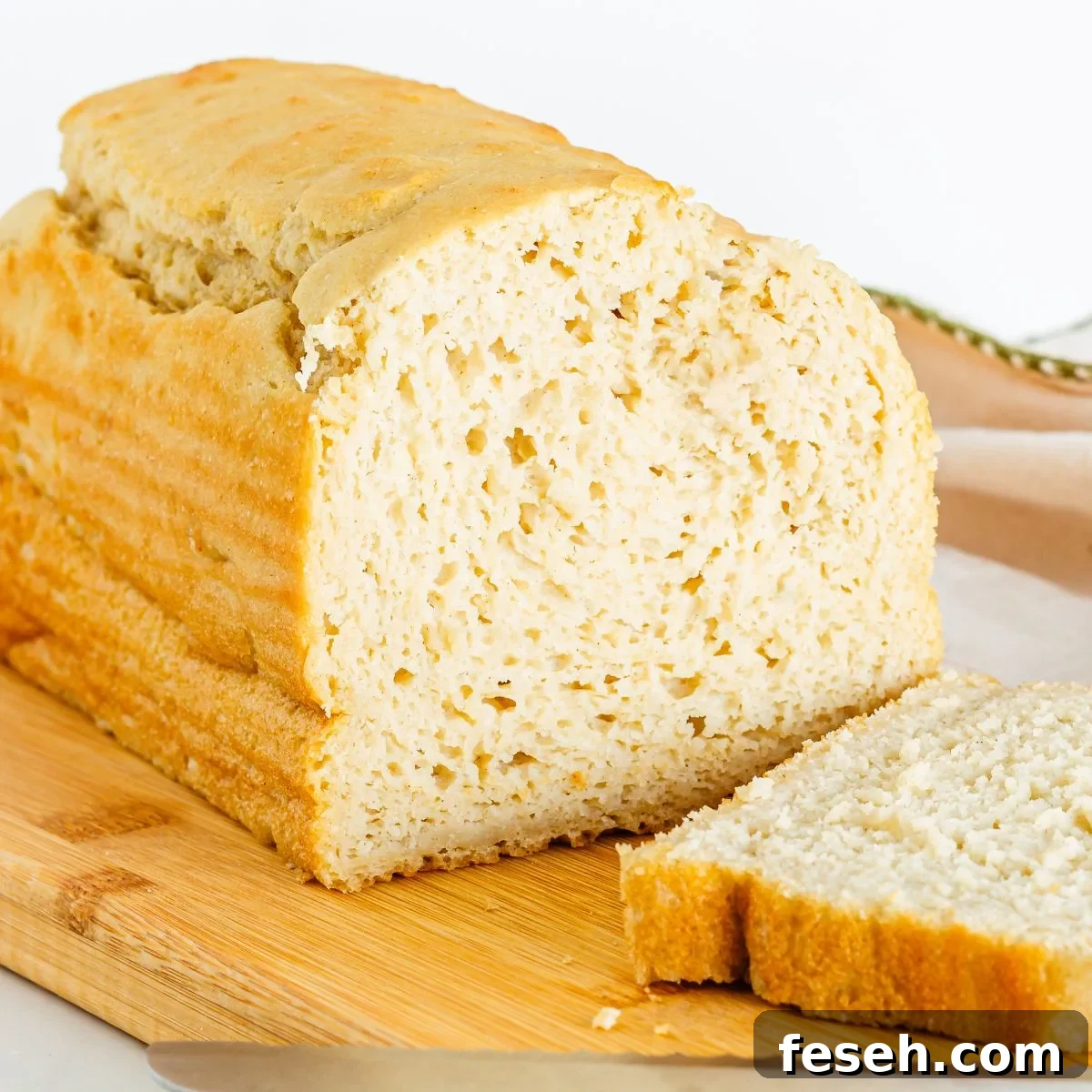
The Best Homemade Gluten Free Bread Recipe (Dairy-Free)
Ingredients
- 2 ½ cups all-purpose gluten-free flour
- 1 teaspoon aluminum free baking powder
- 2 ¼ teaspoons rapid rise yeast
- ¼ cup olive oil
- ¼ cup honey
- 1 ¼ teaspoon apple cider vinegar
- 1 ½ cup warm water
- 3 large egg whites
- 1 ⅛ teaspoon salt
Instructions
- Adjust the top oven rack to the middle position and preheat the oven to 350°F.
- Prepare your bread pan by coating it with cooking spray.
- In a large bowl or mixer, combine the gluten-free flour, baking powder, and instant yeast.
- Add olive oil, honey, apple cider vinegar, and warm water. Mix on low 1 minute. Add egg whites and salt; mix on medium 1 minute until the batter looks like a thick cake batter.
- Transfer batter to the greased pan. Cover with lightly greased plastic wrap or beeswax wrap and a towel. Let rise in a warm spot 30 minutes.
- Remove coverings and bake on the middle rack 35 minutes at 350°F until golden and a toothpick comes out clean.
- Cool in the pan 10 minutes, then transfer to a rack and cool completely before slicing.
Notes
- See the post for tips, brand suggestions and substitution ideas.
- Substitutions exist for eggs, xanthan gum and other ingredients; results may vary.
- For consistent results, use the recommended type of gluten-free flour and a fresh double-acting, aluminum-free baking powder.
Nutrition
| Carbs: 19 g | Protein: 3 g
Nutritional Disclaimer
These nutrition facts are estimated and will vary based on brands and exact ingredients used.
Are you following us on social media? We share recipes, tips and community feedback across our channels and in our Facebook group—join to connect, ask questions, and share results.

Hey, It’s Victoria!
Victoria develops approachable gluten- and dairy-free recipes to make mealtime easier and more satisfying without overspending.
Read more about her journey and recipes on the site.