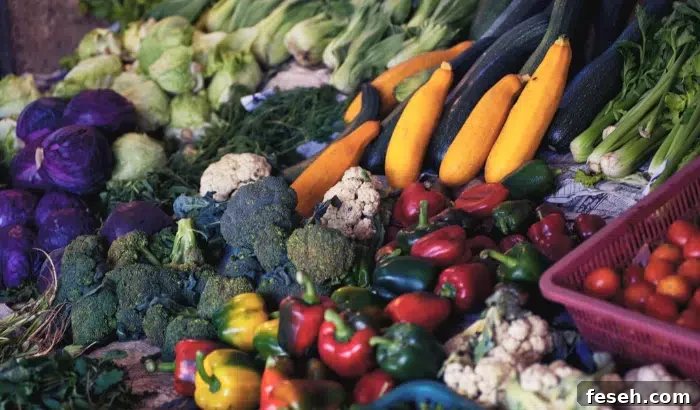
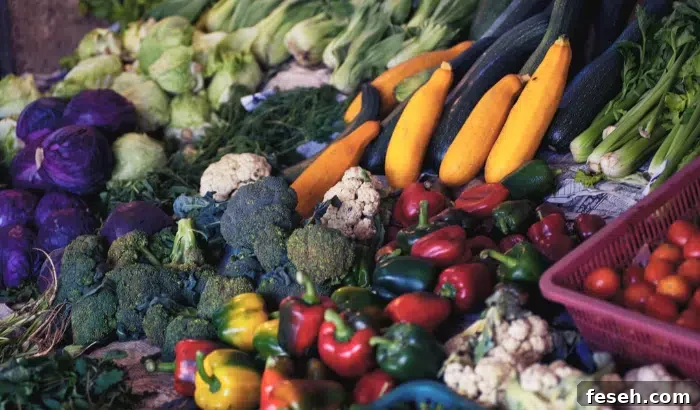
Nearly two-thirds of U.S. adults are overweight or obese. Maintaining a healthy weight can lower blood pressure and blood sugar and help keep cholesterol in check. A diet rich in fruits and vegetables supports weight control and overall health, but the cost of fresh produce can add up. With some planning and proper handling, you can eat healthfully year-round without overspending by extending the life of the produce you buy.
Careful preparation and storage make a big difference in how long fruits and vegetables stay fresh. Use the tips below to reduce waste, save money, and enjoy better-tasting produce.
1. Prepare Produce for Storage Immediately
Put perishables away as soon as you get home to slow spoilage. Remove debris like twigs and leaves, and inspect fruits and vegetables for bruises, soft spots, or mold. Discard any damaged pieces and separate overly ripe items so they don’t spoil neighboring produce.
Different berries require different handling. Blueberries typically keep well in their original container for up to five days. Strawberries last longer if you transfer them to an airtight container and use them within two to three days. Raspberries need airflow—place them on a paper towel–lined plate and eat within two to three days.
For root vegetables such as carrots, turnips, rutabagas, beets, and radishes, remove the greens before storing; the tops draw moisture and shorten shelf life. Conversely, if produce is wet from store misting or rain, pat it dry before storing to avoid excess moisture that can promote mold.
Where you store produce matters. In the refrigerator, keep items toward the front and away from the back where moisture or cold spots can form. Produce that prefers room temperature should be stored in a cool, dry, shaded spot—avoid keeping fruit on the stove, windowsill, or top of the refrigerator. A finished basement or pantry can be an ideal place for many fruits and vegetables.
2. Wash Fruits and Vegetables Thoroughly Before Using
Fresh produce can carry germs and contaminants, so always wash hands before handling and rinse produce under running water before eating or cooking, even if you plan to peel it. Trim away bruised or damaged areas before rinsing. Avoid scrubbing soft produce too hard so you don’t break the skin, which can invite bacteria.
Regular rinsing removes a large portion of surface residues. For extra cleaning, a brief soak in lightly salted water (about 2% salt) can help remove more contaminants. Proper washing reduces food-safety risks and ensures cleaner, tastier produce.
3. Choose In-Season Fruits and Vegetables
In-season produce is usually more affordable, more flavorful, and lasts longer than out-of-season alternatives. Learn what’s in season in your region—spring vegetables commonly include asparagus, artichokes, broccoli, radishes, fennel, and turnips, while spring fruits might include grapefruit, kiwi, pineapple, and blood orange.
Plan meals around seasonal produce to take advantage of peak flavor and lower prices. Using seasonal ingredients often reduces food waste because the items are fresher and more resilient during storage.
4. Know the Nutrients in Produce
Understanding what different fruits and vegetables offer helps you choose produce that supports your goals, whether that’s weight management, energy, or muscle health. Vegetables such as beets, spinach, sweet potatoes, and soybeans are particularly beneficial for building and maintaining muscle and supporting exercise performance.
Beets contain nitrates that can improve blood flow to muscles and support endurance. Spinach supplies iron and magnesium, which help energy and strength. Sweet potatoes provide complex carbohydrates and fiber with a relatively low glycemic impact, helping sustain energy and fullness. Soybeans are rich in protein and leucine, an amino acid that supports muscle protein synthesis.
5. Remember Why Eating Produce Matters
Keeping the benefits of fruits and vegetables in mind makes it easier to prioritize them. A produce-rich diet supports a range of healthy habits: people who eat well often exercise more and sleep better. Fruits and vegetables such as berries, cantaloupe, mango, spinach, tomatoes, citrus, peppers, and sweet potatoes provide vitamins, antioxidants, and energy that support immune function and overall health.
Eating more produce can help maintain a healthy weight, boost energy, reduce inflammation, and lower the risk of chronic diseases. By learning proper storage, washing, and seasonal shopping tips, you’ll make the most of your produce purchases—getting better nutrition for your money and reducing food waste.