Learn the root cause and why your baby really develops eczema. Making changes by adopting an elimination diet with nourishing homemade baby food recipes is the key. Learn what foods to avoid and what foods are important for improving your baby’s eczema.
Baby Eczema And Food Link
Eczema affects about one in five children and is often linked to allergies or food sensitivities. While some clinicians may downplay diet’s role, many parents report clear improvement when trigger foods are removed and a healing food plan is adopted.
Research has identified a subtype of eczema associated with food allergy where the skin shows increased water loss and shifts in the skin microbiome, with higher levels of pathogenic bacteria beyond the visible rash. These findings support the idea that diet and microbial balance can influence skin health.
Despite this, many doctors still don’t fully recognize dietary changes reported by mothers. If you suspect food is involved, it’s worth investigating and tracking changes carefully.
What Baby Food To Avoid For Baby Eczema
Commercial Baby Foods and Purees
Many commercial baby foods are convenient but not always the best choice for infants prone to eczema. Ultra-processed or heavily fortified products can contain additives and lower-quality ingredients that may contribute to reactions. Tests of many brands have found contaminants like heavy metals in some products, which is another reason many parents choose homemade alternatives.
Baby Cereal
Rice cereal and other grain-based first foods are common, but they aren’t always ideal. Added synthetic vitamins and early introduction of grains when an infant’s digestive enzyme production is still developing can be hard on the gut. Many infants don’t produce sufficient enzymes for grain digestion until around 6–8 months, so introducing grains too early may irritate the digestive system.
Common foods that can cause eczema flare-ups in babies (including breast-fed babies) are:
- Dairy
- Eggs
- Peanuts
- Tree nuts
- Wheat and gluten
- Fish
- Shellfish
- Soy
- Citrus
- Tomatoes and other nightshades
- Artificial dyes
- Artificial flavors
- Highly processed additives
If you suspect a food trigger, remove it for at least a week and then reintroduce it one at a time while monitoring symptoms. If a food clearly causes a reaction, keep it out until the baby improves.
What Really Causes Baby Eczema
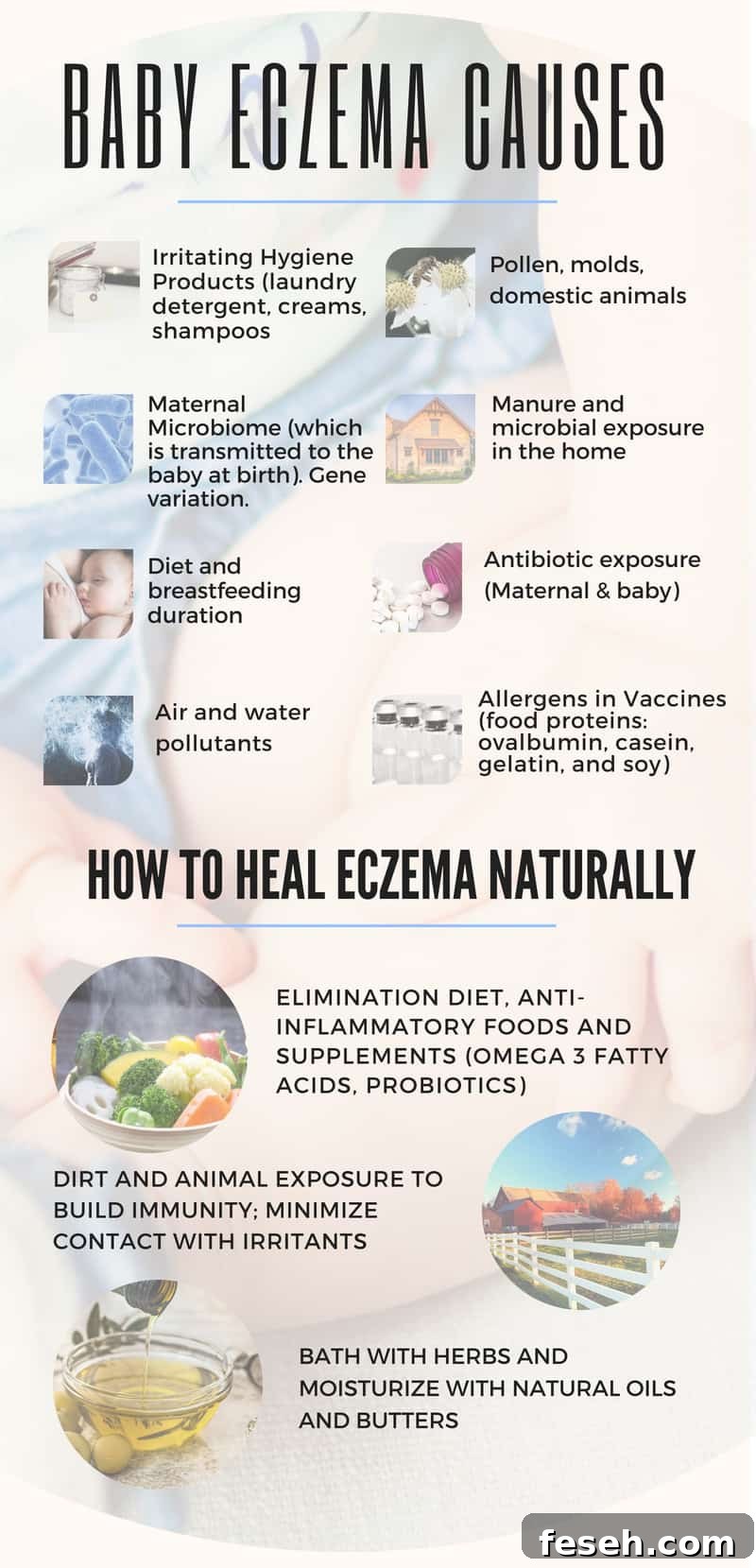
Eczema usually arises from a mix of genetic predisposition and environmental or internal triggers. Understanding both external and internal contributors helps form an effective management plan.
External Factors
Environmental exposures that can worsen itch and inflammation include personal care products, laundry detergents, household remodeling, pets, pollen, and mold. These factors can act as irritants or allergens and should be reviewed when troubleshooting eczema.
Internal Factors
Internal factors often play a central role. Emerging evidence links disturbed skin and gut microbiomes to eczema. Infants with eczema frequently have less beneficial, anti-inflammatory gut bacteria and more microbes that impair intestinal barrier function. Reduced microbial diversity early in life appears associated with higher allergy risk.
Atopic dermatitis is also linked to increased colonization by Staphylococcus aureus and lower microbial diversity on the skin. A child’s gut bacterial profile is shaped by diet and environment, so changing food and reducing unnecessary antibiotic exposure can support healthier microbes.
Microbiome diversity is influenced by:
- Early antimicrobial exposure
- Birth method (cesarean vs. vaginal)
- Formula feeding versus breastfeeding
- Maternal exposure to pets or livestock during pregnancy
- Maternal antibiotic use during pregnancy
A mother with limited microbial diversity or a compromised gut barrier can pass a less diverse microbiome to her child at birth, which may increase the child’s sensitivity risk. Breastfed babies can still develop eczema if allergens from the mother’s diet reach the infant via breastmilk.
How To Treat Baby Eczema Through Food And Elimination Diet
Finding the root cause is essential. Start with environmental changes and a careful dietary approach. In breastfeeding mothers, removing common allergens during lactation has shown protective effects in some studies.
The most practical tool to identify a food sensitivity is an elimination diet: remove the suspected food for several weeks, then reintroduce it while tracking symptoms. Each baby is unique, so there’s no universal list of foods all nursing mothers must avoid.
Reactions in breastfed infants can be delayed and take up to 12–24 hours or longer to appear, so a food journal noting what the mother eats and the baby’s symptoms can be invaluable.
For babies with severe eczema, multiple food allergies, or gastrointestinal symptoms, specialized protocols such as the GAPS approach or guidance from a knowledgeable practitioner may help. Books and resources about gut healing and eczema diets can offer additional strategies and recipes for those who want to dive deeper.
Foods That Help Heal Baby Eczema
When introducing solids, many parents find success starting with nutrient-dense steamed vegetables and soups made with homemade bone or meat stock. Vegetables offer vitamins, minerals, and fiber with lower sugar content than fruits or cereal, reducing the chance of inflammatory responses.
Healthy fats are important for skin and cellular health. Incorporate plant-based fats like avocado, hemp, and flaxseed oil (if tolerated) and animal fats from well-raised sources. If fish is tolerated, small amounts of wild fish oil can reduce inflammatory mediators involved in eczema.
Probiotic-rich foods and infant-appropriate probiotic supplements can support gut microbial balance. Mild herbal infusions like chamomile or dandelion, diluted appropriately, may also be soothing for some infants, but check with your pediatrician before using herbs.
Introduce fruits sparingly after the baby is accustomed to vegetables and unsweetened foods. Excess sugar promotes inflammation. As the child grows, add leafy greens, gluten-free grains if tolerated (amaranth, millet, buckwheat, quinoa), and fermented vegetables or water kefir to support microbial diversity.
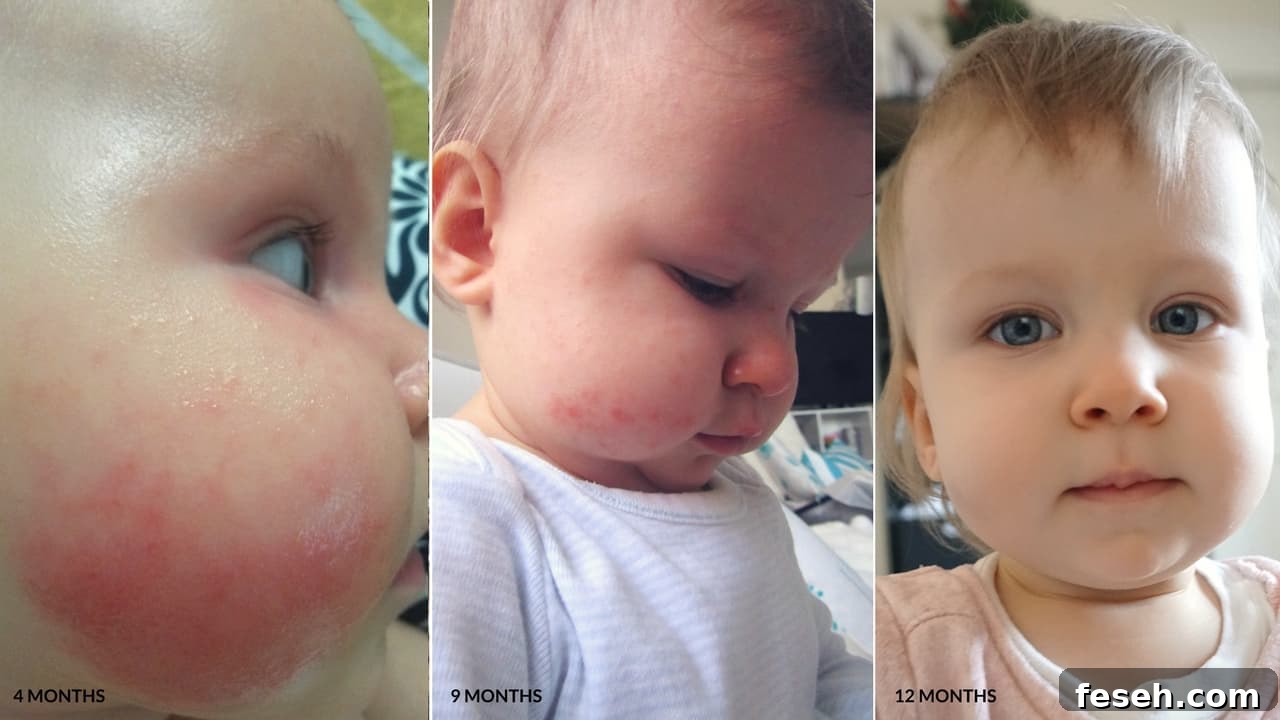
Preparing all foods from scratch with fresh, whole, organic ingredients reduces exposure to additives and contaminants commonly found in processed baby foods. Many parents report gradual improvement over months with consistent dietary and environmental changes.
How To Prepare The Food For Babies With Eczema
Start with nourishing, minimally processed foods to support gut healing and immune balance. The way foods are prepared affects nutrient retention and digestibility.
Steaming preserves water-soluble vitamins and minimizes nutrient loss, making it a preferred method for vegetables. Reserve the steaming liquid to use as stock or to thin purees so those nutrients aren’t discarded.
Baking and roasting are good alternatives when steaming isn’t suitable. Avoid unnecessary microwave use for baby food preparation; traditional cooking methods better preserve texture and nutrient quality.
Baby Food Recipes For Babies With Eczema
- Examples of gentle puree recipes and methods include steamed vegetable purees and soups made with homemade bone or meat stock for intestinal support.
- Prune, avocado, and cauliflower purees can help with digestion and provide beneficial nutrients.
- Soft, minimally seasoned meats like beef meatballs (egg-free when needed) are a good protein source for older infants and toddlers.
- Sweet potato fritters and fruit-free pancakes made without dairy or eggs offer finger food options for self-feeding babies.
- When introducing grains, choose gluten-free options and prepare them simply to limit additives and sugars.
If your baby has severe eczema with multiple food allergies, consult a pediatrician or a specialist and consider structured diets designed for gut healing. For ongoing recipe ideas and guidance, many parents find dedicated baby food resources helpful for egg-free, dairy-free, and gluten-free meal plans suitable from six months and up.