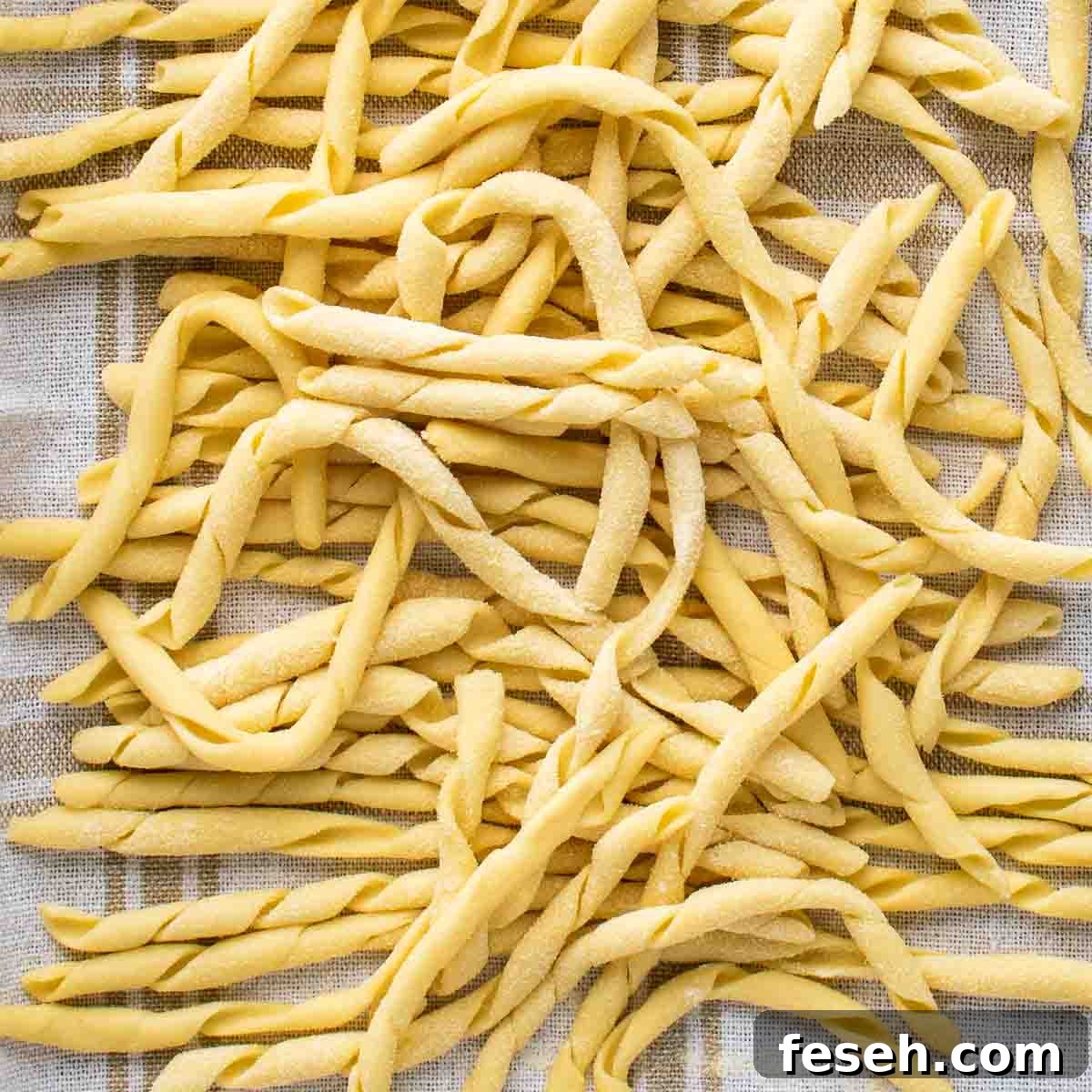
Handmade Busiate pasta is both enjoyable to make and delicious to eat.
You don’t need any expensive equipment for this traditional Italian pasta—just semolina, warm water, a bamboo skewer (or similar thin rod) and a little time. Follow these clear, reliable instructions to make a classic Sicilian specialty at home.
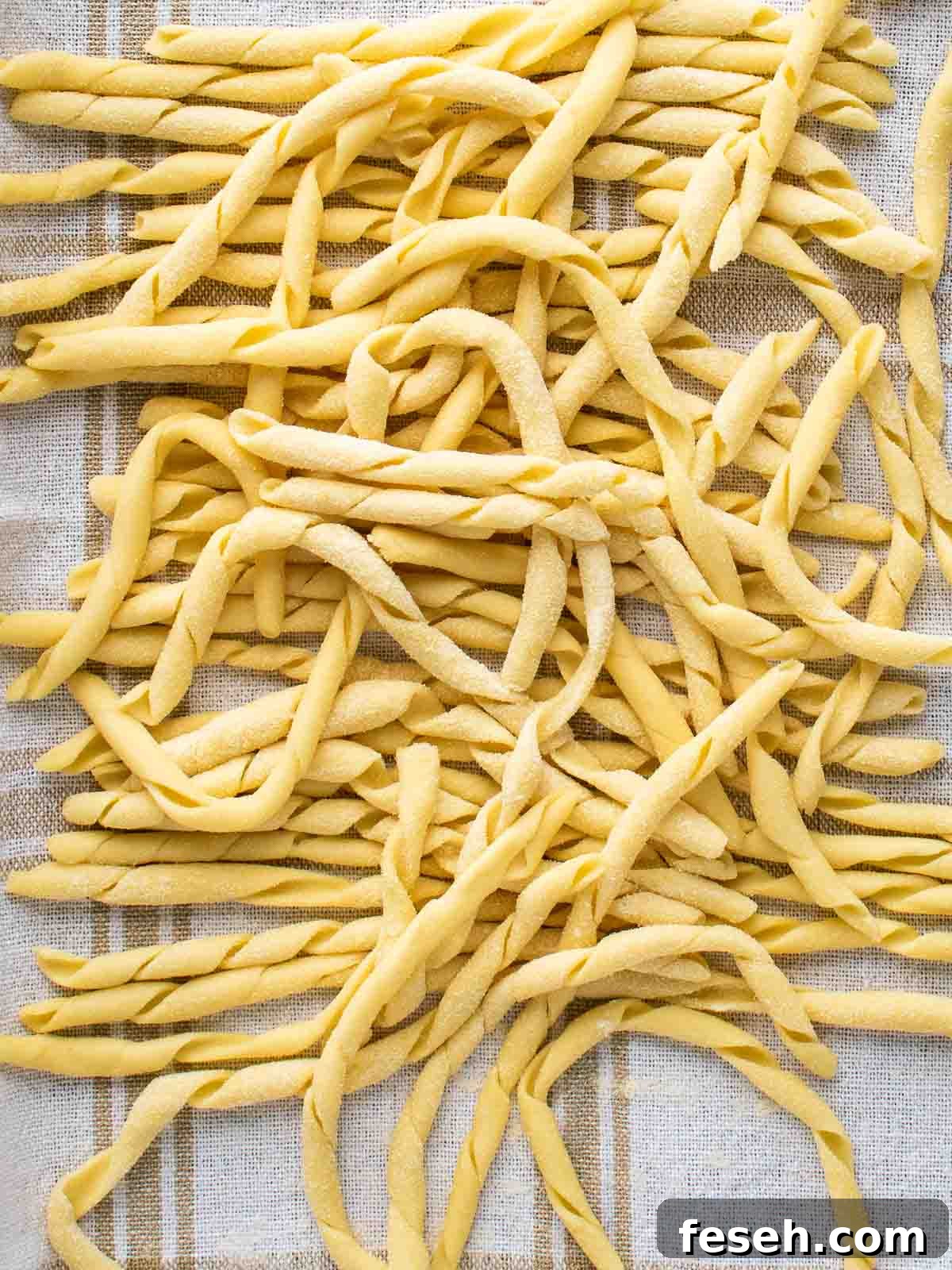
Busiate is an eggless pasta from Trapani in western Sicily. The dough is simple—semolina and water—and the shape is formed by wrapping strands around a thin stick. It’s commonly served with seafood or with pesto alla Trapanese, a regional pesto made from tomatoes, extra virgin olive oil, basil, garlic and almonds.
Pasta has always been central to my family life. As children, my sister and I helped make tagliatelle, and now my own family continues the tradition. Busiate isn’t difficult, but it’s a patient, hands-on process—perfect for gathering family or friends and turning pasta making into a shared event.
Why you’ll love this recipe
- Authentic: Making busiate by hand brings a true taste of Sicily into your kitchen.
- Freshness: Homemade semolina pasta has a flavor and texture that store-bought pasta can’t match.
- Relaxing: Rolling and shaping busiate is meditative—play music or chat while you work.
- Unique texture: Each piece is handmade, giving the finished pasta an irregular, pleasing texture that holds sauce beautifully.
- Social activity: Shaping busiate is ideal for a family or friends’ gathering and makes for memorable kitchen time.
Origin of busiate
Busiate comes from Trapani, Sicily, though similar shapes exist across Sicily and Calabria. The name comes from the traditional “buso” reed used to form the pasta. Today a bamboo skewer or any thin rod works perfectly to make the spiral shape.
For full ingredient amounts and step-by-step instructions, see the recipe card below.
Ingredients
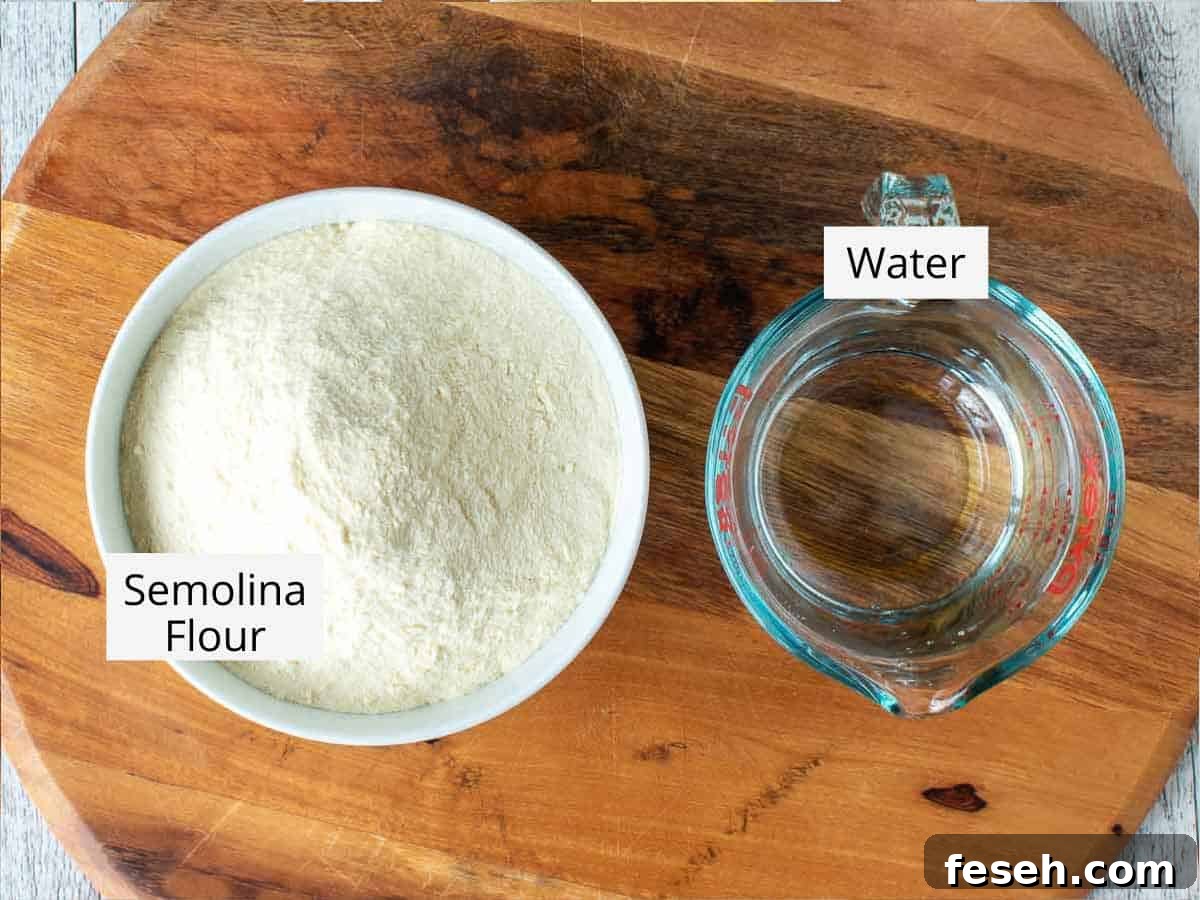
- Semolina flour (durum wheat semolina, finely ground for pasta)
- Warm water
Instructions
Line baking sheets with kitchen towels or parchment and dust with semolina. This prevents the shaped busiate from sticking.
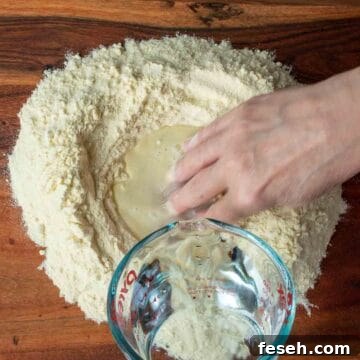
On a work surface, make a well in the semolina and add warm water gradually, incorporating the flour into the water by hand.
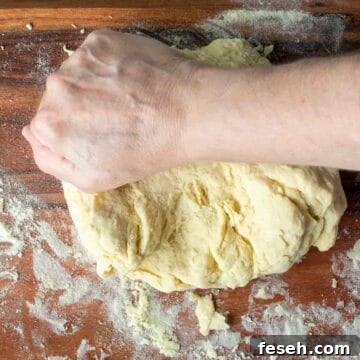
When combined, knead the dough until smooth and elastic—about 8–10 minutes—then form into a ball.
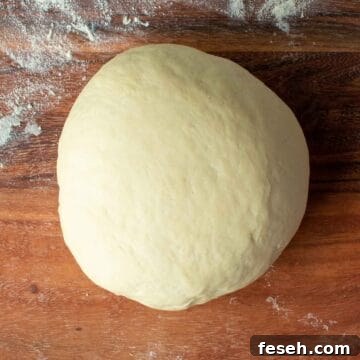
Cover the dough with plastic wrap and let it rest for about 15 minutes.
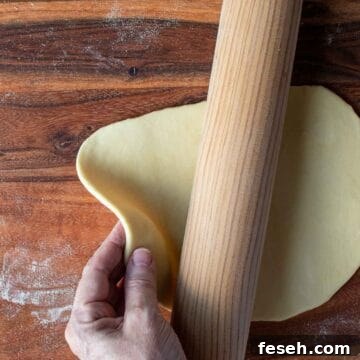
Divide into quarters. Work with one quarter at a time and keep the rest covered. Roll the piece into a thick oblong.
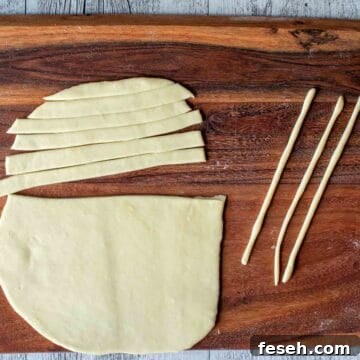
Cut the oblong into roughly ½ inch (about 1 cm) strips. On an unfloured surface, roll each strip into a rope about 1/4 inch (6–7 mm) thick and cut into lengths that suit you—typically around 6 inches (12 cm).
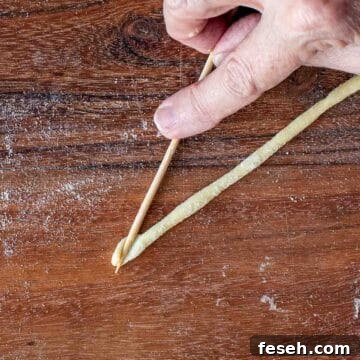
Place the skewer at a 45° angle on the end of a dough strand and press lightly so it sticks.
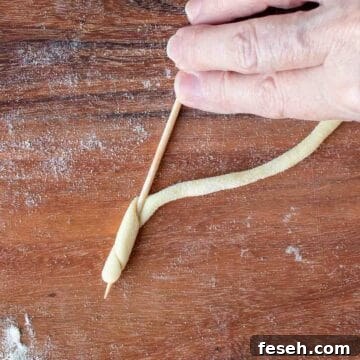
Use one hand to roll the skewer toward you while guiding the dough with your other flattened hand so the strand twirls evenly around the skewer.
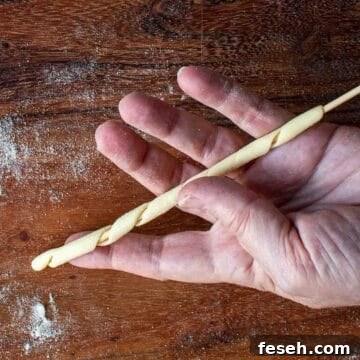
When the dough is wound, roll the skewer back and forth with flat hands to thin and lengthen the pasta, then slide the busiato off onto the prepared sheet. If it sticks, roll gently in the opposite direction to release it.
Repeat until all dough is shaped. To cook, boil a large pot of salted water, add busiate and cook until tender but still al dente—typically 3–5 minutes depending on thickness. Drain and toss with your chosen sauce.
Hint: Don’t dust the surface with flour when rolling strips into ropes—the dough will slip. Instead, dust the finished ropes lightly with semolina to prevent sticking.
Equipment
A bamboo skewer or thin rod is all you need to form busiate. A rolling pin can be substituted with a bottle. Use baking sheets or kitchen towels to rest the pasta before cooking. For cooking, a large saucepan and a slotted spoon or colander are useful.
Storage
Allow shaped busiate to dry 30–60 minutes if not using immediately. Store uncovered in the refrigerator for 1–2 days with plenty of semolina to prevent sticking. In hot or humid weather, dry a little longer. For longer storage, freeze on a tray for up to 1 month, then transfer to a sealed container. Cook from frozen or chilled—do not bring to room temperature before cooking.
Tips for Success
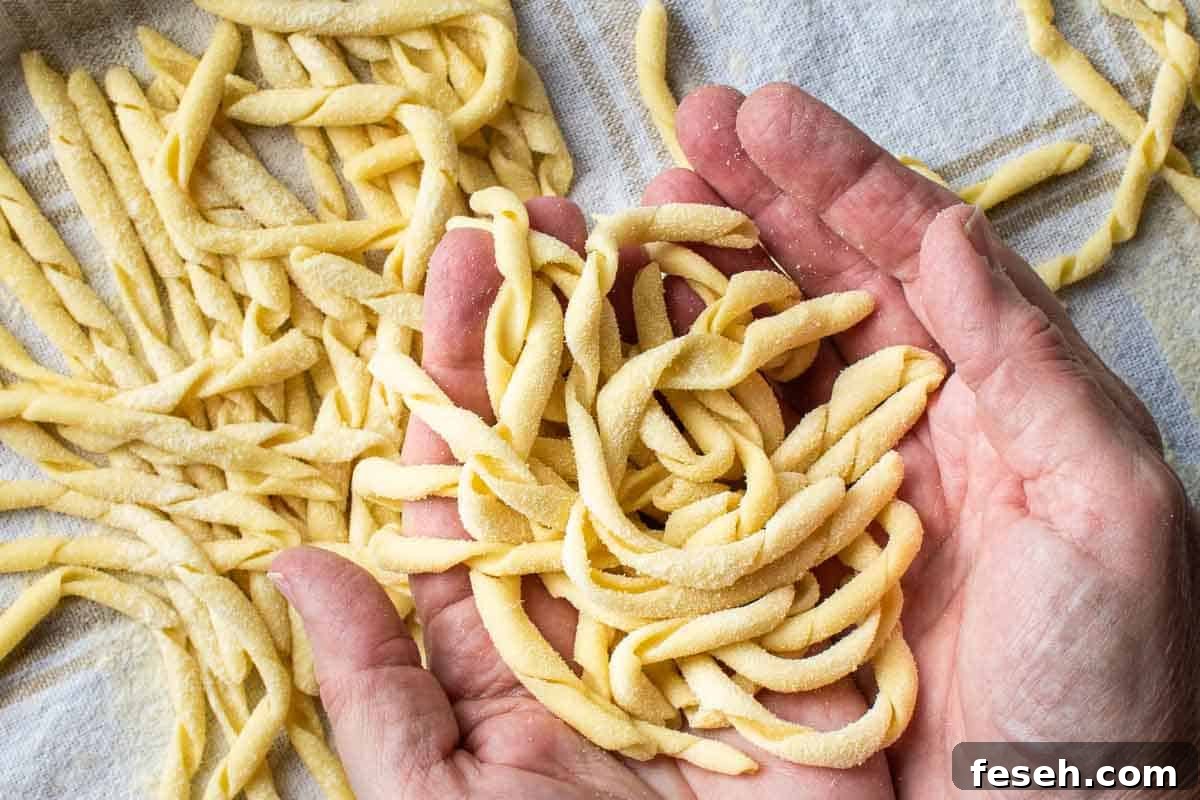
The dough contains only semolina and water, so adjust by feel: add a little water if dry or more semolina if wet. Don’t use flour while rolling ropes—this causes the dough to slip. After making the ropes, toss them in semolina to keep them separate. Take your time shaping the spirals; practice makes it easier and the pasta will hold sauce in its grooves. Always taste to check doneness and be generous with salt in the cooking water.
FAQ
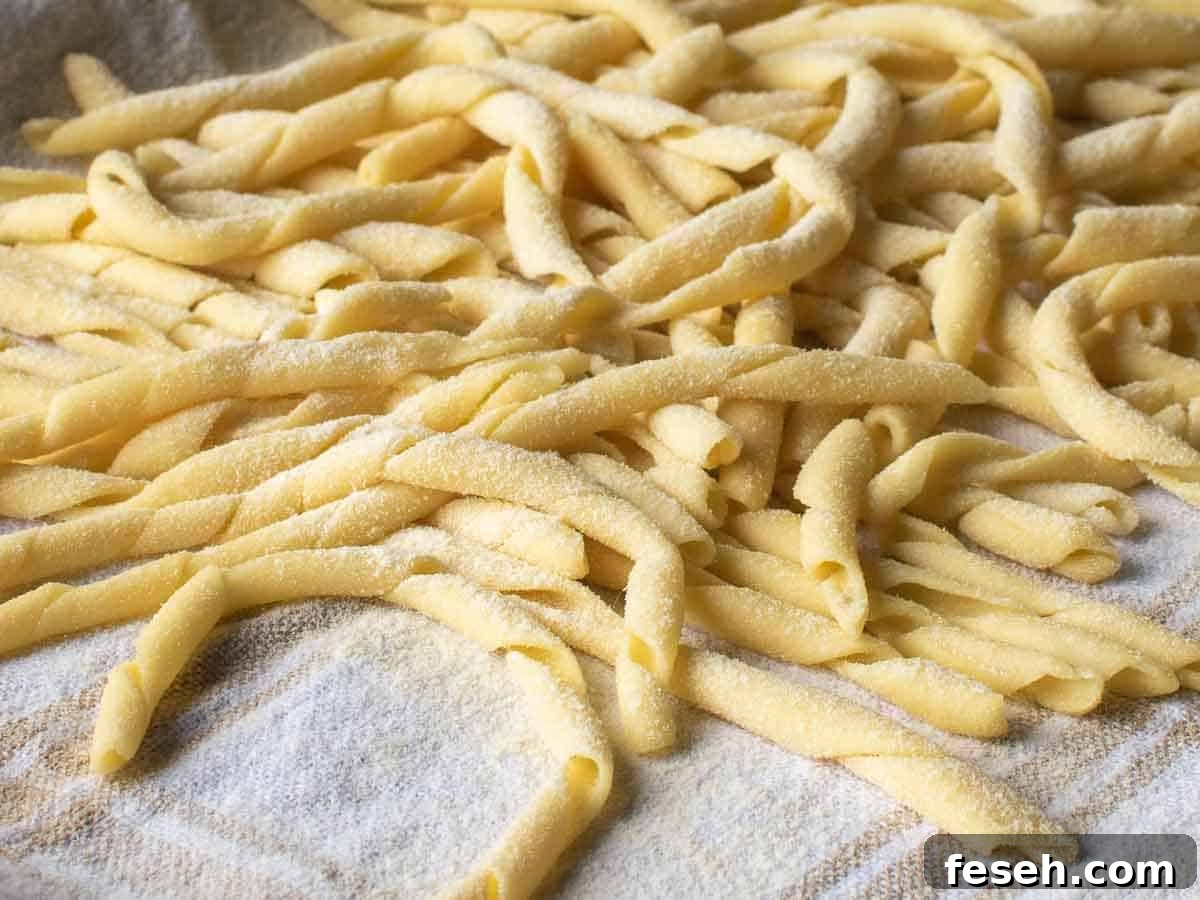
Busiate originates in Trapani in western Sicily. It’s an eggless pasta shaped into spirals around a thin reed or skewer.
The name comes from “buso,” the reed traditionally used to form the spiral. Modern cooks use bamboo skewers or thin rods. Busiato is singular; busiate or busiati are plurals.
Busiate al pesto trapanese is busiate served with a regional pesto made from ripe tomatoes, almonds, basil, garlic, extra virgin olive oil and pecorino. The sauce is typically made raw and tossed with the pasta.
Serving Suggestions

Traditionally served with pesto alla Trapanese, busiate also pairs wonderfully with seafood sauces, classic tomato sauces, basil pesto or a rich ragù. Serve as a primo before a main like Italian-style chicken cutlets, or as a main with crusty bread to soak up the sauce.
Made this recipe? Please leave a star rating and a short review if you enjoyed it.
Busiate Pasta Recipe
Ingredients
- 3 cups (430 grams) semolina flour
- 1 cup (240mls) warm water
Instructions
-
Prepare baking sheets by lining with towels or parchment and sprinkling with semolina.
-
Make a well in the semolina and add warm water gradually, mixing by hand.
-
Knead until smooth, about 8–10 minutes. Form a ball, cover and rest 15 minutes.
-
Cut dough into quarters. Roll one quarter into a thick oblong, cut into ½ inch strips and roll each strip into ropes on an unfloured surface.
-
Cut ropes to desired length and dust lightly with semolina. Place a skewer at a 45° angle on the end of a rope and press to adhere.
-
Roll the skewer toward you while guiding the dough with a flat hand so it twirls evenly. Roll back and forth to thin and lengthen, then slide off onto the prepared sheet.
-
Repeat with remaining dough. To cook, bring a large pot of salted water to a boil, add busiate and cook 3–5 minutes until al dente. Drain and toss with sauce.
Notes
- If the dough is too dry add a little water; if too wet add a bit more semolina—adjust by feel.
- Do not use flour when rolling ropes or the dough will slip; dust finished ropes with semolina instead.
- Practice shaping patiently; the technique becomes easier with a few pieces.
- If the dough sticks to the skewer, roll gently in the opposite direction to release it.
- Salt the cooking water well and taste the pasta to check doneness.
Nutritional Estimate Per Serving
Nutritional Disclaimer
Nutritional information is an estimate. For precise values, calculate nutrition using the exact ingredients and brands you use.
This updated recipe was published on April 17, 2013.