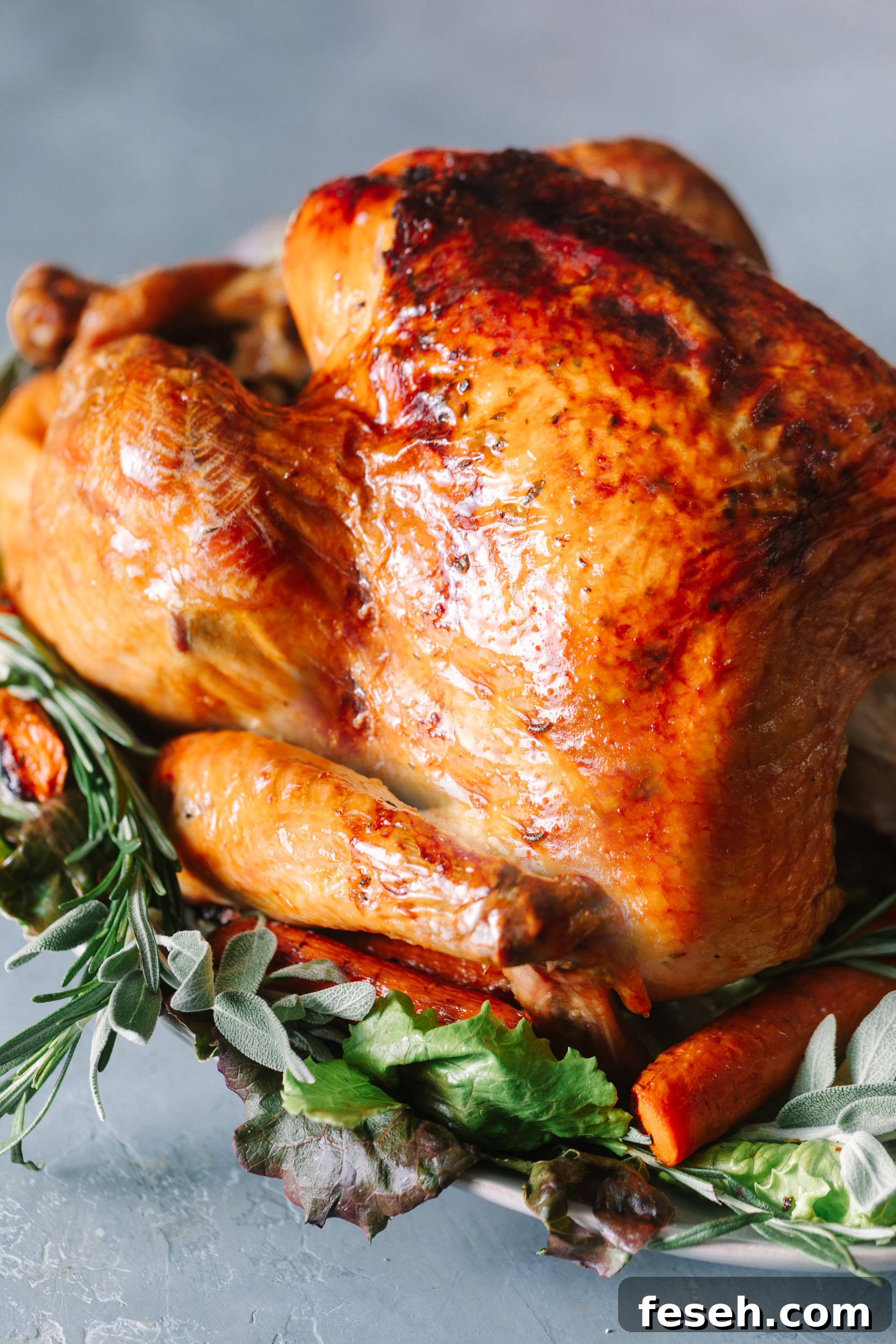
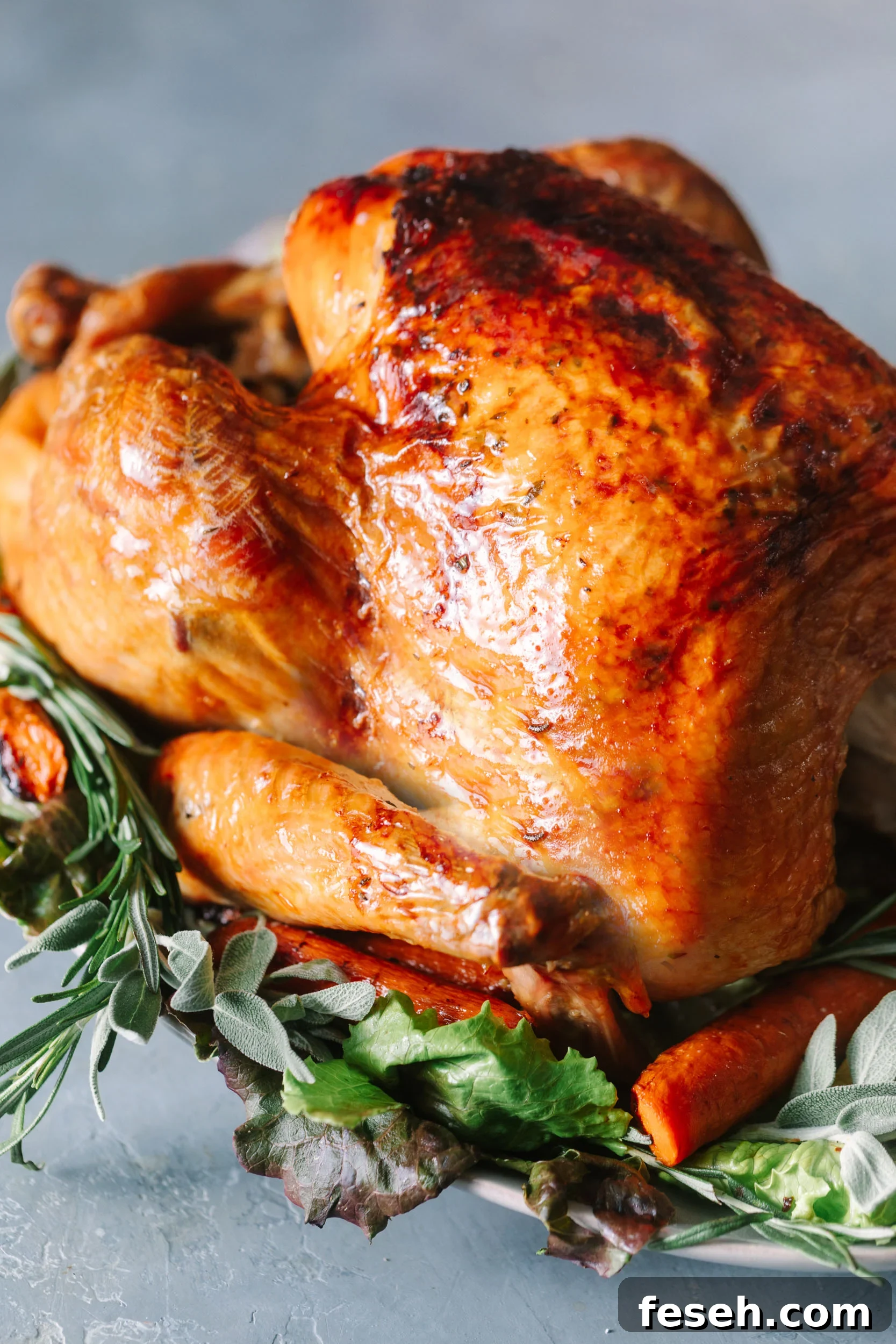
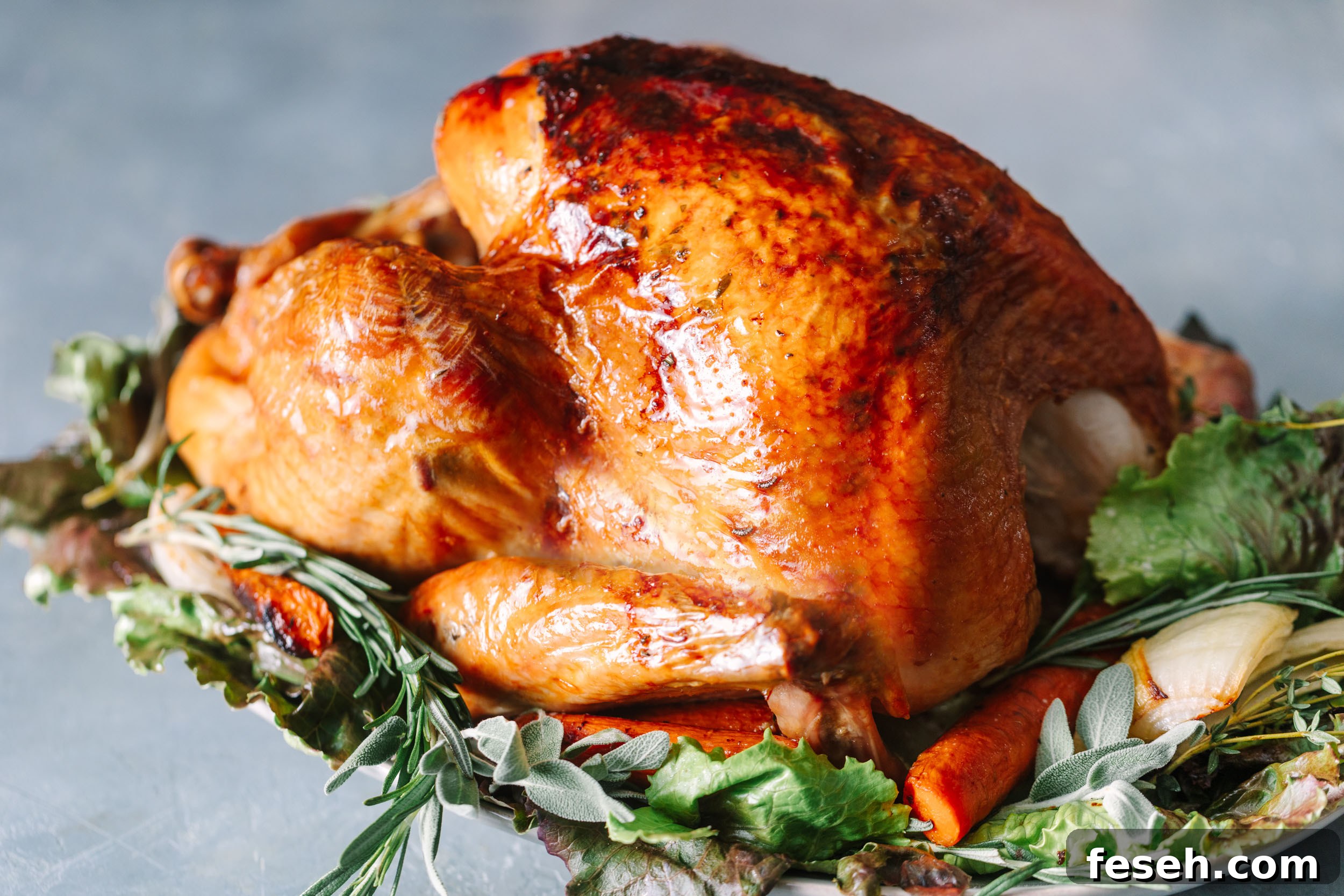
This roasted Thanksgiving turkey is juicy, buttery, herb-forward, and bright with citrus and warm holiday spices. A wet brine seasons the meat throughout, while a garlic-herb compound butter creates golden, crispy skin and rich pan drippings.
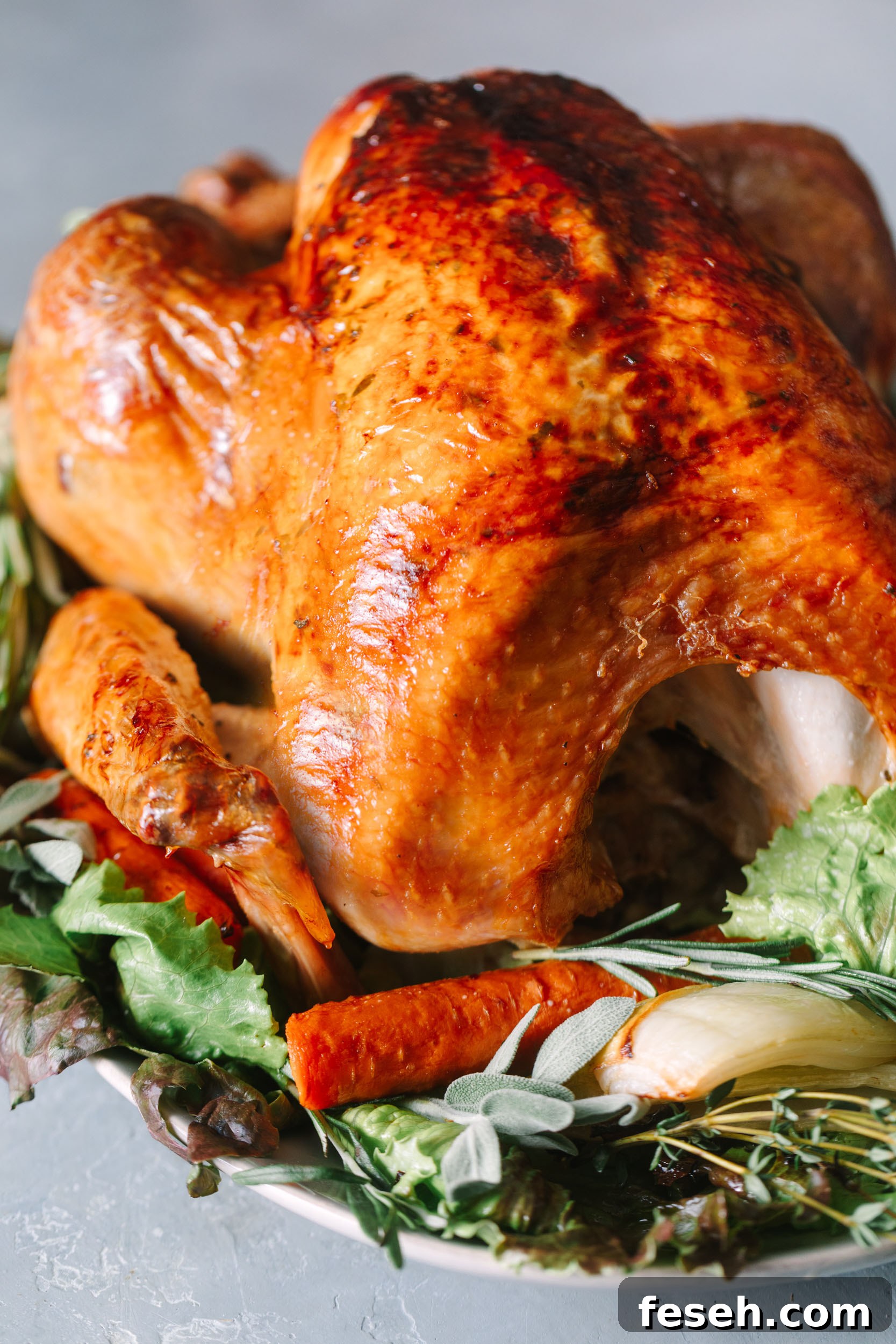
Recipe Highlights
- ⏱️ Cook Time: 2½–3 hours
- 🍽️ Serves: 10–12
- 👩🏽🍳 Difficulty: Moderate — written for beginners
- 🔥 Flavor: Herb-forward, buttery, citrusy, and savory with crisp golden skin
Roasting a whole turkey can seem daunting, especially for first-time hosts. This recipe is designed to be straightforward and forgiving. Key steps—wet brining and a garlic-herb compound butter rubbed under and over the skin—ensure a moist, flavorful bird with crisp skin.
A wet brine seasons the meat all the way through and helps retain moisture so the turkey won’t be bland or dry. After brining, the garlic-herb compound butter is worked under the skin to baste the breast from the inside while it roasts.
Finish the prep by stuffing the cavity with simple aromatics like onion, fresh herbs, and orange slices. These ingredients steam inside the turkey while it cooks, adding brightness and subtle flavor without packing the cavity with heavy stuffing.
During roasting, you’ll baste and rotate the bird about every 25 minutes with melted garlic butter. Basting keeps the skin browning evenly and layers the flavor. The roasted vegetables under the turkey create savory drippings perfect for gravy.
Keep reading for detailed steps and troubleshooting tips that address common turkey challenges, from uneven browning to soggy bottoms. This recipe produces a classic, crowd-pleasing holiday turkey that beginners can follow with confidence.
Why You’ll Love This Thanksgiving Turkey
- Beginner-friendly but tastes professional. Simple steps yield excellent results.
- Consistently juicy. The combination of wet brine and compound butter keeps meat moist.
- Clear, step-by-step instructions. Easy to follow even if it’s your first whole turkey.
- Compound butter does the work. It melts into the meat and bastes the skin for crisp, golden results.
- Roasted vegetables create flavorful drippings. Save them for gravy or stock.
[feast_advanced_jump_to]
Ingredients
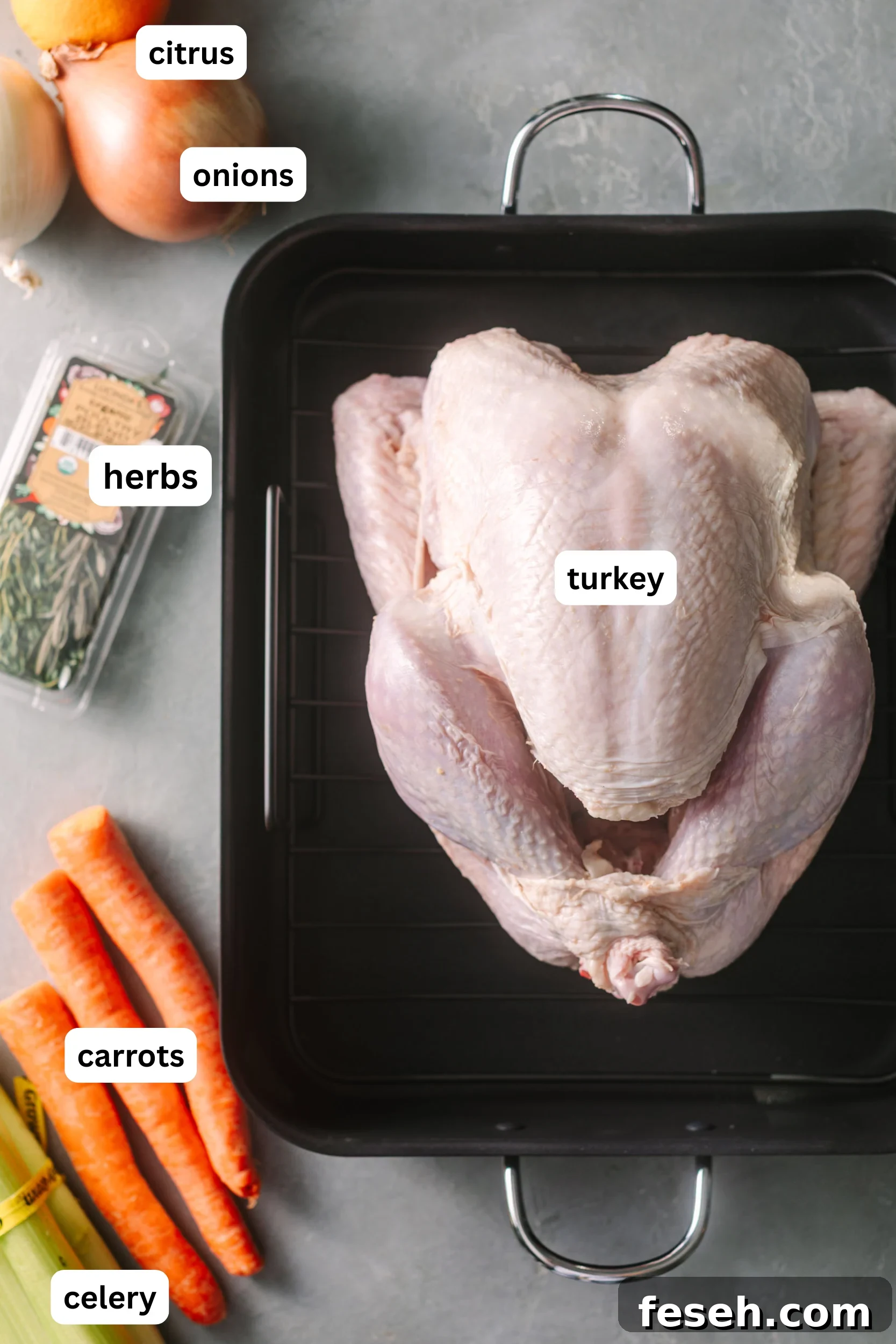
- Compound Butter: Use a high-quality butter with higher butterfat for best flavor and browning. Butter under the skin adds moisture; butter on the skin creates a crisp, golden crust.
- Poultry Herbs: Rosemary, thyme, and sage provide the classic holiday aroma that complements turkey perfectly.
- Vegetables: Carrots, celery, and onion are used beneath the bird to lift it for even roasting and to flavor the pan drippings for gravy.
See the recipe card below for full ingredient amounts.
How to Make a Wet Turkey Brine
For full brine measurements and details, follow a trusted wet brine method.
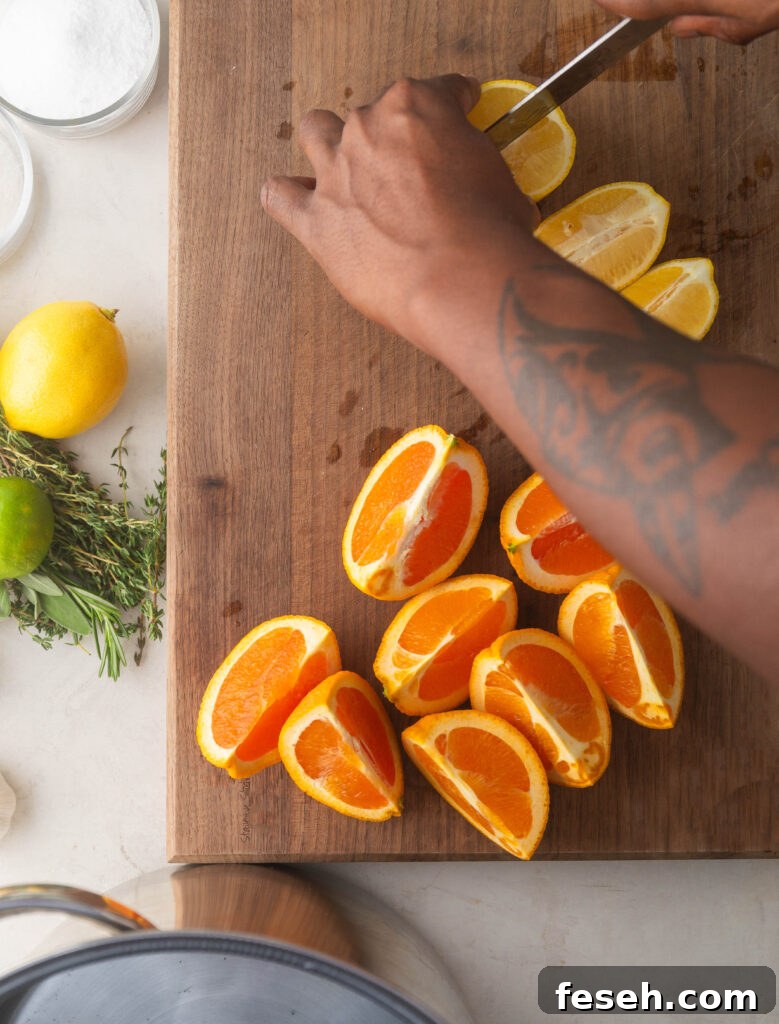
Step 1. Slice and quarter oranges, lemons, limes, and onion for the brine.
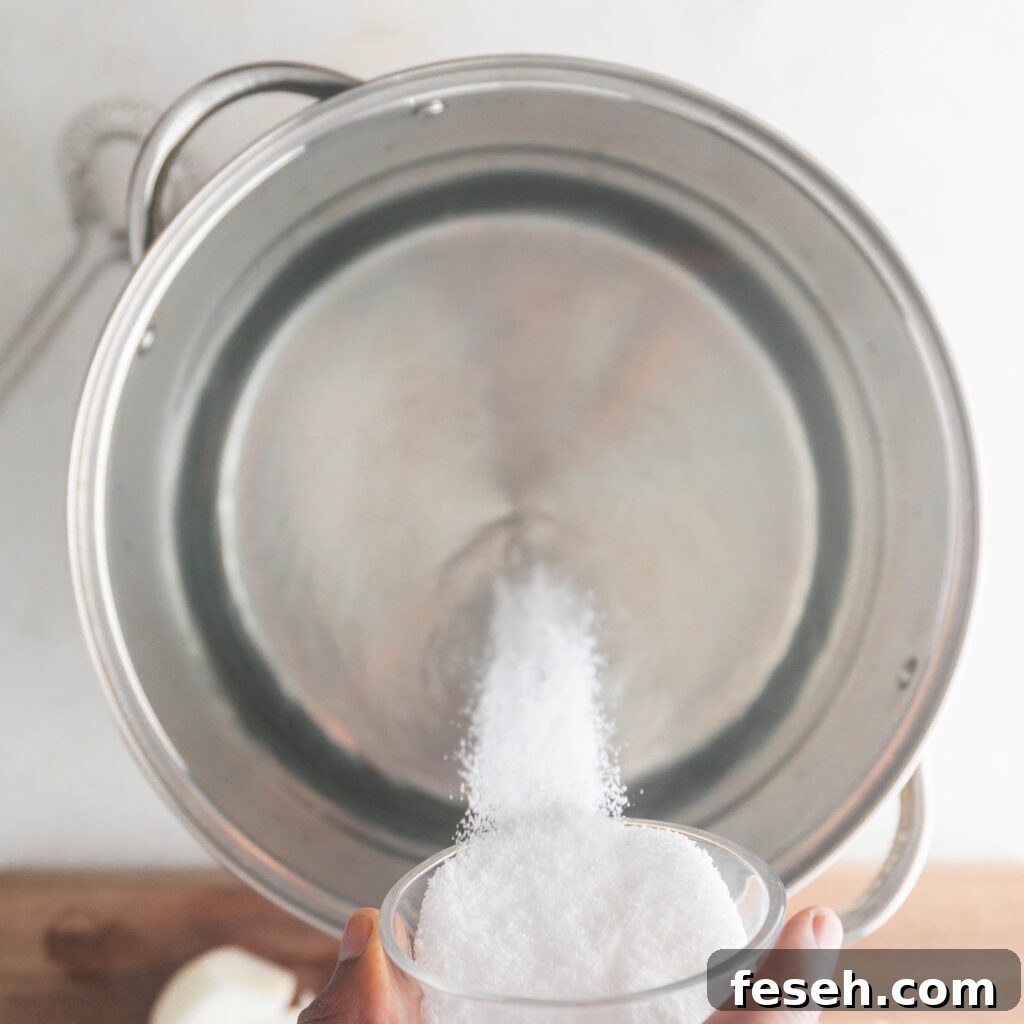
Step 2. Warm 1–2 gallons of water (depending on bird size) until hot but not boiling. Stir in kosher salt and sugar until dissolved.
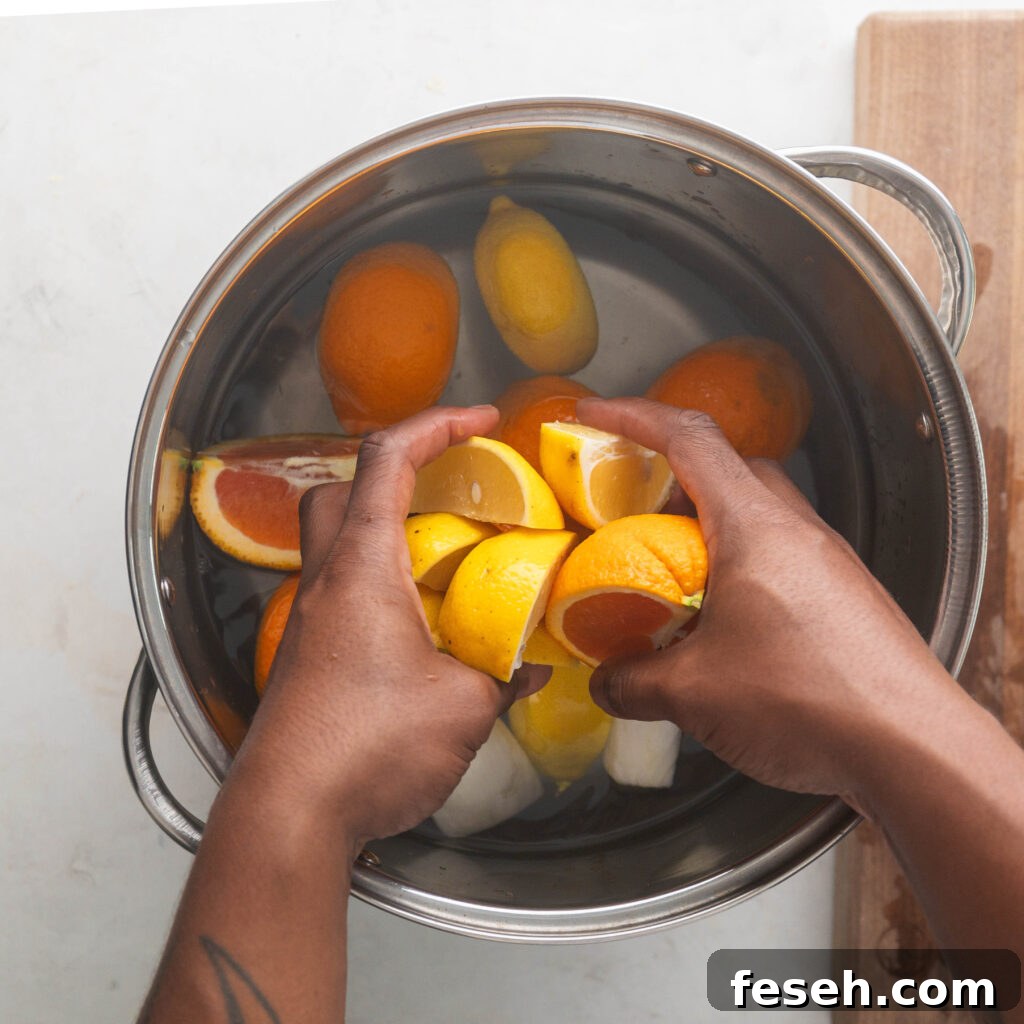
Step 3. Add citrus quarters, garlic, and quartered onion to the brine.
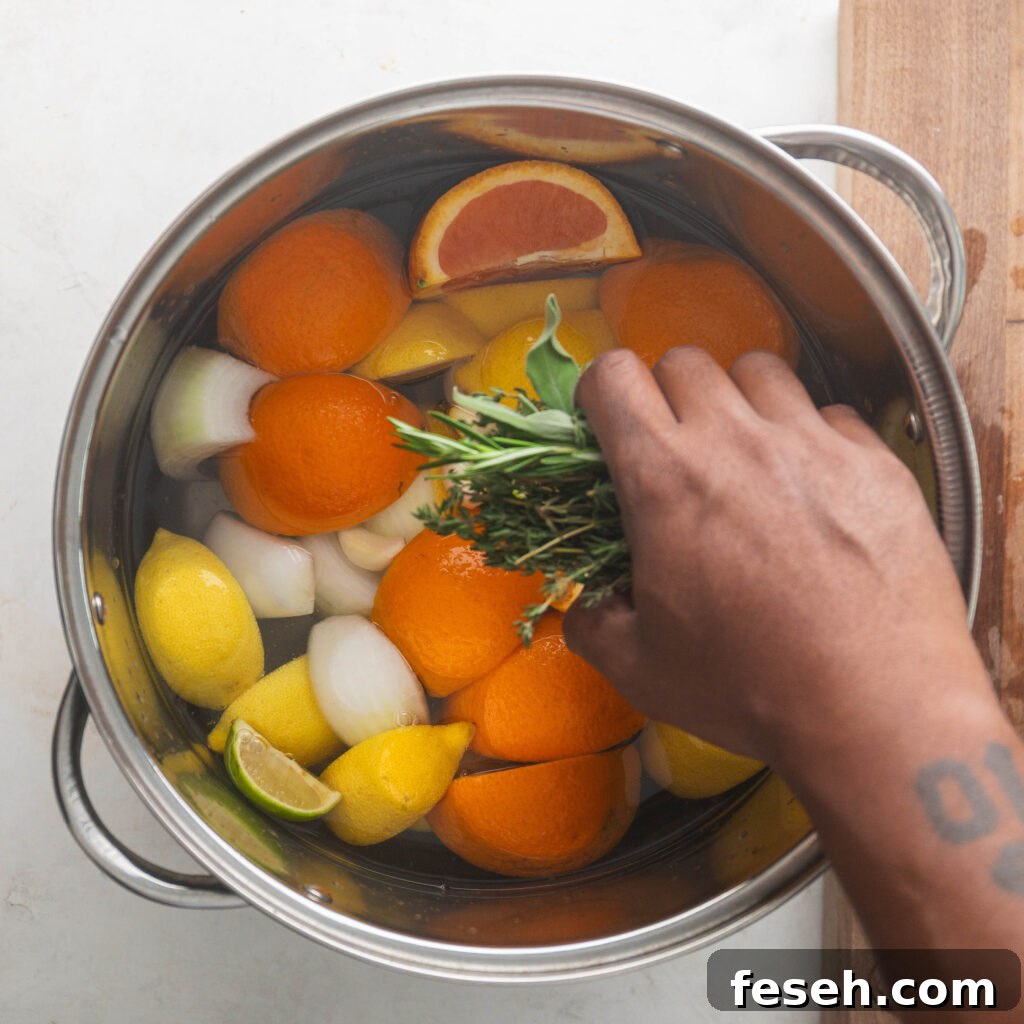
Step 4. Add thyme sprigs, rosemary, and sage leaves for aromatic flavor.
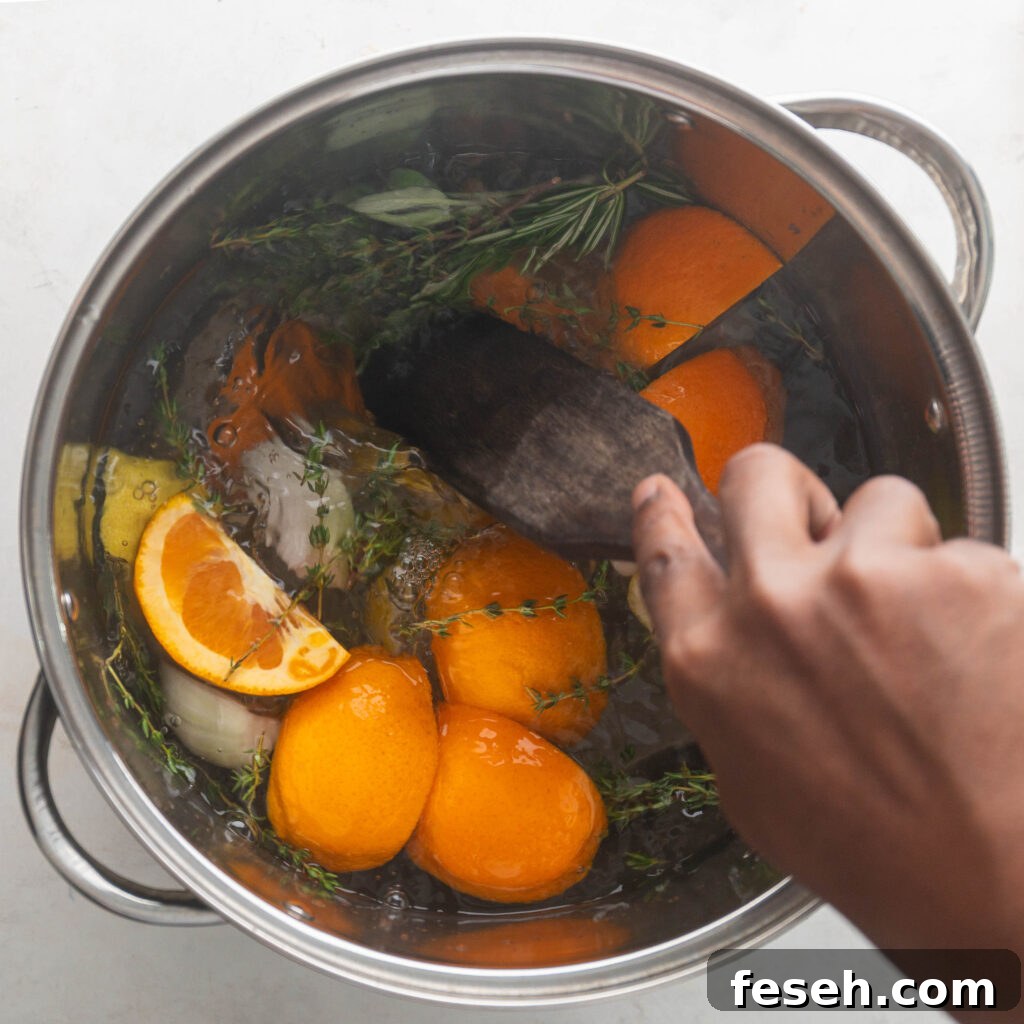
Step 5. Stir, then remove from heat and allow the brine to cool to room temperature.
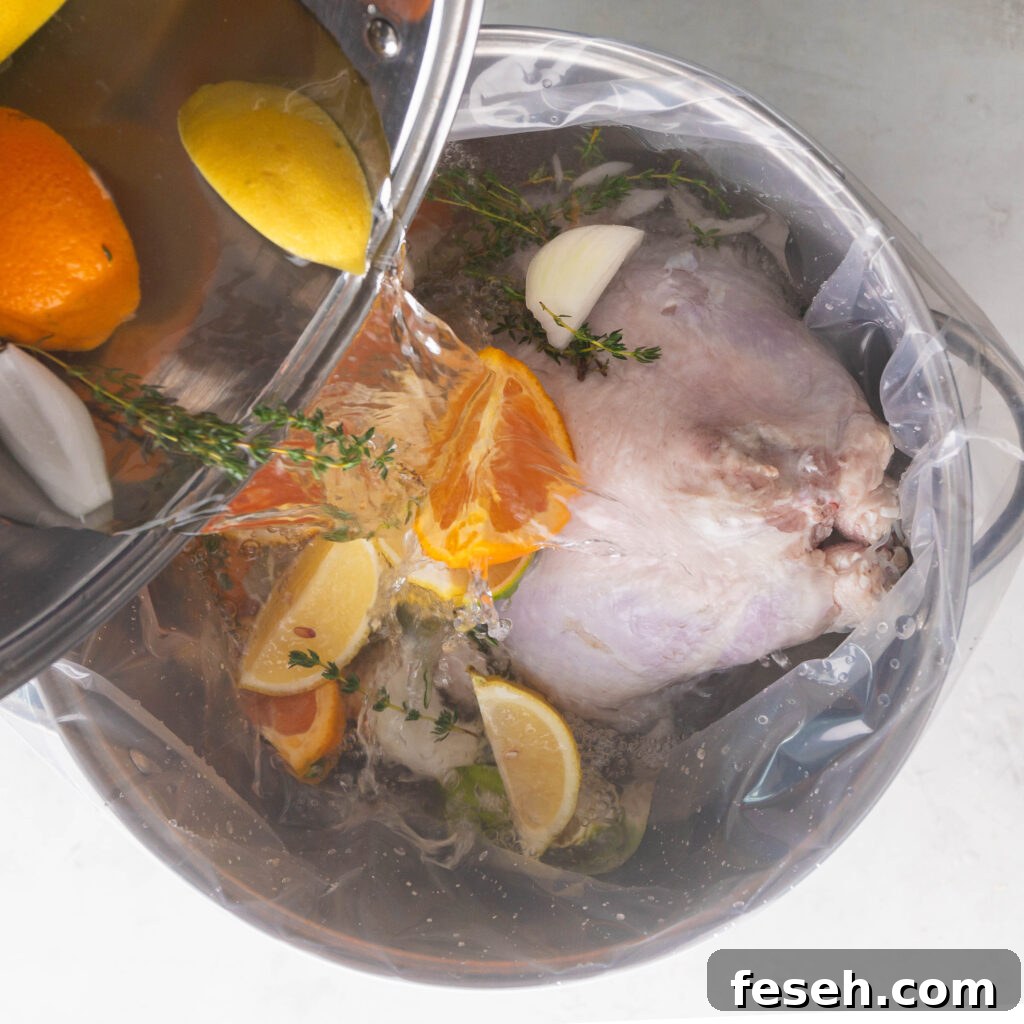
Step 6. Place the turkey in a food-safe brining bag or container and pour the cooled brine over it, making sure the bird is fully submerged. Add water if necessary to cover.
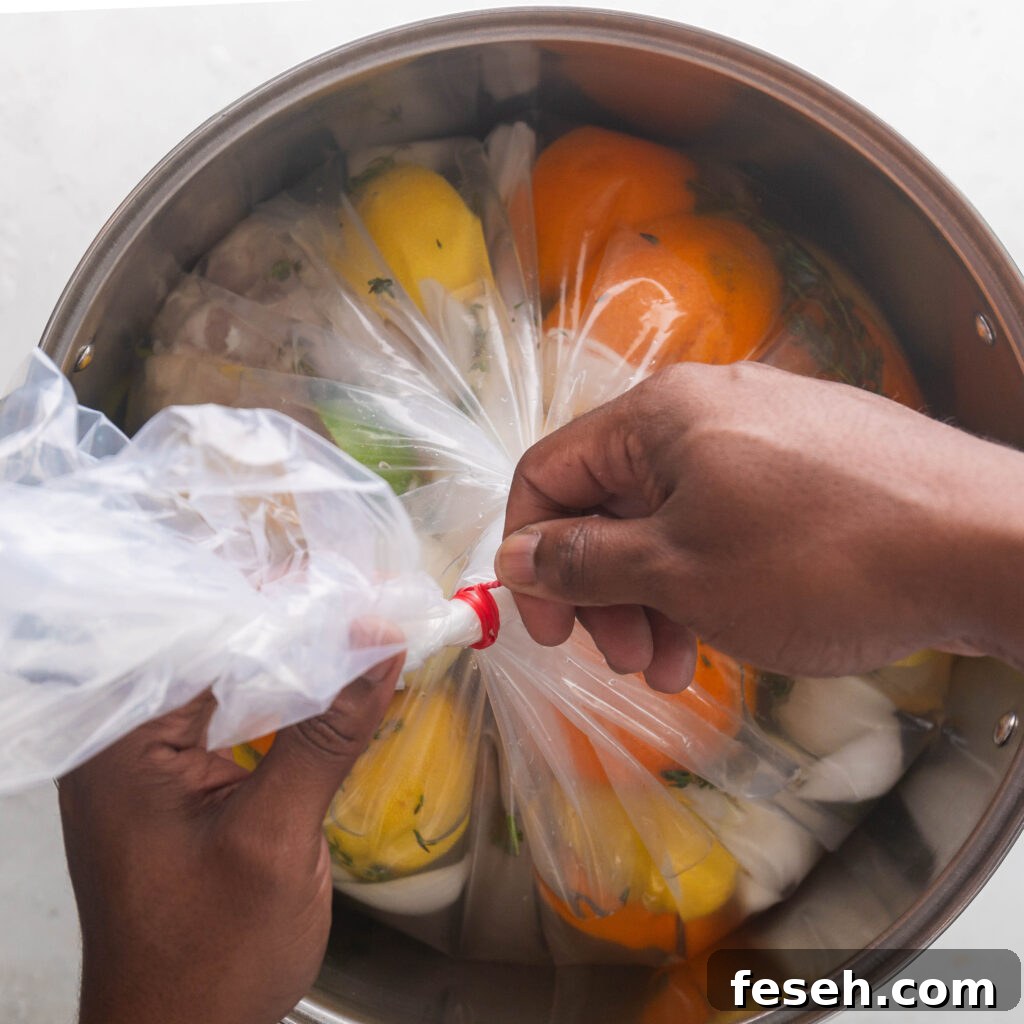
Step 7. Seal or cover the container and refrigerate for at least 4 hours, preferably overnight up to 24 hours to let flavors penetrate.
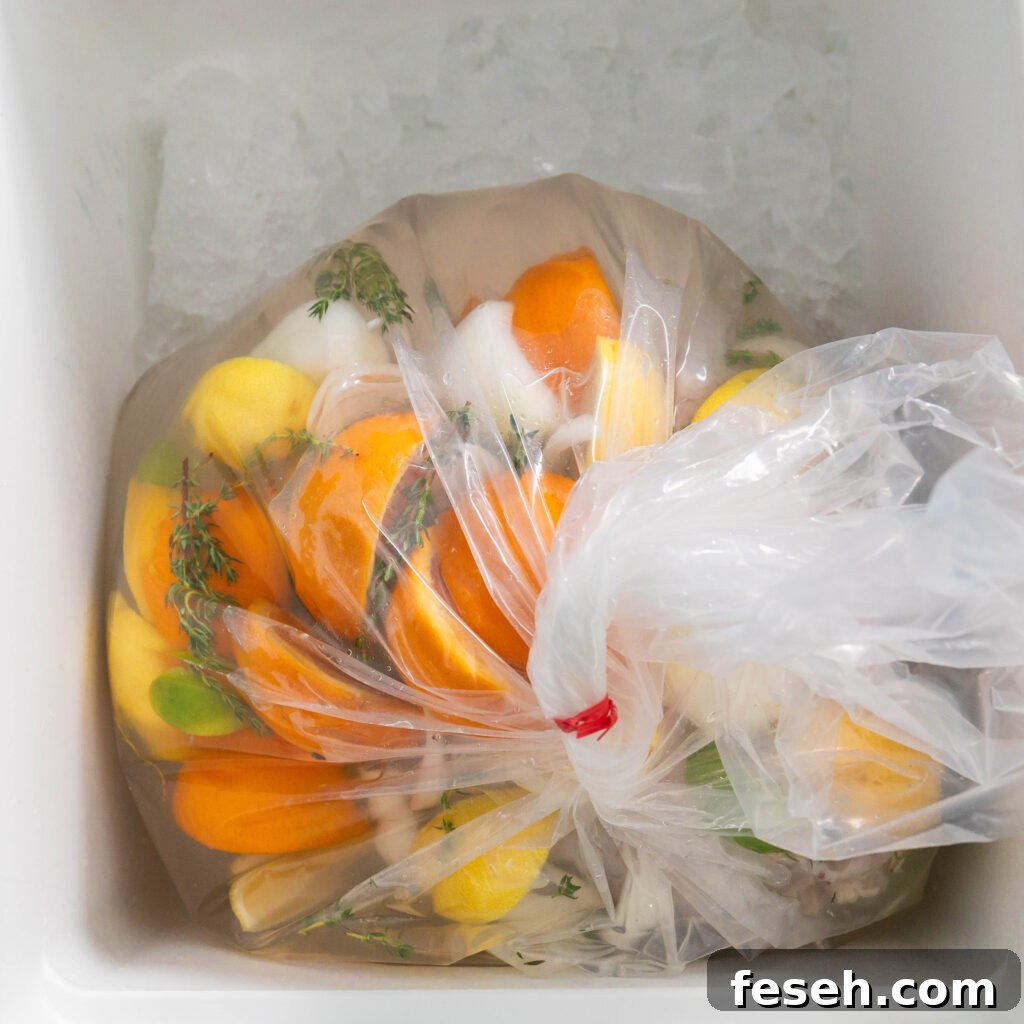
Step 8. Alternatively, keep the brining bird in a cooler packed with ice to maintain a safe temperature.
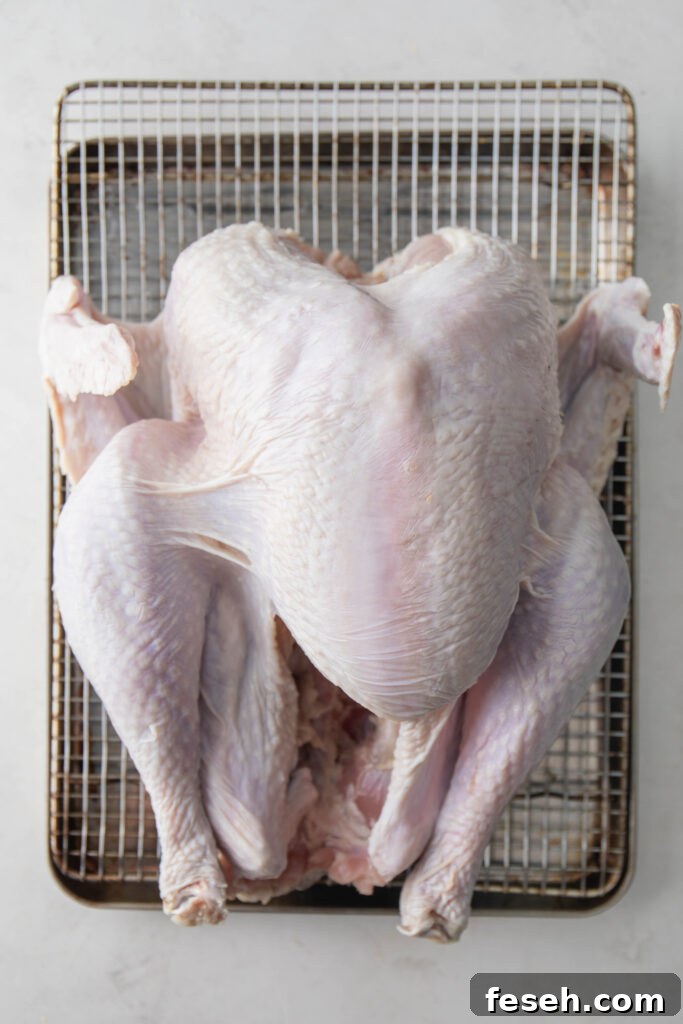
Step 9. When brining time is complete, remove the turkey, rinse under cold water, and pat dry. Place it uncovered in the refrigerator for a few hours to help the skin dry—this promotes crisping during roasting.
How to Roast a Thanksgiving Turkey (Step-by-Step)
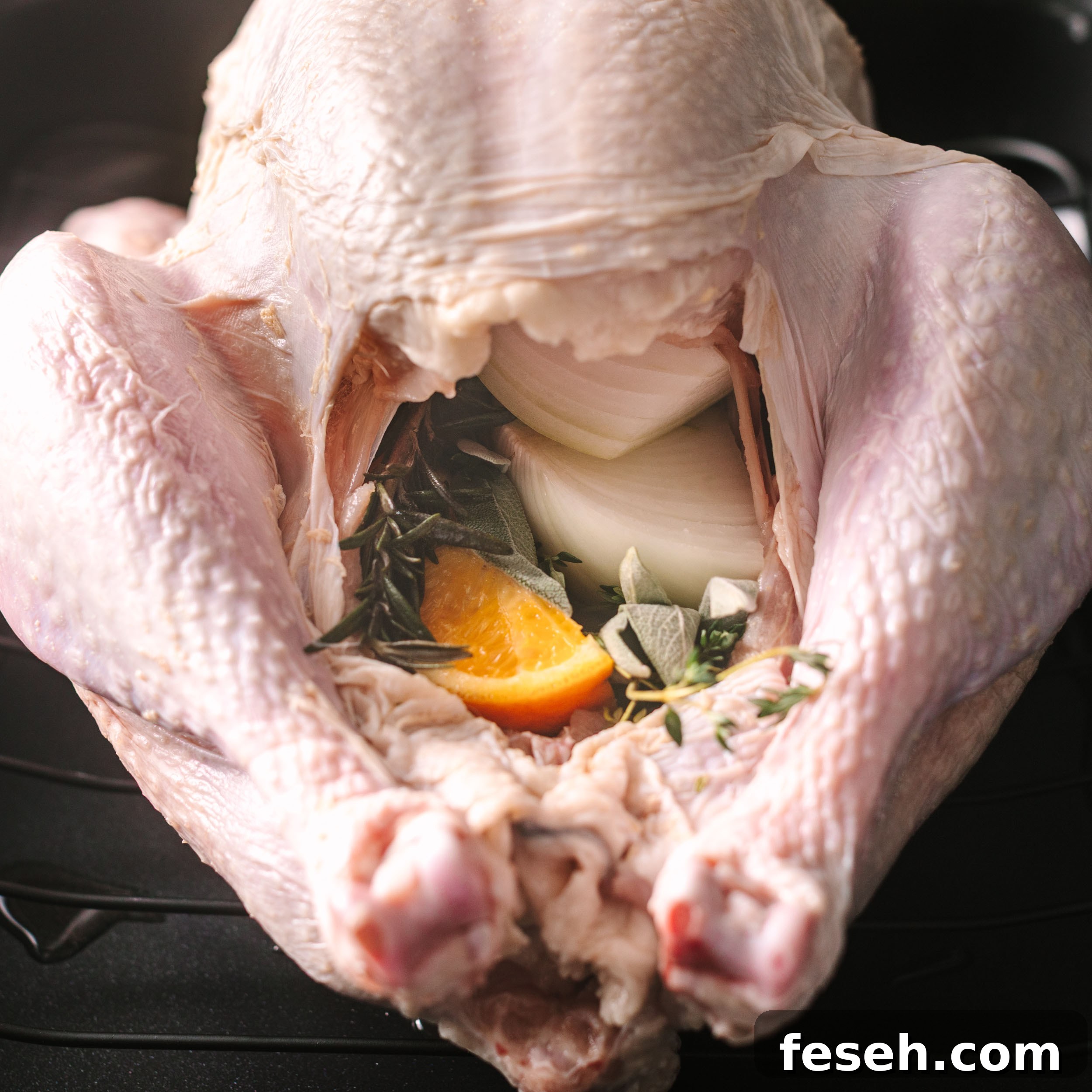
Step 1: Place orange quarters, onion, and a few herb sprigs inside the cavity.
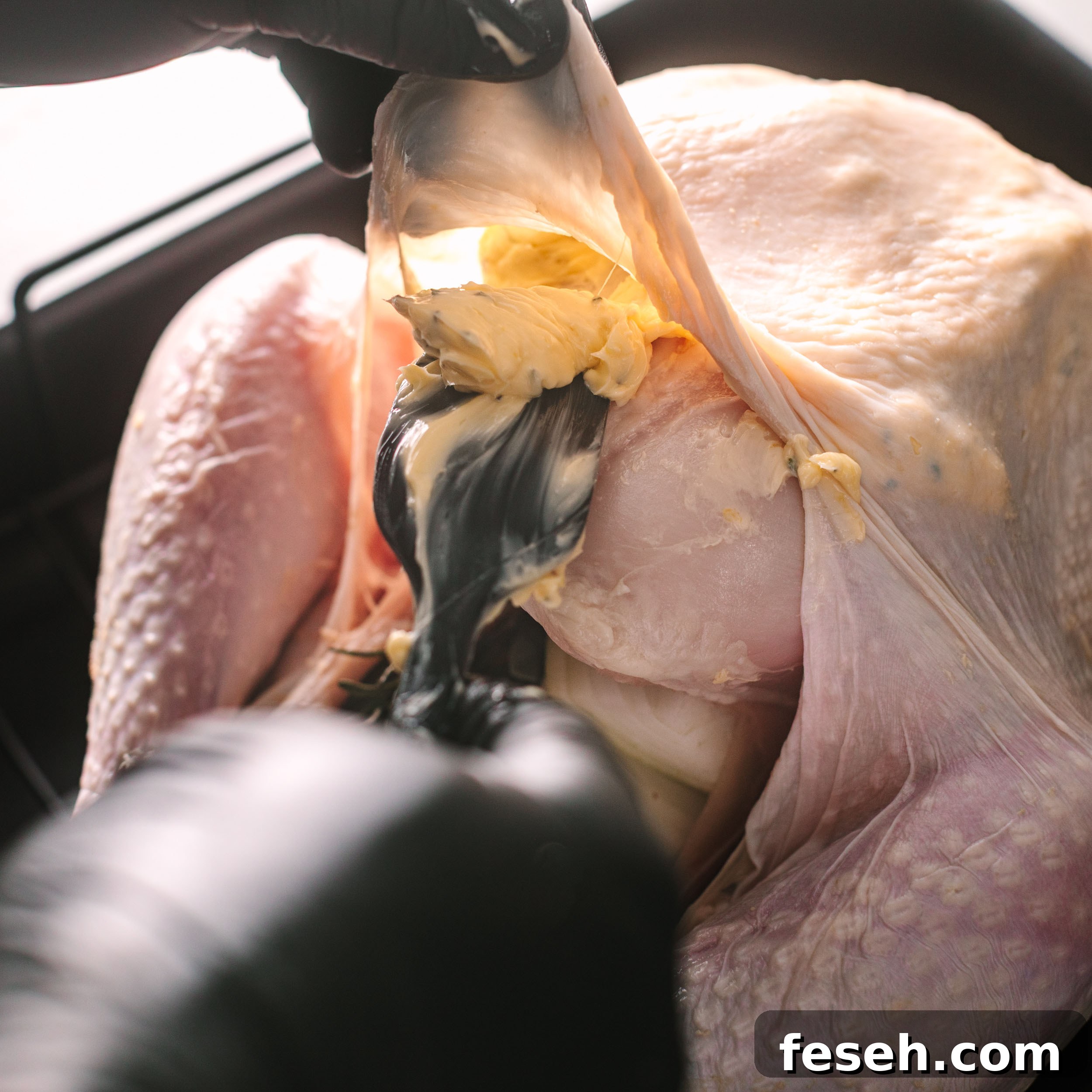
Step 2: Spread garlic-herb compound butter under the skin over the breast and thighs.
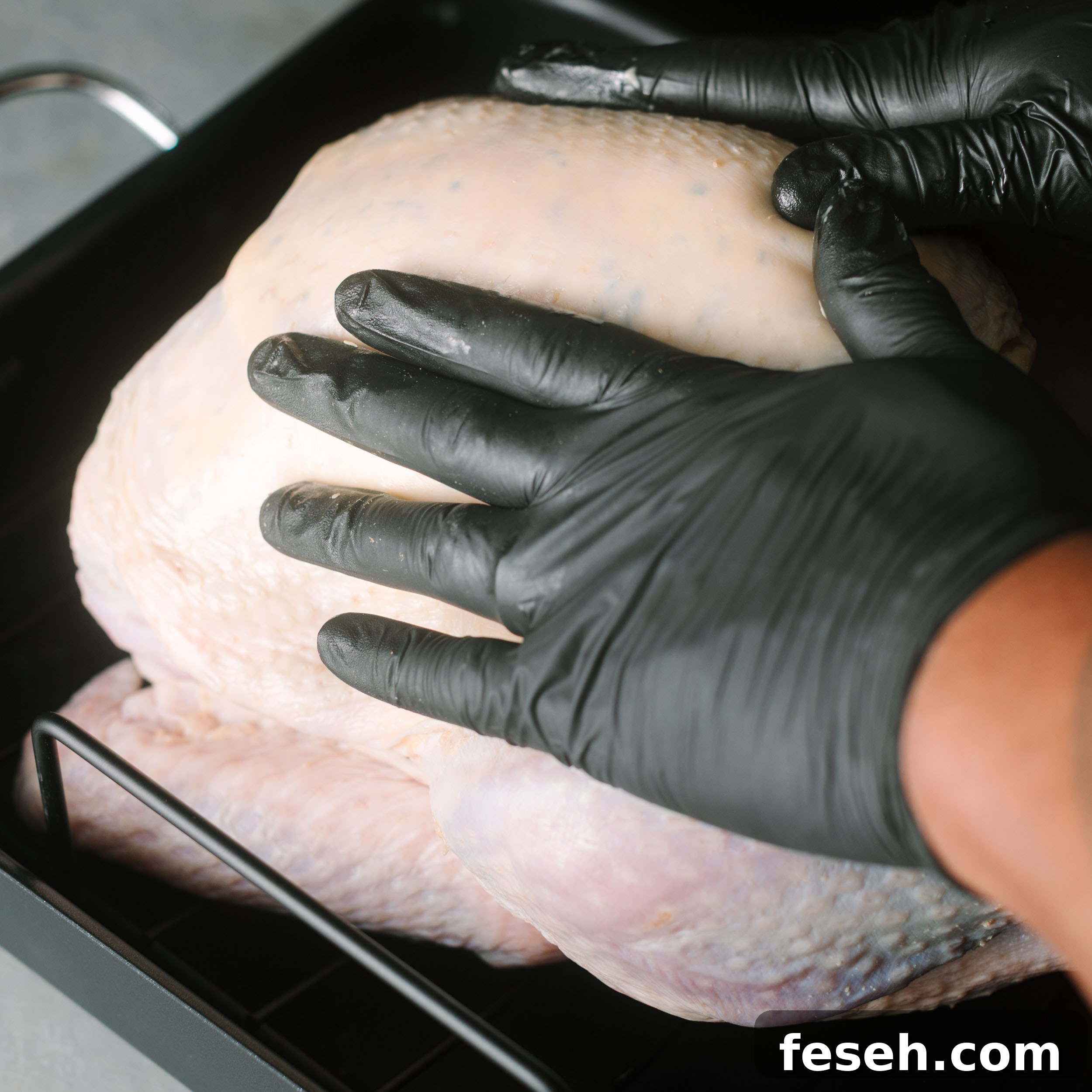
Step 3: Rub a light layer of compound butter over the outside of the turkey, saving some for basting. Be sure to cover legs and wings.
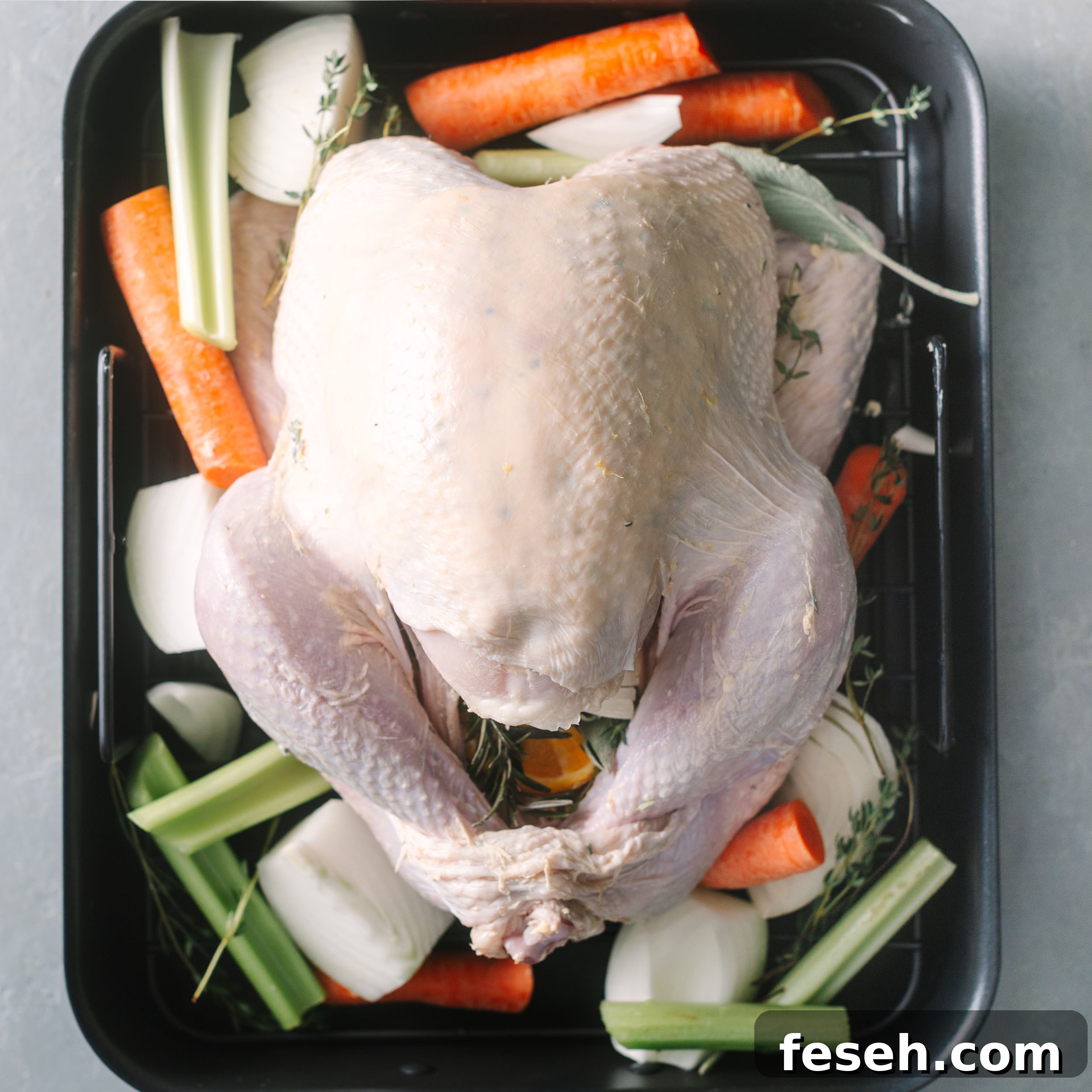
Step 4: Add carrots, celery, remaining onion, and herbs to the bottom of a large roasting pan. Drizzle the vegetables with olive oil and place the turkey breast-side up on top of them. If you have a rack, set the turkey on the rack and arrange the vegetables around it.
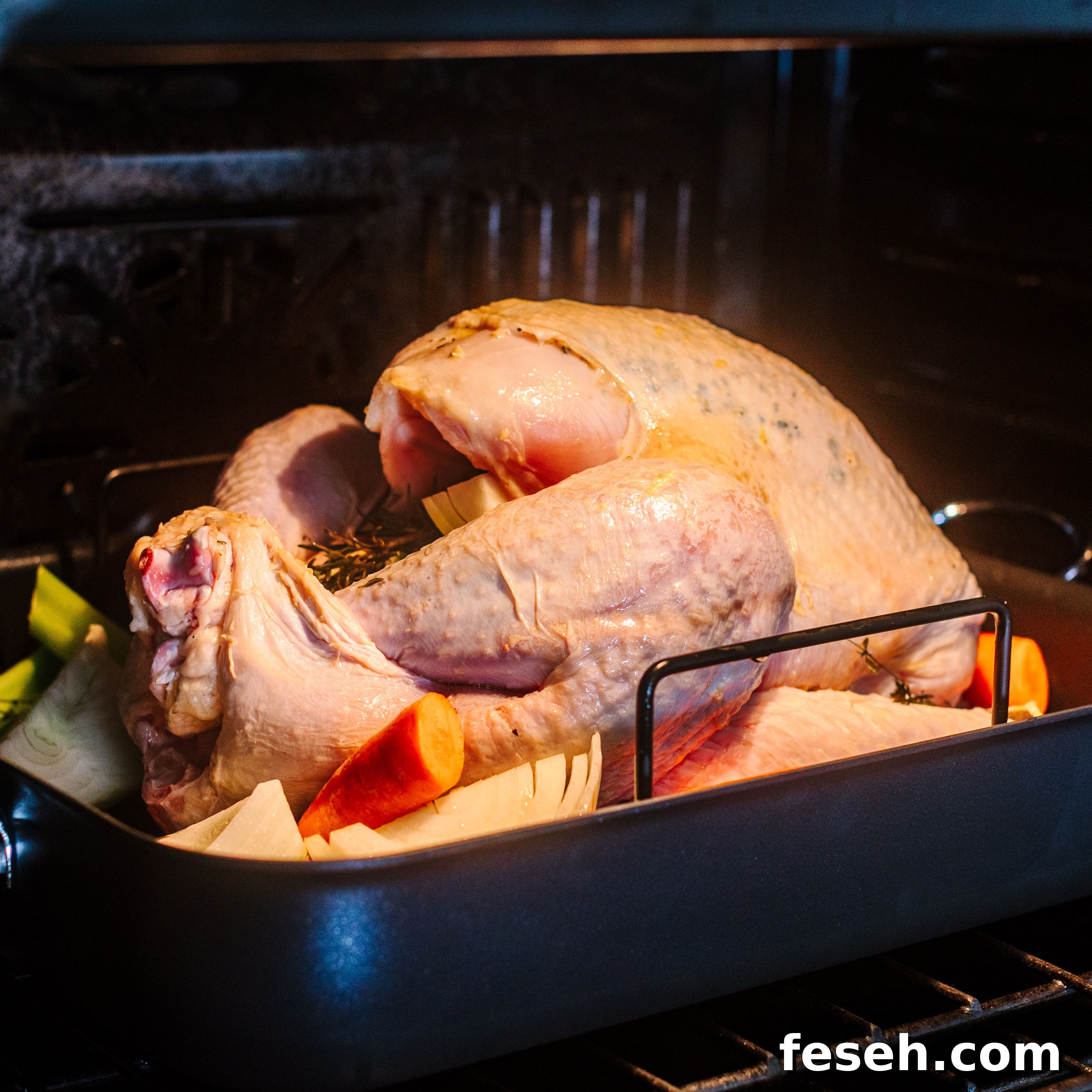
Step 5: Roast the turkey in a preheated oven. Start without opening the door for the first 25 minutes.
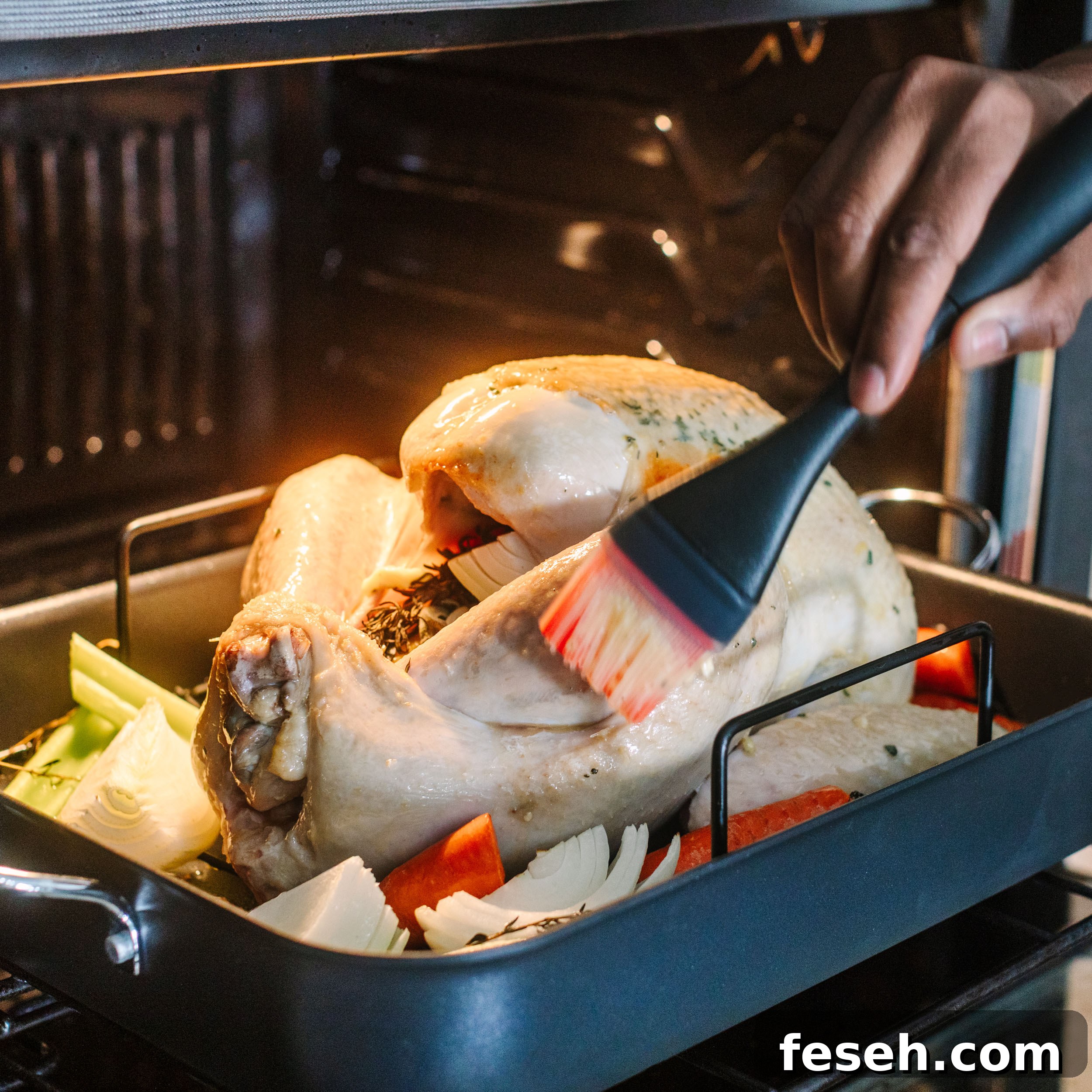
Step 6: Every 25 minutes, baste with melted butter and rotate the turkey 180° so it browns evenly. Roast until the thickest part of the thigh reaches 165°F—usually 2½–3 hours for a 12-lb bird.
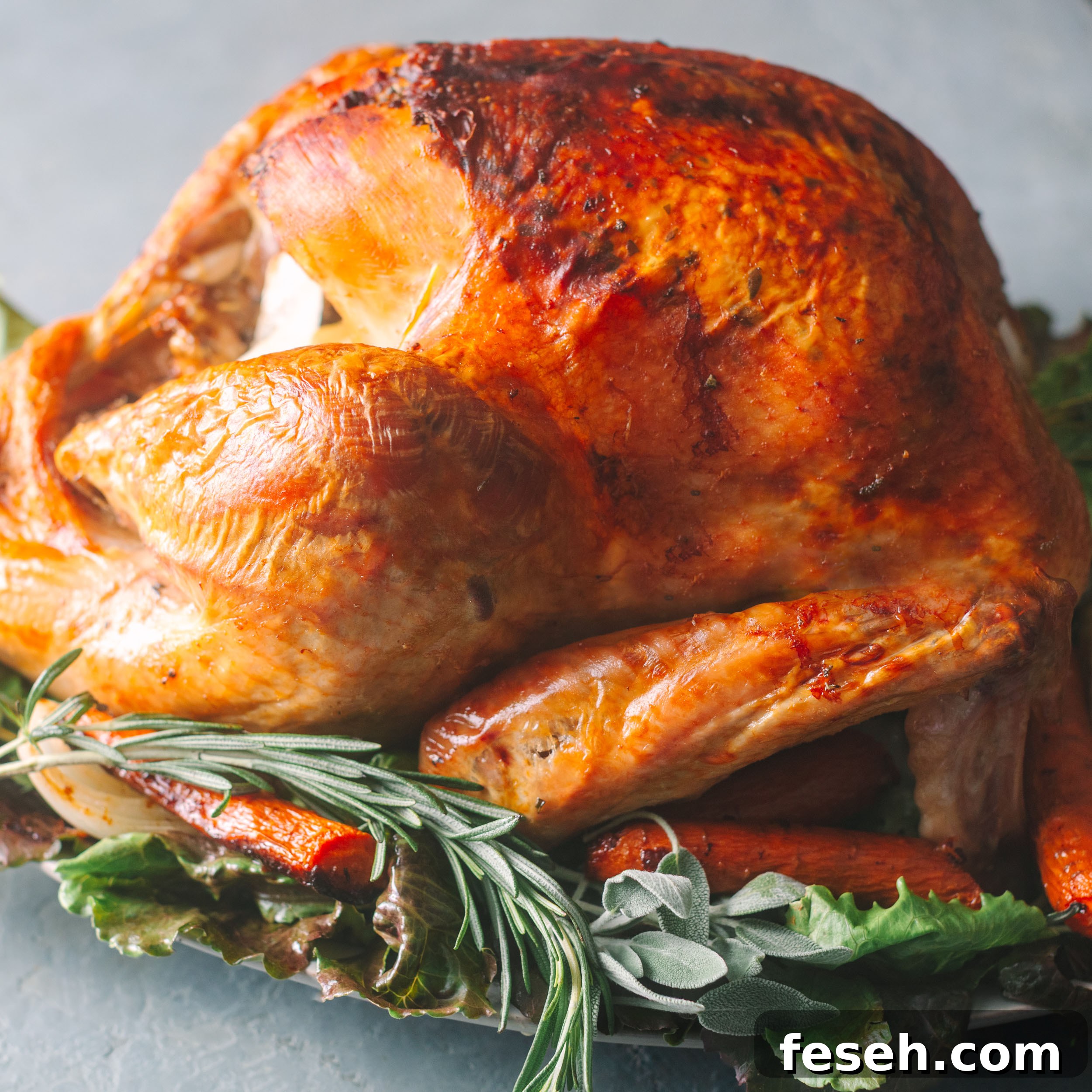
Step 7: Remove the turkey from the oven and let it rest 45–60 minutes before carving. Resting lets juices redistribute so slices remain moist.
Garlic Compound Butter
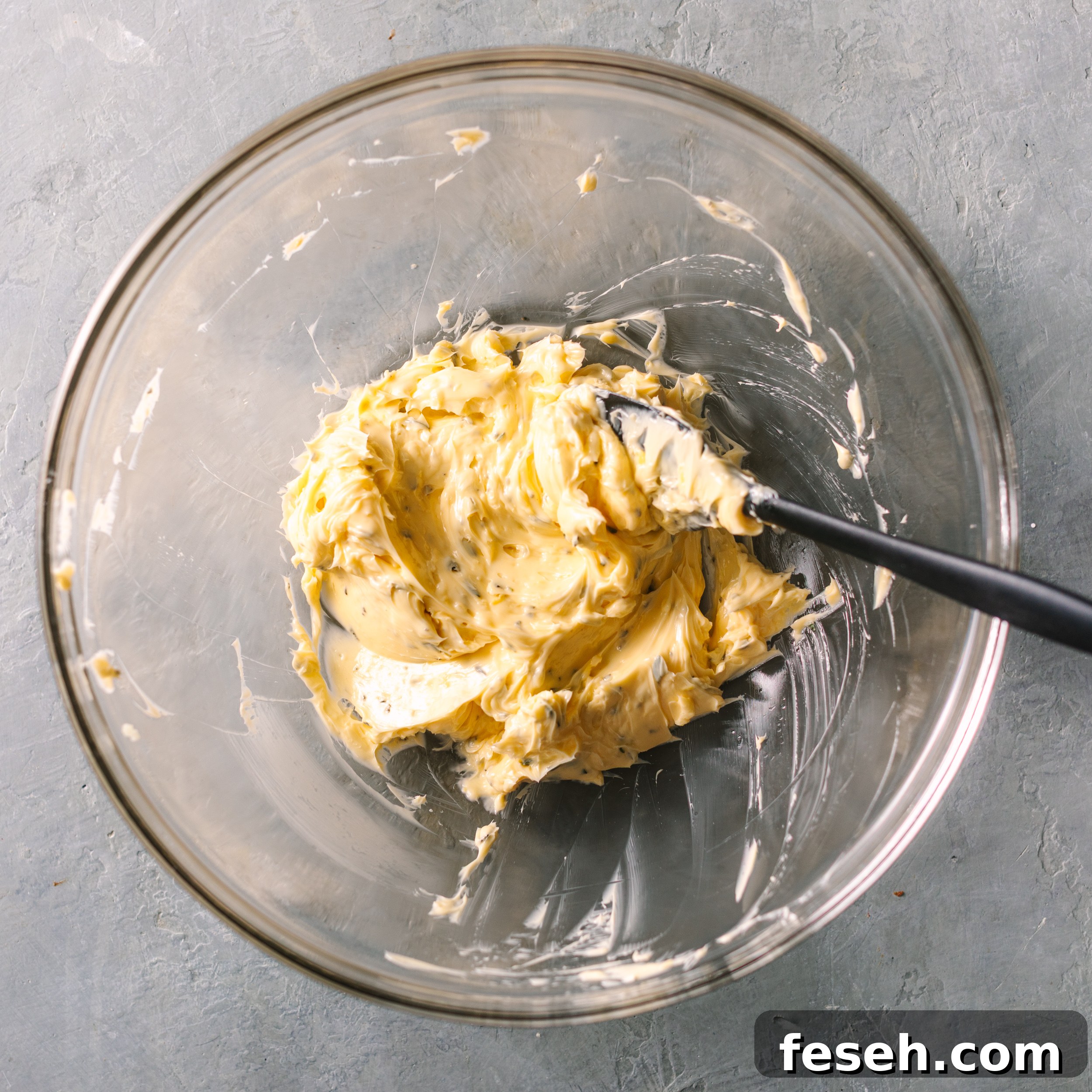
Let unsalted butter soften at room temperature until spreadable. In a bowl, combine the butter with lemon zest, minced garlic, and chopped fresh herbs (rosemary, thyme, sage). Stir until smooth and well incorporated. Use about ½ pound for a 12-lb turkey; increase as needed for larger birds. Optionally, stir in Creole or Cajun seasoning for extra kick.
Thanksgiving Turkey Troubleshooting Tips
1. The breast is browning too fast.
Cover just the breast with a loose foil tent and leave legs and thighs exposed. Remove the foil for the last 20 minutes to crisp the skin again.
2. The sides near the wings aren’t browning.
Common because those areas sit lower in the pan. Remedies:
- Rotate the turkey 180° each time you baste so all sides face hotter spots in the oven.
- Tilt the pan slightly by folding foil under one corner to expose lower sides to more heat.
- Spoon hot drippings over pale spots to encourage browning. In the last 10–15 minutes, raise oven temp to 400°F if needed.
3. The skin isn’t getting crispy.
- Make sure the skin is very dry before applying butter.
- Avoid covering the turkey with foil too early.
- Use convection roast if available to crisp skin evenly.
- Baste with fat (melted butter or drippings), not water or broth, which softens skin.
4. The bottom of the turkey is soggy.
Roast on a rack or on a bed of carrots, celery, and onion to lift the bird and prevent steaming. Convection mode helps keep moisture moving so the bottom doesn’t get soggy.
Roasted Thanksgiving Turkey FAQs
A refrigerator thaw typically requires about 1 day for every 4 pounds. For example, plan about 3 days for a 12-lb turkey.
Brining improves juiciness and flavor, but if you skip it, be generous with seasoning inside and out and use the compound butter to help retain moisture.
Cook the turkey breast-side up to achieve crispy skin and even browning.
Use a meat thermometer. The turkey is done when the thickest part of the thigh reaches 165°F.
Rotate the turkey each time you baste, spoon hot drippings over pale spots, and if necessary increase the heat briefly at the end.
More Holiday Main Dish Ideas
Looking for other centerpieces? Consider smoked Cornish hens, a double-smoked ham, a spatchcock smoked turkey, or a reverse-sear prime rib. These alternatives offer a range of flavors and cooking methods for festive meals.
If you try this Roasted Thanksgiving Turkey or another recipe, consider leaving a star rating and a comment to share how it went!
📖 Recipe
Roasted Thanksgiving Turkey
Krysten Wilkes & Marrekus Wilkes
Pin Recipe
Save Recipe
Equipment
- Roasting pan (large enough for a 12-lb turkey)
- Roasting rack (optional)
- Basting brush or large spoon
- Meat thermometer
- Aluminum foil
- Carving knife and fork
Ingredients
- Cooks with Soul Turkey Brine Recipe
- 1 whole turkey — 12 pounds, thawed
- 1 orange, quartered
- 2 onions, quartered (one for cavity, half for roasting pan)
- 3 carrots, cut into chunks
- 3 celery stalks, cut into chunks
- Fresh herbs: rosemary, thyme, sage
Garlic Herb Compound Butter
- ½ pound unsalted butter, softened (use more for larger birds)
- Zest of 2 lemons
- 3 cloves garlic, minced
- Fresh herbs: rosemary, thyme, sage
Instructions
Brine the Turkey (12–24 hours ahead)
- Follow a wet brine recipe and soak the turkey 12–24 hours. After brining, rinse the turkey, pat completely dry, and refrigerate uncovered for a few hours to dry the skin for crisping.
Garlic Herb Compound Butter
- Let butter soften. Combine with lemon zest, minced garlic, and chopped herbs until smooth. Set aside.
Prep the Turkey
- Preheat oven to 325°F. Remove neck and giblets for gravy. Gently loosen skin over the breast and thighs to create space for butter.
Lightly Stuff the Cavity
- Place orange quarters, 1 quartered onion, and a few herb sprigs in the cavity. Do not overpack; leave space for airflow.
Add Garlic Compound Butter Under the Skin
- Use about two-thirds of the compound butter to spread under the skin, distributing it evenly over the breast and thighs.
Add Garlic Compound Butter on the Outside
- Rub a thin layer of the remaining butter over the exterior of the turkey and reserve some for basting. Cover legs and wings thoroughly.
Prepare the Roasting Pan
- Arrange carrots, celery, remaining onion, and herbs in the bottom of a large roasting pan. Drizzle with olive oil and set the turkey breast-side up on top. The vegetables lift the turkey and flavor the drippings.
Roast the Turkey
- Place the turkey in the oven and roast. After the first 25 minutes, melt reserved compound butter. Baste every 25 minutes with melted butter and rotate the turkey each time. Roast until the thigh reaches 165°F (about 2½–3 hours for a 12-lb turkey).
Rest the Turkey
- Remove the turkey from the oven and let rest 45–60 minutes before carving. Use pan drippings and roasted vegetables to make gravy.
Notes
- Compound Butter: Adjust the amount to taste; add seasonings like Creole or Cajun for extra flavor.
- Creole Butter Injection: Optional, for extra moisture and bold flavor.
- Thawing: Plan about 1 day per 4 pounds in the refrigerator.
- Brining: Helps ensure a juicy bird; if skipping, season well inside and out.
- Cooking Temp: Roast until the thickest part of the thigh reads 165°F.
- Basting: Baste every 25 minutes with melted butter and rotate for even browning.
- Veggies as a Rack: Use carrots, celery, and onion under the turkey if you don’t have a rack.
- Resting: Let the turkey rest before carving so juices redistribute.