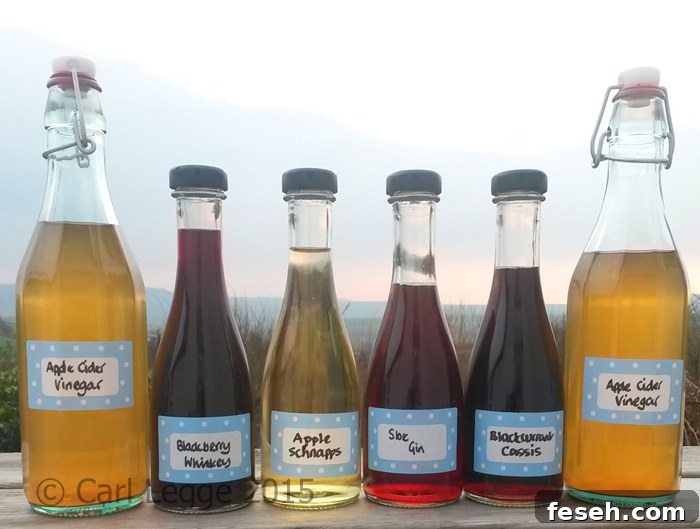
I’ll be talking about wild food and foraging at the Llŷn Land and Sea Food Festival this Saturday and Sunday.
If you’re planning to attend one of the talks, here is a practical guide to some useful books that will help you identify, harvest and prepare wild foods. This list is personal — drawn from books on my shelf — and is intended to point you to solid, readable resources. I have not included in-depth mushroom guides here; learning fungi identification with an experienced local mycologist or on a guided foray is the safest route.
The Guardian beginner’s guides
I wrote a short series of seasonal introductions for The Guardian that are handy for first steps in foraging and seasonal wild food: concise, practical and easy to carry in mind while out walking.
- A beginner’s guide to spring foraging
- A beginner’s guide to summer foraging
- A beginner’s guide to autumn foraging
Recommended books for identification and recipes
The River Cottage Handbooks are excellent pocket-sized guides that combine clear identification tips with useful recipes. Of particular note are:
- Preserves (River Cottage Handbook No. 2) — a friendly, practical guide to bottling, jamming and preserving seasonal ingredients.
- Edible Seashore (No. 5) — focused on coastal finds, full of sensible advice for harvesting and preparing seashore ingredients.
- Hedgerow (No. 7) — covers the common plants and fruits you’ll encounter along hedgerows and small woodlands, with recipes to match.
These are compact and ideal to slip into a bag for day walks, helping you turn what you find into tasty, seasonal food.
Alys Fowler’s books offer a modern, unpretentious approach to foraging and preserving. The Thrifty Forager is a clear, contemporary guide to finding and using wild ingredients, while Abundance is a thorough companion for preserving harvests through pickling, fermenting and storing. Both suit home reference rather than field identification but are full of sensible techniques and recipes.
Classic reference works remain valuable. Roger Phillips’ Wild Food gives broad coverage of edible wild plants with helpful illustrations. Richard Mabey’s Food for Free is a longstanding favourite that blends identification with cultural and culinary notes; the Collins Gem pocket edition is particularly handy if you want a compact reference for walks.
John Lewis-Stempel’s Foraging: The Essential Guide to Free Wild Food is an excellent text for getting to grips with what to look for and how to use it. While it relies more on descriptive text than photographs, the depth of knowledge and practical experience it conveys make it a superb read for anyone serious about learning to live seasonally.
For preserving and transforming your finds into pantry staples, David and Rose Mabey’s Jams, Pickles and Chutneys is a classic collection of recipes and methods. It is an older book but remains a treasure trove of ideas and techniques not commonly found elsewhere. Beryl Wood’s Let’s Preserve It is a comprehensive, ingredient-organized guide to preserving vegetables, fruits and seasonal harvests — useful for planning what to do with the glut when it arrives.
If you’re interested in fermenting or making alcoholic drinks from wild ingredients, Andy Hamilton’s Booze for Free offers straightforward recipes for turning foraged fruits and plants into drinks. For a deeper ethnobotanical and herbal approach to fermenting and brewing, Stephen Buhner’s Sacred and Herbal Healing Beers explores traditional recipes and the healing context of fermented brews.
Practical notes
When foraging, always follow basic safety and sustainability principles: be absolutely sure of identification before eating anything, harvest sustainably and legally, and avoid areas exposed to pollution. If in doubt, consult a local expert or join a foray group to build your confidence under guidance.
This selection is meant to be practical and readable — a mix of pocket guides for the field, cookery-and-preserving manuals for the kitchen, and a few deeper reads for those who want to learn the cultural and historical sides of wild food. I hope these recommendations help you feel more confident foraging and experimenting with the seasonal gifts around you. If you attended the talk, thank you for coming — I hope it inspired you to explore further.