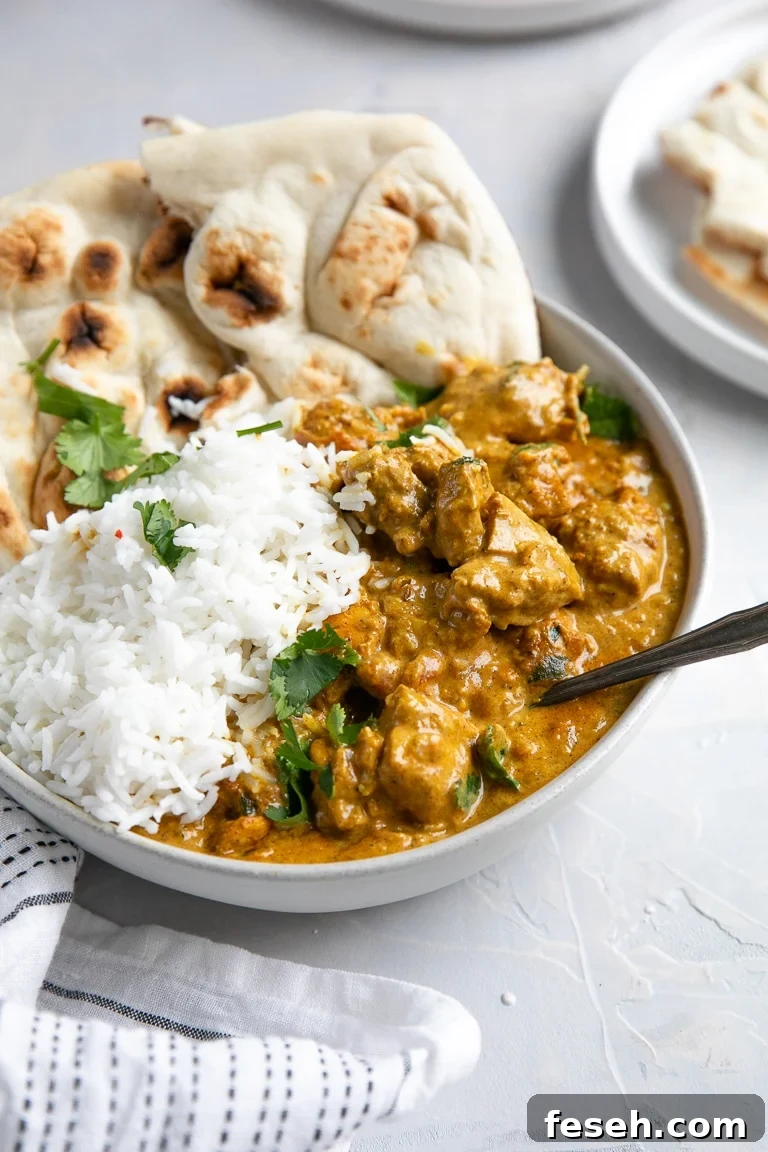
Butter Chicken, also called Murgh Makhani, is a beloved Indian dish featuring tender chicken pieces simmered in a creamy, gently spiced tomato sauce. Often mistaken for chicken tikka masala, authentic butter chicken is rich, buttery, and deeply satisfying—home-cooked versions can easily rival your favorite restaurant’s.
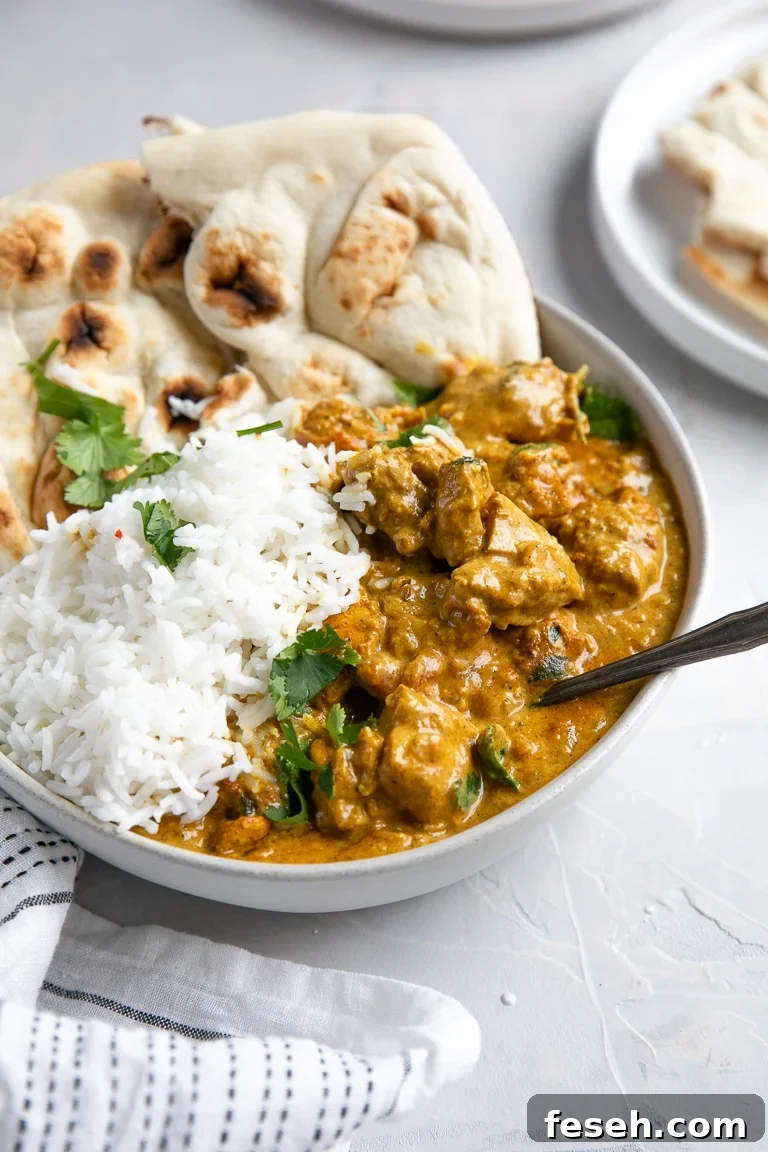
With its smooth sauce and succulent chicken, butter chicken is one of the most popular Indian recipes worldwide. Creamy yet delicately spiced, it’s an excellent introduction to Indian flavors for anyone new to the cuisine—children and adults alike usually enjoy its mild, buttery curry.
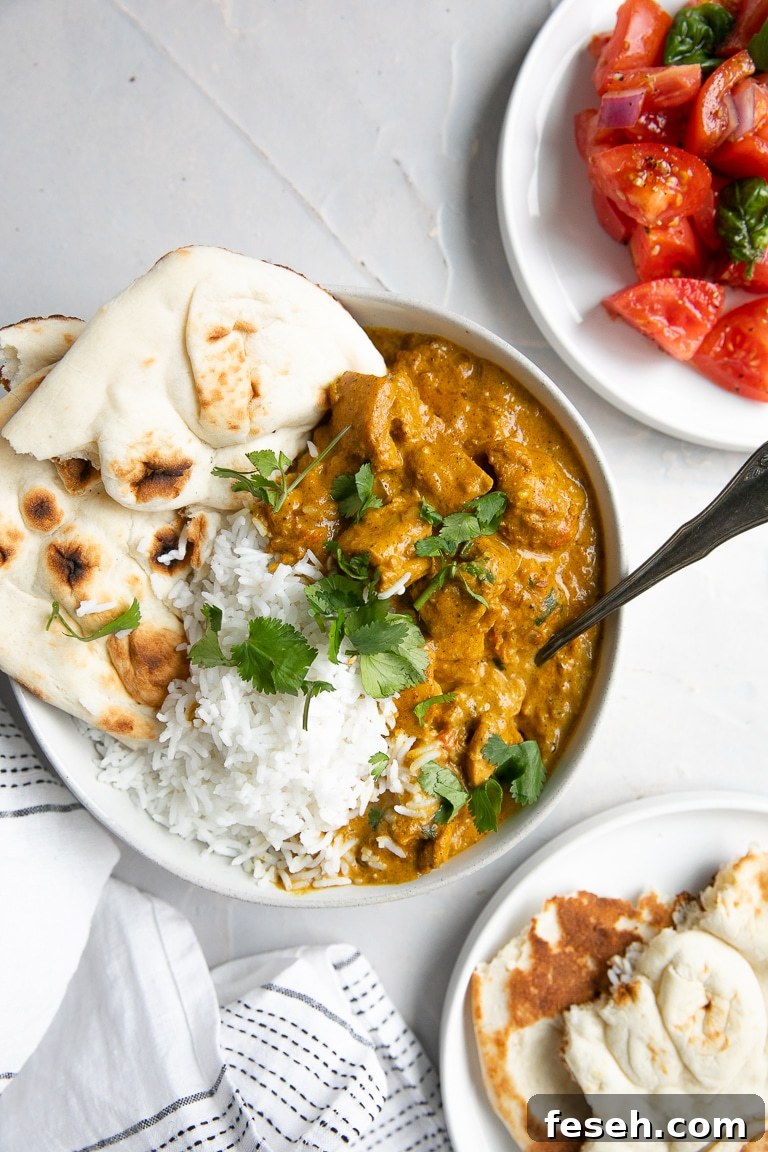
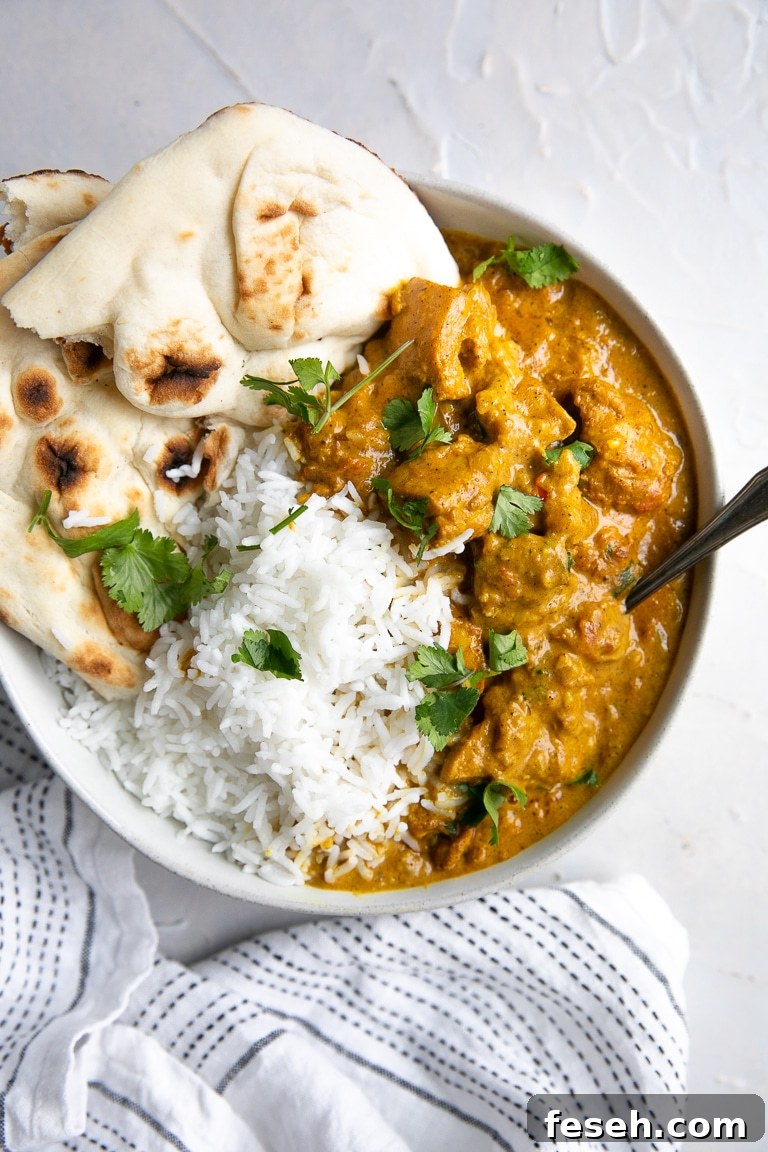
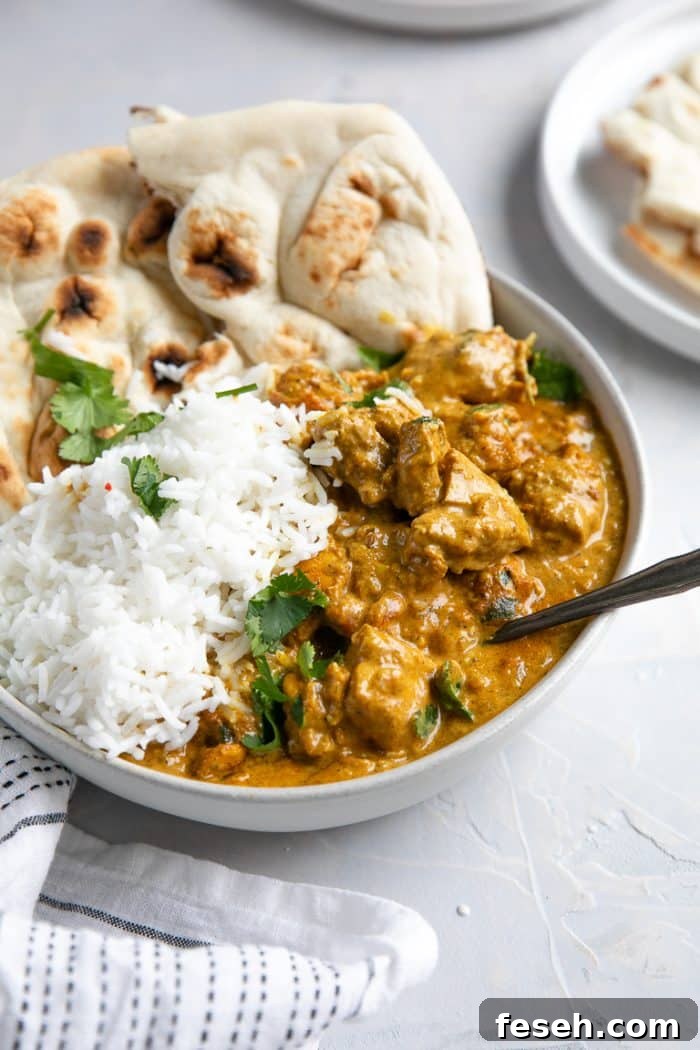
Traditionally, butter chicken is served with basmati rice and torn pieces of naan or chapati so you can scoop up the chicken and sauce by hand. Whether you serve it with rice, bread, or both, this comforting curry tends to become a family favorite.
Table of Contents
- What is Butter Chicken?
- Difference Between Butter Chicken and Chicken Tikka Masala
- Ingredients
- How to Make Butter Chicken
- Frequently Asked Questions
- Storing, Freezing, and Reheating
- What to Serve with Butter Chicken
- More Chicken Recipes
- Butter Chicken Recipe
What is Butter Chicken?
Butter Chicken, or Murgh Makhani, literally means “chicken with butter.” It was developed in Delhi in the 1950s at Moti Mahal by Punjabi restaurateurs who combined leftover roasted chicken with a mild tomato gravy enriched with butter and cream. The result is a velvety, slightly sweet, and savory curry that has become a classic.
Difference Between Butter Chicken and Chicken Tikka Masala
Butter chicken and chicken tikka masala are similar but distinct:
- Spice level and profile: Chicken tikka masala usually uses a broader range and higher quantity of spices, producing a brighter, more complex flavor.
- Butter content: Both dishes use butter, but butter chicken typically includes more, giving it a richer, silkier sauce.
- Origin: Butter chicken originated in India, while chicken tikka masala is widely credited as a British adaptation inspired by South Asian flavors.
Ingredients
This recipe has two parts: the marinade and the curry base. The marinade is essential—most of the flavor and tenderizing happens there. Marinate the chicken for at least a few hours when possible.
Marinade Ingredients
- Chicken: Boneless, skinless chicken thighs are recommended for juiciness and flavor.
- Plain full-fat yogurt: Use unsweetened, full-fat yogurt as it tenderizes and adds depth to the sauce.
- Fresh lemon juice: Adds brightness—avoid bottled concentrates.
- Turmeric: Adds color and a warm, earthy flavor.
- Garam masala: A warm spice blend of cinnamon, cloves, cardamom, pepper, and more. Brands vary—pick one you like.
- Ground cumin: Earthy and warming; a staple in Indian cooking.
- Salt: To taste.
Curry Ingredients
- Butter: Salted or unsalted, according to preference.
- Yellow onions: Mild and sweet when cooked down.
- Fresh garlic and ginger: Use freshly minced or grated for best flavor.
- Cumin seeds: These add a different, aromatic note than ground cumin.
- Cinnamon stick: Use whole for a subtle warm background flavor.
- Diced tomatoes: One 28-ounce can works well; simmer longer if you add extra liquid.
- Red chili powder: Not cayenne—adjust quantity for heat sensitivity.
- Broth: Low-sodium chicken broth (or water/veg broth) for simmering.
- Cream: Full-fat heavy cream gives a luxurious finish; half-and-half can be used as a lighter option.
- Tomato paste: A couple of tablespoons to thicken and deepen tomato flavor.
- Ground cashews (optional): Used as a natural thickener for extra silkiness.
- Fresh cilantro: For garnish, if desired.
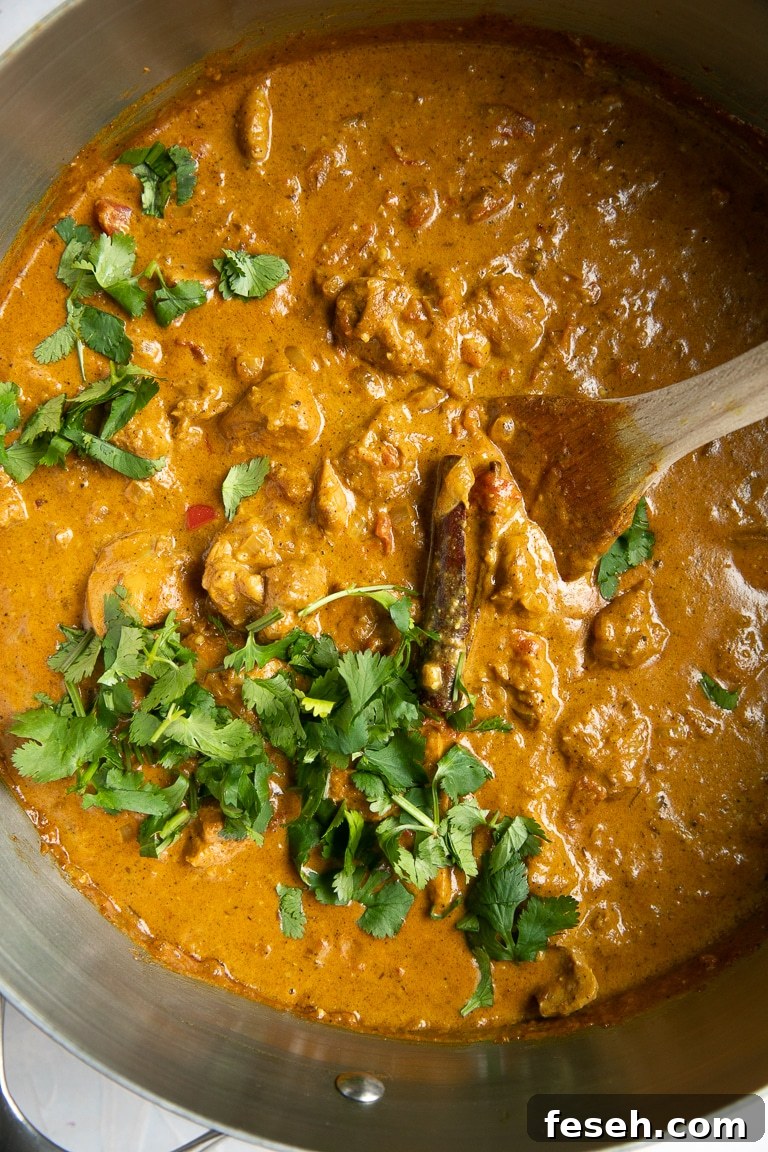
Chicken Thighs or Chicken Breasts
Traditionally, the chicken is marinated and cooked in a tandoor for a smoky char. At home, chicken thighs are my top recommendation for the best texture and flavor. If you prefer breasts, marinate longer—ideally overnight—to keep them tender and flavorful.
How to Make Butter Chicken
1. Marinate the chicken:
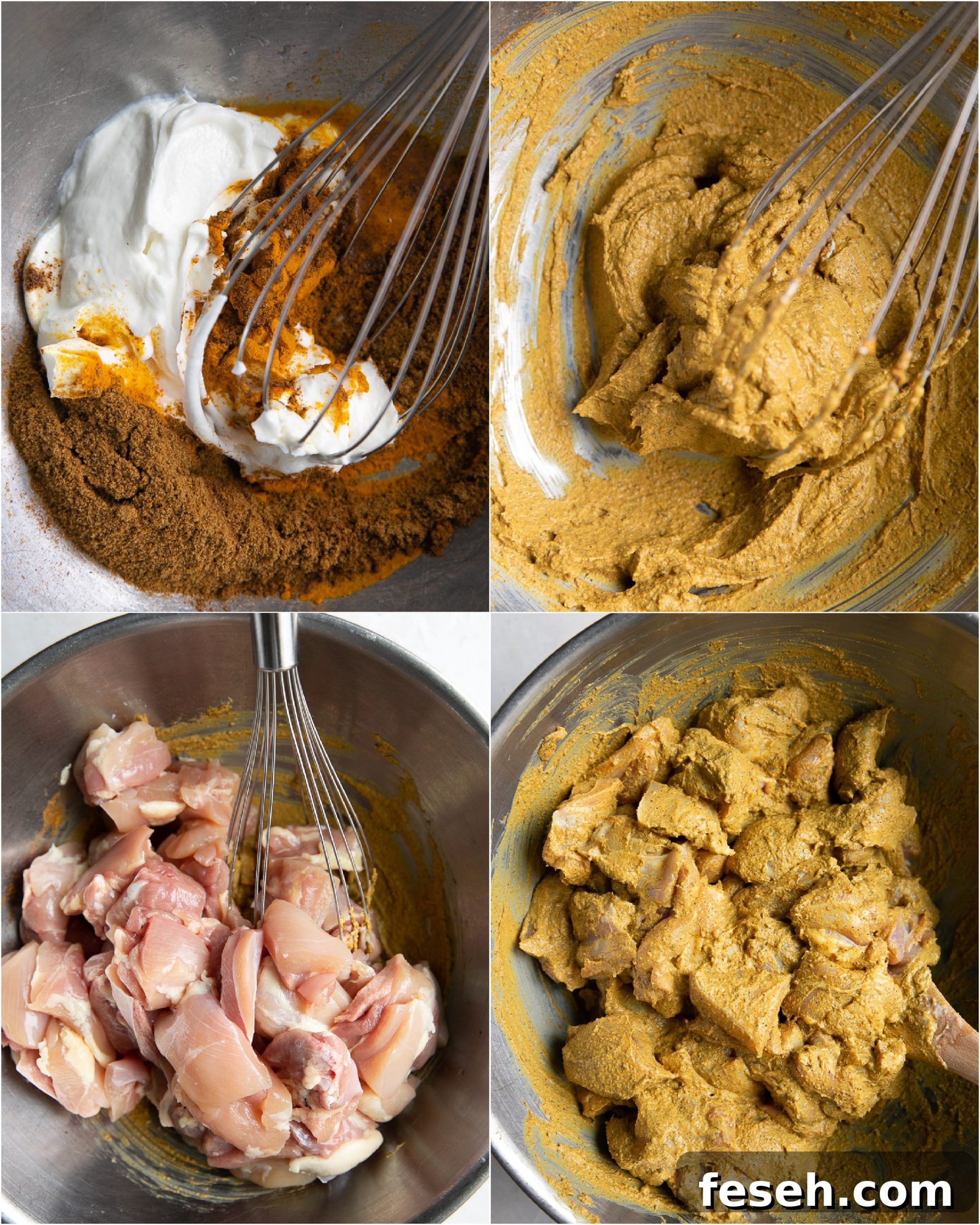
Cut the chicken into large chunks and mix with the yogurt, lemon juice, turmeric, garam masala, ground cumin, and salt. Cover and refrigerate for at least 2 hours, or up to three days. Even a short 30-minute marinate improves the flavor significantly.
2. Start the sauce:
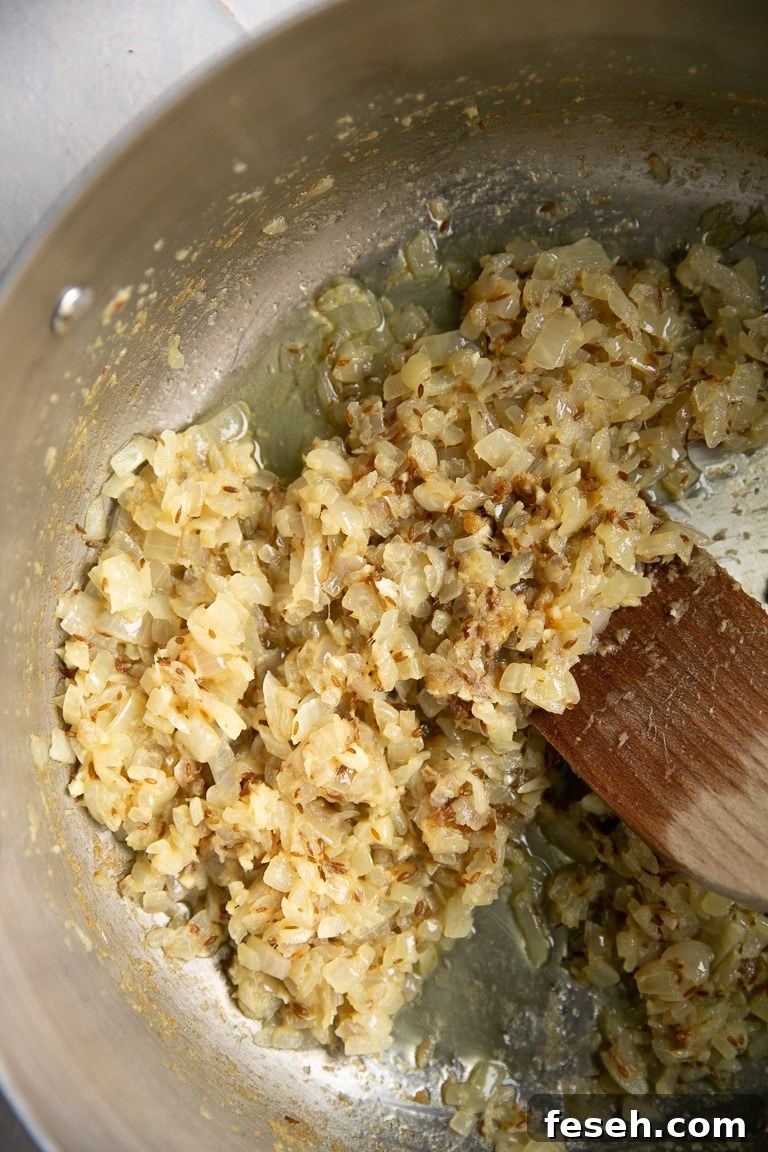
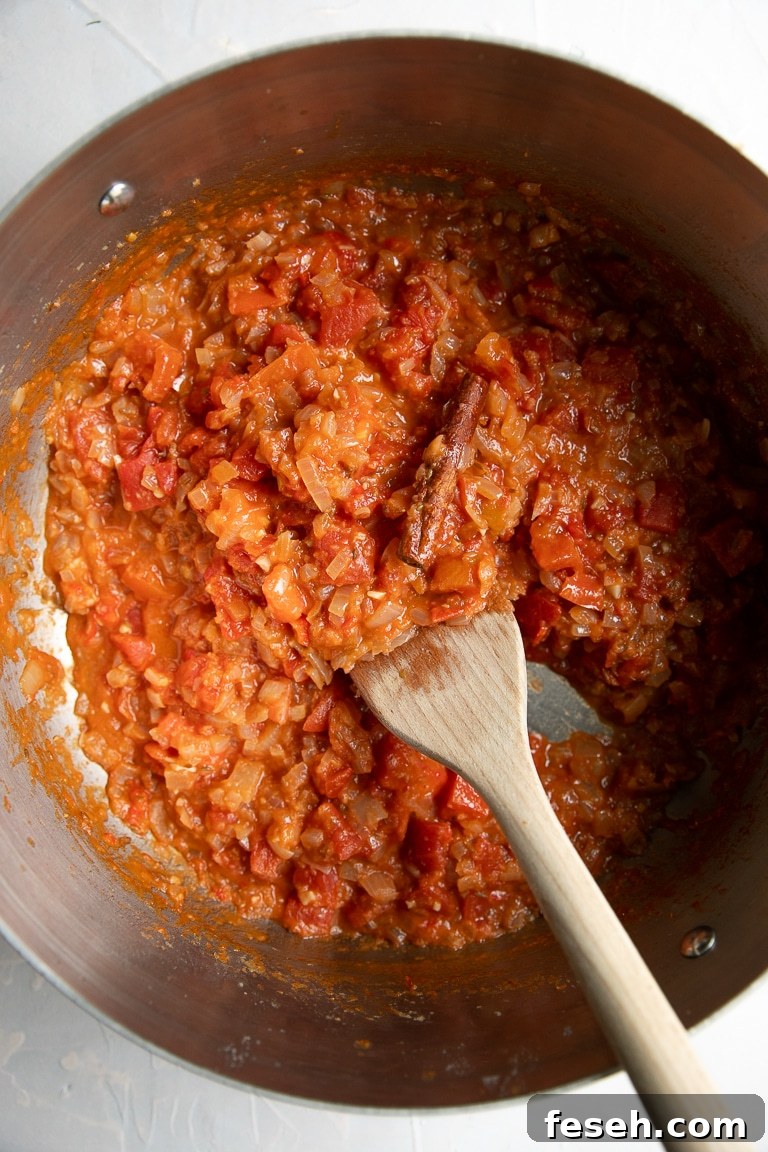
Heat oil and butter in a heavy-bottomed pot or Dutch oven over medium-high heat. Add finely diced onions and sauté until translucent and beginning to brown. Add garlic, ginger, and cumin seeds, cooking for a few minutes until aromatic. Stir in the cinnamon stick, diced tomatoes, red chili powder, and salt, then simmer over medium-low for about 10 minutes to break down the tomatoes.
Optional: For an ultra-smooth sauce, remove the cinnamon stick and blend the onion-tomato mixture until creamy, then return it to the pot. If you prefer a bit of texture, finely chop the ingredients and simmer until they soften.
3. Add the chicken and marinade:
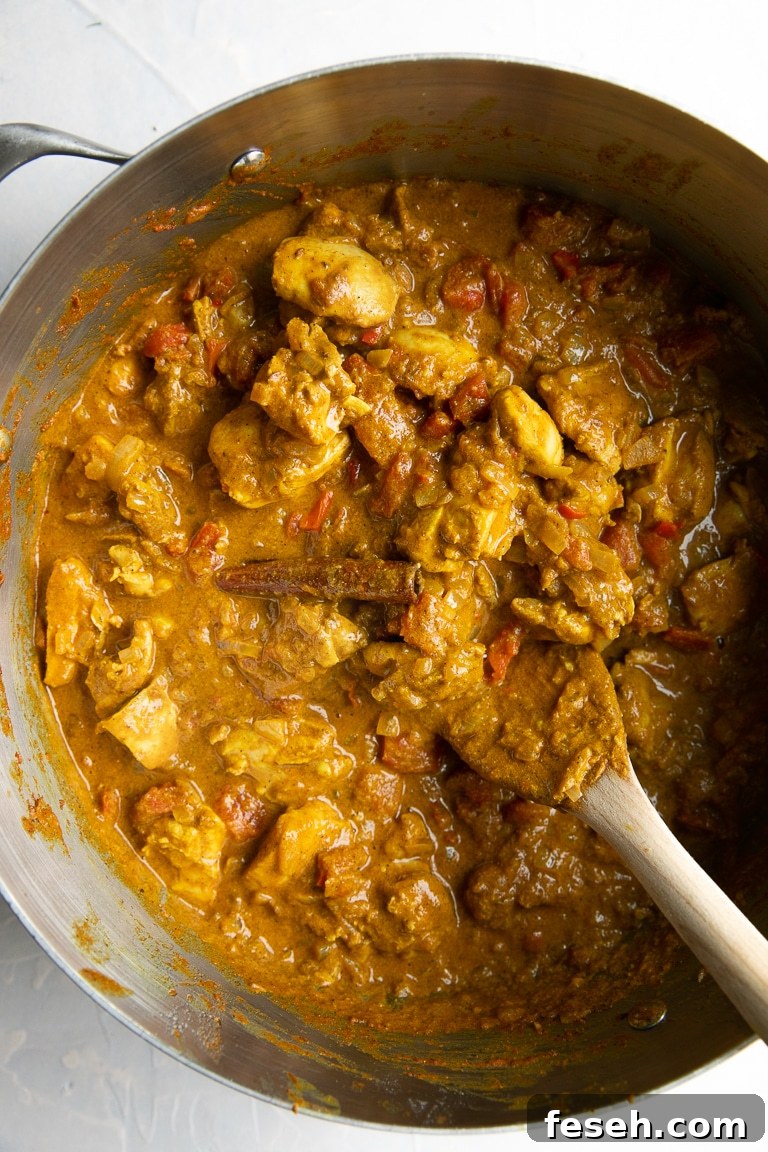
Raise heat to medium-high and add the marinated chicken and all of its marinade to the sauce. Cook for 8–10 minutes, stirring often, to brown the chicken slightly and meld flavors.
4. Finish and serve:
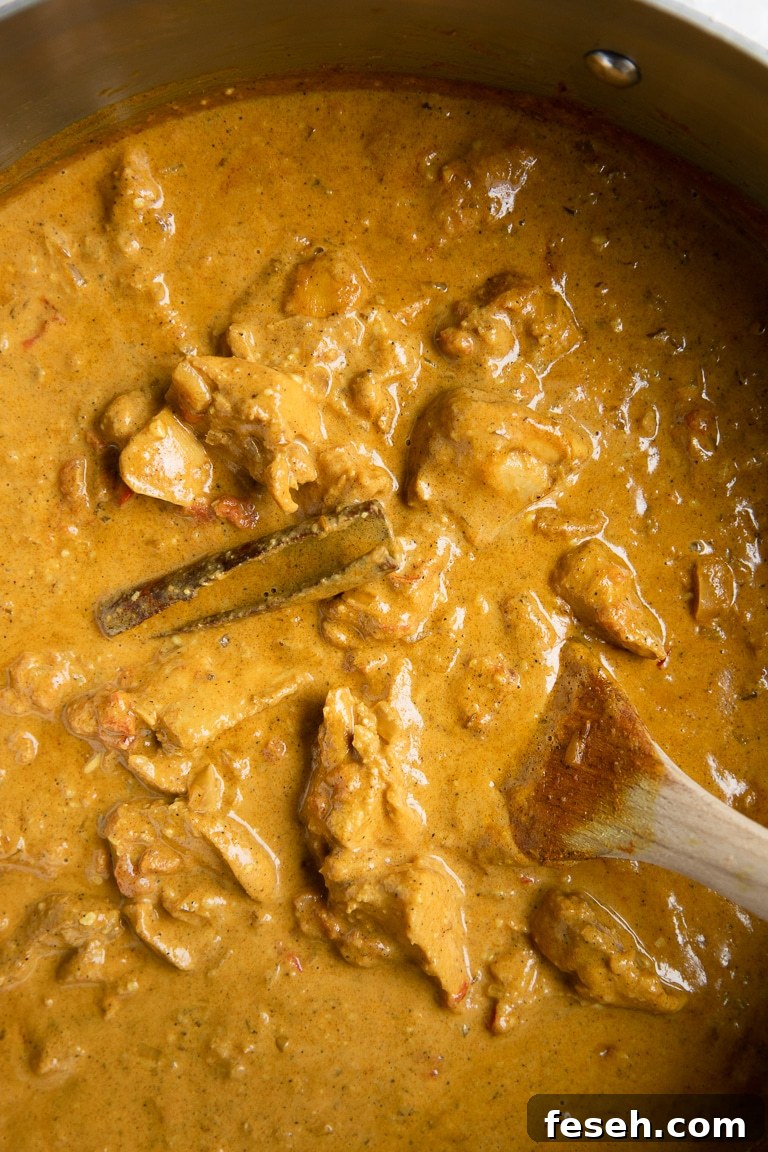
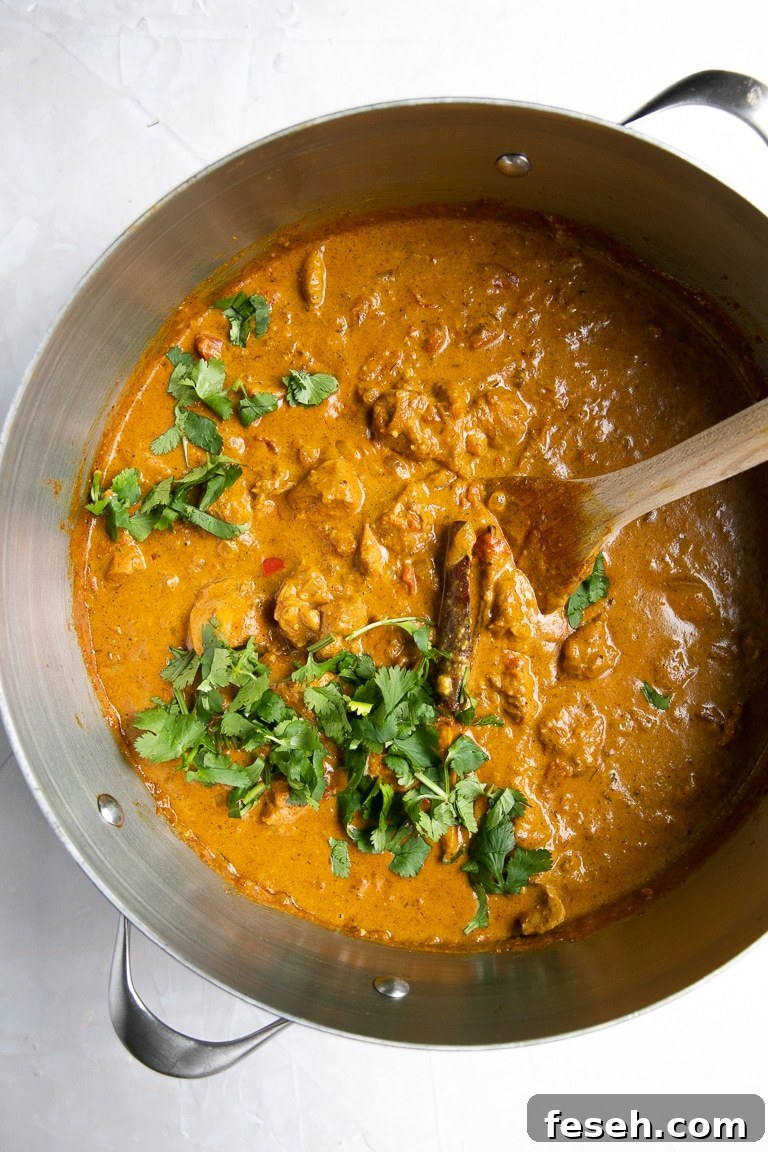
Stir in chicken broth and bring to a gentle boil, then reduce heat to low, cover, and simmer for 20 minutes. Remove the lid and simmer another 20–25 minutes until the sauce is thick and the chicken is tender. Stir in heavy cream, tomato paste, and ground cashews, and simmer 5–10 more minutes. Adjust seasoning with salt, pepper, or a pinch of cayenne if you like extra heat. Garnish with fresh cilantro before serving.
Frequently Asked Questions
Generally no. This recipe is mild; increase heat by adding cayenne or extra red chili powder if you prefer a spicier curry.
Yes, when prepared with the ingredients listed, this butter chicken is gluten-free.
You can substitute lamb, beef, mutton, cauliflower, or paneer for a different but equally delicious variation.
Storing, Freezing, and Reheating
- Storing: Refrigerate leftovers in an airtight container for up to 5 days.
- Freezing: Cool completely, then freeze in freezer-safe containers for up to 3 months.
- Reheating: Thaw overnight in the fridge if frozen, then reheat gently on the stovetop or in the microwave until heated through.
What to Serve with Butter Chicken
Butter chicken pairs beautifully with naan or chapati, steamed basmati rice, a simple cucumber salad, or lentil dishes like masoor dal. Finish the meal with a light dessert if you like.
More Chicken Recipes
- Spinach Artichoke Chicken
- Moroccan Chicken
- Gumbo
- Chicken Paprikash
- Buffalo Chicken Spaghetti Squash
- Chicken and Dumplings
- Crock Pot Buffalo Chicken Dip
- Harissa Chicken
Butter Chicken Recipe
 Jessica Randhawa
Comment
Print Recipe
Ingredients
Chicken and Marinade
- 3 pounds boneless skinless chicken thighs
- 2 cups plain full-fat Greek yogurt
- ½ lemon, juiced
- 2 tablespoons ground turmeric
- 2 tablespoons garam masala
- 2 tablespoons ground cumin
- 1 teaspoon salt
Curry
- 8 tablespoons butter (1 stick)
- 1 tablespoon vegetable or canola oil
- 2 yellow onions, diced
- 8 cloves garlic, minced
- 3 tablespoons fresh ginger, peeled and grated
- 1 tablespoon cumin seeds
- 1 cinnamon stick
- 1 (28 ounce) can diced tomatoes or tomato puree
- 1 teaspoon red chili powder
- 1 teaspoon salt, plus more to taste
- 1 cup low-sodium chicken stock
- 1.5 cups cream
- 2 tablespoons tomato paste
- ¼ cup ground cashews (optional)
- Fresh cilantro, to garnish
Instructions
For the Marinade
- Combine all marinade ingredients in a large bowl and whisk to combine. Add the chicken and coat well. Cover and refrigerate at least 2 hours or up to three days.
For the Curry
- Heat oil in a large pan or Dutch oven over medium-high heat. Add butter and let it melt, then add onions and sauté until translucent, about 4–5 minutes.
- Add garlic, ginger, and cumin seeds. Cook until the onions begin to brown, 3–5 minutes, stirring often.
- Add the cinnamon stick, tomatoes, red chili powder, and salt. Reduce heat to medium-low and simmer 5–10 minutes, stirring occasionally.
- Optional: Remove the cinnamon stick and blend the mixture until smooth, then return it to the pot.
- Increase heat to medium and add the marinated chicken and its marinade. Cook about 10 minutes, stirring frequently.
- Stir in chicken broth and bring to a gentle boil. Reduce heat to low and simmer 30–45 minutes, stirring occasionally.
- Stir in cream, tomato paste, and ground cashews. Simmer an additional 5–10 minutes. Season with salt and pepper and garnish with cilantro if desired.
Notes
Nutrition
Nutrition information is an estimate and should be used as a guide.