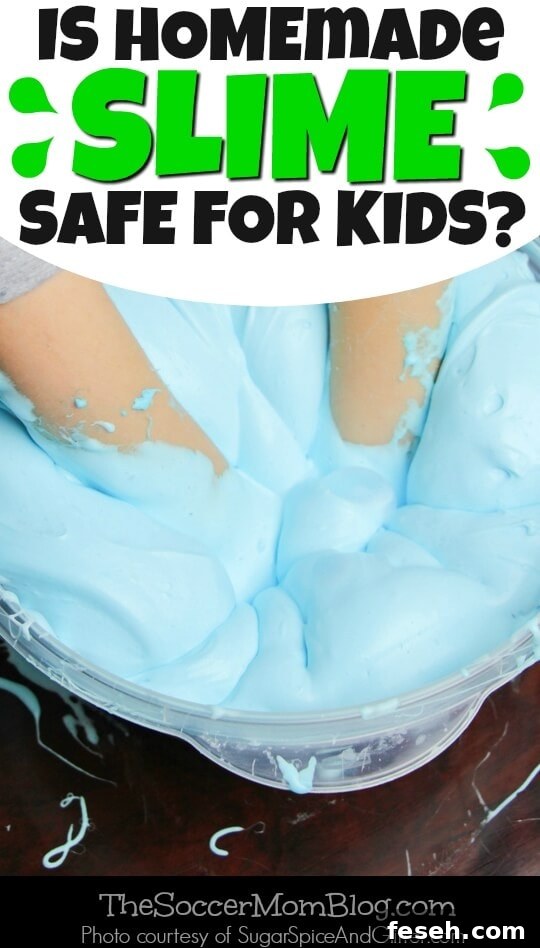
What’s inside: Four essential tips from slime experts on how to make slime safely and what you should know before you play.
How to Make Slime Safely
Slime has become a go-to activity for many families. As a parent of two young children, I see slime recipes all over social media, and it’s even affected store supplies—glue has been flying off shelves. At the same time, a number of posts have warned about potential issues like skin irritation, allergic reactions, or chemical burns, which can be alarming.
So, is slime actually dangerous? In most cases, no—if you follow safe practices. I’ve learned a lot from trusted kid bloggers and parent-scientists who have been making slime safely for years. With a few precautions, you can keep slime a fun and educational activity without unnecessary risk. Below are four important tips from experts to help you make and enjoy slime safely.
4 Important Tips to Make Slime Safely
- Follow recipes exactly – Many slime recipes rely on specific chemical reactions. Substituting ingredients can alter those reactions and produce unexpected results, including substances that may irritate skin or be unsafe. Even swapping one type of glue for another or changing an activator can make a difference. Use recipes that clearly list ingredients and proportions.
- Use trusted sources – Stick to blogs, websites, or creators you know and trust. Be cautious about random online videos or unfamiliar sites; anyone can post a tutorial, but not every source understands safety or chemistry behind the recipe. Choose creators who explain ingredients and safety precautions.
- Limit exposure and wash hands thoroughly – Many common products are safe for brief contact but can irritate skin if left on too long. Encourage short play sessions, and wash hands and any exposed skin promptly after playing. If irritation develops, discontinue use and rinse the area with water.
- Always supervise – Supervision is important for all ages. Even non-toxic or “safe” slimes can form large sticky clumps that could pose a choking risk for young children. Keep slime play at a supervised table and store slime out of reach of toddlers and babies.
With these precautions, slime can remain a fun sensory and STEM activity. For very young children, consider slime alternatives made from edible or food-safe ingredients. Recently my family tried an edible, color-changing Silly Putty that was both entertaining and worry-free—great for little ones who still put things in their mouths.
Safe Slime Recipe Collections

Master List of Edible Slime Recipes for Kids
Slime is a hands-on way to explore science and textures, and kids genuinely love it. You don’t need to avoid slime entirely—just take sensible steps: choose reliable recipes, follow them exactly, supervise play, and prioritize hand washing. Those simple measures help ensure slime stays a safe, creative experience for the whole family.
Want More Slime?
Explore a comprehensive collection of slime recipes in a dedicated book that features dozens of unique ideas for hours of play.
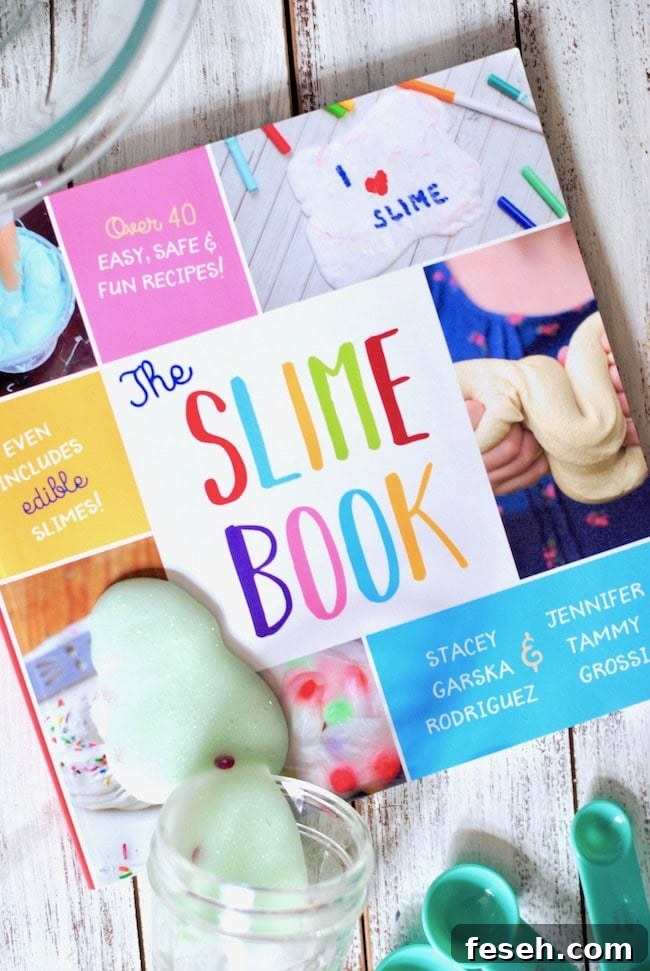
This book includes seasonal and holiday-themed slimes, glow-in-the-dark options, and 43 unique recipes—many newly created and never published before. With clear instructions and a focus on safety, it’s a helpful resource for parents and educators who want reliable slime projects.
With a little preparation and common sense, slime can be a safe, enjoyable, and educational activity for kids of many ages.