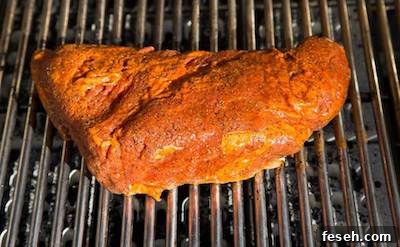
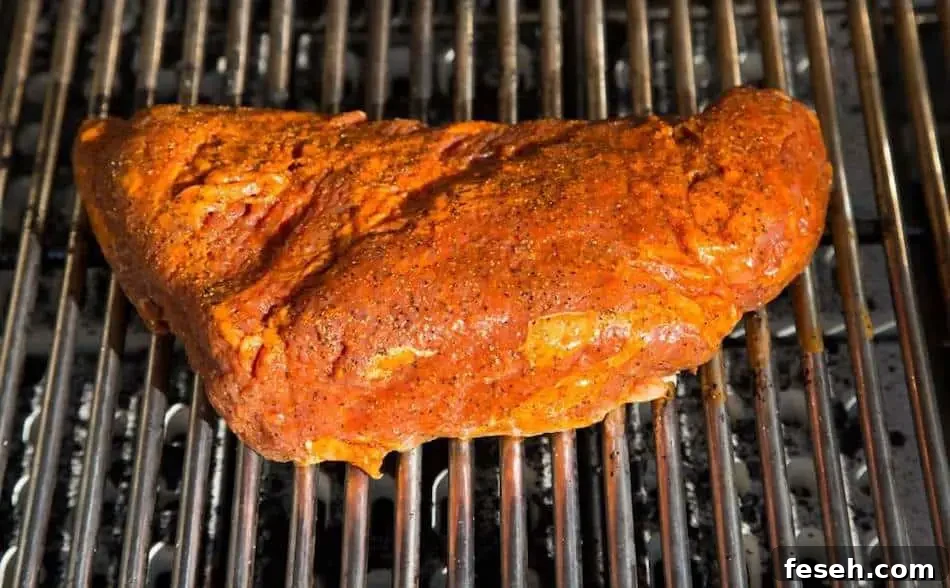
Tri-tip was once a regional specialty on the U.S. West Coast, but its popularity has spread widely. Smoking tri-tip is different from smoking large, fatty cuts like brisket; it requires a specific approach to protect its leanness and highlight its beefy flavor. Below you’ll find practical guidance from experienced pitmasters on selecting, trimming, seasoning, smoking, and finishing tri-tip so you get tender, flavorful results.
Set your smoker between 225°F and 300°F and smoke the tri-tip until the internal temperature reaches about 115°F–125°F. Finish with a reverse sear until the interior reaches 130°F for rare or 140°F for medium rare, then rest for 10 minutes. Expect roughly 1.5 hours total cook time. Apply a beef-friendly rub beforehand and use a smoking wood that complements beef—hickory, pecan, oak, or cherry work well.
Key Points
- Tri-tip is a triangular cut from the bottom sirloin, typically around 5 pounds.
- Originally popular in southern California, it’s now common in the wider barbecue community.
- Because it’s lean, tri-tip needs a different approach than fattier roasts like brisket.
- Smoke between 225°F and 300°F until the internal temperature reaches 115°F–125°F.
- Finish with a reverse sear to 130°F for rare or 140°F for medium rare, then rest.
- Rest the meat for at least 10 minutes; up to 30 minutes wrapped in foil if desired.
- Plan on about 1.5 hours on average, depending on smoker temperature and roast size.
- Use a beef rub and pair with smoking woods such as hickory, pecan, oak, or cherry.
How to Prepare Tri-Tip
| Preparation Step | Description |
|---|---|
| Leave 1/4 inch of fat | Keep about 1/4 inch of fat on the underside to protect the meat and help retain moisture during cooking. |
| Trim excess fat | Remove any thick, hard-to-render fat so it doesn’t remain chewy after cooking. |
| Season with beef rub | Use a beef-focused rub or a simple salt-and-pepper seasoning to enhance the meat’s natural flavor. |
Tri-Tip Reverse Seared: Step-by-Step
| Cooking Step | Description |
|---|---|
| Set up smoker | Arrange the smoker for indirect heat and bring it to 225°F for low-and-slow or 275°F for a faster cook. |
| Choose smoking wood | Select a wood that pairs with beef: hickory, pecan, cherry, oak, or a mild fruitwood. |
| Insert meat thermometer | Place the chilled, seasoned tri-tip on the grill and probe the thickest part with a thermometer. |
| Cook to internal temperature of 115°F | Smoke until the internal temperature reaches about 115°F–125°F (often around 1.5 hours at 225°F). |
| Reverse sear | Move the tri-tip to high heat and sear 3–4 minutes per side until you reach your final target temperature. |
| Rest | Rest for 10 minutes uncovered or wrap in foil and rest up to 30 minutes to let juices redistribute. |
| Carve | Slice across the grain to maximize tenderness and serve thinly. |
What is Tri-Tip?
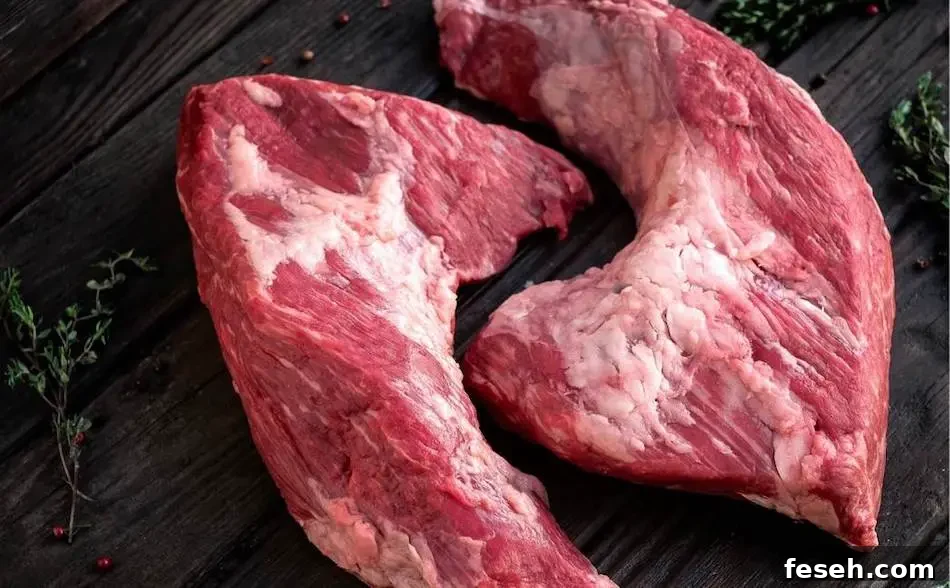
Tri-tip is a triangular roast cut from the bottom sirloin, generally weighing around five pounds. It sits between a thick steak and a small roast in size and texture. Unlike brisket or pork shoulder, tri-tip was not traditionally used for long roasting, which explains why it cooks differently and benefits from shorter cook times or reverse searing to preserve juiciness.
- Tri-tip comes from the bottom sirloin and is a hallmark of Santa Maria-style barbecue. Once regional, it’s now enjoyed across the country for its beefy flavor and versatility.
- It’s typically sliced thin against the grain and served as main meat or in sandwiches with classic sides like baked beans, coleslaw, or potato salad.
- Common cooking methods include indirect grilling, smoking, oven roasting, or stovetop techniques. Seasoning is usually a dry rub or a simple salt-and-pepper mix.
- The cut is relatively lean with moderate marbling; how you cook it determines tenderness and texture.
- Overcooking can dry tri-tip out, so a good meat thermometer and careful timing are essential.
- Pitmasters use varied approaches—from low-and-slow smoking to faster, higher-temperature cooks—depending on the desired result.
Alternative Cooking Methods
| Method | Temperature | Cooking Time |
|---|---|---|
| Convection/Roast | 325°F | 45 minutes to 1 hour |
| Hot Roast | 400°F | 30–40 minutes |
| Grilled | High heat | 15–20 minutes or until internal 115–120°F before sear |
Ask Your Butcher About Tri-Tip
Tri-tip is now commonly available at many butcher shops and grocery stores, though availability varies by region. If you can’t find it, ask your butcher for a custom cut from the bottom sirloin. They can trim it and advise on size and fat cap to match your intended cooking method.
How To Prepare Tri Tip For Smoking
Leave about 1/4 inch of fat on the underside to help protect the meat and keep it moist during the cook, but trim any thick, hard-to-render pieces. Remove the meat from the refrigerator an hour before cooking so it comes closer to room temperature—this helps it cook more evenly and allows the rub to adhere better.
- Competition pitmasters recommend leaving a thin fat cap—roughly a quarter inch—while trimming thicker sections that won’t render.
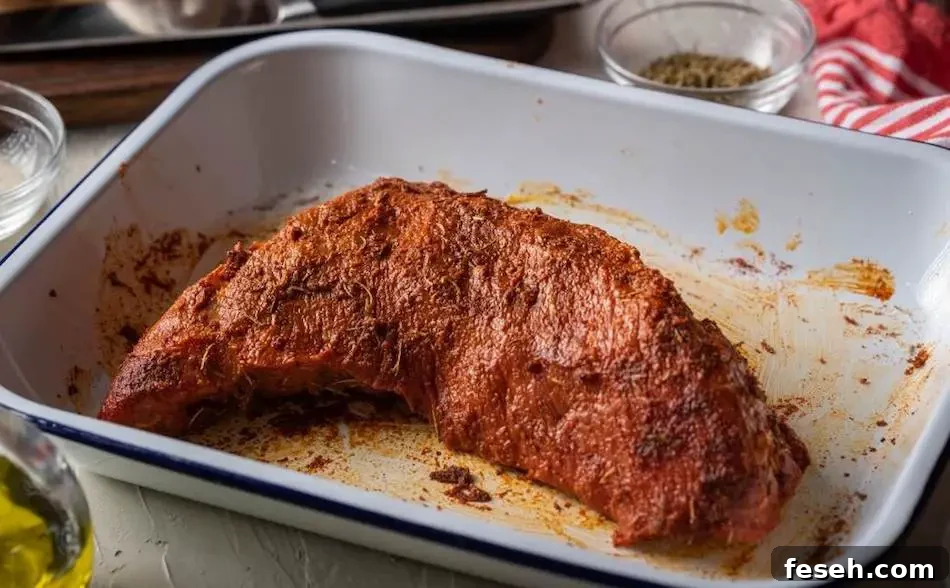
Apply your rub by massaging it into the surface; you can use a binder like mustard or olive oil to help the rub stick, though this is optional.
The Best Rub and Seasoning for Tri-Tip
Keep seasoning simple and beef-forward. Avoid overly sweet rubs that can mask the meat’s flavor; a classic combination of kosher salt and coarse black pepper is often all you need. For more complexity, add small amounts of brown sugar, garlic powder, onion powder, and paprika.
Many pitmasters prefer a straightforward beef rub: kosher salt, black pepper, and a touch of brown sugar, with optional garlic and onion powder for depth.
Homemade Rub Recipe
Use this basic rub as a guideline—adjust to taste.
- Paprika – ½ cup
- Kosher Salt – ½ cup
- Brown Sugar – ½ cup
- Garlic Powder – ½ cup
- Onion Powder – ¼ cup
- Chili Powder – ¼ cup
- Cumin – ¼ cup
- Black Pepper – 2 tablespoons
Careful When Using Store-Bought Rubs
Many pre-made rubs are high in salt. If you also dry-brine or pre-salt the meat, you risk over-salting. Choose lower-salt blends or make your own rub to control seasoning levels.
The Ideal Temperature to Cook Tri-Tip
Pitmasters typically smoke tri-tip between 225°F and 300°F. Lower temps infuse more smoke and take longer; higher temps shorten the cook and suit lean cuts better. Because tri-tip is lean, it benefits from shorter cooks at moderate heat to avoid drying out. Always use a reliable meat thermometer to track internal temperature.
| Temperature | Time | Notes |
|---|---|---|
| 225°F | 1.5 – 2 hours | Smoke to about 115°F internal, then reverse sear 3–4 minutes per side. |
| 325°F | Under 1 hour | Flip every 15 minutes. Reverse sear when internal reaches ~115°F and finish to 130–140°F. |
Cooking Times for Tri-Tip
On average, smoking plus reverse searing a tri-tip takes about 2 hours. Expect roughly 1.5 hours to reach 115°F during smoking, then 3–4 minutes per side to sear. Rest 10 minutes before slicing, or up to 30 minutes wrapped in foil. Times vary with smoker temperature and roast size.
| Temperature | Time | Notes |
|---|---|---|
| 225°F | 1.5 – 2 hours | Monitor internal temp and remove at 115°F, then reverse sear. |
| 325°F | Under 1 hour | Flip often; reverse sear when internal hits 115°F and finish to desired doneness. |
Tri Tip Done Temperature
Tri-tip is best served rare to medium-rare. Remove from heat when the internal temperature reaches 130°F for rare or 140°F for medium-rare. Going beyond that risks drying the lean meat. Use an accurate thermometer to avoid overcooking—barbecue is done by temperature, not just time.
How Long Does it Take to Cook Tri-Tip?
| Method | Weight | Temperature | Time | Notes |
|---|---|---|---|---|
| Smoking | 2–3 lbs | 225°F | 1.5 – 2 hours | Smoke to 115°F internal, then sear 3–4 minutes per side. |
| Smoking | 3–4 lbs | 225°F | 2–3 hours | Monitor internal temp and finish with sear. |
| Smoking | 4–5 lbs | 225°F | 3–4 hours | Check internal temp and finish by searing. |
| Reverse searing | 2–3 lbs | 400°F | 15–20 minutes | Sear 3–4 minutes per side, then reduce heat and cook to 115°F if finishing low. |
The Reverse Sear Method for Tri-Tip
Reverse searing is a favored method: smoke to about 115°F, then finish on a very hot grill or pan to develop a caramelized crust while bringing the interior to your target temperature. This technique combines smoky flavor with a crisp exterior and is widely used by competition pitmasters for predictable results.
Patience during the low-temperature phase and a quick, intense sear at the end are the keys to success.
Do You Need To Flip Tri Tip?
For cooks around 300°F, flip every 15 minutes for even cooking. At 225°F, one flip is usually sufficient. Rotate or flip as needed if your smoker has hot spots or a directional heat source. Keep the tri-tip in the cooler zone away from direct flame to prevent charring.
Do You Smoke Tri Tip Fat Side Up Or Down?
Position the fat cap toward the heat source to help insulate the meat: fat side down if the fire is below, fat side up if the heat comes from above. Some pitmasters prefer the fat away from heat to encourage a firmer bark while placing trimmings above so rendered fat drips down and bastes the meat.
Do You Wrap Tri-Tip in Foil?
Tri-tip usually doesn’t need foil during the cook because it’s a relatively short smoking session and benefits from smoke exposure. Many pitmasters do wrap the roast after cooking to rest it—foil helps retain juices and allows the meat to reabsorb moisture during a 10–30 minute rest.
How To Slice Tri-Tip
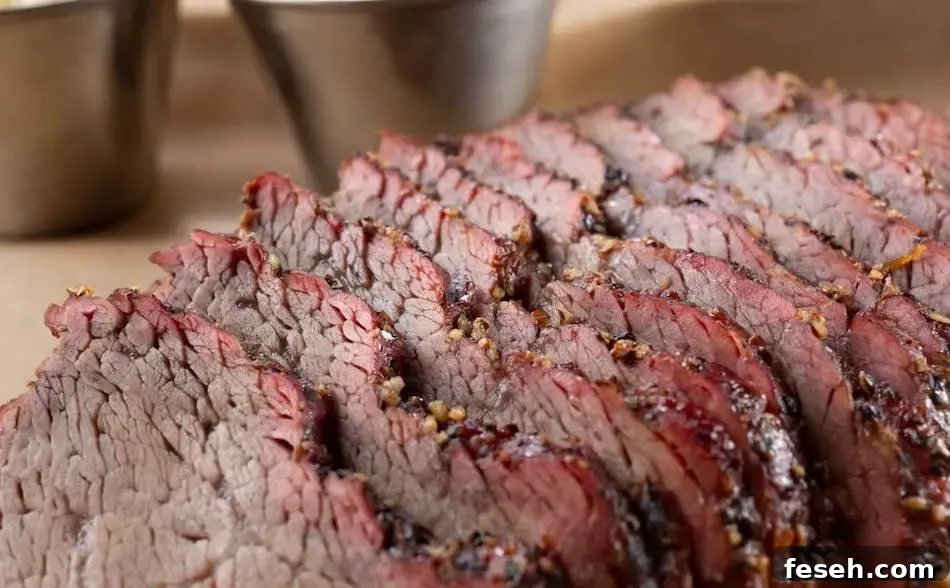
Always slice tri-tip against the grain to shorten muscle fibers and maximize tenderness. Let the meat rest 10–15 minutes first so juices redistribute. Identify the grain direction and cut perpendicular to it into thin, even slices for the best texture.
Tri Tip vs Brisket
Brisket and tri-tip come from very different muscles: brisket is from the forequarter and is rich in intramuscular fat and connective tissue, while tri-tip is a lean cut from the hindquarter. Brisket thrives on long, low cooking to break down collagen into gelatin; tri-tip, being leaner, benefits from faster, hotter cooking and shorter smoke times to avoid drying out.
Dry Brine Tri Tip for Extra Flavor and Moisture
Dry brining—rubbing kosher salt on the meat and letting it rest in the refrigerator for a few hours or overnight—enhances flavor and helps retain moisture. Apply salt and any seasonings evenly, then chill to allow the salt to penetrate and tenderize the surface.
The Best Wood to Flavor Tri-Tip
- Pick woods that complement beef: hickory and oak give stronger smoke, pecan and cherry provide milder, sweeter notes, and apple offers a light fruitiness. Match the wood to your cook time and desired intensity.
Use bolder woods like hickory or mesquite for shorter cooks to add depth; choose milder fruitwoods for longer smokers so the smoke doesn’t overpower the meat.
| Wood | Flavor Profile |
|---|---|
| Hickory | Strong, smoky |
| Pecan | Sweet, nutty |
| Cherry | Mild, sweet |
| Oak | Robust, smoky |
| Apple | Mild, fruity |
| Mesquite | Bold, intense |
Smoked Tri-Tip
10 minutes
2 hours
30 minutes
2 hours 40 minutes
Ingredients
- Your favorite beef rub or make your own with the following:
- Paprika – ½ Cup
- Kosher Salt – ½ Cup
- Brown Sugar – ½ Cup
- Garlic Powder – ½ Cup
- Onion Powder – ¼ Cup
- Chilli Powder – ¼ Cup
- Cumin – ¼ Cup
- Black Pepper – 2 Tablespoons
Instructions
1. Season the tri-tip with a beef rub.
2. Set your smoker for indirect cooking and heat to 225°F, or 275°F for a faster cook.
3. Use a smoking wood that complements beef, such as hickory, pecan, cherry, or oak.
4. Place the chilled tri-tip on the grill and insert a meat thermometer into the thickest part.
5. Smoke until the internal temperature reaches about 115°F (often around 1.5 hours at 225°F).
6. Remove the tri-tip from the smoker once it reaches the target pre-sear temperature.
7. Reverse sear over high heat for 3–4 minutes per side until the interior reaches 130°F–140°F depending on desired doneness.
8. Rest the tri-tip at least 10 minutes, or wrap in foil and rest up to 30 minutes before slicing.
9. Carve across the grain into thin slices for maximum tenderness.
Recommended Tools
Reliable thermometers and quality tools make a big difference. A multi-probe wireless thermometer helps monitor both smoker and meat, and a fast instant-read thermometer is essential during the finishing stage. For resting, use foil or butcher paper as needed. These tools are widely recommended by backyard and competition cooks alike.