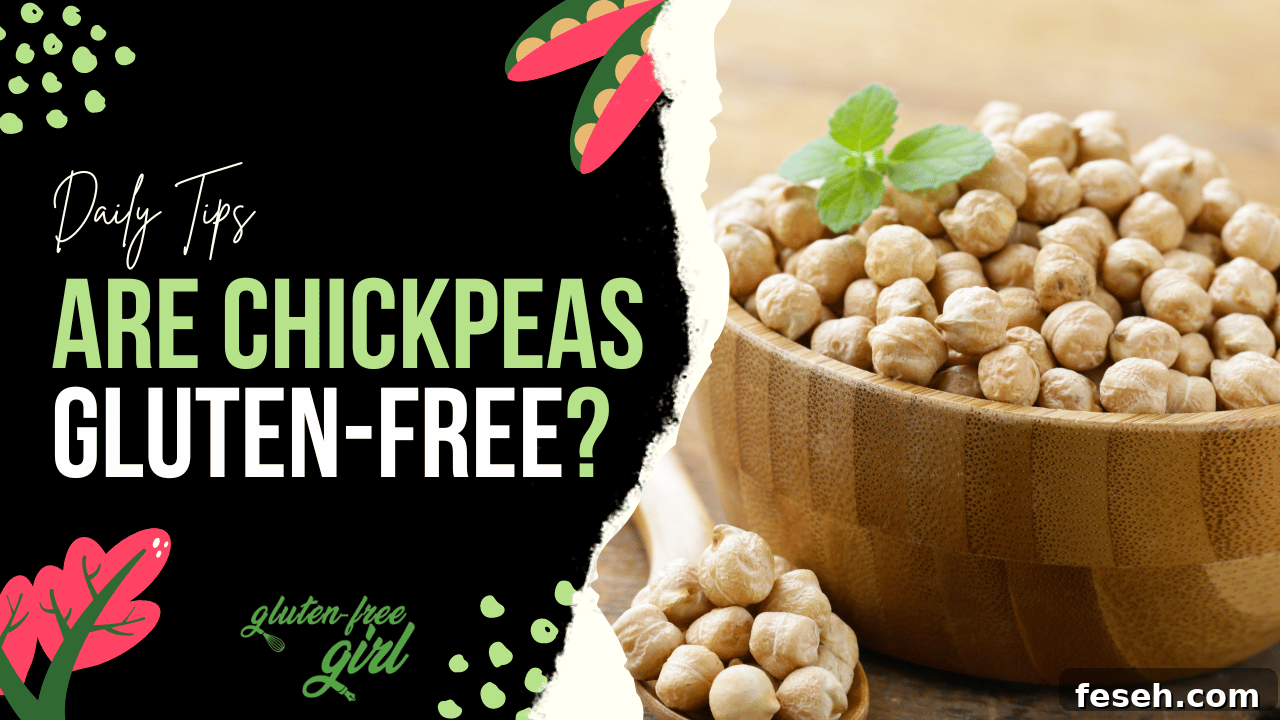
Yes, chickpeas are gluten-free. As a legume, chickpeas contain no gluten and are a nutritious option for people with celiac disease or non-celiac gluten sensitivity. However, caution is needed with chickpea-based products—such as hummus, falafel, or snacks—because some are processed in facilities that handle wheat, barley, or rye and may be cross-contaminated. Always check product labels for a “gluten-free” designation or contact the manufacturer if you need confirmation about manufacturing practices.
Chickpeas (also called garbanzo beans or cici beans) are the seeds of Cicer arietinum. No matter the common name, they are naturally free of the gluten proteins found in grains like wheat, barley, and rye. That botanical difference — legume versus grain — explains why chickpeas are a safe staple for gluten-free diets when they are not cross-contaminated.
Because chickpeas are unrelated to gluten-containing cereals, scientific and nutritional evidence supports their safety for those avoiding gluten. Still, the risk of cross-contact during harvesting, processing, packaging, or in shared kitchens means individuals should remain vigilant when choosing processed or prepared chickpea foods.
The fact that chickpeas are legumes rather than grains makes them particularly valuable in gluten-free meal planning. They provide carbohydrates, fiber, and plant-based protein to help diversify diets that might otherwise rely heavily on gluten-free grains. For people managing celiac disease or gluten sensitivity, chickpeas can help meet nutritional needs without sacrificing variety.
Maintaining a gluten-free diet is essential for people with celiac disease, an autoimmune condition that damages the small intestine when gluten is consumed. Avoiding gluten reduces inflammation and supports intestinal healing. Replacing gluten-containing foods with naturally gluten-free options like chickpeas is a practical way to lower dietary gluten exposure and support overall health.
Research into celiac disease has clarified its genetic and immune mechanisms. Leading researchers have characterized it as a systemic, immune-mediated disorder triggered by gluten intake in genetically predisposed individuals. This understanding has helped guide dietary recommendations and the development of gluten-free food standards.
Chickpeas are also a common ingredient in Mediterranean-style diets, which emphasize whole, minimally processed foods. In that culinary context, chickpeas appear in salads, stews, dips like hummus, and many other dishes, providing a naturally gluten-free source of protein and fiber that aligns with the diet’s health benefits.
Can a Patient with Celiac Eat Chickpeas?
Yes. People with celiac disease can safely eat plain chickpeas. Since chickpeas do not contain gluten, they do not trigger the immune reactions associated with celiac disease. The primary concern remains cross-contact with gluten during processing or preparation, so patients should choose certified gluten-free products or prepare chickpeas in a controlled, gluten-free environment.
What Gluten-Free Recipes can You Prepare with Chickpeas?
Chickpeas are versatile in gluten-free cooking. Examples of gluten-free recipes using chickpeas include:
- Almond Chickpea Cookies: Cookies made with chickpea flour and almond flavor for a nutty, protein-rich treat.
- Chickpea Salad: A refreshing mix of chickpeas, fresh vegetables, and a lemony vinaigrette.
- Almond Chickpea Cake: A moist gluten-free cake using chickpea flour and almond for aroma and texture.
- Almond Butter and Chickpea Smoothie: A creamy, high-protein smoothie featuring chickpeas, almond butter, banana, and plant milk.
- Chickpea Curry: A rich, spiced curry where chickpeas provide body and protein; use gluten-free thickeners if needed.
- Chickpea Snack Bars: No-bake bars combining chickpeas, almond butter, and nuts for a portable snack.
- Chickpea Almond Meal Pancakes: Pancakes made with chickpea flour and almond meal for a gluten-free breakfast option.
When using recipes from other sources, always verify that any additional ingredients are gluten-free.
What are Chickpea Recipes for Kids for their Gluten-Free Diet?
Kid-friendly chickpea recipes that work well in gluten-free diets include:
- Chickpea Nuggets: Baked or air-fried nuggets made with mashed chickpeas and gluten-free breadcrumbs.
- Chickpea and Veggie Quesadillas: Use corn tortillas filled with mashed chickpeas, vegetables, and dairy or dairy-free cheese.
- Chickpea Pasta Salad: Combine gluten-free chickpea pasta with colorful vegetables and a mild dressing.
- Chickpea Pizza: Make a crust with chickpea flour or a certified gluten-free crust mix and let kids add their favorite toppings.
- Chickpea Chocolate Chip Cookies: Soft cookies made with chickpea flour for added protein and fiber.
- Chickpea Peanut Butter Bars: No-bake bars with peanut butter, honey, gluten-free oats, and mashed chickpeas.
- Chickpea Popsicles: Blend chickpeas with fruit and dairy-free yogurt for creamy, nutritious frozen treats.
- Chickpea Smoothies: Add cooked chickpeas to fruit smoothies to boost protein and fiber without a strong bean flavor.
Are Chickpeas Dairy-Free?
Yes. Chickpeas are naturally dairy-free and contain no casein or lactose, making them suitable for people with lactose intolerance or dairy allergies. They are a useful dairy-free protein source in gluten-free diets and can be used to create dairy-free alternatives such as chickpea-based yogurts, smoothies, and baked goods.
How to Maintain Gluten-Free Status with Chickpeas?
To keep chickpea dishes truly gluten-free, follow these guidelines:
- Choose products labeled or certified gluten-free to reduce the risk of cross-contamination.
- Read ingredient lists carefully and avoid products that mention wheat, barley, rye, or malt.
- Use separate utensils, cookware, and storage to prevent cross-contact with gluten-containing foods.
- Store chickpeas and chickpea flours in sealed containers away from gluten-containing ingredients.
- Avoid bulk bins where cross-contamination is more likely; prefer sealed, pre-packaged items.
- Ask restaurants about their gluten-free practices and cross-contact prevention if dining out.
Do Chickpea-Based Pastries Typically Contain Gluten?
Chickpea-based pastries do not typically contain gluten if they are made with chickpea flour or other gluten-free flours. Still, some pastries may include gluten-containing fillings, sauces, or coatings, or be produced in shared facilities. Always read labels and look for a gluten-free claim to confirm the product is safe.
Are Commercial Chickpeas Free from Gluten?
Yes, commercially packaged plain chickpeas (canned or dried) are generally gluten-free. Many manufacturers take precautions to prevent cross-contamination and label products accordingly. However, flavored or seasoned varieties may contain gluten ingredients, so check labels and prefer certified gluten-free products if you have celiac disease or severe sensitivity.
Does Chickpea-Based Ice Cream Usually Have Gluten?
Chickpea-based ice cream is usually gluten-free when made with gluten-free ingredients. As with other products, check the ingredient list and labeling for any gluten-containing additives or a gluten-free certification, and be mindful of cross-contamination in shared facilities.
Are Alcoholic Beverages with Chickpea Flavoring Gluten-Free?
Alcoholic beverages flavored with chickpeas are typically gluten-free because chickpeas themselves contain no gluten. Still, production methods and added ingredients vary, so read labels and verify manufacturing information if gluten avoidance is necessary.
What Steps can Prevent Gluten Contamination in Chickpea Recipes?
Preventing gluten contamination requires consistent practices: use dedicated utensils and equipment for gluten-free cooking, read ingredient labels carefully, choose certified gluten-free chickpea products, and educate household members or food-service staff about cross-contact risks. Shared appliances, bulk bins, and mixed-use kitchens are common sources of accidental contamination, so avoid them when possible.
Are Gluten-Free Ingredients Common in Chickpea Desserts?
Yes. Chickpeas are a popular base for gluten-free desserts, but success depends on ensuring all additional ingredients—flavorings, coatings, and thickeners—are gluten-free. Many commercial brands now label chickpea-based snacks and sweets as gluten-free, and using certified gluten-free ingredients at home helps maintain safety.
Is Gluten Present in Chickpea Yogurt?
No, plain chickpea yogurt made from chickpeas is typically gluten-free. Always check labels for added thickeners, flavors, or fillers that might contain gluten, and choose products labeled gluten-free when in doubt.
Do Baked Goods with Chickpeas Often Include Gluten?
Baked goods made with chickpea flour or whole chickpeas can be gluten-free, but verify that all other ingredients are gluten-free and that the product was prepared without cross-contact. Many gluten-free bakers use chickpea flour along with other gluten-free flours to create breads, muffins, and cookies labeled for gluten-free diets.
Is Gluten a Common Ingredient in Chickpea Cake?
No. Chickpea-based cakes are commonly made gluten-free using chickpea flour combined with other gluten-free flours. Still, confirm that any added ingredients or processing steps do not introduce gluten and look for explicit gluten-free labeling when necessary.
Are All Chickpea Food Products, Including Chickpea Popcorn, Gluten-Free?
Most chickpea-based snack products, including roasted chickpea “popcorn” and similar items, are gluten-free by nature. But some flavored varieties may include gluten-containing seasonings or coatings. Check ingredient lists and look for gluten-free certification to ensure safety for people with celiac disease or gluten sensitivity.