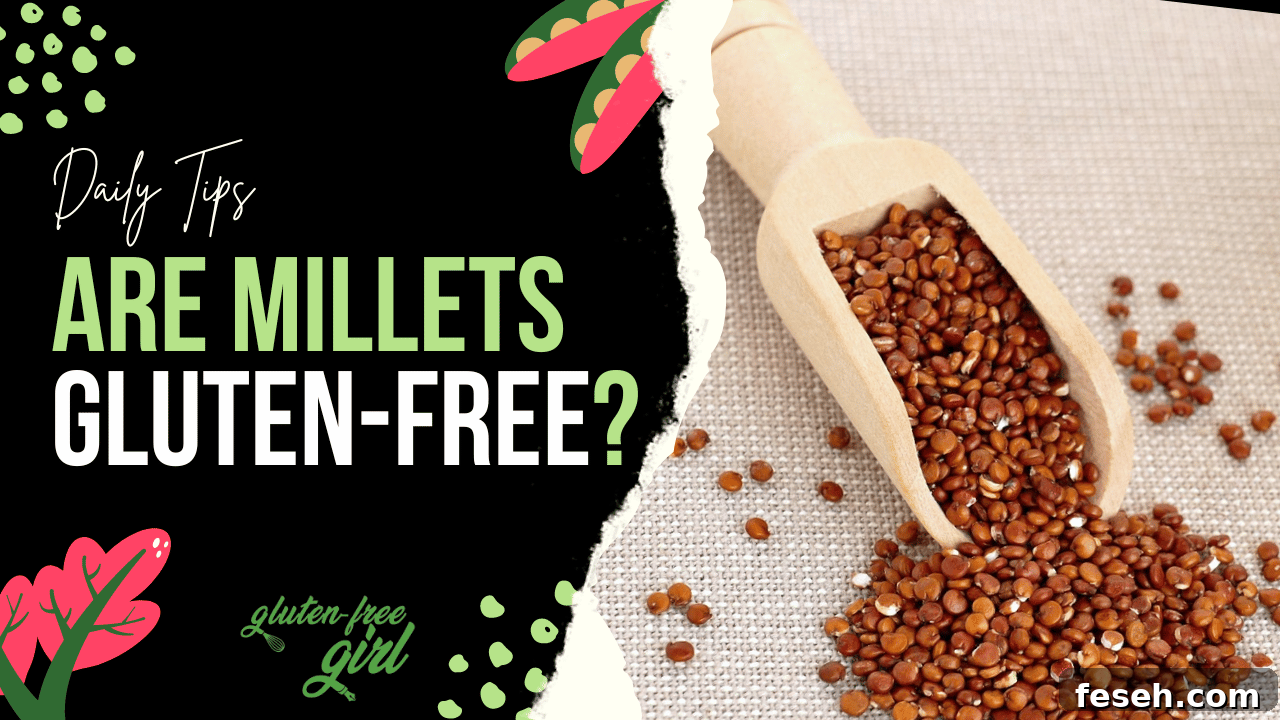
Yes, millets are gluten-free. Millets are ancient small-seeded grains cultivated for thousands of years and remain a staple in many cultures worldwide. Because they lack the gluten proteins found in wheat, barley, and rye, millets are suitable for people with celiac disease or non-celiac gluten sensitivity. Gluten is the protein complex in certain grains that triggers immune reactions and intestinal damage in those with celiac disease.
Multiple studies and protein analyses confirm that millets do not contain gluten. Unlike wheat, barley, and rye, millet lacks the specific proteins that provoke celiac reactions, making it a safe and nutritious choice for a gluten-free diet. For people with celiac disease, avoiding gluten is essential to prevent damage to the small intestine and related health problems.
Experts in celiac disease stress the seriousness of the condition. Celiac disease is not a simple food intolerance; it is an autoimmune disorder in which the body reacts to gluten and damages the lining of the small intestine. This immune response can have systemic effects beyond digestive symptoms.
Beyond being gluten-free, millets are nutritionally valuable. They are rich in vitamins, minerals, and dietary fiber and can contribute to reduced inflammation and better long-term health. Millets offer a wholesome source of carbohydrates and nutrients for people with celiac disease, gluten sensitivity, or anyone seeking to diversify their grain choices while avoiding gluten.
Millets also fit well into various dietary patterns that avoid gluten-containing cereals. For example, the Paleo-style approach, which emphasizes whole, unprocessed foods and excludes traditional gluten grains, can incorporate millet as an alternative grain. Overall, millets are an adaptable and nutritious gluten-free option for many eating plans.
Can a Patient with Celiac Eat Millet?
Yes. Millet is naturally gluten-free, so people with celiac disease can include it in their diets. Because gluten is the damaging protein in wheat, barley, and rye, avoiding those grains is crucial for celiac patients. Millet provides fiber, vitamins, and minerals that help fill nutritional gaps that can arise when eliminating gluten-containing grains from the diet.
How often millet appears in a celiac-safe diet depends on individual preference and meal planning. Some people use millet daily in porridges, side dishes, salads, or baked goods to add variety and nutrition. The key is to ensure millet is stored, prepared, and served without cross-contact with gluten-containing foods.
What Gluten-free dishes can you cook with Millet?
Here are several gluten-free dishes you can make with millet:
- Millet Porridge: Simmered with milk or a dairy-free alternative, sweetened lightly and flavored with spices like cinnamon or vanilla for a creamy, nutritious breakfast.
- Millet Pilaf: A substitute for rice or other grains, cooked with herbs, vegetables, and optional proteins such as chicken or tofu for a fragrant one-pot meal.
- Millet Salad: Cooked and cooled millet mixed with fresh vegetables, herbs, and a tangy dressing adds chewiness and boosts fiber in salads.
- Millet Patties or Veggie Burgers: Mashed millet binds ingredients together in gluten-free patties or burgers, creating hearty, plant-based options.
- Millet Stir-Fry: Stir-fried with vegetables and protein, millet soaks up sauces and spices for a flavorful, Asian-inspired dish.
- Millet Breakfast Bowls: Topped with yogurt, fruits, nuts, and seeds, millet makes a filling, nutrient-dense start to the day.
- Millet Desserts: Millet flour or ground millet can be used in cakes, cookies, and muffins either alone or blended with other gluten-free flours for desirable texture and flavor.
How to Keep Millet Gluten-free?
Maintaining millet as gluten-free requires careful handling to prevent cross-contamination. Follow these practices:
- Store millet in airtight containers in a cool, dry place, separated from gluten-containing grains, and label containers clearly.
- Rinse millet before cooking to remove debris and surface dust.
- Use dedicated cookware and utensils for gluten-free foods or ensure thorough cleaning between uses.
- Sanitize preparation surfaces, cutting boards, and toasters before preparing gluten-free millet dishes.
- Read labels carefully when buying packaged millet products to confirm no cross-contamination occurred during processing.
- Choose pure spices and seasonings or verify that blends do not contain gluten-containing fillers.
- Keep millet stored separately in the pantry to avoid accidental contact with wheat, barley, or rye products.
Examples of cross-contamination include shared toasters where crumbs from regular bread touch gluten-free toast or using a cutting board that was not properly cleaned after preparing wheat-based foods. Preventing these situations is essential for safety.
Is Millet Flour Gluten Free?
Yes. Millet flour is made from millet grains and does not contain the gluten proteins present in wheat, barley, or rye. It is a suitable flour for people with celiac disease or gluten sensitivity and is commonly used in gluten-free baking and cooking, often combined with other gluten-free flours to achieve desired textures.
Is Millet Bread Gluten Free?
Millet bread can be gluten-free when made from millet flour or a blend of certified gluten-free flours and does not include wheat, barley, or rye. Always check the ingredient list or look for a gluten-free label to ensure the product meets gluten-free standards and has not been cross-contaminated during preparation.
Is Fried Millet Gluten-free?
Yes, fried millet is gluten-free provided it is prepared with millet and gluten-free ingredients and there is no cross-contact with gluten-containing foods or surfaces during cooking. In restaurants or shared kitchens, confirm preparation methods to avoid contamination.
Are Millet Drinks Gluten Free?
Millet-based beverages, such as millet milk, are gluten-free when produced from pure millet and do not contain gluten-containing additives or contaminants. Check labels or ask manufacturers about processing and ingredients if you have dietary restrictions.
How Can Cross-Contamination with Gluten Be Prevented when Preparing Millet?
Prevent cross-contamination by keeping separate utensils, cookware, and appliances for gluten-free preparation, cleaning surfaces thoroughly, and storing gluten-free grains apart from gluten-containing products. Avoid using equipment that has recently been in contact with wheat-based foods unless it has been properly cleaned. These precautions protect individuals with celiac disease or severe gluten sensitivity.
Are Millet Chips Gluten-free?
Millet chips are generally gluten-free if they are made from millet and other gluten-free ingredients and are manufactured in facilities that prevent cross-contact. Look for products labeled “gluten-free” and read ingredient lists to ensure safety for celiac consumers.
Are Desserts made of Millet Gluten-Free?
Desserts made with millet or millet flour can be gluten-free when prepared with gluten-free ingredients and without cross-contamination. Check packaging for a gluten-free label or ingredient list, and consider certifications that verify gluten-free standards when available.
Are Cakes made of Millet Gluten-free?
Cakes made with millet flour are gluten-free if all ingredients used are gluten-free and no cross-contact has occurred. Verify ingredient lists or product labeling and consider recipes that blend millet flour with other gluten-free flours to achieve desired texture and rise.
Are Cereals made of Millet Gluten-free?
Cereals containing millet can be gluten-free when the product is formulated and processed to avoid gluten contamination. Read labels carefully and choose cereals explicitly labeled gluten-free if you require strict avoidance of gluten.
Are All Starchy Grains like Millet Gluten-free?
No. Not all starchy grains are gluten-free. While millet and sorghum are naturally gluten-free, grains such as wheat, barley, and rye contain gluten and must be avoided by people with celiac disease or gluten sensitivity. It’s important to distinguish between gluten-free grains and those that contain gluten when planning meals.
Are Sorghum Grains Gluten Free like Millet?
Yes. Sorghum is another naturally gluten-free grain that can be used in baking and cooking as a nutritious alternative for people following a gluten-free diet. Like millet, sorghum does not contain the gluten proteins found in wheat, barley, or rye and is suitable for those with celiac disease or gluten intolerance.