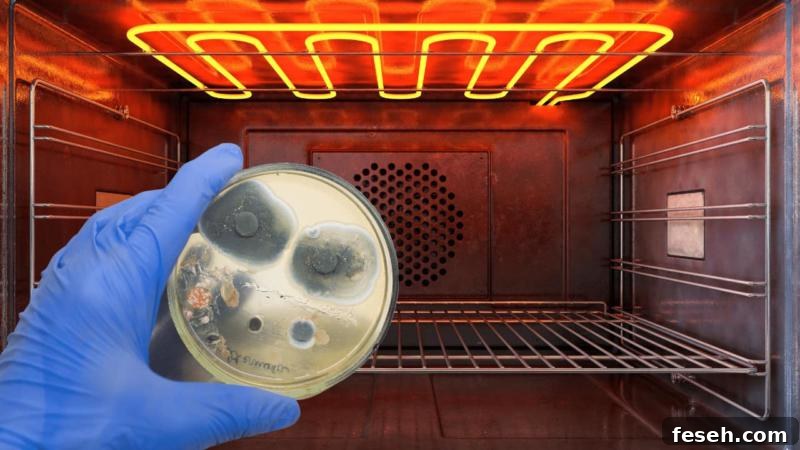
Moldy Food Left in Oven.
It happens: you leave a dish cooling in the oven before a trip and forget to refrigerate it. Come back days later and discover that the lasagne you meant to finish has sprouted mold. The instinct to salvage a meal is strong—could you just scrape off the fuzzy part, reheat, and serve? I faced that choice and reached out for reliable advice while preparing a fresh dinner.
Table of Contents
Toggle
Moldy Food Left in Oven, Safe to Cook?
It is not safe to cook in an oven that contained moldy food without cleaning it first. Heating may destroy visible mold, but some molds produce heat-resistant toxins such as aflatoxins. To protect your health, clean the oven thoroughly before using it again.
The Truth About Moldy Food
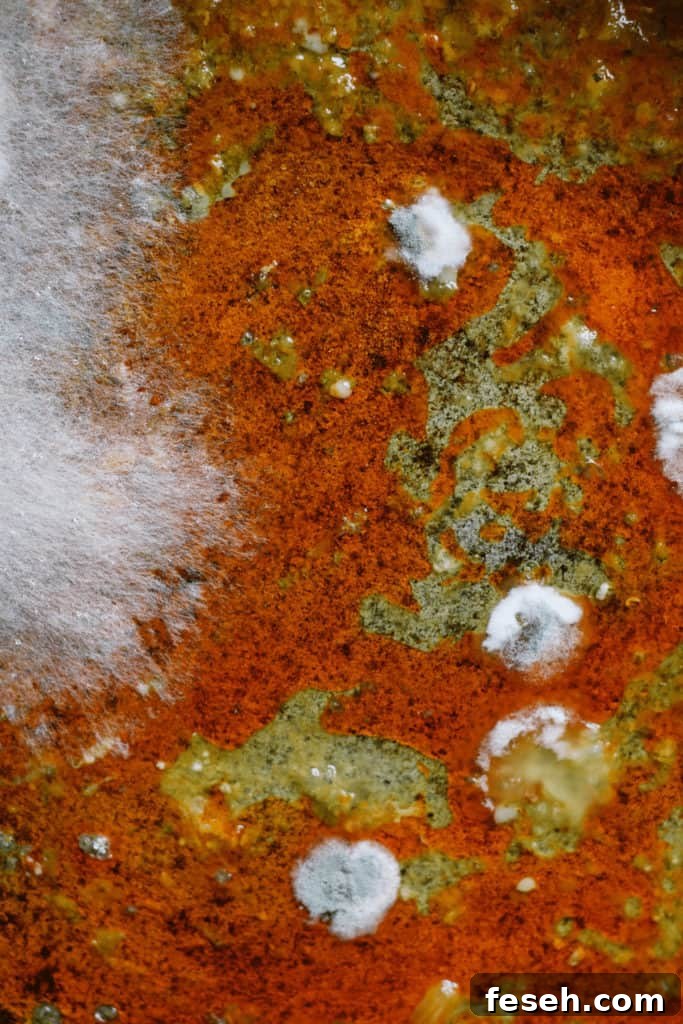
Mold spores are everywhere in the environment and can land on any food. Given the right conditions—warmth, moisture, and nutrients—those spores grow rapidly. In foods like lasagne, mold doesn’t just sit on the surface; it forms an extensive network that can penetrate deep into the dish. Scraping off visible mold removes the surface growth, but invisible threads and spores often remain.
Because mold can spread throughout the food and may produce harmful mycotoxins, the safest choice is to discard the contaminated dish rather than try to rescue it.
Heating Moldy Food: Risks and Reasons
Many people assume that toasting or reheating will make mold safe. While heat can kill some mold spores, it does not reliably destroy all spores or the toxins they produce. Mycotoxins such as aflatoxins can resist typical cooking temperatures and remain in the food.
Consuming mold-contaminated food can cause vomiting, diarrhea, allergic reactions, and respiratory problems. People with mold allergies or weakened immune systems face increased risk, and severe reactions including anaphylaxis are possible in rare cases. Some mycotoxins have been linked to long-term health risks, including immune suppression and cancer in animal studies.
Because these toxins are invisible and may survive cooking, reheating moldy food is not a safe solution. The potential health consequences outweigh the convenience of salvaging a dish.
How to Keep Food Mold-Free Overnight
After learning more about mold, I changed how I store prepared dishes. These practical steps reduce the chance of mold growth when you plan to finish or reheat food the next day.
- Keep Food Cold
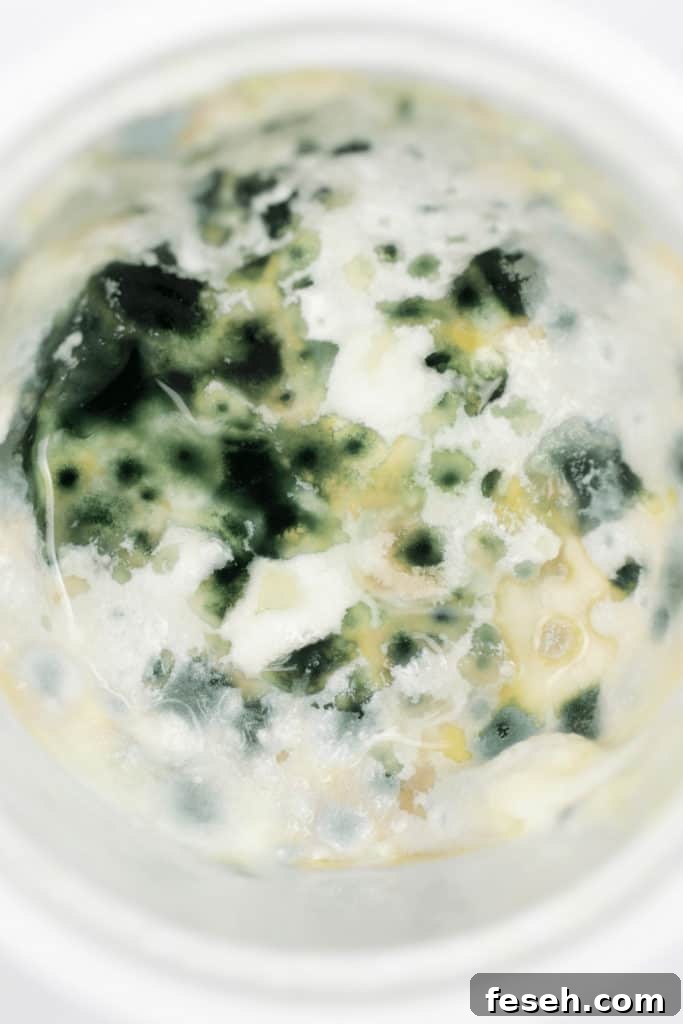
Chill cooked food promptly. Keeping lasagne and other dishes refrigerated slows or stops mold growth and reduces the risk of contamination if you plan to bake or reheat later.
- Keep Food Airtight
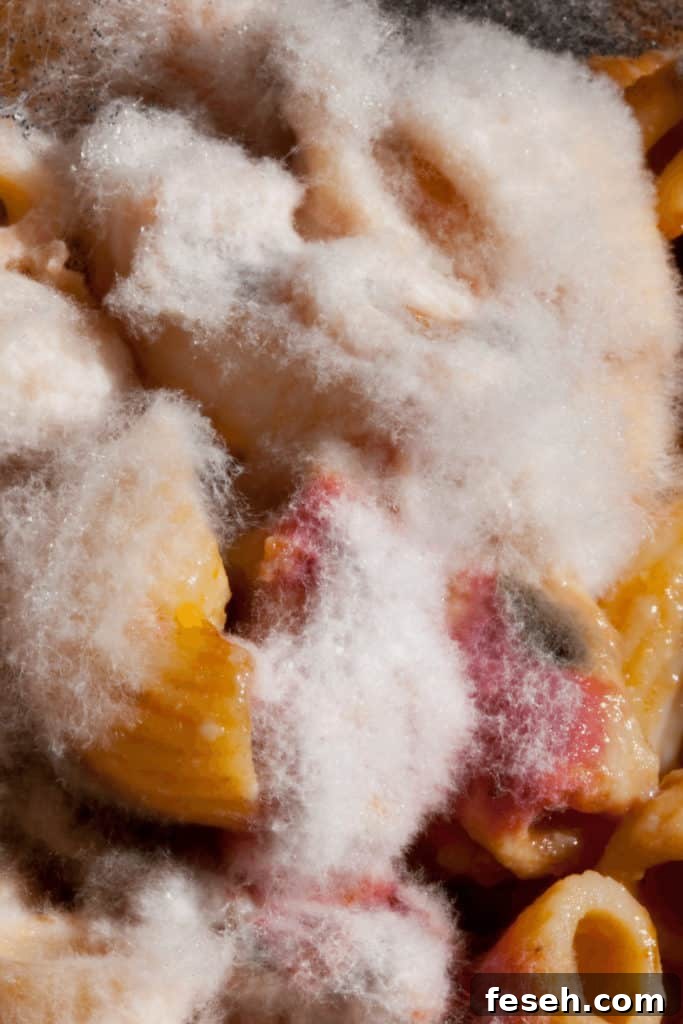
Limit oxygen exposure by wrapping dishes tightly or storing them in airtight containers. Mold needs oxygen to grow, so airtight storage slows its development.
- Wash Ingredients
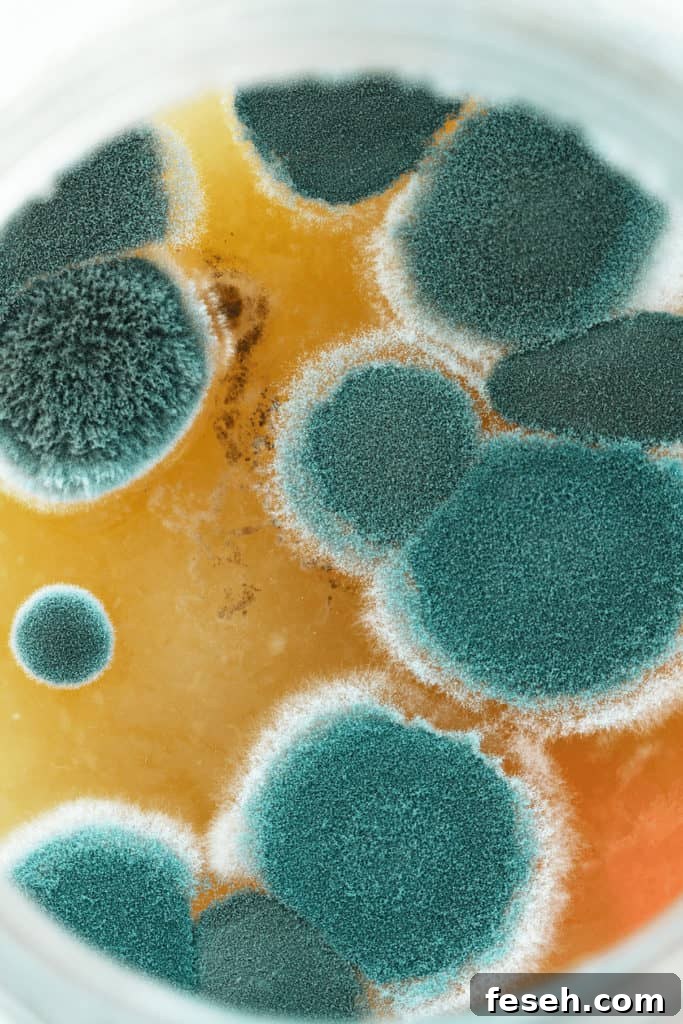
Rinse and clean fresh ingredients before using them to reduce surface spores. Fewer spores in the finished dish means a lower chance of mold developing during storage.
When you prepare food with care—keeping ingredients clean, storing the meal cold and airtight—you can safely store it overnight to finish or reheat the next day. Still, always inspect food before use and discard anything that shows mold.
Frequently Asked Questions About Moldy Food Left in Oven
Can mold be killed by cooking?
Cooking will remove visible mold and may kill some spores, but heat does not reliably destroy all spores or the heat-resistant toxins they produce. Because mycotoxins can remain after cooking, reheating moldy food is not a safe way to make it edible.
Will food mold hurt you?
By the time mold is visible, it may have produced toxins that make the food unsafe. Eating moldy food can cause digestive upset, allergic reactions, and respiratory issues; in vulnerable people these effects can be severe. It’s safest to discard moldy items.
What temperature kills mold?
Many mold spores are destroyed at temperatures above roughly 140–160°F (60–71°C), but some spores and certain mycotoxins withstand higher temperatures. Because of this variability, relying on heat alone is not a dependable way to make moldy food safe.
Conclusion About Moldy Food Left in Oven
In my case, the lasagne had to be thrown away. The potential presence of invisible spores and heat-resistant toxins made saving it too risky. If mold has contaminated a dish, discard the food and clean any appliances or surfaces that came into contact with it.
To prevent future issues: refrigerate cooked dishes promptly, store them airtight, and wash ingredients before use. These simple habits reduce the chance of mold growth and help keep meals safe for your family.