
After 15 years and thousands of dollars spent on genealogy tools, subscriptions, and services, I’ve learned what truly advances research—and what merely drains your budget.
I’ve made costly mistakes so you don’t have to: keeping unused subscriptions, buying tools at full price that went on sale weeks later, and purchasing software that never delivered. Now I’m sharing my actual research toolkit—the free foundations I always use first, the paid tools that consistently justify their cost, and the strategic regrets that cost me hundreds of dollars.

If you plan to invest in genealogy tools during Black Friday or any other time, this guide will help you avoid wasteful purchases and stay focused on research that produces results.
Free Foundations—Start Here Before Spending Anything
Before you spend a single dollar, exhaust the free resources. Skipping this step is like building a house without a foundation.
FamilySearch is the ideal starting point. It’s free, contains billions of records, and offers community-sourced family trees plus collaboration features, record hints, and source attachments. You can accomplish a great deal here before turning to paid services.
State and local archives are underused goldmines. County clerks, local historical societies, state library collections and archive websites often include records you won’t find on subscription sites. Many researchers bypass these free resources on their way to buying subscriptions.
One major mistake I made early on was signing up for paid trials without a plan. I’d start a trial casually, then pay for months with minimal progress. A more effective approach is to create a focused research plan before any trial: identify which ancestors to research, which records you need, and the specific questions you want answered. Use the trial period like a research sprint and then evaluate whether the subscription truly moved your work forward.
If you’re new to research planning, a short tutorial or checklist can guide you through creating an actionable plan so that any tool—free or paid—works better for you.
Paid Tools That Earned Their Place in My Toolkit
These are the paid services and products I continue to use and why they matter in my workflow.
Ancestry.com
Ancestry is a powerhouse for U.S. and international research with deep record collections, integrated DNA features, and an effective hint system. For American lines and DNA-based connections, it often produces breakthroughs. It’s worth paying for if you’re actively researching U.S. ancestors and working with DNA matches. Black Friday often delivers Ancestry’s best subscription deals—ideal if you plan a focused research period.
MyHeritage
MyHeritage offers strong international coverage, helpful photo tools, and a different DNA matching algorithm, which means it can surface matches that don’t appear on other platforms. I recommend testing on multiple companies to maximize match potential. Watch for bundle deals on MyHeritage during Black Friday—DNA plus subscription packages often offer the best value.
Newspapers.com
Newspapers reveal context that vital records don’t: personal stories, community connections, maiden and informal names, and obituaries that link generations. If you want to flesh out your ancestors’ lives beyond dates and places, a specialized newspaper collection is essential once you have the basic facts.
FindMyPast
For British and Irish ancestry, FindMyPast is indispensable. It hosts parish records, UK census data, and other collections often unavailable elsewhere. I keep it in my toolkit for targeted research on UK lines even if I don’t use it daily.
Family Tree Maker
Family Tree Maker is my offline backup and reporting solution. It syncs with Ancestry and FamilySearch, giving me control of my data locally and advanced reporting capabilities. It’s a one-time purchase that provides long-term peace of mind and protection against online platform changes.
DNA Testing: AncestryDNA and MyHeritage DNA
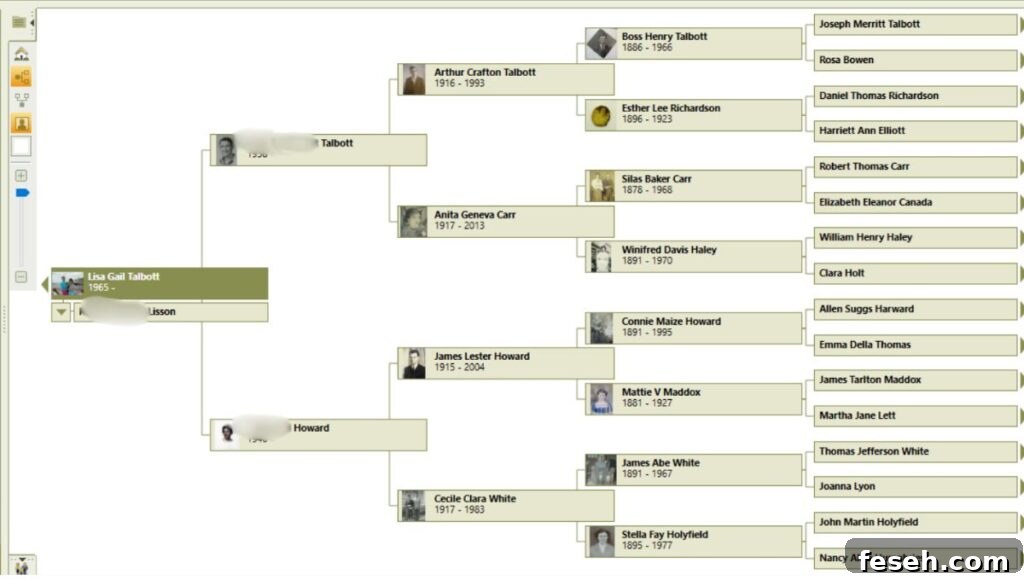
Test with multiple companies to maximize match coverage. Databases and matching algorithms differ, so an important match might appear on one service but not another. Buy DNA kits during Black Friday when prices are lowest, and prioritize testing older relatives first. These kits often remain valid for years.
Storied
When you have facts but need narrative, Storied helps turn research into readable family stories that relatives will actually read. It’s useful for documenting non-relatives who played important roles in an ancestor’s life and for preserving personal stories for future generations.
Photo Tools: MemoryCherish and Photomyne
Photomyne is a convenient mobile scanner for digitizing photos on the go. MemoryCherish provides professional restoration when DIY methods aren’t enough—worth considering for damaged irreplaceable images. Investing in preservation for meaningful photos protects family memories for the long term.

Strategic Regrets—Learn From My Expensive Mistakes
These are the habits that cost me money so you can avoid them.
Regret #1: Subscribing Without Maximizing Free Trials
Trials only help if you use them intentionally. Before starting a trial, define a short research plan and schedule focused time to extract value. If the subscription doesn’t produce measurable progress during that period, cancel it.
Regret #2: Keeping Subscriptions I Wasn’t Using
Don’t fall into the “I might need it” trap. Check login histories and usage: if a service goes unused for months, cancel it and resubscribe later when you have a clear research need.
Regret #3: Not Buying Physical Tools During Sales
I bought scanners, external drives, and archival supplies at full price when waiting for sales would have saved money. Black Friday is the time to invest in durable physical tools—scanners, backups, and preservation supplies—that will serve you for years.
Don’t buy tools for the genealogist you wish you were—buy for the researcher you actually are right now.
Your Black Friday Strategic Framework
Approach Black Friday like a researcher, not an impulsive shopper.
Before Black Friday: Preparation Phase
Inventory the tools you actually use, identify gaps, and set clear research priorities. Don’t purchase based on aspiration—buy for your current workflow and needs.
What to Buy During Black Friday
DNA Kits—Always Worth It
DNA kits typically hit their lowest prices. Buy extras for family members and prioritize testing older generations.
Subscriptions—Only If You’re Ready to Use Them
Subscribe only when you can name specific ancestors and record types you’ll research. A deep discount isn’t a bargain if you won’t use the service.
If you can’t name three specific ancestors you’ll research and three specific record types you need, don’t subscribe—no matter how good the deal is.
Physical Tools—Stock Up
Scanners, external drives, and archival supplies often appear at the best prices during Black Friday. These are long-term investments—buy quality during sales.
Software—One-Time Purchases
Consider one-time software purchases like Family Tree Maker during Black Friday for backup and advanced reporting at a reduced price.
What to Skip During Black Friday
Avoid “instant family tree” services that promise automatic results, overpriced branded office supplies, and subscriptions you won’t use actively. Waiting for a better use case is smarter than buying on impulse.
The Week-After Strategy
Some deals improve during Cyber Monday or run into early December. Don’t panic-buy; weigh urgency against potential better offers in the following days.

My Actual Current Toolkit
Here’s what I keep in active rotation and why these investments make sense for sustained research.
What I Use Year-Round
FamilySearch remains central and free. I maintain subscriptions to Ancestry, MyHeritage, Newspapers.com, and FindMyPast because I use them regularly for client and personal work. Family Tree Maker serves as my offline backup. External storage and archival supplies protect my digital and physical assets.
How I Think About Investment
Spend on what advances your research. Evaluate subscriptions by actual use, not intended use. Invest in quality physical tools that protect years of work, and redirect money saved on unnecessary purchases into DNA testing, conferences, or hiring professionals when needed.
Action Plan Based on Your Experience Level
Next steps tailored to where you are in your genealogy journey.
If You’re Just Starting Genealogy
Max out FamilySearch and free archives first. Use trials with a focused plan. Consider DNA kits and basic archival supplies during sales. Skip multiple subscriptions until you have clear research needs.
If You’re An Active Researcher
Audit subscriptions, make a Black Friday wishlist based on research gaps, and target DNA kit deals, subscription extensions, and scanners. Invest in reliable backup and preservation tools.
If You’re A Seasoned Researcher
Upgrade physical tools at sale prices, audit subscriptions for true value, and test strategically across companies—older relatives first to preserve genetic information.

Conclusion: Your Next Steps
Fifteen years and many purchases taught me which tools truly support research and which are distractions. Use the framework here to avoid common mistakes, buy strategically during sales, and focus on the research that yields breakthroughs.
Your immediate steps: maximize free resources, create a focused research plan before trying paid services, prioritize DNA testing for older relatives, and buy durable physical tools during sales when possible. Tools are only useful when paired with disciplined research—invest in skills and systems that help you preserve and share your family’s stories.