If you’ve ever seen the term ‘quick bread recipe’ and wondered, what are quick breads? This guide explains it all. You’ll learn what quick breads are, the common types, and the four mixing methods used to make them, with plenty of examples and recipe ideas to inspire your baking.
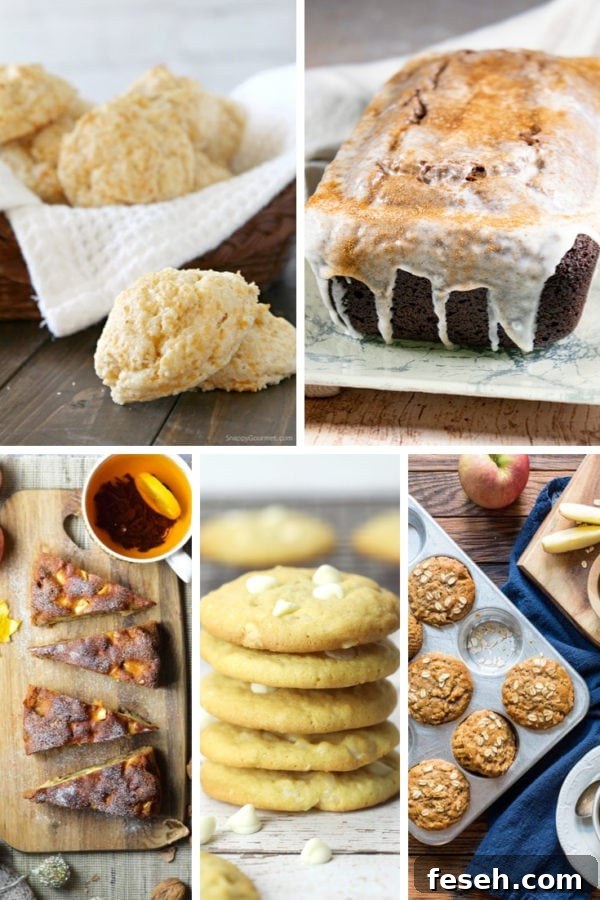
As autumn arrives, the internet fills with tempting baked treats. I happily participate in both the baking and the tasting. One of the season’s favorites is quick breads. But what exactly qualifies as a quick bread? Are they sweet glazed loaves, bundt cakes, cookies, or something else entirely?
Surprisingly, quick breads include all of those and more. The category is broad, covering many shapes, textures, and flavors. What they share is a common way of rising: chemical leavening agents rather than yeast (or solely beaten eggs). Read on to understand the definition, the main leaveners, examples, and the four mixing methods that shape different quick breads.
Quick Breads DEFINITION
A quick bread is any baked good that rises primarily through chemical leavening agents like baking soda or baking powder, rather than yeast. That means muffins, scones, pancakes, loaves, and many cakes and cookies can all be quick breads if they rely on chemical leaveners. Eggs may be used to add air, but a chemical leavening agent must be present for the recipe to be considered a quick bread.
The two main chemical leaveners home bakers use are:
Sodium Bicarbonate (Baking Soda) – Baking soda is alkaline and requires an acidic ingredient in the batter to react and produce carbon dioxide for rising. Common acidic partners include:
- Buttermilk or yogurt
- Untreated chocolate or cocoa (not Dutch-processed)
- Fruit juices
- Brown sugar or molasses
Mixing baking soda with an acid creates an immediate bubbling reaction, so batters that depend on this reaction are best baked soon after mixing or they may lose rise.
Baking Powder – Baking powder contains both an alkaline and acidic component, providing a self-contained leavening system. The most common household variety is double-acting baking powder, which reacts twice: once when mixed and again when heated during baking. If a recipe calls for single-acting baking powder, double-acting is usually an acceptable substitute.
Examples of Quick Breads
Because quick breads are defined by their leavening, the category spans many familiar baked goods. Examples include:
- Muffins
- Cakes
- Brownies
- Pancakes
- Donuts
- Waffles
- Scones
- Biscuits
- Cookies
- Loaves
Any sweet or savory baked item that uses baking soda or baking powder to rise can fall under this umbrella.
Types of Quick Breads – Organizing our recipes
Quick breads are essentially variations in ingredient ratios and mixing techniques built from the same core components: flour, liquid, fat, sweetener, leavening, and flavor. Organizing quick breads by mixing method is practical because the method largely determines texture and structure. Understanding these methods helps you choose the right approach for the texture you want and opens up many creative options.
1. Straight Mixing Method
The straight mixing method, often called the two-bowl method, is one of the simplest. Dry ingredients go in one bowl, wet ingredients in another, then the two are combined into a batter. This technique typically yields pourable or scoopable batters used for muffins, quick loafs, pancakes, and similar bakes.
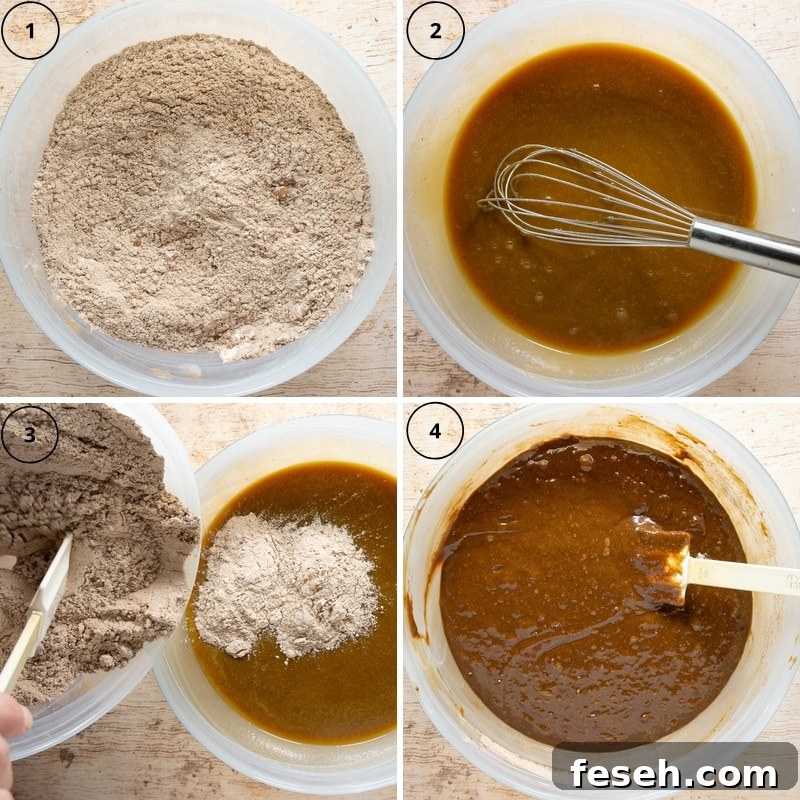
Tips for straight mixing:
- Don’t overmix. Once flour is added, overworking the batter develops gluten and can make the final product tough.
- Small lumps are fine; just avoid large dry pockets of flour.
Recipes that commonly use this method include pumpkin bread, quick loafs like gingerbread, muffins, pancakes, and baked donuts.
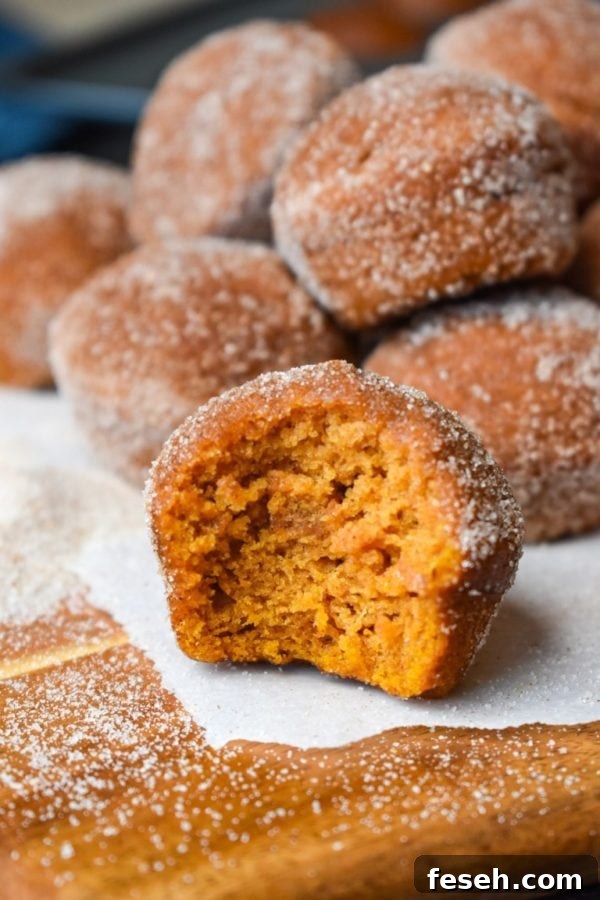
2. Creaming Method
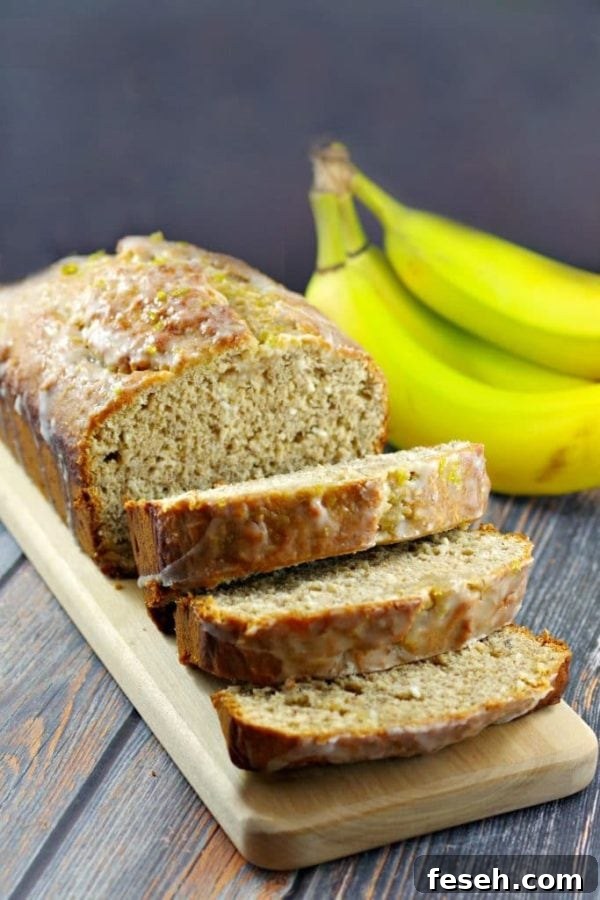
The creaming method is familiar to anyone who has made cookies or pound cakes. Sugar and butter are beaten together until light and airy, creating tiny air pockets that help leaven the bake when combined with chemical leaveners. Eggs are usually added after creaming, followed by dry ingredients. The result is a thicker, often fluffier batter or even a dough depending on the recipe.
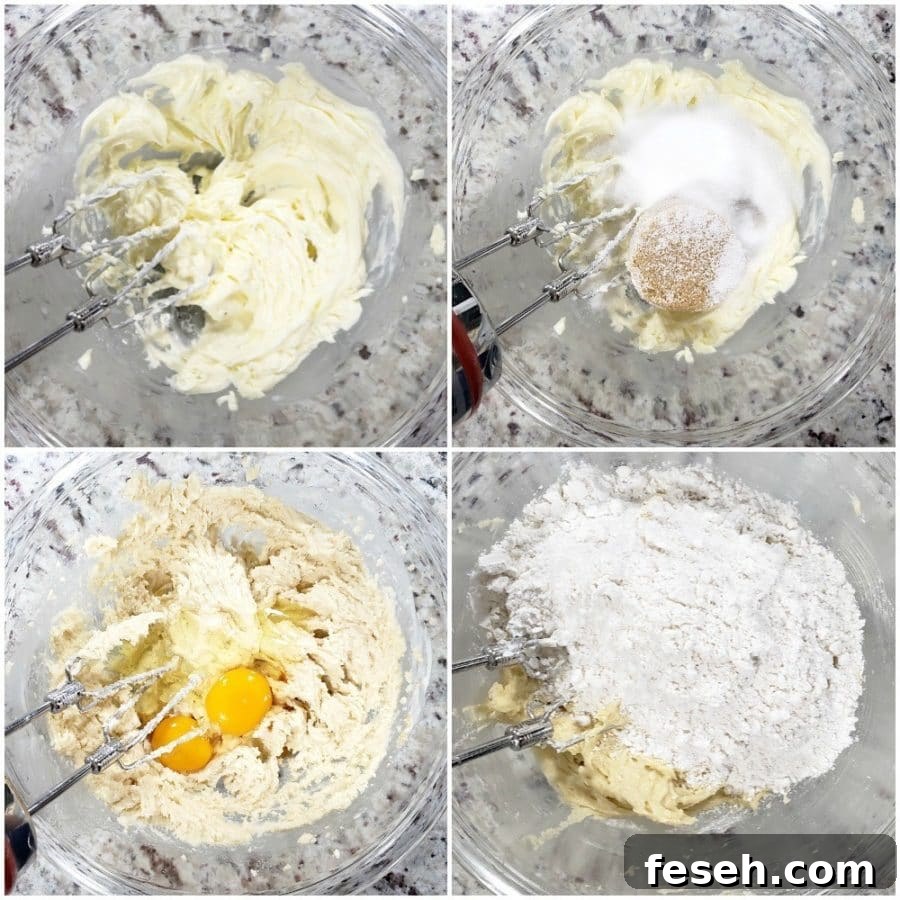
Creaming produces tender cookies, cakes, and quick loafs with a fine crumb. Popular bakes using this method include lemon poppy seed cookies, tropical banana breads, and many classic cupcakes and cookies.
3. Foaming Method
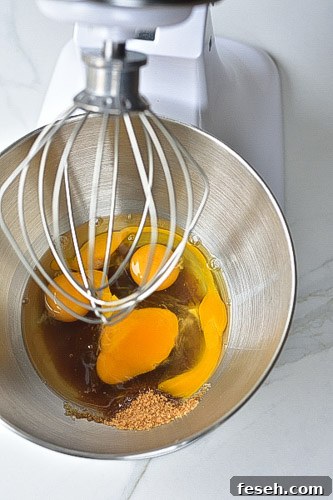
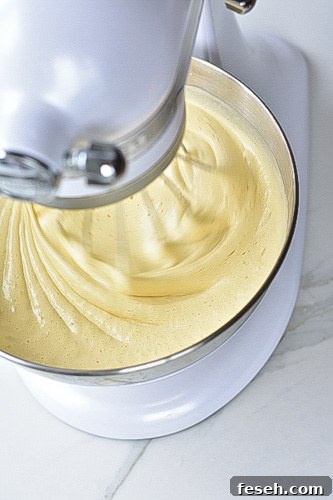
The foaming method builds aeration by beating eggs (whole eggs or whites) with sugar before folding in other ingredients. This technique traps air in the egg structure and creates a very light, airy crumb. Many sponge-like cakes use this method. For a quick bread to qualify, a chemical leavener must still be present, but combining aerated eggs with baking powder or soda can stabilize and enhance texture.
-

Eggs and sugar are the beginning of the foaming method. -
This air creates a delicate, airy crumb.
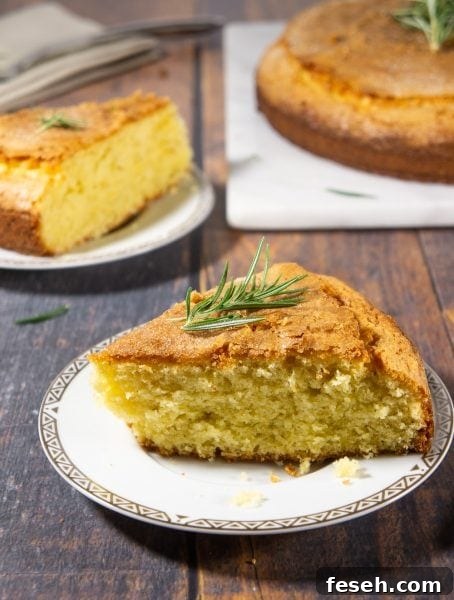
Examples that use foaming include light olive oil cakes, chiffon cakes, and certain honey-sweetened fruit cakes where both aeration and chemical leavening contribute to the final texture.
4. The Shortening Method (Cutting Fat Into Flour)
The shortening method involves cutting cold fat into the dry ingredients to create a crumbly, flaky texture. This approach is common for biscuits, scones, some quick loafs, and certain pie crusts. After the fat is cut in, liquid is added to bind the dough, which can then be shaped, rolled, and cut.
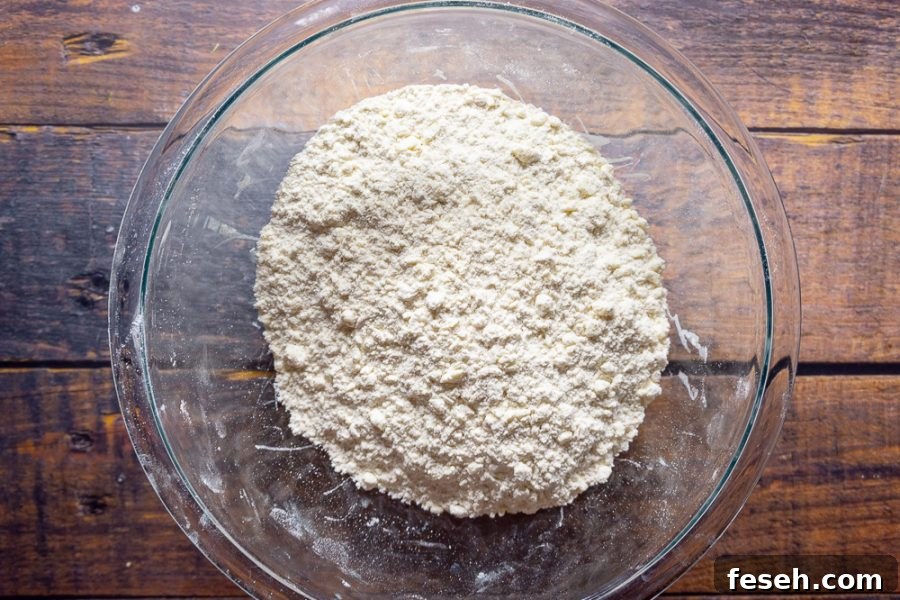
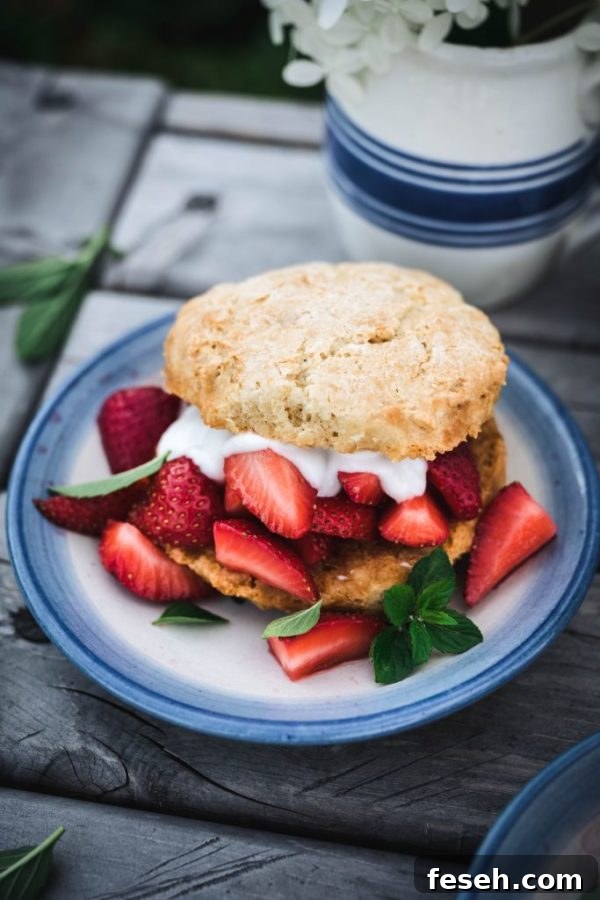
This method produces flaky, tender quick breads like scones, drop biscuits, and certain coffee cakes. It’s a go-to when you want layers, tenderness, and a rustic texture.
Why We Love All Types of Quick Bread
The variety of flavors, textures, and shapes makes quick breads a favorite for home bakers. They’re faster than yeast breads, adaptable to sweet or savory ideas, and forgiving for cooks at every skill level. Whether you mix a batter quickly, cream butter and sugar for a tender crumb, aerate eggs for a sponge-like cake, or cut in cold fat for a flaky result, quick breads deliver satisfying homemade treats for breakfasts, potlucks, and family meals.
Try different methods and flavor combinations to discover your favorites. Happy baking and happy eating!
Originally published 10/30/2017, Updated 10/11/2019