It seems like every celebrity and wellness influencer is stirring reishi mushroom powder into smoothies or sipping mushroom tea as if it were the latest health craze. But is the buzz warranted?
Reishi mushrooms have emerged as a popular natural remedy, credited with claims ranging from slowing aging to helping fight cancer. If you’re trying to separate hype from evidence, this article summarizes what reishi mushrooms are, the science behind their purported benefits, how to use them, and what the research actually supports.
What are reishi mushrooms?
Reishi mushrooms, also called ling zhi, are woody fungi that grow on dead or dying trees. They appear in several colors, though the red variety is most commonly associated with medicinal use. Reishi has a long history in traditional Chinese medicine, where it was used to address age-related issues such as high blood pressure, liver complaints, and joint pain. More recent research has focused on reishi’s anti-inflammatory and immune-modulating properties, and its potential role as an adjunct to conventional cancer therapies.
image: Jeff Moore via Flickr
Reishi mushroom health benefits
Advocates suggest reishi may protect against inflammation, fatigue, liver damage, high blood sugar, tumor growth, heart disease, mood disorders, asthma, viral infections, and frequent colds. While long-term, large-scale human studies are limited, several small and short-term trials have reported beneficial effects that make these mushrooms worth investigating further.
Two groups of compounds are frequently credited for reishi’s activity: beta-glucans and triterpenes. Beta-glucans are complex carbohydrates found in fungi and some bacteria that can stimulate immune function. Triterpenes are plant-derived compounds that show anti-inflammatory and cholesterol-modulating properties in preclinical studies. Research on beta-glucans from various mushrooms is relatively mature, while triterpene research is newer and mainly preclinical. Interest in reishi-specific research has grown as a result.
Some studies show promising results, although findings are mixed. For example, one small trial reported increased blood antioxidant capacity after 10 days of reishi supplementation, a possible benefit for cardiovascular health. However, a follow-up study found no significant changes in antioxidant markers after four weeks. Similarly, trials investigating blood sugar and cholesterol effects have produced conflicting outcomes—some noting modest improvements, others reporting no significant change.
Preclinical work and a few animal studies suggest reishi extracts might protect liver tissue, but robust human data are still lacking.
Reishi mushrooms and cancer
Reishi has gained attention as a complementary option in cancer care because beta-glucans can support immune function. Laboratory studies and some clinical reports indicate reishi extracts may exert anti-tumor effects and help immune systems recover after chemotherapy or radiation. These findings are encouraging but largely preliminary: much of the strong evidence comes from cell culture or animal models rather than large randomized trials in humans.
Clinical studies involving cancer patients have shown that reishi may enhance immune markers and improve tolerance to conventional therapies in some cases, but current evidence is insufficient to recommend reishi as a replacement for standard cancer treatments. If you are undergoing cancer therapy, discuss any interest in reishi supplementation with your oncologist, since interactions and side effects such as nausea or sleep disturbances have been reported in some participants.
How are reishi mushrooms different from other mushrooms?
Many edible mushrooms—oyster, shiitake, maitake, and enoki among them—contain beta-glucans that support immunity. What distinguishes reishi is its relatively high concentration of triterpenes, compounds thought to contribute to anti-inflammatory and other medicinal effects. That combination of beta-glucans and triterpenes is why reishi is often classified among the more potent “medicinal” mushrooms.
image: pexels
How to eat reishi mushrooms
Although technically edible raw, reishi has a strong bitter taste caused by triterpenes, so it’s rarely consumed fresh. Most research uses dried reishi or concentrated extracts rather than raw mushroom, and commercial products are typically available as dried slices, powdered extracts, or capsules.
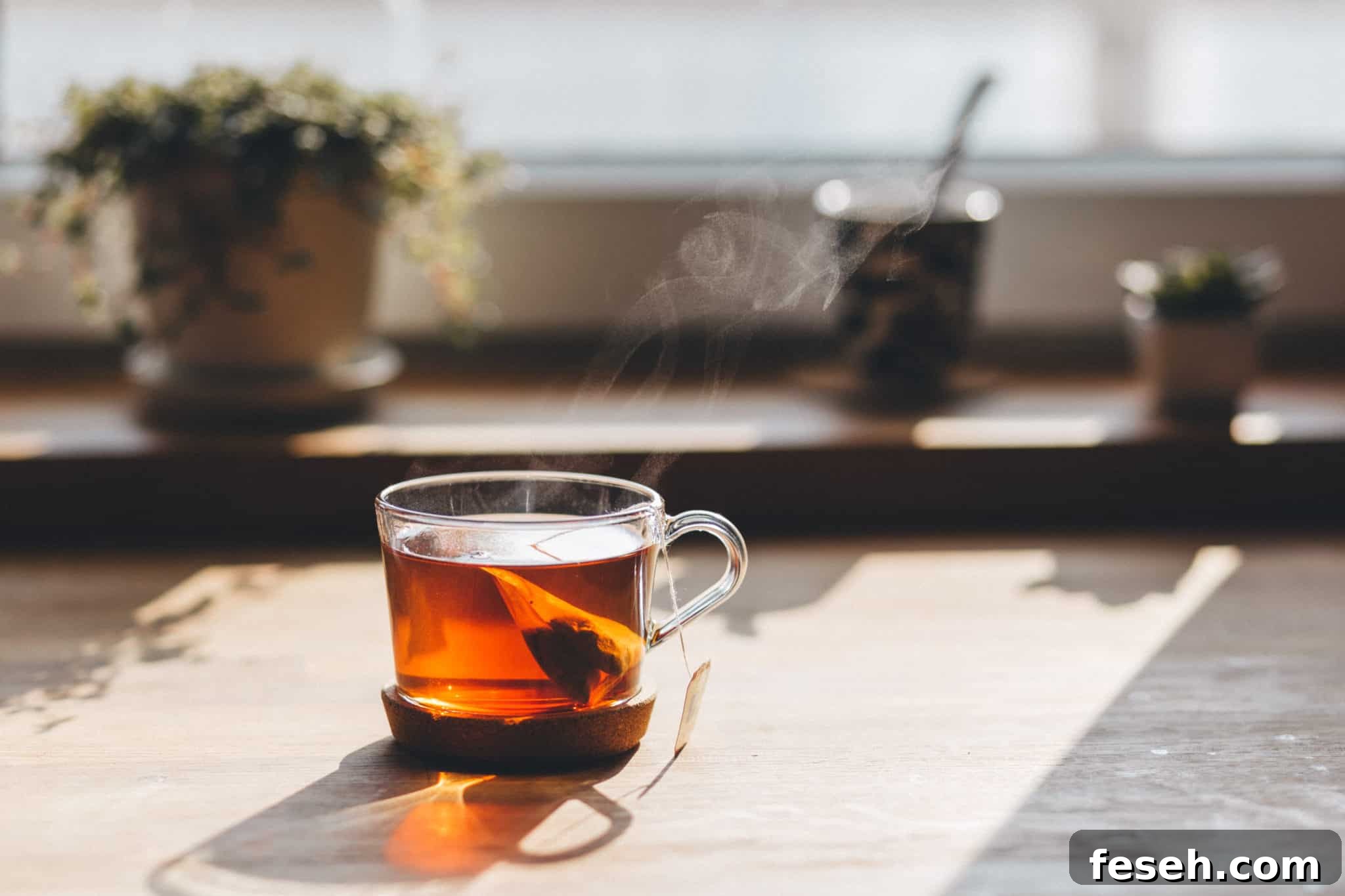
Common ways to consume reishi include brewing it into tea or adding powdered extract to coffee blends. Several companies now offer mushroom-infused coffees and hot beverages that include reishi. Capsules and tinctures provide a convenient alternative if you prefer not to taste the bitterness. Adding dried reishi slices to soup stocks or broths is another mild-tasting way to incorporate them into meals.
image: Four Sigmatic
The bottom line: should you take reishi mushrooms?
Evidence for reishi’s benefits is promising but preliminary and sometimes inconsistent. There appears to be relatively low risk for most people when using typical supplement doses, and some data suggest reishi could support immune function and improve outcomes when used alongside cancer treatments. However, it is not a substitute for established medical therapies.
If you enjoy reishi tea or coffee, or you find symptom relief from reishi supplements, continuing them is reasonable for many people. Those undergoing medical treatments—especially cancer therapy—should consult their healthcare provider before adding reishi to their regimen. Have you tried reishi? How did you take it, and what effects did you notice?