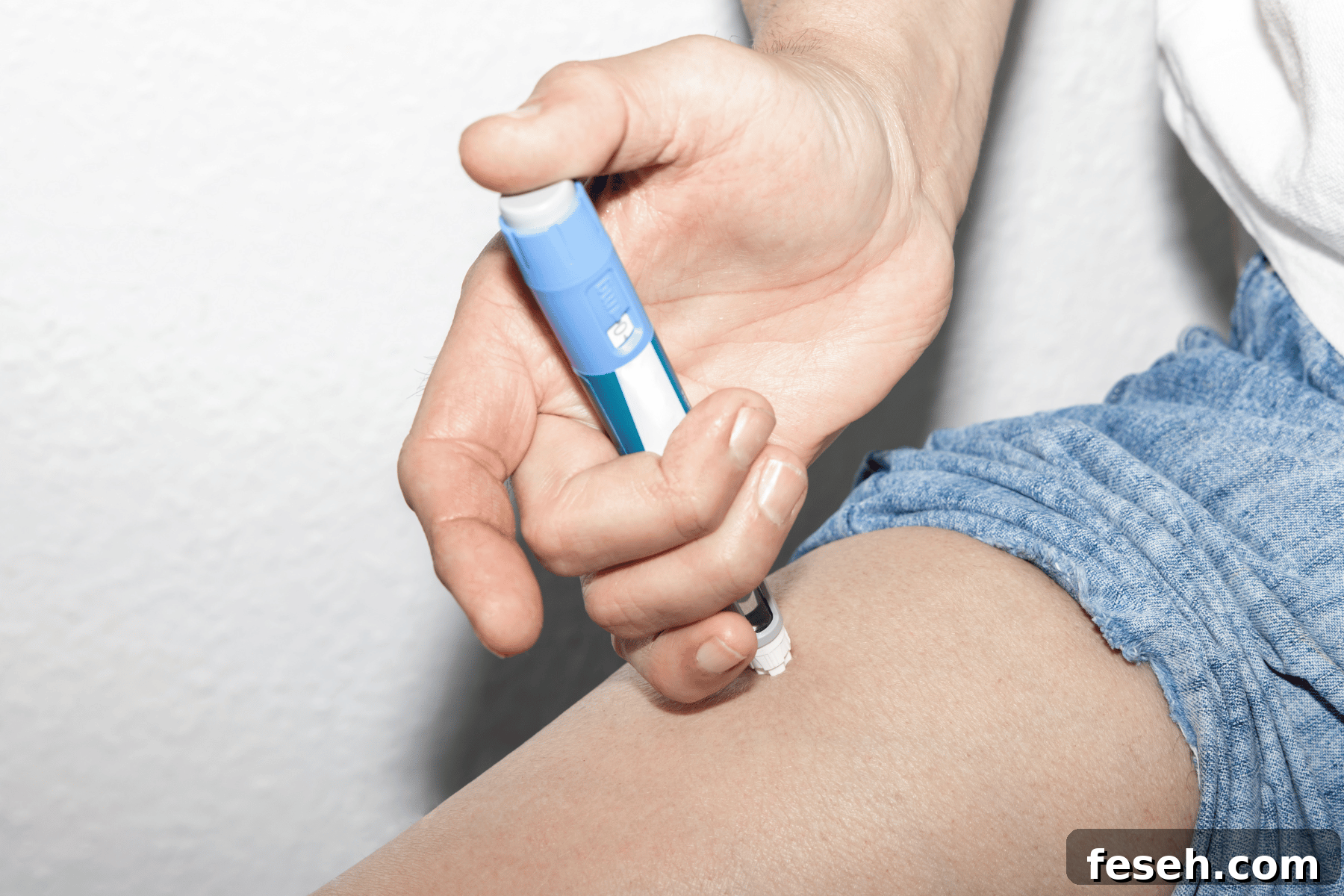
GLP-1 receptor agonists are currently in the spotlight. Often recognized by brand names such as Wegovy, Ozempic, Trulicity, and Rybelsus, these drugs mimic the hormone GLP-1 (glucagon-like peptide-1) to help regulate blood sugar and appetite. Mounjaro is closely related but also targets GIP (glucose-dependent insulinotropic polypeptide), adding a second hormonal pathway. These medications have rapidly gained attention in media and clinical settings for their effects on blood sugar control and weight management.
What is GLP-1?
GLP-1 is a hormone produced in the gut with receptors throughout the body: brain, bones, blood vessels, heart, and more. It helps regulate blood glucose, appetite, stress responses, and mood. Pharmaceuticals developed to mimic GLP-1 extend its action far beyond the short-lived natural hormone — some formulations last around a week. Initially approved for type 2 diabetes management from 2005 onward, GLP-1 receptor agonists have proven effective at improving markers such as Hemoglobin A1c (HbA1c). In 2022, several were also approved for weight management.
How do GLP-1 Receptor Agonists Work?
GLP-1 receptor agonists work through multiple mechanisms. They stimulate the pancreas to release insulin while suppressing the liver’s release of glucagon, a hormone that raises blood sugar. These drugs slow gastric emptying and send satiety signals to the brain, reducing appetite and helping people feel full for longer periods.
Common Side Effects & Risks
While effective, GLP-1 receptor agonists can cause side effects. The most commonly reported symptoms are nausea, vomiting, and reduced appetite. In less common cases, people may experience abdominal pain, gastroparesis (delayed stomach emptying), or pancreatitis.
Cost and access are additional concerns. These medications are expensive, insurance coverage can be limited, and shortages occur frequently. The primary weight-loss mechanism is appetite suppression — research shows people on GLP-1 RAs often consume substantially fewer calories. That reduced intake, combined with slower gastric emptying and side effects, can make meeting nutritional needs more challenging.
Of particular concern is muscle loss. A 2021 trial reported that higher-dose GLP-1 treatment produced an average weight loss of 15% (about 34 pounds), with approximately 44% of that loss (around 15 pounds) coming from lean mass. A 2023 study found lower doses still produced an average loss of 4.8% lean body mass in 24 weeks. To put this in context, people not engaging in resistance training typically lose 3–5% lean mass over an entire decade. Losing muscle is problematic because muscle supports metabolic rate and physical function.
The ideal outcome is to lose fat while preserving or building muscle. Muscle burns more calories at rest than fat, so preserving muscle helps maintain metabolism and supports long-term weight management. Rapid weight loss combined with muscle loss increases the risk of rebound weight gain once medication stops, because appetite returns and metabolic rate may be reduced. Sustainable habits developed during treatment are essential for maintaining results if someone discontinues the drug.
If you are taking a GLP-1 receptor agonist, think of the medication as one tool — not the whole solution. Building lifestyle habits that support muscle and metabolic health is critical for long-term success.
Key strategies while using GLP-1 RAs: prioritize adequate protein intake, perform regular resistance training, and get quality sleep. A practical guideline is to aim for about 1 gram of protein per pound of body weight or goal weight, which has been shown to help preserve muscle even when overall calories are reduced. Resistance training is the most protective intervention against muscle loss and can help maintain or increase lean mass even when food intake is not optimal.
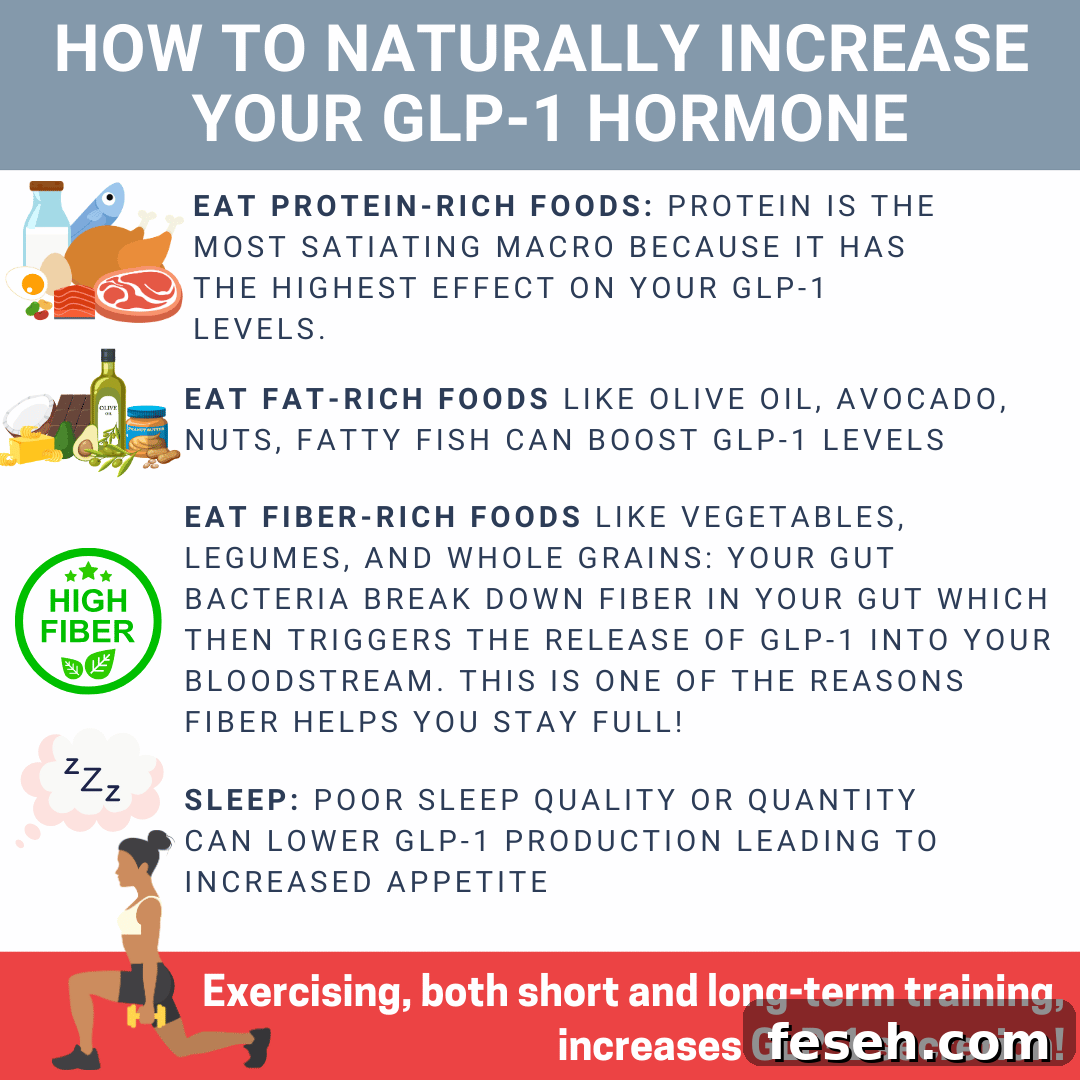
How to Naturally Increase Your GLP-1 Hormone
You can also support your body’s natural GLP-1 production with lifestyle measures. The following approaches support GLP-1 secretion and overall metabolic health:
- Protein-rich foods: Protein stimulates GLP-1 and is highly satiating.
- Healthy fats: Olive oil, avocado, nuts, and fatty fish can boost GLP-1 levels and support satiety.
- Probiotic foods or supplements: A healthy gut microbiome can help trigger GLP-1 secretion.
- Fiber-rich foods: Vegetables, legumes, and whole grains feed gut bacteria that prompt GLP-1 release and help you feel full.
- Sleep: Poor sleep quality or insufficient sleep can lower GLP-1 production and increase appetite.
- Exercise: Both short bouts and long-term training can increase GLP-1 secretion.
- Stress management: Chronic stress and elevated cortisol can reduce GLP-1 production, so managing stress supports hormone balance.
At Stay Fit Mom, we emphasize these interconnected habits. In coaching, clients track protein, healthy fats, fiber, and vegetables as foundational “guardrails” that support hormone regulation, including GLP-1. We address exercise, sleep, appetite, mood, and stress so clients build sustainable habits. Many clients who once struggled with binge–restrict cycles report improved satiety and reduced urges when following consistent macronutrient targets and regular resistance training.
Whether or not you are using a GLP-1 receptor agonist, the fundamentals matter: adequate protein, resistance exercise, balanced nutrient intake, sleep, and stress management. These basics help protect muscle, support metabolic health, and improve the chances of long-term success.