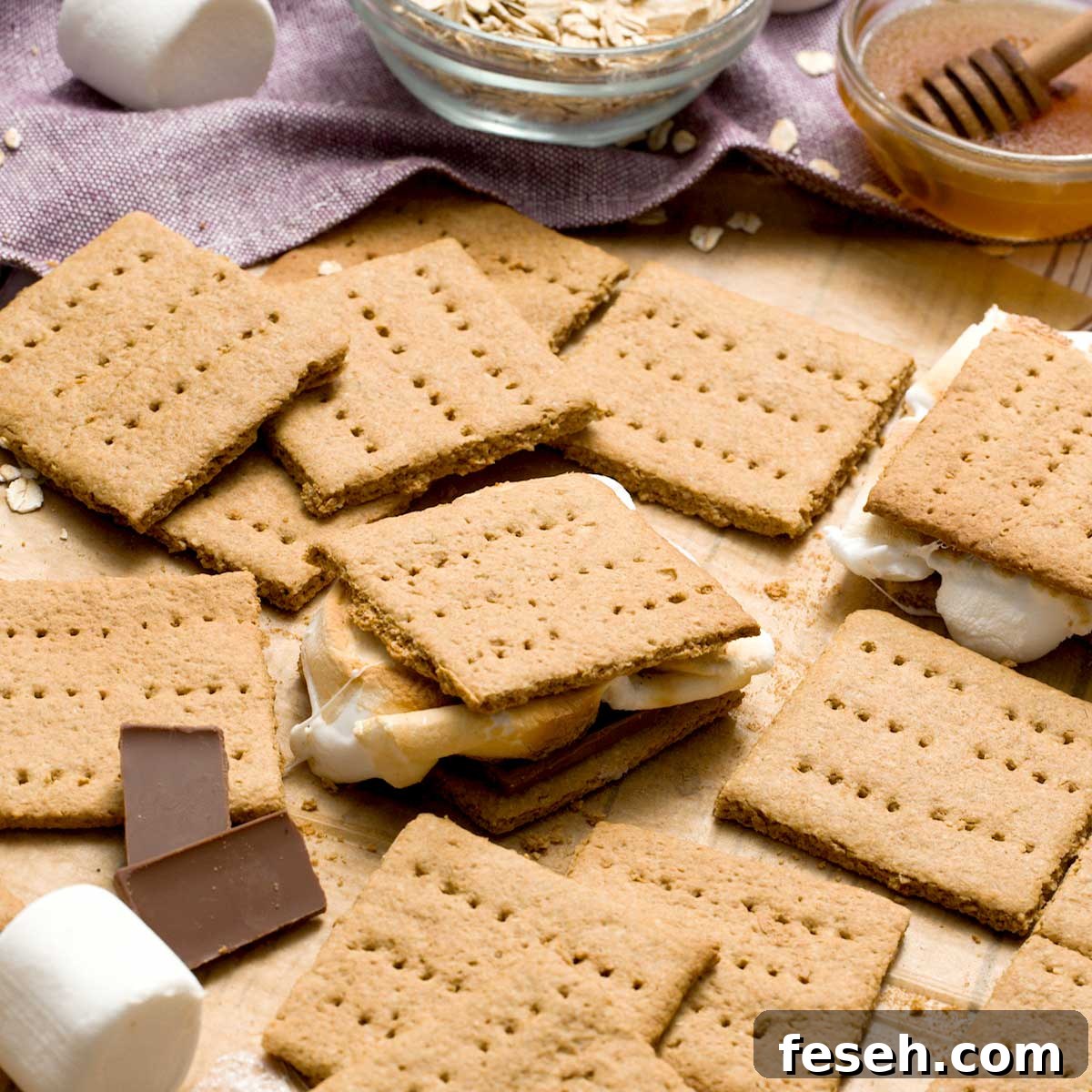
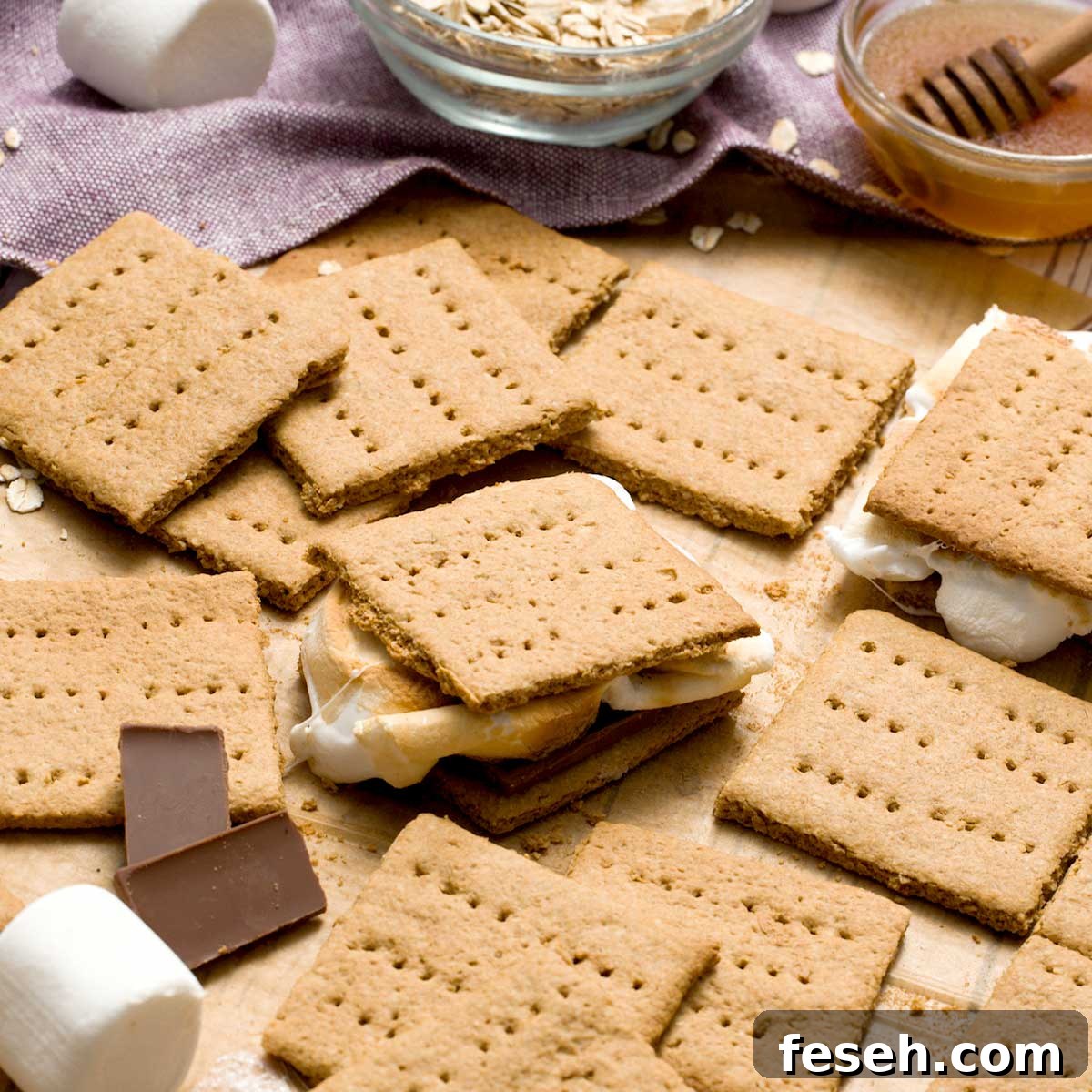
These gluten-free graham crackers made with oat flour deliver a crisp snap and a gentle honeyed sweetness without the dry, cardboard texture that sometimes accompanies gluten-free baked goods. Using pantry-friendly ingredients—oat flour, tapioca flour, honey, and a touch of molasses—this homemade version tastes richer and more satisfying than many store-bought options. The recipe skips specialty gums and hard-to-find additives while still producing sturdy crackers perfect for s’mores, pie crusts, or everyday snacking.
If you’ve missed the satisfying crunch of a traditional graham cracker, this recipe gives you that exact texture through a simple, mess-free rolling method: roll the dough between parchment sheets for even thickness and minimal cleanup. The oat flour lends a subtle nutty flavor and heartier mouthfeel that pairs wonderfully with melted chocolate and toasted marshmallows. Many families prefer these to regular graham crackers because they balance tenderness and snap so well.
Why You’ll Love This Gluten-Free Graham Crackers Recipe
- Simple pantry ingredients: No specialty flours or gums needed—just oat flour, tapioca flour, and common baking staples.
- Perfect crispy texture: Crispy but not rock-hard, with a satisfying snap that holds up under toppings and fillings.
- Mess-free rolling method: Rolling the dough between parchment paper prevents excess flour and yields a consistent thickness.
- Versatile: Great for gluten-free s’mores, a homemade graham cracker crust, or an everyday snack.
Ingredients & Substitutions
Everything you need to make gluten-free graham crackers with oat flour
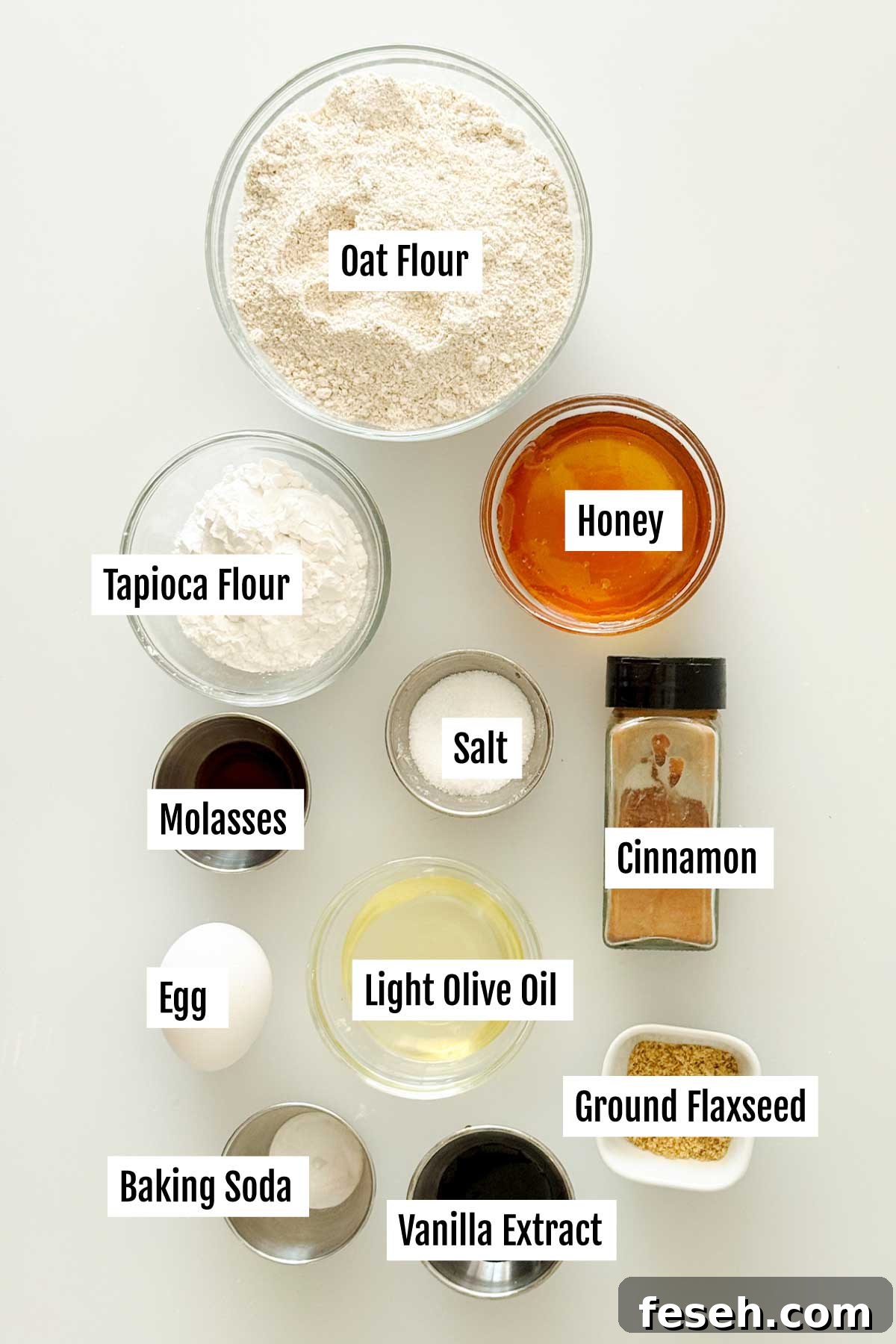
Oat Flour: Provides a hearty, slightly nutty base. Use store-bought oat flour or grind rolled oats in a food processor for a homemade version.
Tapioca Flour: Helps bind the dough and contributes a light, crisp texture. If you don’t have tapioca, you can try a gluten-free flour blend or, if gluten isn’t an issue, regular all-purpose flour.
Ground Flaxseed: Acts as a binder; optional but helpful. Omitting it may result in slightly more crumbly crackers, but the recipe will still work.
Cinnamon: Adds warm spice. Increase to a full teaspoon if you prefer a more pronounced cinnamon flavor.
Honey: Provides sweetness and moisture. Maple syrup or agave nectar can be substituted in equal measure.
Molasses: Gives that classic graham-cracker depth. If you prefer, replace with an extra tablespoon of honey for a milder taste.
Light Olive Oil: Keeps the texture tender. Avocado oil, melted coconut oil, or melted butter are all suitable alternatives.
Vanilla Extract: A splash enhances overall flavor. It’s optional but recommended.
Baking Soda: Use fresh baking soda for best results and even browning.
Easily Adapt This Recipe for Different Diets
This recipe is straightforward to modify:
Gluten-Free: The recipe is naturally gluten-free when using oat and tapioca flours.
Dairy-Free: The base recipe is dairy-free; use dairy-free oils if needed.
Vegan Option: Replace the egg with a flax or chia “egg” (1 tablespoon ground flaxseed + 3 tablespoons water, rested 5 minutes) and use maple syrup in place of honey for a fully vegan version.
Pro Tip: If you try a swap, note any texture changes—the oat flour base is forgiving, but moisture balance is important.
How to Make These Gluten-Free Graham Crackers
Below are clear, step-by-step instructions to produce evenly rolled, flavorful crackers. The same directions are contained in the recipe card that follows.
Step 1: Make the Cracker Dough
Preheat the oven to 350°F (175°C). In a medium bowl whisk together 1/4 cup honey, 3 tablespoons light olive oil, 1 tablespoon molasses, 1 tablespoon ground flaxseed (optional), 1 teaspoon vanilla extract, and 1 egg until smooth.
Add 1-3/4 cups oat flour, 1/2 cup tapioca flour, 1/2 teaspoon baking soda, 1/2 teaspoon salt, and 1/2 teaspoon cinnamon. Mix until the dough forms and comes together in large clumps. If the dough seems too soft and drips, add 1–2 tablespoons more oat flour until it holds its shape for rolling.
Step 2: Roll and Score the Dough
Cut two sheets of parchment to fit your baking sheet. Place one sheet on a work surface and lightly spray it with nonstick spray. Divide the dough in half and spread one portion into a rectangle on the parchment. Cover with the second sheet of parchment and roll to about 1/8-inch thickness.
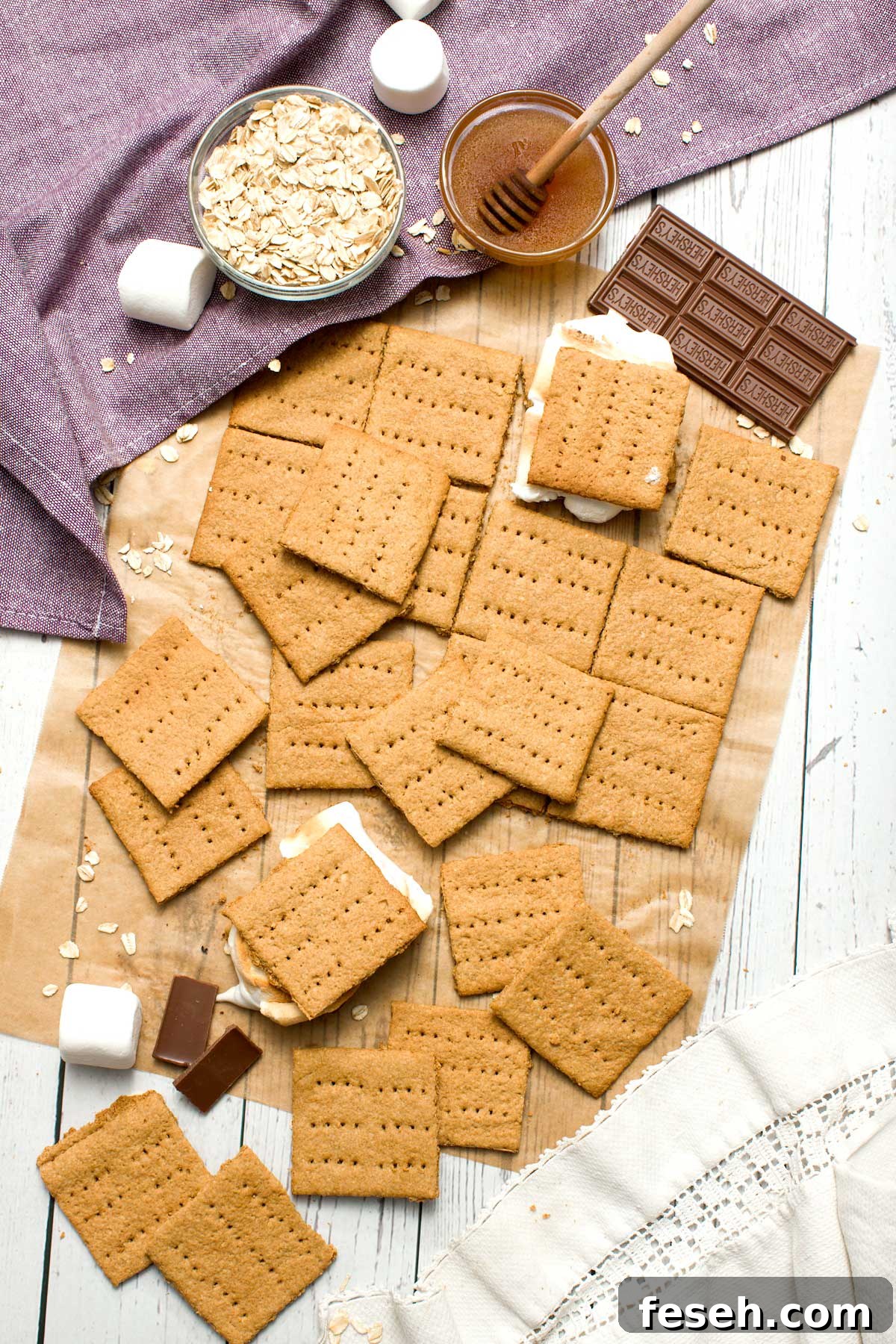
Remove the top parchment and score the dough with a pizza cutter or sharp knife into rectangles—2.25 inches wide mimics traditional graham-cracker size. Use a fork or skewer to poke holes in each scored piece to prevent air pockets while baking. Trim and reclaim any excess dough to combine with the remaining portion.
Step 3: Bake the Crackers
Transfer the parchment with the scored dough to a baking sheet. Bake for 10–13 minutes, until edges are golden. Ovens vary, so check at 10 minutes to avoid overbaking. Repeat with the second half of the dough.
Let the crackers cool on the baking sheet for a few minutes, then move the parchment to a wire rack to cool completely before separating along the scored lines.
Expert Recipe Tips
Roll between parchment: Prevents a messy countertop and helps you achieve consistent thickness without extra flour that can dry the crackers out.
Don’t skip the holes: Docking each cracker with a fork or skewer prevents bubbling and helps them bake flat and crisp.
Watch the oven: Golden can turn to burnt quickly. Start checking at 10 minutes and remove when the color is even and edges are set.
Score before baking: Cutting the shapes while the dough is soft gives cleaner edges than cutting after baking.
Adjust dough consistency: The dough should hold together when rolled but not be sticky. Add small amounts of oat flour if it becomes too wet.
Serving Suggestions
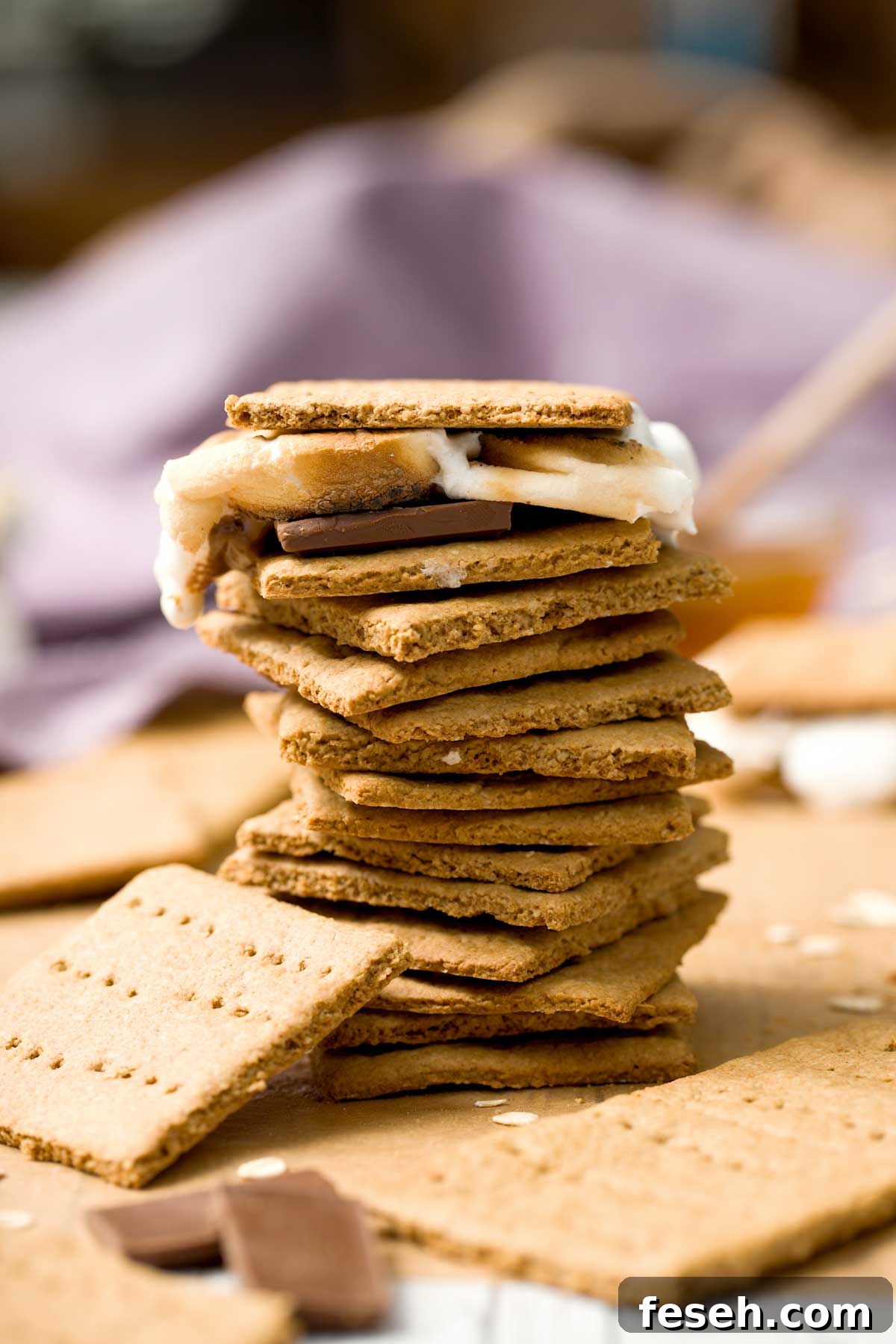
- Classic s’mores: These crackers hold up well to melted chocolate and toasted marshmallows.
- Graham cracker crust: Crush the baked crackers for a flavorful gluten-free crust for pies and cheesecakes.
- Cream cheese dip: Pair with a cinnamon cream-cheese dip for parties.
- Layered desserts: Use whole crackers or crumbs in parfaits and pudding layers.
Frequently Asked Questions
How do I store gluten-free graham crackers with oat flour?
Airtight container: Store completely cooled crackers at room temperature in an airtight container for up to one week to keep them crisp.
Freezing: Freeze in a freezer-safe container for up to three months; thaw at room temperature when ready to use.
To re-crisp: If crackers soften, place them in a 300°F oven for 2–3 minutes to restore the snap.
Why won’t my dough hold together when I roll it?
Usually the dough needs more moisture or binding. Add an extra tablespoon of honey or a teaspoon of milk (dairy or non-dairy) to help it come together. Small adjustments make a big difference.
Can I make the dough ahead of time?
Yes. The dough can be made up to 24 hours in advance and refrigerated covered. Let it sit at room temperature for about 15 minutes before rolling, as chilled dough can be firmer to roll. The oat flour will absorb moisture while chilling; you may want to reduce oat flour slightly if planning to refrigerate.
How thin should I roll the dough?
Aim for about 1/8-inch thickness for a classic graham-cracker snap. Consistent thickness across the sheet matters more than the exact measurement, which is why rolling half the dough at a time is helpful.
Can I make crumbs from these crackers?
Absolutely. These crackers make excellent crumbs for crusts and toppings. Pulse cooled crackers in a food processor until you reach the desired texture.
Gluten-Free Graham Crackers with Oat Flour
Servings: 12
Prep Time: 20 mins
Cook Time: 12 mins
Total Time: 32 mins
Ingredients
- 1/4 cup honey
- 3 tablespoons light olive oil
- 1 tablespoon molasses
- 1 teaspoon vanilla extract
- 1 egg
- 1-3/4 cups oat flour
- 1/2 cup tapioca flour
- 1 tablespoon ground flaxseed (optional)
- 1/2 teaspoon baking soda
- 1/2 teaspoon cinnamon
- 1/4 teaspoon salt
Instructions
- Preheat oven to 350°F (175°C). In a medium bowl whisk honey, olive oil, molasses, flaxseed (if using), vanilla, and egg until smooth.
- Add oat flour, tapioca flour, baking soda, salt, and cinnamon. Mix until the dough forms clumps that hold together. If too loose, add 1–2 tablespoons more oat flour.
- Cut two sheets of parchment to fit a baking sheet. Place one on the work surface, lightly spray, spread half the dough into a rectangle, cover with the second sheet, and roll to 1/8-inch thickness.
- Score into desired cracker sizes (about 2.25 inches wide for traditional graham crackers). Dock each piece with a fork or skewer to prevent bubbling. Trim excess dough and reserve.
- Transfer parchment with scored crackers to a baking sheet and bake 10–13 minutes until golden. Cooling time will firm them up—move parchment to a wire rack to finish cooling before separating.
- Repeat with remaining dough.
Notes & Tips
- Roll between parchment to avoid extra flour and to achieve even thickness.
- Dock crackers with a fork to keep them flat and crisp.
- Check ovens early—they can brown quickly.
- For a vegan version, replace the egg with a flax or chia egg and use maple syrup instead of honey.
Nutrition (per serving)
Serving: 2 crackers | Calories: 94 kcal | Carbohydrates: 13 g | Protein: 1 g | Fat: 4 g
Important Disclaimer
This recipe is developed by a home cook. It is not medical advice. For personalized dietary guidance, consult a healthcare professional.