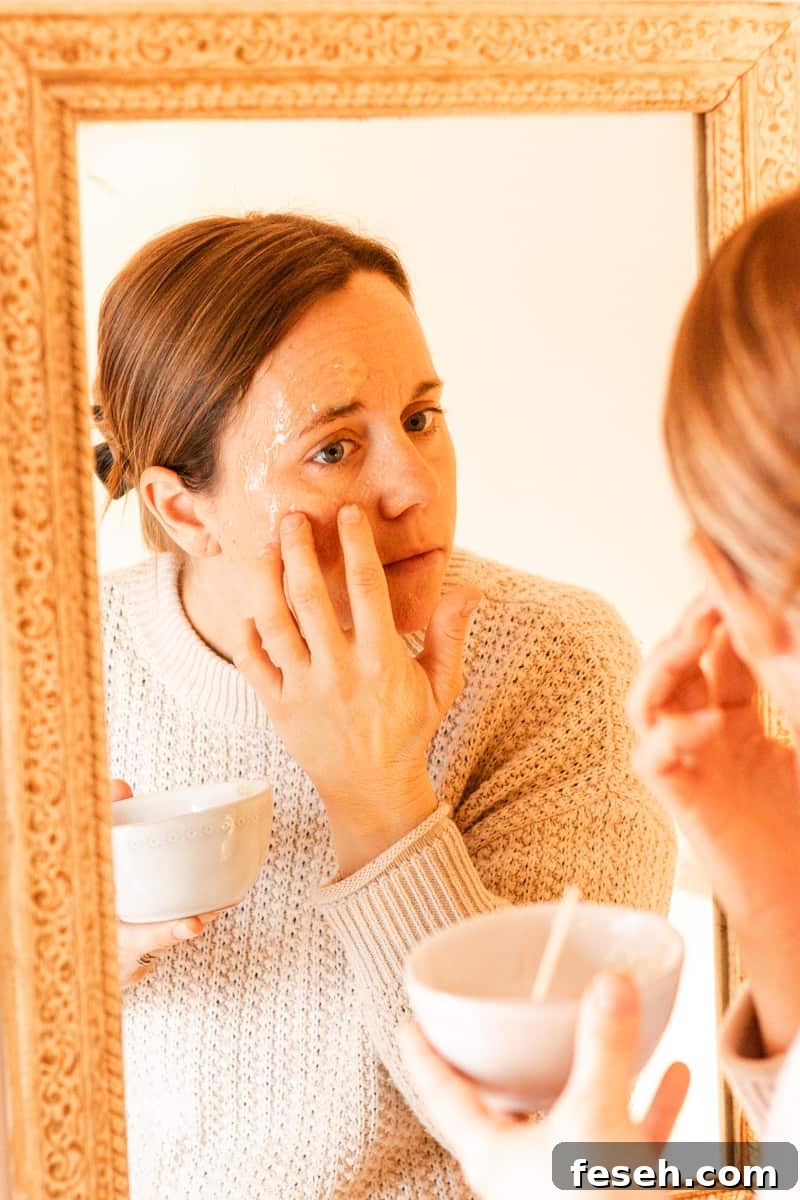
It’s time to explore baking soda face masks — a simple DIY treatment that can help cleanse and refresh skin for a brighter, more even-looking complexion.

Skincare fans: this recipe grew out of my experiments while developing other homemade masks. Over time I refined a simple baking soda mask that I now use occasionally and am sharing here because it’s inexpensive, quick, and straightforward to make.
I also use baking soda in other body-care recipes from time to time — for example, a homemade baking soda hair rinse — but this post focuses on the face mask and how to use it safely.
This post contains affiliate links, which means I may earn a small commission at no extra cost to you. Full disclosure is available on the site.
Baking soda face mask recipe
Ingredients:
- 2 teaspoons baking soda
- 2 teaspoons sunflower oil
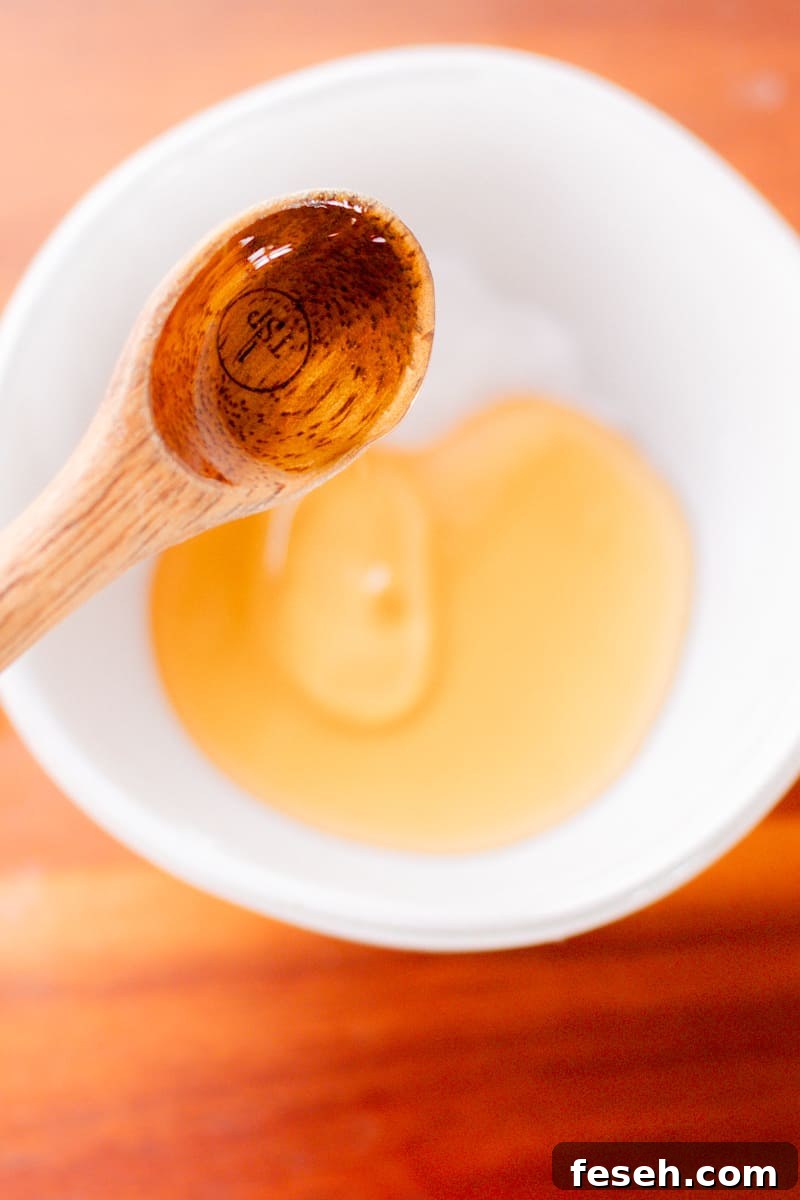
- 1 tablespoon honey
Note: Always perform a patch test before applying any new product to your face. Apply a small amount to your wrist or the inside of your elbow and wait 5–10 minutes. If you experience tingling, redness, or pain, do not use the mask on your face.
Instructions
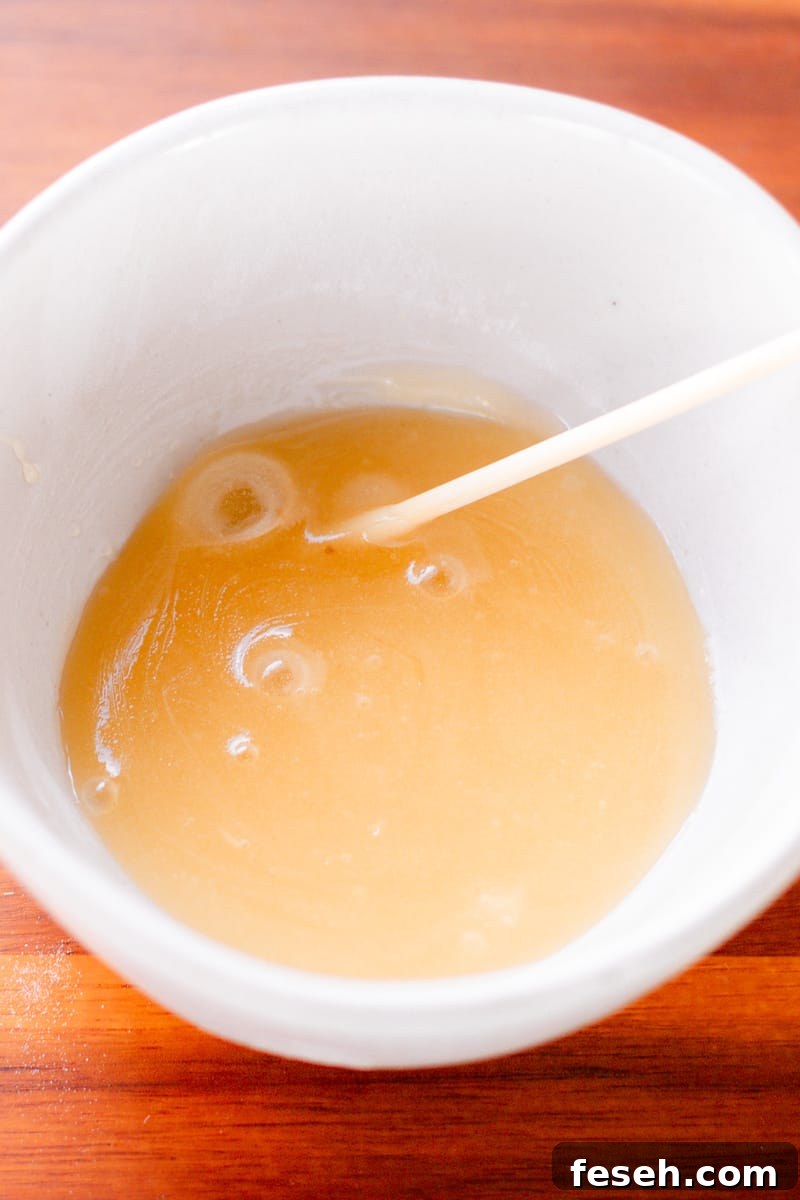
Step 1: Mix the baking soda, sunflower oil, and honey in a small bowl until you have a smooth, paste-like consistency.
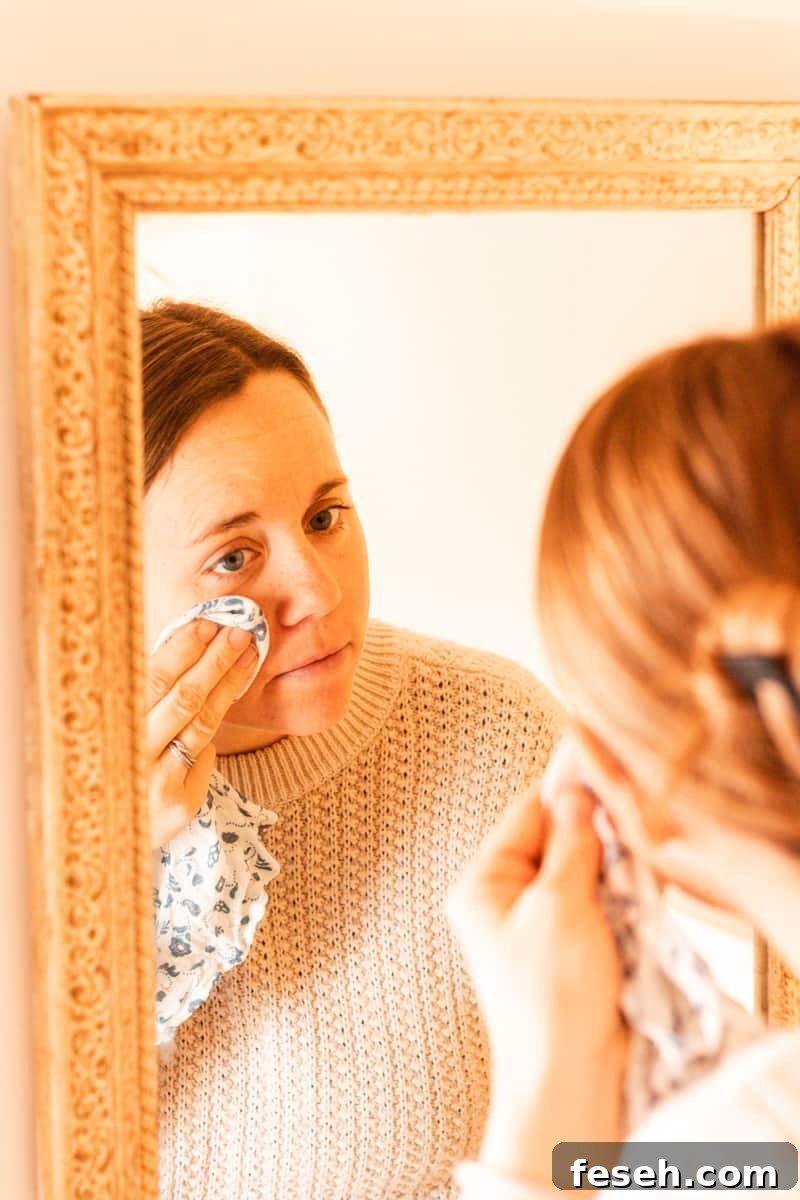
Step 2: Cleanse your face thoroughly and gently pat it dry before application.

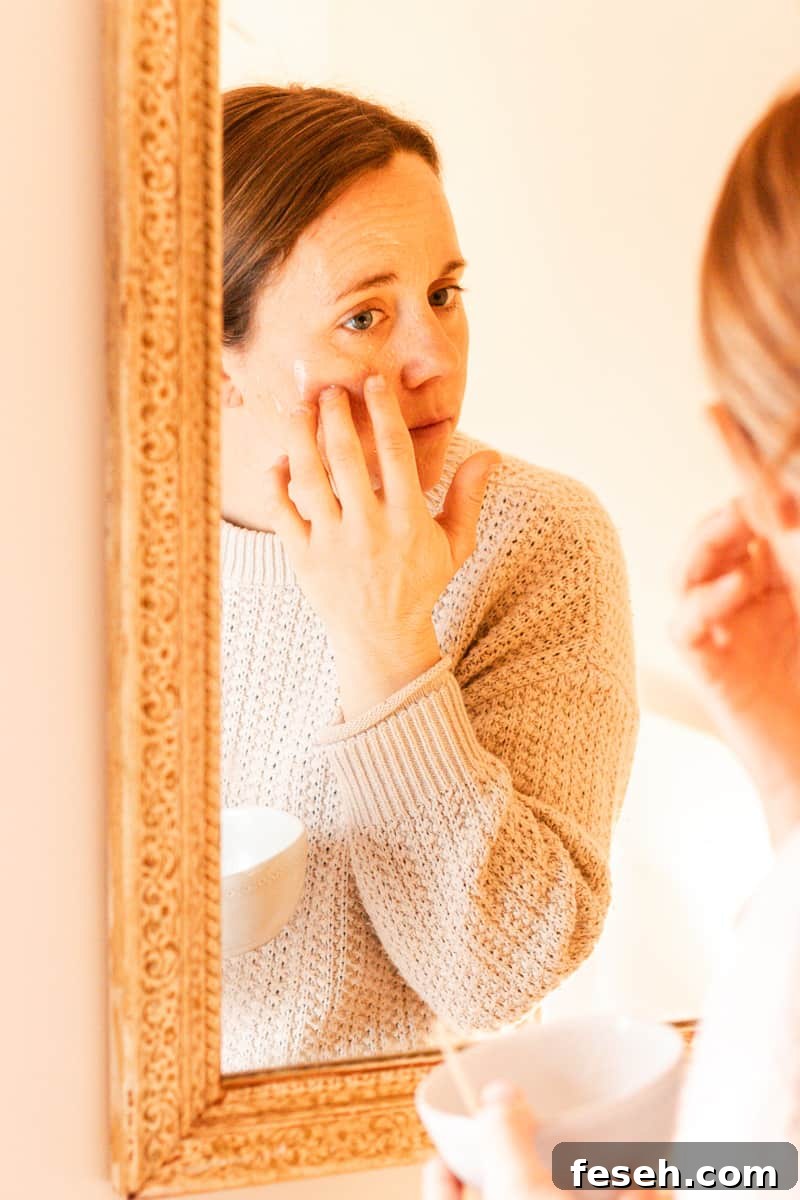
Step 3: Apply a thin, even layer of the mask with your fingertips, avoiding the eyes, nostrils, and mouth. You can massage the mask in gentle circular motions for about a minute to help exfoliation.
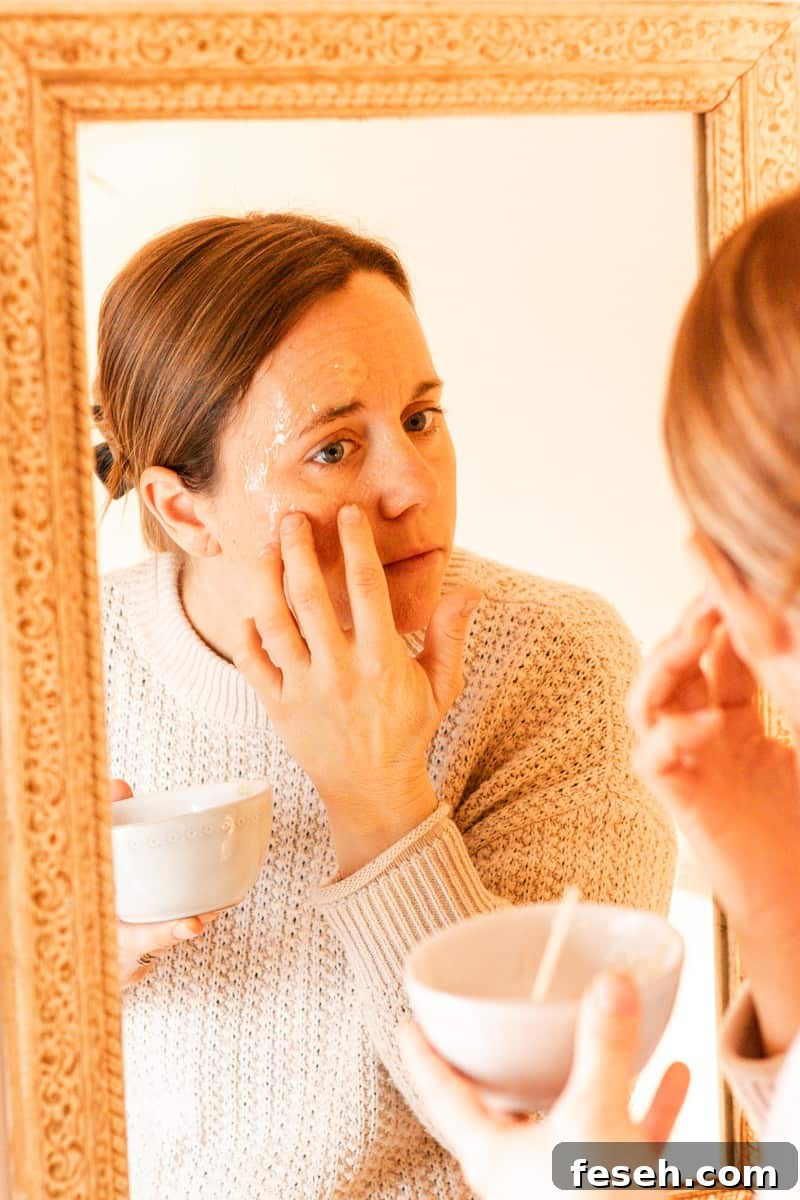
Step 4: Leave the mask on for 5–10 minutes. It should remain a paste-like texture — not too runny or bone-dry.
Step 5: Rinse thoroughly with warm water using your hands or a soft washcloth, then splash with cool water to help close pores. Pat skin dry with a clean towel and follow with your favorite moisturizer.
Application tips
Apply a thin layer and avoid delicate areas around the eyes and mouth. I usually use this mask once or twice a month to prevent over-drying; adjust frequency based on how your skin responds. After rinsing, finish with a hydrating moisturizer. If you prefer, apply a gentle homemade moisturizer to lock in hydration.
What is a baking soda face mask?
A baking soda face mask combines baking soda with soothing and moisturizing ingredients — in this case, sunflower oil and honey. Applied like any other mask, it’s left on for several minutes then washed off. The goal is gentle exfoliation and pore cleansing to leave the skin feeling refreshed.
Why you’ll like this recipe
Easy: It’s fast to prepare and simple to apply.
Effective: Baking soda offers mild exfoliation when combined with moisturizing ingredients.
Budget-friendly: All ingredients are inexpensive and commonly available.
Benefits of a baking soda face mask
Used carefully, a baking soda mask can offer several benefits:
- Exfoliation: The fine texture of baking soda helps remove dead skin cells, leaving skin smoother.
- Brightening: Regular, gentle exfoliation can help improve dullness and restore a healthier-looking glow.
- Pore cleansing: Baking soda can assist in loosening debris from pores, helping them appear cleaner.
- Honey’s benefits: Honey soothes and moisturizes, making the mask gentler and supportive for many skin types.
- Matte finish: Baking soda may help reduce surface oil temporarily, so skin appears less shiny.
- Affordable: Compared with many commercial treatments, these ingredients are low-cost.
Safety precautions
- Patch test: Always test on a small area first to check for sensitivity.
- Avoid overuse: Baking soda is slightly alkaline and can be drying if used too frequently. Use sparingly.
- Frequency: Start with once or twice a month, then adjust depending on how your skin reacts.
- Moisturize: Always follow with a moisturizer to restore hydration.
- Sun protection: Your skin may be more sensitive to sunlight after exfoliation; use sun protection as needed.
- Stop if irritated: If you experience persistent redness or discomfort, discontinue use and consult a dermatologist.
- Medical advice: If you have preexisting skin conditions or concerns, check with a healthcare provider before using homemade treatments.
FAQs
Is baking soda good for your face?
When used correctly and sparingly, baking soda can provide mild exfoliation, reduce surface oil, and leave the skin feeling cleaner. Results vary by skin type, so observe how your skin reacts.
Are there side effects from using baking soda on the face?
Some people may experience dryness, irritation, or sensitivity because baking soda is alkaline. Patch testing and using the mask infrequently can help minimize risks. If you have sensitive skin, consider a gentler alternative mask.
Can baking soda help with blackheads?
Baking soda paste can assist with exfoliation and may help reduce the appearance of blackheads by loosening debris in pores. Results are individual and not guaranteed.
Enjoy this recipe!
I hope you enjoy this baking soda face mask. Some people notice a difference after one use, while others see gradual improvement with occasional applications. Use it sparingly, especially if your skin tends to be dry.
If you try it and like it, consider sharing feedback or a review on the original post. For more DIY skincare ideas, the site includes other mask recipes and skin-care guides.
- My top 10 oatmeal face masks
- How to make a sea moss face mask
- How to make an anti-aging face mask
- How to make an under-eye mask
Baking Soda Face Mask

Equipment
-
Spoon
-
Small bowl
Ingredients
- 2 teaspoons baking soda
- 2 teaspoons sunflower oil
- 1 tablespoon honey
Instructions
-
Combine all the ingredients together in a small bowl.
-
Cleanse your face and gently pat it dry.
-
Apply the mask with your fingertips, avoiding eyes, nose, and mouth. Massage gently for about a minute if desired.
-
Leave on for 5–10 minutes, then rinse off with warm water. Finish with a splash of cool water and apply moisturizer.
Notes
This recipe is for informational purposes and not intended to diagnose or treat skin conditions. Perform your own tests and consult a professional if you have concerns.