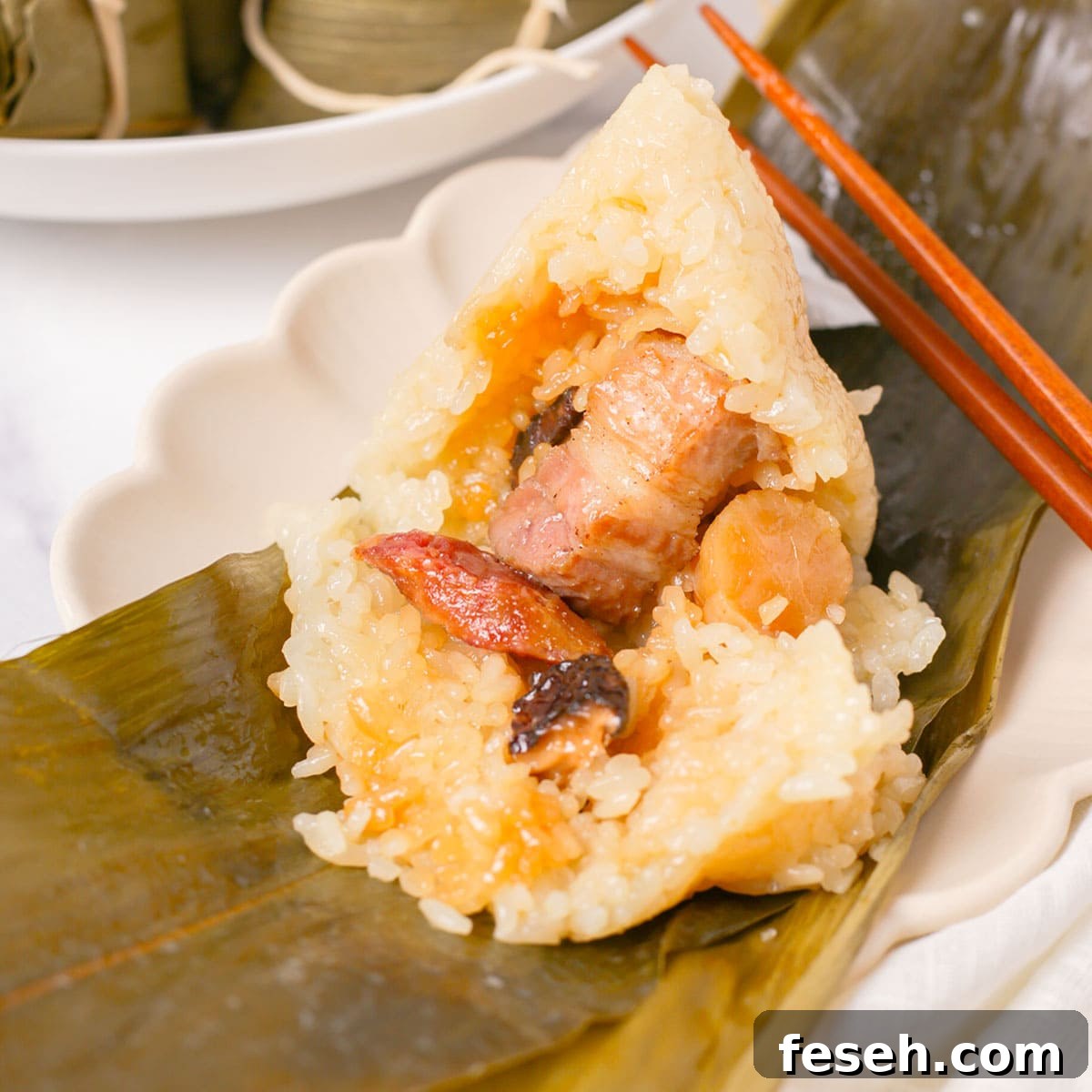
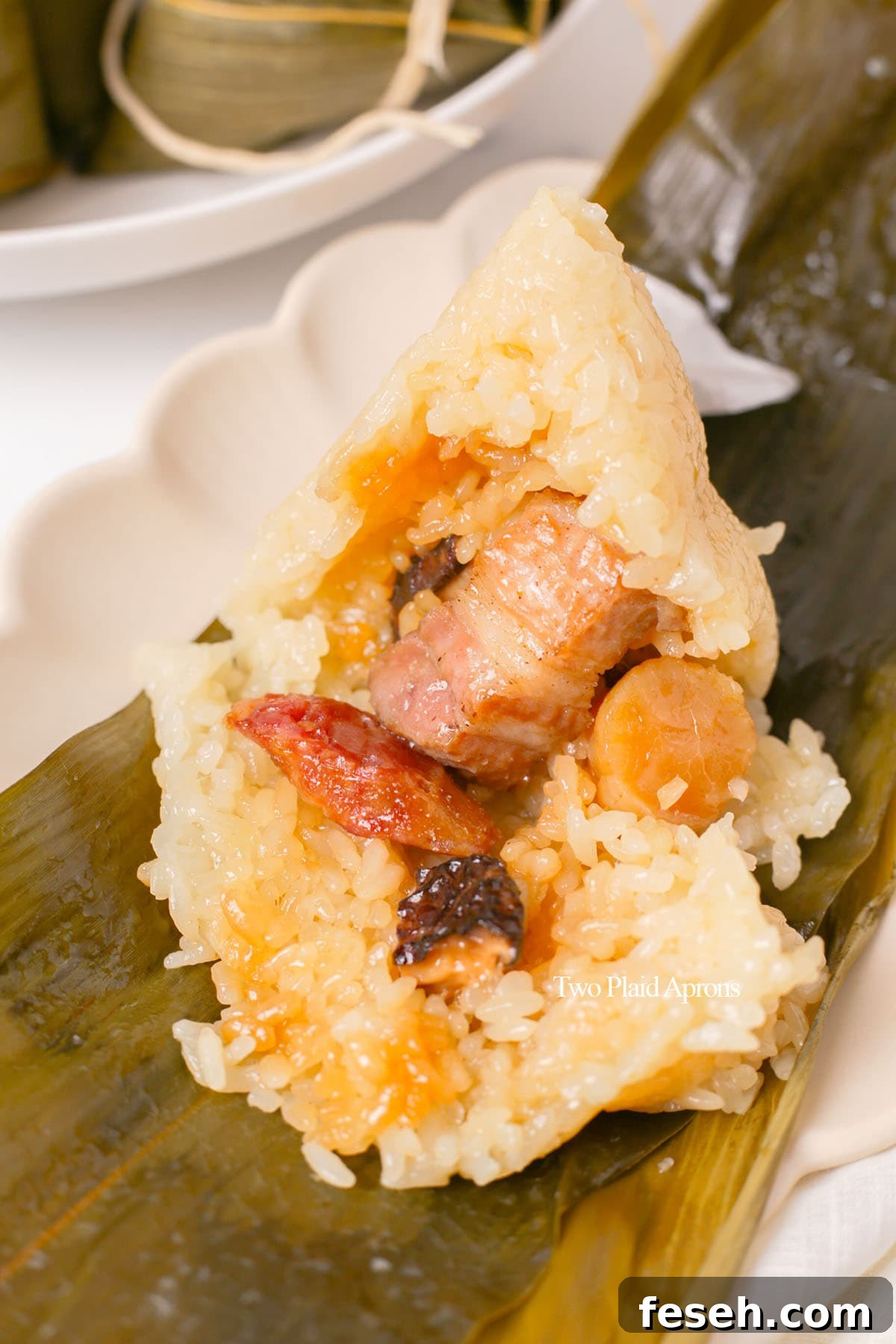
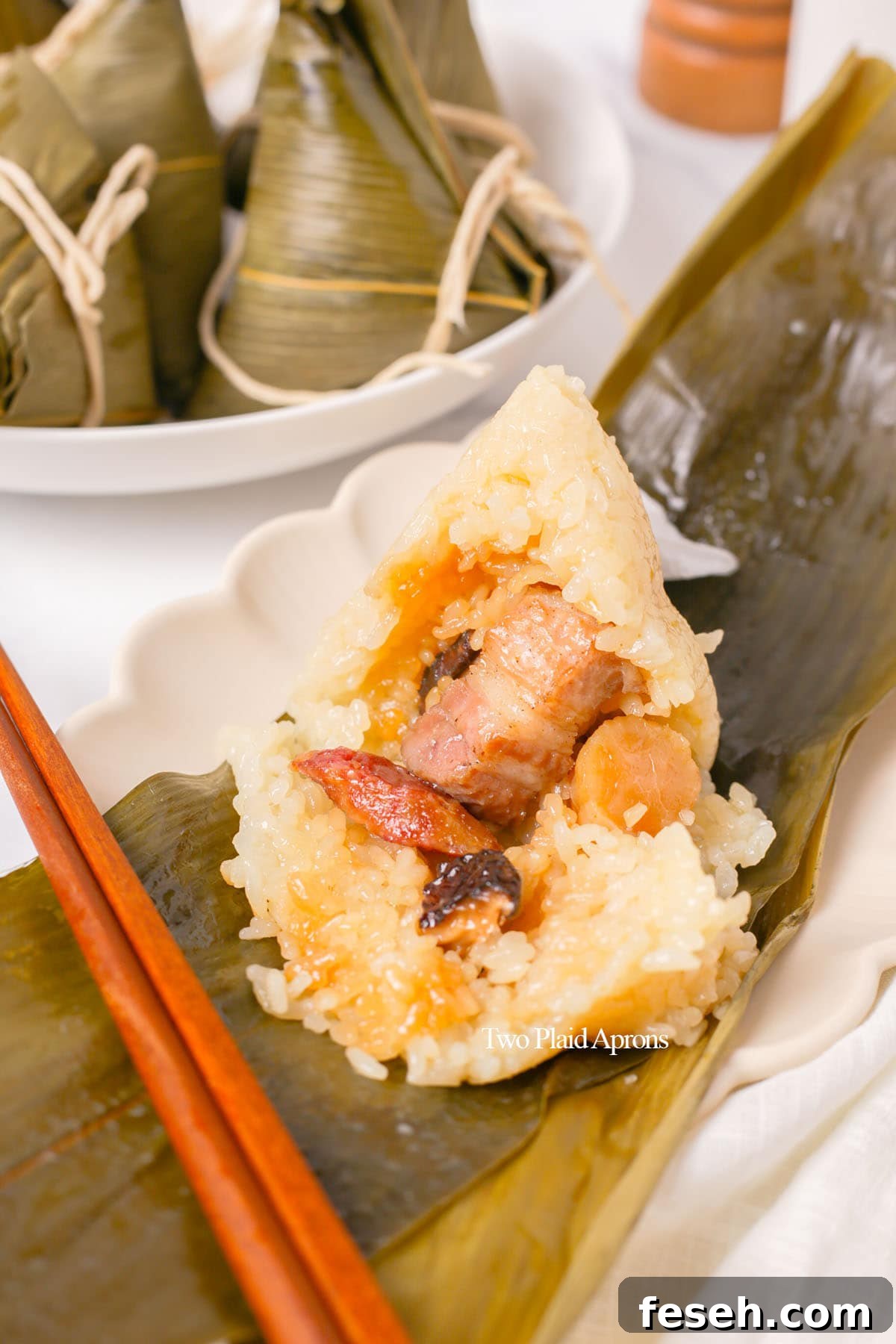
These savory zongzi are Cantonese-style rice dumplings traditionally made for the Dragon Boat Festival. They’re packed with savory fillings and make excellent snacks or quick meals. If you’d like a sweet counterpart, try the red bean zongzi. Follow the steps and photos below for tips and a clear, step-by-step guide.
If you make this recipe or any recipes from our blog, tag us on Instagram with #twoplaidaprons or mention @two_plaid_aprons in your stories. We love seeing your creations! 🥰
What is zongzi?
Zòngzi (粽子), also called sticky rice dumplings, are traditional Chinese parcels of glutinous rice and fillings wrapped in bamboo leaves. They are eaten to celebrate Duān Wǔ Jié (端午节), the Dragon Boat Festival, observed on the fifth day of the fifth lunar month.
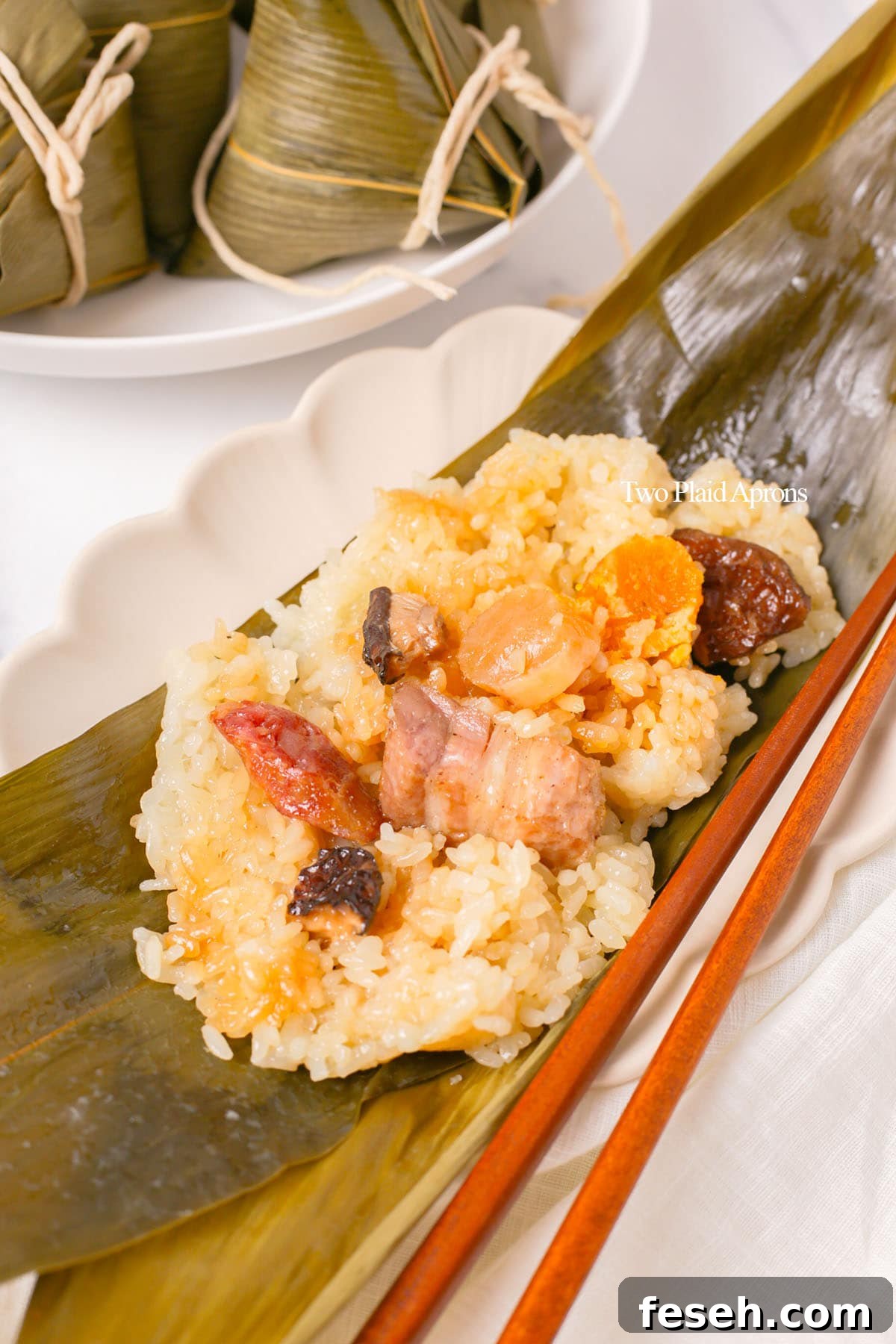
Zongzi can be sweet or savory. For this Cantonese-style version, the fillings include marinated pork belly, marinated shiitake mushrooms, salted duck egg yolk, dried scallop, and Chinese sausage layered with seasoned glutinous rice.
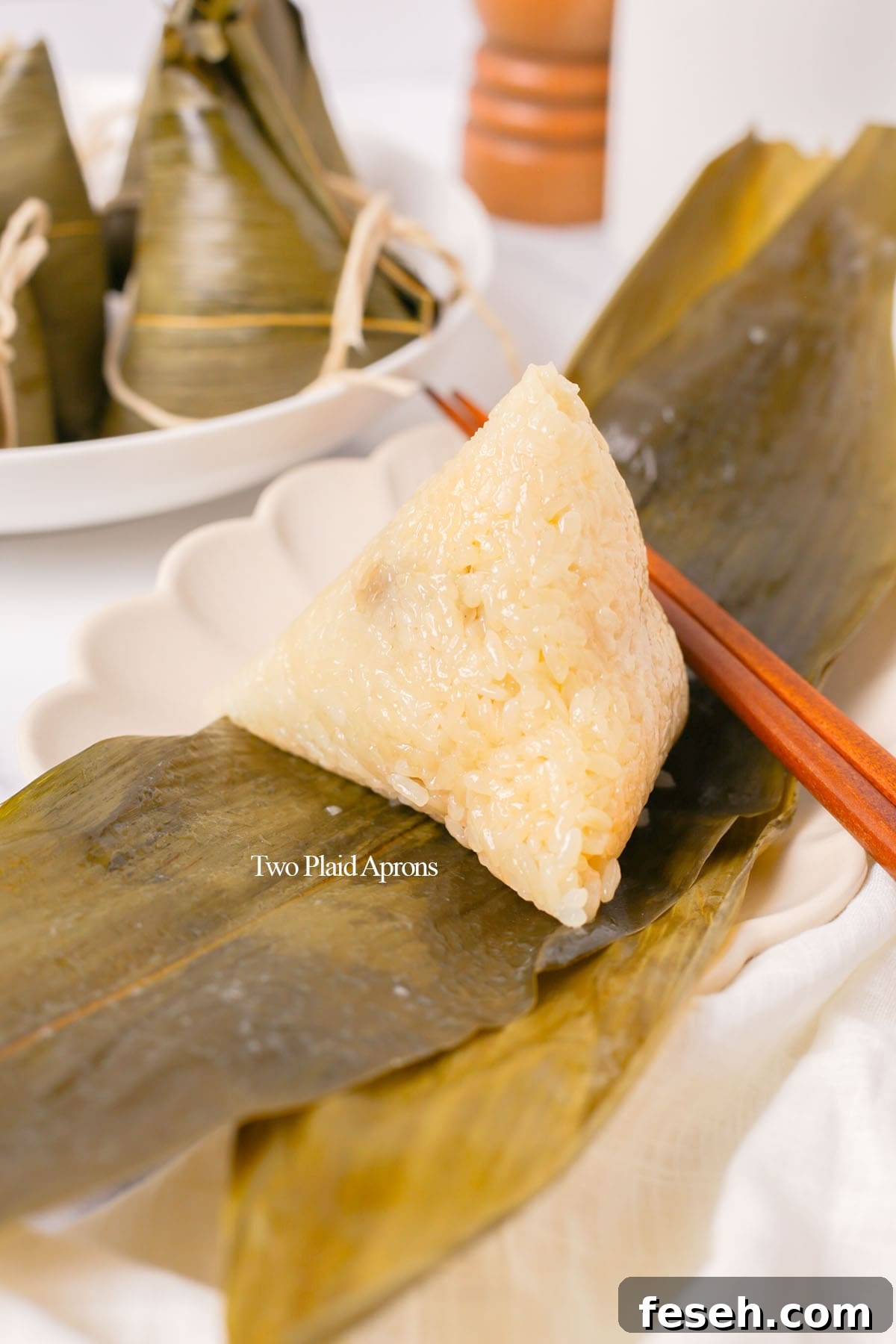
Types of zongzi
Regional styles vary widely, but most zongzi fall into two broad categories:
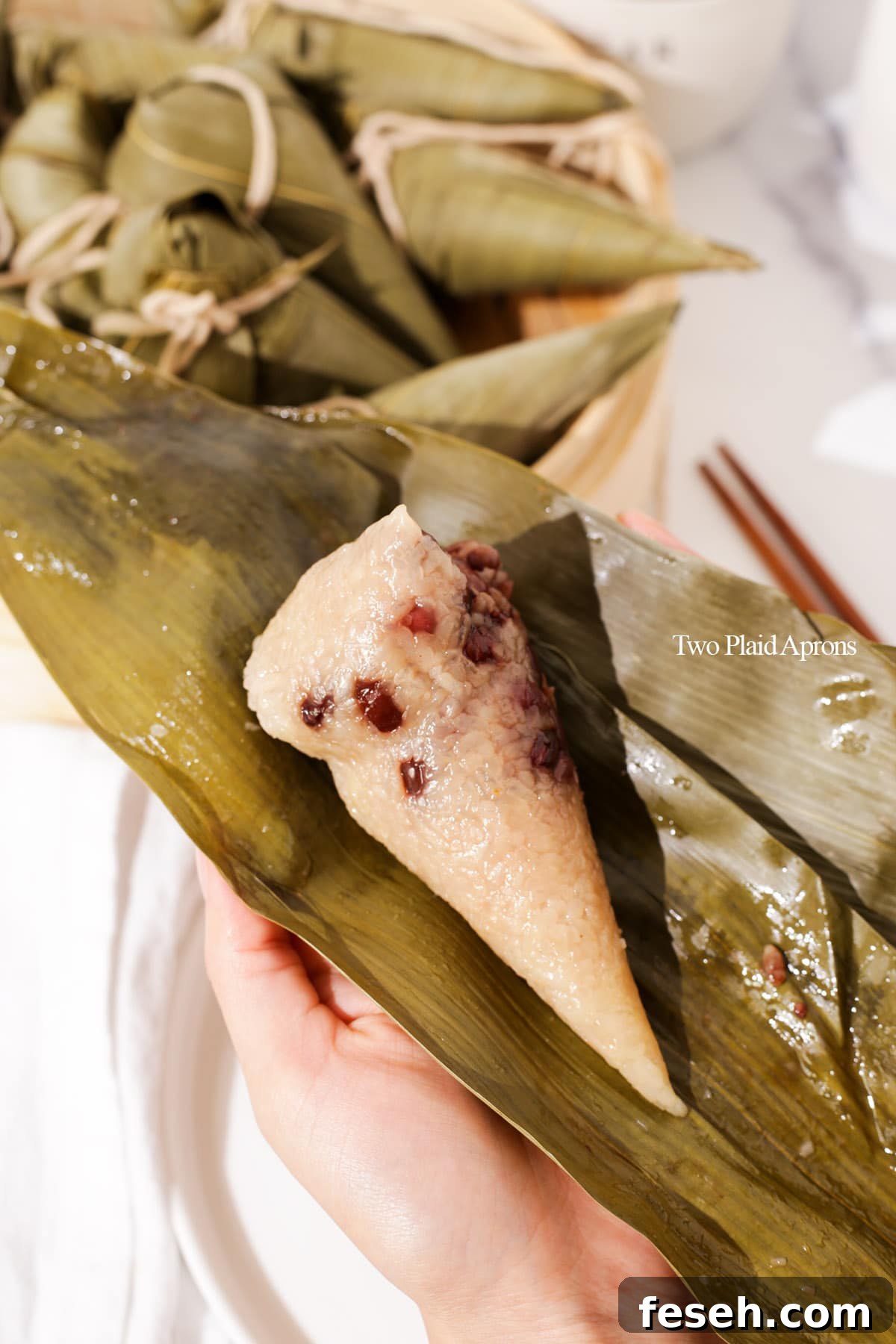
- Sweet – Often filled with red bean paste, sweetened beans, nuts, dates, or black rice. A notable subcategory is jianshui zongzi, where the rice is treated with a small amount of alkaline solution to produce a yellow color.
- Savory – Rice is seasoned with salt or soy sauce (and sometimes dark soy and oil). Fillings commonly include marinated pork or chicken, shiitake mushrooms, salted egg yolk, Chinese sausage (lap cheong), and occasionally mung beans.
Ingredients for savory zongzi
See the recipe card below for exact quantities.
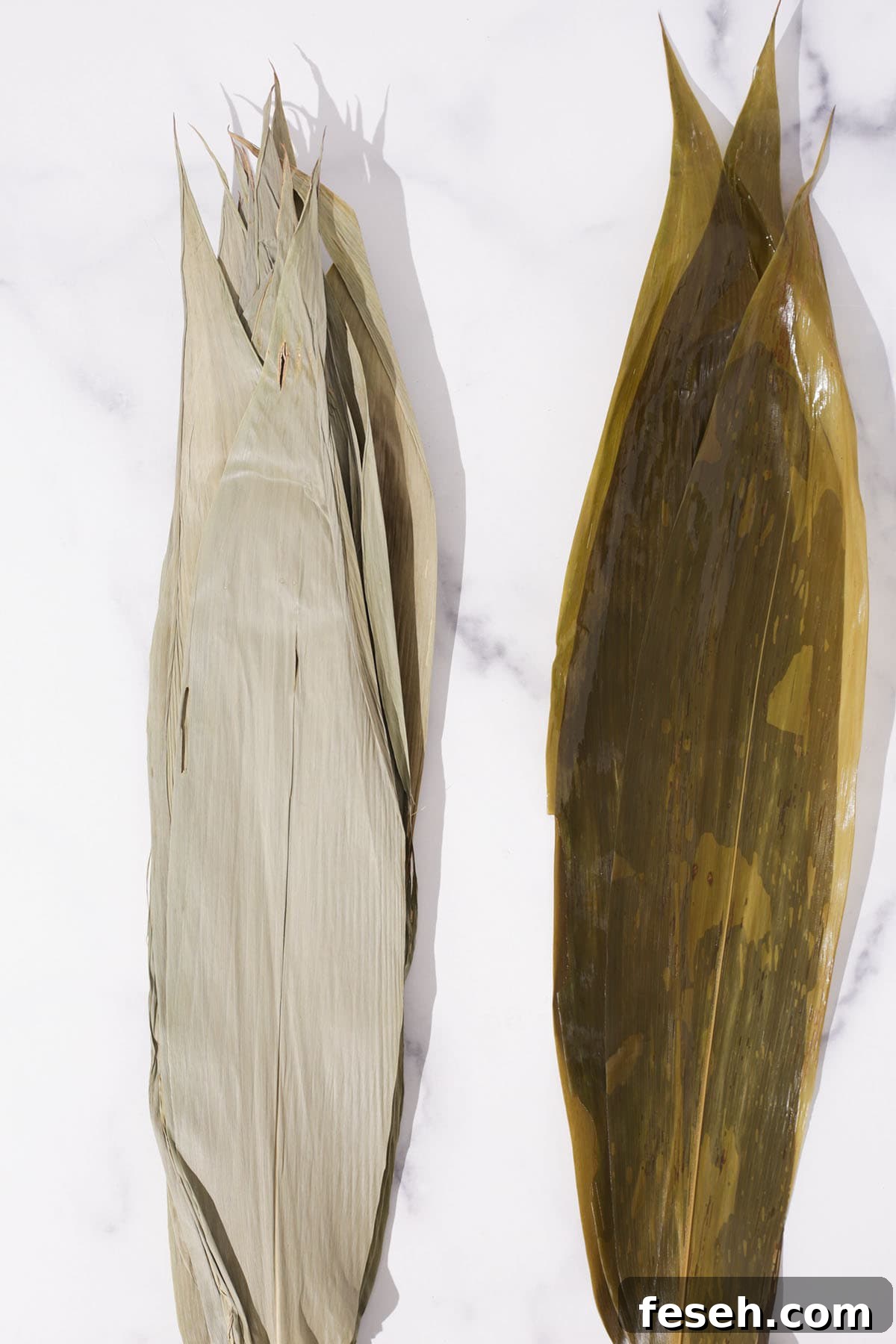
- Bamboo leaves – Dry bamboo leaves are soaked before use. They give aroma, hold the dumplings together, and make storage and transport easy.
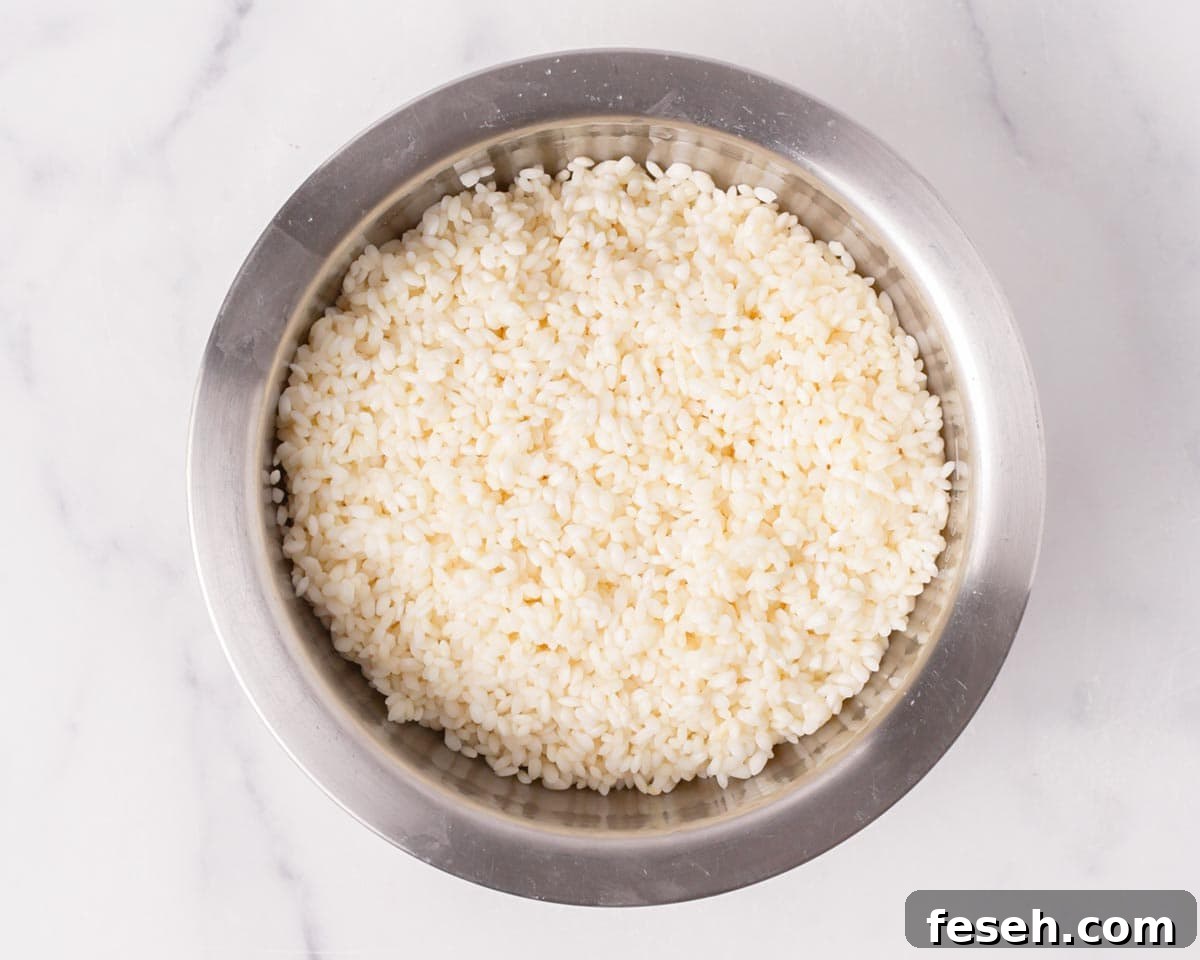
- Short-grain glutinous rice – This sticky rice gives zongzi their characteristic chewy texture. Glutinous rice is naturally gluten free.
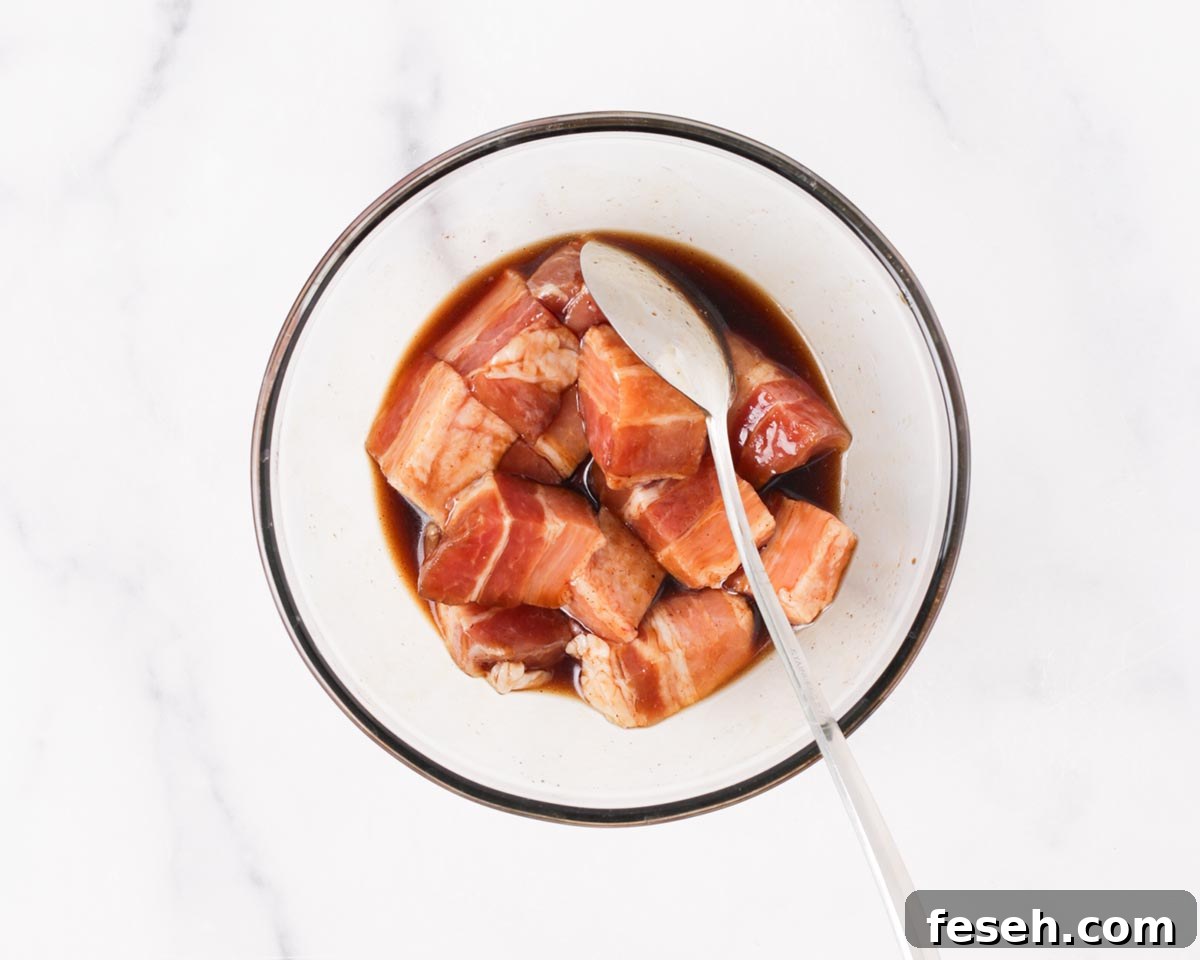
- Marinated pork belly – Skinless pork belly is recommended; a marinade with Shaoxing rice wine, soy sauce, oyster sauce, sugar, and optional five spice adds depth.
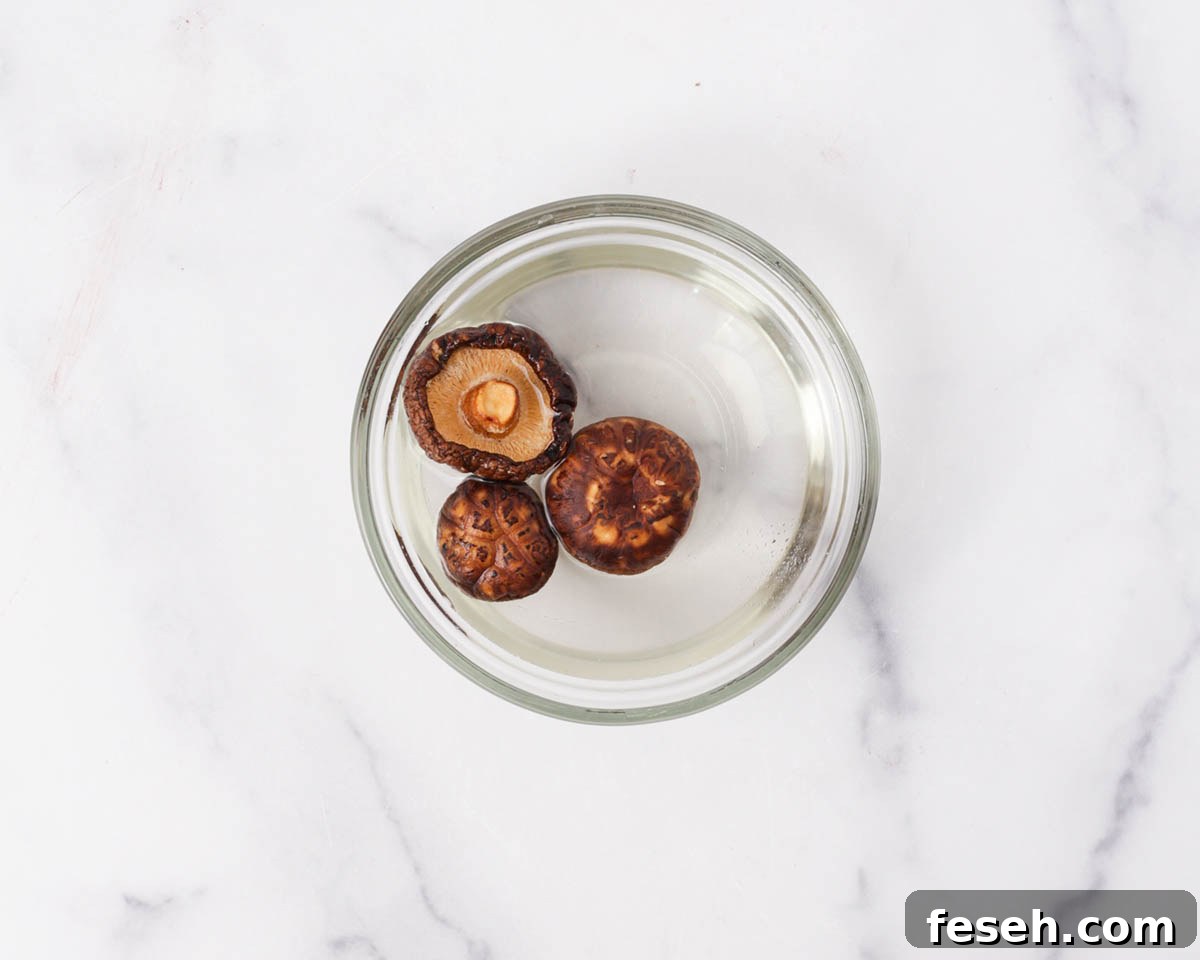
- Marinated shiitake mushrooms – Rehydrated dried shiitake absorb flavor well and add umami.
- Dried bay scallop – Adds a subtle seafood umami; rehydrate before use.
- Cooked salted duck egg yolks – These add color, richness, and a savory finish.
- Chinese sausage (lap cheong) – Sliced into pieces, it brings sweet-savory flavor.
- Salt – For seasoning the soaked rice.
Overview: how to make zongzi
Refer to the recipe card for full ingredient lists, quantities, and timing.
Prepare the ingredients (day before)
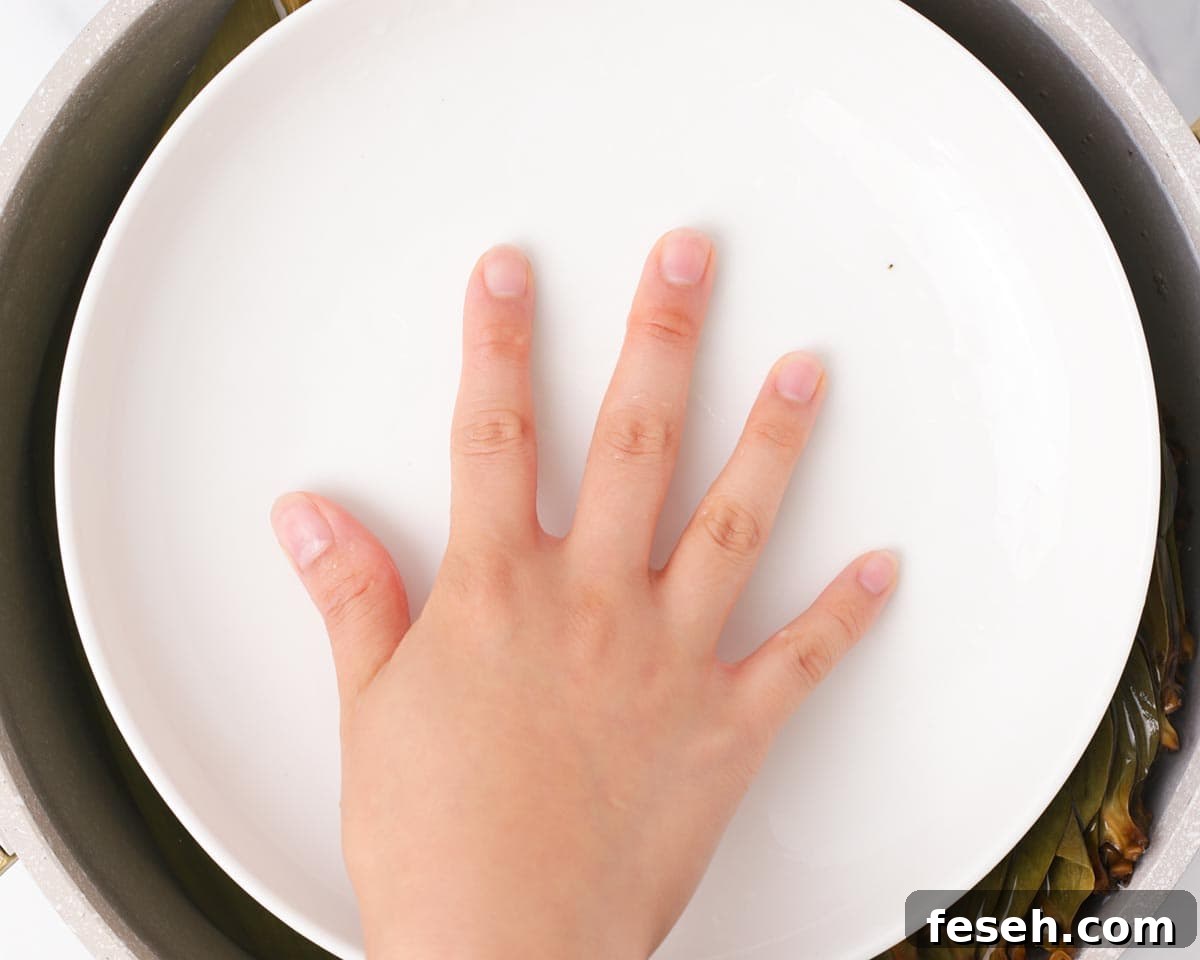
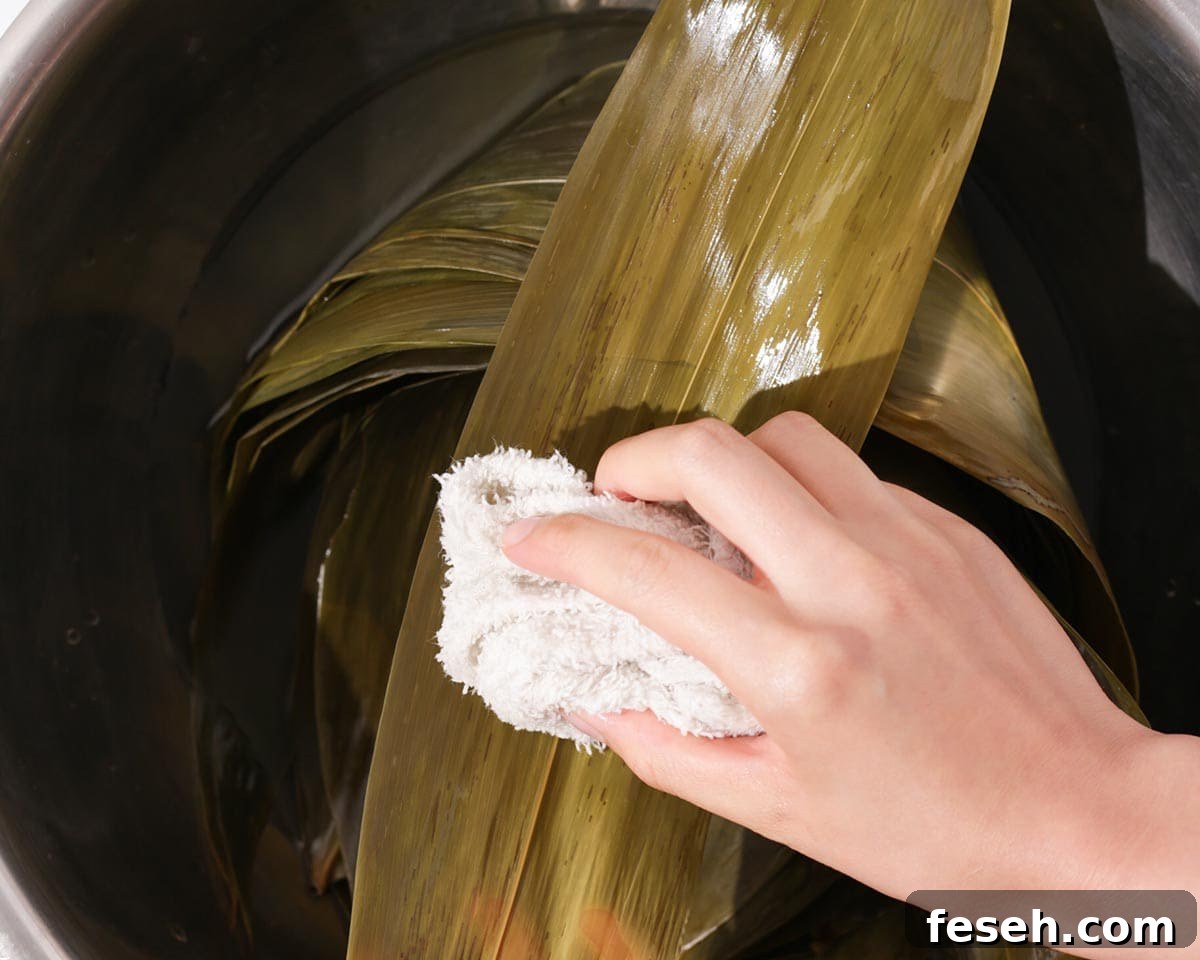
Soak dry bamboo leaves in water for at least 6 hours or overnight. Keep them bundled and weigh them down so they stay submerged. Rinse and briefly simmer the next day to soften, then cool and wipe clean.
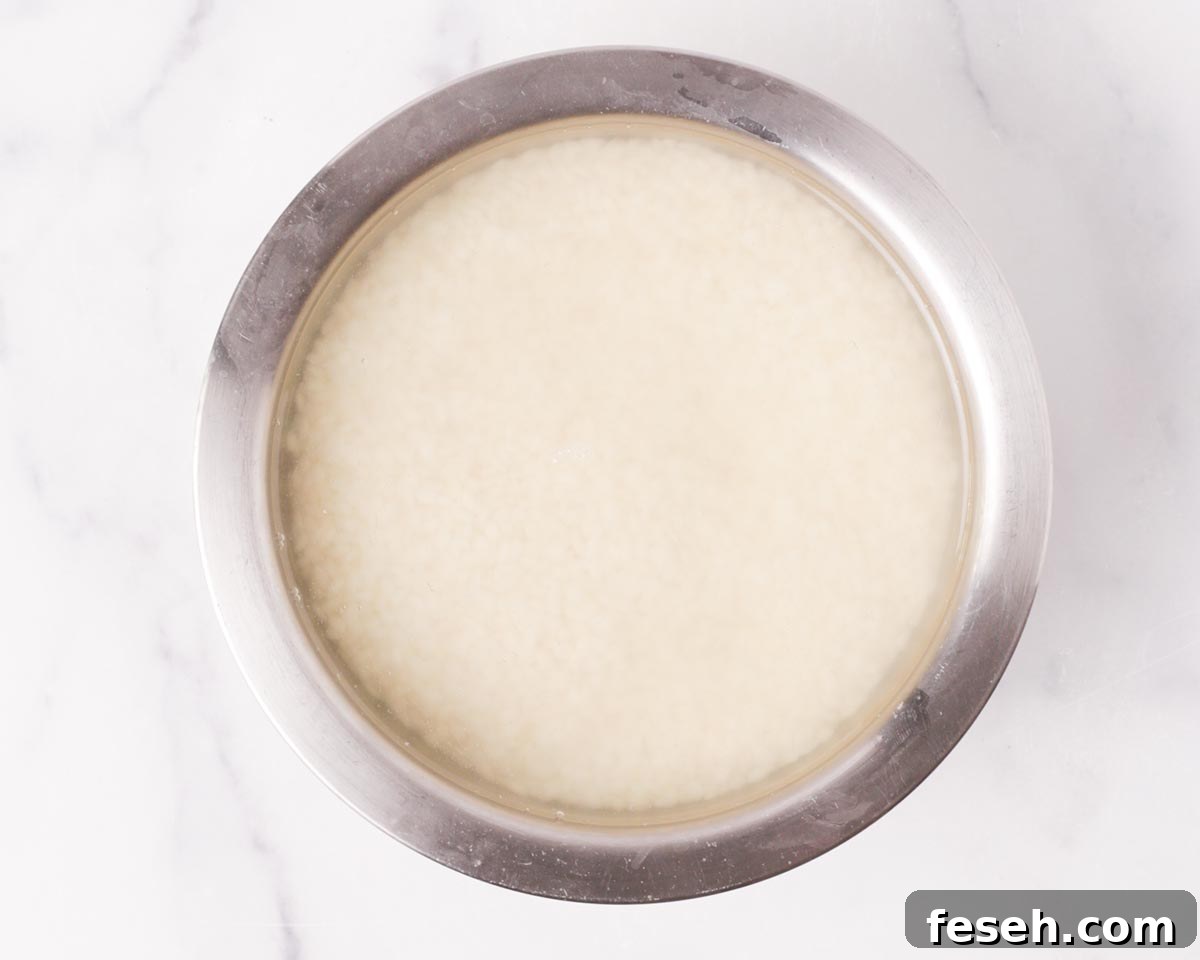
Rinse and soak the glutinous rice in 1–2 inches of water for at least 6 hours or overnight in the refrigerator. Drain well before seasoning with salt.
Marinate the pork belly by mixing oyster sauce, soy sauce, Shaoxing rice wine (optional), sugar, and five spice, then coat the pork and chill for several hours or overnight.
Rehydrate dried shiitake in hot water, squeeze out excess liquid, remove stems, and quarter or halve. Toss with a simple marinade of water, oyster sauce, soy sauce, and sugar.
Soak dried bay scallops in hot water for 4–6 hours or overnight. Bake salted egg yolks briefly at 350°F until slightly foamy, cool, then halve. Slice Chinese sausage diagonally into pieces.

Preparation on the day
Drain and season rice with salt, allowing it to lose excess water so it won’t be too wet when wrapped. Clean bamboo leaves by simmering briefly, cooling, and wiping both sides. Keep leaves covered with a damp towel until ready.
How to wrap zongzi (pyramid fold)
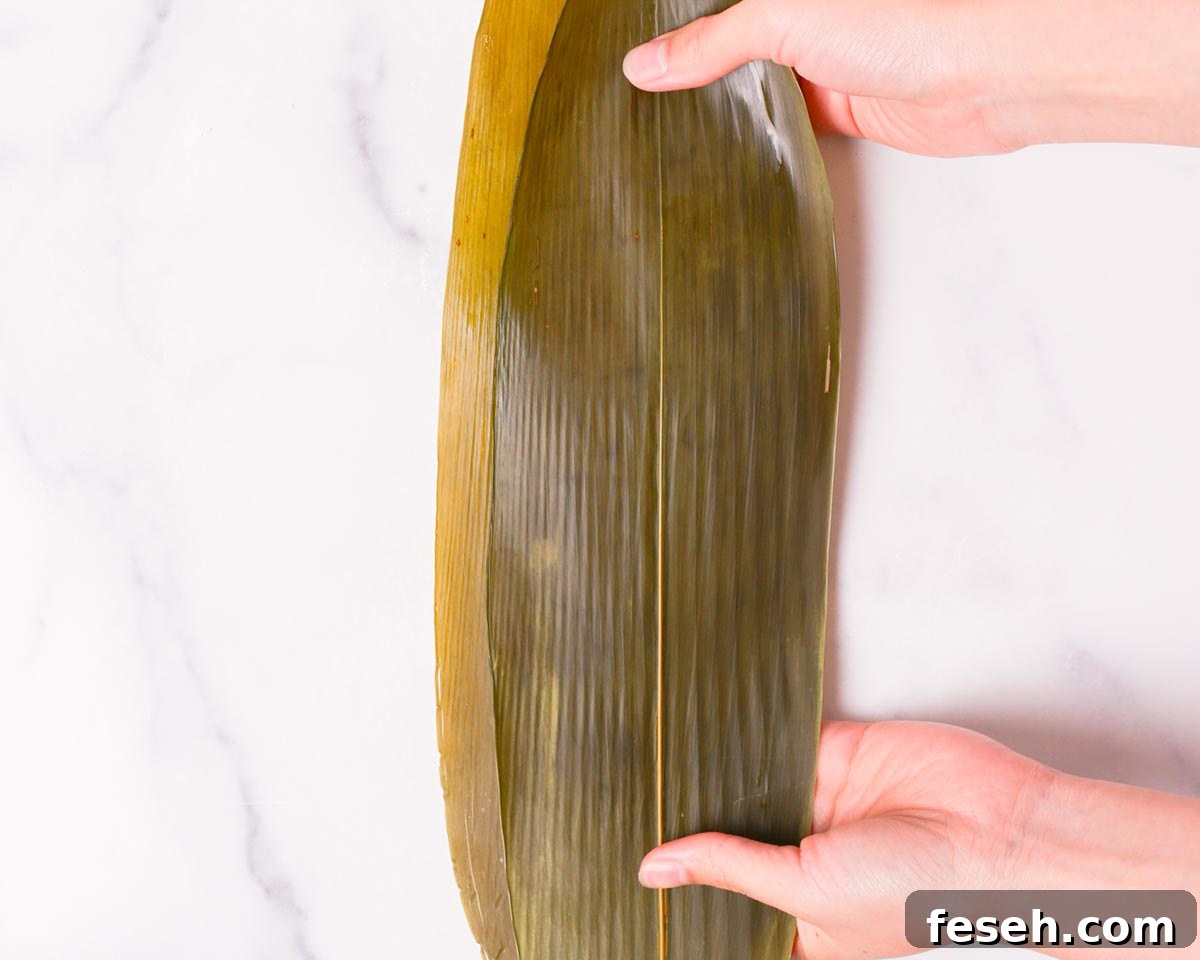
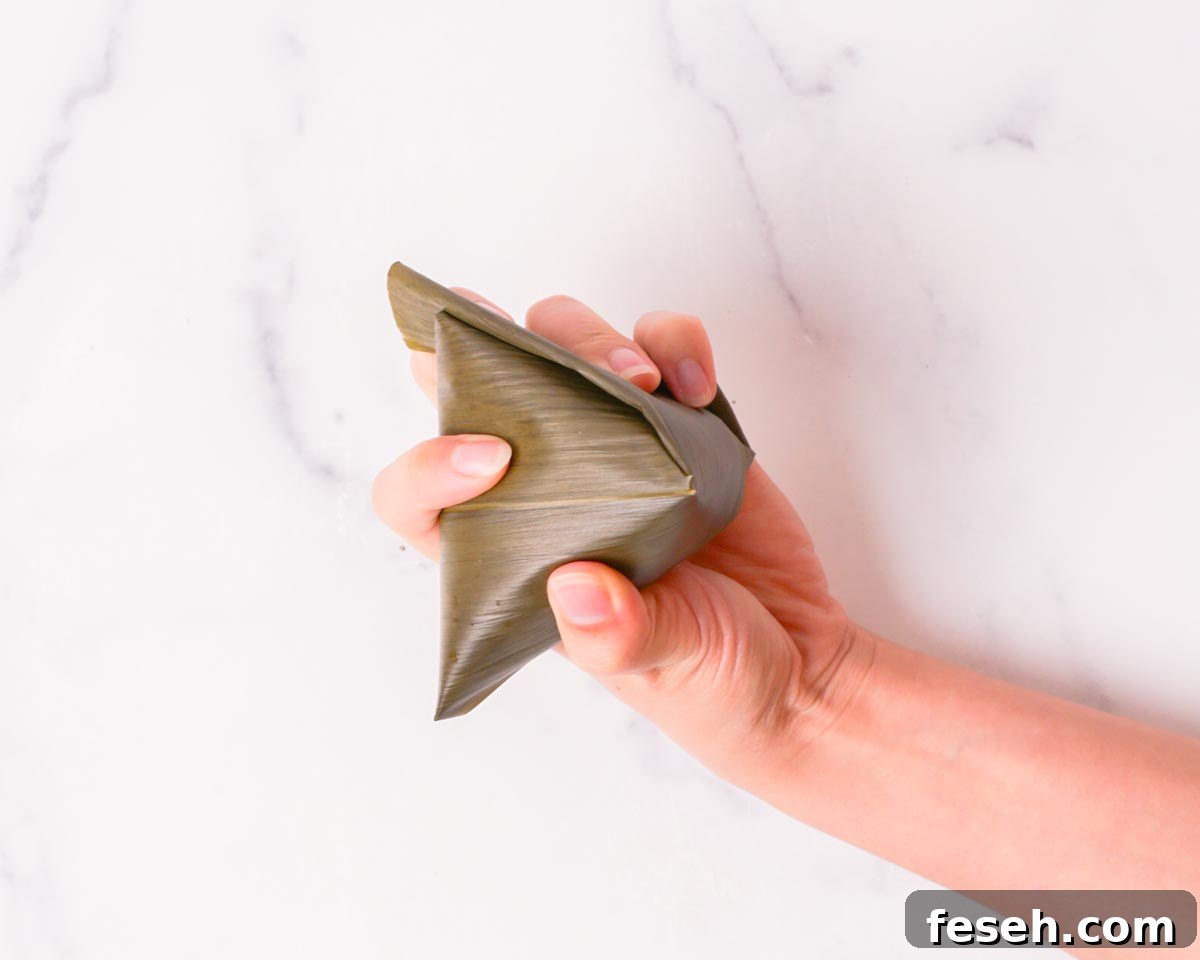
Stack two bamboo leaves shiny side up and offset them slightly. Fold and twist near the bottom to form a cone. Add 1–2 tablespoons of rice, press an indentation, then add filling: half a salted yolk, a piece of marinated pork, shiitake pieces, one scallop, and a piece of Chinese sausage. Top with more rice and press firmly.
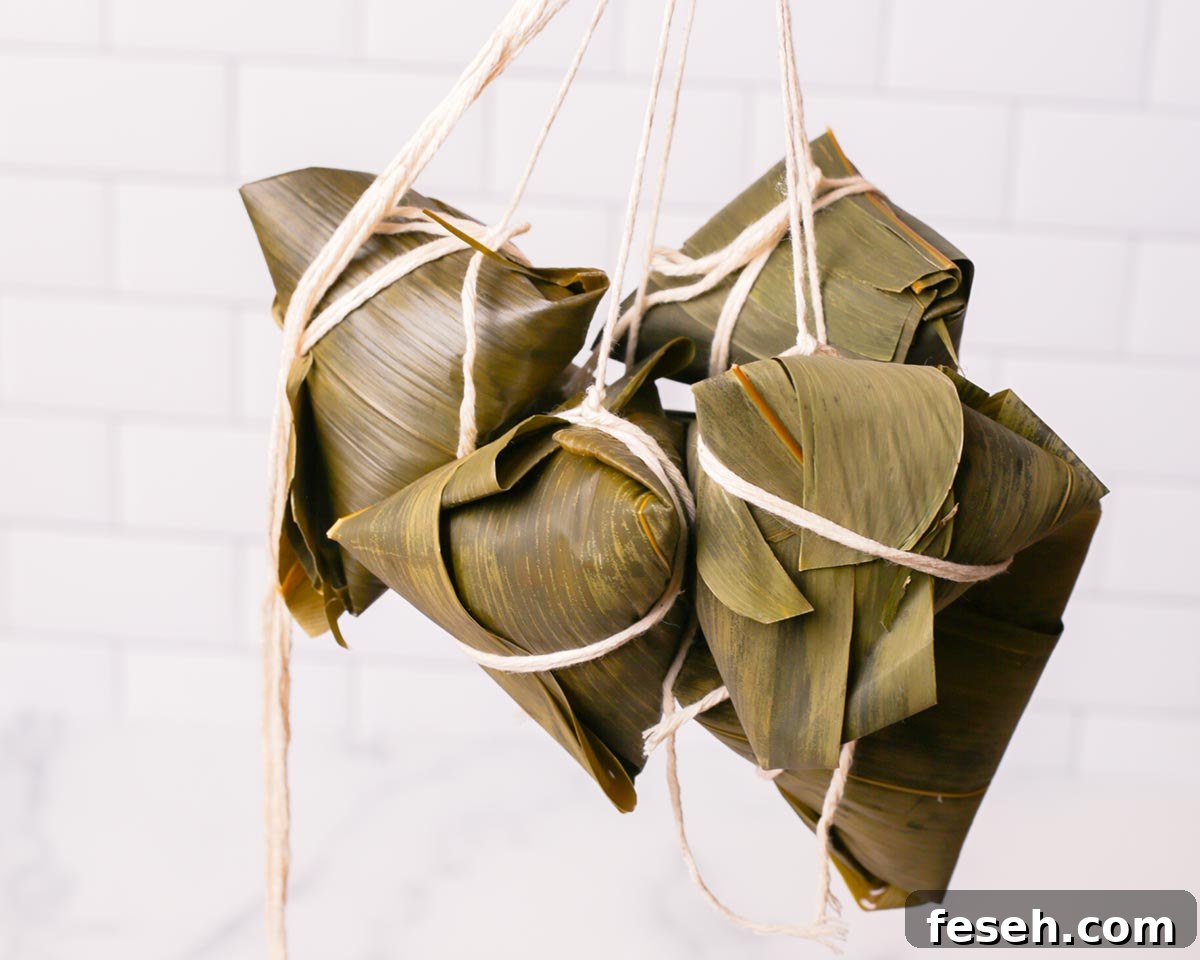
Fold the top flap down, tuck the sides to form a triangle, fold excess leaf to seal, and tie securely with butcher’s twine. Trim excess leaves as needed.
Cooking methods
Stovetop (boiling)
Place wrapped zongzi in a large pot and cover completely with water. Bring to a boil, then reduce to a medium simmer and cook for 2–2½ hours, topping up water to keep zongzi submerged. A finished zongzi will hold its shape and peel away from the leaves easily.
Pressure cooker or rice cooker
Arrange zongzi in the cooker, cover with water (or up to the max fill line). For electric pressure cookers, cook at high pressure for 30 minutes and then manually release steam. For rice cookers with a multicook function, set for 30 minutes and allow automatic release. This method is much faster but limited by capacity.
How to eat zongzi
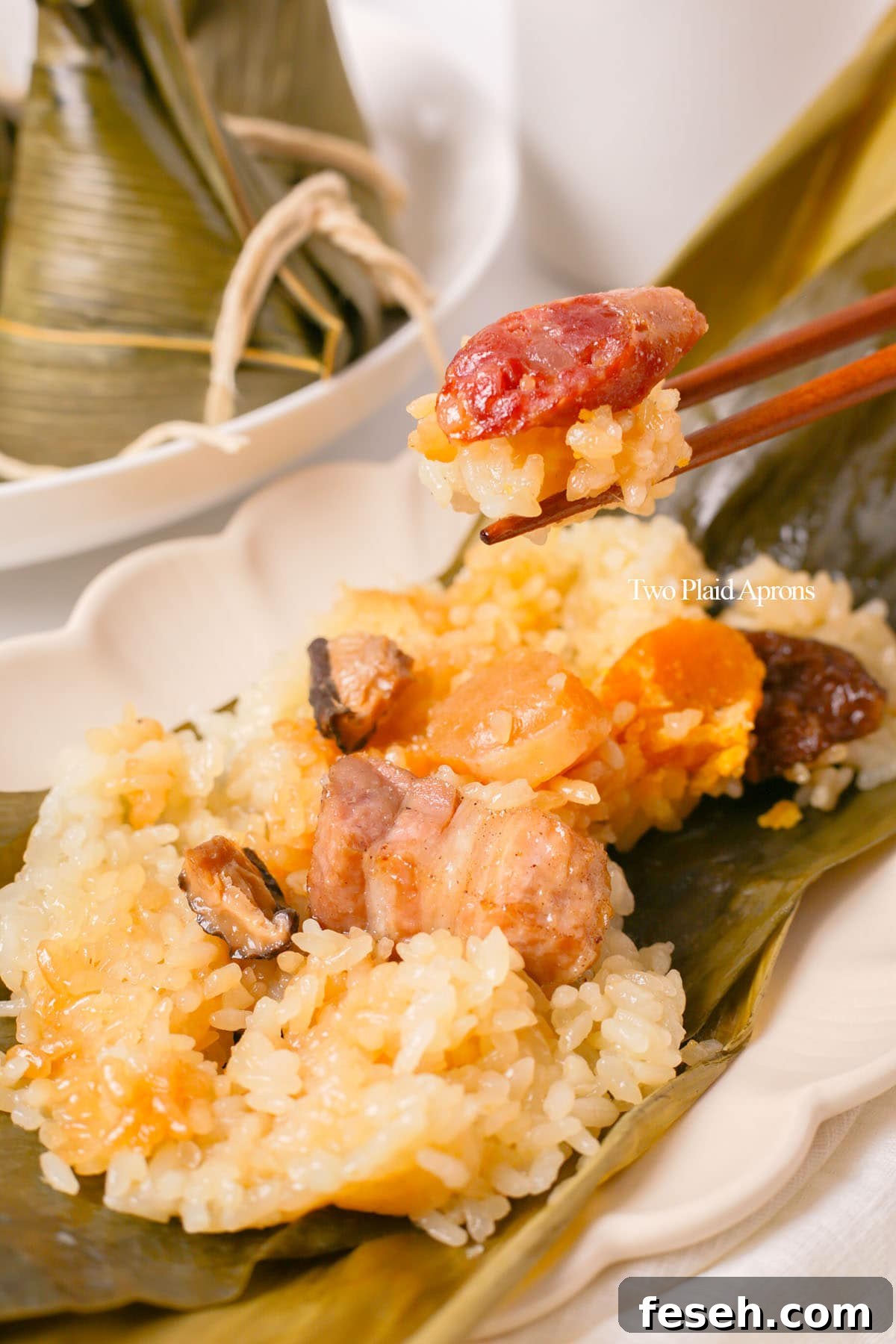
After cooking, let zongzi cool until you can handle them. Untie and unwrap the bamboo leaves and enjoy while warm. Many like to mash the salted yolk and scallop into the rice for extra flavor. Discard the leaves after eating.
Storage and reheating
Store cooled, wrapped zongzi in the refrigerator for up to one week. For longer storage, freeze in freezer bags for 3–4 months. Thaw frozen zongzi overnight in the fridge before reheating.
Reheat options:
- Microwave: Unwrap, place on a microwave-safe plate, cover, and heat about 1 minute or until hot.
- Steamer: Steam unwrapped zongzi 10–15 minutes until heated through.
- Simmer: Submerge zongzi in boiling water, reduce to a simmer and heat 5 minutes or until warm.
FAQ
They are commonly called sticky rice dumplings or rice dumplings; sometimes people refer to them as Chinese tamales.
Zongzi are best enjoyed warm. Untie and unwrap, then eat as is or mix the salted yolk and scallop into the rice for added flavor. Discard the bamboo leaves.
They can be either. Boiling is most common and yields a softer chew; steaming takes longer and produces a chewier texture.
No. Glutinous (sticky) rice is required for the proper texture and to help the zongzi hold their shape.
📖 Recipe

Print Recipe
Zongzi (Cantonese-Style Rice Dumpling)
Ingredients
For the zongzi:
- 32 pieces dry bamboo leaves
- 4 cups short-grain glutinous rice
- 3 tsp salt (for rice)
- 16 pieces marinated pork belly
- 16–32 pieces marinated shiitake mushrooms
- 16 pieces dried bay scallops
- 8 cooked salted duck egg yolks, halved
- 2 links Chinese sausage, sliced
For the marinated pork belly:
- 16 oz skinless pork belly, cut into 1-inch pieces
- 2 tbsp oyster sauce
- 2 tbsp soy sauce
- 1½ tbsp Shaoxing rice wine (optional)
- 1 tbsp granulated sugar
- ½ tsp Chinese five spice (optional)
For the marinated shiitake mushrooms:
- 8 dried shiitake mushrooms, rehydrated
- 3 tsp water
- 3 tsp oyster sauce
- 2 tsp soy sauce
- ½ tsp granulated sugar
Instructions
Prepare the ingredients
- Soak bamboo leaves 6+ hours or overnight. The next day, simmer briefly, cool, and wipe clean.
- Rinse and soak glutinous rice 6+ hours or overnight. Drain well and season with salt before assembling.
- Combine pork marinade ingredients, coat pork belly, and refrigerate to marinate for several hours or overnight.
- Rehydrate shiitake in hot water, drain, remove stems, cut, and toss with the mushroom marinade.
- Soak dried scallops 4–6 hours or overnight. Bake salted egg yolks at 350°F for 5–10 minutes until slightly foamy, cool, and halve.
- Slice Chinese sausage into angled pieces and set aside.
Make the zongzi
- Overlap two bamboo leaves shiny side up. Fold and twist to form a cone.
- Add 1–2 tbsp rice, press an indentation, add half an egg yolk, a pork piece, shiitake, one scallop, and one piece of sausage. Top with rice and press firmly.
- Fold leaves to enclose the filling, shape into a pyramid, and tie securely with butcher’s twine. Repeat for remaining dumplings.
Cook the zongzi
- Pressure cooker: Cover zongzi with water, cook at high pressure for 30 minutes, then release steam carefully.
- Stovetop: Submerge zongzi in a large pot, simmer 2–2½ hours, and add water as needed to keep them covered.
Serve
- Remove cooked zongzi from water and cool slightly. Untie and unwrap, then eat warm. Discard bamboo leaves.
- Optional: mash salted yolk and scallop into the rice for extra flavor.
Notes
- Yield depends on size of each zongzi; this recipe typically makes 16 average-sized dumplings.
- Some bamboo leaves may have small tears but can still be used; soak extra leaves just in case.
- Brushing salted yolks with a splash of vodka or rice wine before baking can mellow strong eggy flavors, but it’s optional.
Recommended equipment
- Large mixing bowl
- Large stock pot (or pressure cooker)
- Butcher’s twine
- Steamer or rice cooker (optional)