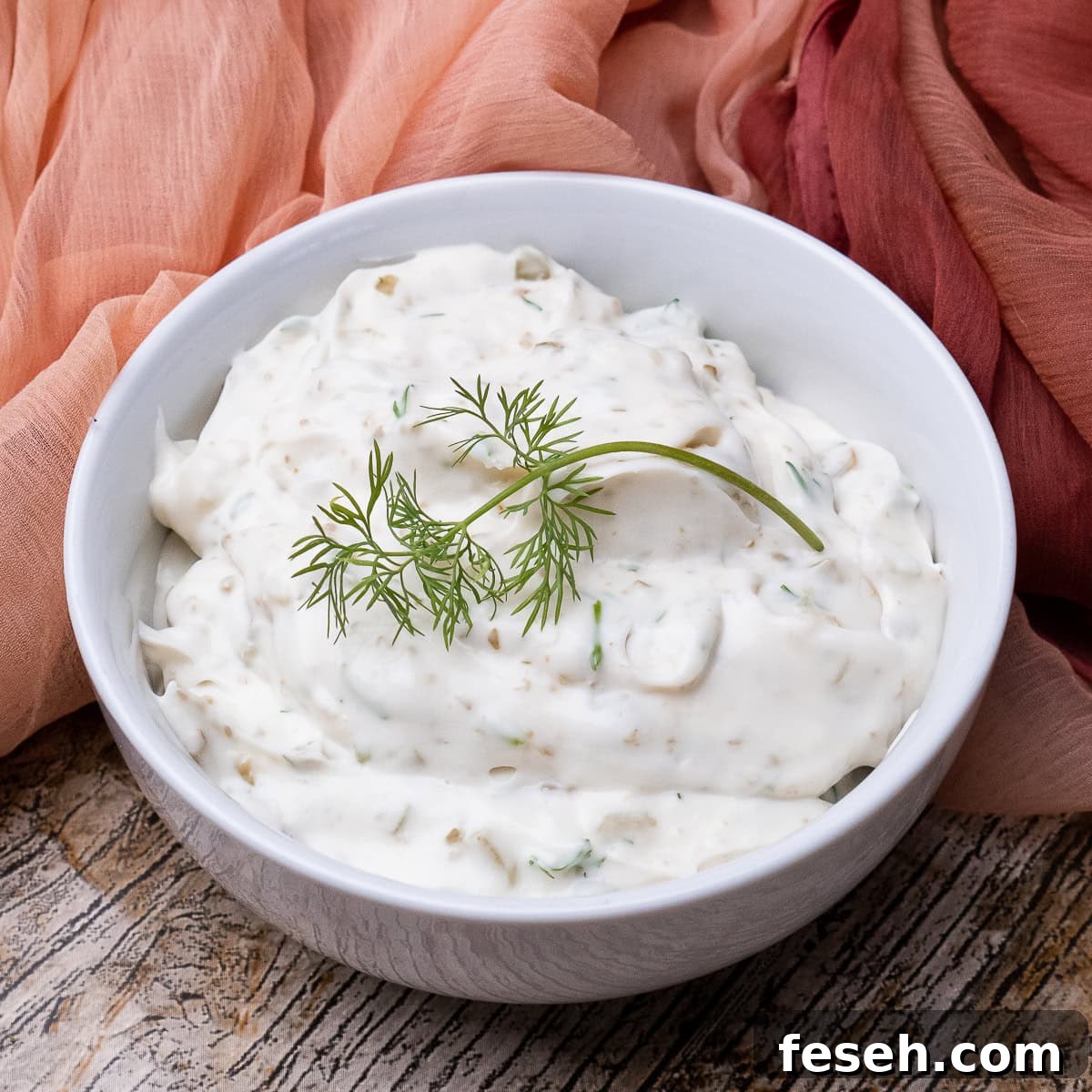
Are you tired of bland, store-bought tartare sauce and ready to elevate your fish dishes? This simple, creamy homemade tartare sauce will transform your seafood meals. With a handful of everyday ingredients you can make a fresh, flavourful sauce in minutes and leave packaged versions behind.
Below you’ll find a clear, SEO-friendly recipe and helpful tips so you can make the best tartare sauce at home. Ready to impress?
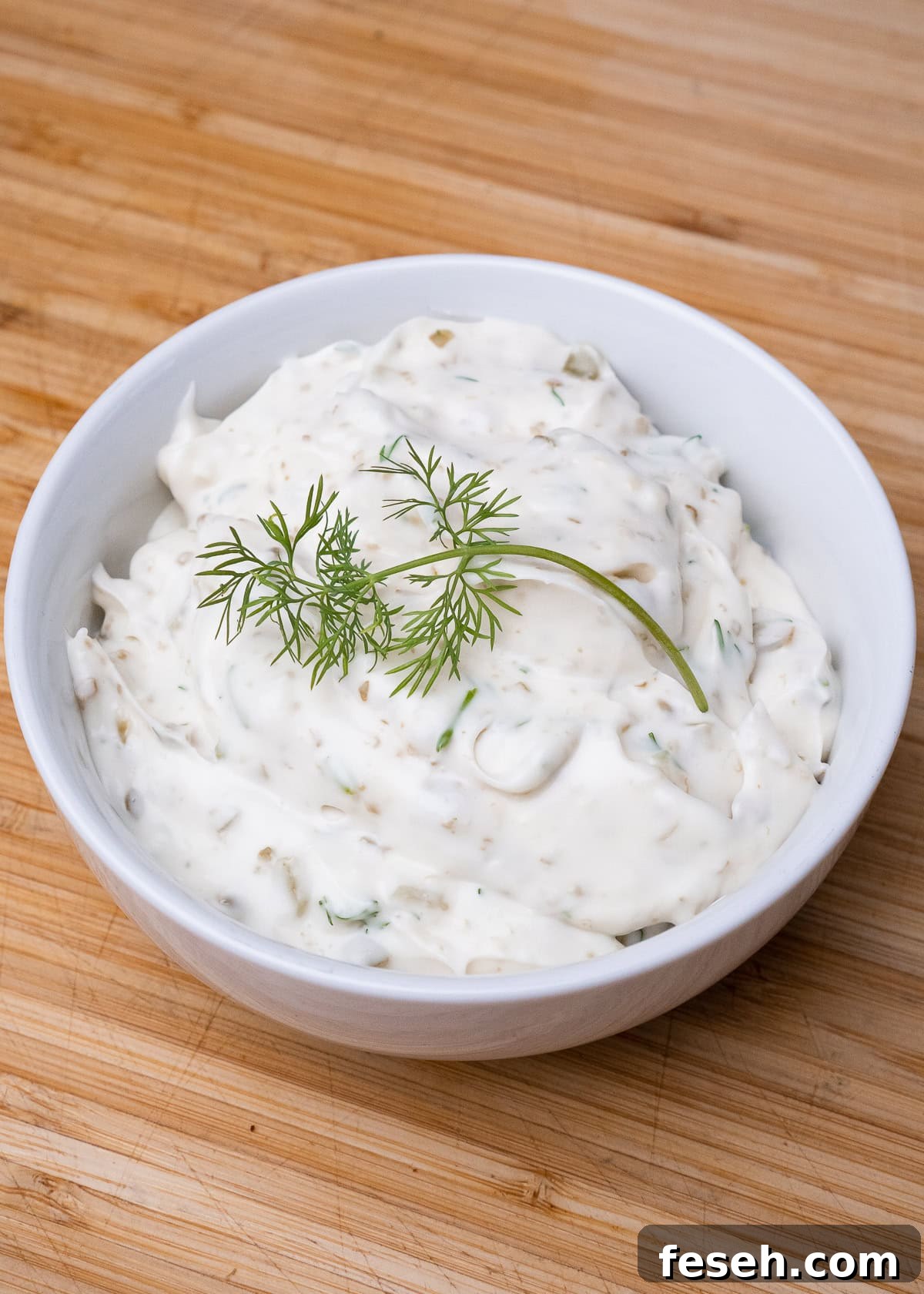
This guide covers ingredients, equipment, step-by-step instructions, optional extras, serving suggestions, storage advice and brief background—everything you need for perfect tartare sauce.
How to make Tartare Sauce
If you’re ready to get started, the method is quick and forgiving. Finely chop the flavouring ingredients, combine with mayonnaise and lemon juice, chill to let the flavours marry, then taste and adjust.
📖 Step by Step Recipe
Tartare Sauce
Equipment
Ingredients
- 2 teaspoon Fresh Dill – finely chopped
- 2 teaspoon Capers – finely chopped
- 1 Gherkin – finely chopped
- 150 ml Mayonnaise – we used light mayonnaise
- ½ Lemon – juice only
Instructions
-
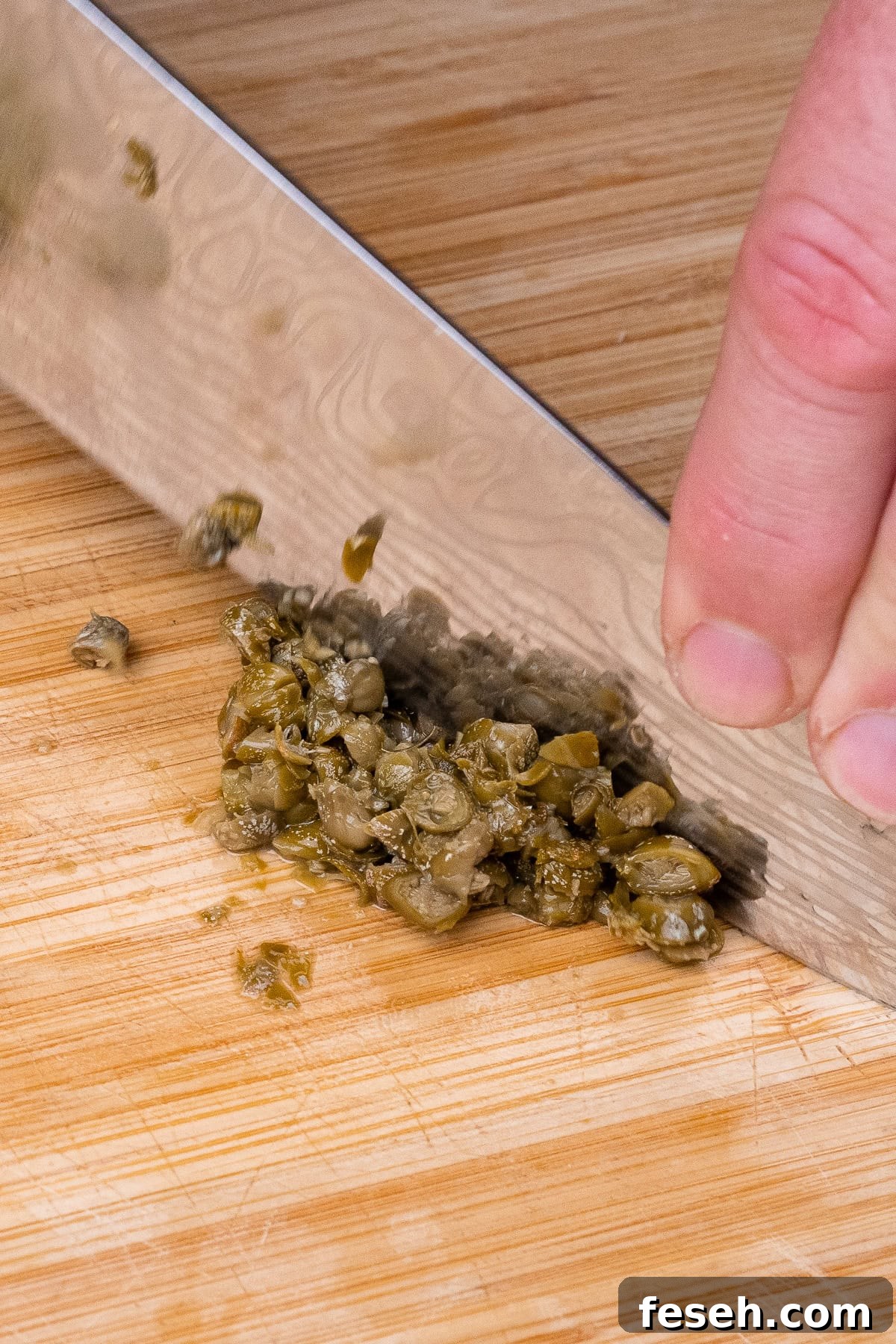
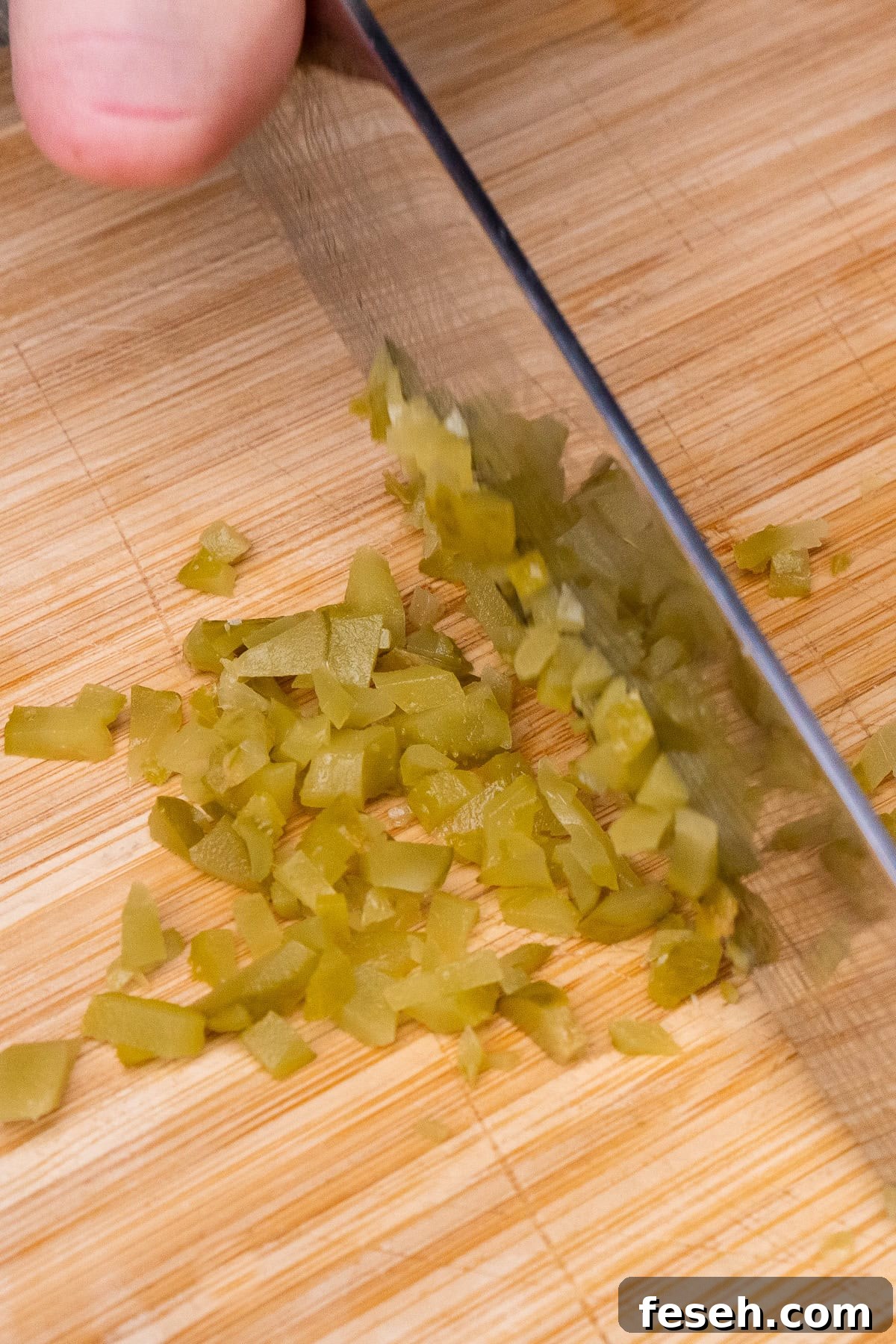
Finely chop the dill, capers and gherkin. A food processor works if you prefer a finer texture.

-
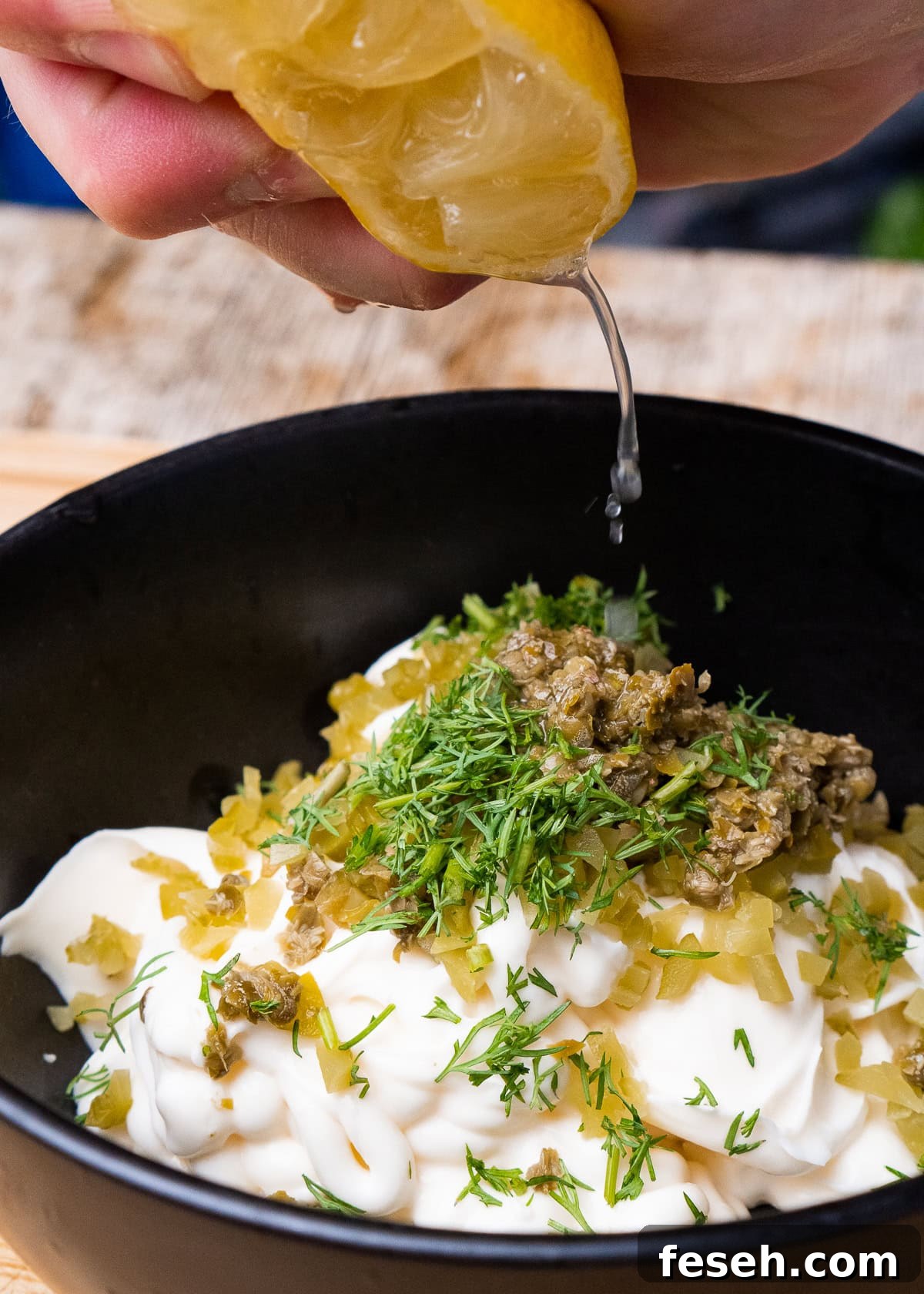
Place the mayonnaise in a bowl, add the chopped dill, capers and gherkins, then squeeze in the lemon juice. Season to taste.
-
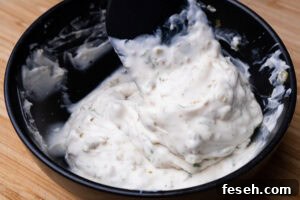
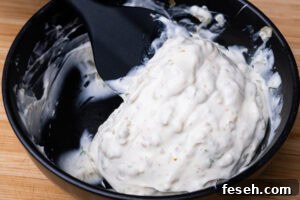
Mix everything together until well combined using a spatula or spoon.
-
Cover tightly and chill in the fridge for at least 30 minutes so the flavours can meld. Taste and adjust with salt, pepper or any extras you prefer.
-
Serve in a dish alongside your favourite fish or seafood.



Notes
Nutritional info uses light mayonnaise. Adjust ingredients and seasoning to taste.
Optional Extras
Add crushed garlic for a savoury depth, a few dashes of Worcestershire sauce for umami, Tabasco or hot sauce for heat, or a touch of Dijon mustard. A drizzle of olive oil adds extra richness.
Nutrition
This post was updated on 14/03/2025 to place the recipe card higher on the page for a better user experience.
Read on for more detail about ingredients, equipment, serving ideas and storage.
Ingredients
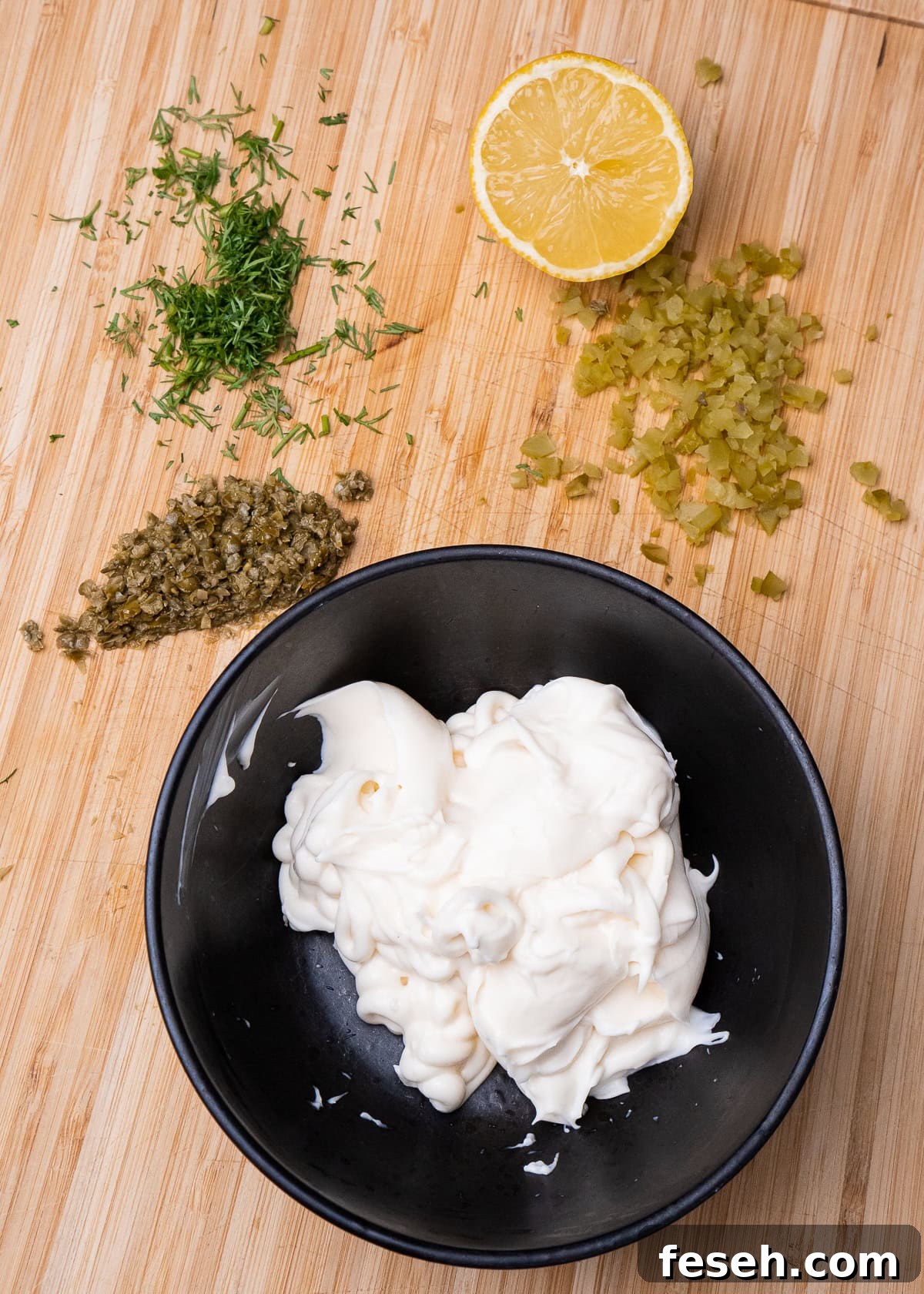
This recipe uses pantry staples you may already have: mayonnaise, capers, gherkins (or cornichons), fresh dill and lemon. They combine to create a balanced sauce that’s tangy, briny and herb-forward.
Mayonnaise
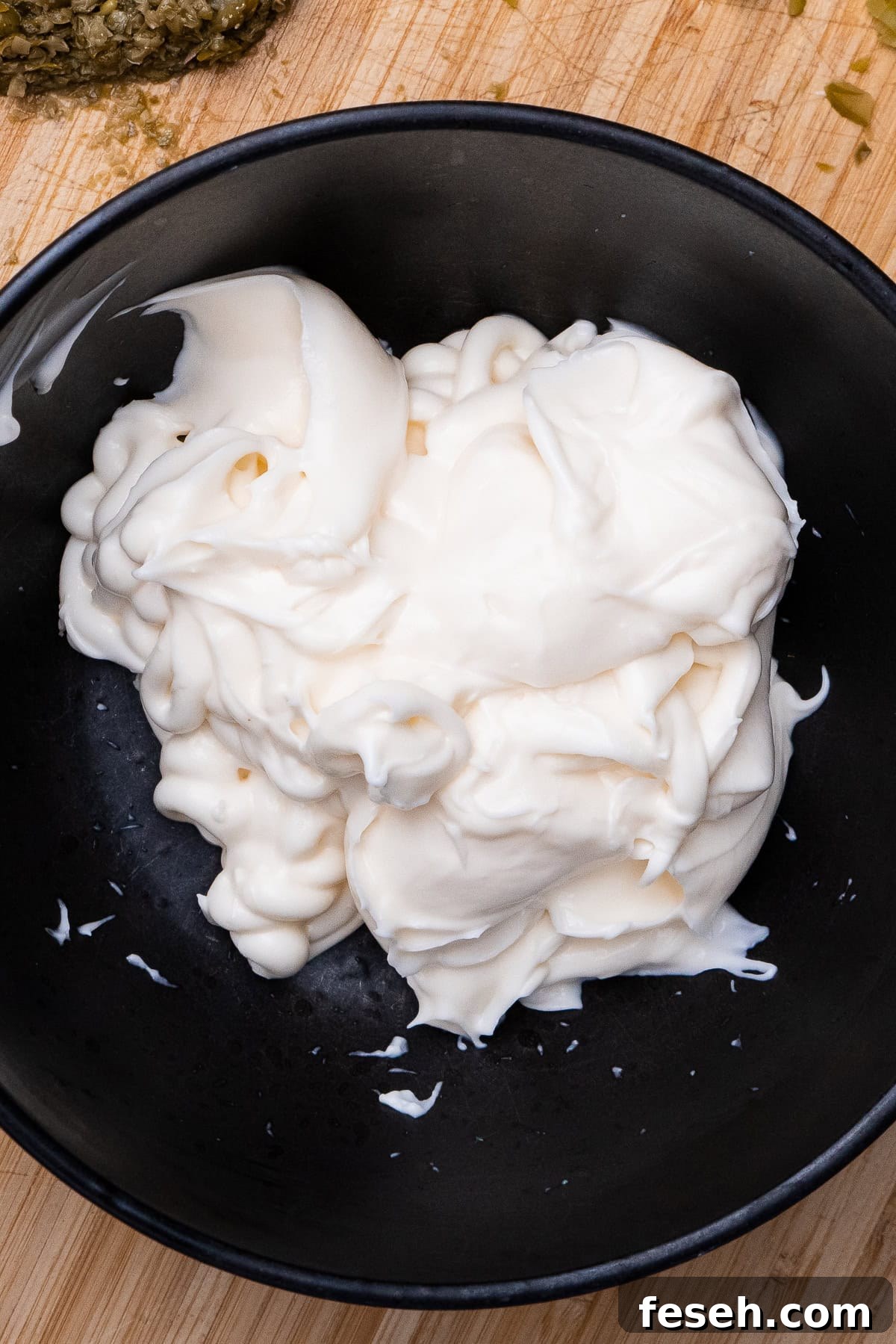
The mayo provides a creamy base. Use light or full-fat or swap for homemade mayonnaise depending on the richness you want.
Capers
Capers add a salty, slightly sour pop. If you don’t have capers, drained olives can be an alternative.
Gherkin
Gherkins or cornichons bring crunch and acidity—slice or chop finely so they distribute evenly through the sauce.
Herbs
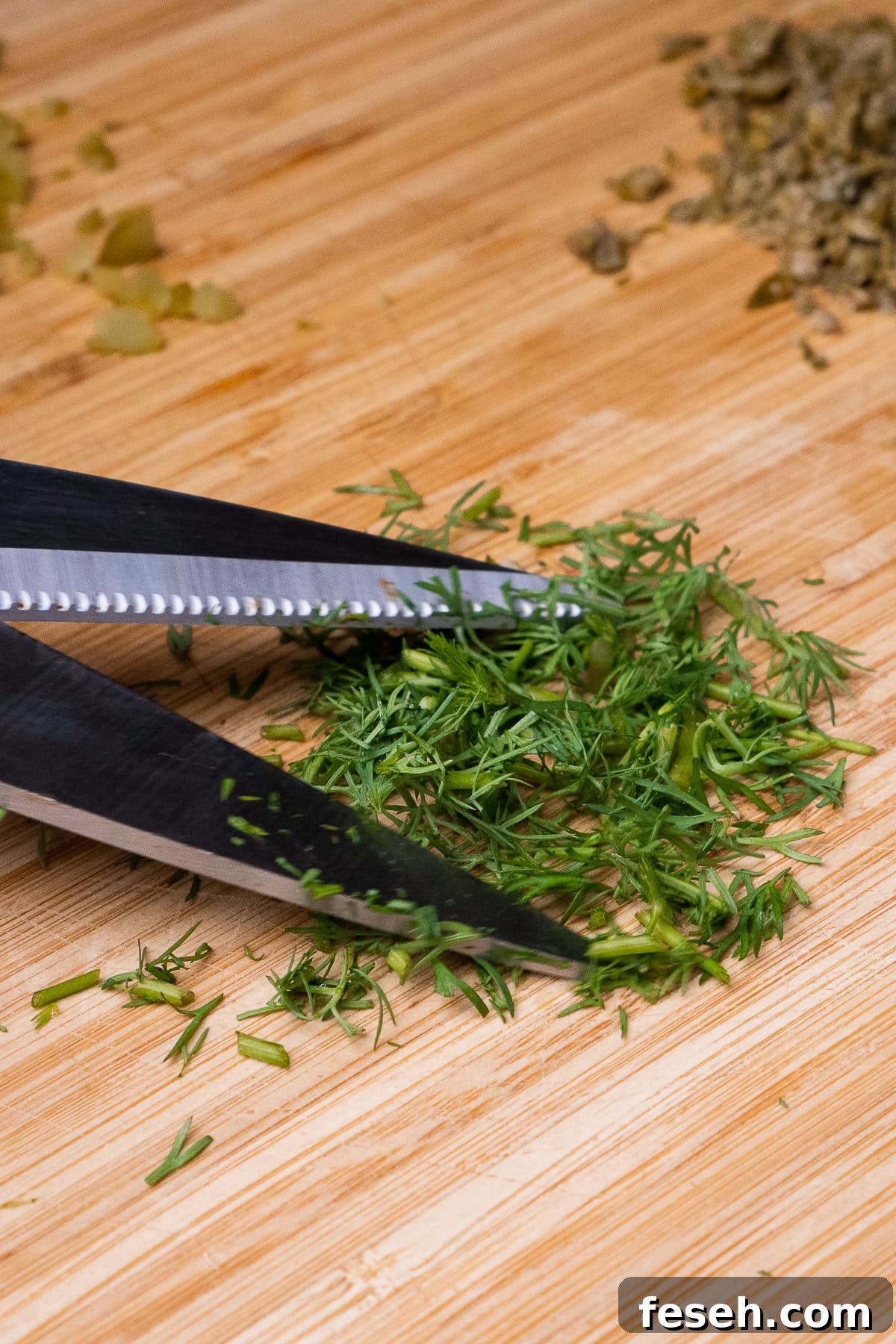
Dill is essential for its fresh, anise-like flavour. Parsley can be added for a greener, earthier note.
Lemon
Fresh lemon juice brightens and balances the mayo. If needed, white wine vinegar is an acceptable substitute.
Seasoning
Finish with a pinch of salt and freshly ground black pepper. Taste and adapt.
Equipment
You don’t need special tools—just a sharp knife or food processor, a small bowl, and a spoon or spatula to mix.
Instructions
Chop the gherkins and capers finely or to your preferred texture. Finely chop the dill—scissors work well for herbs.
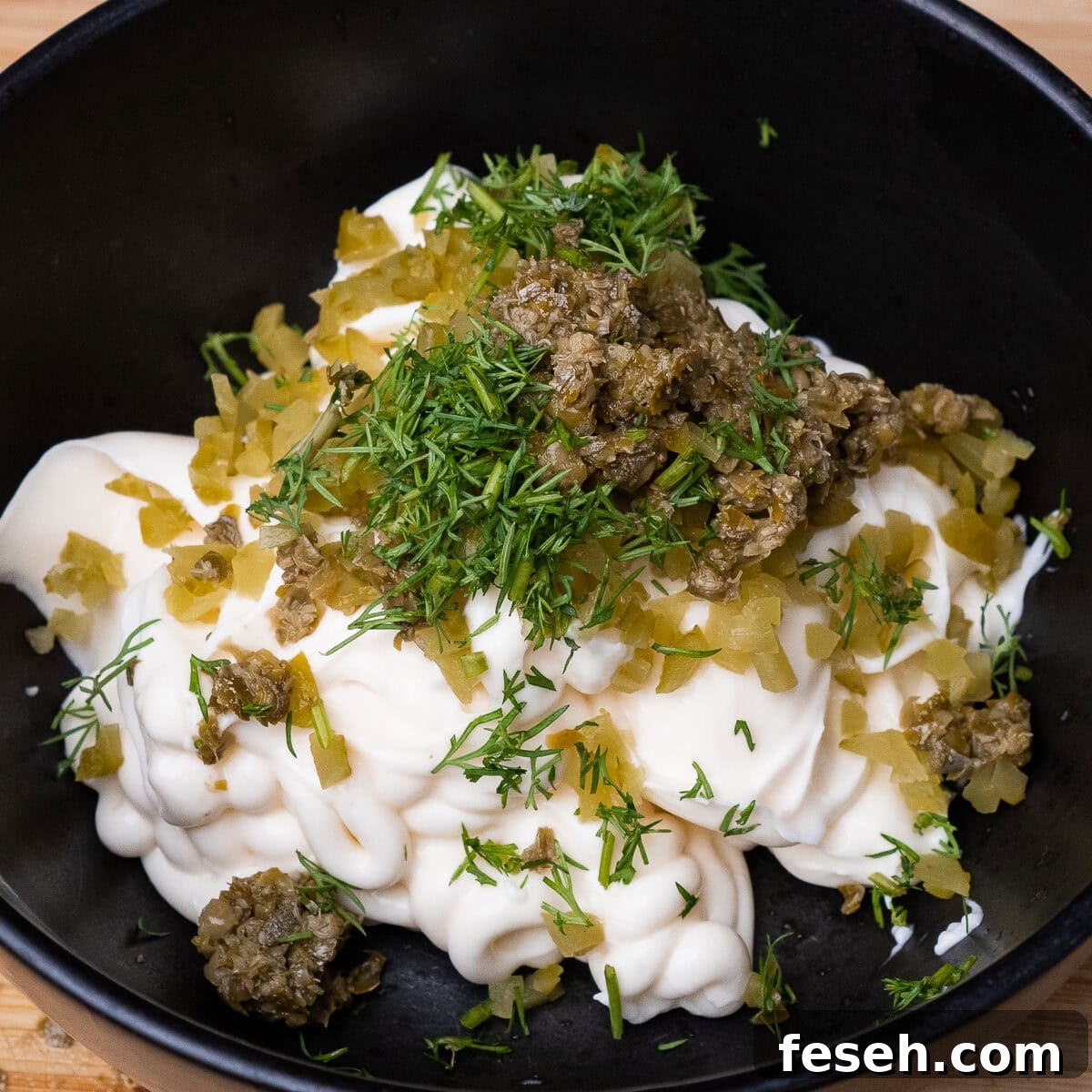
Combine the chopped ingredients with mayonnaise and lemon juice. Mix until evenly combined, cover and chill for at least 30 minutes to allow flavours to meld. Taste and adjust with salt, pepper or any optional extras.
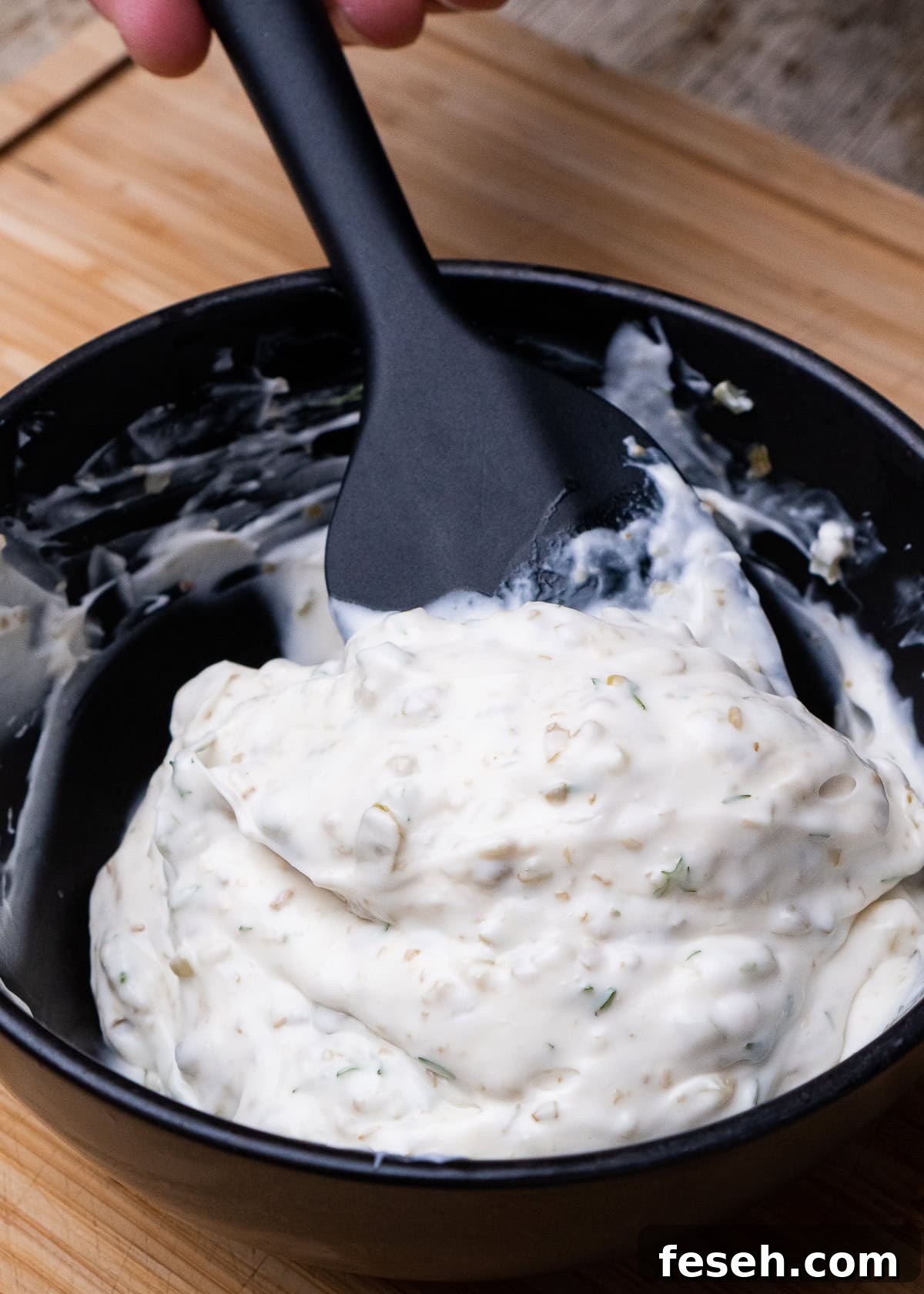
When ready, give the sauce a final stir and transfer to a serving dish.
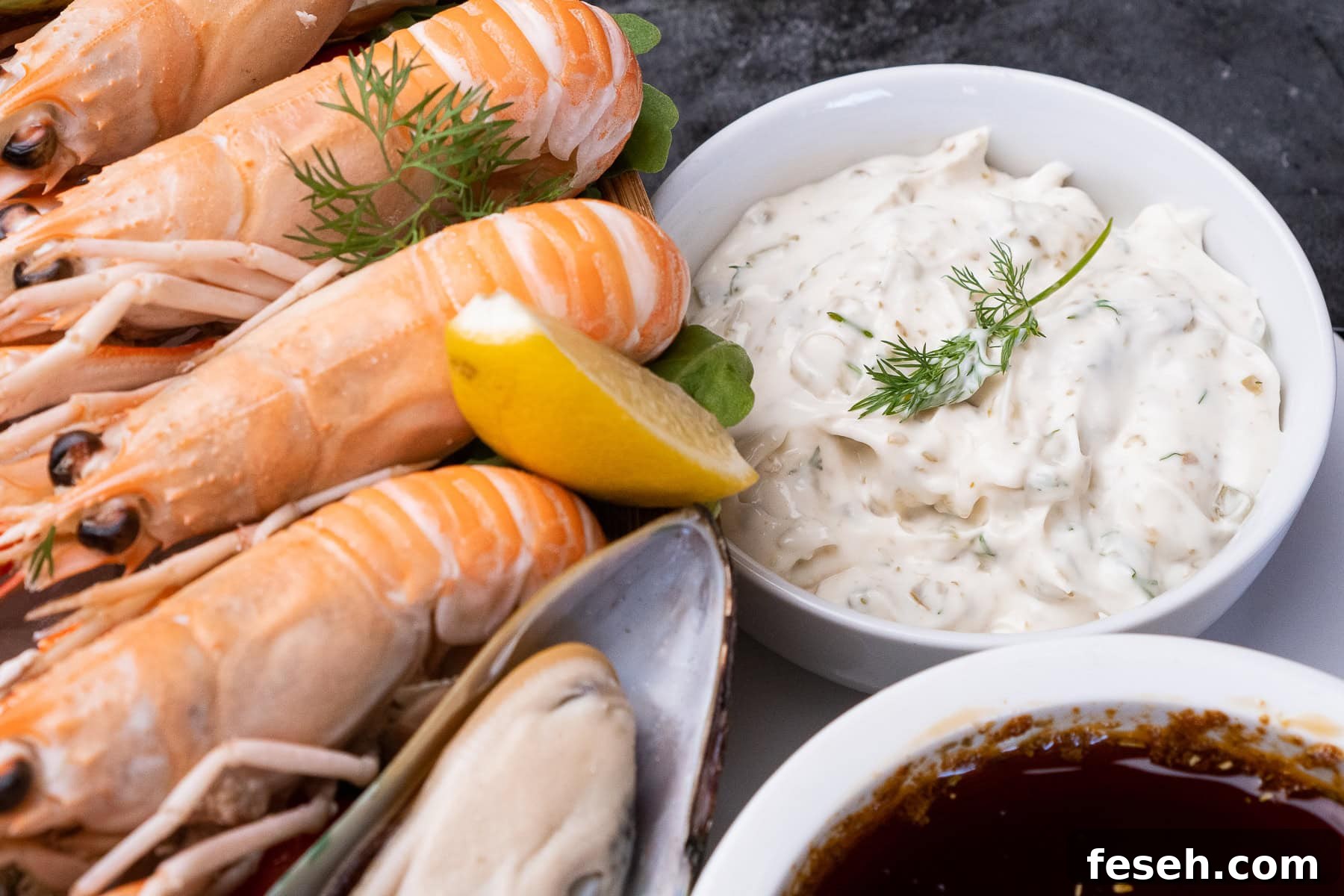
Serving suggestions
Serve with fish fingers, fish and chips, crab cakes, tuna burgers, smoked salmon blinis or as a dip for a seafood platter. It also works as a dressing for salads or a topping for boiled eggs.
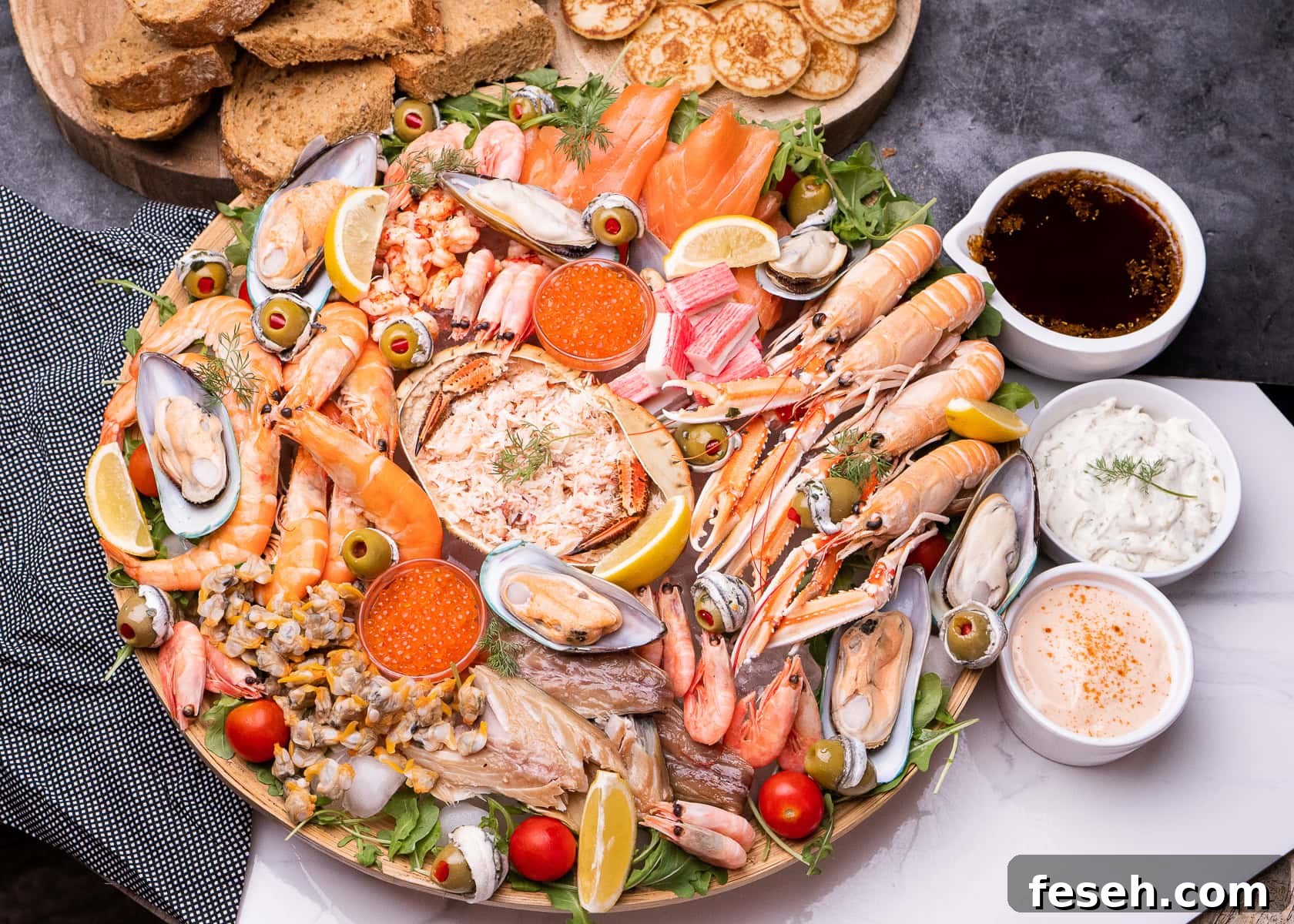
Storage advice
Store tartare sauce in an airtight container in the fridge for up to one week. Stir before serving if separation occurs.
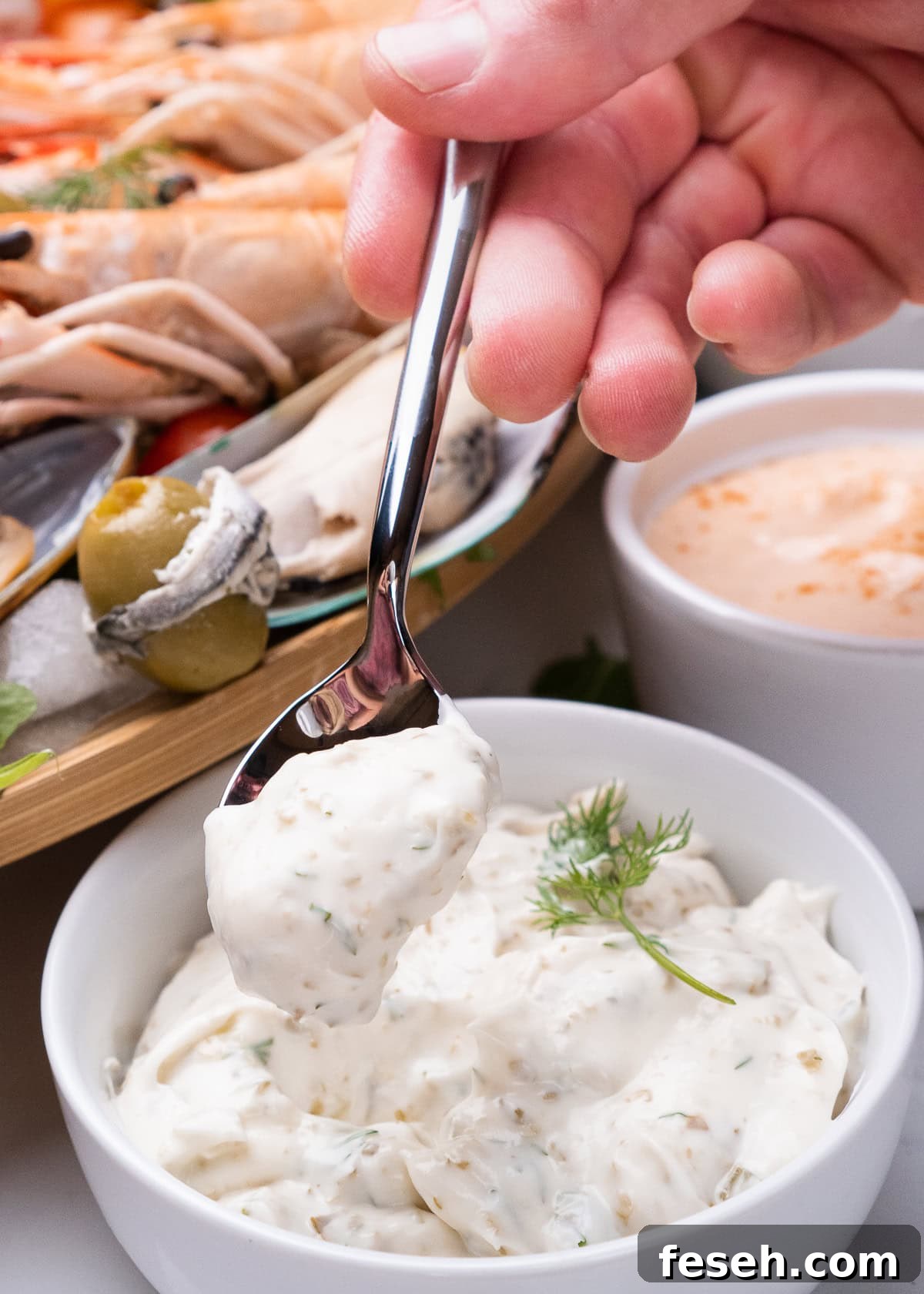
History
In the US the sauce is often spelled “tartar” sauce. It has French roots and became widely available commercially in the early 20th century as jarred condiments grew in popularity. Over time it has become a classic accompaniment to fish across Europe and beyond.
Give this easy tartare sauce a try—simple tweaks let you tailor it to your taste, and it truly lifts seafood dishes. Enjoy!