
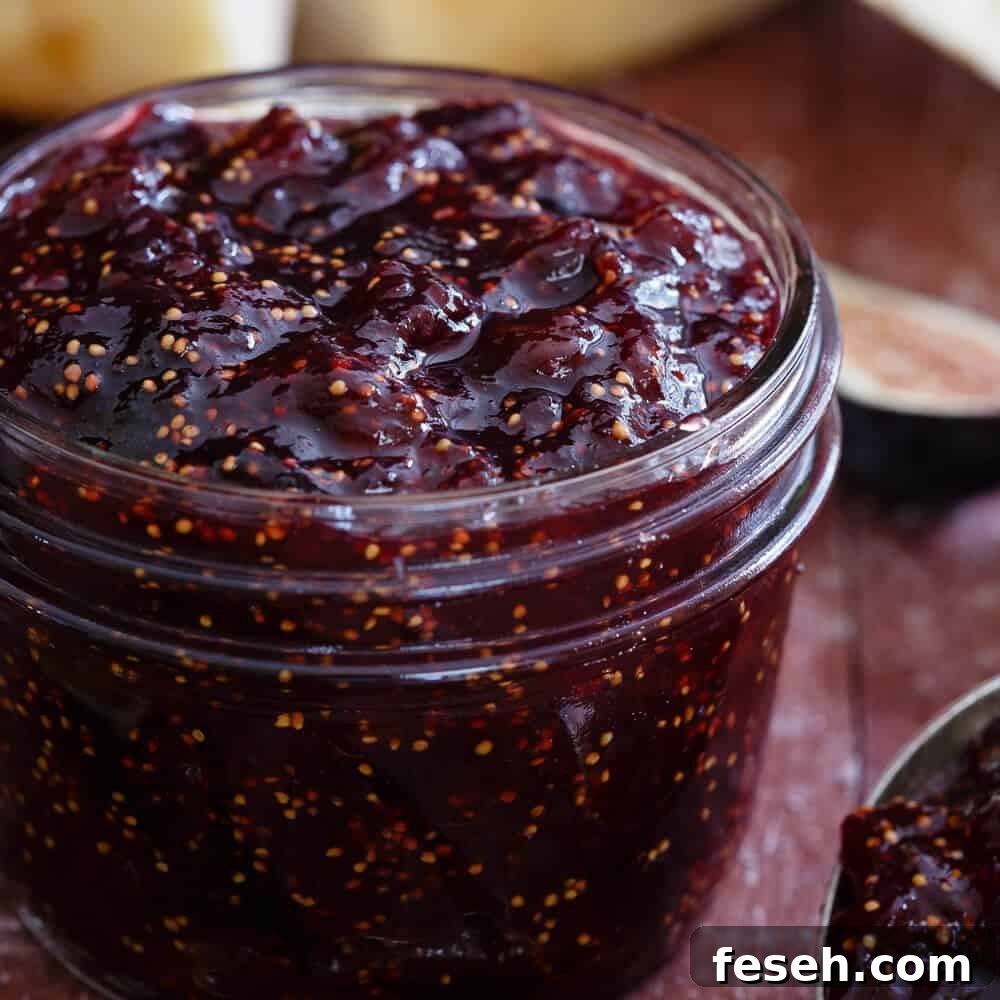
Do you love fig jam? It’s a timeless ingredient that enriches many desserts, from tarts and cakes to cookies and cheesecakes. If you’re searching for fresh ways to enjoy this sweet spread, this curated collection of recipes featuring fig jam will inspire your next baking session.

We gathered the best ideas from chefs and home bakers, tested many of them, and assembled a balanced mix of simple and elevated recipes for every occasion. From a classic baked fig tart for a relaxed brunch to an elegant no-bake fig cheesecake in a jar for special celebrations, this roundup covers crowd-pleasing options and inventive treats. Read on to discover how versatile fig jam can be in your baking and dessert repertoire.
🤔 Interesting Facts about Figs
- Figs are among the oldest cultivated fruits, enjoyed across civilizations for millennia. Their long history gives them a timeless culinary appeal.
- Botanically unique, a fig is an inverted flower — a fascinating fact that often surprises food lovers.
- Figs strike a natural balance between sweetness and nutrition, making them a popular choice for those who want flavorful yet wholesome foods.
- Extremely versatile, figs are used in both traditional recipes and modern gourmet dishes, complementing sweet and savory preparations alike.
- Fig trees are drought-tolerant and generally require less water than many crops, making them a more sustainable option for conscientious consumers.
- Dried figs have a long shelf life, which makes them convenient to store and ship, and helps maintain year-round availability.
- Figs provide dietary fiber and supply minerals such as magnesium, manganese, calcium, potassium, and vitamin K, contributing to their reputation as a nutritious fruit.
- Used historically in traditional medicine, figs have been valued for digestive benefits, potential blood pressure support, and antioxidant properties.
📖 11 Recipes Using Fig Jam








🤎 You might also like
⛑️ Food Safety
- Cook foods to a minimum internal temperature of 165 °F (74 °C) when applicable.
- Use separate utensils for raw meat and cooked foods to avoid cross-contamination.
- Wash hands thoroughly after handling raw meat.
- Avoid leaving perishable food at room temperature for extended periods.
- Never leave cooking food unattended.
- Choose cooking oils with a high smoke point to reduce harmful compounds when heating.
- Ensure good ventilation when using a gas stove.
For more detailed guidance, consult official safe food handling resources.