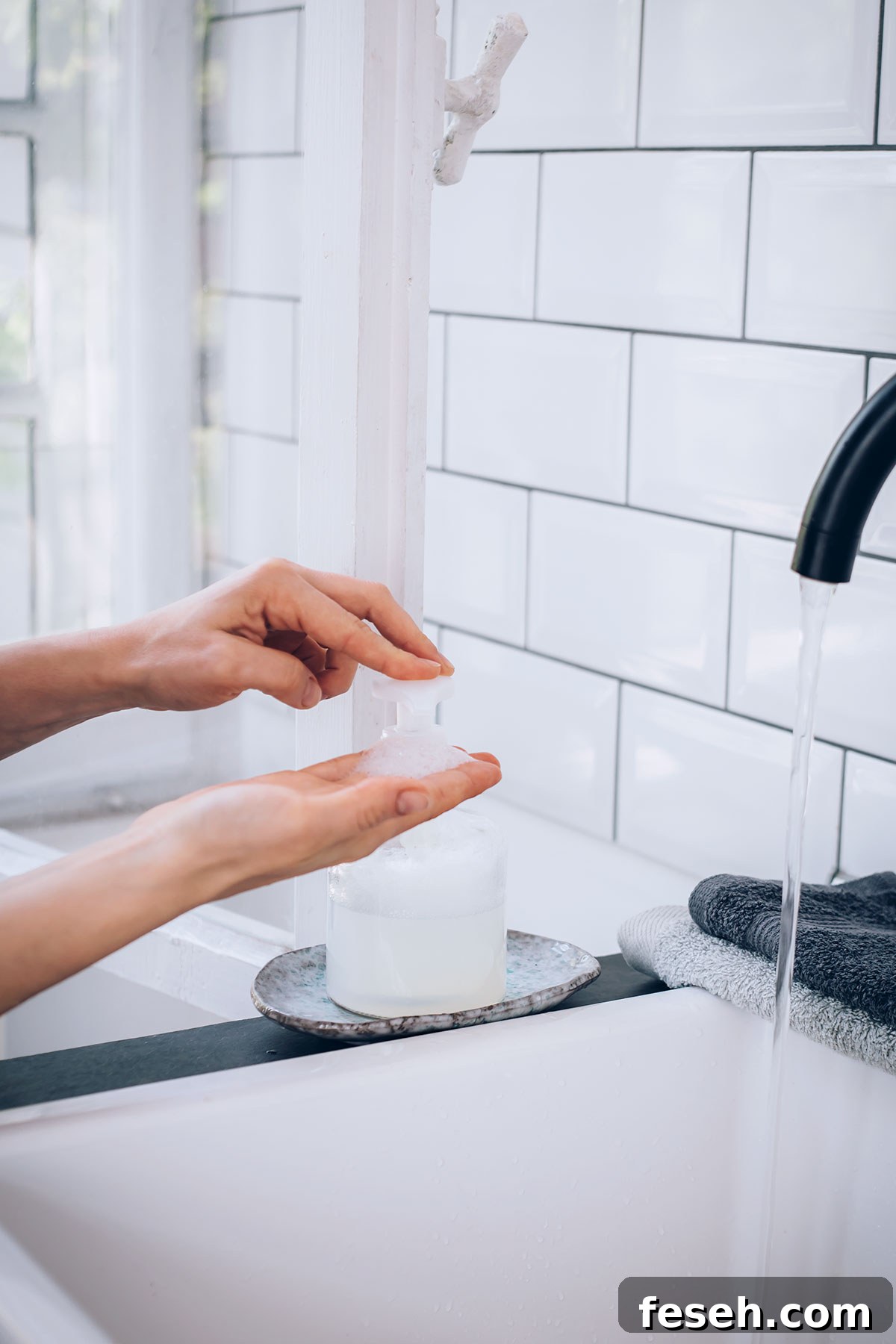
I’ve always been a compulsive hand-washer, long before hand washing became a trendy topic. With a partner equally particular about cleanliness, we were constantly going through soap. Buying new plastic bottles for every sink felt wasteful and costly, so I started making my own foaming hand soap—and it quickly became a simple, satisfying habit.
Making your own foaming hand soap lets you skip harsh chemicals, artificial colors and overpowering fragrances. A small bottle of liquid Castile soap stretches a long way, so one purchase can supply dispensers around the house for months. It’s economical, eco-friendly and easy to customize.
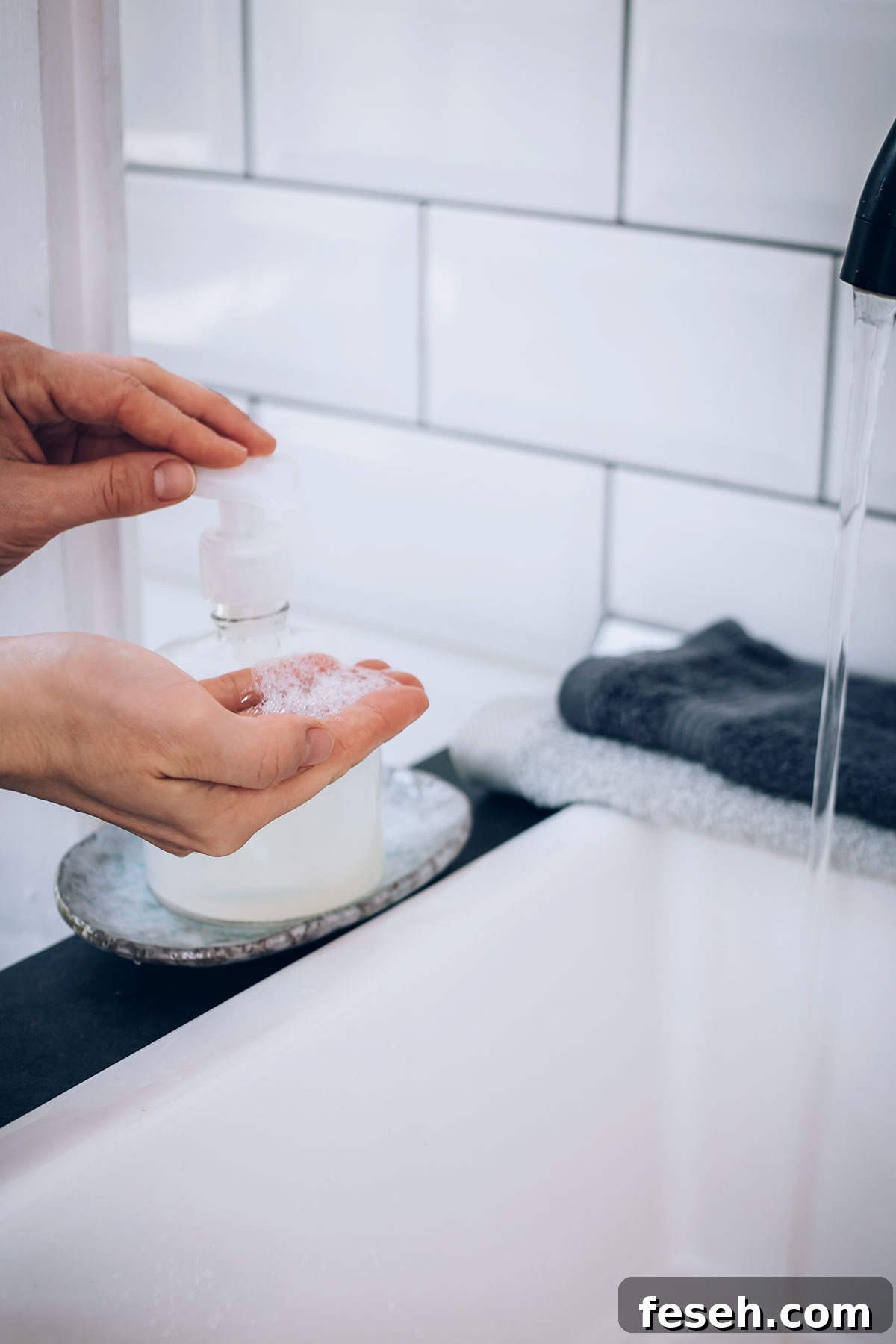
How to make your own foaming hand soap
This DIY is delightfully simple. Just 2 tablespoons of liquid Castile soap will make roughly 12–16 ounces of foaming hand soap when diluted, depending on your dispenser size. It reduces plastic waste, avoids unnecessary additives, and keeps your sinks stocked affordably.
I used to reuse plastic foaming bottles, but recently switched to attractive glass dispensers that I keep by each sink. They’re durable, dishwasher-safe and look nicer than disposable plastic. If you prefer, you can also buy foaming pump lids and repurpose mason jars into dispensers.
Why Castile?
Liquid Castile soap is an excellent base for DIY hand soap. It’s plant-based, biodegradable and gentle on skin, yet concentrated and effective for cleaning. Because Castile is so concentrated, only a couple of tablespoons are needed to make a full bottle of foaming soap. There are many brands available at different price points, so you can choose one that fits your preferences and budget.
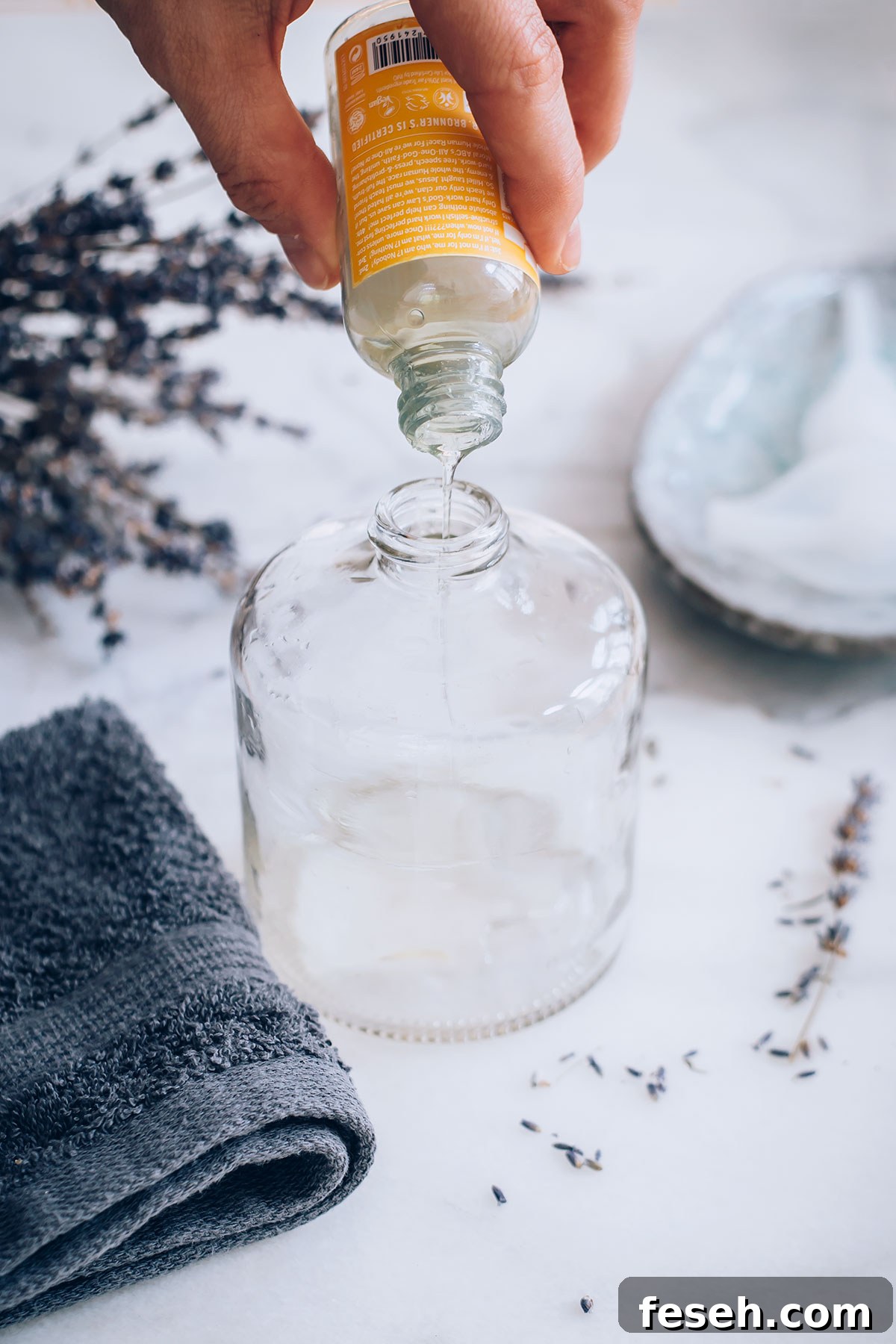
Best essential oils for hand soap
If you like scented soap, add essential oils to personalize the fragrance and enhance antibacterial properties. Lavender, tea tree and lemon are popular choices for their pleasant aromas and antimicrobial qualities. The recipe below uses a dilution that’s gentle enough for regular hand use.
Here are a few scent combinations you can try (total drops approximate a 3% dilution for a 12-ounce dispenser):
Floral finish: 10 drops rose + 17 drops lemon
Minty clean: 13 drops tea tree + 14 drops peppermint
French lavender: 27 drops lavender
Orange blossom: 12 drops sweet orange + 15 drops vanilla essential oil
Fresh scent: 10 drops eucalyptus + 17 drops lemon
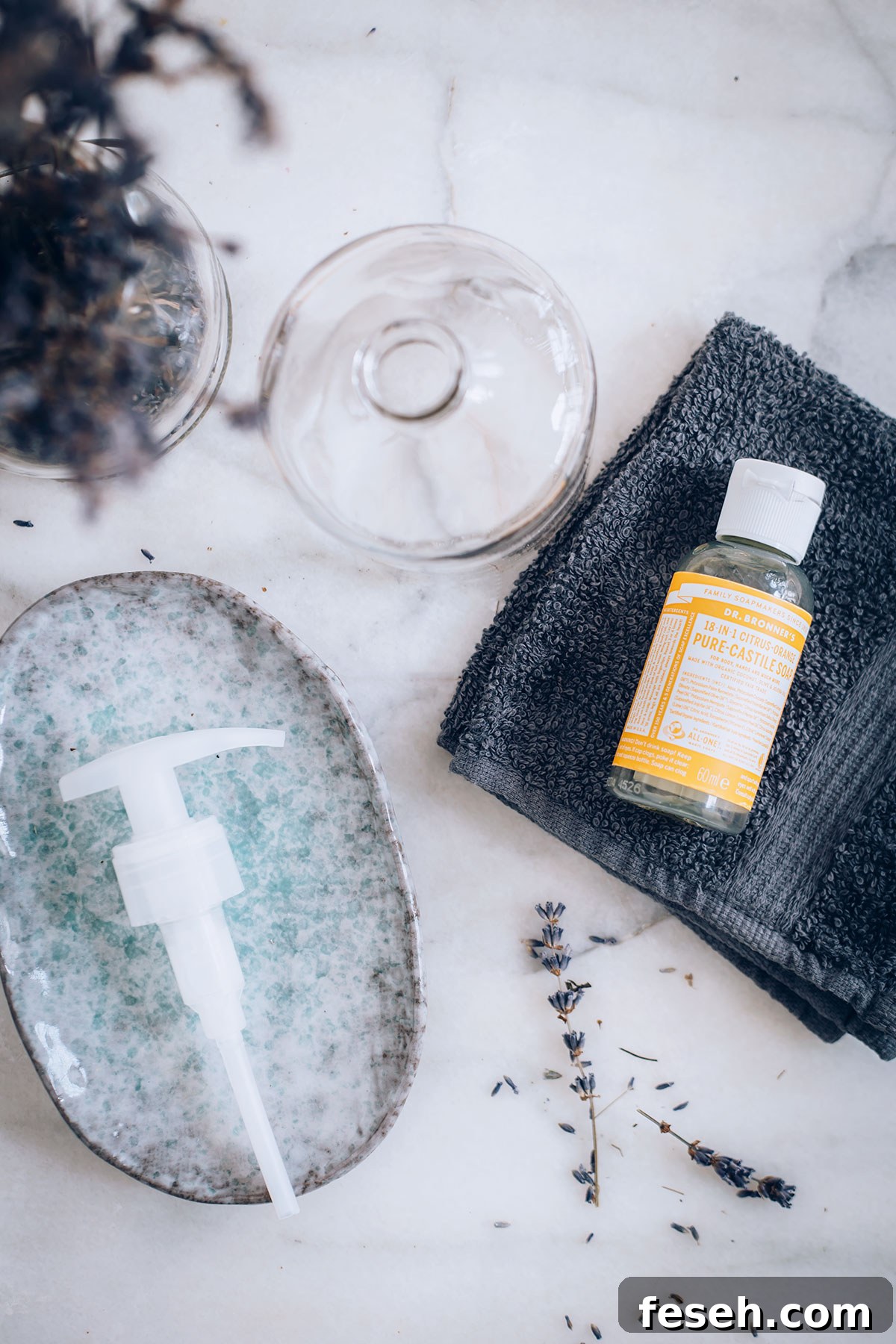
Ingredients
- 2 tablespoons liquid Castile soap
- About 27 drops essential oil (optional, adjust to preference)
- Filtered or tap water
- 12-ounce foaming soap dispenser (or a dispenser size you prefer)
Instructions
1. Pour 2 tablespoons of liquid Castile soap into the foaming dispenser. If using essential oils (or optional add-ins like a tablespoon of almond oil or honey for extra moisture), add them now.
2. Slowly fill the bottle with water, leaving space at the top so the foaming pump can function properly.
3. Screw on the pump and gently invert or swirl the bottle to mix—avoid vigorous shaking to prevent excessive foam.
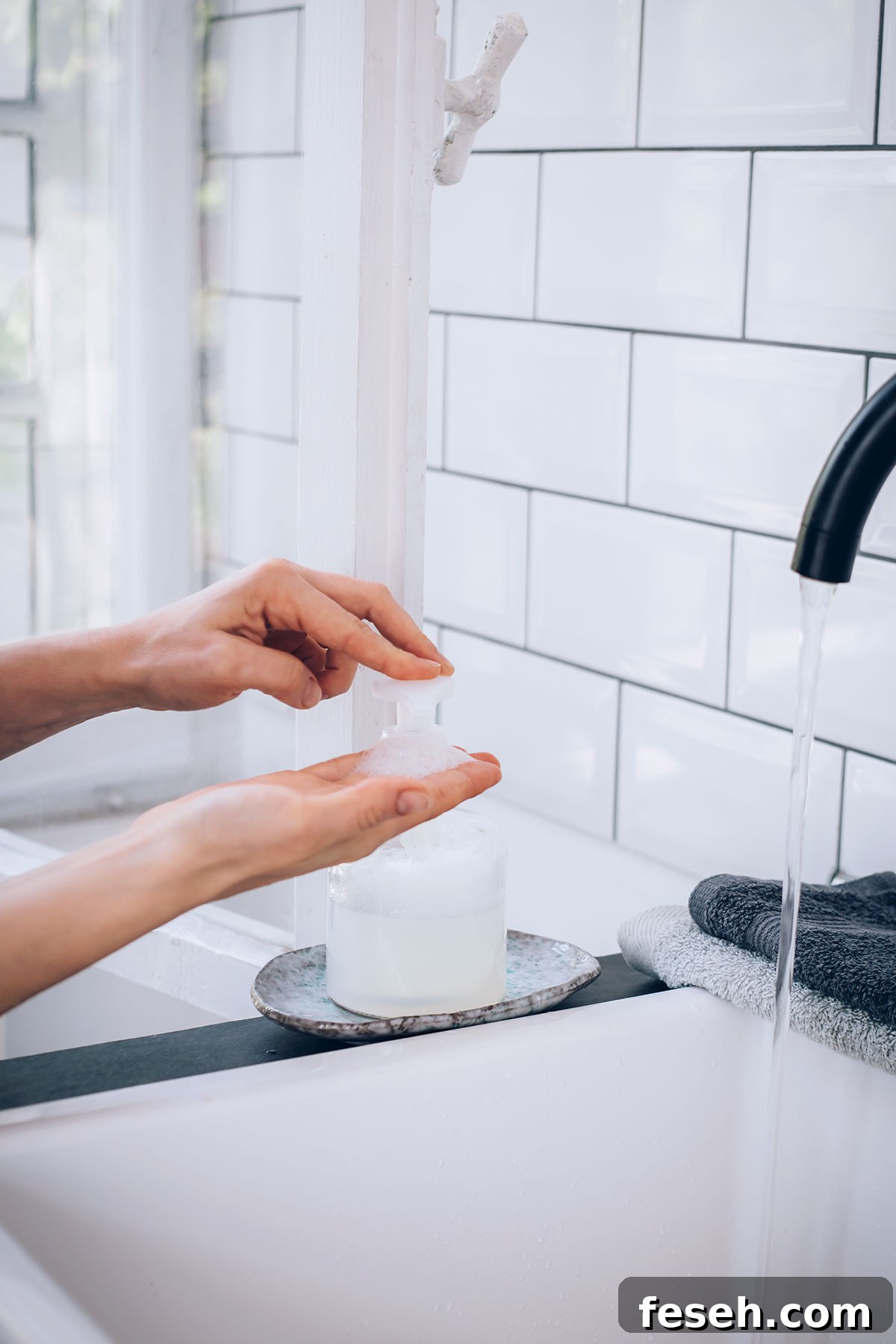
4. To use, pump one or two times into your hands, lather for about 20 seconds, then rinse with warm water.
Foaming hand soap FAQ
Can I make foaming hand soap with dish soap?
Technically, many liquid soaps will work in a foaming dispenser: dish soap, body wash or gel hand soap can be diluted and used. However, these alternatives are often harsher or more drying than Castile, and may contain detergents or additives that you might want to avoid for frequent hand washing.
How can I make moisturizing hand soap?
For dry skin, add about 1 tablespoon of a lightweight carrier oil—sweet almond, jojoba or sesame oil are all good options. These help retain moisture without leaving hands overly greasy. Because oil can separate, give the bottle a gentle shake before each use.
Do I need to add preservatives to homemade hand soap?
Because this mixture is mostly water, it can potentially grow mold if stored too long or used infrequently. If you use your soap regularly it’s unlikely to spoil quickly, but if you want extra protection consider a natural preservative such as grapefruit seed extract. Store bottles in a cool, dry place and discard if you notice any off smell, color or growth.
Will foaming hand soap work in a non-foaming dispenser?
Yes, the diluted soap will still clean, but it won’t produce the airy foam you get from a foaming pump. A foaming dispenser is recommended if you want that characteristic foam texture.
Can I add alcohol or other antibacterial agents to my hand soap?
Avoid adding alcohol directly to your hand soap; it can be drying and irritating, especially with frequent use. For antibacterial support, choose essential oils known for antimicrobial properties—tea tree, eucalyptus, cinnamon or clove can be added sparingly.
Photos by Ana Stanciu

DIY Foaming Hand Soap
2 mins
2 mins
Ingredients
- 2 tablespoons liquid Castile soap
- 10–27 drops essential oil (optional)
- Water
- 12-ounce foaming soap dispenser
- 1 tbsp honey (optional)
- 1 tbsp almond oil (optional)
Instructions
-
Pour Castile soap into the bottle. If using, add essential oils, honey and almond oil now.
-
Slowly add water, leaving room for the foaming pump.
-
Attach the pump, gently mix, and your foaming soap is ready.
-
Pump one to two times into hands, lather for 20 seconds, then rinse with warm water.
Notes
To boost antibacterial properties, consider essential oils such as cinnamon, clove, oregano, lavender, tea tree or thyme. Use essential oils sparingly and choose quality oils suited for skin contact.