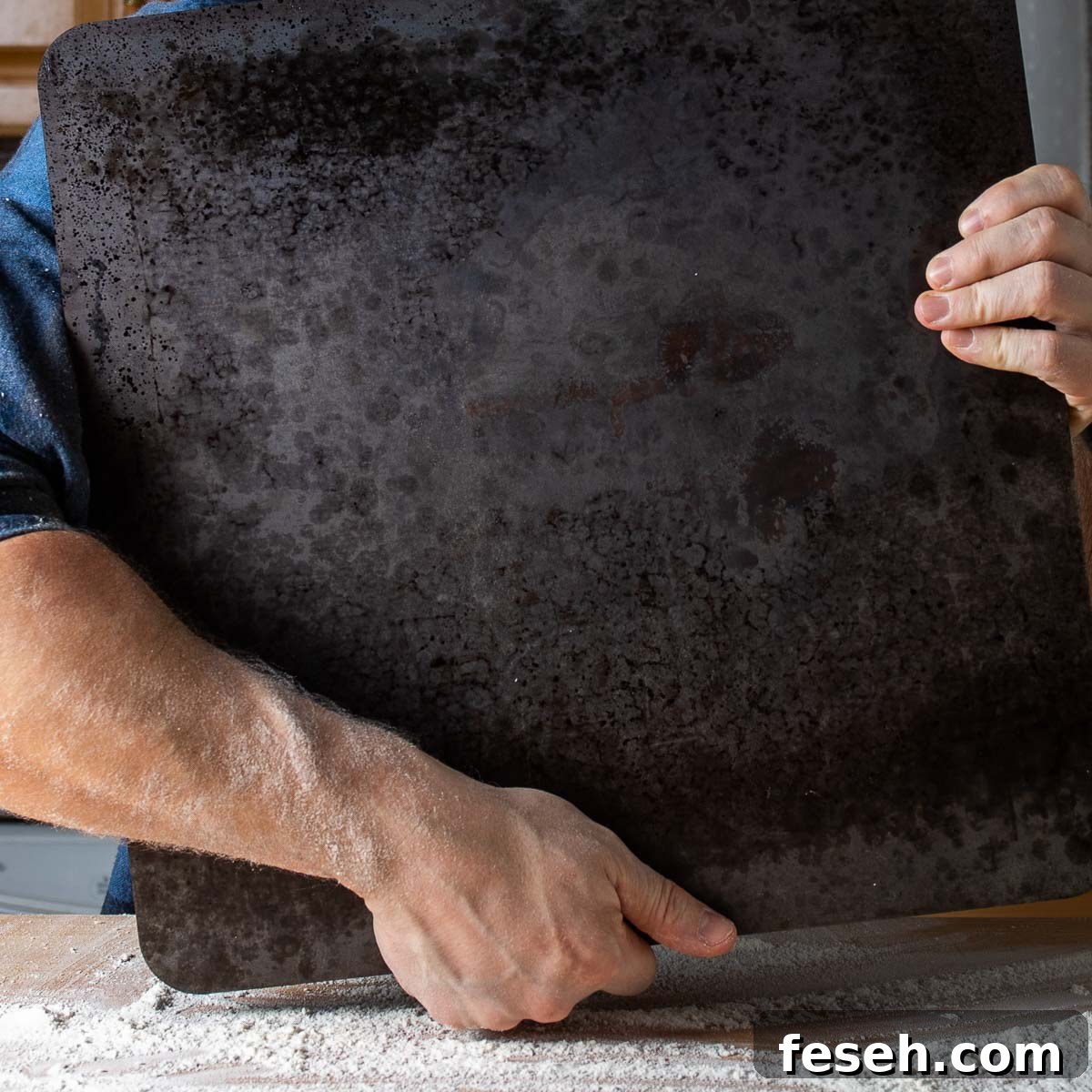
Mouth-watering, pizzeria-quality slices at home used to feel out of reach, but the pizza steel changed that. A ready-made, fully seasoned steel costs $150–$200, yet making your own DIY pizza steel saves money and yields professional results. Follow these steps and you’ll have a durable, high-performing baking surface that brings restaurant-style crusts to your oven.
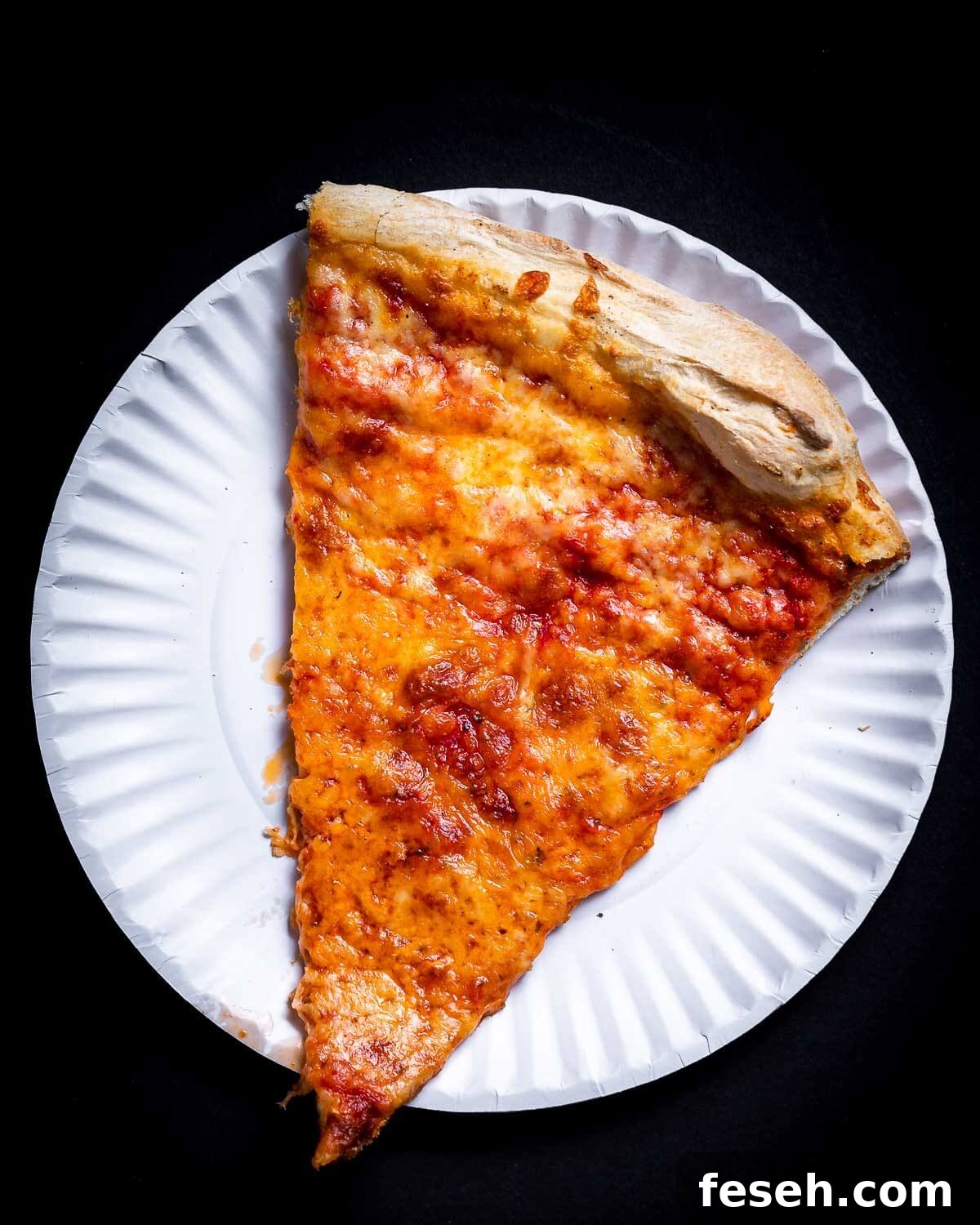
The secret to great home pizza is the baking steel. It outperforms other domestic methods because steel conducts heat so efficiently.
“Baking steel” and “pizza steel” are the same thing: a flat piece of steel, commonly between 3/16″ and 1/2″ thick. Thicker plates exist, but they’re heavy and harder to handle.
Steel transfers heat quickly and evenly into the crust, producing the characteristic charred, blistered bottom often seen on New York–style pies. A pizza cooked on steel will look and taste closer to one from a professional deck oven.
Getting started
To make your DIY pizza steel, gather these items:
- One 1/4″ x 16″ x 16″ A36 steel plate and its cardboard packaging
- Flax oil (100% pure)
- 150-grit sandpaper
- Small block of wood to wrap the sandpaper
- 1 gallon white vinegar
- 1 gallon water
- Spacers or 4 pencils
- A wheelbarrow, large tub, or bathtub to submerge the steel
- An abrasive sponge (Scotch-Brite or similar)
- Lint-free or blue shop towels
- Infrared thermometer (useful for checking steel temperature when baking)
DIY pizza steel instructions
- Remove the steel from the cardboard and save the cardboard for later use as a heat-safe surface.
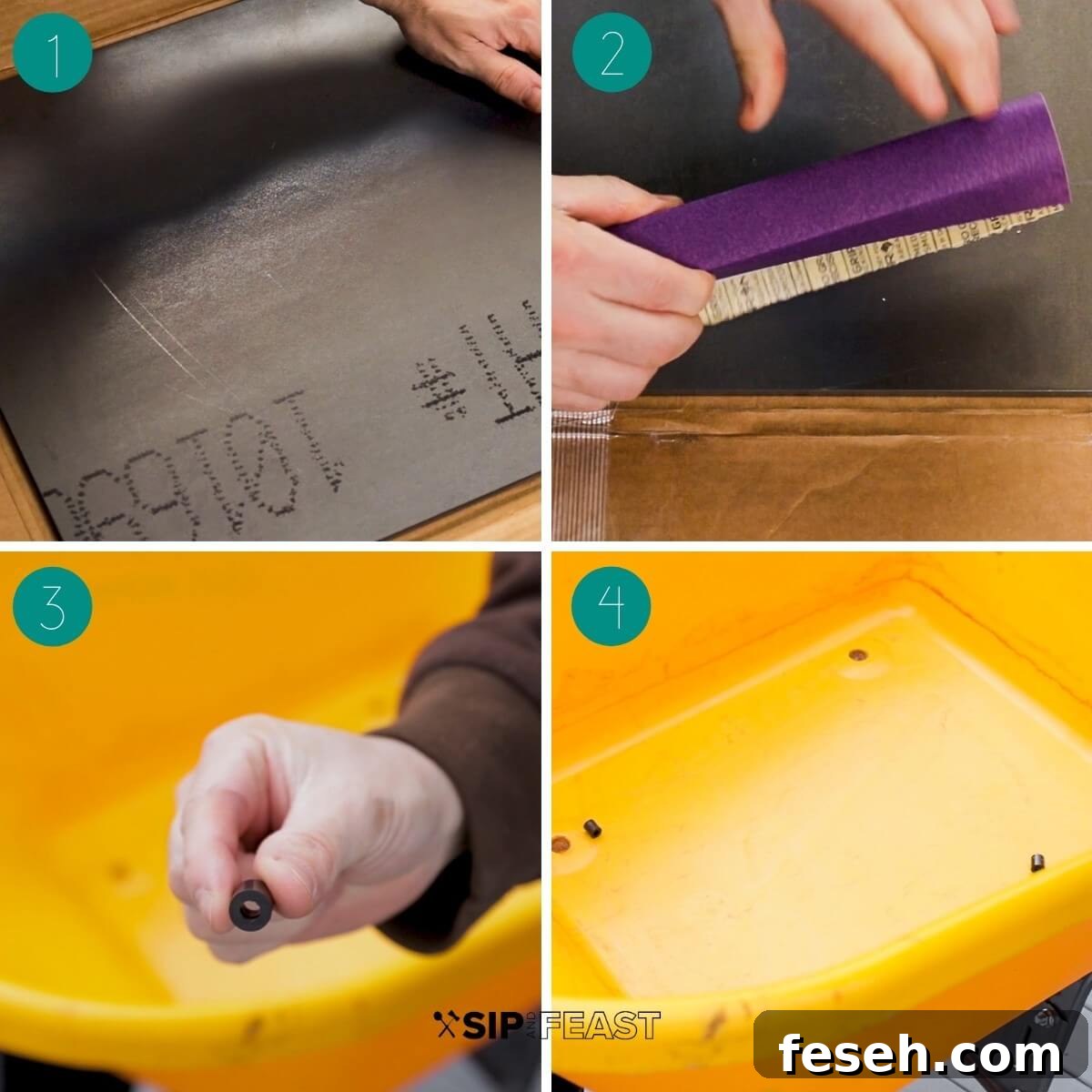
- Wrap 150-grit sandpaper around the small block of wood and lightly sand the steel edges to remove burrs. A few swipes are enough.
- Place four spacers or pencils in the corners of a large container so the steel won’t sit directly on the container floor.
- Lay the steel on the spacers so it’s raised off the container bottom.
- Pour a 50/50 mix of water and white vinegar to fully submerge the steel. For a typical wheelbarrow-sized container, one gallon of each is usually enough.
- After 48 hours the mill scale will loosen. Wipe it away with towels and scrub stubborn spots with the abrasive sponge. Rinse thoroughly and dry immediately to avoid rust. Place the steel in a 170°F oven to remove residual moisture.
- After about 20 minutes, remove the hot steel (use heat-resistant gloves) and set it on a heatproof surface. Increase the oven temperature to 450°F. Apply a small amount (under a tablespoon) of flax oil and spread it thinly across one face of the steel.
- Flip the steel and oil the opposite face and all four edges so all six sides are coated. Wipe off as much oil as possible with lint-free towels—there should remain only a very thin film.
- Place the steel on the middle oven rack and bake at 450°F for one hour. After one hour, turn the oven off and leave the door closed; wait at least two hours before removing the steel.
- Repeat the oiling and baking process until the steel has at least three coats. The color will deepen to a maroon/brown patina as more coats are applied. Plan to do this early in the day so you have time for multiple seasoning cycles.
- When the seasoning is complete your steel is ready. Preheat the oven with the steel inside and use an infrared thermometer to confirm surface temperature; around 600°F is ideal for fast baking and great charring.
Why season the steel?
Seasoning with multiple thin coats of flax oil creates a polymerized patina that protects the steel from rust and forms a naturally nonstick surface. That makes pizza removal and cleanup much easier and helps prevent food from bonding to the plate. If the seasoning dulls over time, you can renew it with another coat and bake cycle.
Ensure the plate is clean and free of debris before seasoning. If there is no rust and the steel has been cared for, you won’t need to descale it again.
What role does vinegar play?
Vinegar is an acidic, safe way to remove mill scale, the iron oxide that forms on steel during rolling. It loosens the scale so it can be wiped away. Mechanical sanding or stronger acids like muriatic acid will also remove scale, but stronger acids require caution and proper safety measures.
Pizza steel vs pizza stone
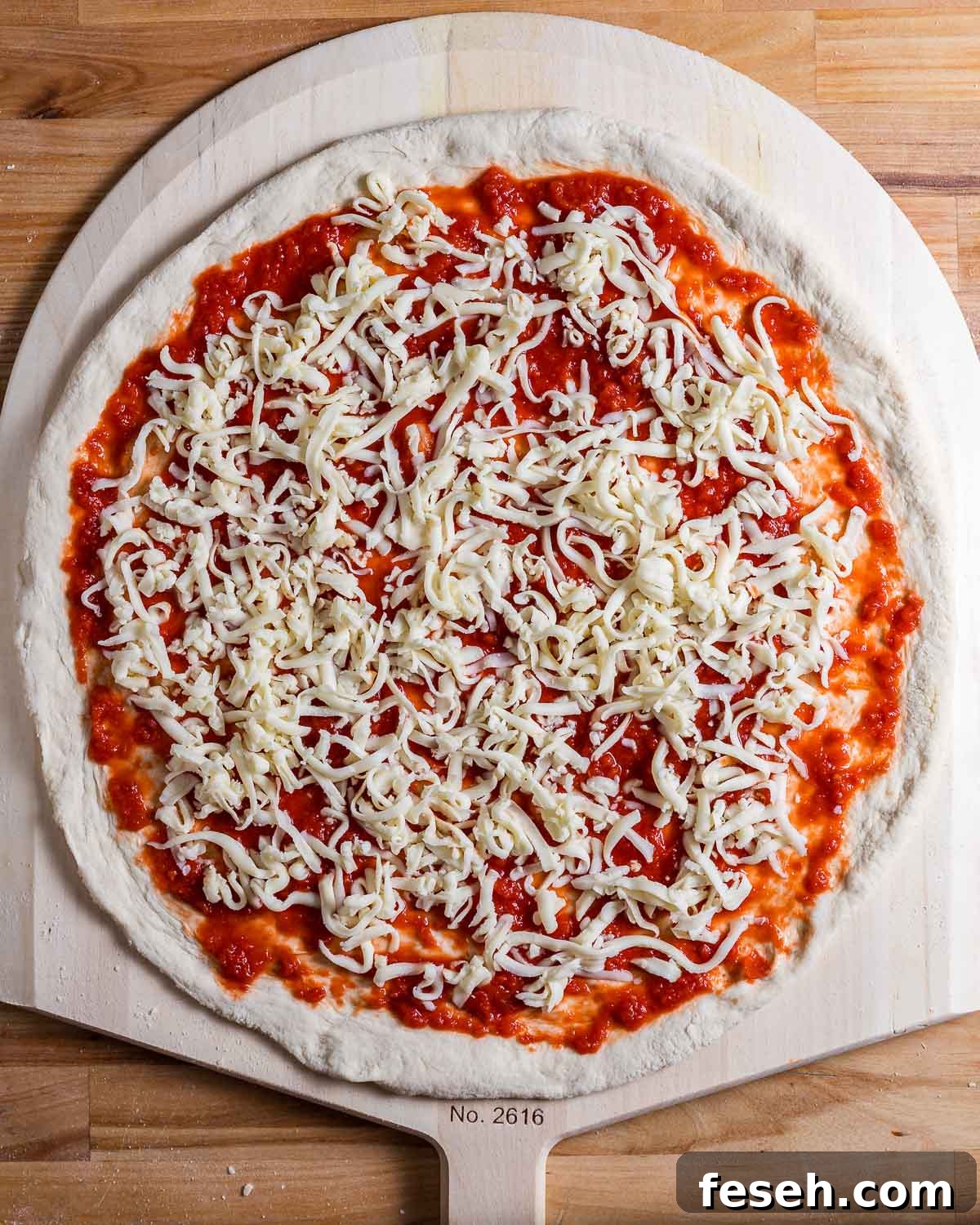
Cooking on steel generally outperforms inexpensive stones:
- Pizzas on steel bake in roughly 6–6.5 minutes; stones often take 3–5 minutes longer.
- Steel produces a superior bottom: charred exterior with a soft interior.
- Stones can crack; steel is far less fragile.
Possible downsides
Steels are heavy, so moving them can be difficult. Many people keep the steel in the oven most of the year. A 1/4″ steel is manageable and unlikely to bend oven racks, but always handle with care and use proper lifting technique and heat-resistant gloves when removing it from the oven.
Baking steel thickness
For most home cooks a 1/4″ plate strikes the best balance between weight and heat capacity. Thicker plates hold heat longer, which is helpful when baking many pies back-to-back, but they are heavier and may stress oven grates. With a 1/4″ plate, wait 7–10 minutes between pies to let the steel recover; that’s often enough time to slice and enjoy the first pie.
Pro tip: After each pie, run the broiler on high for about five minutes, then return the oven to its highest setting. Check the steel temperature with an infrared gun and resume baking when it reaches around 600°F.

Use these recipes with your steel
- New York pizza — classic dough and method for foldable, charred slices.
- New York white pizza — mozzarella, ricotta, garlic, and Pecorino Romano.
- Garlic knots — NY-style knots brushed with garlic butter, Pecorino, and parsley.
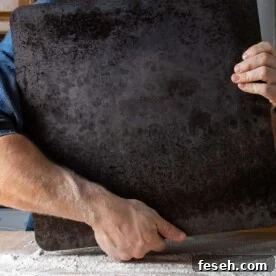
Pizza Steel – DIY Baking Steel
Prep Time: 1 hr | Cook Time: 9 hrs (includes seasoning cycles) | Soaking time: 2 days | Total Time: 2 days 10 hrs
Servings: 1 pizza steel
Materials
- 1 piece 1/4 x 16 x 16″ steel plate
- 3 ounces organic 100% pure flax oil
- 1 gallon distilled vinegar
- 1 gallon water
Tools
- 4 pencils (spacers)
- Lint-free or blue shop towels
- 150-grit sandpaper
- Small block of wood for the sandpaper
- Large tub or wheelbarrow
- Abrasive sponge (Scotch-Brite)
Descaling the steel
- Wrap sandpaper around the block and lightly sand all edges to remove burrs.
- Place spacers in the container, set the steel on them so it doesn’t touch the bottom.
- Pour 1 gallon vinegar and 1 gallon water (50/50) to fully submerge the steel.
- After 48 hours, wipe away mill scale. Scrub stubborn spots with the abrasive sponge. Rinse and dry immediately, then place in a 170°F oven to remove moisture.
Seasoning the steel
- After 20 minutes in the 170°F oven, remove the steel with gloves and preheat the oven to 450°F. Apply a thin coat of flax oil to one face, flip and coat the other face and all edges.
- Wipe off excess oil with lint-free towels so a thin film remains. Bake at 450°F for one hour. Turn the oven off and leave the door closed for at least two hours before removing the steel.
- Repeat until you have at least three coats. The color will darken with each coat; once seasoned, the steel is ready to use.
Notes
- The container must allow the steel to lie flat and be fully submerged.
- I recommend three coats of flax oil for reliable protection, though more coats are fine.
- A 1/4″ plate is ideal for home use; a thicker plate may require reinforcing oven grates.
- Food residue will carbonize at high temperatures and can be scraped off with a nylon brush.
- Keeping the steel in the oven most of the time reduces handling and exposure to moisture.