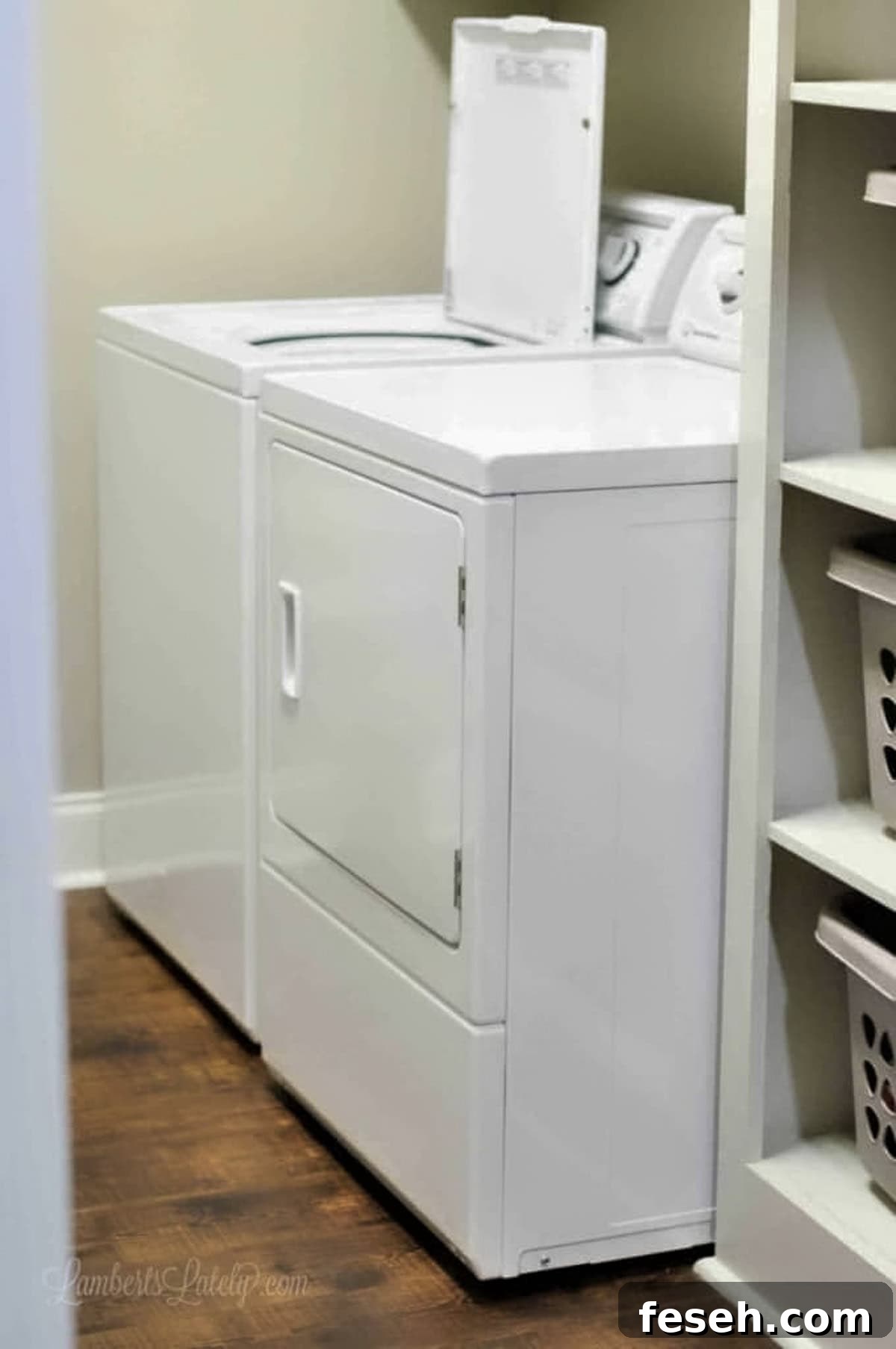
See how to clean a dryer the easy way! Learn a straightforward maintenance routine to clean the dryer drum, scrub the lint trap, clear ducts, and more to keep your dryer running safely and efficiently.
Paid links used in this post. Read more about my link usage policies.
I used to think that cleaning the lint trap after every load was enough. It turns out there’s more to dryer maintenance than that.
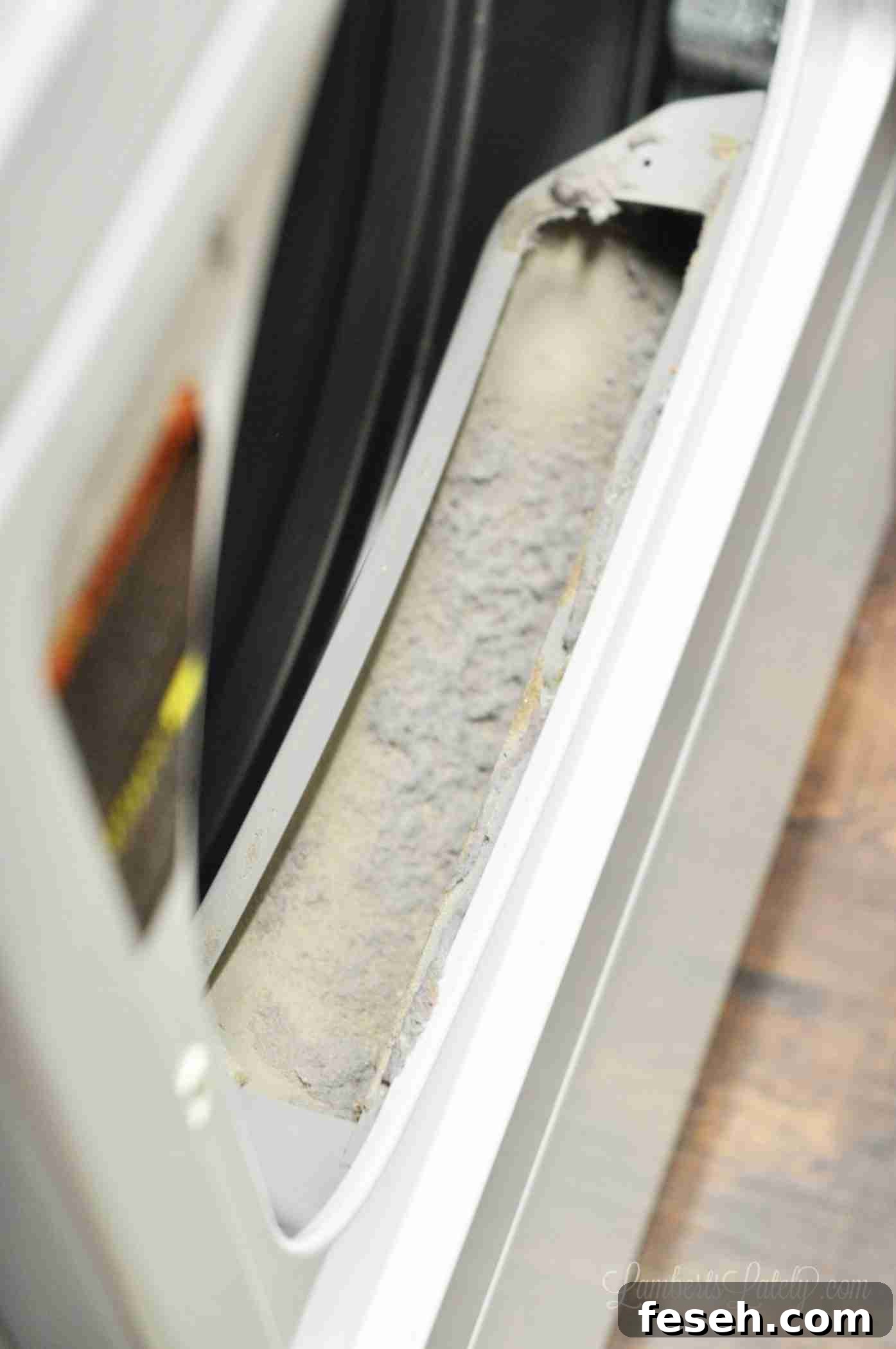
Lint and dust can accumulate in tubing, behind panels, and in tight corners that the lint screen doesn’t reach. Regular deep cleaning removes buildup, improves drying performance, and reduces the risk of a lint-related fire. Aim to do a thorough clean a couple of times a year, and you’ll notice better efficiency and fewer issues.
Step 1: Clean the exterior and drum blades
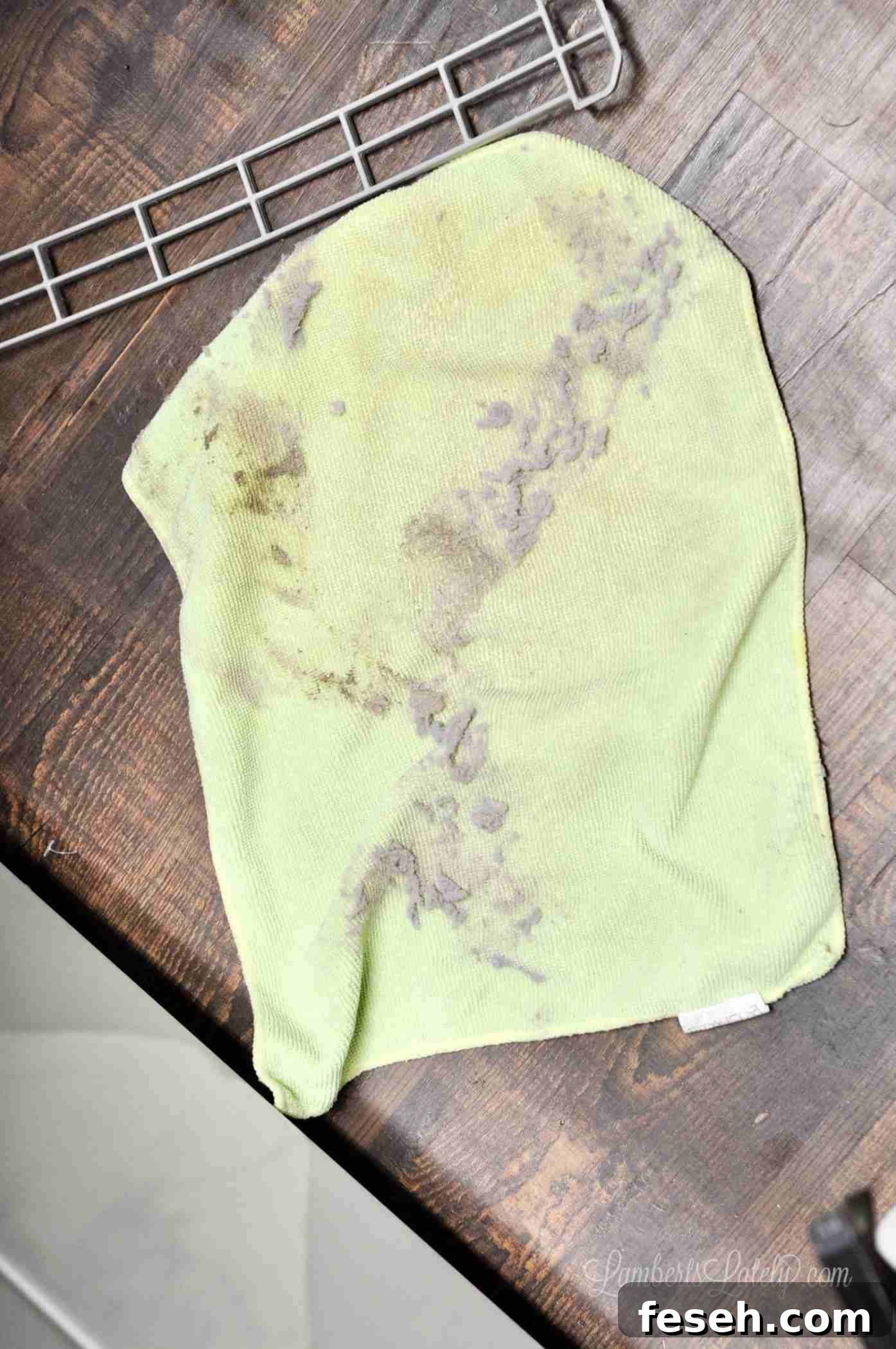
Wipe the dryer’s exterior and the drum interior monthly with a microfiber cloth to remove dust and stray lint. This quick step takes only a few minutes and helps keep the appliance looking and working well. It’s also a convenient time to wipe down your washer.
Step 2: Remove lint and clean under the lint screen
Your lint screen captures the larger lint pieces, but lint will still travel into the duct that leads from the lint screen to the vent hose. That tube can trap a surprising amount of lint over time, so it’s important to clean it out periodically.
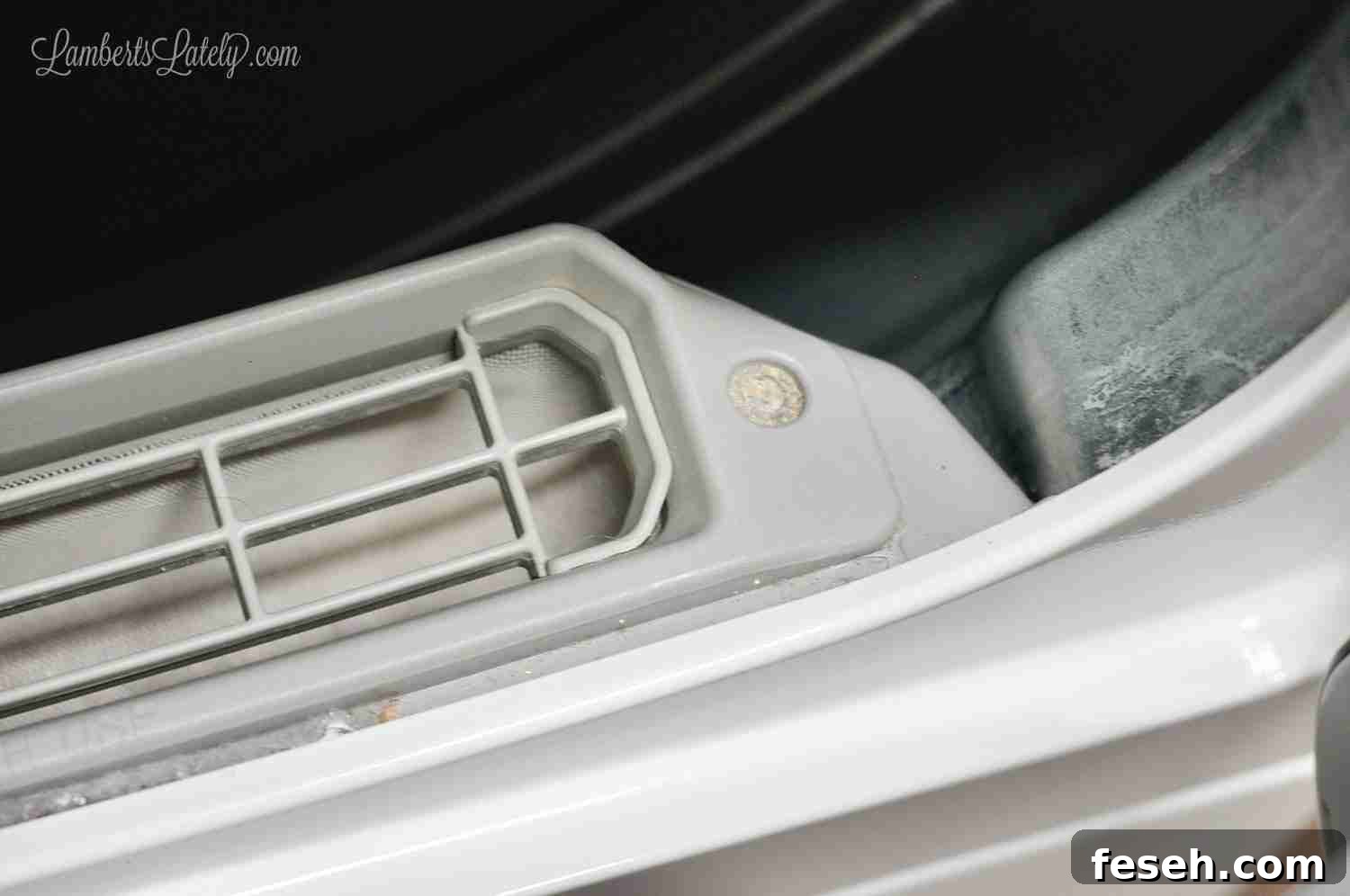
On some dryers (like the Speed Queen shown here) there may be a screw or fastener securing the lint housing. Remove it carefully to access the area beneath the screen. You’ll often find lint collected in spaces that aren’t visible with the lint trap in place.
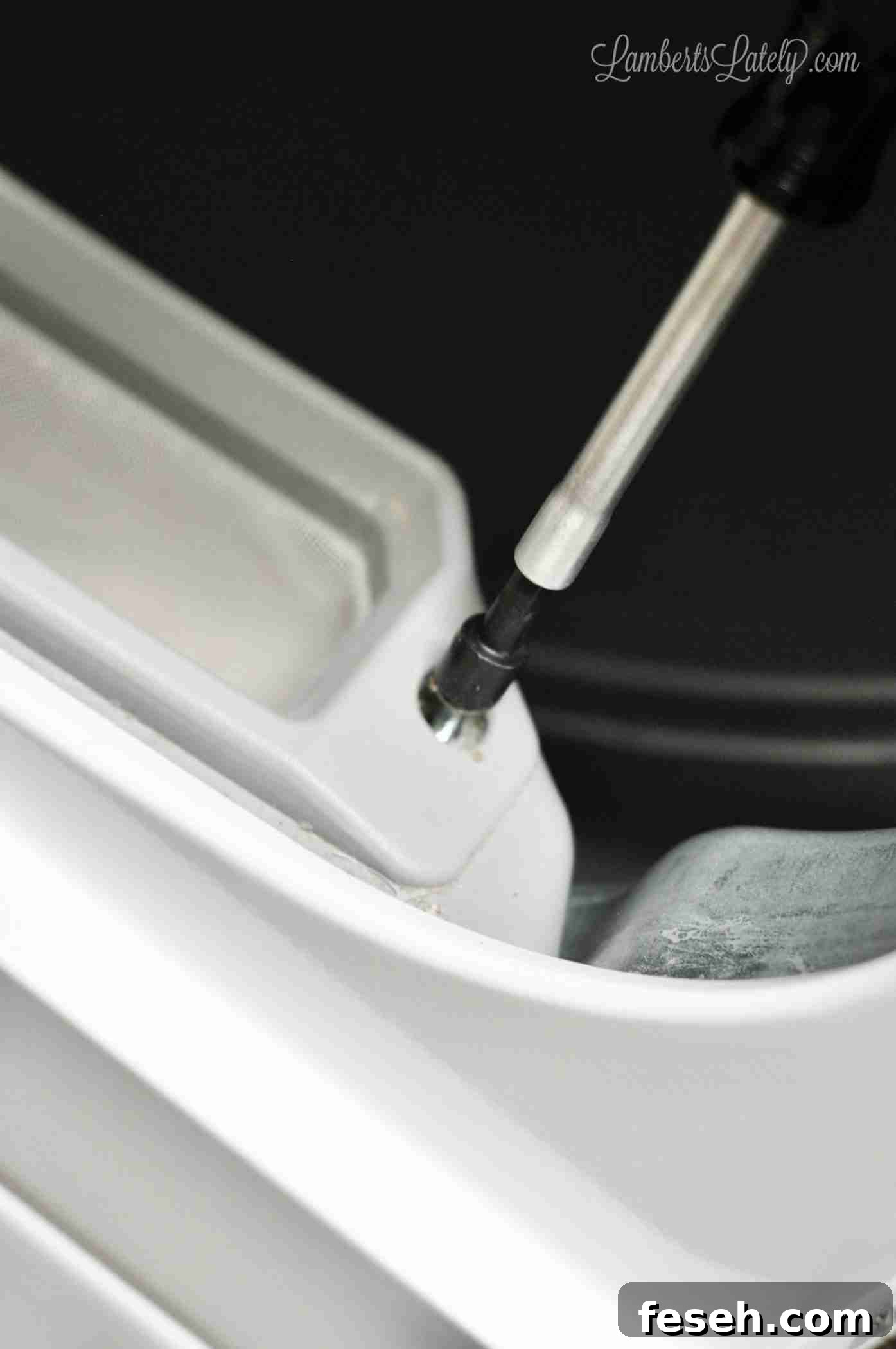
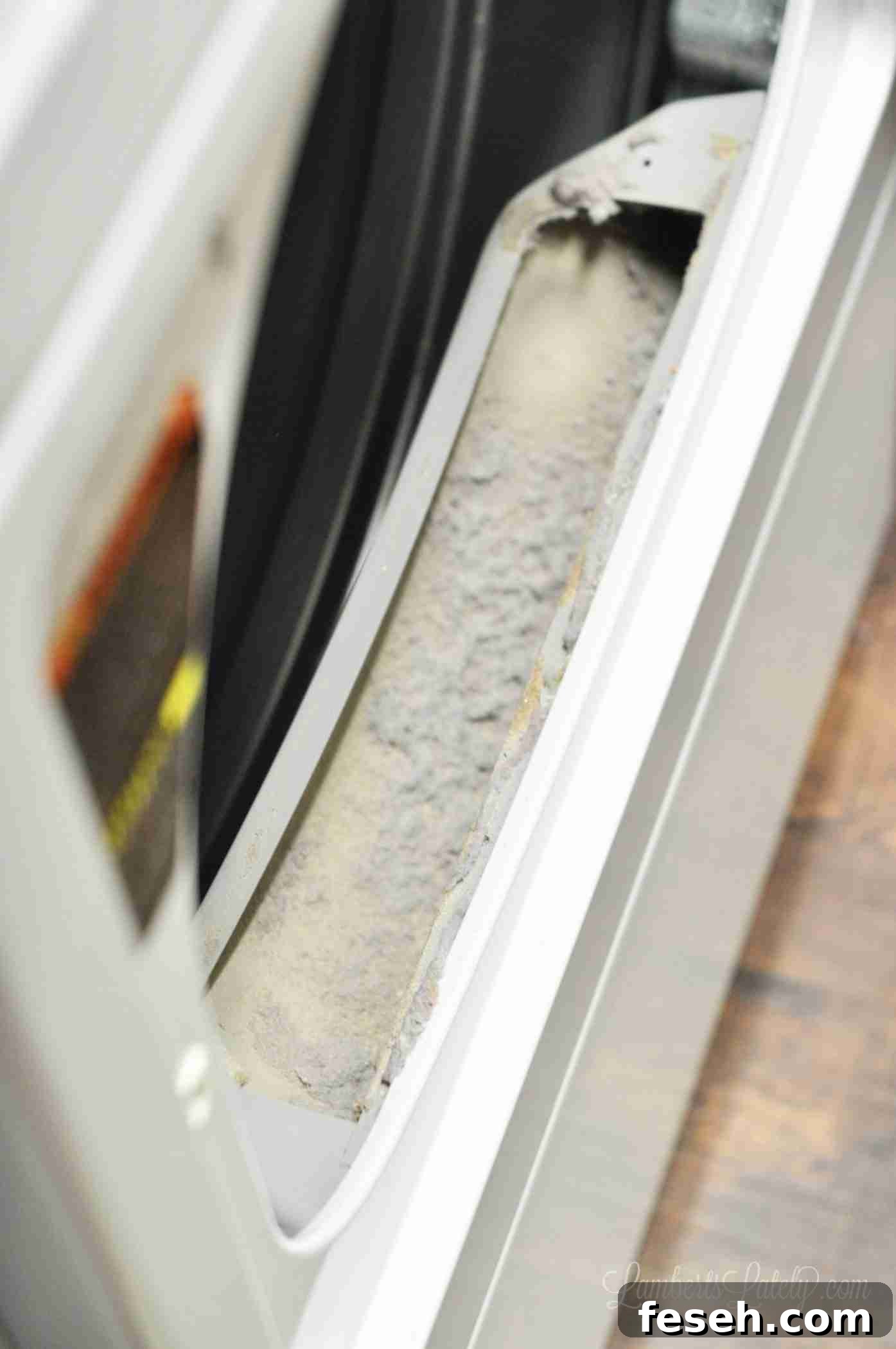
Use a thin vacuum attachment to reach into nooks and dislodge lint, then finish with a damp microfiber cloth or a small brush for stubborn spots.
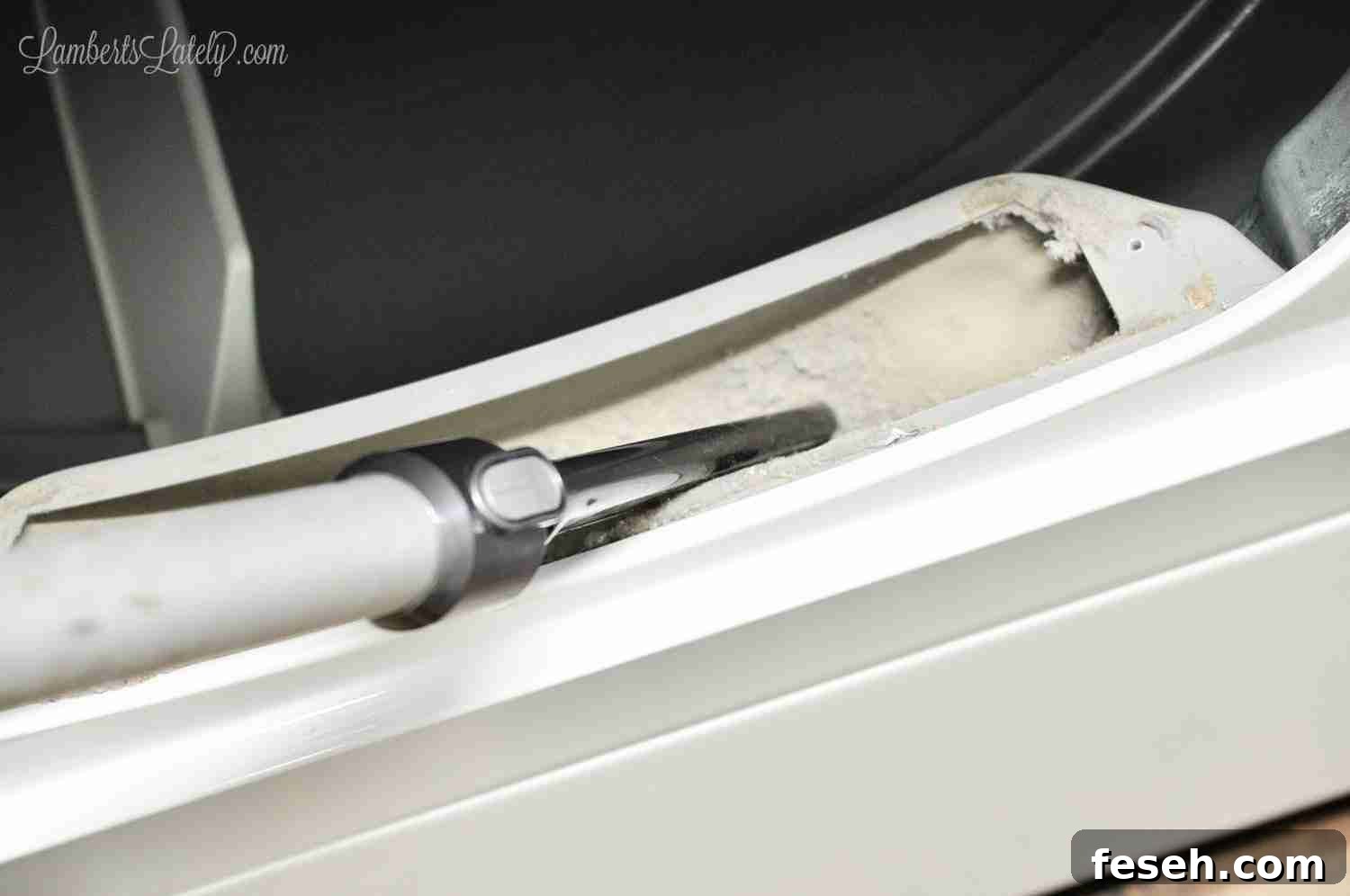
After vacuuming, wipe out the area with a cloth and a mild multipurpose cleaner. An old toothbrush or small scrub brush works well for tight crevices.
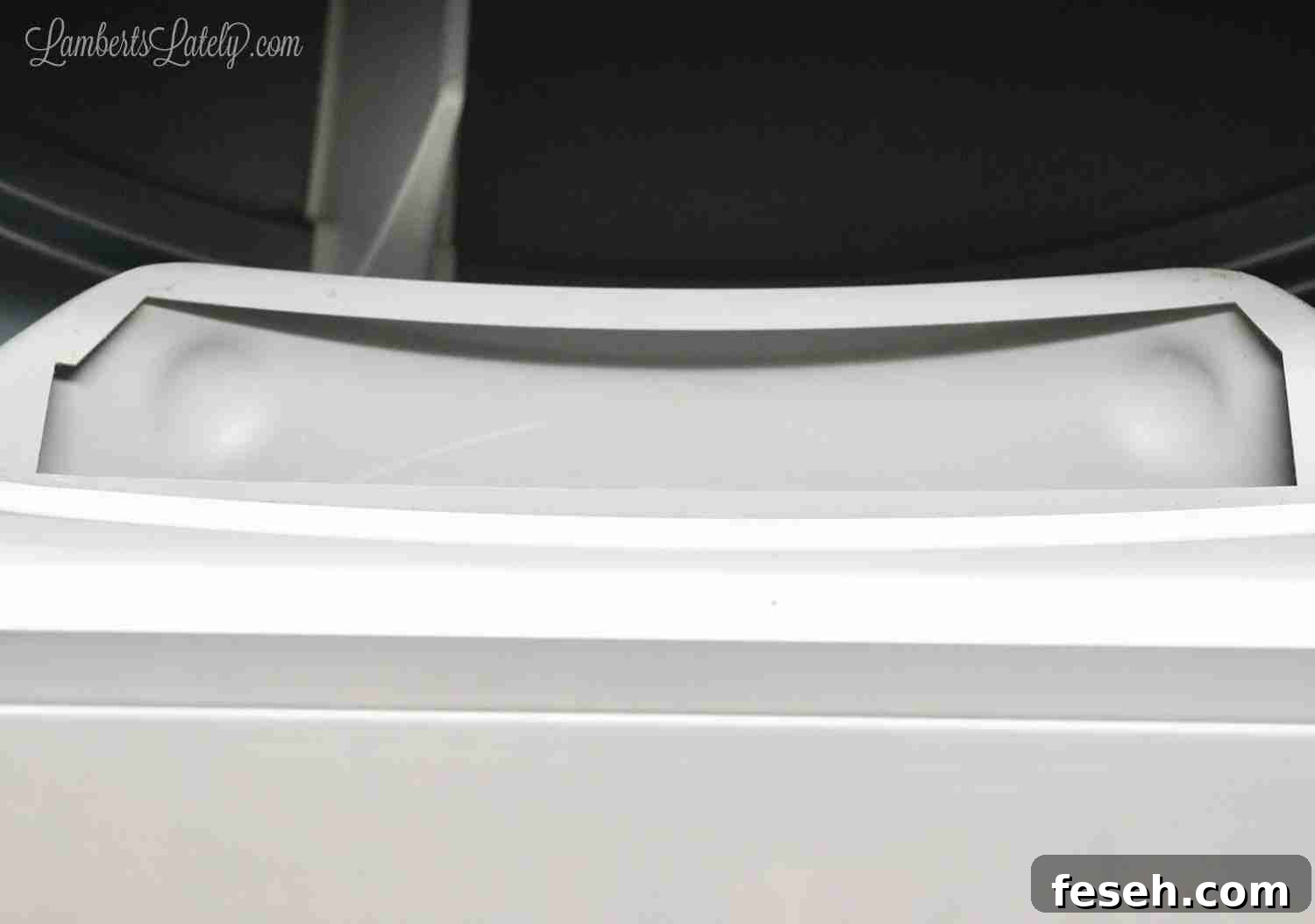
Once cleaned, the lint screen and housing will function more effectively and let air flow freely.
Step 3: Wash the lint trap
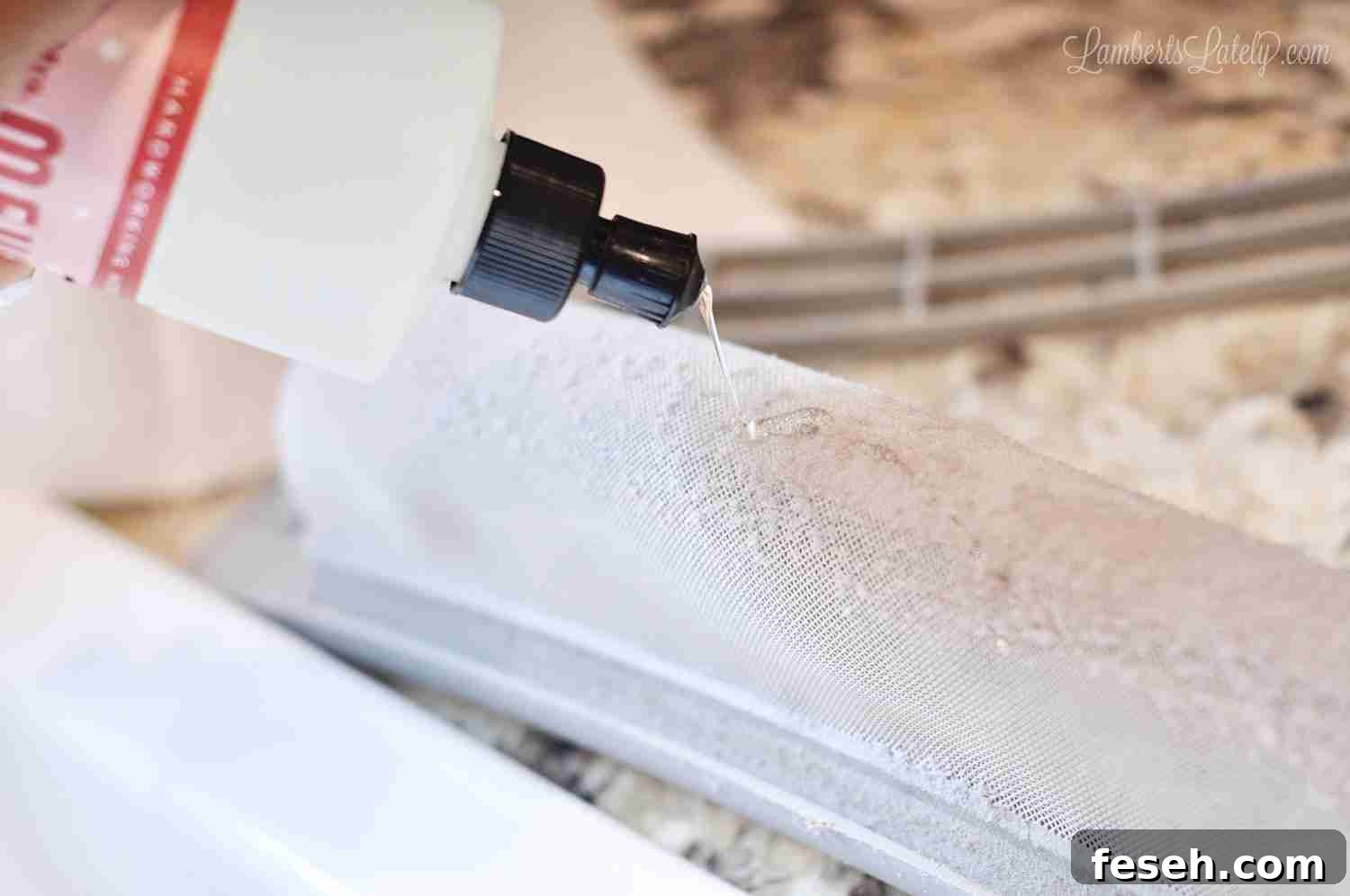
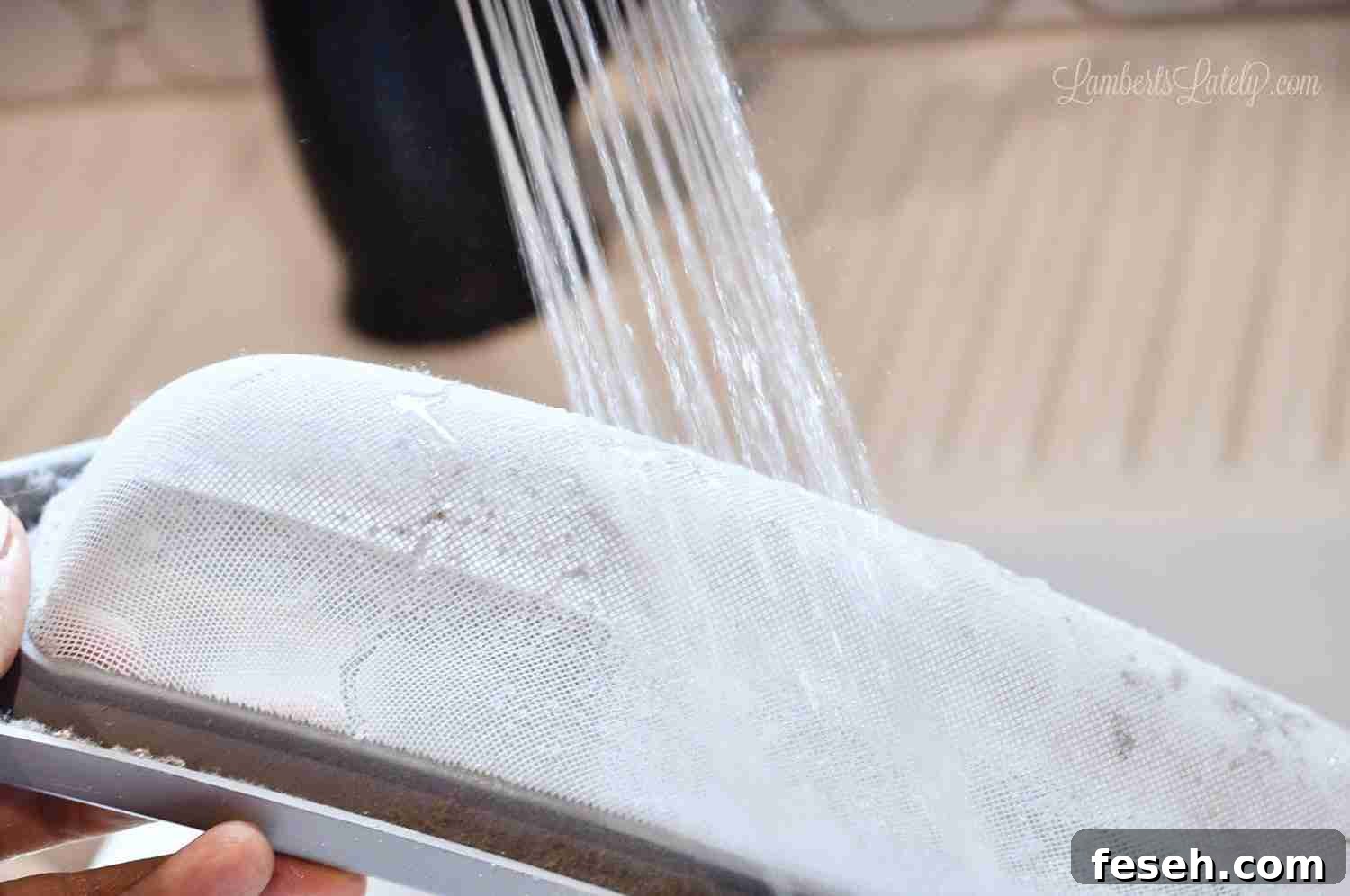
Occasionally wash the lint screen with warm water and a small amount of dish soap to remove residue from fabric softeners or laundry detergents. Rinse and allow it to dry completely before reinstalling.
Step 4: Clean the vent duct
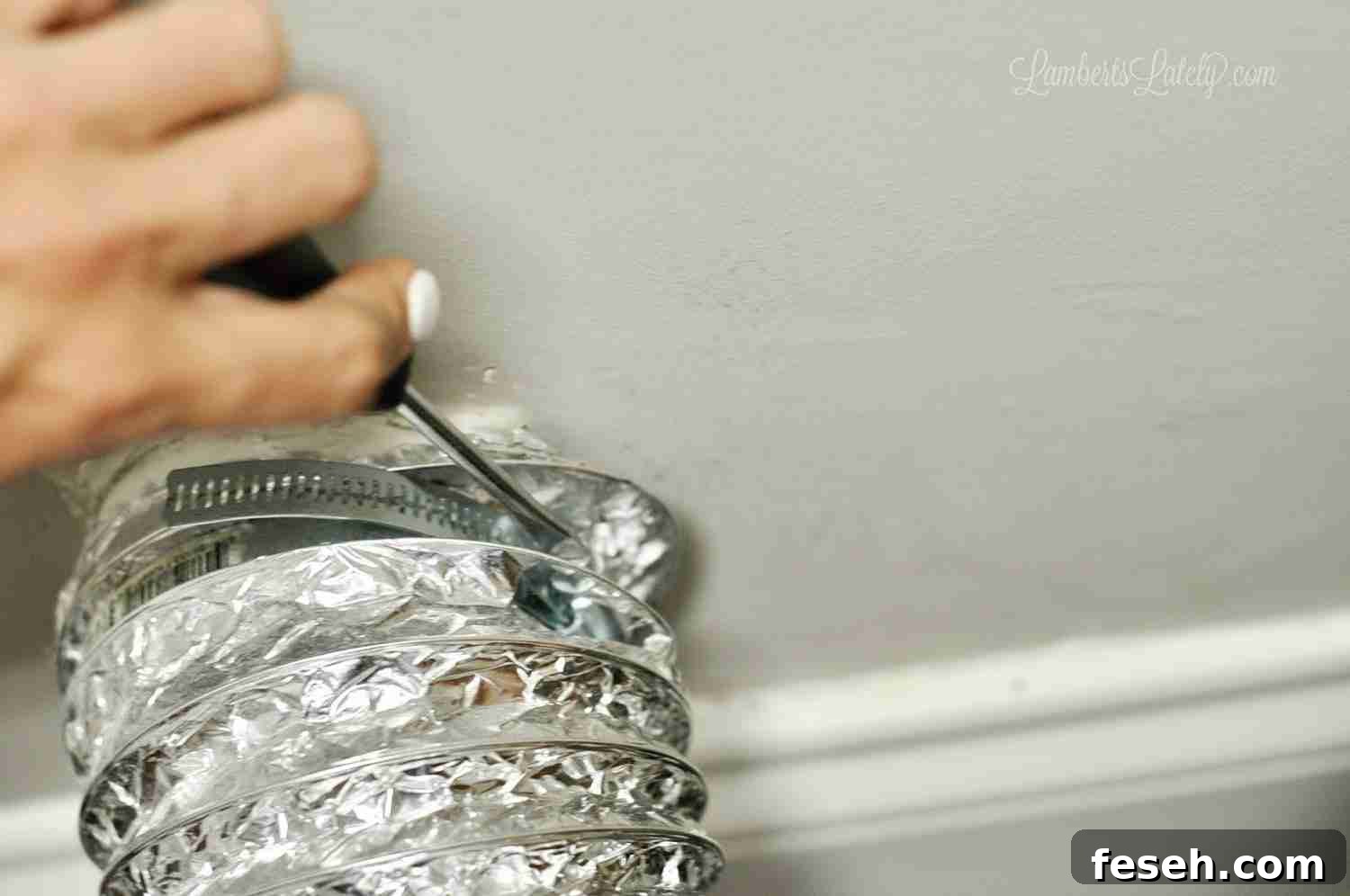
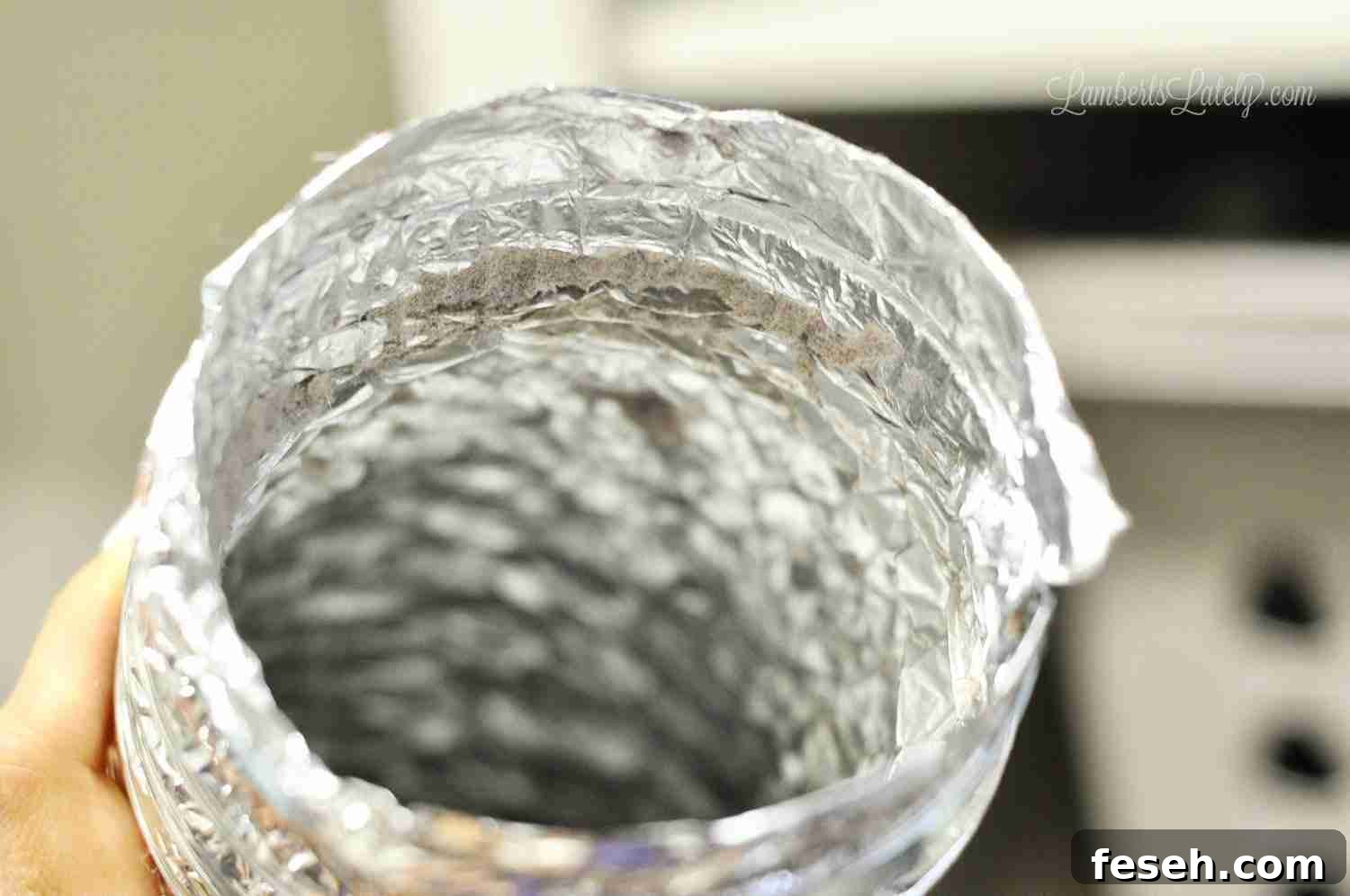
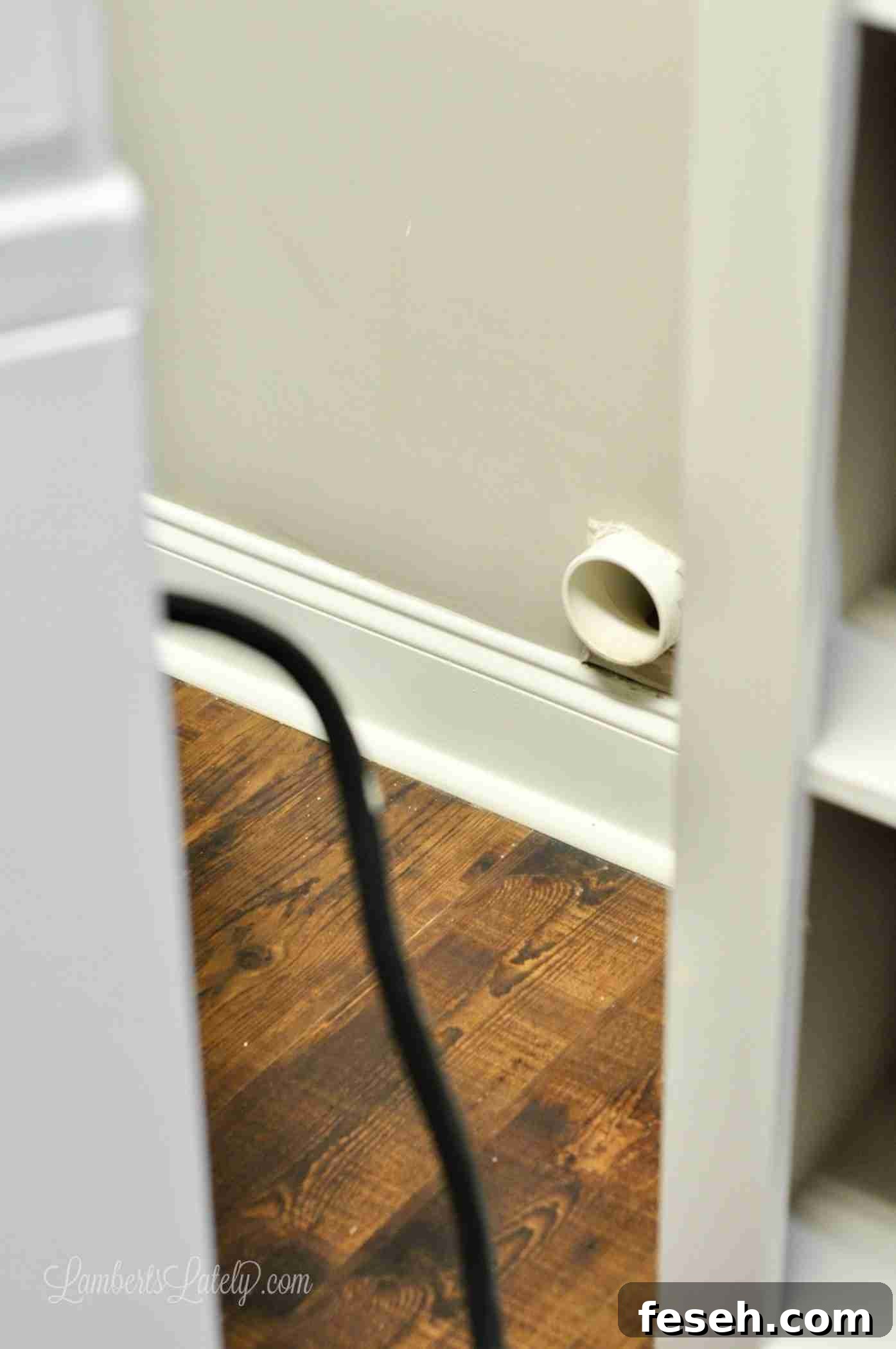
Unplug the dryer and pull it away from the wall. Disconnect the vent hose from the wall and from the dryer—use a flathead screwdriver to loosen any clamps. Inspect the hose and vent for lint accumulation.
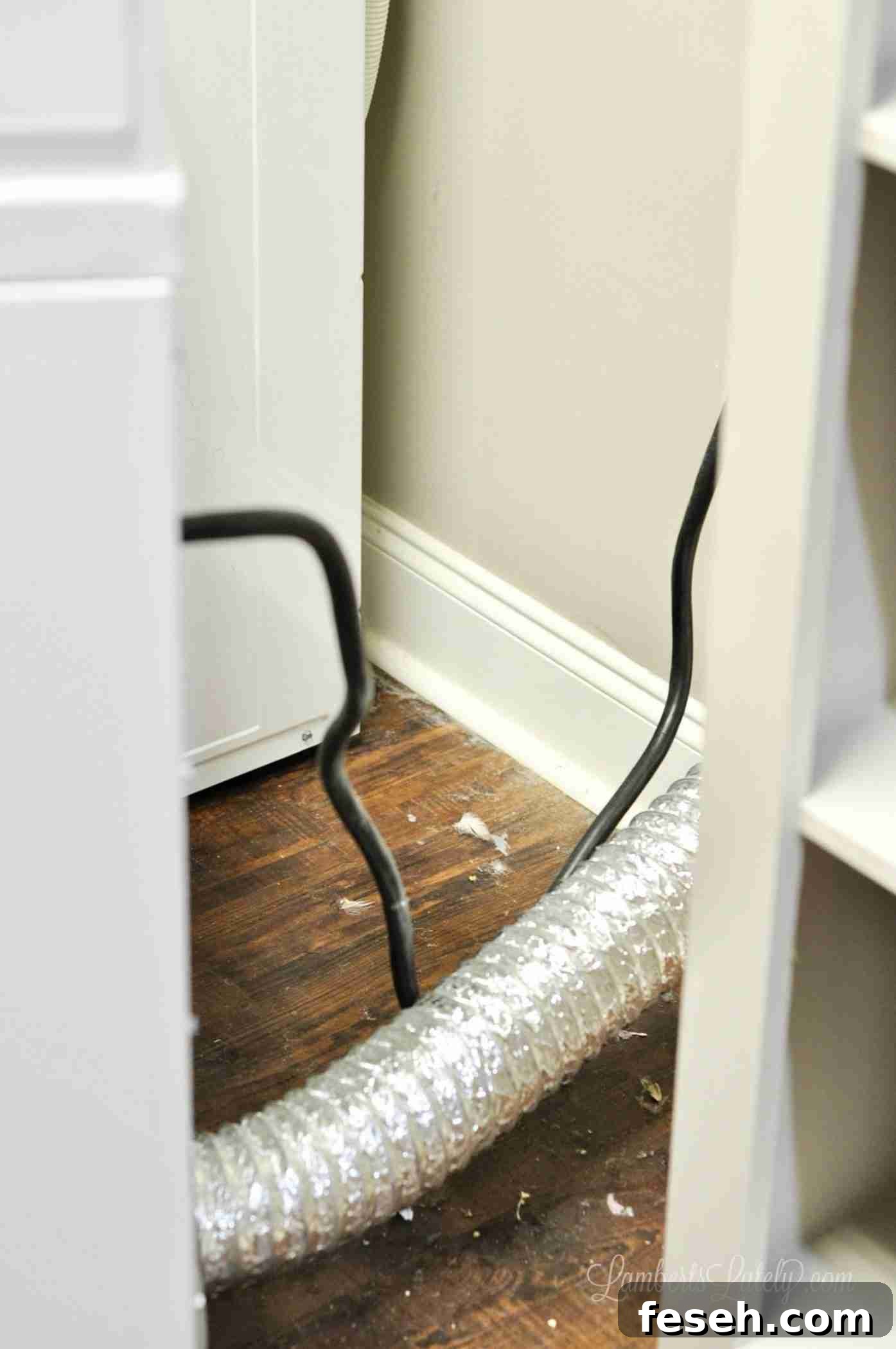
Remove loose lint by hand and dispose of it in the trash. For deeper cleaning, run the vacuum into the duct and the hose to pull out embedded residue. Excess lint in the hose or vent is both inefficient and a potential fire hazard.
Step 5: Clean the back of the dryer
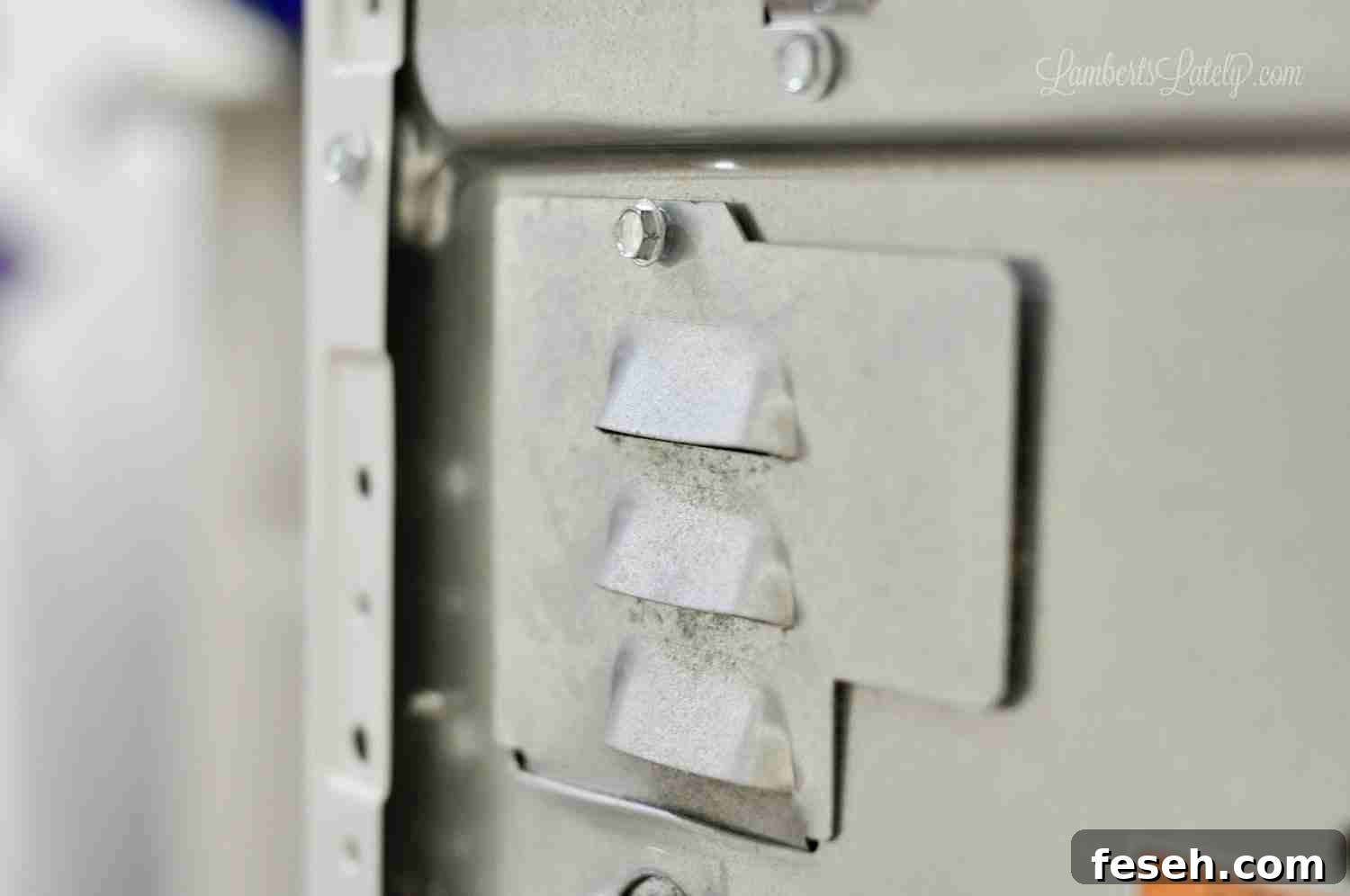
Wipe the back of the dryer and the connection points where the hose meets the unit. If you’re comfortable and the manufacturer’s manual allows it, you can remove the back panel to check for accumulated lint—only attempt this if it’s straightforward and won’t void your warranty.
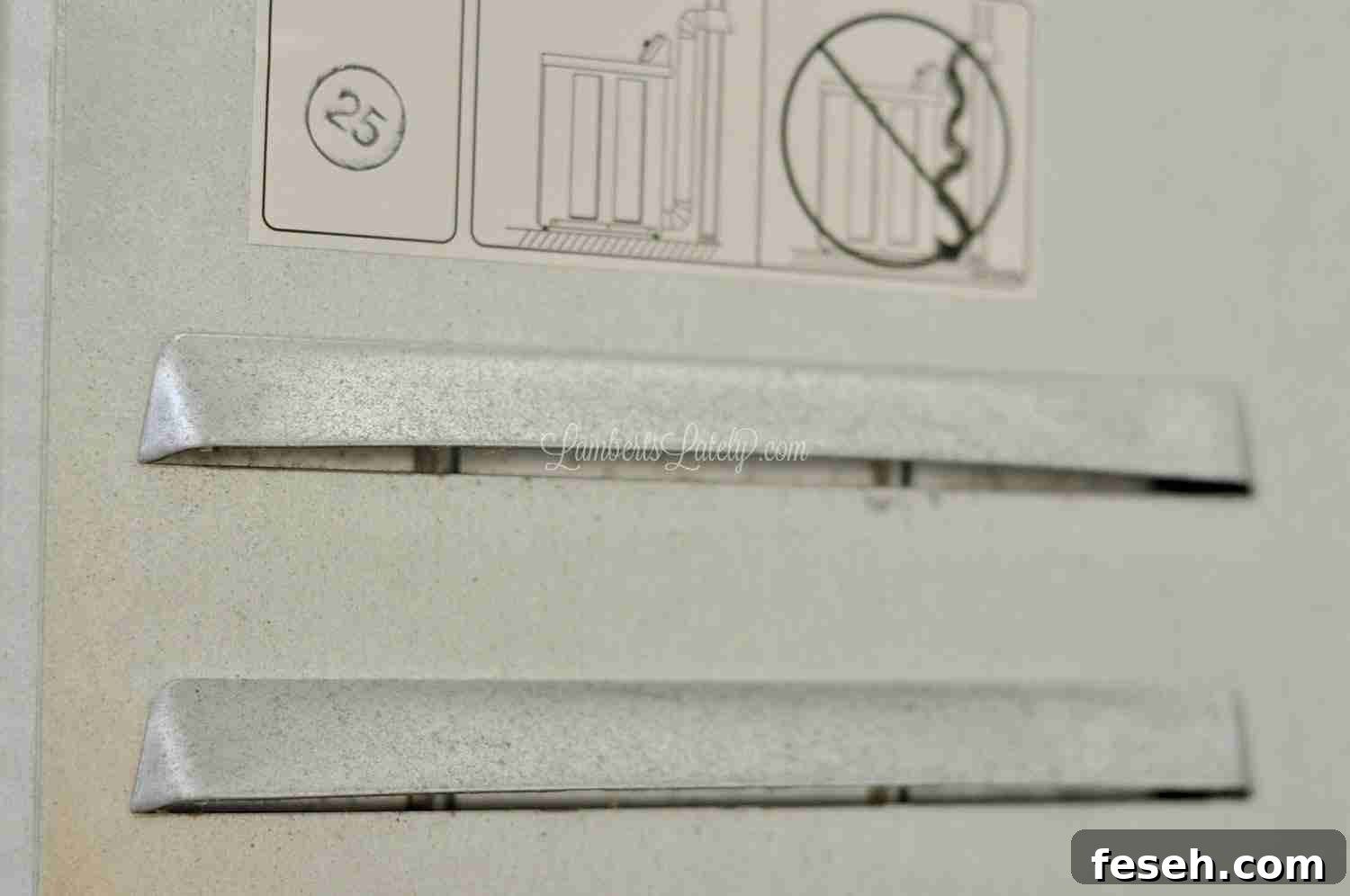
Many dryers have many screws and internal components; if removing panels seems complicated, it’s fine to skip that step and focus on accessible areas. If you do remove panels, make sure the appliance is unplugged and follow the manufacturer’s instructions.
Step 6: Clean the area around the dryer
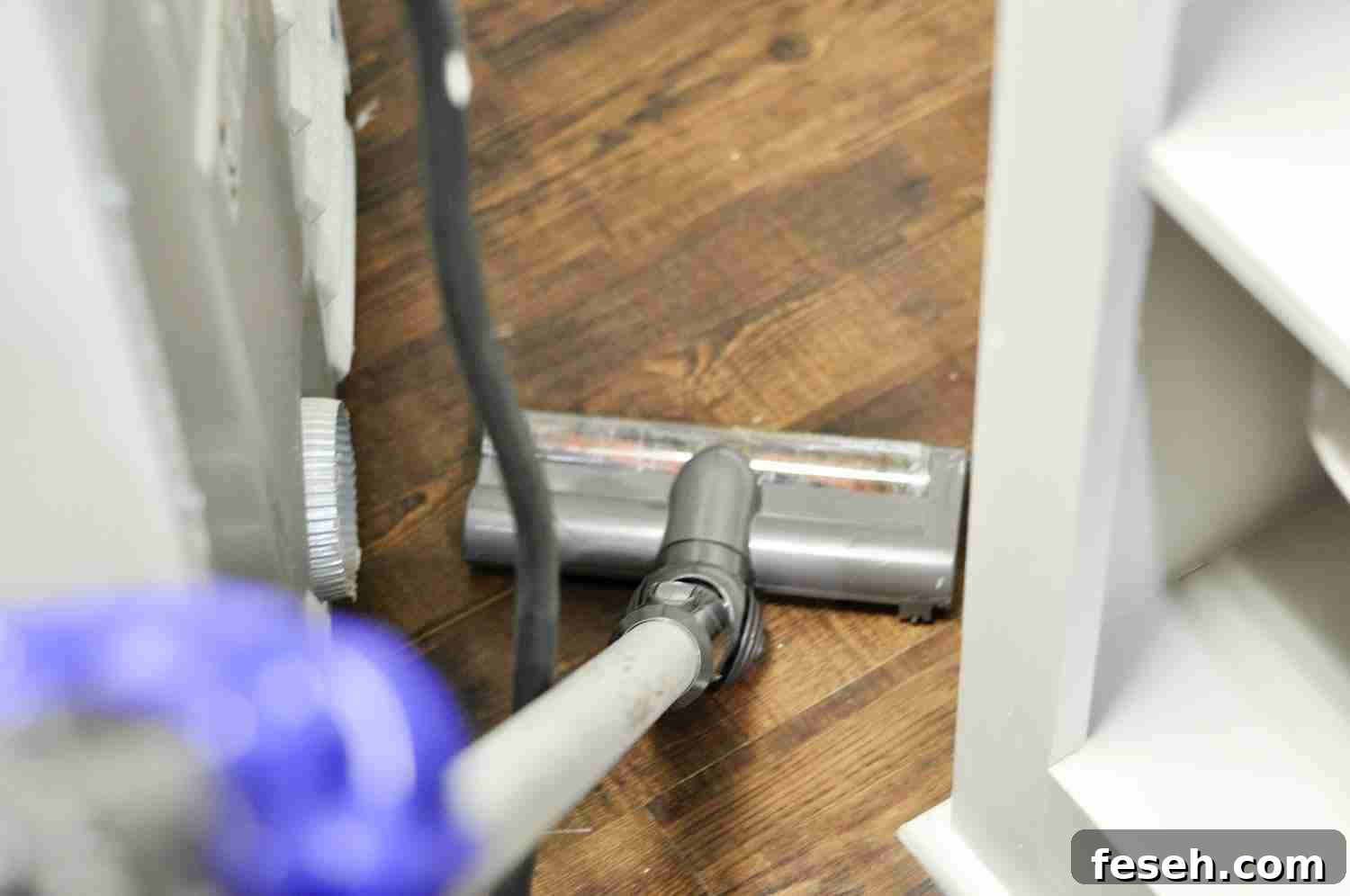
Vacuum the floor and vacuum or wipe down baseboards and walls behind and around the dryer. Remove any debris from the space before reattaching the vent hose, plugging the dryer back in, and sliding it into place.
With these steps, your dryer will be cleaner, safer, and more efficient. Regular maintenance protects your investment and extends the life of the appliance—set a reminder to do a deep clean a couple of times per year.
More Dryer Cleaning Tips
- Do a deep-cleaning process once or twice a year, depending on usage.
- Avoid fabric softener sheets and heavy liquid softeners when possible; they can leave a residue on the drum. Consider wool dryer balls to reduce static and soften clothes without residue.
- Clean the lint trap after every load to prevent excess buildup.
- Dry clothes only as long as necessary—overdrying allows more lint and residue to cling to the drum and vent system. Don’t leave wet clothes sitting in the dryer for long periods.
More Cleaning Tutorials
-
How to Clean Oven Racks (Easy Methods That Actually Work)
-
How to Clean a Microwave with Vinegar
-
How I Created Our Life-Changing Family Laundry System
-
How to Clean a Cast Iron Griddle