
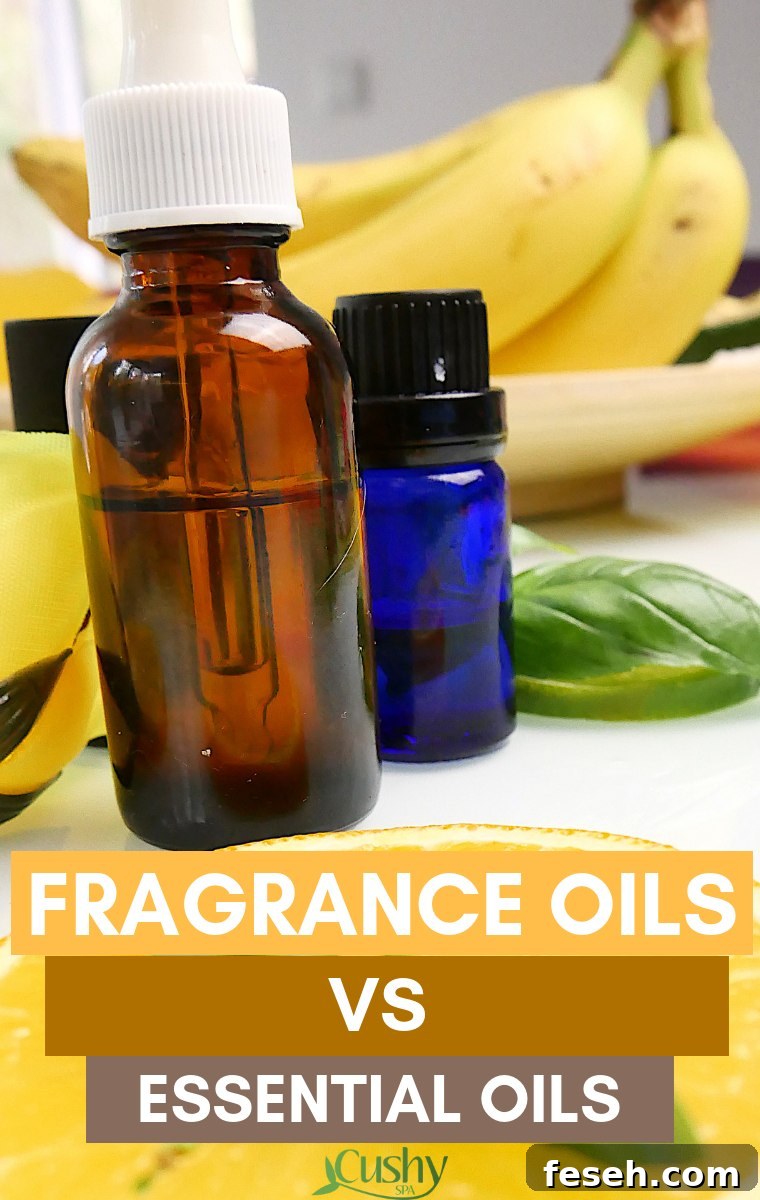
When it comes to aromatherapy and massage, I recommend essential oils most of the time. However, there is a lot of confusion about the difference between essential oils and fragrance oils — some people even assume they are the same because both smell pleasant. In reality, they are different in origin, composition, uses, and safety.
At a glance, the main distinction is the source: essential oils are natural plant extracts, while fragrance oils are primarily synthetic blends. That difference affects how they are made, how they behave, and how they should be used.
This article contains affiliate links. If you buy products using these links, I may earn a commission at no extra cost to you. Here is my full affiliate disclosure.
Essential Oils
Essential oils are concentrated extracts obtained from various parts of aromatic plants — flowers, leaves, roots, bark, resins, or wood. They are created through processes such as steam distillation or cold pressing, capturing the plant’s natural volatile compounds. Because they are concentrated, essential oils do not contain the fatty acids found in carrier oils and are typically diluted before topical use.
These oils contain dozens to hundreds of naturally occurring chemical constituents that determine their scent and therapeutic properties. Depending on the plant and extraction method, essential oils can offer benefits for skin, mood, muscle tension, and more. That said, their potency means they must be used with care: dosing, potential sensitivities, and proper dilution are important.
Before using any essential oil, especially internally or in high amounts, check reliable guidance and consult a healthcare professional when in doubt.
Essential Oil Benefits
- Can support immune function and recovery from minor illnesses.
- May help restore hormonal balance in some situations.
- Useful as natural cleaning agents and deodorizers.
- When diluted and applied topically, they can relieve muscle tension.
- Can act as natural insect repellents and pesticides.
- Highly concentrated — a small amount often provides long-lasting effect.
- Many are multipurpose and can be used in aromatherapy, cosmetics, and personal care.
Essential Oil Drawbacks
- Potency can cause adverse effects if used excessively or undiluted; correct dosage matters.
- Large-scale production can require significant plant material, raising sustainability concerns.
- High-quality essential oils can be expensive; cheaper options may be diluted or poorly processed.
- Certain oils can produce drug-like or hormonal effects and should be used cautiously.
- Allergic reactions and skin sensitivities are possible — patch testing is recommended.
- Citrus oils like bergamot, lemon, lime, orange, and angelica can cause phototoxic reactions if skin is exposed to sunlight after application.
- Some essential oils may influence hormone levels; use caution and consult a clinician if concerned.
Fragrance Oils

Fragrance oils, also called perfume or aromatic oils, are formulated primarily to provide scent. They are usually synthetic or a blend of synthetics and natural extracts. Fragrance oils allow manufacturers to replicate scents that are difficult, costly, or unsafe to extract from nature, and they offer consistency and longevity that some natural oils cannot.
Because fragrance oils are designed for aroma rather than therapeutic effect, their primary applications are in perfumes, candles, soaps, cosmetics, and scented household products. Safety varies by formulation: some fragrance oils are skin-safe, while others contain harsh chemicals and should not be applied directly to skin or ingested.
Fragrance Oil Benefits
- Typically more affordable than high-quality essential oils.
- Can reproduce a vast variety of scents, including those not available from natural sources.
- Scent longevity is often greater; fragrances may not evaporate as quickly.
- Generally offer longer shelf life and consistent aroma from batch to batch.
Fragrance Oil Drawbacks
- Undiluted fragrance oils can be hazardous if handled incorrectly.
- Some formulations contain caustic or irritating compounds that can burn skin or cause internal harm if ingested.
- Manufacturers are not always required to disclose full ingredient lists for fragrances, making it hard to know what’s inside.
- People with respiratory conditions may react to synthetic fragrances with coughing, wheezing, nausea, or dizziness.
- Many fragrance oils lack comprehensive research on long-term health effects.
- Skin contact can cause rashes, itching, or burns in sensitive individuals.
Fragrance Oil vs Essential Oil

Understanding how essential and fragrance oils differ helps you choose the right product for your needs. Here are key comparison points:
Cost
Fragrance oils are generally less expensive because they are synthetically produced. Essential oils often cost more due to the raw plant material and extraction processes involved.
Purpose and Uses
Essential oils are used for emotional and physical support in aromatherapy, topical applications (when properly diluted), and in some therapeutic contexts. Fragrance oils are mainly used to scent products like perfumes, candles, and cosmetics.
Mode of Usage
Essential oils can be diffused, applied topically with a carrier oil, and in specific cases ingested under professional guidance. Fragrance oils should not be ingested and many are not safe for direct skin application.
Consistency and Source
Essential oils can vary in scent and strength depending on species, growing conditions, and harvest timing. Fragrance oils are manufactured to be uniform, offering consistent scent profiles across batches.
Volatility
Most essential oils are volatile and evaporate more quickly, which is part of their therapeutic action. Many fragrance oils are engineered to be less volatile and retain their scent longer.
Storage and Shelf Life
Essential oils are best stored in dark, tinted glass bottles away from heat and light to preserve their volatile compounds. Fragrance oils often have a longer shelf life and are more stable in a variety of storage conditions.
Diversity of Scents
Natural essential oils are limited to scents plants can produce. Fragrance oils, being synthetic, offer a much broader palette of aromas and creative blends.
Health Benefits
Essential oils can provide measurable health and wellness benefits when used correctly. Fragrance oils are designed primarily to create a pleasant environment and are not reliable therapeutic agents.
Personal Verdict
I prefer essential oils for their natural profiles and therapeutic potential, despite their higher cost. They can be used in skin care (when diluted), inhalation therapies, cleaning solutions, and more. A small bottle of a quality essential oil often lasts a long time and can justify the price.
That said, I use fragrance oils for perfumes and scented products where the goal is a consistent, long-lasting scent rather than therapy. I avoid products that rely on synthetic fragrances for topical skin care when possible.
Conclusion
Both essential and fragrance oils have distinct roles. Choose essential oils when seeking natural, therapeutic benefits and exercise care with dilution and usage. Choose fragrance oils when you want a specific scent, consistent performance, and lower cost, but be cautious about skin contact and sensitive individuals. Which type do you prefer and for what uses? I’d love to hear your experience.