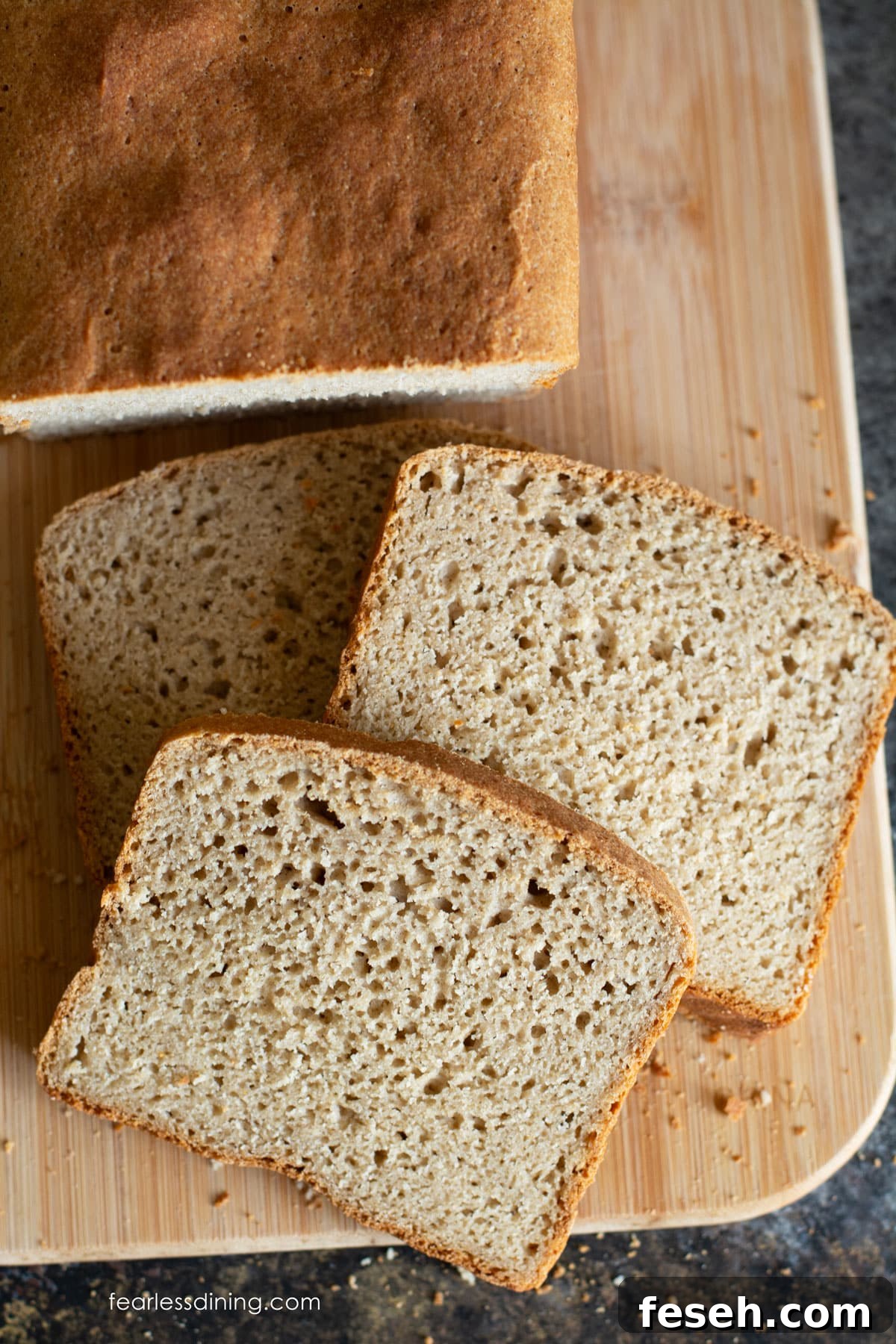
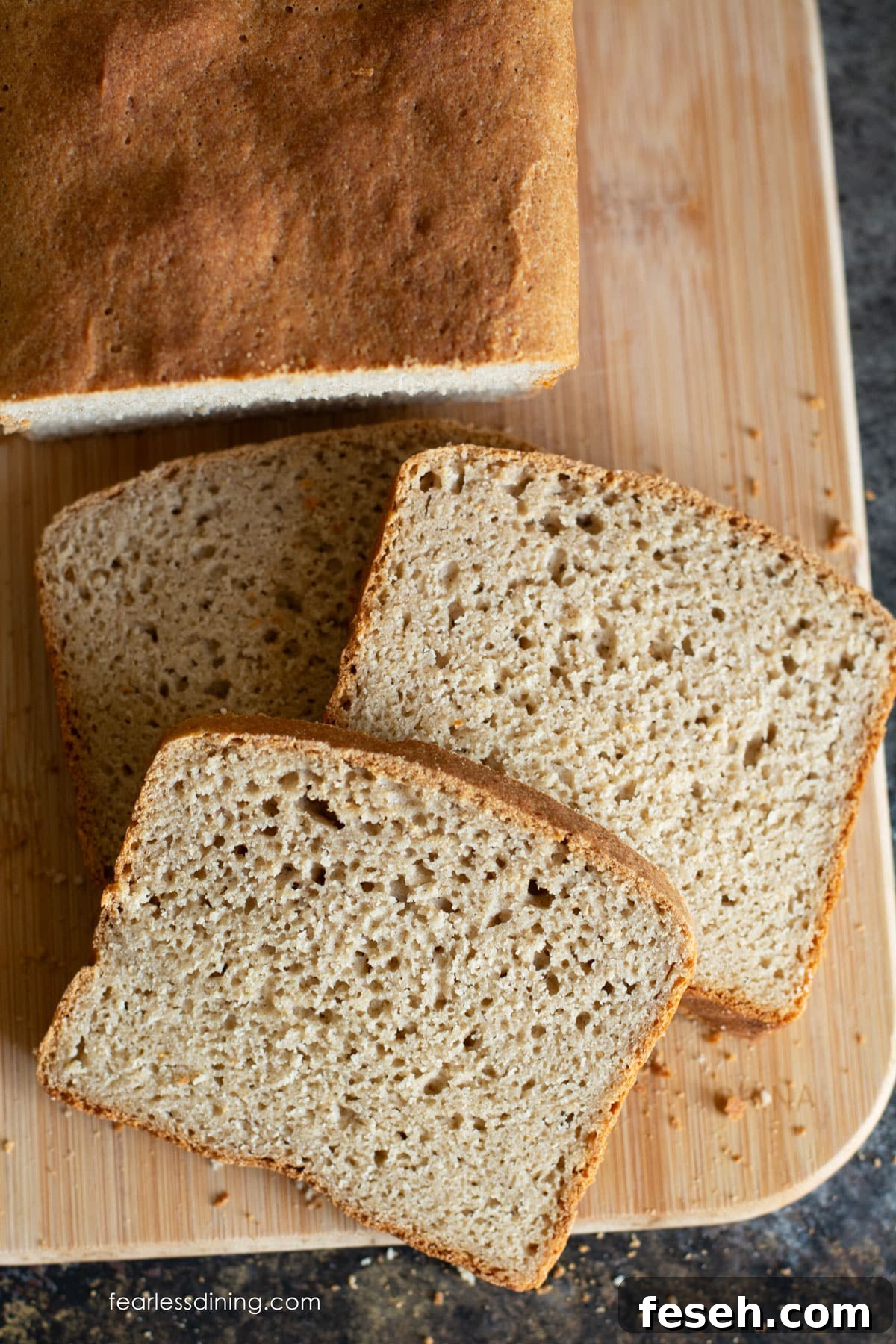
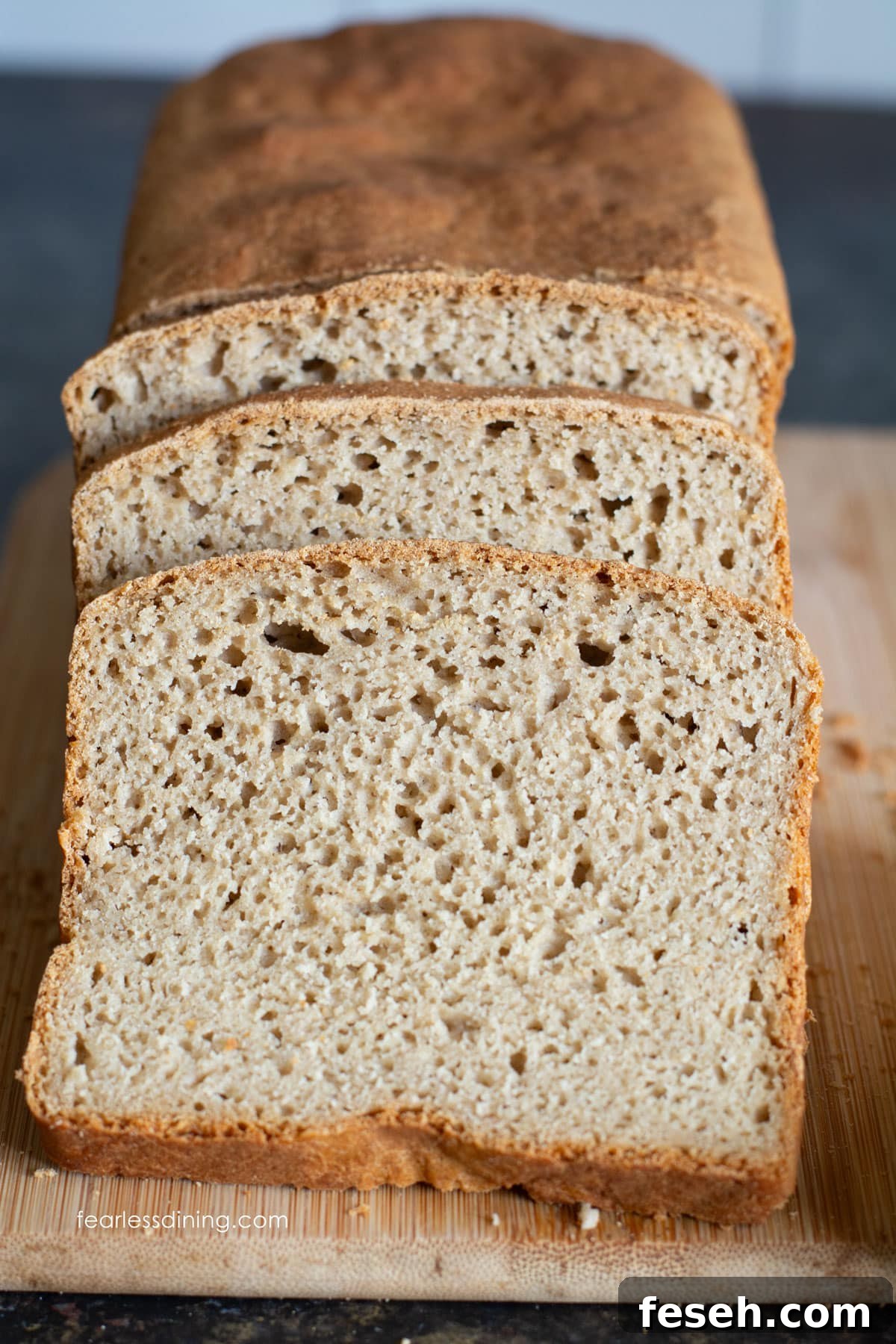
Making homemade gluten-free bread is both simple and satisfying. With a handful of wholesome ingredients you can bake a light, fluffy gluten-free whole grain loaf that works equally well in the oven or a bread machine. This versatile gluten-free whole-grain bread is hearty enough for sandwiches yet tender and not dense.
If you enjoy whole-grain loaves, try other variations like gluten-free buckwheat bread, a classic gluten-free sandwich loaf, or a gluten-free Boston brown bread for different flavors and textures.
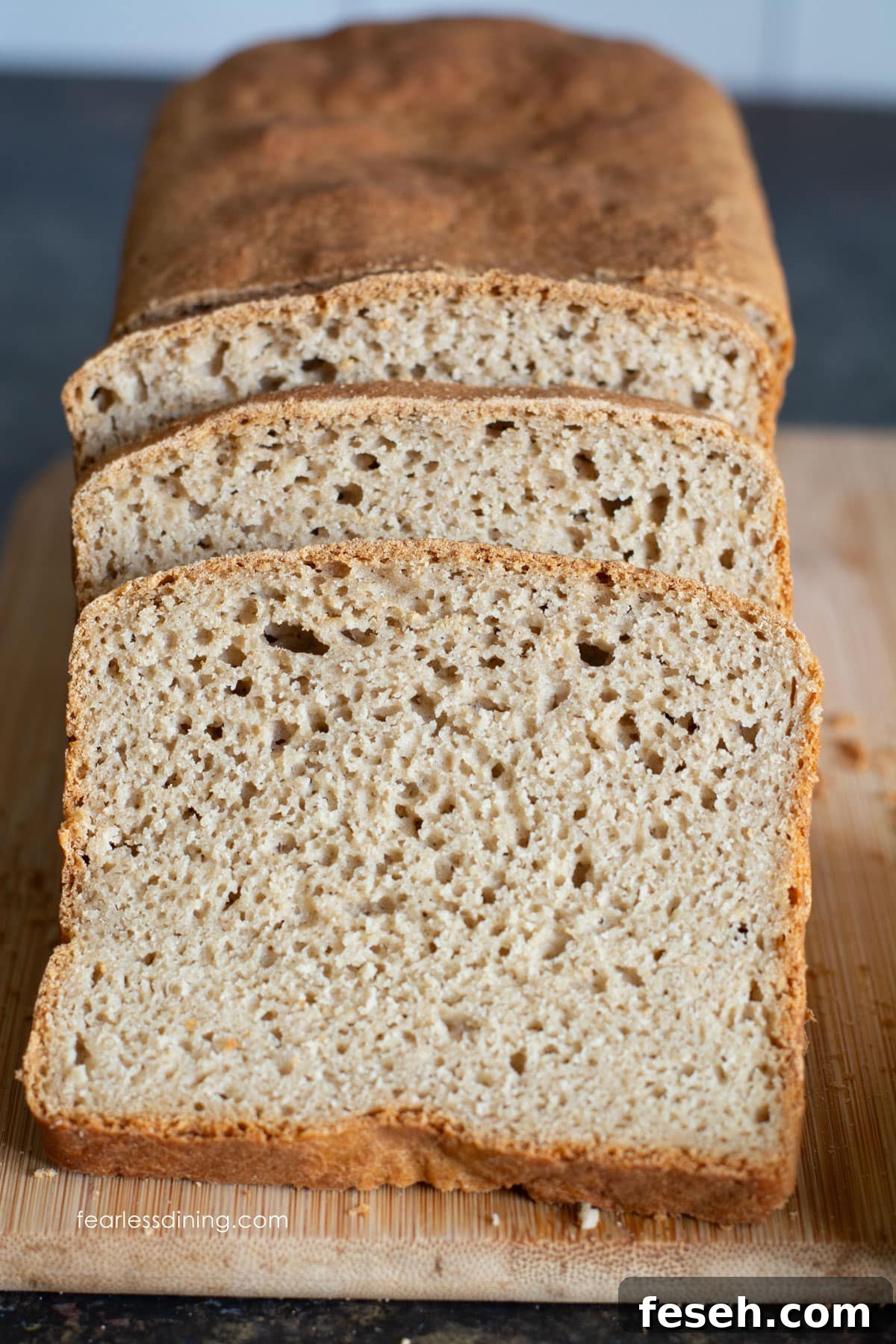
This recipe uses a gluten-free whole grain flour blend to capture the flavor and nutrition of whole grains. The loaf is made with a blend of brown rice, buckwheat, sorghum, and millet flours, with either tapioca or potato starch for structure. It yields a tender crumb and excellent rise when you follow the yeast and rising tips below.
The recipe includes options for baking in a Pullman or standard loaf pan and clear bread machine instructions so you can choose the method that fits your routine. There are also easy swaps for common allergens and notes on gum-free and nightshade-free alternatives.
Fabulous recipe. Yields a light, tasty whole grain bread with excellent crumb. It really stands out against all the dense, insipid-tasting gluten-free bread recipes. Thank you so much for putting it out! This bread will be life-changing.”
Shelah, blog comment
Allergen Information:
This whole grain loaf is gluten-free, dairy-free, nut-free, and soy-free. Versions without gums or nightshades are included. If you need a flour blend that omits rice or sorghum, there are alternative blends you can use.
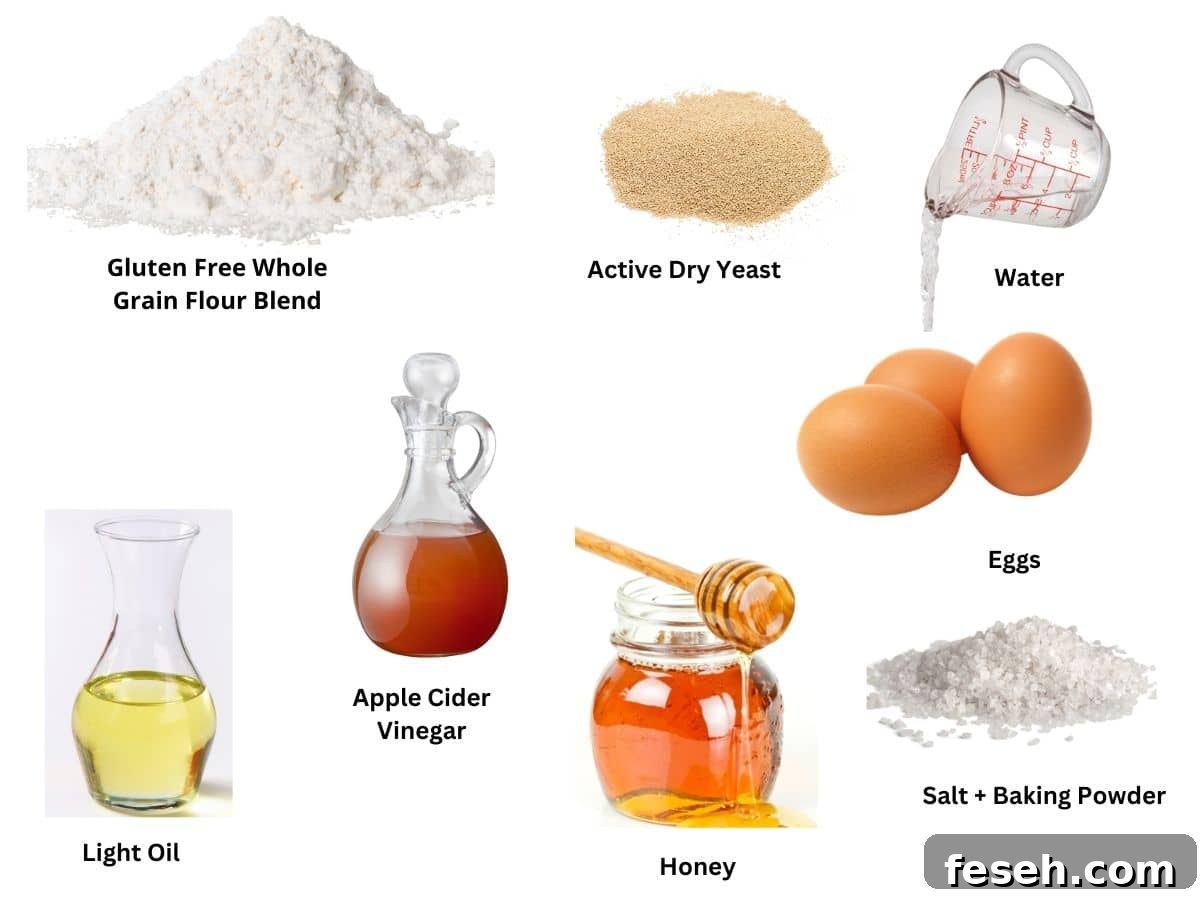
Ingredient Notes:
See the recipe card below for exact amounts.
- Gluten-free whole grain flour: a mix of brown rice, buckwheat, sorghum, and millet flours with potato or tapioca starch for structure.
- Salt and aluminum-free baking powder.
- Active dry yeast: allow it to bloom in warm water with a touch of honey before mixing. Rapid-rise yeast has not been tested with this formula.
- Apple cider vinegar: adds a subtle lift but is not detectable in the finished loaf.
- Light oil: neutral-flavored oils like canola or avocado work well; butter or plant-based butter can be used instead.
- Honey for a touch of sweetness and to feed the yeast.
- Eggs (room temperature) help with structure and texture.
- Filtered water is recommended; chlorine in tap water can inhibit yeast activity.
Baking Tips:
- Gluten-free yeast breads usually get just one good rise. Shape and place the dough in the pan before the rise.
- Rise the dough in a warm, draft-free spot. A common method is to preheat the oven briefly (about 200ºF), then turn it off and let the dough rise inside the warm oven.
For troubleshooting, storage guidance, and tool recommendations, consult additional baking resources or guides tailored to gluten-free bread.
Step-By-Step Photos and Directions:
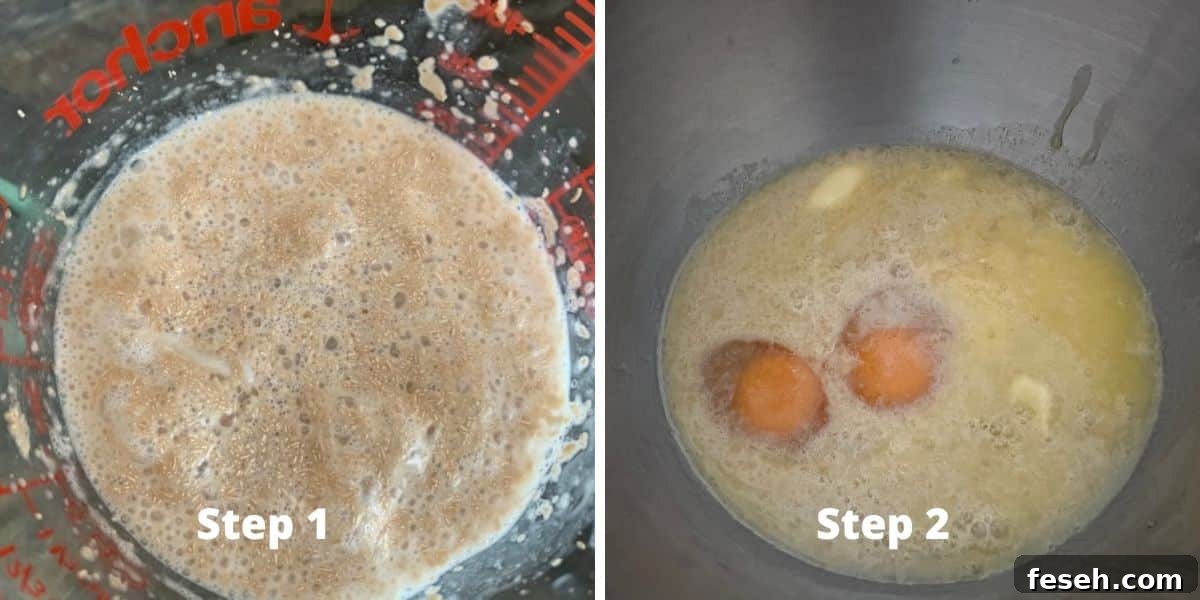
Step 1: Warm 1 1/2 cups water to about 110ºF. Stir in honey until dissolved, then add the active dry yeast and wait 5–10 minutes until the mixture becomes bubbly.
Step 2: In a stand mixer bowl, combine the room-temperature eggs, oil or butter, apple cider vinegar, and the yeast mixture. Use a paddle attachment and mix on medium-low. If mixing by hand, whisk to combine.
Step 3: With the mixer off, add the flour blend, salt, and baking powder to the wet ingredients. Start mixing on low until incorporated, then increase to medium and mix for about 30 seconds.
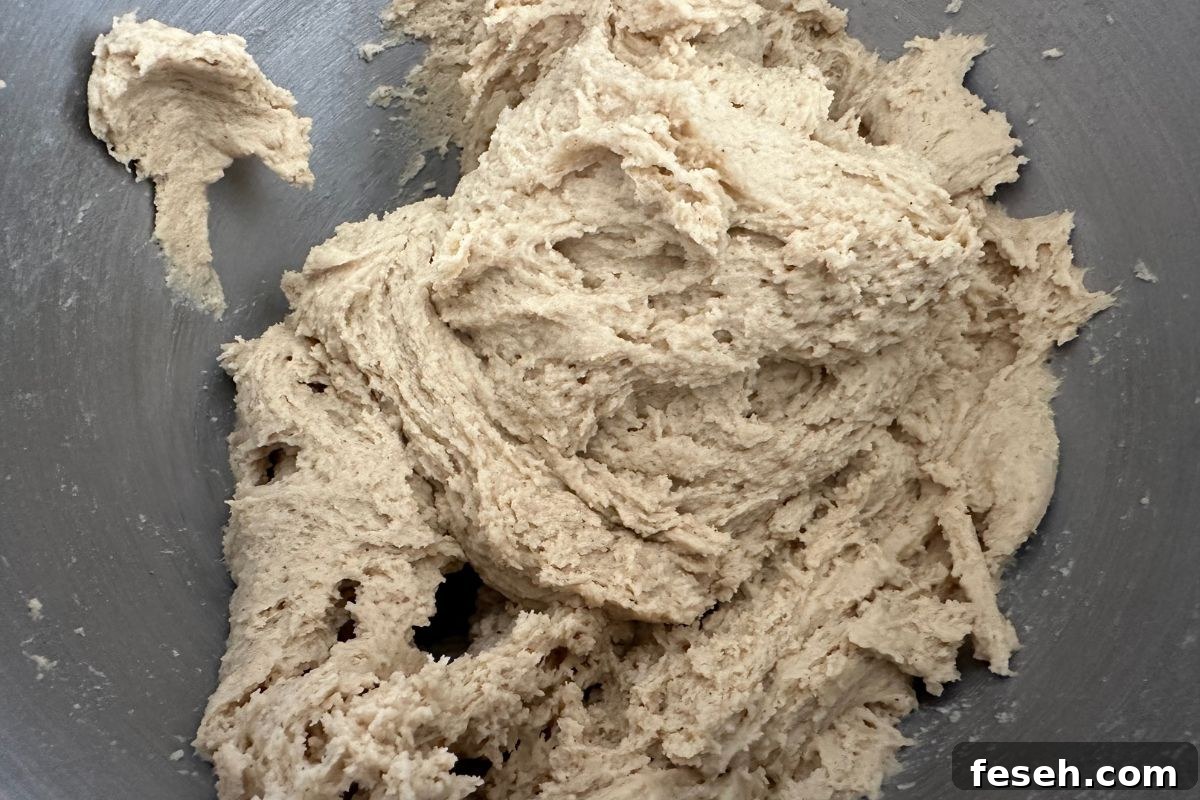
Step 4: The dough should hold together and not be overly sticky. If needed, adjust slightly with a tablespoon more starch or a touch of water until it looks similar to the photo above.
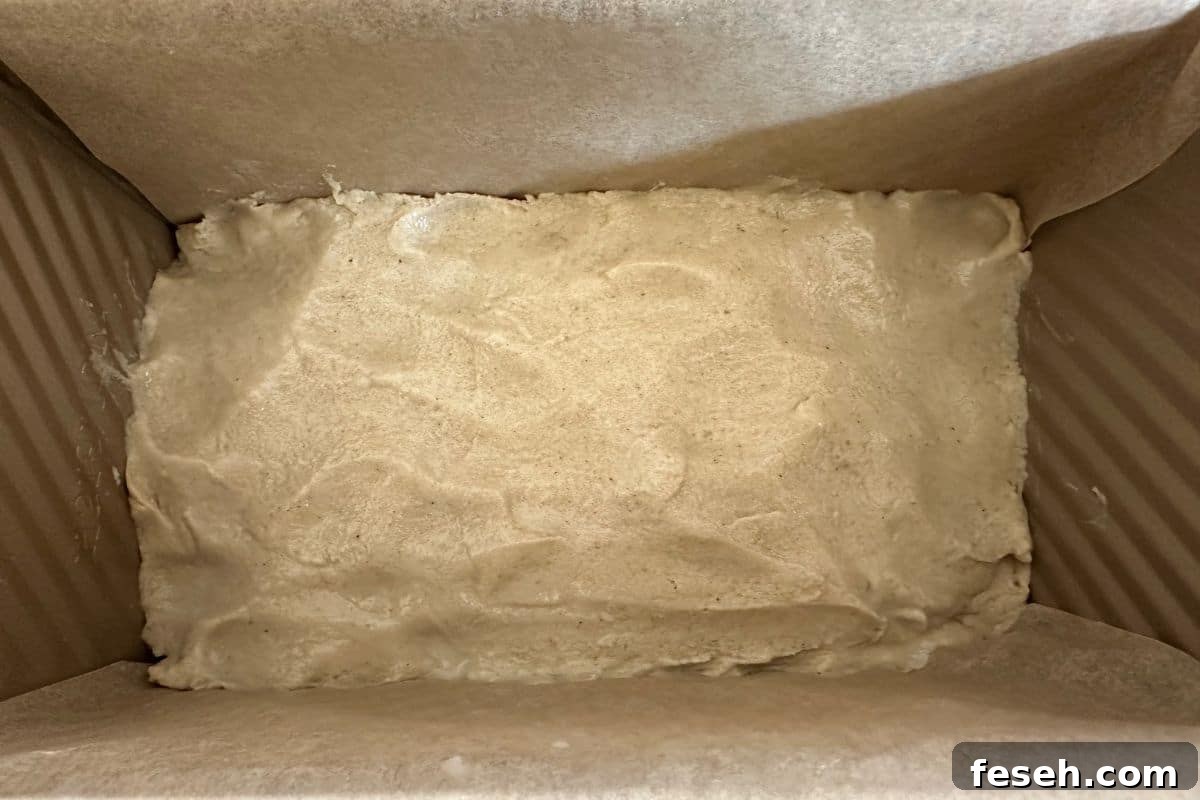
Step 5: Line your Pullman or loaf pan with parchment or use a gluten-free baking spray. Transfer the dough to the pan and wet your fingers to smooth it evenly.
Step 6: Cover the pan loosely with plastic wrap and let the dough rise in a warm place. A preheated, then turned-off oven works well—rise until the dough has approximately doubled, about 45 minutes.
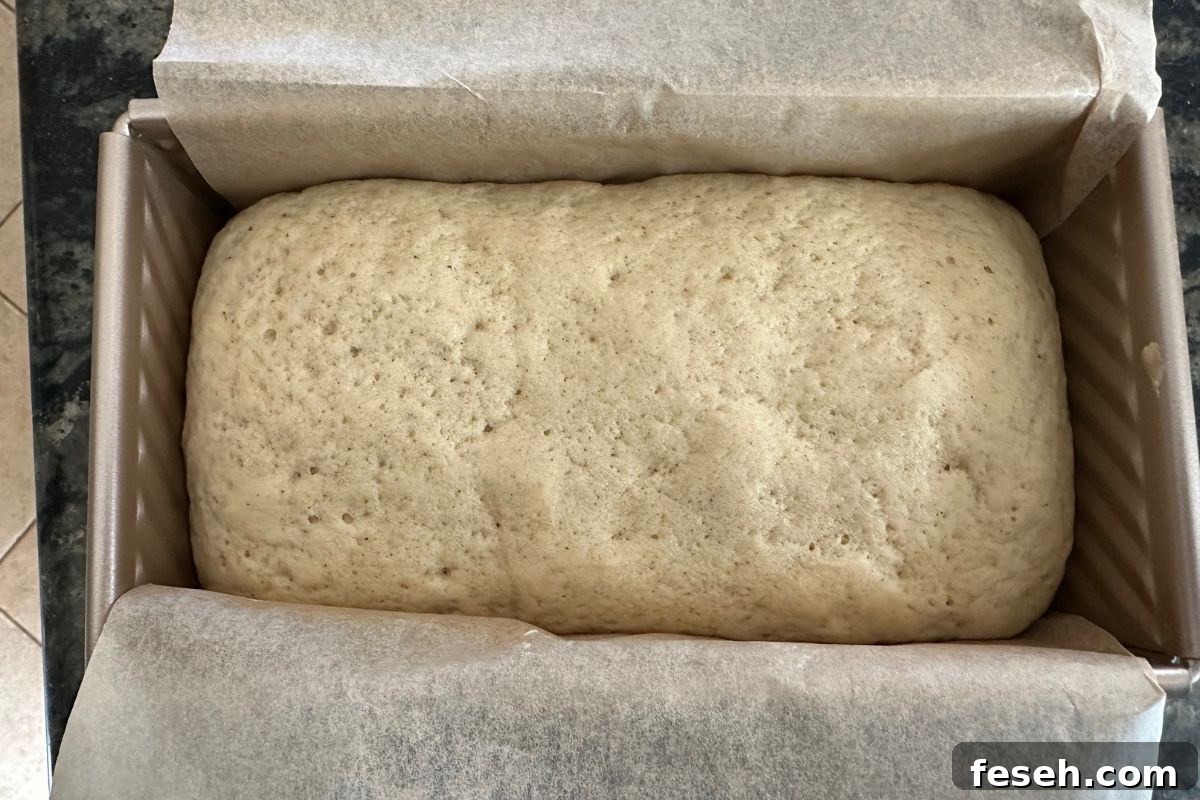
Step 7: Remove the pan and preheat the oven to 350ºF. Let the dough come to room temperature briefly while the oven heats.
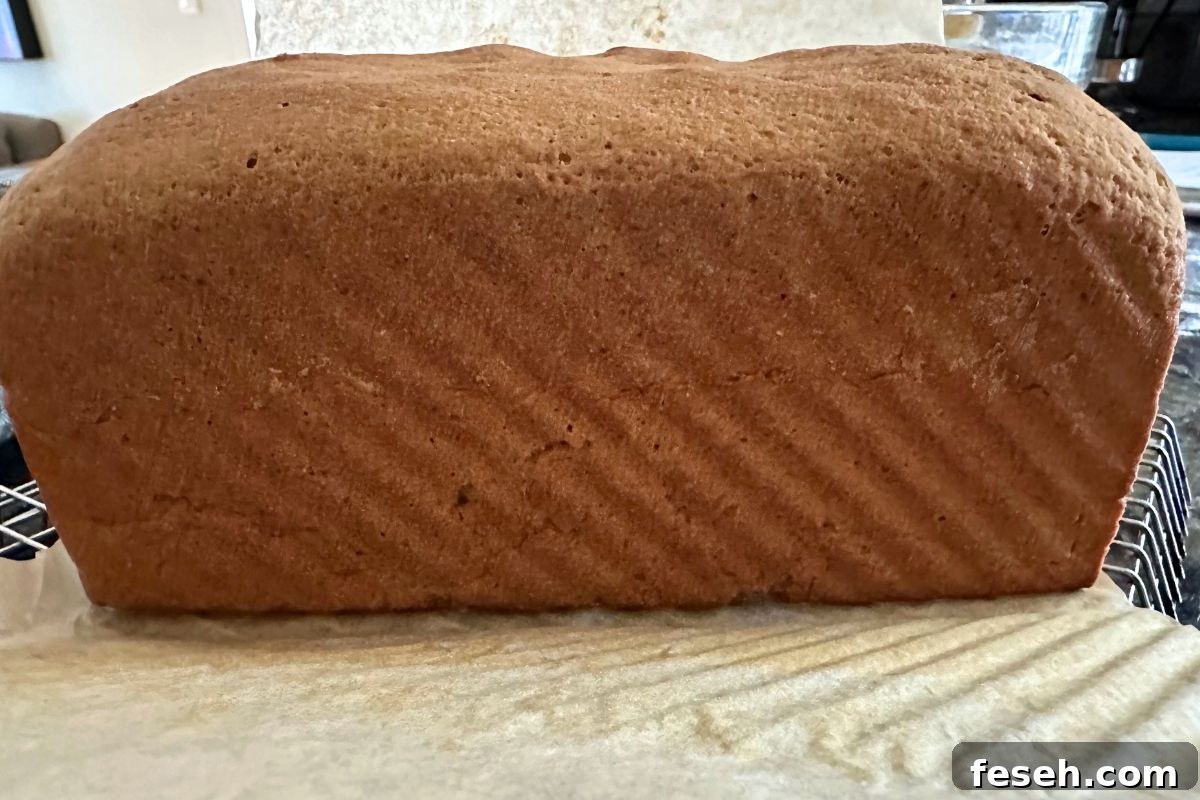
Step 8: Bake for 40–50 minutes, depending on pan size and material. The loaf is done when golden and the internal temperature reaches about 205ºF.
Step 9: Use the parchment to lift the loaf from the pan and transfer it to a cooling rack. Slice only after the bread has cooled completely to preserve texture.
Bread Machine Directions:
Make this loaf quickly and easily in a bread machine if you prefer. Follow these steps for reliable results.
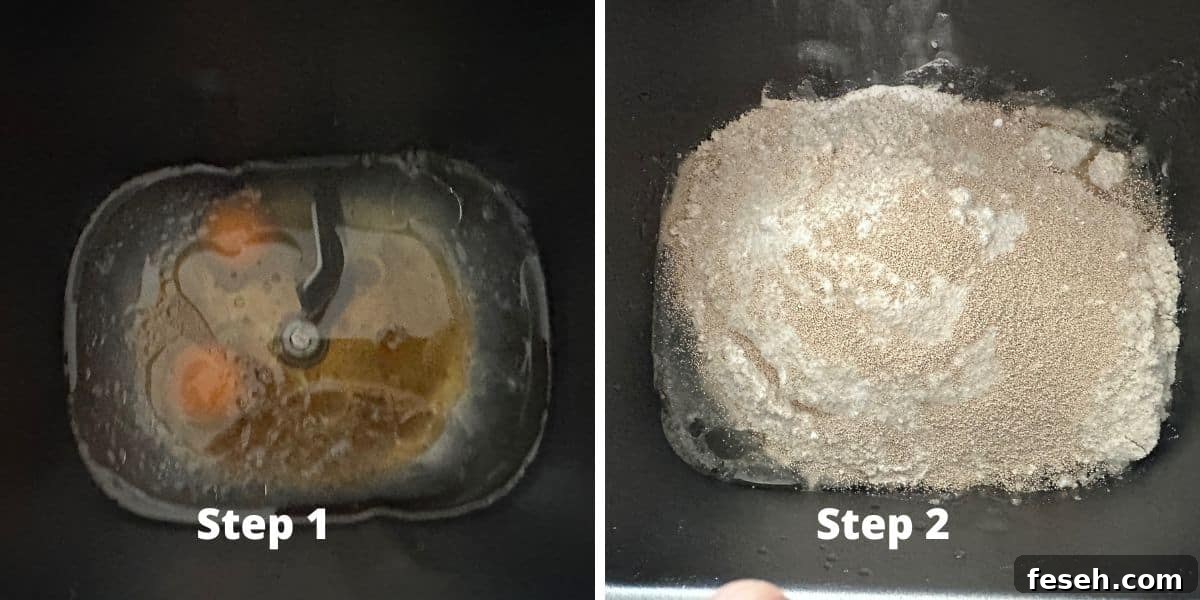
Bread machine Step 1: Ensure the paddle is in place. Add warm water, eggs, apple cider vinegar, oil, and honey to the pan.
Step 2: Add the flour, baking powder, and salt on top of the liquids, then sprinkle the active dry yeast over the flour.
Step 3: Close the lid and select the gluten-free cycle. If your machine lacks a gluten-free setting, use a custom program with roughly 20 minutes mix, 45 minutes rise, and 90 minutes bake.
Step 4: When the bake completes, remove the loaf carefully. If the paddle is stuck in the bottom, use tongs to remove it. Cool completely on a wire rack before slicing.
Breadmaker Notes:
Gluten-free cycle lengths and behavior vary widely between bread machines and models. If your machine’s gluten-free setting doesn’t bake long enough, run an additional short bake-only cycle to finish or brown the crust. For machines without a gluten-free program, use the custom settings recommended above.
How To Store Gluten-Free Whole Grain Bread:
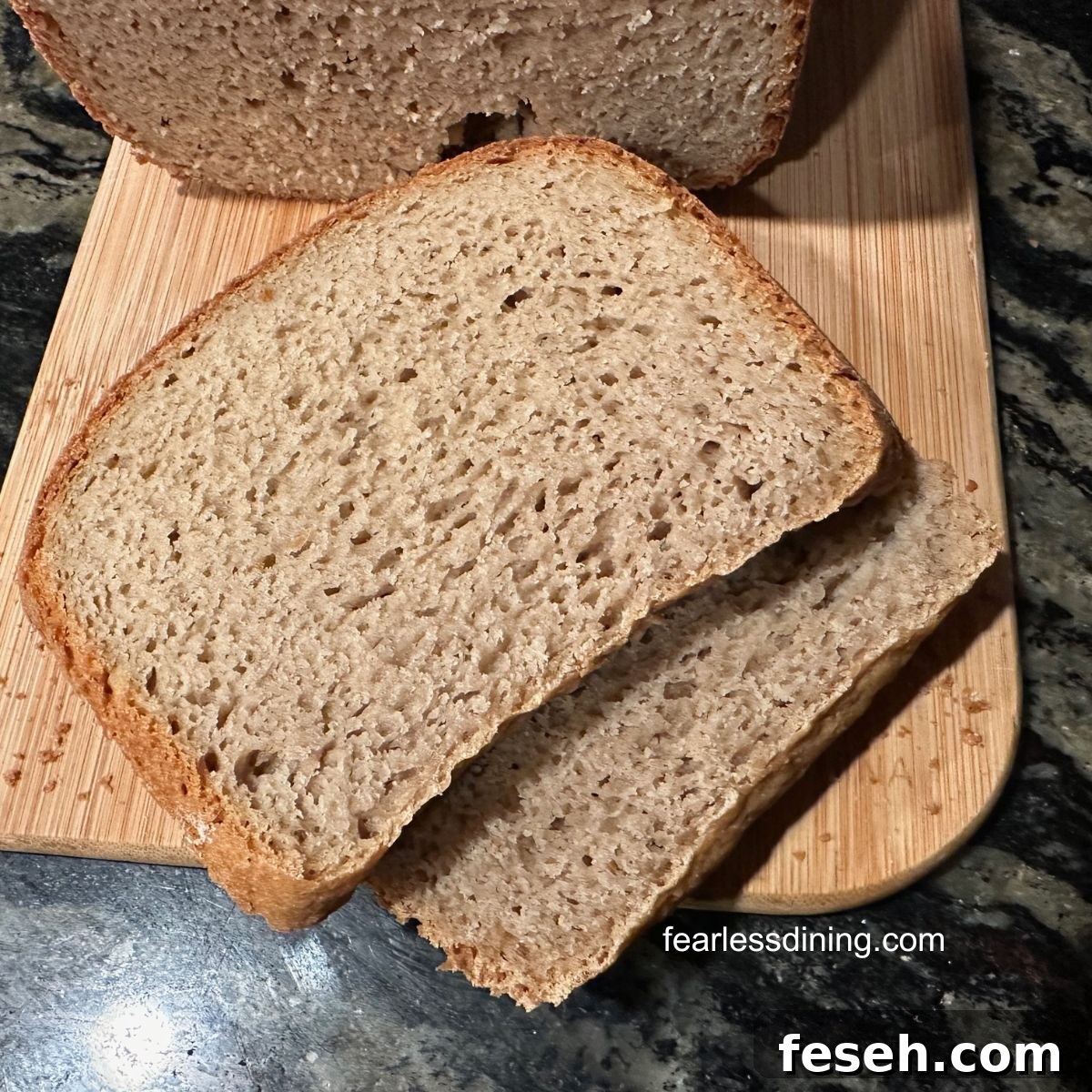
Slice the loaf once fully cooled and place parchment or wax paper between slices. Store the slices in a freezer-safe bag and freeze. Gluten-free bread spoils faster than wheat-based loaves, so freezing preserves freshness. To use, microwave a frozen slice 25–30 seconds or toast directly from frozen.
Frequently Asked Questions:
Yes. The dough can be shaped into rolls; an egg wash will give them a glossy, golden top.
This recipe was developed for the specific whole-grain blend noted. Substitutions haven’t been widely tested, so results may vary.
Egg-free versions have not been tested in this recipe. If you experiment with an egg replacer, track adjustments for best results.
More Gluten Free Bread Recipes:
- Gluten Free Challah
- Easy Gluten Free Hawaiian Bread
- Gluten Free Honey Rolls (great for sliders)
- Gluten Free Oat Bread
- Easy No-Yeast Gluten-Free Irish Soda Bread
Love This Recipe?
If you make and enjoy this bread, please leave a comment with the flour blend you used. Your feedback helps others and supports recipe improvements.
Gluten Free Whole Grain Bread (Made in the Oven or Bread Machine)
Ingredients
- 2 ¼ teaspoon active dry yeast
- 1 ½ cups water use filtered water
- 3 tablespoons honey
- 3 ½ cups gluten free whole grain blend see notes
- 1 teaspoon baking powder aluminum-free
- 1 teaspoon salt
- 2 large eggs room temperature
- ¼ cup light oil or butter
- 1 teaspoon apple cider vinegar
Method
- Warm 1 ½ cups water to 110ºF, add 3 tablespoons honey and stir until dissolved. Add 2 ¼ teaspoons active dry yeast and let sit 5–10 minutes until bubbly.
- Add 2 room-temperature large eggs, ¼ cup light oil (or butter), 1 teaspoon apple cider vinegar, and the yeast mixture to the mixer bowl. Mix on medium-low with a paddle attachment.
- Turn off the mixer and add 3 ½ cups gluten-free whole grain blend, 1 teaspoon salt, and 1 teaspoon baking powder. Mix on low until combined, then on medium for 30 seconds.
- Line a loaf pan with parchment or spray with a gluten-free baking spray. Transfer dough and smooth evenly in the pan.
- Cover loosely and rise in a warm spot (about 45 minutes) until roughly doubled.
- Preheat the oven to 350ºF. Remove the cover and let the dough sit while the oven reaches temperature.
- Bake 40–50 minutes, depending on pan size and material.
- The loaf is done when golden and registers about 205ºF internal temperature.
- Use parchment to lift the loaf from the pan and cool completely on a rack before slicing.
Notes
- Use a whole-grain blend such as: 1 cup brown rice flour, 1/2 cup buckwheat flour, 1/2 cup sorghum flour, 1/4 cup millet flour, and 3/4 cup tapioca or potato starch. Add 2 tablespoons psyllium husk powder or 1 teaspoon xanthan gum if desired.
- This recipe has not been tested with rapid-rise yeast. Choose either potato starch or tapioca starch as your binder.
- If your machine lacks a gluten-free cycle or the cycle is short, use the custom settings above.
- If the gluten-free program doesn’t brown sufficiently, run a short bake-only cycle to finish the crust.
Slice and separate with small pieces of parchment or wax paper, then freeze in a zipper bag. To thaw, microwave 25–30 seconds or toast from frozen.