Vanilla bean extract is a staple for baking. Learn how to make your own with just two ingredients—an easy, economical recipe that produces a rich, aromatic extract perfect for all your baking needs.
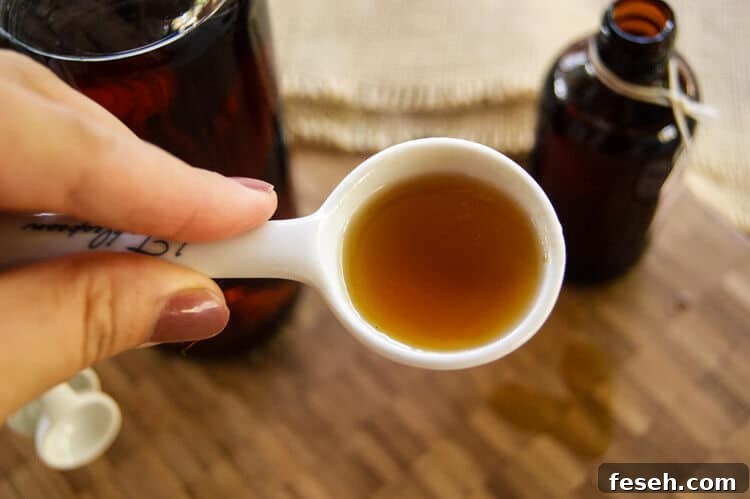
With baking season approaching, homemade vanilla extract is a simple pantry project that rewards patience. The hands-on work takes only minutes, though the infusion improves over weeks or months. Late summer—August and September—is an ideal time to start a batch and let it mature for fall and winter baking.
How to Make Vanilla Bean Extract
Alcohol acts as the extracting agent, drawing the fragrant oils and flavor compounds from vanilla beans into a concentrated, aromatic liquid. The result is a pure, sweet-smelling homemade vanilla extract that you can use anywhere you would use store-bought extract.
Infusion time varies: you can use the extract after about a month, but it develops greater depth and complexity if left to infuse for three to six months. Use high-quality vanilla beans for the best flavor, and cover them with good-quality alcohol. Store the jar in a dark place and be patient—the longer it sits, the more intense the flavor.
Should You Remove the Beans After Infusion?
Removing the beans is optional. Many people leave the beans in the bottle and continue to benefit from ongoing infusion. You can scrape the seeds from used beans for recipes like vanilla ice cream or custards; the beans still hold flavor and can be reused by topping the jar up with more alcohol and allowing a second infusion. If you prefer a very dark, concentrated extract, use fresh beans for each batch, but reusing beans is a good way to stretch a package of vanilla.
Choosing High-Quality Vanilla Beans
Bean quality is mainly about moisture. Grade A (gourmet) vanilla beans are moist and pliable, often leaving a slight oily residue on your fingers. They should be soft, flexible, and ideally vacuum-sealed to protect them from air exposure—this preserves aroma and flavor.
Vanilla bean and extract prices have risen in recent years, so beans are an investment. Madagascar beans are widely regarded for their balanced, rich flavor and are a popular choice for homemade extract.
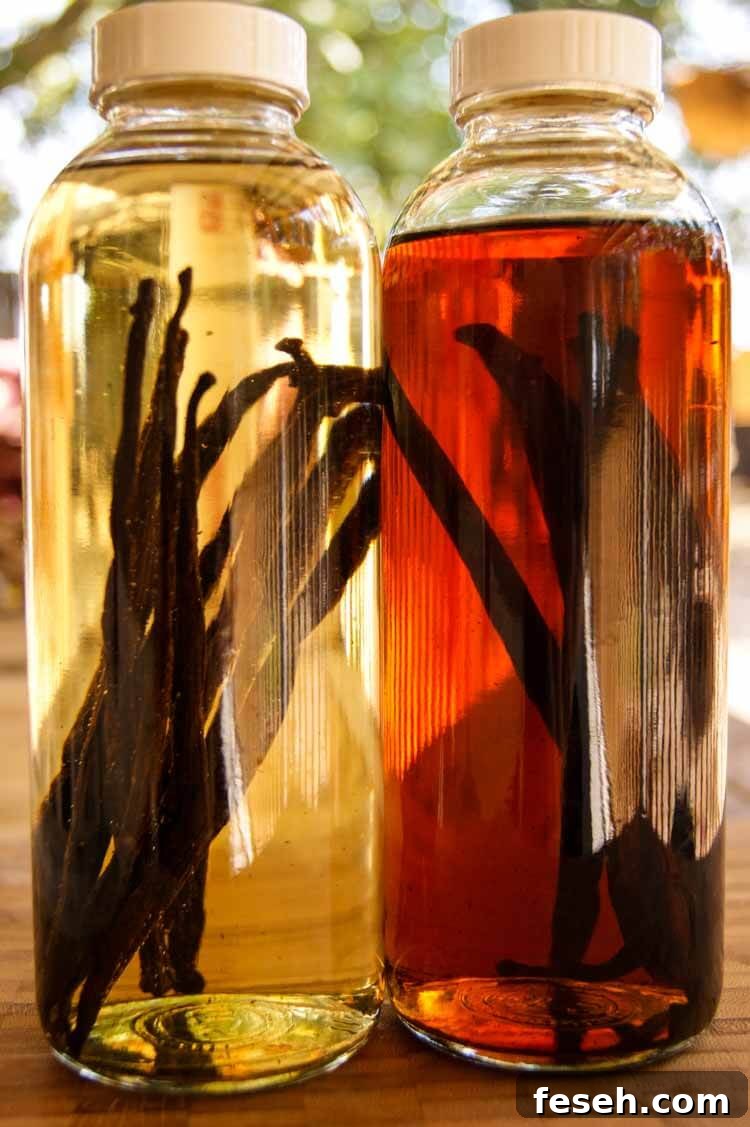
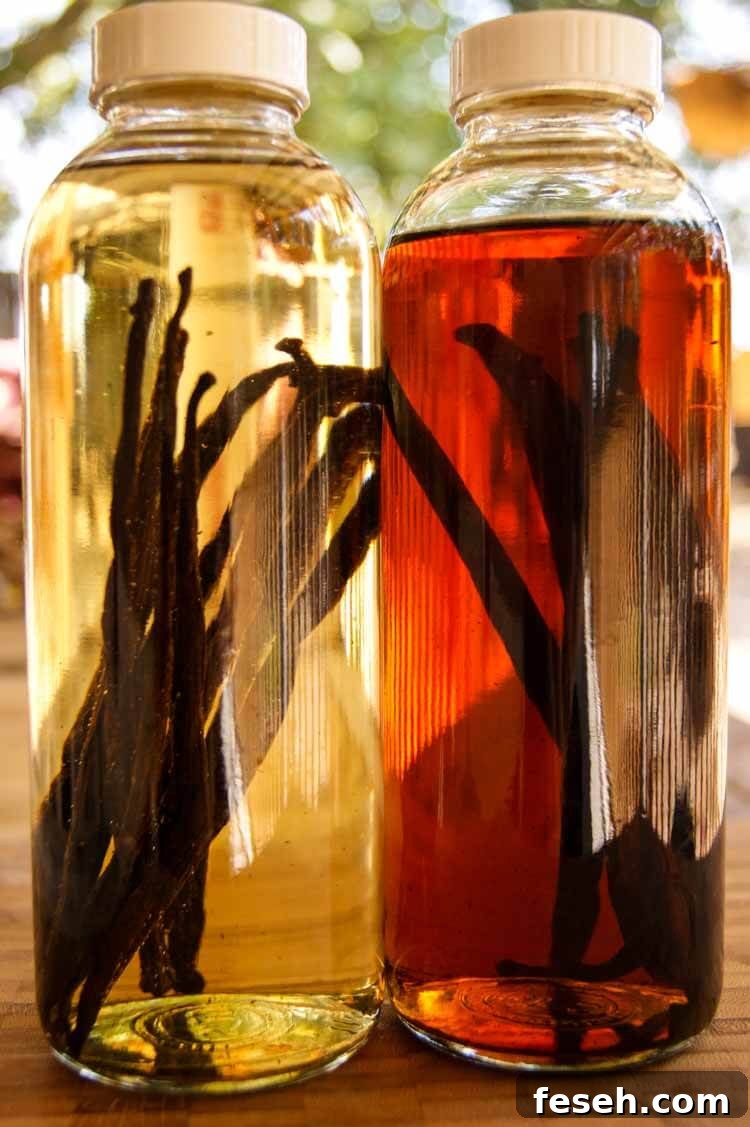
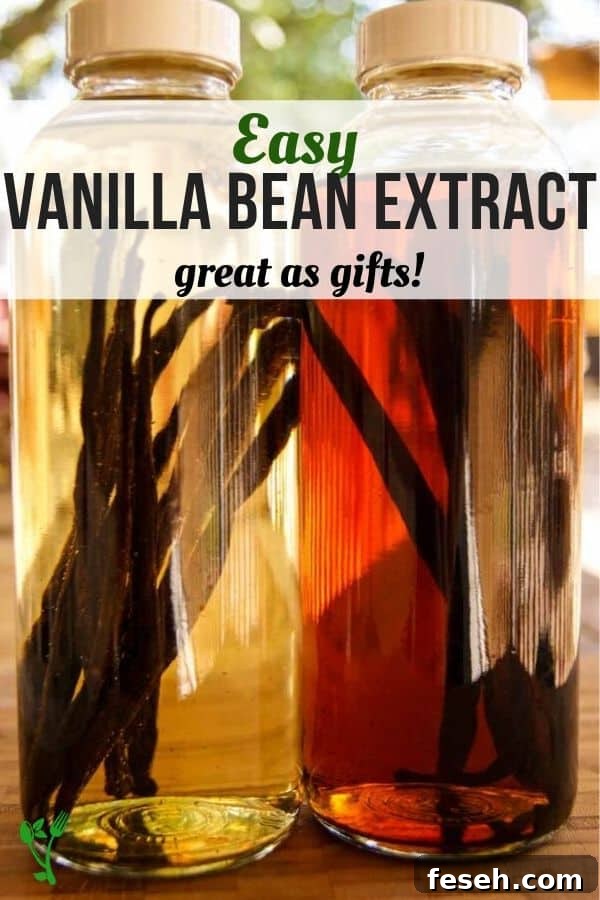
The photo above shows a fresh batch on the left and a three-month infused bottle on the right. The homemade extract may not be as dark as some commercial versions, but it delivers excellent flavor. To get a darker, richer color, increase the number of beans per bottle.
What Alcohol to Use
Vodka is the most common base for vanilla extract because it is neutral in flavor and lets the vanilla shine. Use a good-quality vodka, ideally non-GMO or organic if that matters to you. Other spirits such as rum or bourbon can be used for different flavor profiles, but neutral vodka yields the classic vanilla extract taste used in most baking.
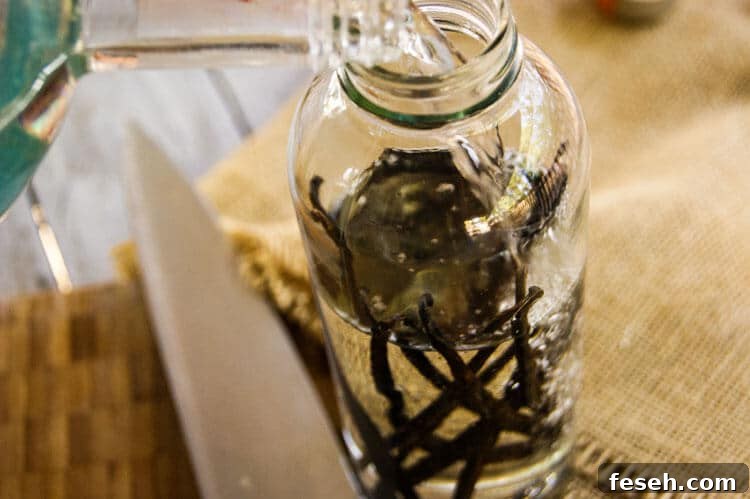
Simple Vanilla Bean Extract Recipe
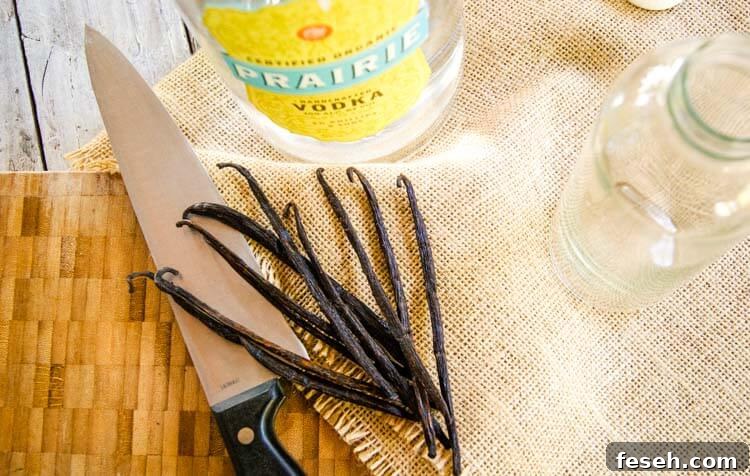
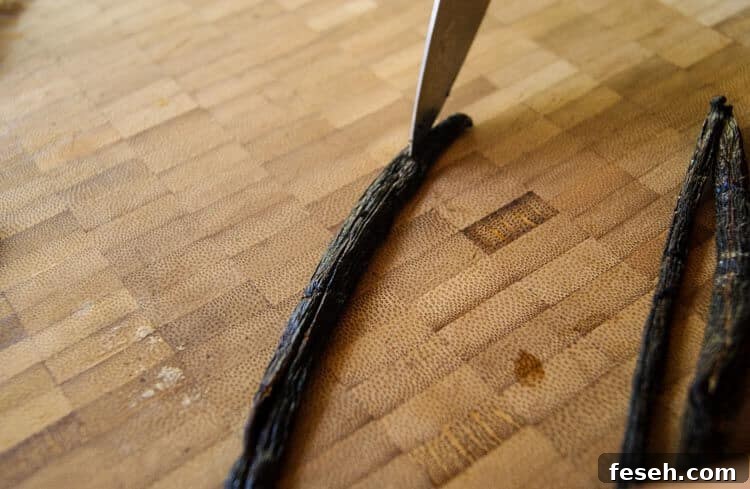
Splitting the beans lengthwise exposes the seeds and speeds infusion, but you can also leave the beans whole if you prefer. The split method increases surface area and helps extract flavor more quickly.
Instructions:
- Score or split the vanilla beans down the center to expose the seeds.
- Place the beans in a clean 16-ounce (1 pint) glass jar or bottle.
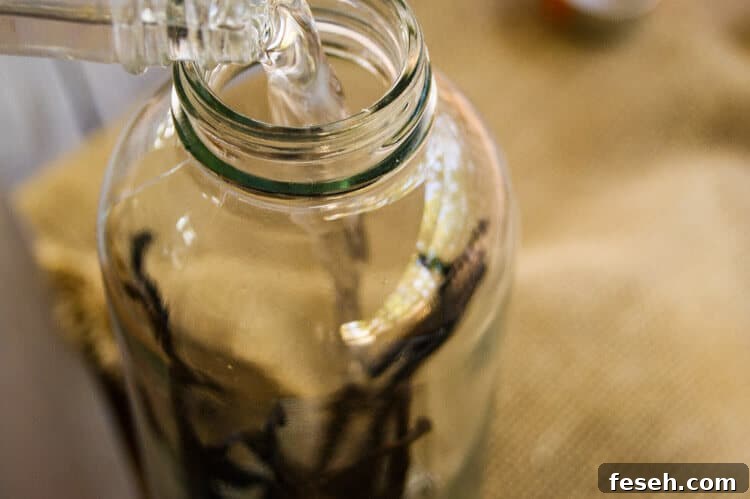
- Pour vodka over the beans, ensuring they are completely covered.
- Seal tightly, give the jar a shake, and store it in a dark, cool spot.
- Shake the jar every few days for the first few weeks. The extract will be usable after about one month, but optimal flavor develops after three to six months.
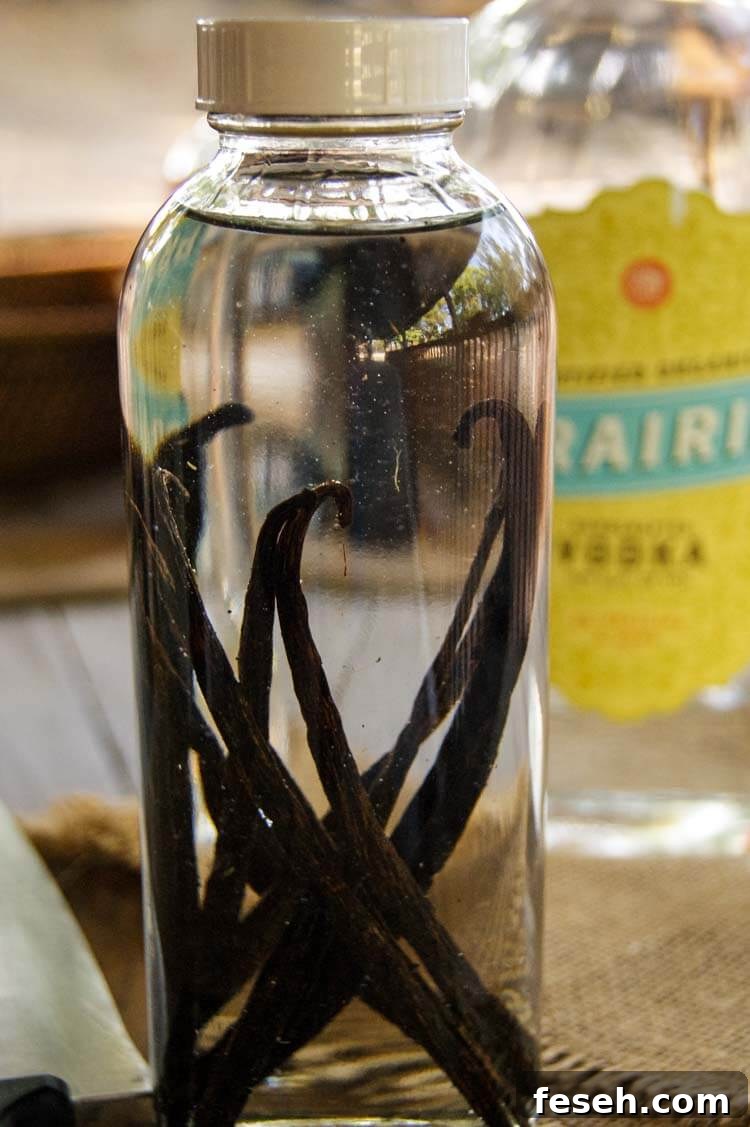
Use your homemade extract exactly as you would commercial vanilla extract in cookies, cakes, custards, ice cream, and other desserts.
Vanilla Extract as Gifts
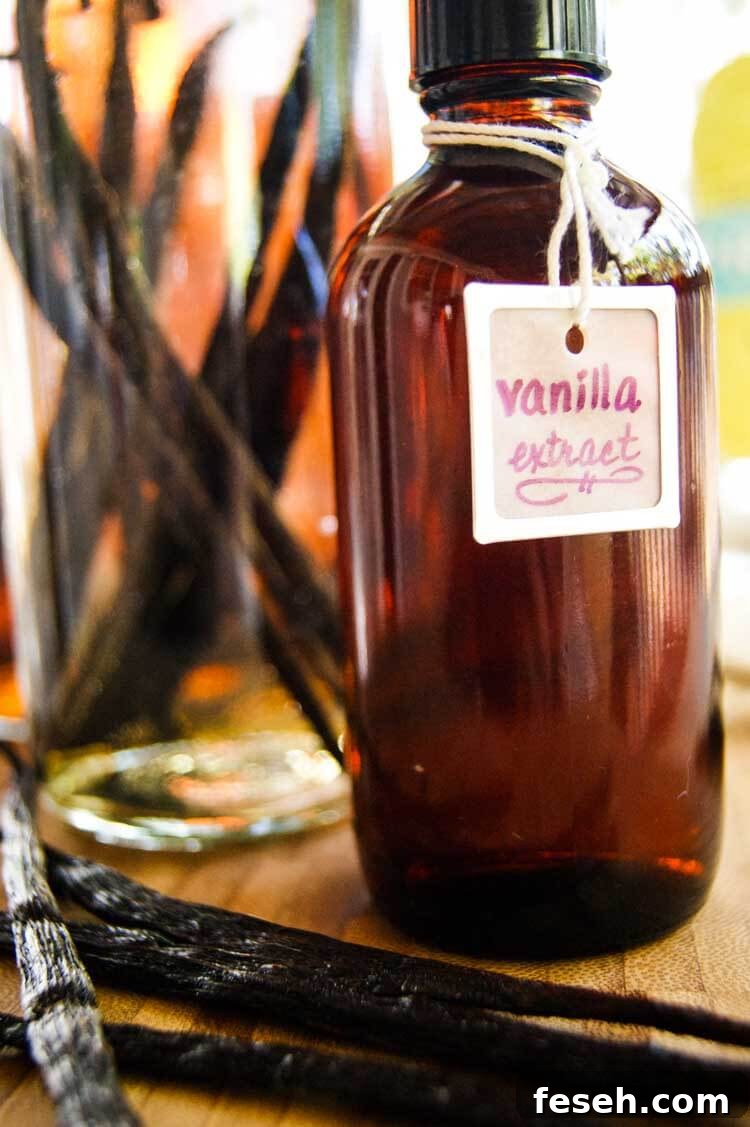
Homemade vanilla extract makes a thoughtful, long-lasting gift. Bottle it in a pretty glass container, add a label, and include a note describing the bean origin and infusion time. Small corked bottles or decorative bottles work well and give a charming, handmade touch.
Printable Recipe
Vanilla Bean Extract
Ingredients
- 10 Madagascar vanilla beans
- 14 ounces gluten-free, non-GMO vodka (or enough to cover beans in a 16-oz jar)
Instructions
- Split each vanilla bean lengthwise to expose the seeds.
- Place the split beans into a clean 16-ounce glass jar or bottle.
- Pour vodka over the beans so they are completely submerged.
- Seal the jar, shake gently, and store in a dark, cool place. Shake occasionally.
- Use after one month, or let infuse 3–6 months for best flavor. Store in a dark, cool place.
Notes
Beans can remain in the bottle. To extend use, top the jar up with fresh vodka after removing some extract. Scrape seeds from used beans for recipes that benefit from visible vanilla specks.
Nutrition (per 1 oz)
Approximate: 65 kcal, 1 g carbs, 1 g fat, 1 mg sodium.
Keywords: howto, kitchen hack, low-carb, paleo, whole30
©Prepare and Nourish • Content and photographs are copyright protected. Sharing is encouraged—please credit the source if you repost.
How to Use Vanilla Bean Extract
Use your homemade extract in any recipe that calls for vanilla: ice cream, baked apples, cakes, cookies, muffins, custards, and more. It adds natural, fragrant vanilla flavor and can elevate simple recipes to something special.
>>> Pin This <<<
This post was originally published on August 21, 2015 and has been updated since.