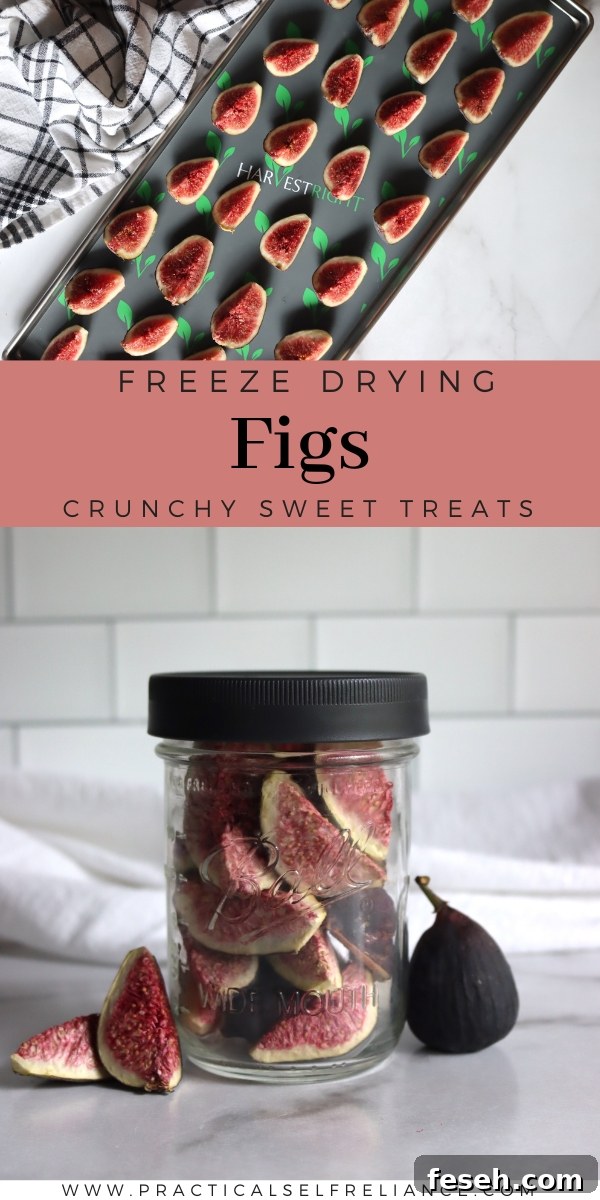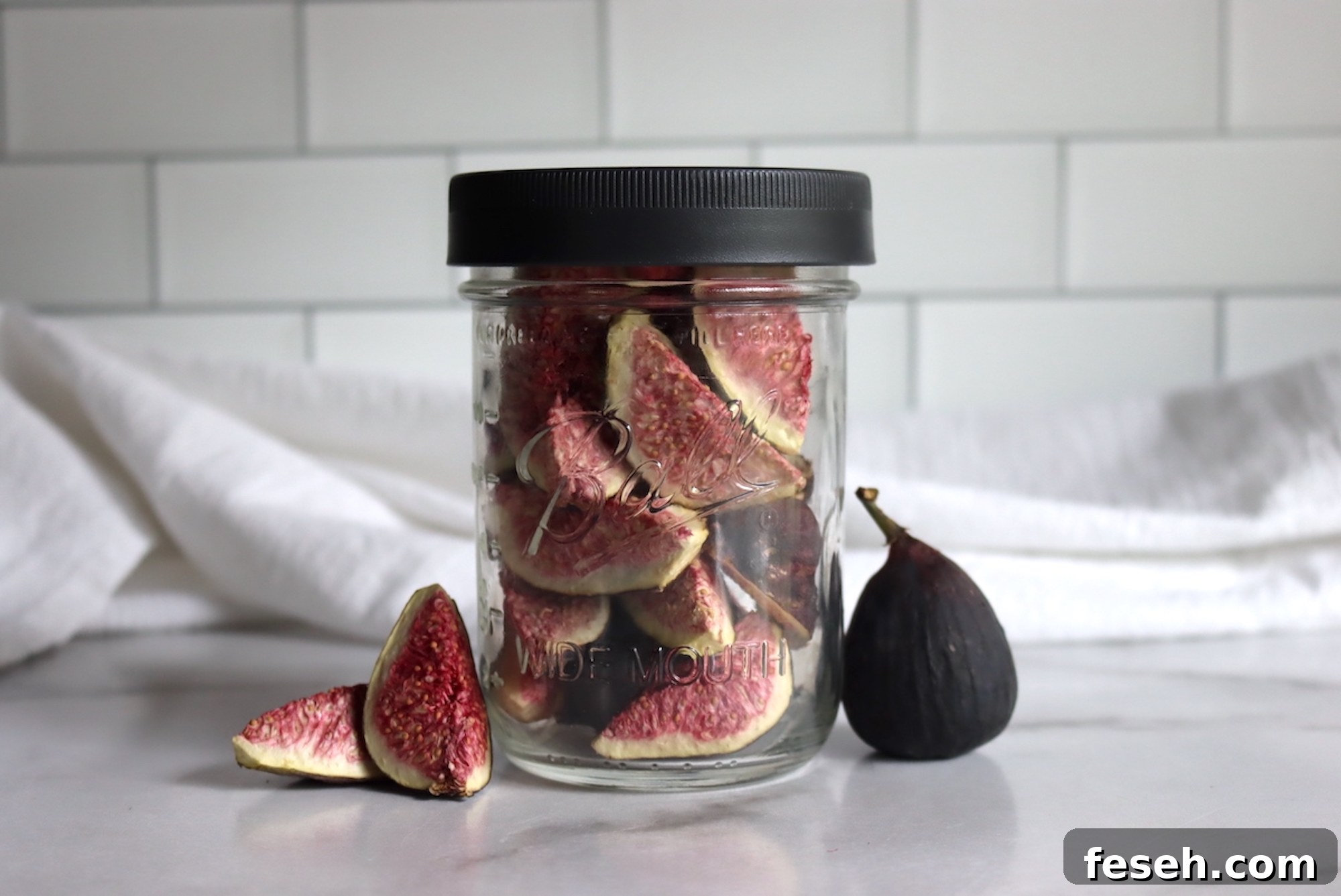
Freeze-dried figs make excellent snacks — crisp and sweet, almost like a cookie. Buying them can be pricey, but freeze-drying figs at home is straightforward and rewarding.
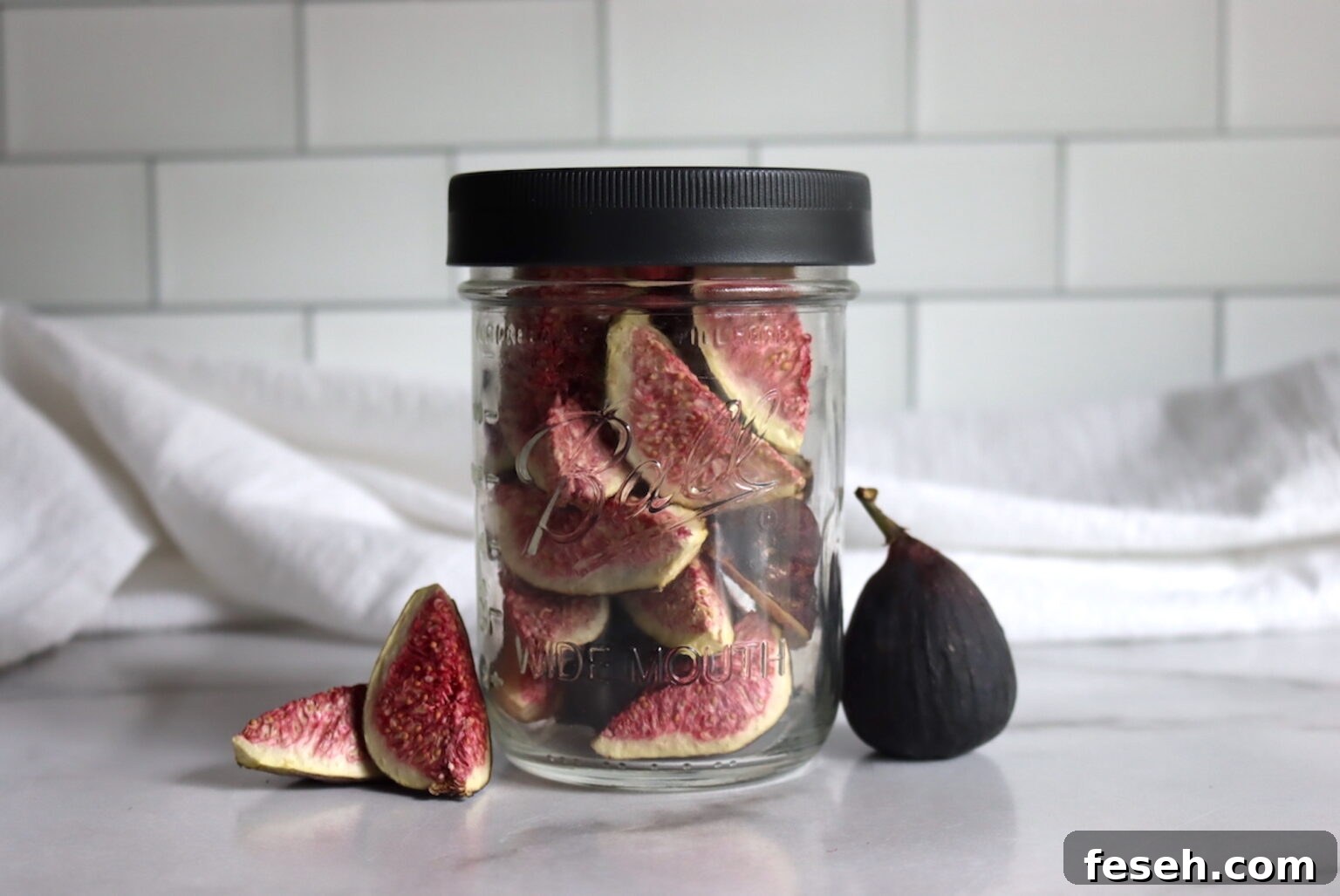
Freeze-drying is a powerful preservation method that dramatically extends the life of figs while concentrating their flavor. The process removes nearly all water, turning soft, jammy fruit into a crunchy, shelf-stable snack that keeps the fresh taste intact.
Figs are a nutritious alternative to many processed sweets. Freeze-dried figs retain their natural sweetness and jam-like flavor but gain a satisfying crisp texture, similar to a light cookie or chip rather than a chewy dried fruit.
There are other ways to preserve figs — canning, pickling, or making jam — but those often require added sugar and cooking, which changes the fresh fruit flavor. Freeze-drying preserves both flavor and nutrients without cooking, making figs available for snacking and cooking year-round when you use a home freeze dryer.

What’s the Difference Between Freeze-Dried Figs and Dehydrated Figs?
Freeze-drying and dehydration are very different processes that produce distinct results. Dehydrating uses heat to remove moisture and typically yields a pliable, sometimes rubbery texture while reducing flavor intensity. Freeze-drying removes water by freezing the fruit and reducing pressure so ice sublimates directly to vapor, which preserves flavor and creates a light, crispy texture.
Because freeze-dried fruit has almost all moisture removed, it keeps far longer than dehydrated fruit and can often be reconstituted close to its original form by adding water. Dehydrated figs are fine for some uses, but freeze-dried figs offer superior flavor retention, texture, and shelf life.
Best Figs to Freeze Dry
Choose figs at peak ripeness for the best results. Ripe figs should be soft but not mushy, with a pleasant sweet aroma. Avoid hard, underripe figs (they won’t ripen after picking) and overripe or sour-smelling fruit.
Freeze-drying won’t fix underripe or spoiled fruit, so taste-test a few before committing a large batch: if they taste good fresh, they’ll taste even better crisp and concentrated after freeze-drying.
Freeze-Dried Figs Yield
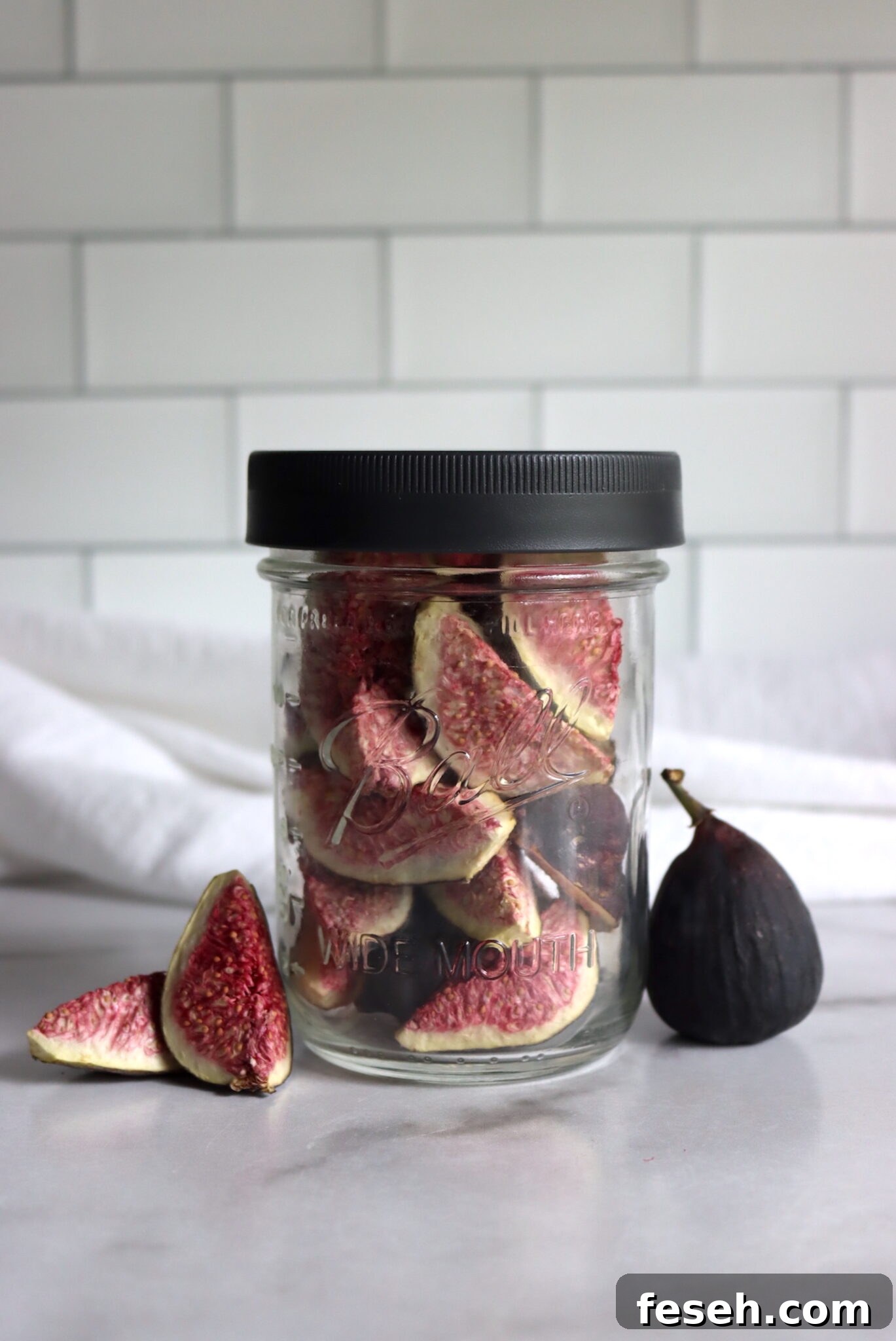
One pound of fresh figs is roughly 9 medium figs or 12 small figs and equals about 2.5 cups when chopped. Freeze-dried figs retain their volume, so 2.5 cups of fresh figs will yield about 2.5 cups of freeze-dried figs by volume, though the weight will be much lower.
How many figs you can process per batch depends on fig size, how you slice them, and your freeze dryer’s capacity. Slicing into quarters or smaller pieces speeds drying and looks attractive in storage jars. Packing trays less densely (around 2–3 pounds per tray) helps prevent sticking and can shorten drying time compared with fully loading each tray.
- Small freeze dryer: about 6–10 lb per batch across 4 trays (434 sq in).
- Medium freeze dryer: about 10–15 lb per batch across 5 trays (675 sq in).
- Large freeze dryer: about 18–27 lb per batch across 6 trays (1107 sq in).
- Extra-large freeze dryer: about 40–50 lb per batch across 7 trays (2257 sq in).
Supplies Needed
To freeze-dry figs at home, gather the following:
- Figs — fresh or frozen.
- Home freeze dryer — the essential appliance for the job.
- Cutting board and knife — to halve, quarter, slice, dice, or puree figs; keep pieces uniform for even drying.
- Silicone tray liners or parchment paper — optional, for easier cleanup and to prevent sticking.
- Colander and towels — for washing and thoroughly drying fruit before slicing.
- Mason jars or airtight containers — for short-term storage; for long-term storage use Mylar bags with oxygen absorbers.
- Vacuum sealer (optional) — helpful for longer shelf life in jars or bags.
- Labels and pen — date and identify batches to track freshness.
Preparing Figs for Freeze-Drying
Begin by washing figs to remove dirt, then dry them thoroughly. Remove stems and slice as you prefer — halves, quarters, slices, or dice all work. Larger pieces take longer to dry; dicing or slicing thinly reduces cycle time. You can also puree figs and freeze-dry them into chips or powder, or pulverize freeze-dried chunks afterward to make a powder.
Pre-freezing figs on trays or in freezer bags can shorten the freeze-drying cycle, especially if you have limited machine capacity. If pre-freezing in bags, allow a little effort to separate pieces once frozen.
How to Freeze Dry Figs
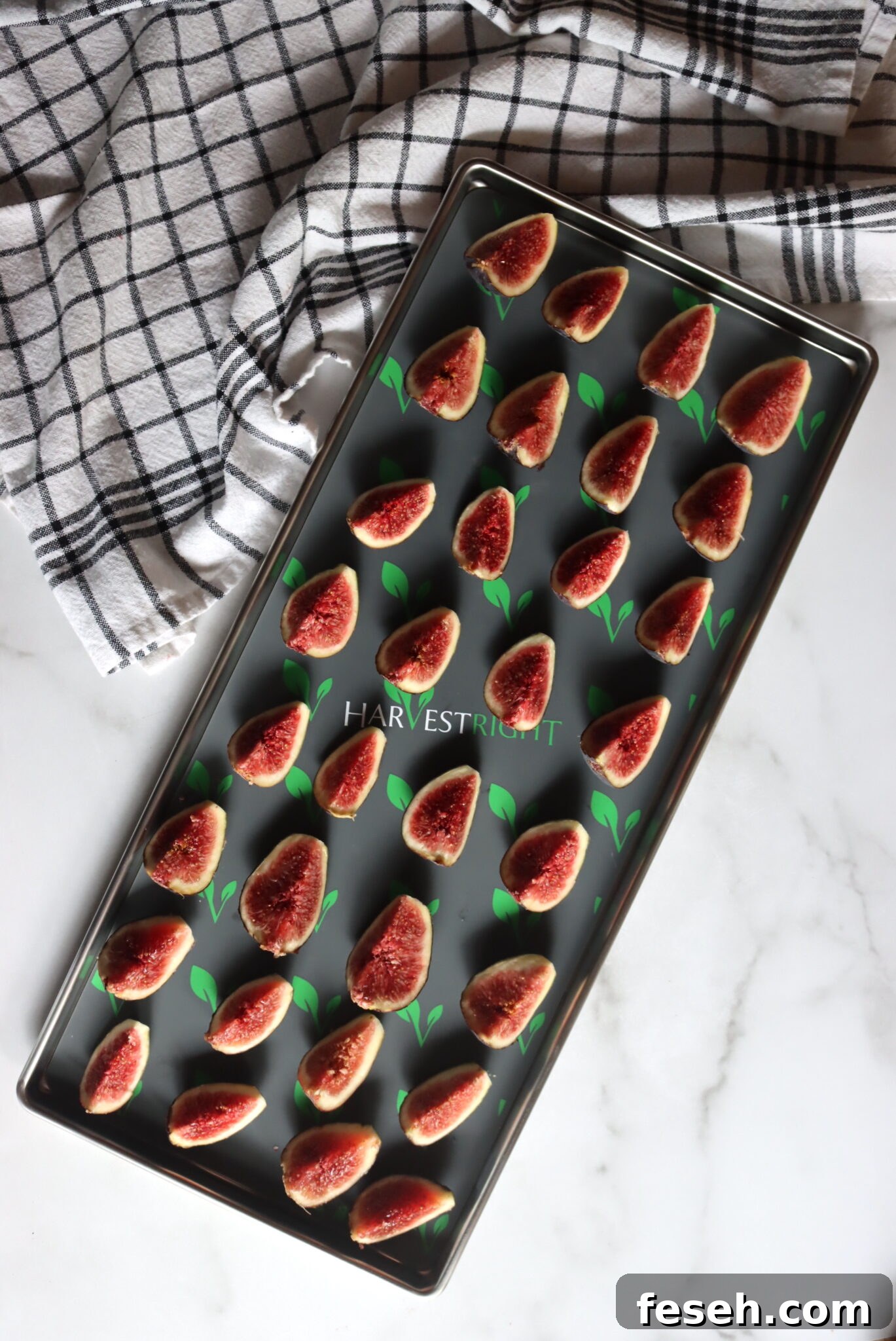
After slicing and pre-freezing if desired, set your freeze dryer to pre-chill for about 30 minutes. Arrange figs in a single layer on trays, using silicone liners or parchment if you prefer. Don’t pack trays too tightly; denser packing increases drying time.
Load the trays, close the machine, and start a full cycle. Sliced figs typically take 30–36 hours, though times vary with piece size, moisture content, and whether they were pre-frozen. When the cycle ends, test a larger piece by breaking it: it should snap cleanly and show no ice or moisture inside. If still soft or moist, add drying time and check again.
Sliced figs usually take about 30–36 hours. Pre-freezing, smaller pieces, and lower moisture varieties shorten drying time; whole or large pieces and high-moisture figs take longer.
Freeze-drying preserves the fig’s original flavor but concentrates it by removing water. If the fresh figs are ripe and flavorful, the freeze-dried result will be a crisp, intensely sweet version of that taste.
Properly packaged freeze-dried figs can last decades if sealed in Mylar bags with oxygen absorbers. Stored in airtight jars on the pantry shelf, they typically remain good for one to two years; frequent opening shortens shelf life by letting in moisture.
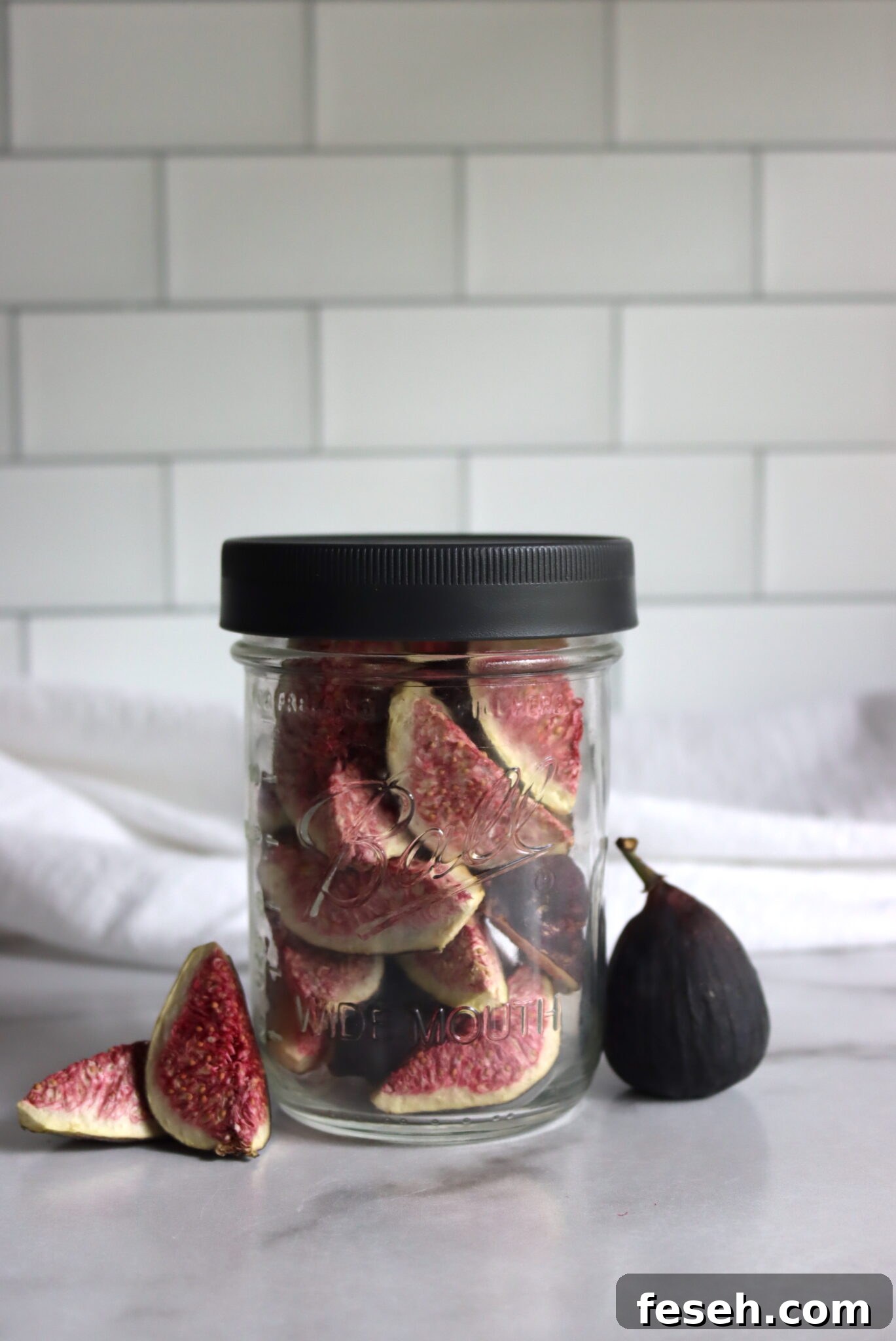
Fully freeze-dried figs are firm and crunchy. Break a larger piece — it should snap with no ice crystals or moist interior. If any moisture remains, extend drying and test again.
Reconstituting Freeze-Dried Figs
Most people enjoy freeze-dried figs as-is — crunchy and intensely flavored. They’re excellent in granola, trail mix, baked goods, or crumbled over yogurt and salads. To rehydrate for recipes, place figs in a bowl, cover with warm water for 20–30 minutes, drain, and use as you would fresh figs.
How to Store Freeze-Dried Figs
For short-term use (up to a year or two), keep freeze-dried figs in airtight mason jars in a cool, dry pantry. For long-term storage, seal figs in Mylar bags with oxygen absorbers and store in a cool, dark place to maximize shelf life.
Freeze Drying Figs
Equipment
- Home freeze dryer
- Silicone freeze dryer mats (optional)
Ingredients
- Fresh or frozen figs
Instructions
- Pre-chill the freeze dryer for at least 30 minutes.
- Wash, dry, remove stems, and slice figs as desired. Smaller pieces dry faster; whole figs take much longer.
- Arrange figs in a single layer on trays. Use parchment or silicone liners to prevent sticking if desired.
- Insert trays, start a full cycle, and allow the machine to run. Sliced figs typically need 30–36 hours; times vary.
- When the cycle finishes, check doneness by breaking a larger piece — it should snap and be fully dry inside. If moist, add more dry time.
- When fully dry, run the dryer’s defrost and immediately package the figs to prevent moisture reabsorption. Use airtight jars for short-term storage or Mylar bags with oxygen absorbers for long-term storage.
Notes
Pre-freezing: Pre-freezing on trays or in freezer bags reduces overall freeze-drying time.
Reconstituting: To rehydrate, cover figs with warm water for 20–30 minutes, drain, and use as fresh.
Freeze Drying Guides
How to Freeze Dry Raspberries
How Long Does Freeze-Dried Food Last?

Freeze Drying vs. Dehydrating: What’s the Difference?
How to Freeze Dry Mango