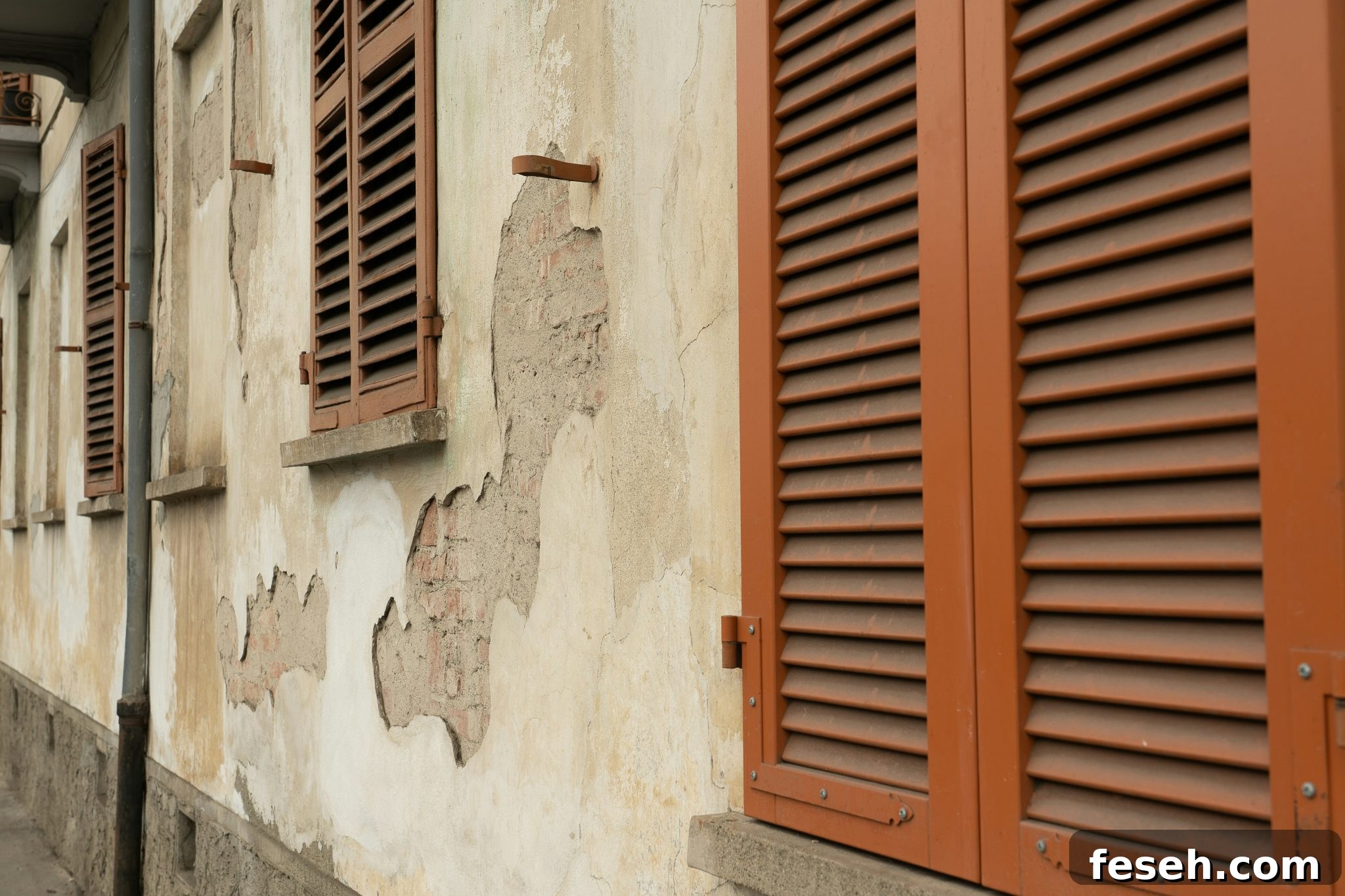
A neglected window frame can ruin the look of a room faster than most homeowners expect. The walls may be freshly painted, curtains updated, and flooring immaculate—then a chipped, yellowed line around the glass immediately draws the eye. Old brush marks or flaking paint near the sill undo the rest of your efforts. The simple, correct approach to how to paint window frames begins long before you open a can of paint: inspect the frame, evaluate color choices in the room itself, and only then start work. Repainting can restore a room’s appearance, but if the frame is swollen, soft, damp, or drafty, those problems must be fixed first.
That initial inspection matters more than the color swatch. Small chips, faded trim, or a dull finish are common reasons to repaint. But if the wood feels soft, panes are fogged, air leaks are present, or corners repeatedly stain after rain, the issue goes beyond decoration. In that case, consider whether the window needs repair or replacement before committing to a finish that won’t last. Good interior work is as much about durability as it is about looks.
How to Paint Window Frames After You Study the Room
Never choose a frame color solely under shop lighting. Test colors in the actual room. A shade that reads as soft in the store can appear blue beside warm-toned walls or too stark next to natural wood. Paint a card and place it on the frame outside the window, then observe it throughout the day. Morning light, afternoon sun and artificial lighting each influence color differently. Black frames can look crisp in an airy, well-proportioned space but oppressive in a small, dark room. In older buildings, favor warm whites over cool blues.
|
Room detail |
Frame color worth testing |
|---|---|
|
Warm walls |
Cream, mushroom, soft taupe |
|
Black curtain rods |
Charcoal, black, bronze |
|
Light wood furniture |
Warm white, clay, olive |
|
Small dark room |
Pale stone, light greige |
|
Bright room |
Satin neutral, muted dark shade |
Check the Frame Before Thinking About Paint
Run a finger along the bottom edge of the frame—this often reveals the truth. If it feels solid and only the finish looks tired, repainting is usually safe. If the wood compresses under light pressure or paint flakes away in damp-looking layers, stop. How to paint window frames is not the right question yet. Paint does not repair structural or moisture problems: it can’t dry wet timber, straighten a warped sash, or reseal a failed pane. Many weekend projects fail when people apply good paint to a failing substrate; the finish may look fine initially and then degrade within weeks.
|
Material |
Problem |
First move |
Finish |
|---|---|---|---|
|
Wood |
Chips, dull paint |
Sand and fill |
Satin trim paint |
|
Wood |
Soft corner |
Repair before painting |
Paint later |
|
Vinyl |
Slick surface |
Clean and scuff |
Vinyl-safe acrylic |
|
Metal |
Rust spots |
Remove rust, prime |
Enamel |
|
Old trim |
Peeling edge |
Scrape and feather-sand |
Interior trim paint |
How to Paint Window Frames Without Ugly Edges
The trickiest area is often the glass line. Tape can help, but technique matters most. Press tape down firmly with a plastic scraper, especially at corners, to seal the edge. Avoid overloading the brush when painting near glass—too much paint increases the chance of visible ridges and runs. Slightly opening the window while painting helps airflow and can reduce drying problems.
- Remove curtains, blinds, and any items touching the frame.
- Wash the trim thoroughly and allow it to dry completely.
- Sand glossy areas until they are dull to improve adhesion.
- Fill small dents and sand smooth.
- Prime any bare wood, patched areas, vinyl, metal, or stained spots.
- Paint inside edges first with an angled sash brush for control.
- Apply a second coat only after the first is fully cured, not just surface-dry.
Small Details People Usually Notice Too Late
Small mistakes add up. Paint in the track, a thick glob at a corner, tape pulled while paint is still tacky, a high-gloss finish that glares in afternoon light, or a cold white frame beside warm walls—each one on its own may seem minor, but together they signal a rushed or low-quality job. Keep a damp cloth handy for quick clean-ups. Inspect the frame from multiple angles, including from the doorway and from the side, to catch stray marks. If paint lands on the glass, let it dry enough to peel or lift safely without smearing.
- Use an angled sash brush rather than a wall brush for control.
- Never paint moving tracks or rubber seals; they need to stay flexible.
- Avoid humid days when drying will be slow and tacky.
- Keep the window slightly open during curing to aid ventilation.
- Test color beside the actual wall and furnishings, not just on a phone screen.
- Let hardware tones inform your frame color choices.
How to Prepare, Paint, and Blend Window Frames Into the Room
Repainting a frame is more than applying color—it’s about preparation and cohesion. Clean, sand, repair, prime, and paint with care, and choose a color that harmonizes with wall paint, curtains, flooring, hardware, and natural light. Taupe frames can calm a bedroom, while a black frame adds architectural definition in a living space. A poorly chosen white will make fresh walls look off, so test carefully in context.
When “How to Paint Window Frames” Is the Wrong Question
Painting helps when the frame is sound; it won’t cure deeper defects. Recurring stains, drafts, soft or swollen wood, or condensation between panes signal underlying problems that must be addressed first. Painting over these issues often leads to peeling finishes, stained corners returning, or sticky sashes. Fix the root cause, allow the frame to dry and stabilize, and then paint. Only then will the new finish look and perform as intended—cleaning up the window line and supporting the room’s palette.
Make the Frame Disappear in the Best Way
The best-painted window frame does not shout for attention. It makes the room feel resolved: curtains fall neatly, wall color reads as intended, and the window line looks crisp and natural. Choose colors tested in the room, respect the material you’re covering, avoid paint on moving parts, and don’t rush drying times. If the frame shows signs of deeper issues, address them first rather than rushing to repaint. A successful finish is one that feels like it belongs.