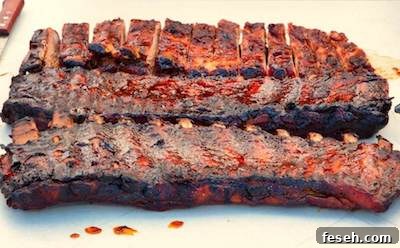
If you smoke ribs often, you may already know that pre-salting can improve many low-and-slow barbecue cooks. Brining isn’t always required, though, so what happens when you brine ribs specifically? I checked with experienced pitmasters and summarized the practical advice below.
Dry brining delivers the most consistent benefits for ribs: it helps the meat retain moisture during the long cook and boosts flavor. Dry brining simply means rubbing kosher or sea salt into the meat, letting it sit so the salt is absorbed, then applying your barbecue rub. If you dry brine, use a rub with little or no added salt to avoid an overly salty result.
Ribs don’t need the long soak of a wet brine like some larger cuts do. Because ribs are thinner, salt penetrates them more quickly. Many world-class barbecue cooks either sprinkle salt ahead of time or rely on a lightly salted rub to achieve the same effect.
Key Points
- Brining can help low-and-slow meats retain moisture and add flavor.
- Dry brining ribs is as simple as sprinkling salt and letting it sit for about an hour before applying a rub.
- Ribs don’t require long wet brines; dry brining is the preferred approach.
- Brining matters less for small cuts than for large ones like brisket or pork butt, but it still helps ribs.
- Dry brining avoids sogginess that wet brining can cause in thinner cuts.
- Avoid double-salting by checking the salt content of your rubs and sauces or by making your own rub.
- Ribs typically need only about 1 hour in a dry brine, though 1–2 hours is common practice among many pitmasters.
Is Brining Ribs Necessary? Here’s What the Experts Say
Brining ribs isn’t strictly necessary, but it’s helpful, especially if you aren’t fully confident in controlling your smoker’s temperature. Unlike large muscles such as brisket or pork butt, ribs are thinner and salt penetrates them more readily, so they gain measurable benefits from salting.
If your smoker runs hot or you accidentally cook ribs for too long, they can dry out. Salting the ribs before cooking reduces moisture loss and improves juiciness. Barbecue writer and authority Meathead Goldwyn recommends dry brining: a modest application of kosher salt, roughly 1/4 teaspoon per pound of meat as a starting point, but often you can simply sprinkle as you would at the table. Allow 1–2 hours for the salt to be absorbed.
Unlocking the Flavor Potential: The Benefits of Brining Ribs
Salting ribs not only helps retain moisture, it also boosts flavor. Because rib meat is relatively thin, salt can move through the meat more easily than in large roasts, seasoning deeper layers without the need for injection. The result is more evenly flavored ribs with improved texture.
Wet vs Dry Brining: Which Method is Best for Ribs?
Wet brining soaks meat in a saltwater solution and can work well for poultry and fish. For ribs, dry brining is generally superior: rub salt into the surface and let it rest for about 1 hour (up to a couple of hours if you prefer). The salt slightly firms the surface and helps your rub adhere, producing a more even bark and avoiding the watery, soggy texture wet brines can create on thin cuts.
Wet Brining Ribs: Is it the Right Choice for Your BBQ?
Wet brining can make thin cuts like ribs too moist and soft, reducing the texture many barbecue fans seek. For ribs, dry brining provides moisture retention and flavor without sogginess, which is why many pitmasters favor it. A short dry-brine window also speeds prep and reduces waste.
The Secret to Perfectly Seasoned Ribs
Pre-seasoning with a dry rub a few hours before cooking is a common variation of dry brining. Some cooks apply a light salt-and-pepper layer first, then follow with the full rub. If your rub already contains salt, you can rely on it for the brining effect—just be mindful of total salt levels to prevent over-seasoning.
Avoiding the Pitfall of Over-Salting: A Guide to Brining Ribs
Double-salting is an easy mistake when using pre-salted rubs and salty mop sauces. Check labels or make your own rub so you control the salt content. If you dry brine first, choose a low-salt rub or omit additional salt in the rub. Taste, measure, and adjust so the finished ribs are balanced rather than overly salty.
Creating Your Own Rub: Control the Salt Content and Experiment with Flavors
Store-bought rubs often contain a lot of salt. Making your own rub lets you set the salt level and try different spice combinations. Homemade rubs can be made in large batches for convenience and adjusted to match the cut and cooking method you use.
Standard Barbecue Rub
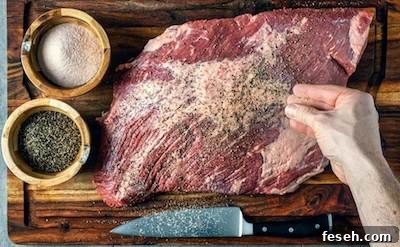
This is a flexible rub I alter depending on the cut. Adjust the salt to suit your dry-brine schedule.
10 minutes
10 minutes
Ingredients
- – ½ Cup Paprika
- – ½ Cup Salt
- – ½ Cup Sugar
- – ½ Cup Granulated Garlic
- – ¼ Cup Granulated Onion
- – ¼ Cup Chili
- – ¼ Cup Cumin
- – 2 Tablespoons Black Pepper
- – 2 Tablespoons Dry Mustard
- – 1 Tablespoon Cayenne Pepper
Instructions
- Combine all the spices in a large bowl.
- Store the rub in airtight containers or shakers.
Brining Ribs 101: How Long Should You Leave Them in the Salt Mix
Ribs require far less brine time than large cuts. Because they are thinner, a dry brine of about 1 hour is often sufficient; some cooks prefer 1–2 hours or even overnight for convenience. Use kosher or sea salt and allow the salt time to be absorbed before applying the rub and smoking. The goal is better moisture retention and flavor without softening the exterior.
The Salt Debate: Which Type is Best for Brining Ribs?
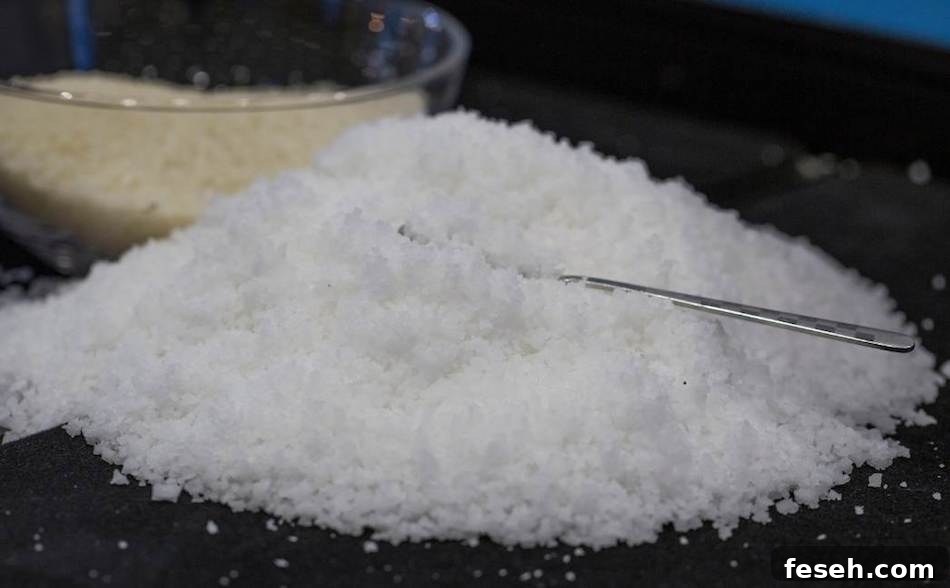
Most pitmasters prefer kosher salt for its texture and ease of dosing; sea salt also works well. Avoid table salt for brining because of additives and finer grain that change volume measurements. Don’t confuse curing salts (which contain preservatives and are used for products like bacon and ham) with ordinary salt for brining ribs.
Does Brining Help Retain Moisture in Ribs? The Science Explained
Ribs can spend six hours or more in the smoker, which is long for a thin cut. Salt promotes moisture retention by helping the meat reabsorb juices that would otherwise be lost, so dry brining contributes to tenderness and juiciness during a long smoke.
Smoker Temperature Control and Brining: The Key to Perfectly Moist Ribs
Temperature control is vital. Aim for a steady smoker temperature in the 225–250°F (107–121°C) range for low-and-slow ribs. Wrapping ribs partway through the cook in foil or butcher paper helps trap moisture and speed tenderness; unwrapped ribs develop a firmer bark but can dry out if not managed carefully. Using a mop or spritz during the cook can also replace surface moisture and slow the cook slightly, which helps breakdown of connective tissue.
Buy Ribs With Fat
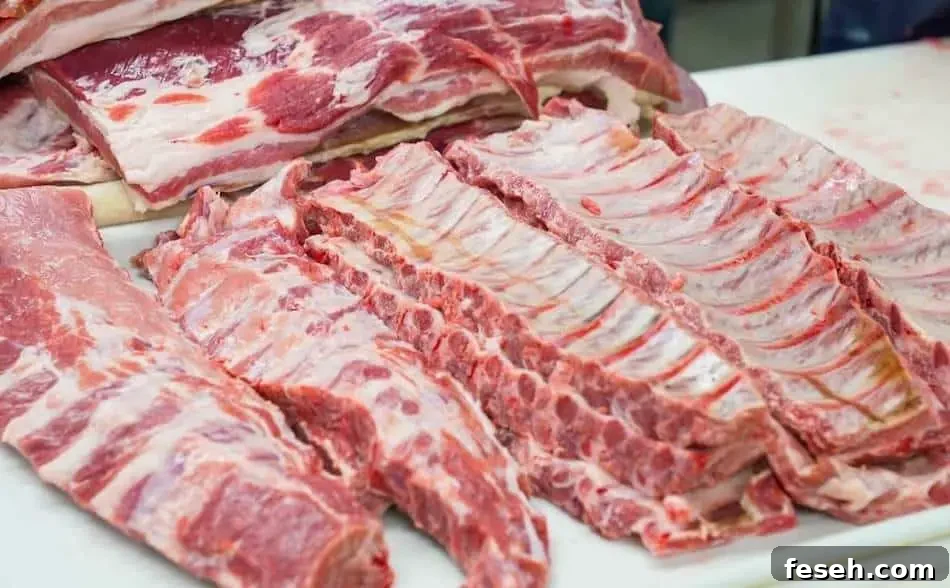
Choose racks with some fat and marbling when possible. Fat helps lubricate during cooking and adds flavor; leaner baby back ribs are more prone to drying than fattier spare ribs.
Keep The Temperature Low
Maintain low-and-slow temperatures, roughly 225–275°F. High temperatures over extended periods raise the risk of dried-out ribs. Use a reliable thermometer and monitor your smoker closely.
Spritz Your Ribs
Spritzing or mopping helps replace surface moisture lost during cooking, slows the cook slightly, and can improve tenderness. Simple spritzes of apple juice, apple cider vinegar diluted with water, or another mild liquid work well.
Use a Quality Thermometer
A dependable thermometer is essential for consistent results. Wireless units with multiple probes let you monitor both smoker and meat temps without opening the lid. Instant-read thermometers are invaluable for final checks to ensure doneness without guesswork.
How To Smoke Ribs
Smoking ribs takes practice. Focus on steady temperature control, a sensible brine or pre-salt routine, proper rub application, and monitoring internal temperature rather than relying on time alone. Combining these elements gives you reliably tender, flavorful ribs.
My Favorite Tools
Reliable thermometers, quality butcher paper, and consistent-temperature smokers make low-and-slow success much easier. Invest in a good multi-probe thermometer and an accurate instant-read to take the guesswork out of smoking ribs.