
BY DR. MITRAVINDA SAVANUR
Children can be affected by a range of developmental disorders, and autism spectrum disorder (ASD) merits particular attention. ASD primarily affects social interaction and communication, and often presents with additional signs such as limited eye contact, delayed speech, shyness, delayed gross and fine motor development, repetitive or obsessive behaviours, mood swings, and sensory processing differences.
Recent studies and clinical trials have indicated that a gluten-free diet may produce meaningful improvements for some children with autism spectrum disorders. While no single diet is universally prescribed for ASD, many specialists recommend avoiding both gluten and casein. Gluten is a protein found in grains such as wheat, barley, and rye. Casein is the primary protein in dairy products. Some research suggests up to 80% of children may benefit when these dietary changes are implemented strictly, which is why the casein-free, gluten-free (GFCF) approach has become popular among parents seeking supportive interventions for ASD.
How can a gluten- and casein-free diet help children with autism spectrum disorder?

One theory behind the GFCF diet posits that some children with ASD have heightened sensitivities or adverse reactions to proteins found in gluten and casein. These children may process the peptides from these proteins differently than neurotypical peers. In some studies, abnormal peptide levels have been detected in bodily fluids of children with ASD, and it has been proposed that certain peptide fragments may act like opioid-like compounds in the brain, potentially influencing behaviour and cognition.
By removing sources of gluten and casein, caregivers aim to reduce exposure to these problematic peptides, which in turn may help decrease symptom severity and improve communication, social interaction, and behaviour. Scientific support for the diet comes from research linking peptide abnormalities to ASD symptoms, though evidence remains varied and individual responses differ. Complete elimination of all gluten and casein can be challenging in practice, which is an important consideration when evaluating the diet’s effectiveness for a specific child.
Practical tips for following a casein-free, gluten-free diet at home and away
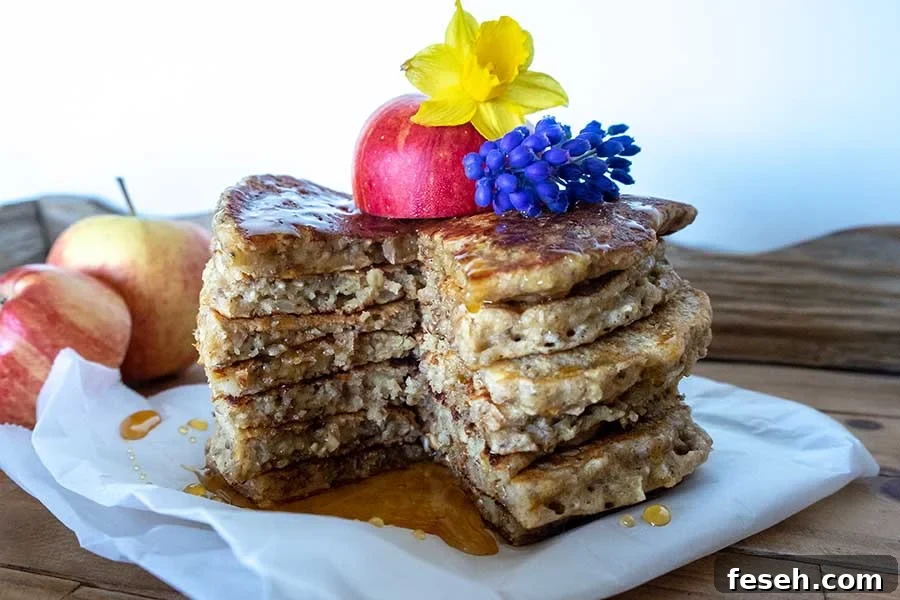
Gluten-Free Vegan Apple Oatmeal Pancakes
As demand for GFCF options has grown, more retailers and food producers now offer products tailored to this diet. Many families prepare GFCF meals in bulk and freeze portions for convenience, which helps maintain consistency and reduces mealtime stress.
Before making dietary changes for a child with ASD, consult a pediatrician. A licensed paediatric dietitian or nutritionist experienced in child feeding can provide tailored guidance, ensuring the diet meets nutritional needs while accommodating taste preferences. Working with professionals lets you customize a plan that supports growth, development, and behaviour.
When dining out, many restaurants now provide gluten-free and dairy-free options and list ingredients used in each dish. Asking staff about preparation methods and cross-contamination practices will help you identify safe choices. Despite these options, it’s important to monitor nutrient intake, as eliminating all dairy and gluten sources can lead to gaps in key nutrients if not managed properly.
Regular follow-up with healthcare providers helps ensure the child receives adequate calories, protein, calcium, vitamin D, B vitamins, and other essential nutrients. Supplements may be recommended when dietary intake is insufficient, but these should be prescribed and monitored by a clinician.
Author’s Bio
Mitravinda is a nutritionist at DietChart with a doctoral degree in Food Science and Nutrition. She is a teacher, researcher, and author who writes about nutrition topics such as high-protein foods, weight-loss diet charts, and the health benefits of green tea. Through her writing she aims to deepen readers’ understanding of how diet, lifestyle, and health are interconnected.
Disclaimer: This article is not intended to provide medical advice, diagnosis, or treatment. Views expressed here do not necessarily reflect those of onlyglutenfreerecipes or its staff.