NETTLE FORAGING 101
Stinging nettles are an excellent plant to start foraging with. Their sting makes them distinctive and hard to confuse with other species, and the few plants that might be mistaken for them are also edible. Nettles are versatile, nutritious and work well in many recipes.
Here are the essentials to get you started:
- Forage in early spring when nettles are young and tender. If you collect later in the season when plants are larger, harvest only the top third of the plant to keep the flavour more delicate.
- Avoid picking nettles once they have flowered, as some people find mature plants can irritate the stomach.
- Wear gloves when harvesting. If you don’t have gardening gloves, household washing-up gloves work fine—also wear long sleeves and trousers to protect exposed skin.
- At home, strip the leaves from the stalks and wash them thoroughly. Blanch the leaves in boiling water, then drain and squeeze out excess liquid. Blanching neutralises the sting, so you can handle the leaves with bare hands afterwards. Blanched nettles freeze well, or you can use them immediately in recipes—nettle pesto is a favourite.
Print
NETTLE PESTO
An easy, flavourful way to use foraged nettles. This pesto works with pasta, stirred into soups, spread on toast or dolloped onto roasted vegetables.
Prep Time 20 minutes
Total Time 20 minutes
Servings 1 jar
Ingredients
-
50
g
walnuts -
50
g
nettles
weighed after leaves are picked -
20
g
pine nuts -
2
garlic cloves
minced -
30
g
basil
stalks and all - juice of 1 lemon
-
125ml-175ml
extra virgin olive oil
Instructions
-
Preheat the oven to 180°C (fan)/200°C/gas mark 6.
-
Spread the walnuts on a baking tray and roast for 7–8 minutes until lightly browned. Remove and allow to cool.
-
While the walnuts cool, put on thick gardening or washing-up gloves. Strip the nettle leaves from their stalks, discarding the thicker stems, and wash the leaves thoroughly under running water.
-
Bring a large pan of salted water to the boil. Add the nettles and blanch for 20–30 seconds until just wilted. Remove with a slotted spoon and plunge the leaves into a bowl of iced water. When cool, squeeze out as much water as possible—the blanching removes the sting, so you can handle the leaves by hand at this point.
-
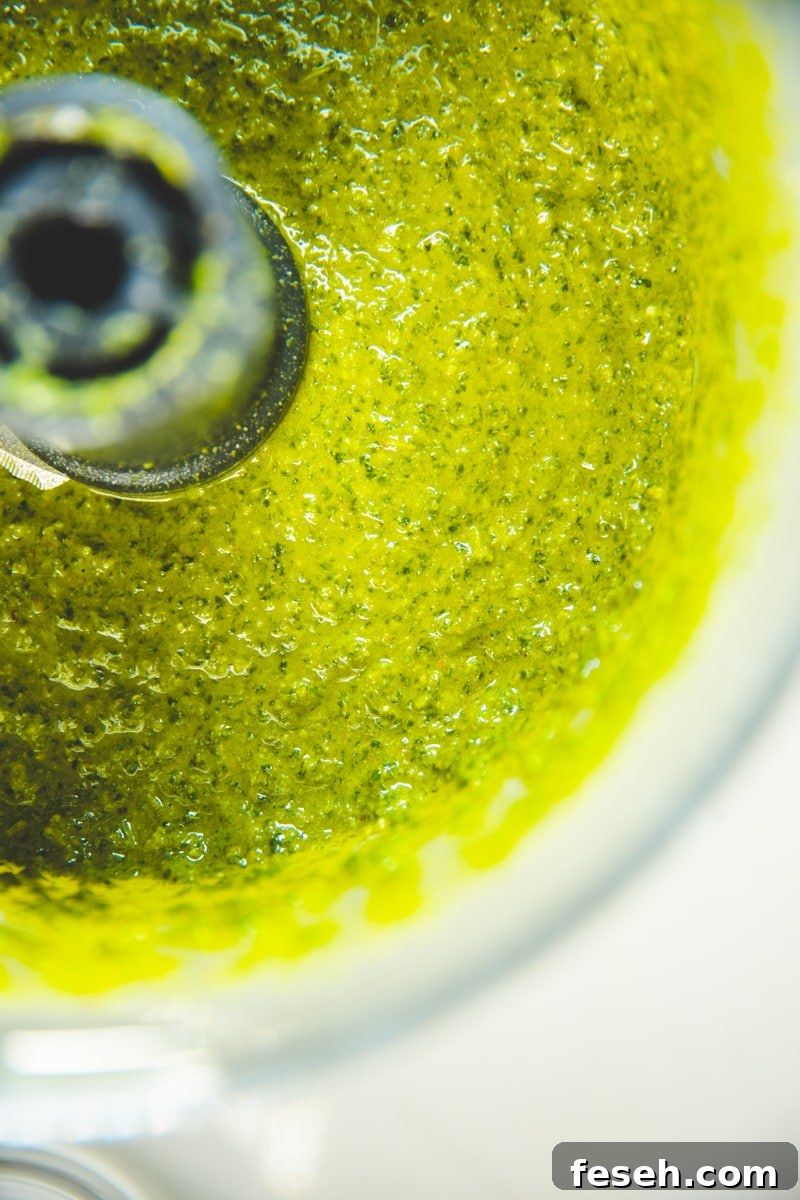
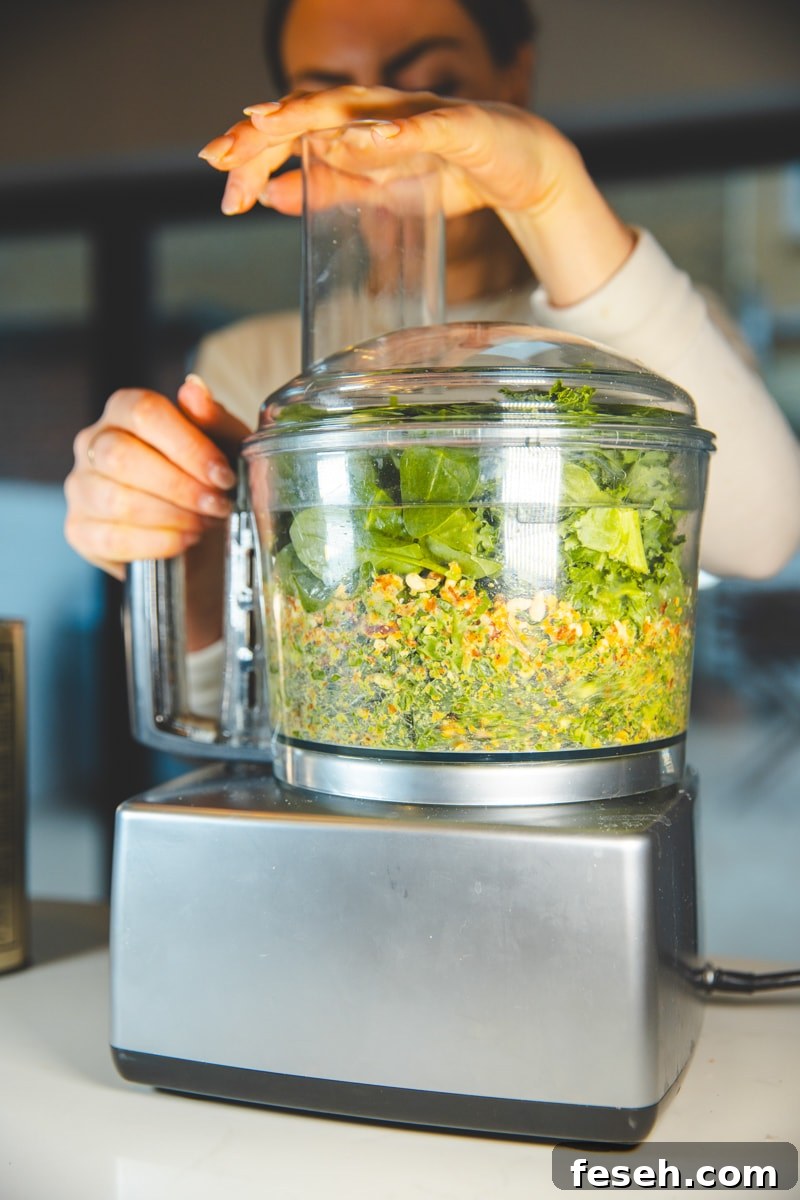
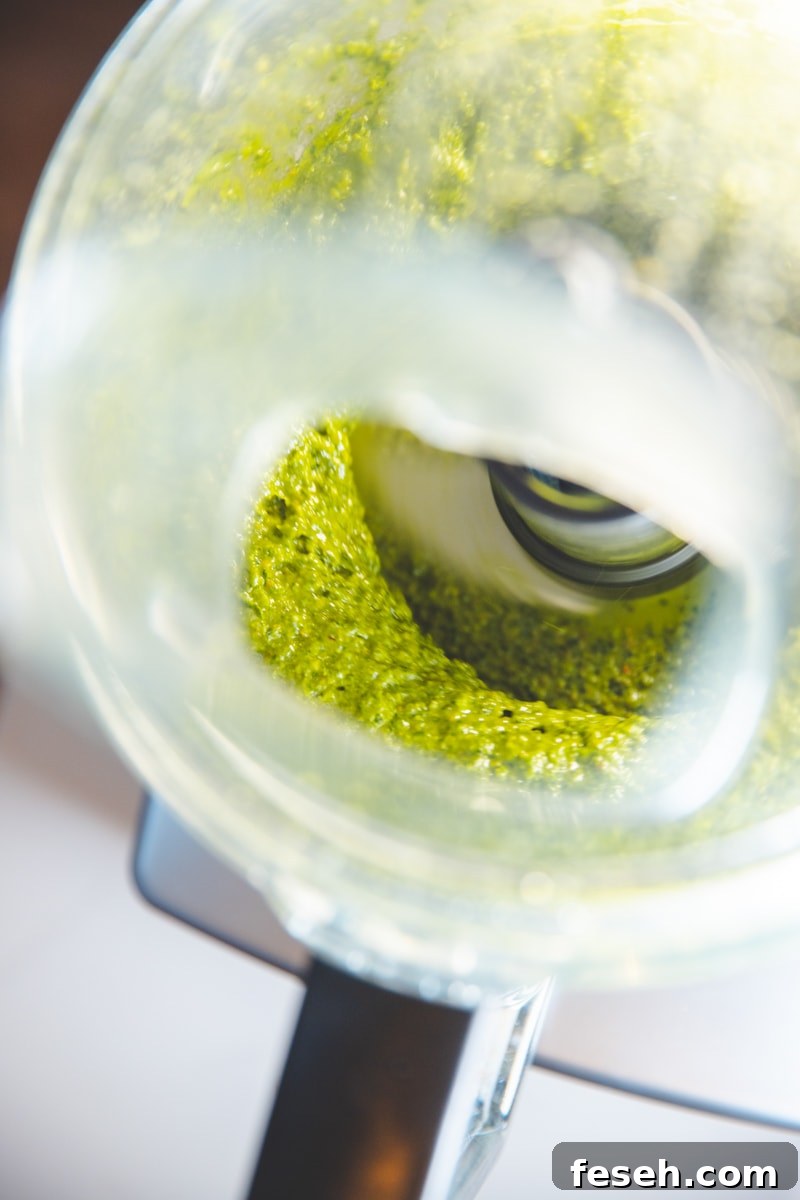
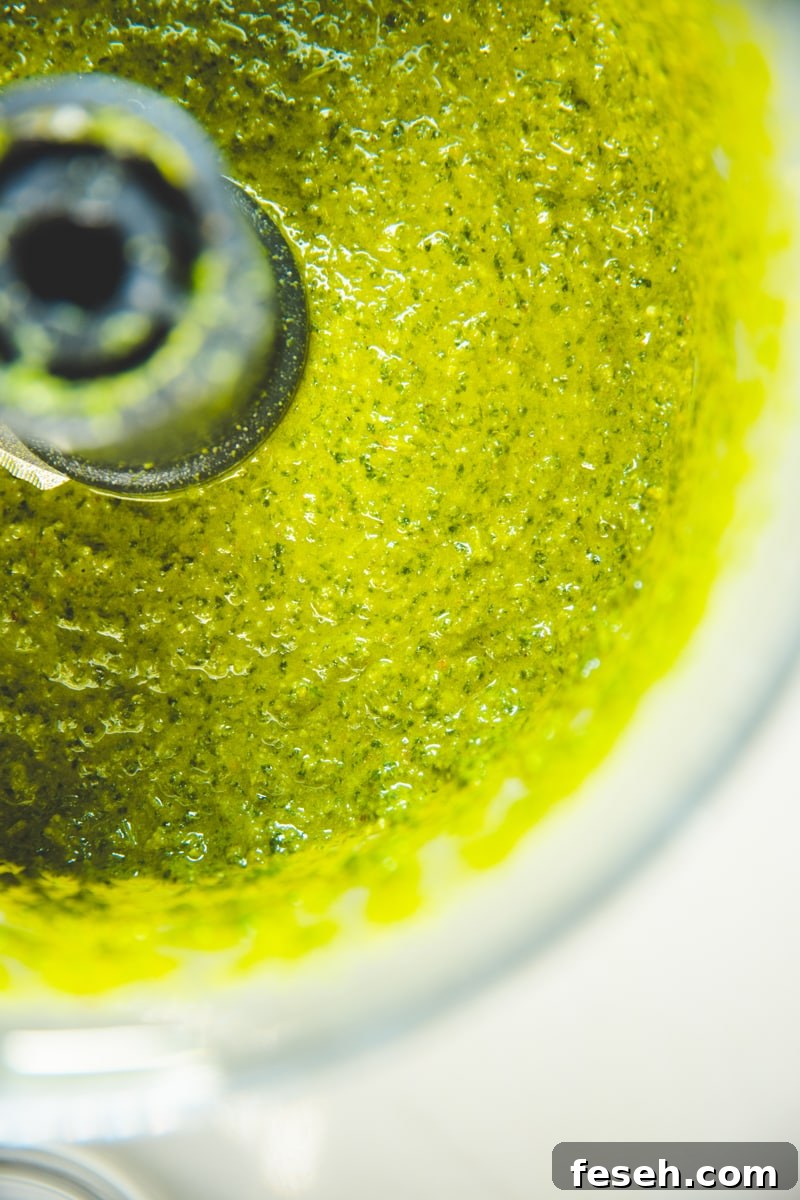
In a food processor, combine the roasted walnuts, blanched nettles, pine nuts, garlic, basil (including stalks), lemon juice and a generous pinch of salt and black pepper. Blend while slowly streaming in the extra virgin olive oil through the feed tube until the mixture is almost smooth but still has some texture. Taste and adjust seasoning as needed.
-
Spoon the pesto into an airtight jar and refrigerate for up to one week. Use it on pasta, toast, roasted veg or stirred into soups for an herbal, nutty boost.
If nettle pesto isn’t for you, try pesto hummus as an alternative.