Summer is late this year. Lettuce and rocket in the garden grow slowly, shy yellow zucchini flowers hide behind their broad, fuzzy leaves. The tomato plants show only foliage, no flowers yet, but if I rub a leaf between my fingers I’m instantly transported back to the languid, idle days of childhood summers when boredom was perfectly acceptable.
Temperatures remain mild and sudden showers wash the countryside. Everything feels late: green, unripe, and a little behind. Yet one thing is exactly on time: green walnuts.
We are approaching June 24th, the night of Saint John the Baptist. In Florence he is the patron saint and the city celebrates the day with festivities and a fireworks display along the Arno. People crowd the streets and riverbanks, hunting for the best vantage point to watch the sky light up.
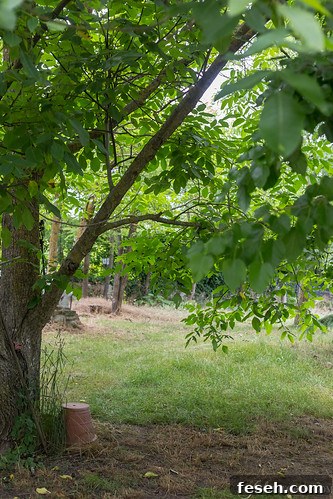
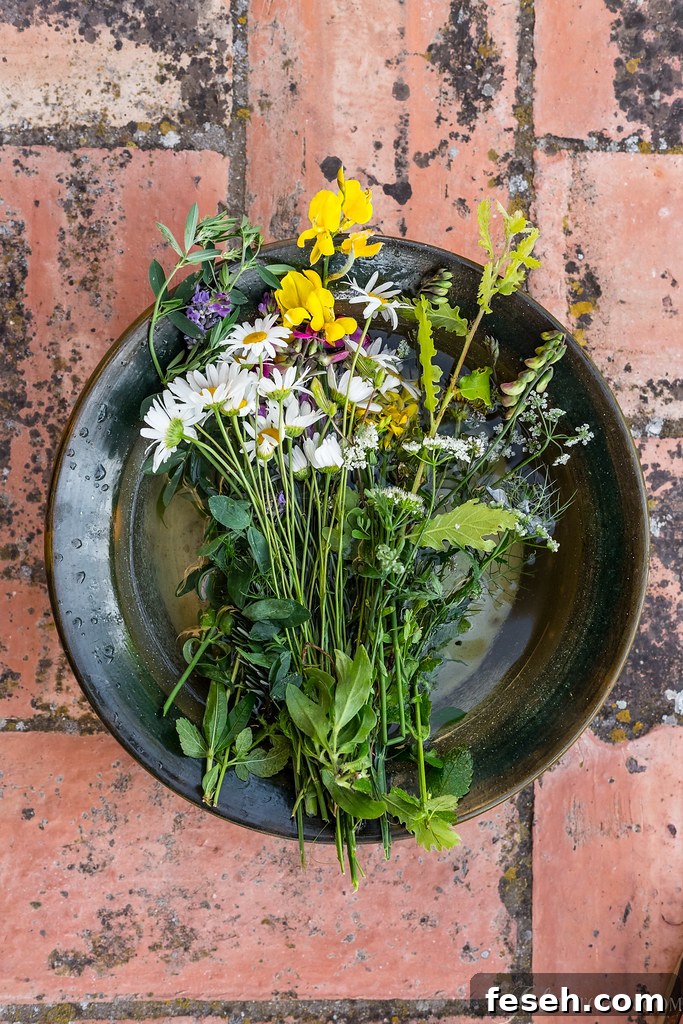
While the city buzzes, the countryside grows quiet. Saint John’s night is also the night of witches in local folklore. It is a mysterious, magical night—the shortest of the year—when summer properly begins and strange things are expected to happen. Traditionally people collect herbs and flowers—sage, rosemary, verbena, vinca, mugwort, lavender, artemisia, mint, hawthorn and especially Saint John’s wort with its little yellow blooms—and soak them in a basin overnight. The water is said to make your face more beautiful and protect against evil. Witches were imagined meeting beneath walnut trees to cast their spells.
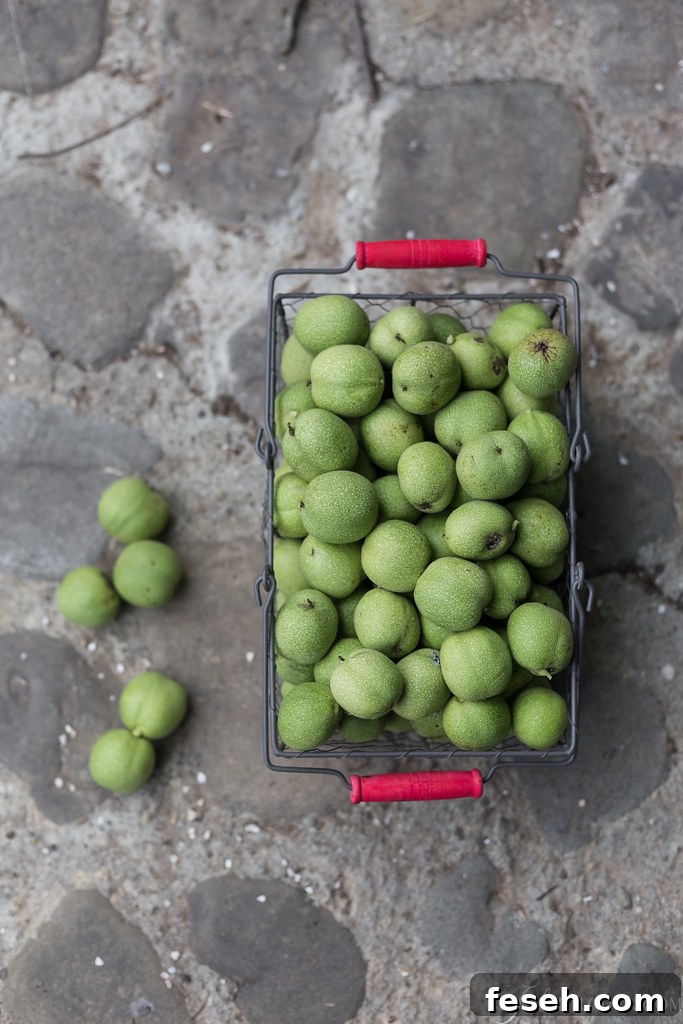
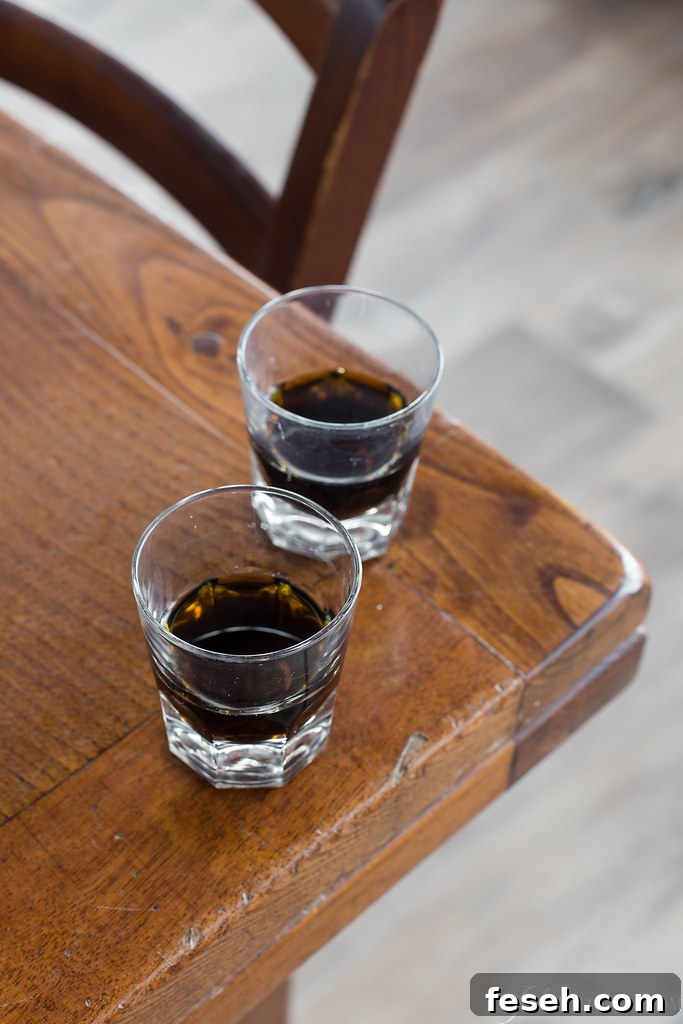
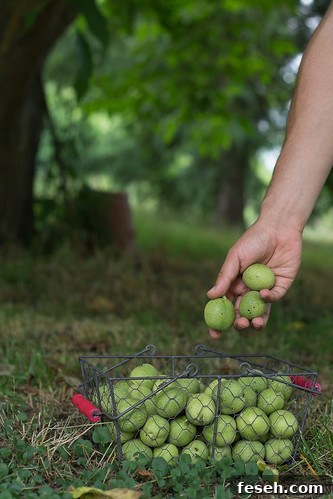
It is also the night to make nocino, a spicy walnut liqueur. Traditionally a woman would climb the walnut tree to gather the small, green unripe walnuts, which were left outside overnight to be touched by the dew. The next day the walnuts were quartered, covered with alcohol, sugar and spices, and left to infuse until All Saints’ Day on October 31st.
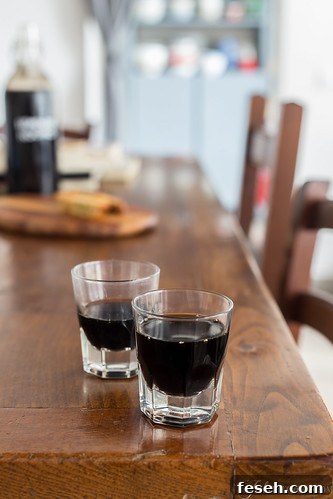
Last year Tommaso and I made our first nocino. We wanted to prepare ahead for Christmas gifts and a bottle of deep, black nocino seemed perfect for family and friends. We picked green walnuts from his aunt’s tree near Florence and followed Pellegrino Artusi’s nocino recipe, which calls for a forty-day infusion.

Nocino – a Tuscan walnut liqueur
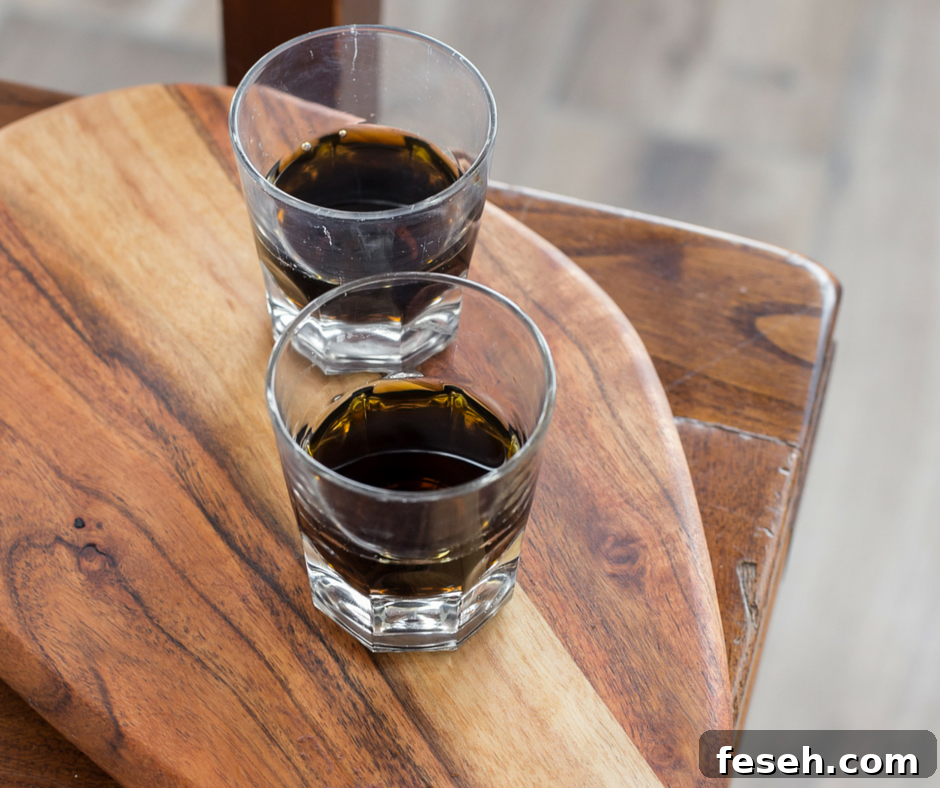
I often offer nocino as a digestif after cooking classes, alongside a few bottles of homemade limoncello. A few weeks ago someone described my nocino in surprisingly vivid terms: he said it “tastes like an old vintage sport car—well-oiled leather and testosterone.” That description made me grin. Who wouldn’t want to sip a drink with that character?
Summer is just beginning, and I feel a little like a witch, preparing nocino on the solstice and letting it rest until autumn. By then the dark, spiced liqueur will be ready to warm chilly evenings by the fire.
Nocino, a walnut Tuscan liqueur
Giulia
Ingredients
- 30 whole unripe walnuts
- 1 ½ l of alcohol, 95%
- 750 g of sugar
- 2 g of ground cinnamon
- 10 whole cloves
- 400 ml of water
- Rind of 1 organic lemon
Instructions
-
Use gloves: green walnuts stain hands black. Quarter the unripe walnuts and place them in a demijohn with the alcohol, sugar, spices and lemon rind.
-
Leave to infuse for forty days in a warm place, shaking the container occasionally.
-
After forty days, strain the nocino through a cloth. Taste it: if it is too bitter or too alcoholic, add water to reach the balance you prefer. We had to dilute ours somewhat, but everyone loved the result.
-
Let the liqueur rest for a few more months so it can mature and develop its complex, deep flavors.
Order now Vegetables the Italian WayWith more than 70 seasonal recipes, it celebrates the instinctive, resourceful spirit of Italian home cooking.
Link Love
- Nocino, an Italian Walnut Liqueur, Is Also Made in America — a New York Times piece noting that nocino, made from spring-harvested fruit, often reaches its best by the holidays and carries warm baking-spice aromas.
- Liqueur de noix: Green Walnut Liqueur — David Lebovitz writes about nocino’s intense, espresso-like walnut aroma and suggests its uses as a digestif or to flavor custards and ice creams.
- How (and Why) You Should Make Nocino Today — a post that celebrates nocino’s dark, complex profile of spice, chocolate and coffee as it ages.
- Emiko’s post about nocino follows Artusi’s recipe as well, and features beautiful stories and photos.