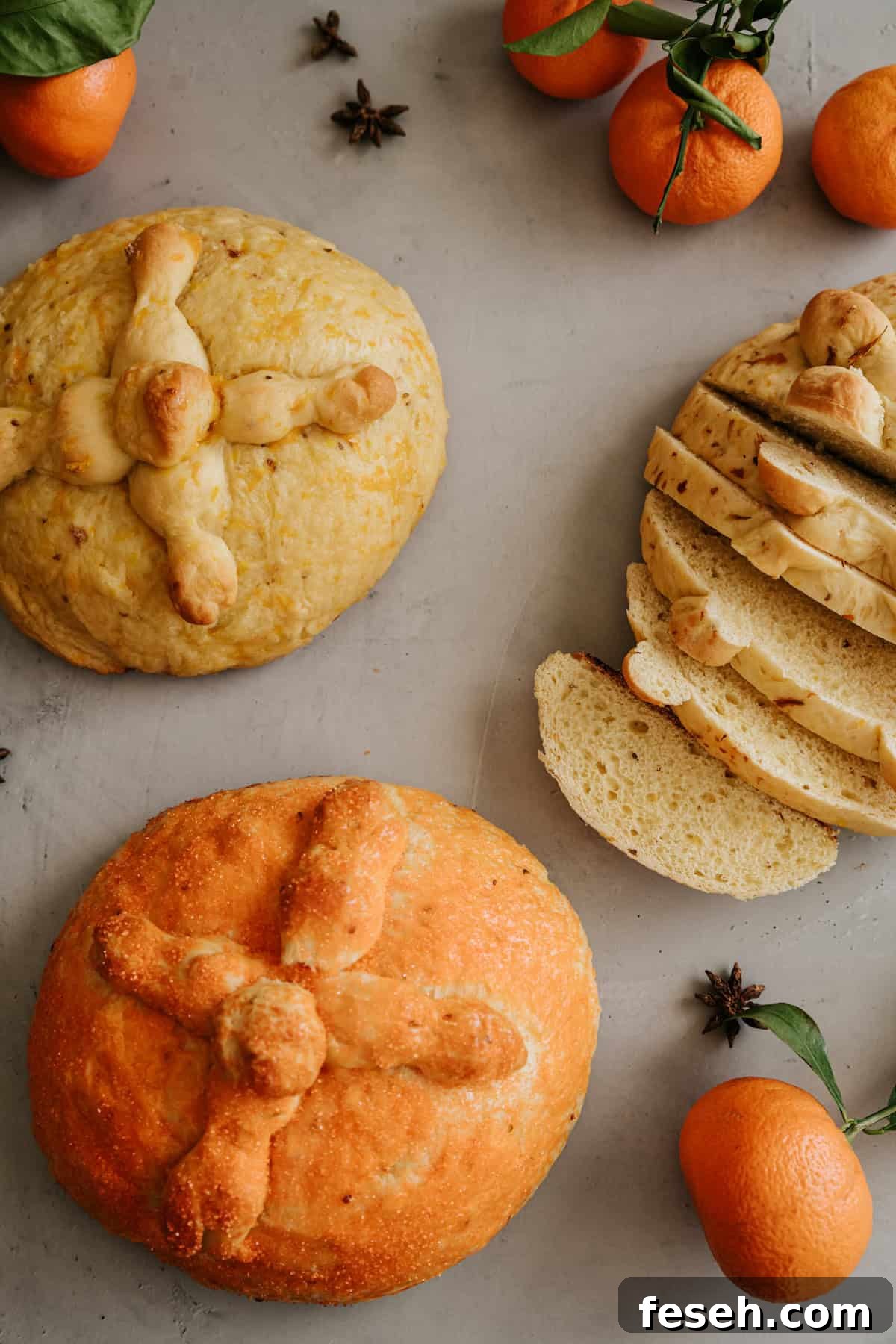
Día de los Muertos (Day of the Dead) is one of Mexico’s most cherished traditions, and no celebration is complete without Pan de Muerto. This slightly sweet, tender bread is shaped into a round loaf and decorated with strips of dough that resemble bones, then finished with a sprinkle of sugar. Whether served with coffee or placed on an altar (ofrenda) to honor the deceased, Pan de Muerto is central to the holiday.
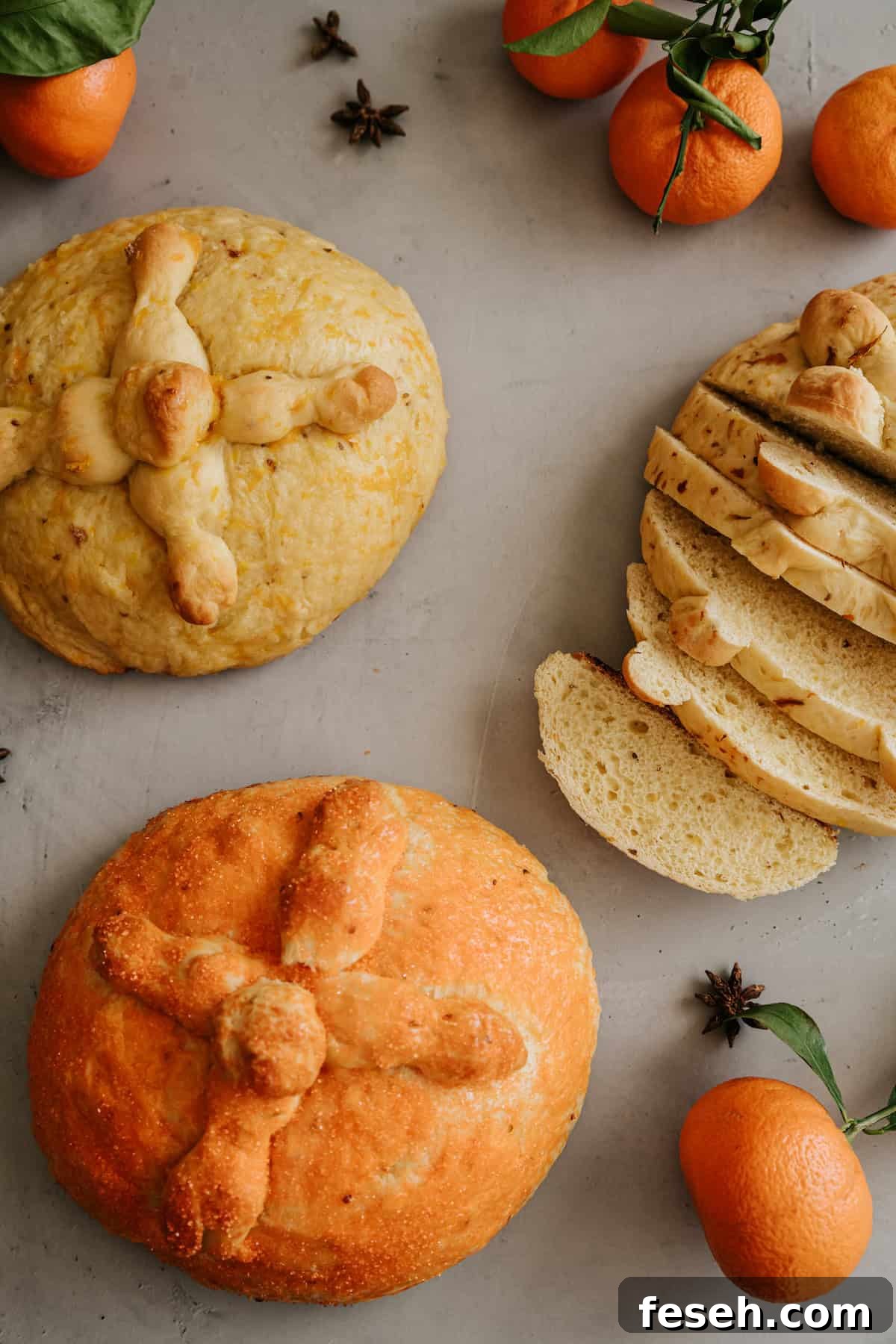
If you’ve only ever bought Pan de Muerto at a panadería, try making it at home — it’s surprisingly approachable and makes the celebration feel more personal. The bright aroma of orange zest and the subtle licorice notes from anise will fill your kitchen and lift the spirit of the season.
Featured In
This Pan de Muerto recipe was included in a BuzzFeed collection of Día de los Muertos recipes highlighting festive, approachable dishes.
What is Pan de Muerto?
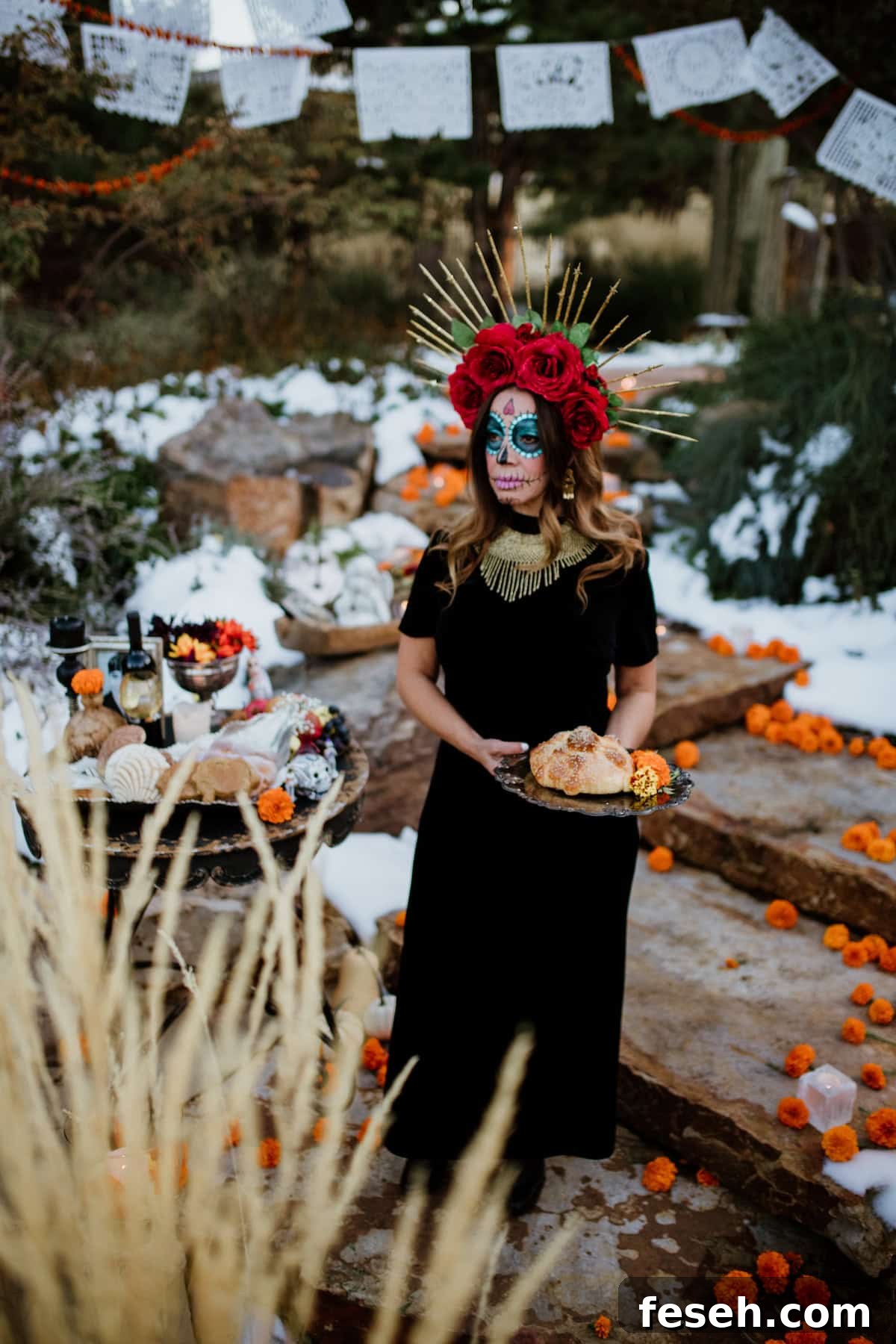
Pan de Muerto, or “Bread of the Dead,” is a traditional Mexican sweet bread prepared for Día de los Muertos on November 1st and 2nd. The classic loaf is round and topped with dough pieces shaped like bones, often featuring a small round piece in the center. Typical flavors include orange zest, orange blossom water or extract, and anise; the finished loaf is glazed or dusted with sugar. Families enjoy it together, share it with neighbors, and place loaves on altars or graves as offerings alongside water, flowers, and candles.
Why You’ll Love This Pan de Muerto Recipe
- Traditional & meaningful – it honors a long-standing Día de los Muertos custom.
- Soft & fragrant – orange and anise give the bread a comforting, aromatic profile.
- Great for sharing – the recipe yields multiple loaves so you can keep one and offer one on your altar.
- Made with care – baking at home adds an extra layer of intention when remembering loved ones.
Ingredients & Substitutions
Basic ingredients you’ll need:
- All-purpose flour – the base for a tender crumb.
- Active dry yeast – for reliable rise and airy texture.
- Milk and butter – add richness and softness.
- Eggs – provide structure and color.
- Sugar – sweetens the dough and finishes the loaf.
- Orange zest and orange extract – give the signature citrus note; orange blossom water can be used for a more floral, authentic flavor.
- Anise seeds – add the traditional mild licorice flavor; omit or substitute with cinnamon if preferred.
- Salt – balances the sweetness and enhances flavor.
The printable recipe card below includes exact quantities and a step-by-step method.
How to Make Pan de Muerto
Step 1: Prepare the dough. Warm milk with butter and water until the butter melts. In a large bowl combine a portion of flour with yeast, salt, anise, and sugar. Add the warm milk mixture, orange extract or blossom water, orange zest, and eggs, then gradually stir in more flour until the dough comes together.
Step 2: Knead and rest. Turn the dough onto a lightly floured surface and knead until smooth and elastic, about 10 minutes. Form into a ball.
Step 3: First rise. Place the dough in a greased bowl, cover, and let it rise in a warm spot until doubled, about 1 to 1½ hours.
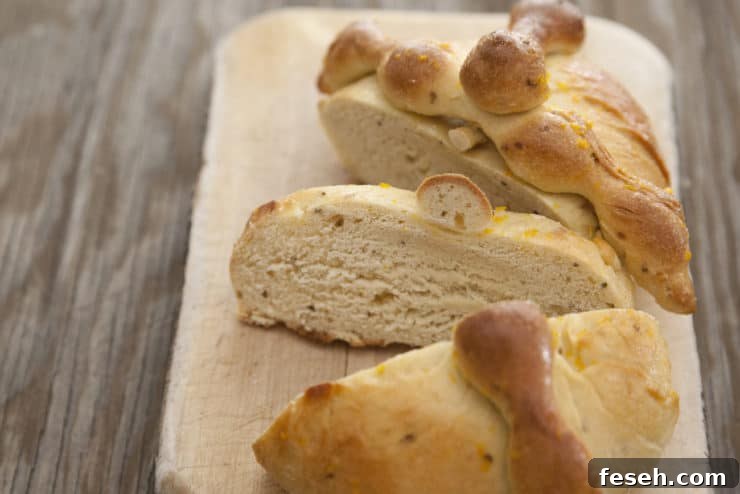
Step 4: Shape loaves and decorations. Divide the dough into portions for loaves. Reserve a piece of dough to make the thin strips that resemble bones and a small round piece for the center “skull.”
Step 5: Second rise. Arrange shaped loaves on a baking sheet, add the bone decorations, cover loosely, and allow them to rise again until puffy.
Step 6: Bake. Bake in a preheated 350°F oven until golden and fully cooked, about 25–30 minutes. A hollow sound when tapped indicates doneness.
Step 7: Glaze or butter and sugar. For an orange glaze, simmer sugar with grated orange zest and fresh orange juice until dissolved, then brush warm loaves. Alternatively, brush with melted butter and sprinkle with granulated or cinnamon sugar.
Serving Suggestions
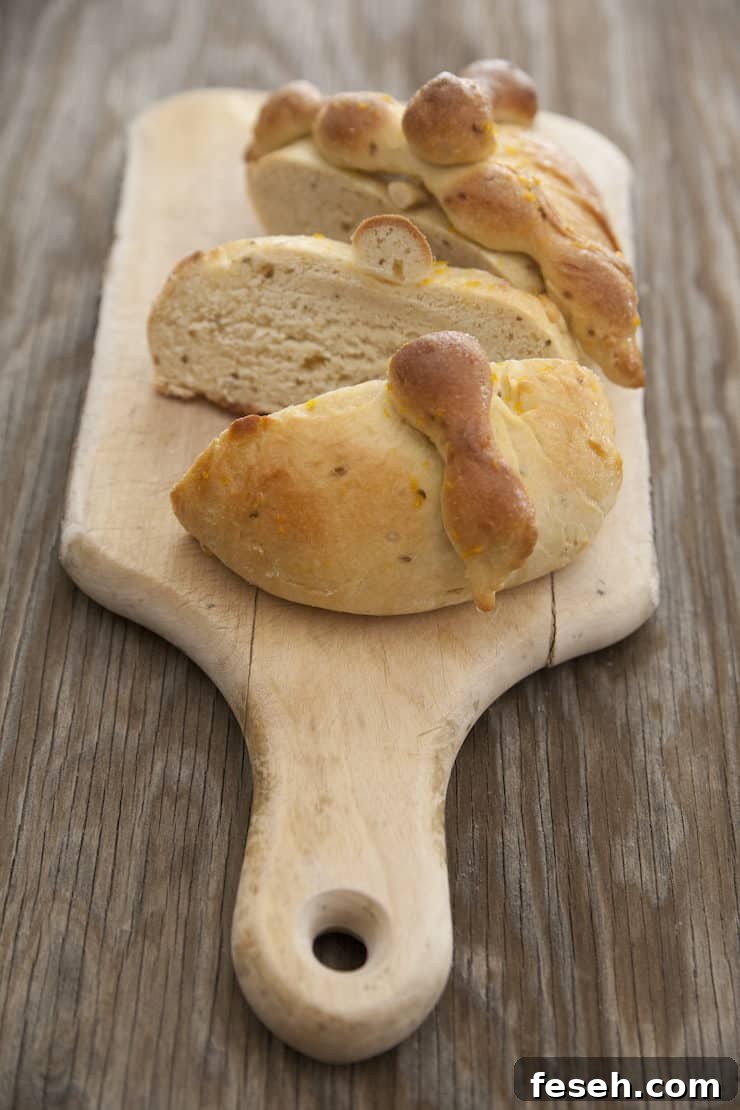
- Serve warm with cafe de olla or Mexican hot chocolate for a cozy accompaniment.
- Place a loaf on your altar (ofrenda) along with pan dulce, water, candles, and marigolds to honor loved ones.
- Wrap a cooled loaf in cellophane to share—it makes a thoughtful seasonal gift for family and neighbors.
Pan de Muerto Expert Tips & Tricks
- For a more pronounced citrus aroma, use orange blossom water instead of extract.
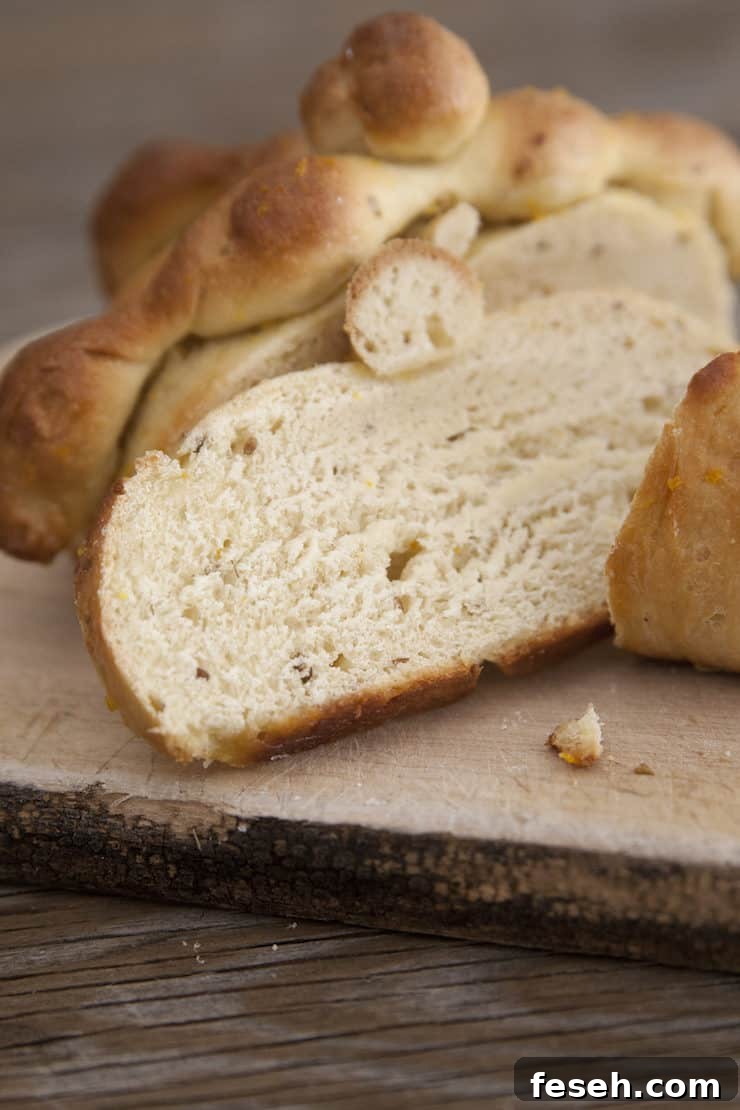
- Be patient with rise times—allowing the dough to double ensures a light, fluffy loaf.
- Experiment with finishes: plain sugar, cinnamon sugar, or an orange glaze each offer a different, delicious result.
Storage & Reheating
- Room temperature: Store loosely covered with a clean towel or in a bread box for up to 3 days.
- Reheating: Warm in a 300°F oven for 5–10 minutes to restore freshness.
- Freezing: Cool completely, wrap tightly in plastic wrap and foil, and freeze. Use within six months for best quality.
- Leftovers: Slices of Pan de Muerto make excellent French toast.
Frequently Asked Questions
The round loaf represents the circle of life and death, while the bone-shaped decorations symbolize those who have passed away.
Yes. Anise adds a traditional flavor, but you can omit it or substitute cinnamon if you prefer.
It’s typically enjoyed with coffee, Mexican hot chocolate, or atole during Día de los Muertos on November 1st and 2nd.
Yes. Orange blossom water, fresh orange juice, or orange liqueur are possible alternatives depending on the flavor you want.
Recipes for Día de los Muertos
Mexican Hot Chocolate
Mini Lemon Sugar Skull Cakes
How to Make Sugar Skulls (Calaveras de Azúcar)
Mexican Chocolate Skull Cakes
If you try this Pan de Muerto recipe, please leave a star rating and share your experience in the comments.
Pan de Muerto (Bread of the Dead)
Pin Recipe
Rate Recipe
Print Recipe
Ingredients
- 1 stick unsalted butter
- ½ cup milk
- ½ cup water
- 5 to 5 ½ cups all-purpose flour, divided
- 2 packages active-dry yeast
- 1 teaspoon salt
- 1 tablespoon whole anise seed
- ½ cup granulated sugar
- 2 tablespoons orange extract
- zest of one orange
- 4 eggs
Orange Glaze:
- ½ cup granulated sugar
- 2 tablespoons grated orange zest
- 1/3 cup fresh orange juice
Instructions
-
Warm butter, milk, and water in a saucepan over medium heat until the butter melts. Do not let the mixture boil.
-
In a large bowl combine ½ cup flour, yeast, salt, anise seed, and sugar. Slowly beat in the warm milk mixture, orange extract, and orange zest. Add eggs one at a time, mixing well. Gradually add an additional cup of flour, then continue adding flour until the dough is soft but not sticky.
-
Turn the dough onto a lightly floured surface and knead for about 10 minutes until smooth and elastic. Adjust with water or flour as needed. Form into a ball and divide into portions.
-
Lightly grease a baking sheet and place dough balls on it. Cover loosely and let rise in a warm place until doubled, about 1 to 1½ hours.
-
Reserve one portion of dough in the refrigerator to shape the bone decorations; this slows the rise and makes the dough easier to shape.
-
Preheat the oven to 350°F (175°C).
-
Bake the loaves for about 25–30 minutes, until golden and hollow-sounding when tapped.
-
To make the orange glaze, combine sugar, grated orange zest, and fresh orange juice in a saucepan. Bring just to a boil so the sugar dissolves, then remove from heat.
-
Brush warm loaves with the orange glaze. Alternatively, brush with melted butter and sprinkle with granulated or cinnamon sugar.
-
Allow the bread to cool slightly and enjoy with champurrado or cafecito.
Notes
- Orange flavor: Use orange blossom water for a stronger, more floral citrus note.
- Glaze vs. sugar: Brush with orange glaze or melted butter, then sprinkle sugar or cinnamon sugar for the final finish.
- Shape options: Traditionally formed as round loaves with bone shapes, but you can also make mini loaves or rolls.
- Storage: Keep loosely covered at room temperature for up to 3 days and reheat in a 300°F oven for 5–10 minutes.
- Leftovers: Use leftover Pan de Muerto to make delicious French toast.
Nutrition
Nutrition information is an approximation and should be used only as a guideline.