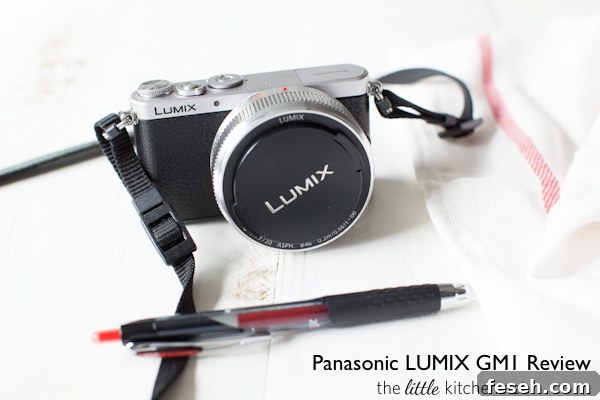
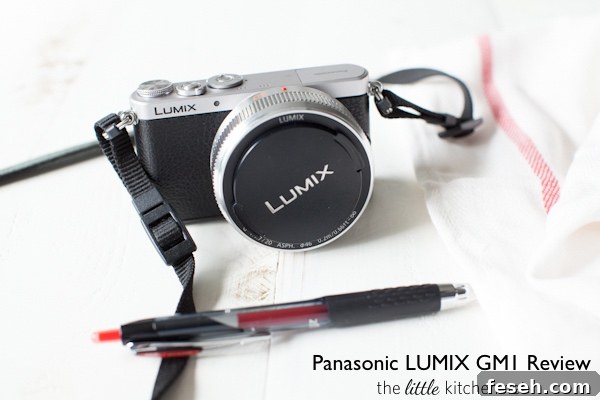
On a recent trip to Mexico I wanted a camera that was lightweight, compact enough to fit in my purse, and capable of delivering high-quality images. I had brought my large DSLR and a heavy lens but left my camera strap at home. Nervous about dropping my gear during boat rides and long walks, I ended up leaving the big camera in the hotel and used my phone instead. After that experience I started looking for a small mirrorless option that could replace my phone for travel photos without weighing me down.
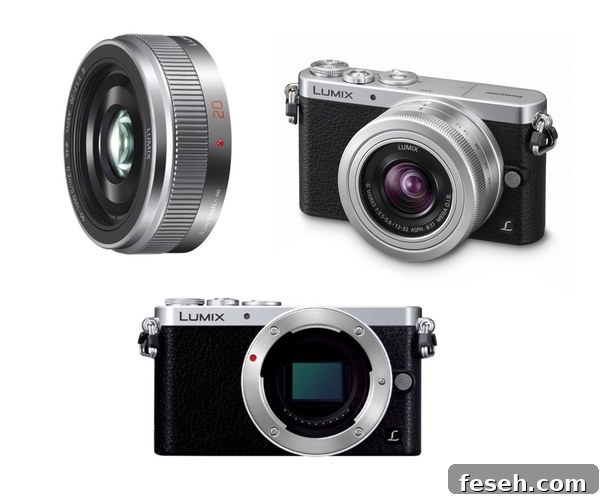
After researching several options I bought the Panasonic Lumix DMC-GM1 in silver with the 12-32mm kit lens. It’s tiny for a mirrorless camera — about half a pound for the body — and it checked the features I wanted: built-in Wi‑Fi, a smartphone app for remote control and image transfer, a responsive touchscreen with touch-to-focus and touch-shutter, compact size, and the ability to use interchangeable lenses. I also ordered the Lumix G 20mm f/1.7 lens, which reviewers recommended, and it quickly became my go-to lens.

Right out of the box I was excited to try the GM1. It handles beautifully in hand and the compact 20mm lens makes the setup feel even smaller. Night shots around the house showed good detail with low noise, and the camera’s autofocus paired with touchscreen control makes selecting a focal point quick and intuitive.

Images straight from the camera are detailed even in shadowed areas, and a little editing brings out highlights and contrast without revealing grain. In restaurants and low-light environments this camera outperforms my phone and even rivals larger cameras for usable results. The 20mm f/1.7 lens is especially strong for indoor food shots and nighttime scenes, rendering pleasing background blur and sharp subject detail.

I frequently use the GM1 when dining out because it captures low-light scenes much better than my phone. The combination of the fast 20mm lens and the camera’s noise handling produced bright, detailed images of dishes that were easy to edit on my phone using apps like Snapseed or Instaflash Pro.
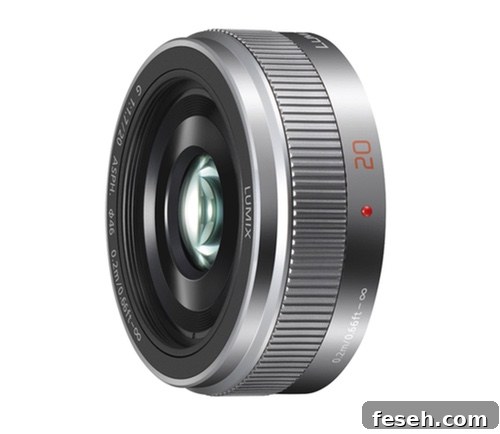
I rarely use the kit lens; the 20mm stays mounted almost all the time. It’s compact, sharp, and fast enough for handheld shooting in most everyday situations. Together with a lightweight strap worn crossbody, the GM1 becomes a truly portable travel camera that I keep in my purse.
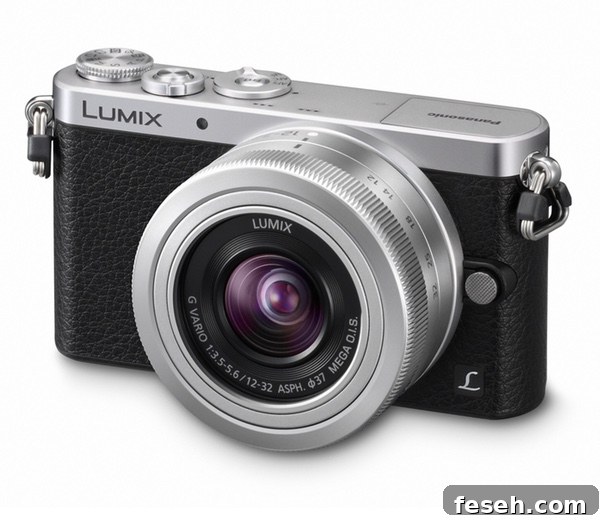
The touchscreen is fast and useful: you can tap to focus, use the touch-shutter to take a photo instantly, or control settings through the menus. Most of the sample images in this post were shot in the automatic (A) mode with touch autofocus, which makes grabbing a great shot quick and effortless while you learn manual controls.

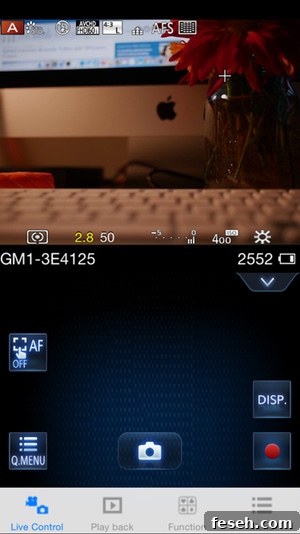
One of the standout features for me is the Panasonic Image App. The camera creates its own Wi‑Fi network so you can connect your phone, control exposure and focus remotely, and download images directly to your device for quick editing and sharing. Setting up the Wi‑Fi is straightforward and you can save the connection in favorites to make future pairing fast.

The app also makes tripod shooting convenient — I’ve used it to trigger the shutter remotely for self-portraits and group photos. The image quality is excellent for travel and social sharing, and many of the shots you see here are unedited straight from the camera, showing accurate color and good detail.
Macro and still-life shots are impressive with the 20mm lens as well; the camera captures texture and subtle tonal differences that make food and product photos pop. Whether shooting outdoors, in markets, or inside restaurants, the GM1 is versatile and consistently delivers usable files that respond well to light edits on mobile apps.

Travel photos from Asheville, Washington, Orlando, and other trips in this post were all taken with the GM1. Colors are true, autofocus is reliable, and detail remains solid at typical web and social resolutions. The camera also records video, so it’s a compact solution for both stills and casual video capture.
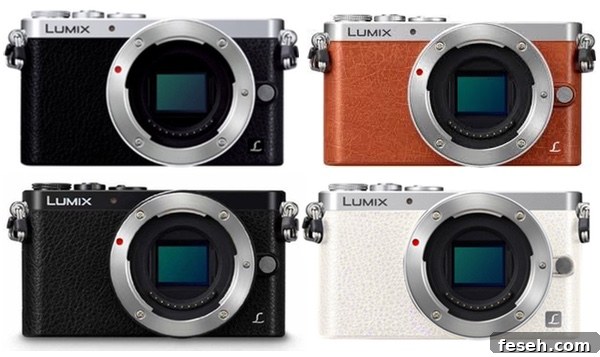
The GM1 comes in several colors and is a great option for anyone seeking a lightweight interchangeable‑lens camera with modern features. For me it replaced the need to carry a bulky DSLR on everyday outings and travel. I still plan to explore more of the camera’s manual controls, additional lenses, and video capabilities, but already it’s my go-to camera for portability and image quality.
Disclosure: I purchased this camera and lenses in June and am sharing my impressions. Some images in this post were edited with mobile apps to illustrate how well files respond to light adjustments.