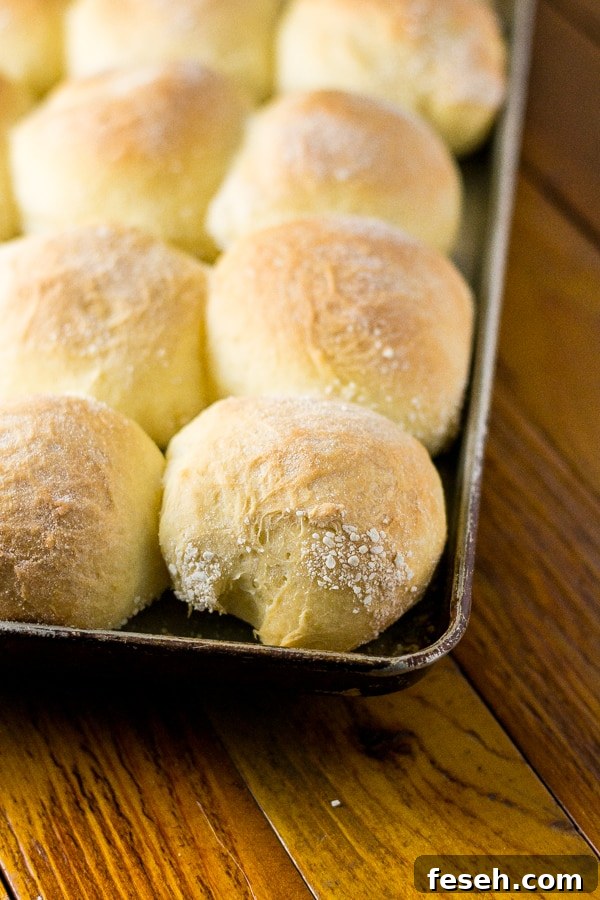
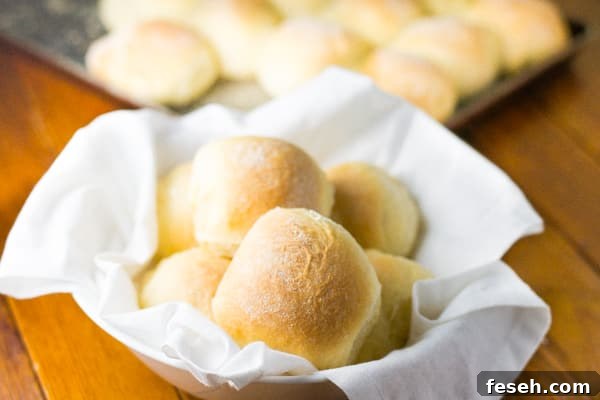
 Pandesal is a beloved Filipino bread roll that works equally well for breakfast, brunch or as a satisfying snack. These small, soft rolls have a slightly sweet flavor and a tender crumb, often rolled in breadcrumbs to form a lightly crisp exterior. In many Filipino households pandesal is enjoyed warm with butter or cheese, used to sandwich ham or corned beef, or simply eaten on its own. The recipe below shows a classic, hands-on method that does not require a bread machine and yields 24 soft, golden rolls.
INGREDIENTS
These pandesal rolls are made from straightforward pantry ingredients. Using quality items—fresh yeast when possible, real butter and good all-purpose flour—will improve texture and flavor.
- All-purpose flour – the main building block of the dough
- Sugar – provides a mild sweetness and helps feed the yeast
- Active dry yeast – for leavening and lightness
- Unsalted butter – contributes to a soft, tender crumb
- Milk and eggs – enrich the dough and keep the rolls soft
- Salt – balances flavor
- Breadcrumbs – for coating the outside and adding a slightly crisp finish
HOW TO MAKE PANDESAL
This method explains the entire process, from proofing the yeast to baking the rolls to a warm, golden finish. It is written for home bakers and includes simple tips for consistency and success.
1. Proof the yeast: Dissolve the active dry yeast in 1/4 cup warm water (about 100–110°F / 38–43°C). Let it sit for about 10 minutes until bubbly. If the mixture does not become foamy, the yeast may be inactive and should be replaced.
2. Prepare the wet mixture: In a separate bowl combine 1 cup lukewarm milk, 2 tablespoons room-temperature unsalted butter, 2 beaten eggs, 1/2 cup sugar and 1 teaspoon salt. Mix until the sugar begins to dissolve and the butter is evenly dispersed.
3. Combine and mix: Pour the milk and egg mixture into the yeast mixture. Add about 2 cups of the all-purpose flour and stir with a wooden spoon or a mixer fitted with a dough hook until smooth. Gradually incorporate the remaining flour (total about 4 1/2 cups or more as needed) until a soft dough forms.
4. Knead: Turn the dough onto a lightly floured surface and knead for approximately 8–12 minutes. The dough should become smooth, elastic and only slightly tacky; add a little more flour if it is too sticky. Proper kneading develops gluten and creates the chewy, tender texture characteristic of good pandesal.
5. First rise: Lightly grease a large bowl, place the dough inside, and cover with plastic wrap or a clean cloth. Let it rise in a warm, draft-free spot for about 1 hour or until doubled in size.
6. Shape and coat: Gently deflate the dough and transfer it to a lightly floured surface. Divide the dough into 24 equal pieces. Shape each piece into a smooth ball, then roll each ball in breadcrumbs so the outer layer is coated evenly. Arrange the coated rolls on a baking pan lined with parchment paper, leaving a little space between each roll for expansion.
7. Second rise: Cover the baking pan with a clean cloth and let the rolls rise again for at least 45 minutes to 1 hour, or until they have nearly doubled in size. This second proofing produces a light, airy interior.
8. Bake: Preheat the oven. A common approach is to start at a lower temperature to allow even rise, then increase heat to finish and brown the crust. Bake the rolls in a 225°F (about 110°C) oven for 20 minutes, then increase the temperature to 325°F (about 160°C) and bake an additional 10–15 minutes until the tops are golden brown. Oven temperatures and times vary; bake until the rolls are cooked through and a thermometer inserted into the center registers a safe internal temperature for enriched bread, or the bottoms sound hollow when tapped.
9. Cool and serve: Remove the rolls from the oven and transfer them to a wire rack. Let them cool slightly before serving. Pandesal is best enjoyed warm. Store leftovers in an airtight container for a day or freeze for longer storage; reheat briefly before serving to restore softness.
Pandesal
Soft, slightly sweet Filipino rolls rolled in breadcrumbs. Makes 24 rolls that are ideal for breakfast, snacks or small sandwiches.
Ingredients
- 2 1/4 teaspoons active dry yeast
- 1/4 cup warm water
- 1 cup lukewarm milk
- 2 tablespoons unsalted butter, room temperature
- 1/2 cup sugar
- 1 teaspoon salt
- 2 eggs, beaten
- 4 1/2 cups all-purpose flour, or more as necessary
- Breadcrumbs for coating
Instructions
- Dissolve the yeast in the warm water and let it stand for 10 minutes until bubbly.
- Mix the milk, butter, eggs, sugar and salt in a separate bowl until combined.
- Add about 2 cups of flour to the wet mixture and stir until smooth. Gradually add the remaining flour until a soft dough forms.
- Knead the dough on a lightly floured surface for 8–12 minutes until smooth and elastic.
- Place the dough in a lightly greased bowl, cover, and let rise for about 1 hour or until doubled.
- Divide the dough into 24 pieces, shape into balls, roll each in breadcrumbs, and place on a lined baking pan.
- Cover and let rise for 45 minutes to 1 hour until almost doubled in size.
- Bake starting at a low temperature then increasing to finish, until the rolls are golden brown and cooked through. Cool briefly on a rack and serve warm.
Video
A video demonstrating the technique can be helpful for first-time bakers. Look for reputable recipe videos or baking channels that show dough handling, shaping and proofing steps, which supplement these written instructions.
Nutrition (per roll, approx.)
Calories: 121 kcal • Carbohydrates: 22.7 g • Protein: 3.4 g • Fat: 1.8 g • Saturated Fat: 0.9 g • Cholesterol: 17 mg • Sodium: 114 mg • Fiber: 0.7 g • Sugar: 4.7 g
Keyword
bread, filipino
Tried this recipe?
Share your experience and any tips that worked for you.