Podcast: Play in new window | Download (Duration: 40:22 — 56.2MB)
Subscribe or Follow Apple Podcasts | Spotify | Amazon Music | RSS | More
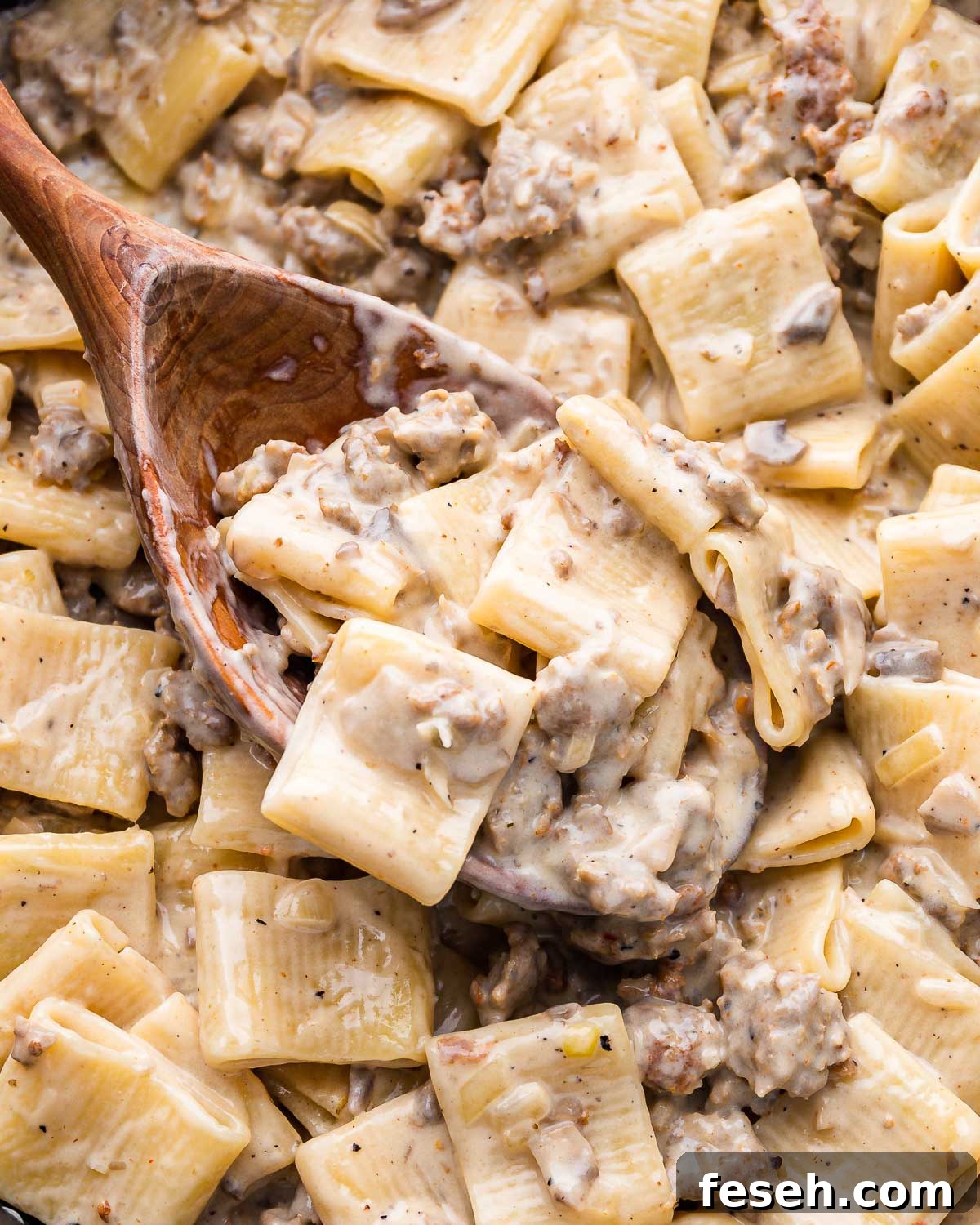
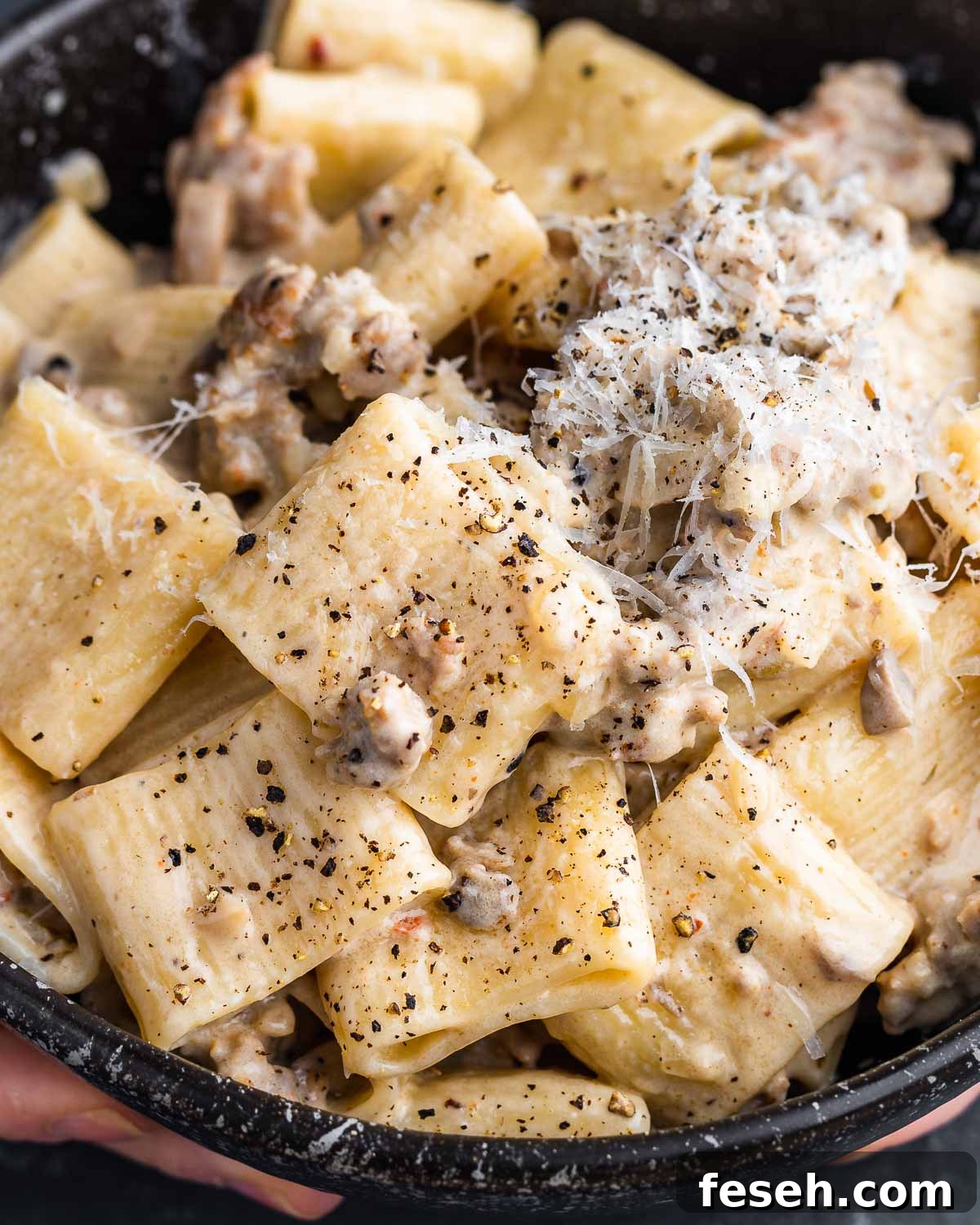
In late 2021 I discovered a lesser-known Italian classic: Pasta alla Norcina. Because this dish differs from the familiar tomato-based plates common across the New York metro area, I decided to make a video and share a practical recipe so home cooks could try it. Bringing an authentic Norcia taste to an American kitchen required a few creative adjustments.
Watch on YouTube
Pasta alla Norcina originates from Norcia, a town in southeastern Umbria, the central Italian region bordered by Lazio, Tuscany, Marche, and Abruzzo. Norcia is traditionally known for pork products, and the local sausage—salsiccia di Norcia—is central to the dish.
Salsiccia di Norcia is made from pork, garlic, white wine, and a subtle hint of nutmeg. Unlike the fennel-forward or spicy Italian-style sausages commonly sold in the U.S., this sausage has its own distinctive flavor. When in season, local black truffles complement the dish, but truffles are expensive and seasonal, so they are often omitted outside Italy.
Because the exact ingredients are rare and difficult to source for everyday cooks, I adapted the recipe so you can recreate the spirit of pasta alla Norcina with ingredients that are easier to find in the U.S. In this episode we explore why the dish is relatively unknown here, outline the challenges of sourcing traditional ingredients, and offer practical solutions for home cooks aiming for authenticity without the impracticalities.
Resource Links
- Pasta Bolognese Recipe
- Pasta alla Norcina Recipe
- Chicken Marsala Recipe
If you enjoyed the episode “Pasta alla Norcina – Balancing Authenticity with Practicality,” please leave a comment and tell us what you tried. We welcome questions at [email protected] (remove any stray digits when emailing). If you like the podcast, support us on Patreon to receive bonus episodes each month.
Thanks for listening! For a full list of episodes, visit our podcast episode page.
Transcript
Intro
James: Welcome back to the Sip and Feast podcast. Today we’re talking about a pasta that many Americans haven’t encountered—Pasta alla Norcina. It’s an Umbrian specialty that didn’t travel widely with early immigrant waves, so it’s less familiar here.
Tara: We call it underrated because it isn’t widely known in the U.S., not because it’s inferior. People just haven’t been exposed to it much.
Pasta Norcina background
Tara: Norcia sits in southeastern Umbria, north of Rome and south of Tuscany. The town is celebrated for pork and, specifically, for salsiccia di Norcia—the sausage used in pasta alla Norcina. That sausage features garlic, white wine, and nutmeg rather than the fennel or chili notes many Americans expect from Italian-style sausage.
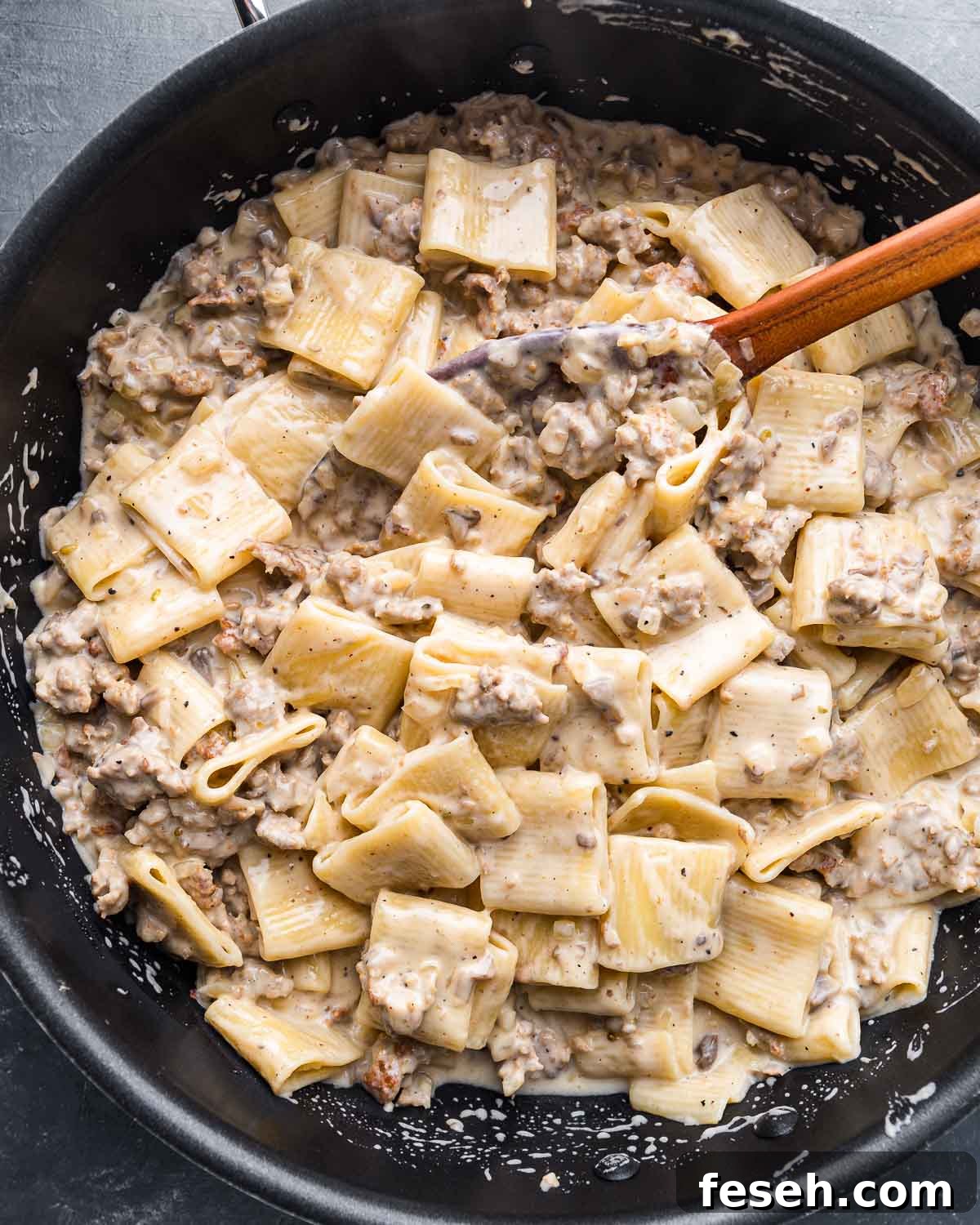
James: In our area—Long Island and the greater New York corridor—there are thousands of Italian restaurants, but Norcina rarely appeared on menus. That’s partly why I chose this dish for a video: it’s obscure here but delicious and perfect for cooler months.
Tara: The dish’s creaminess, the sausage, and the hint of nutmeg make it especially welcoming in fall—rich, hearty, and indulgent without being heavy in the wrong way.
Challenges to making the authentic version
Tara: The main hurdles for recreating an authentic version are the specific sausage, the use of truffles, and the choice between cream and ricotta. The Umbria Tourist Board’s recipe notes panna da cucina (a lower-fat, stabilized cooking cream) or, in older versions, sheep’s milk ricotta. Both present sourcing challenges here.
James: Panna da cucina has stabilizers and a lower fat percentage than American heavy cream, so it behaves differently in sauces. Sheep’s milk ricotta provides a tang that typical cow’s-milk ricotta in the U.S. won’t replicate. If you can’t get salsiccia di Norcia, you can make an approximation: use coarsely ground pork shoulder, season with garlic, white wine, and nutmeg, mix well to develop the sausage texture, and either use plain bulk sausage without fennel or adapt a purchased sausage by adding wine and nutmeg.
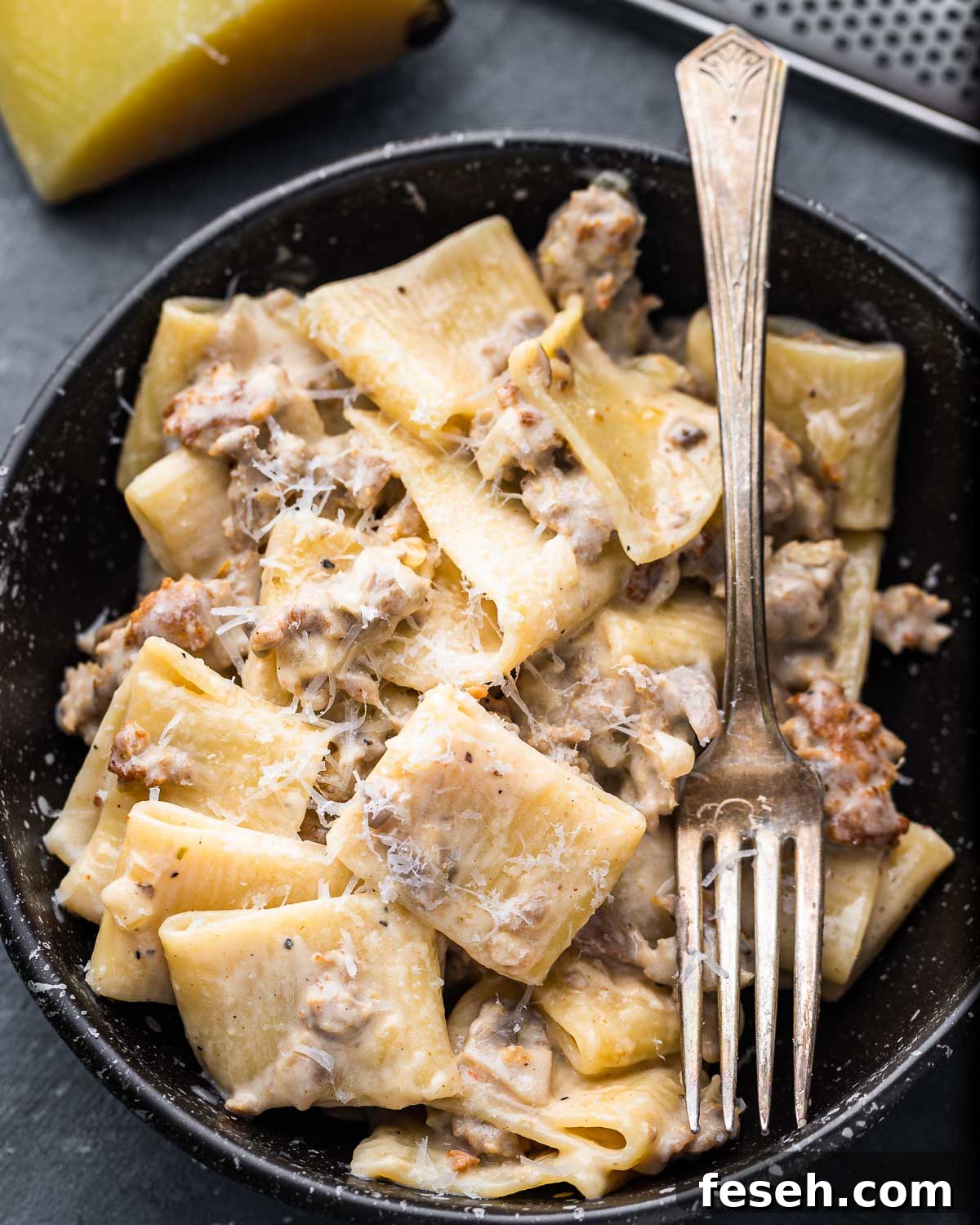
Tara: If you want a quick weeknight version, you don’t need the exact sausage. Using a fennel sausage or another good-quality sausage will still produce a delicious result. Make substitutions confidently—many regional Italian dishes evolved by necessity when immigrants adapted to new ingredients.
Black truffles
Tara: Truffles are traditional but optional. They’re seasonal, hard to find, and costly. In Italy they’ll often simply omit truffles when they’re unavailable rather than substitute. If you want truffle character without the expense, mushrooms can add an earthy, fungal note that plays well in the dish. Many truffle oils are synthetic and can taste off, so fresh truffles are ideal when accessible, otherwise omit or use mushrooms.
Italian cream vs American cream
James: Panna da cucina is formulated to stay emulsified in sauces; it’s usually around 20% fat but thickened with stabilizers. American heavy cream (about 36% fat) behaves differently. You can use heavy cream reliably because it won’t break, but the texture and mouthfeel will differ. Ricotta can be used for a more traditional, older-style version, but American cow’s milk ricotta may be grainy and won’t replicate the sheep’s-milk tang of the original.
Dry white wines
Tara: You recommend dry white wines for cooking. Which ones?
James: Sauvignon Blanc and Pinot Grigio are solid, affordable choices for cooking—grab a $10 bottle. Wine adds aromatic compounds that enrich the sauce beyond the alcohol. Use what you enjoy drinking and what fits your budget.
Pasta shapes and Jim’s background
James: Traditionally, pasta alla Norcina uses short tubular shapes—penne, ziti, rigatoni, or mezzi rigatoni. In our video we used paccheri for a substantial, pleasing bite. The shape helps the sauce cling and delivers the right texture with the sausage and creamy sauce.
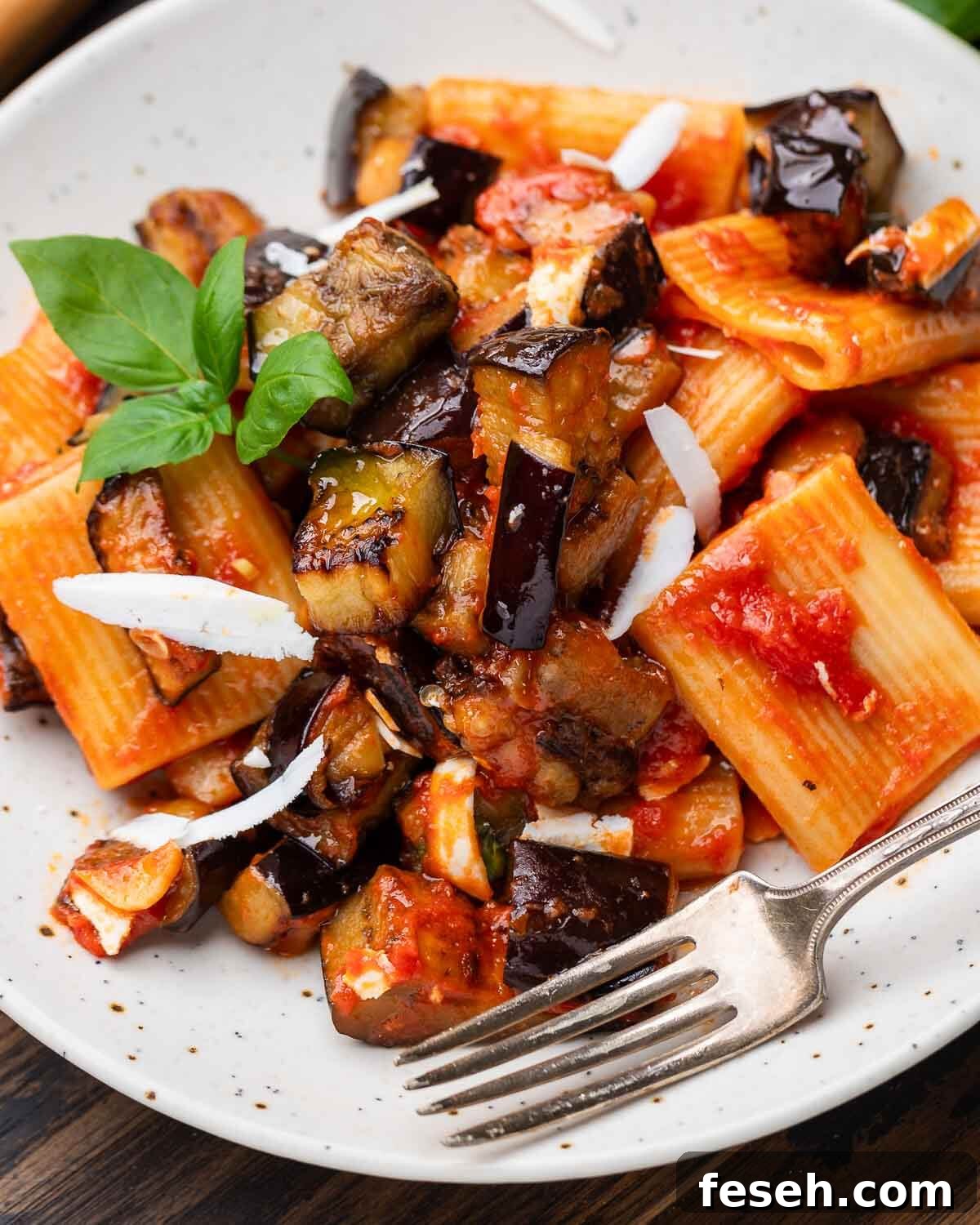
Pic above: Pasta alla Norma made with mezzi paccheri pasta.
Question 1 – How faithful does a recipe need to be?
James: We often get questions about authenticity. With dishes like Norcina, true replication can be impractical outside Italy. If you must deviate, label the result as inspired by the original. Many classics evolved through adaptation—carbonara, for example, is frequently debated but has many acceptable variations depending on available ingredients.
Question 2 – Chicken Marsala
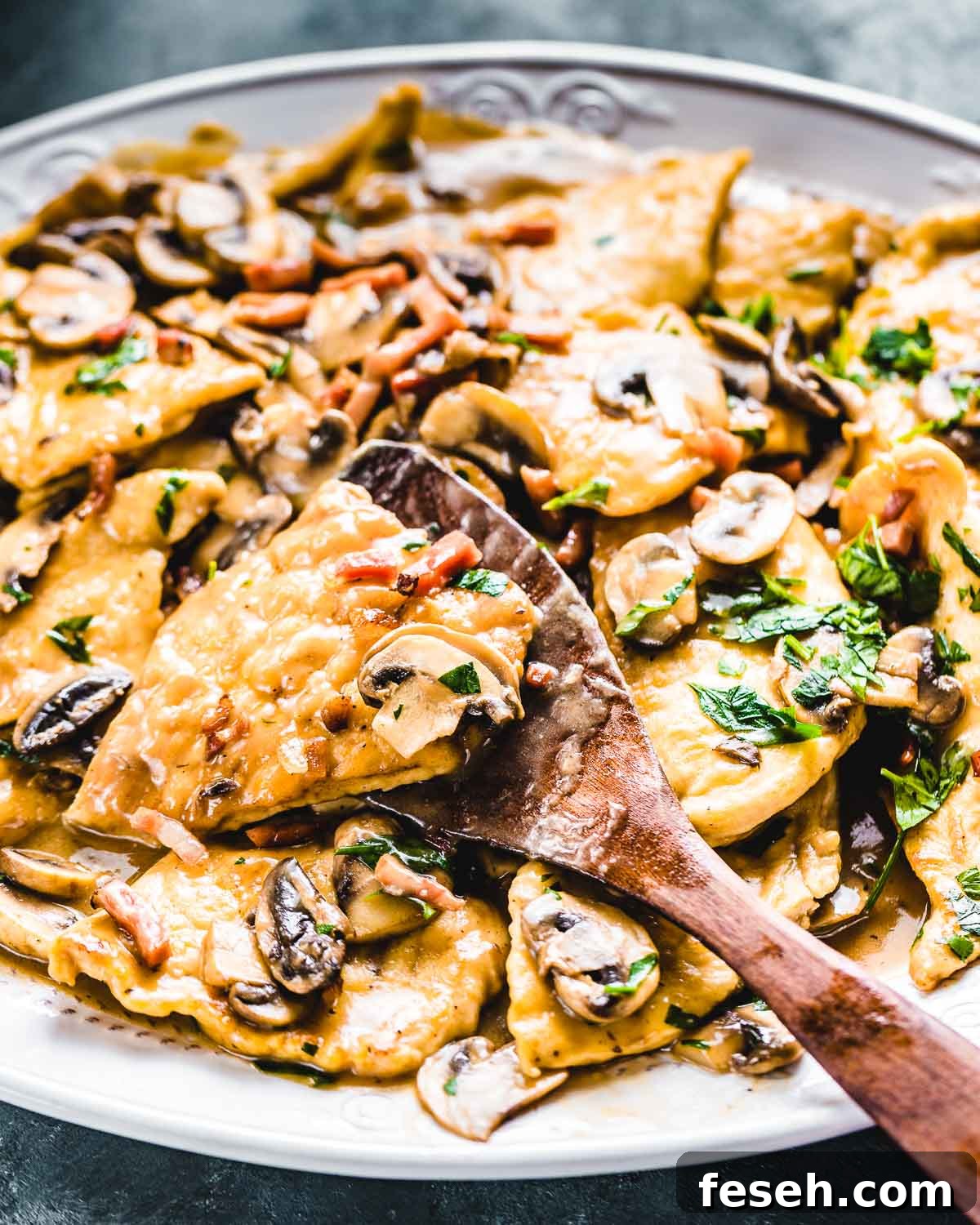
Tara: Steve asks whether Chicken Marsala traditionally includes heavy cream and whether to use sweet or dry Marsala.
James: Traditional Chicken Marsala does not include heavy cream and typically uses dry Marsala. A touch of cream is fine if you prefer a richer, slightly thicker sauce, but the classic approach calls for dry Marsala and a pan sauce without cream.
Thanks for joining us. Send questions to [email protected] and try making pasta alla Norcina for a cozy, flavorful meal this season.