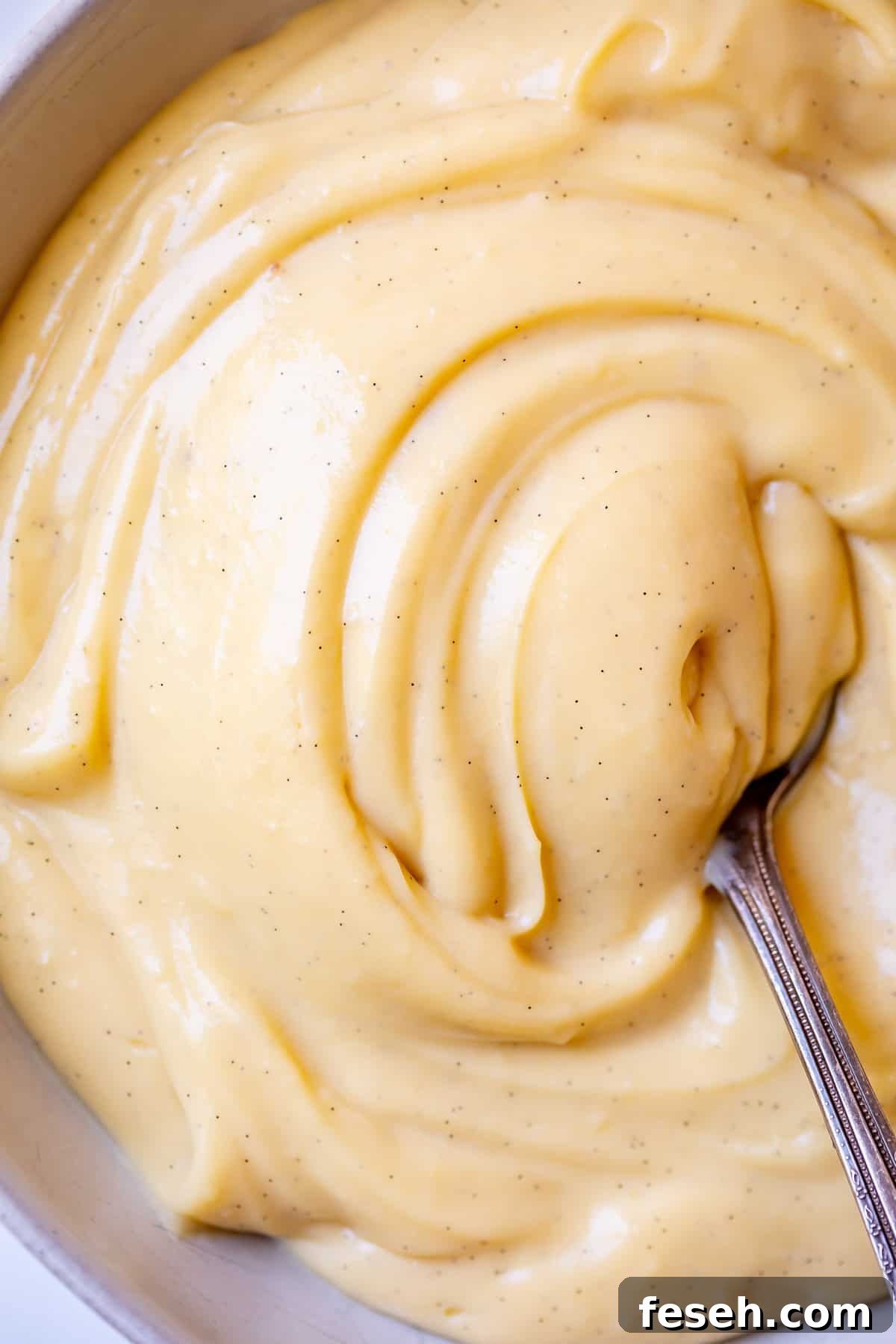
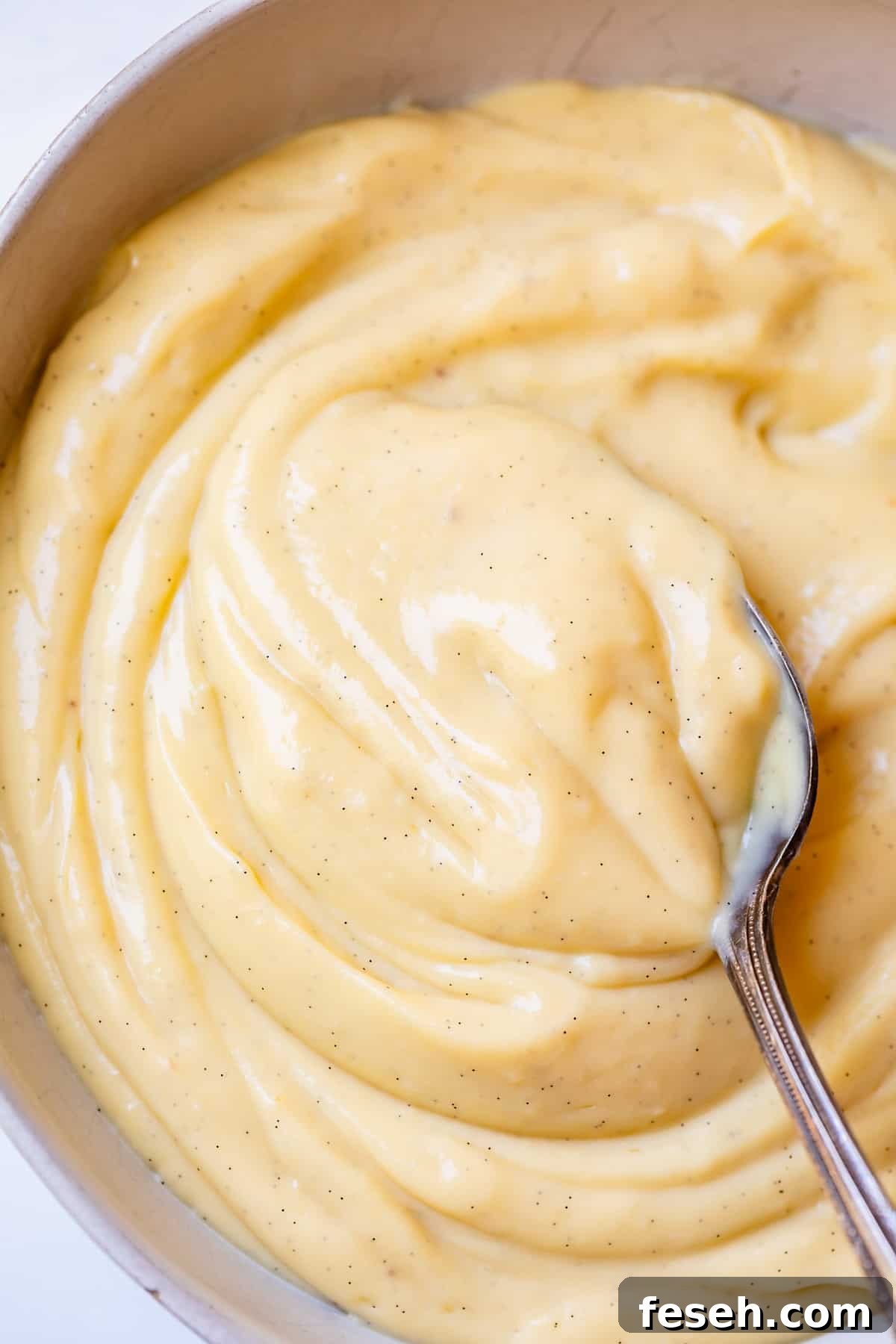
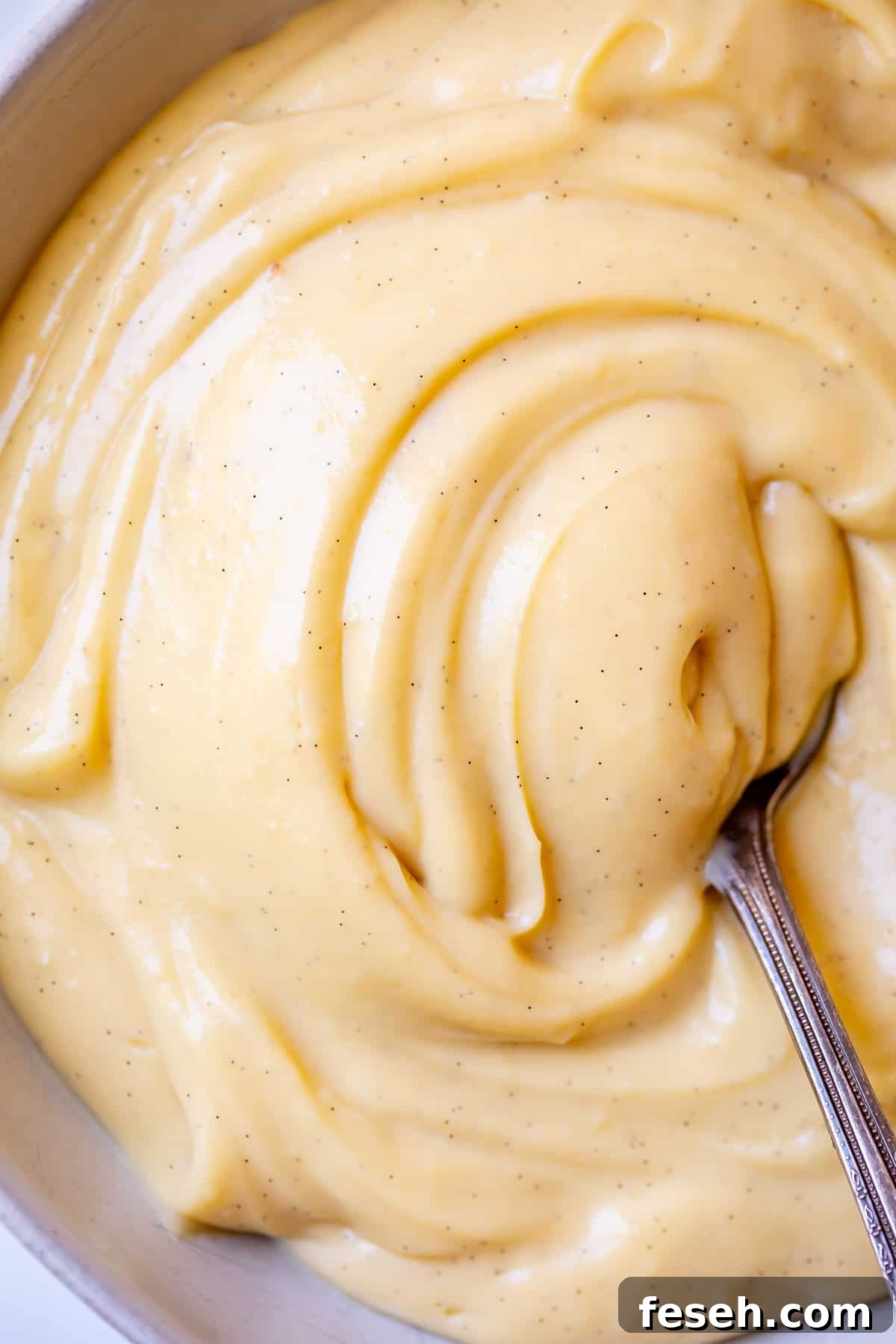
Pastry cream is a rich, pudding-like custard you’ll wish you knew about sooner. Also called crème pâtissière, this French staple appears in eclairs, tarts, and filled donuts. It’s similar to vanilla pudding but thicker—ideal for piping and holding its shape. Made in about 10 minutes using pantry basics (egg yolks, milk, cornstarch), it’s a versatile filling for cakes, pastries, and more. Originally published September 28, 2023.
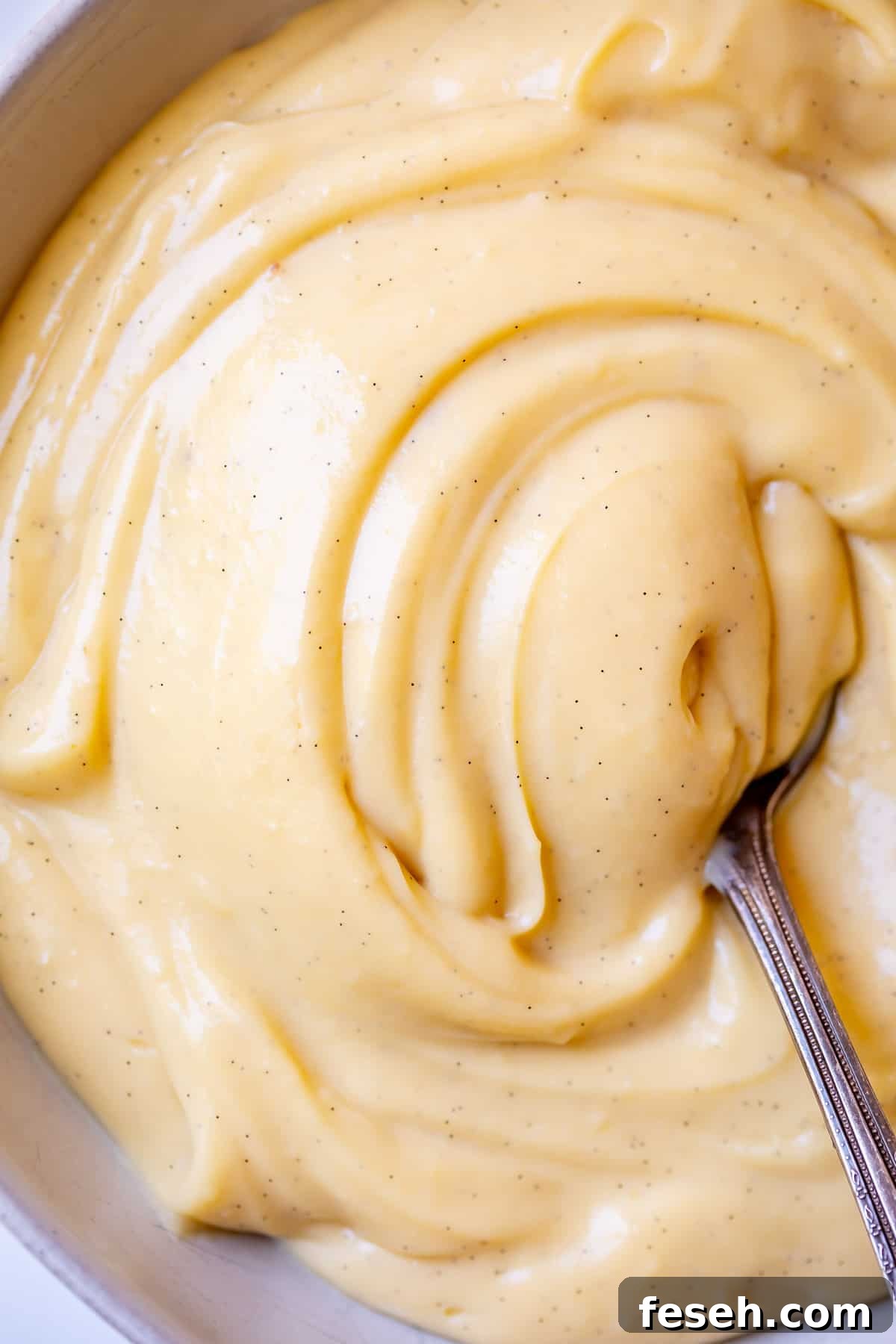
Table of Contents
- The only pastry cream recipe you need
- What is pastry cream (crème pâtissière)?
- Pastry cream ingredients
- How to make Pastry Cream
- How to use pastry cream filling
- Leftover pastry cream ideas
- How to store pastry cream
- Frequently Asked Questions
- More recipes to try
- Pastry Cream Recipe
Last night, as we gathered for family prayer, my three-year-old Edison ran to his room and reappeared moments later eating a mystery snack. After a quick closet inspection I found a huge Costco bag of stale popcorn and a small collection of pilfered items—proof that toddlers are resourceful and mischievous. Parenting surprises never end, and those little moments make life entertaining (and exhausting).
That aside, pastry cream is one of those kitchen shortcuts that feels fancy but is very approachable. Keep reading for a straightforward method that avoids complicated tempering and still yields a silky, stable custard.
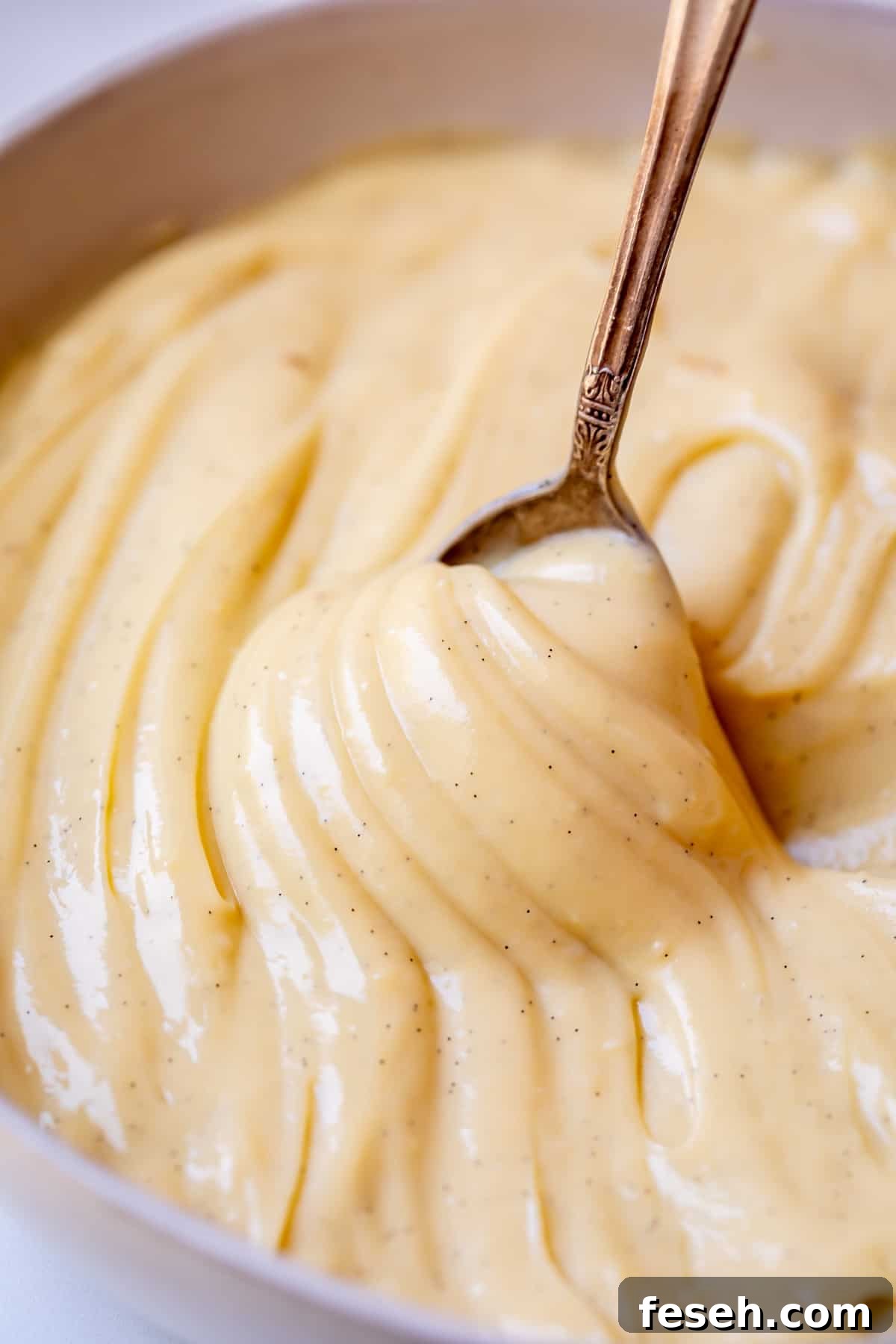
The only pastry cream recipe you need
This version is simple, reliable, and less fussy than the traditional method. Instead of tempering the eggs by slowly whisking hot milk into yolks, this recipe uses a hand mixer: beat egg yolks with dry ingredients and a portion of the milk, then add hot milk while mixing to avoid curdling. The result is a smooth, emulsified base that cooks up quickly on the stovetop.
I also like a touch of brown sugar for a subtle caramel note—optional, but it adds depth. If you prefer a more classic profile, plain granulated sugar works fine.
What is pastry cream (crème pâtissière)?
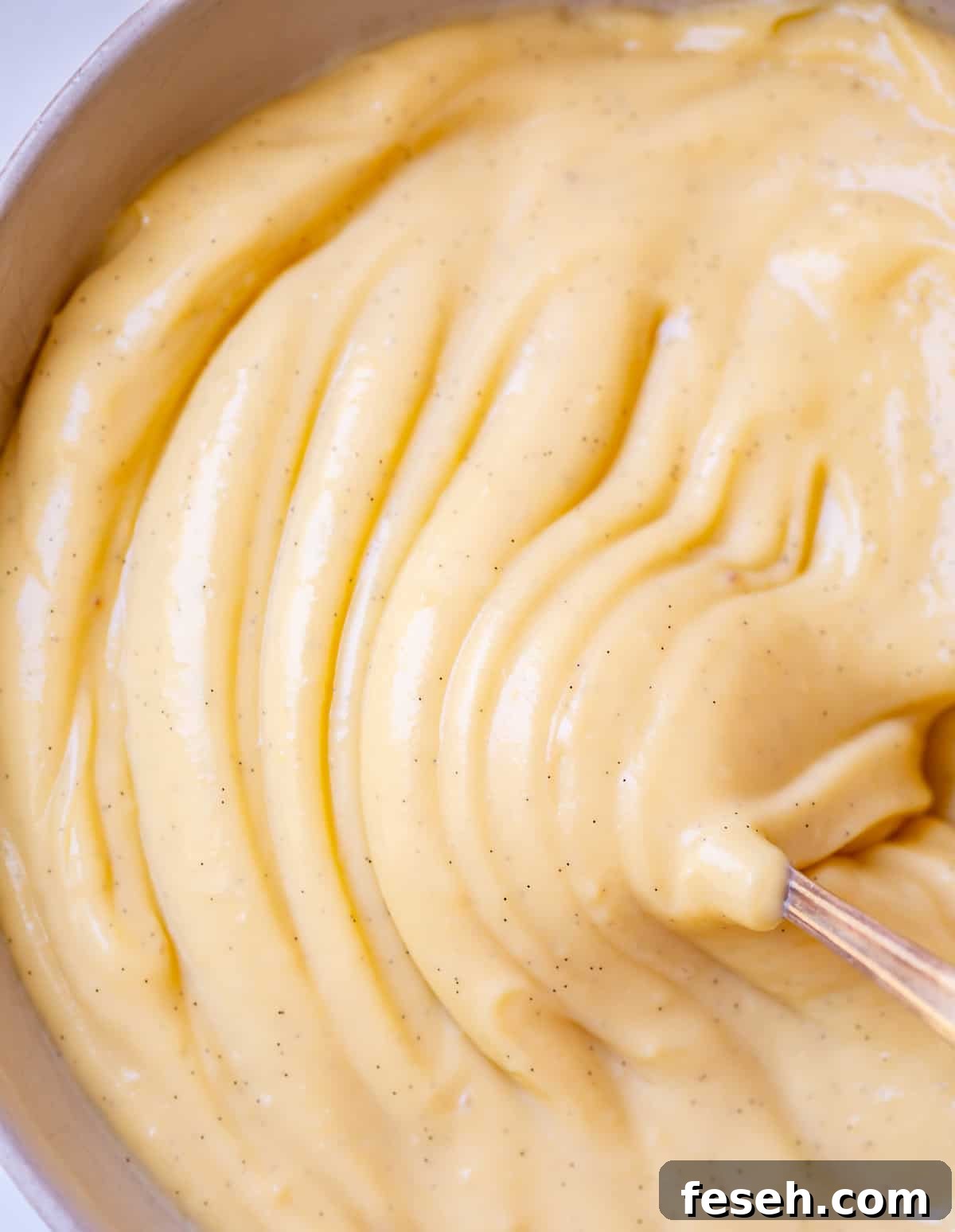
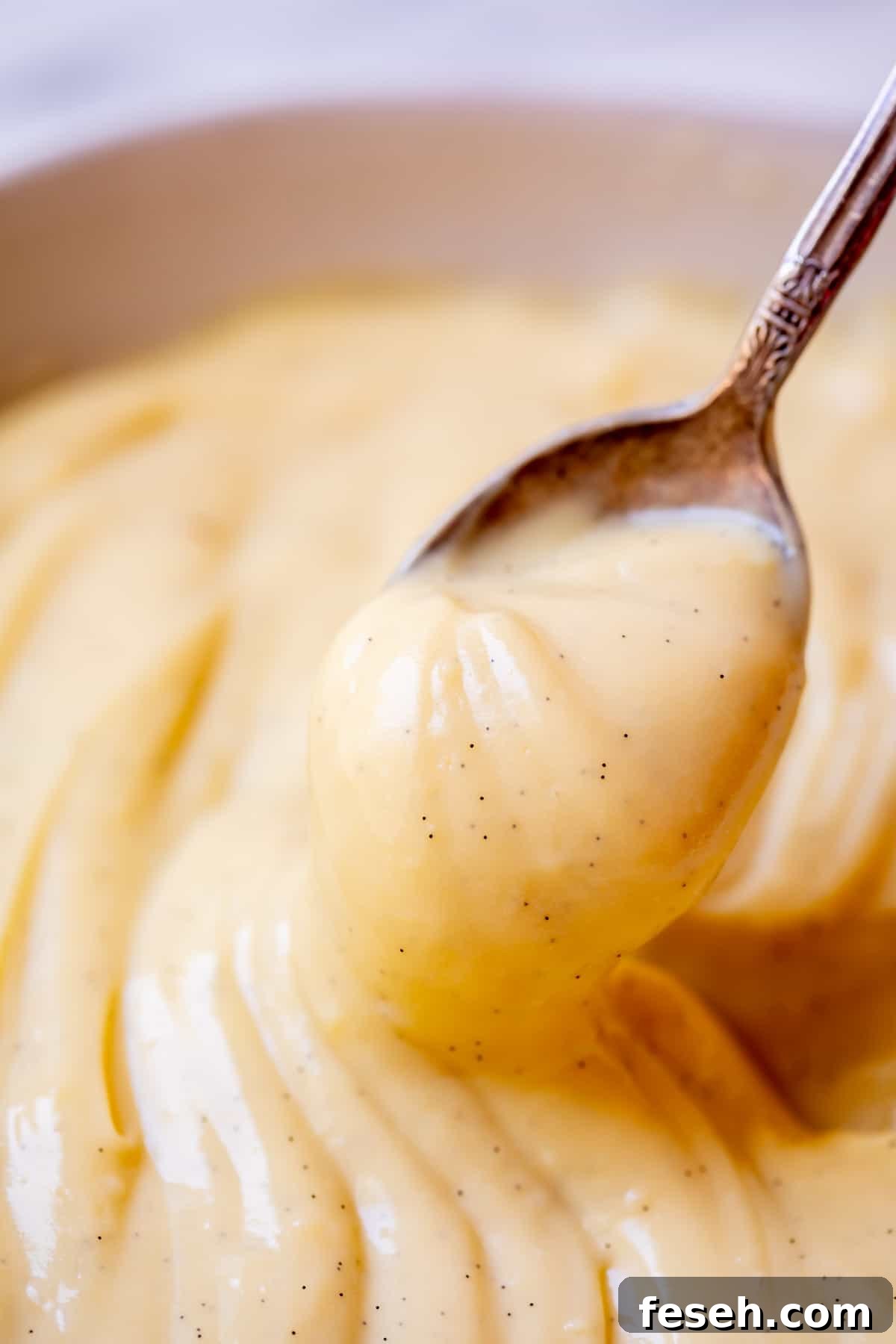
Pastry cream, or crème pâtissière, is a thick custard used to fill pastries, donuts, and tarts. It’s like vanilla pudding but firmer, because cornstarch (or another starch) is added to stabilize and thicken the mixture. That extra stiffness makes it perfect for piping and prevents fillings from making pastries soggy.
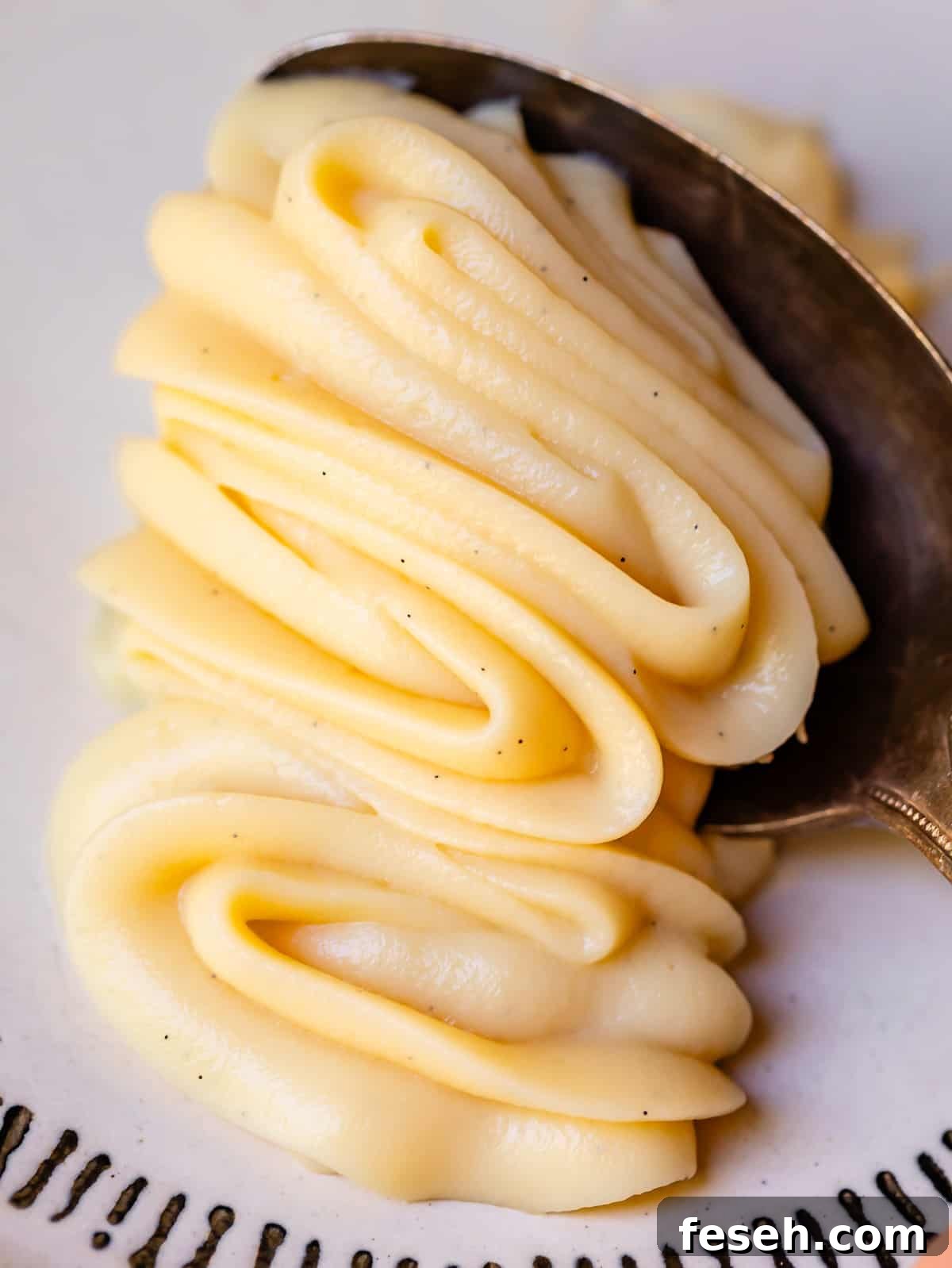
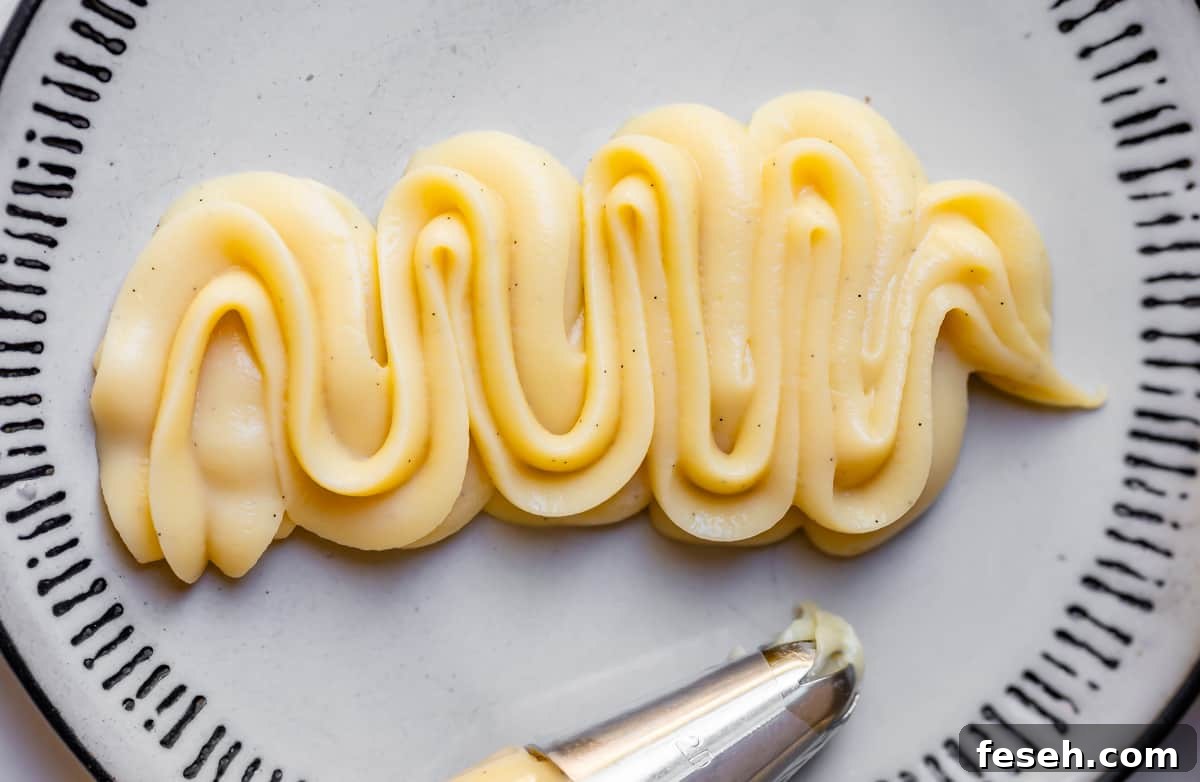
- It holds its shape when piped, so it won’t ooze out of filled pastries.
- It’s thick enough to avoid sogginess in flaky pastries while still tasting creamy and rich.
Pastry cream ingredients
Most of these ingredients are pantry staples. Use a vanilla bean if you want the best flavor and little black flecks; vanilla extract works well too.
- Egg yolks
- Granulated sugar
- Brown sugar (optional)
- Kosher salt
- Cornstarch
- Whole milk
- Butter
- Vanilla bean or vanilla extract
How to make Pastry Cream
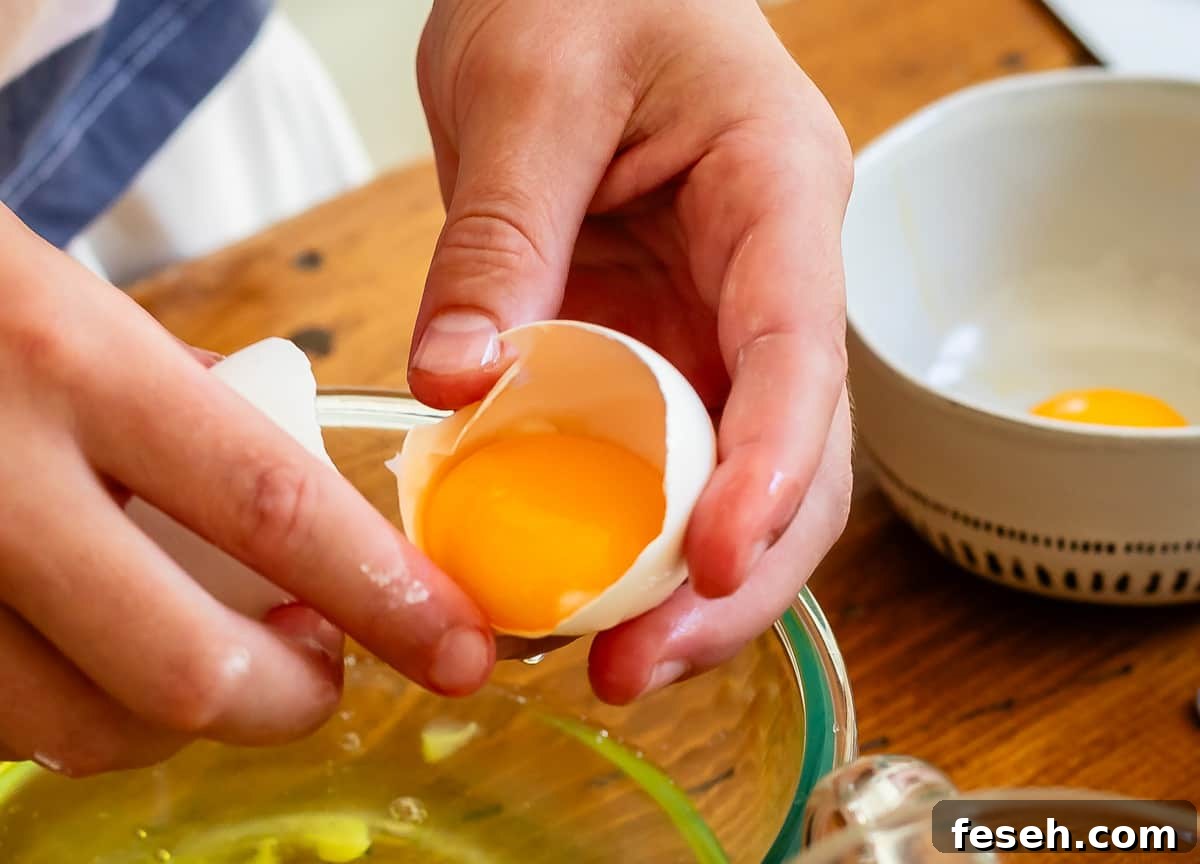
Start by separating the eggs—yolks give the custard its richness and smooth texture.
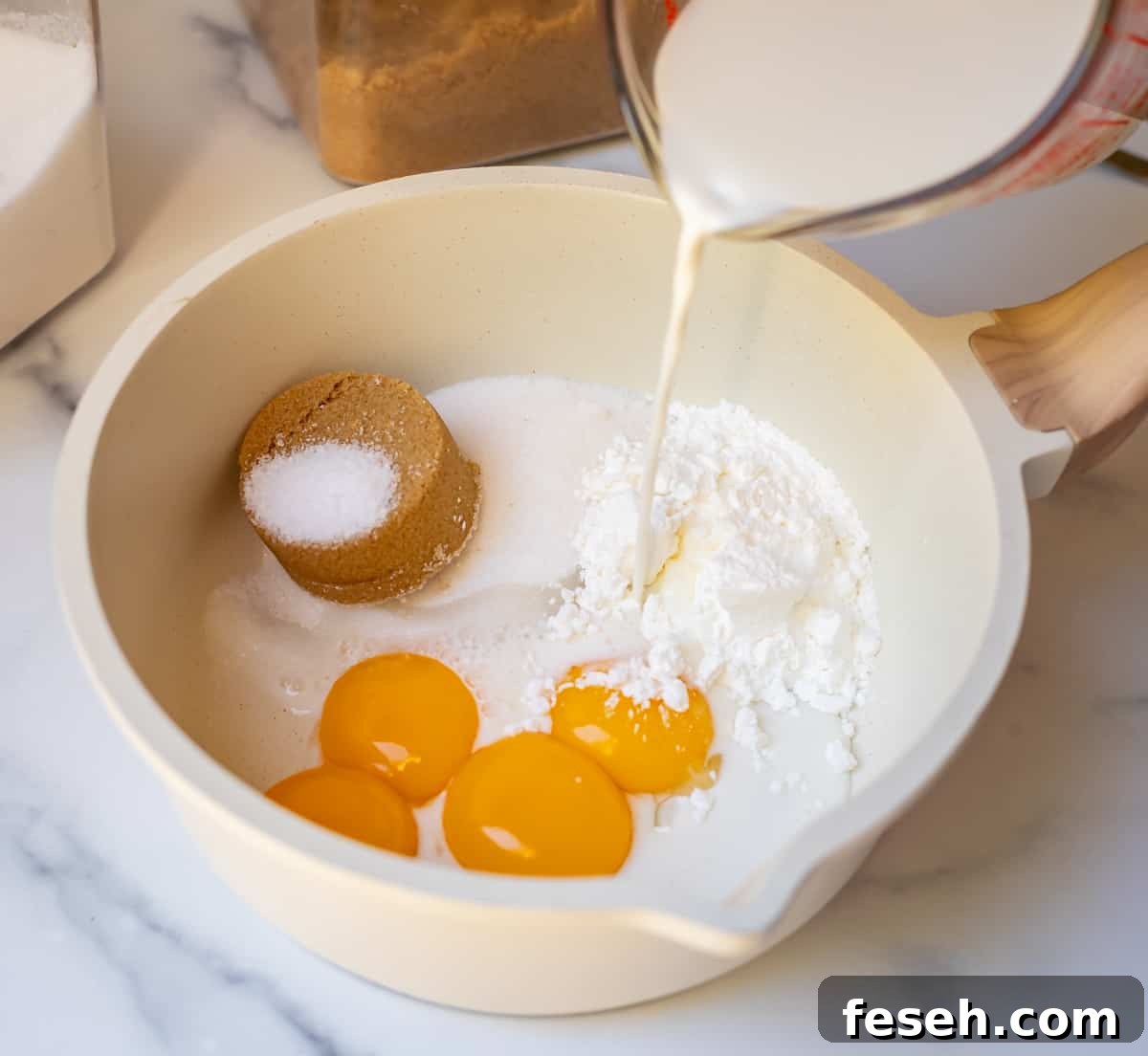
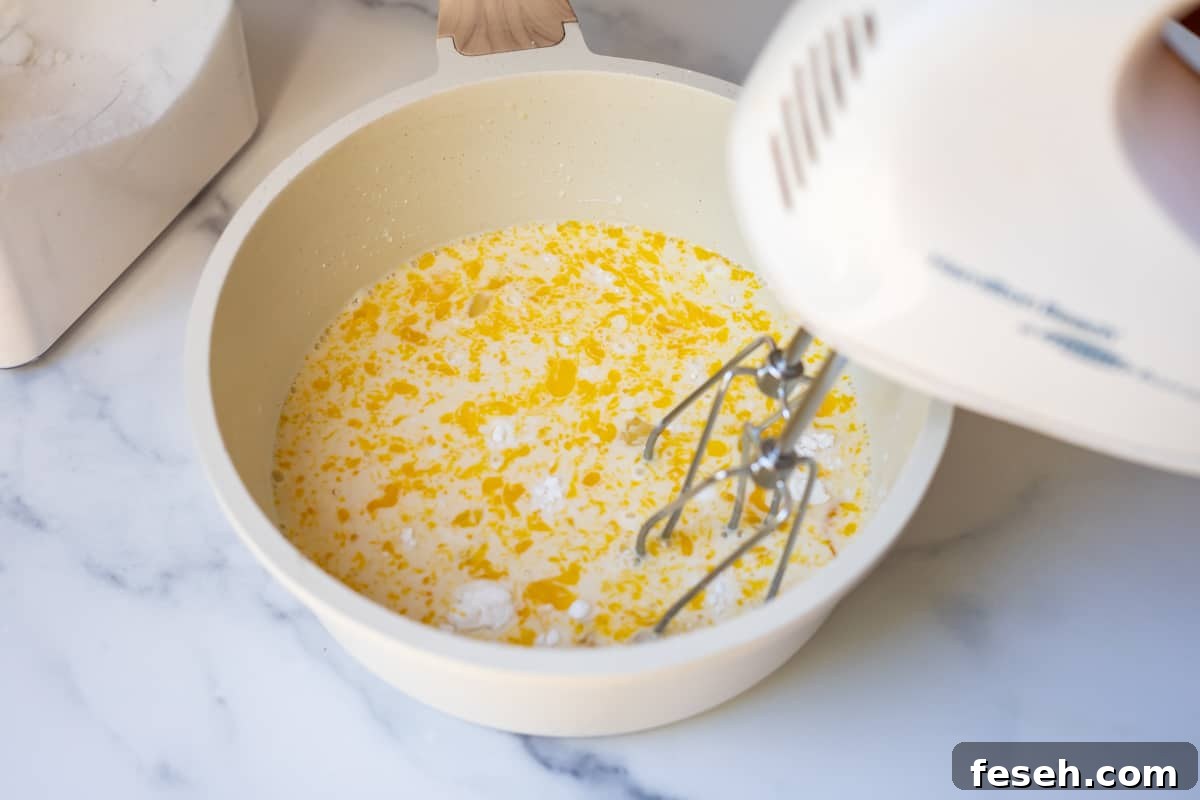
1. In a medium saucepan (off the heat), combine the egg yolks, sugars, salt, and cornstarch. Add half the milk and beat with a hand mixer on high until completely smooth and frothy.
2. Heat the remaining milk with the scraped seeds from a vanilla bean (or leave the vanilla out and add extract later) until it begins to bubble. Working quickly with the hand mixer on medium, pour the hot milk into the egg mixture to temper and emulsify the eggs without curdling.
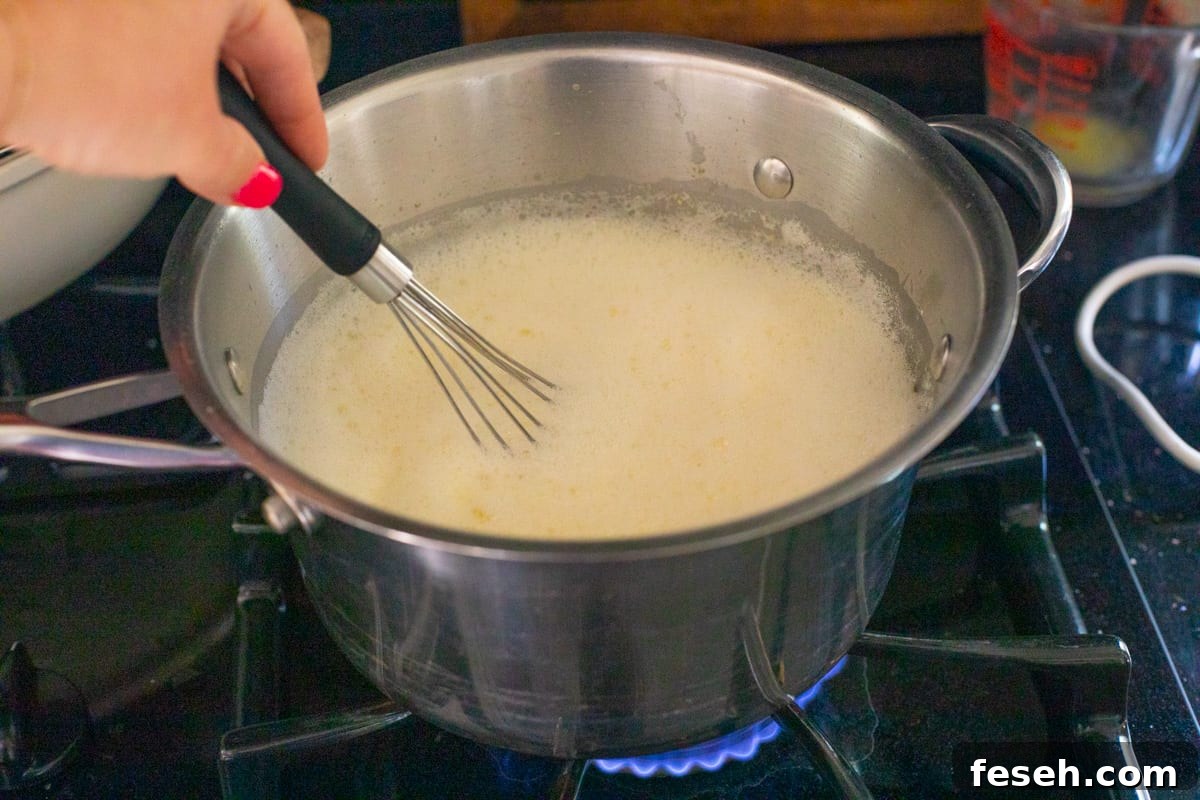
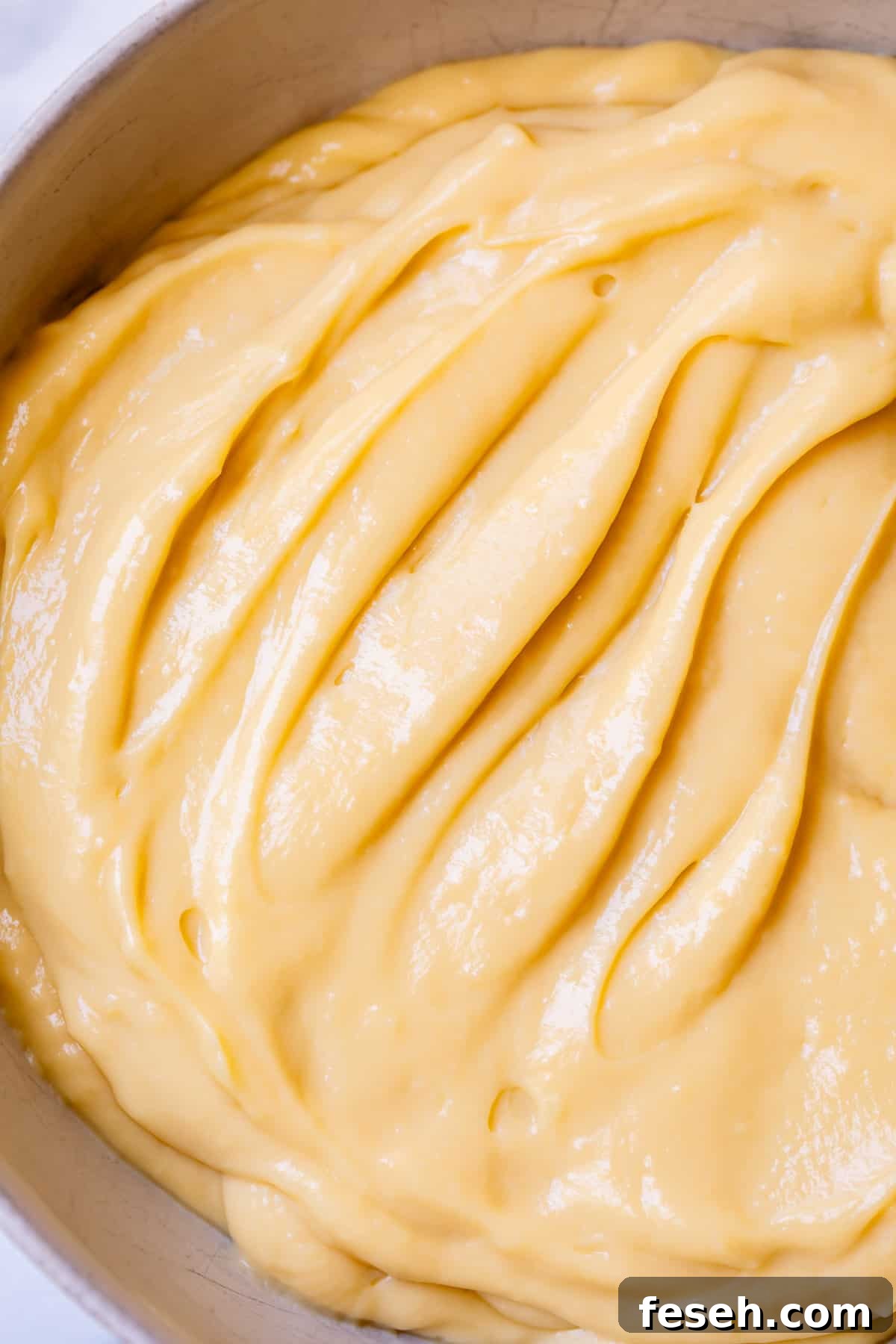
3. Transfer the pan to medium heat and cook, stirring constantly with a whisk (a flat whisk is ideal for scraping the pot corners), until the mixture thickens and comes to a gentle boil—about 2–5 minutes. It’s ready when a whisk leaves clear trails across the surface; an internal temperature of about 200°F (93°C) gives a very stable custard.
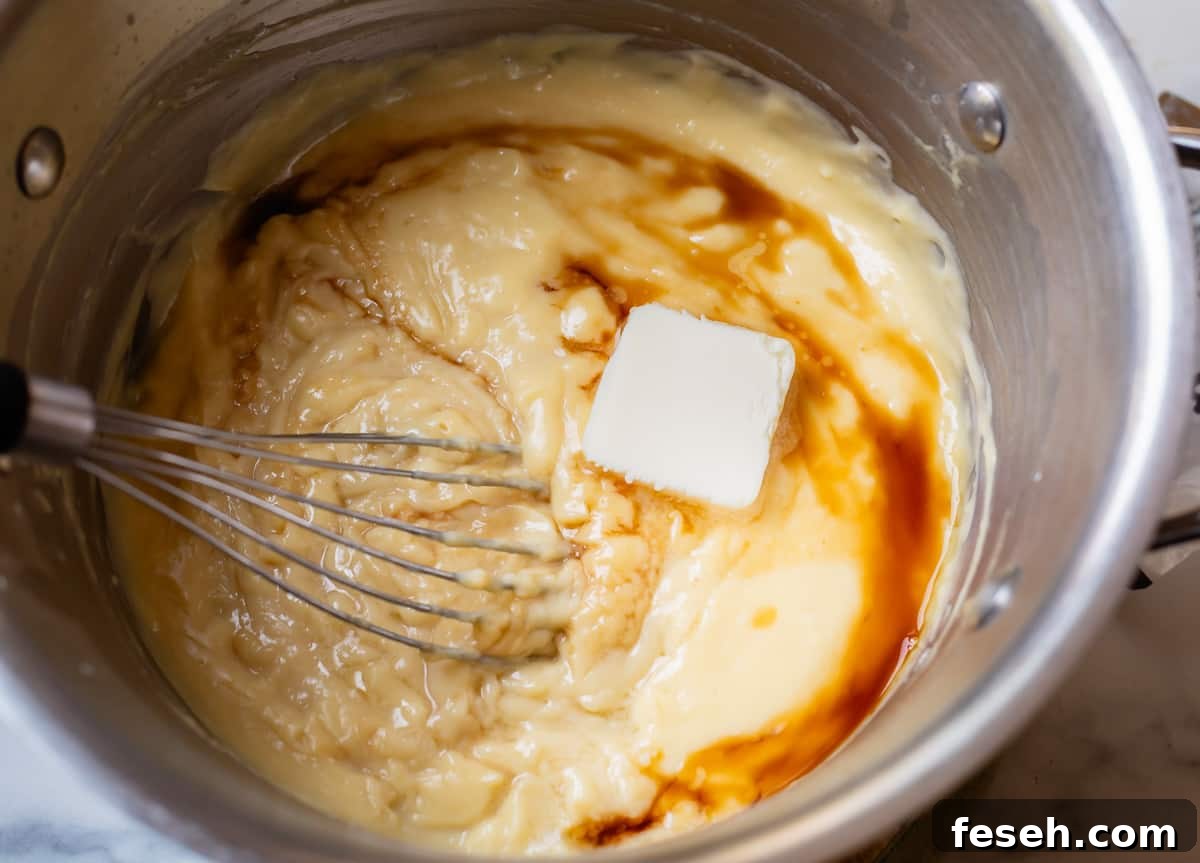
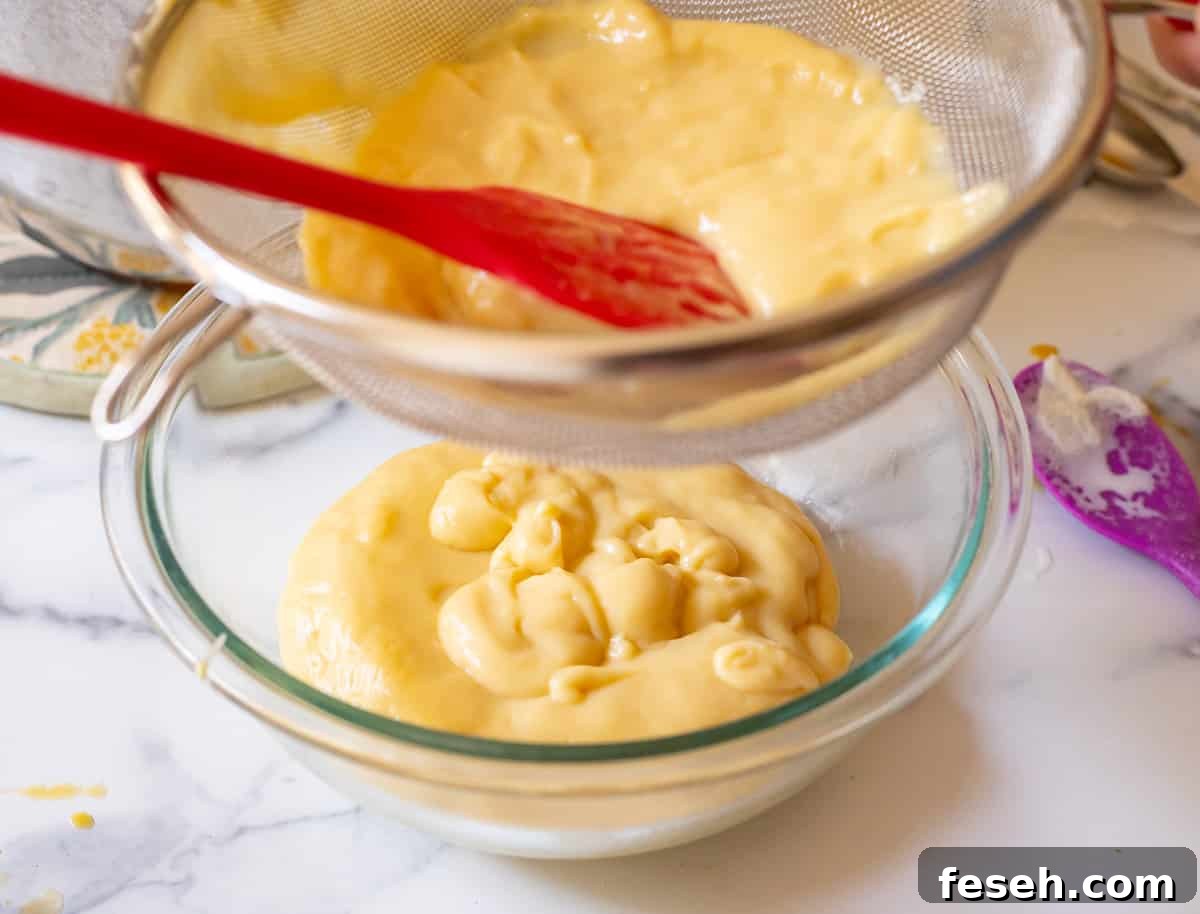
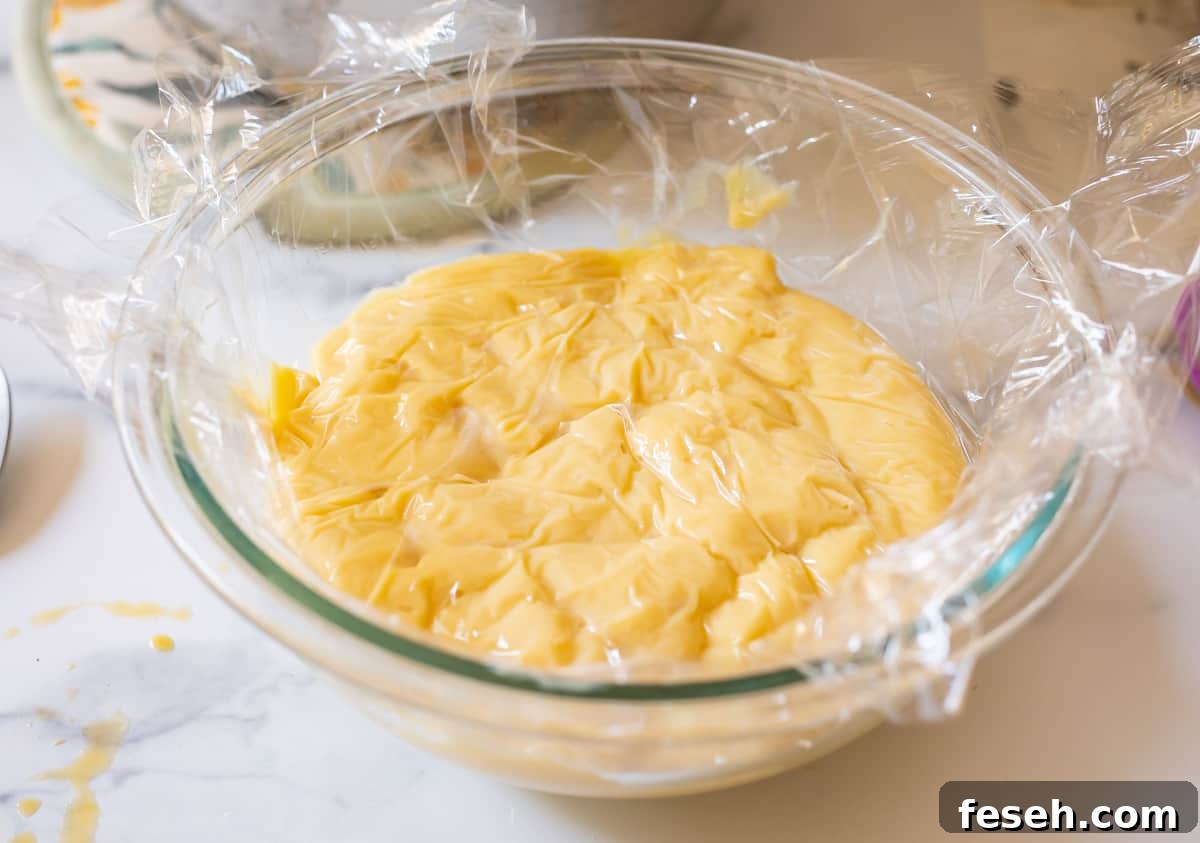
4. Remove from heat, whisk in butter (and vanilla extract if you didn’t use a bean), then strain through a fine-mesh sieve to remove any lumps. Press plastic wrap directly onto the surface to prevent a skin from forming and chill for at least 2–4 hours.
5. After chilling, whisk the pastry cream until smooth before using. For a lighter filling, fold in whipped cream to make crème légère—great for donuts and fruit tarts.
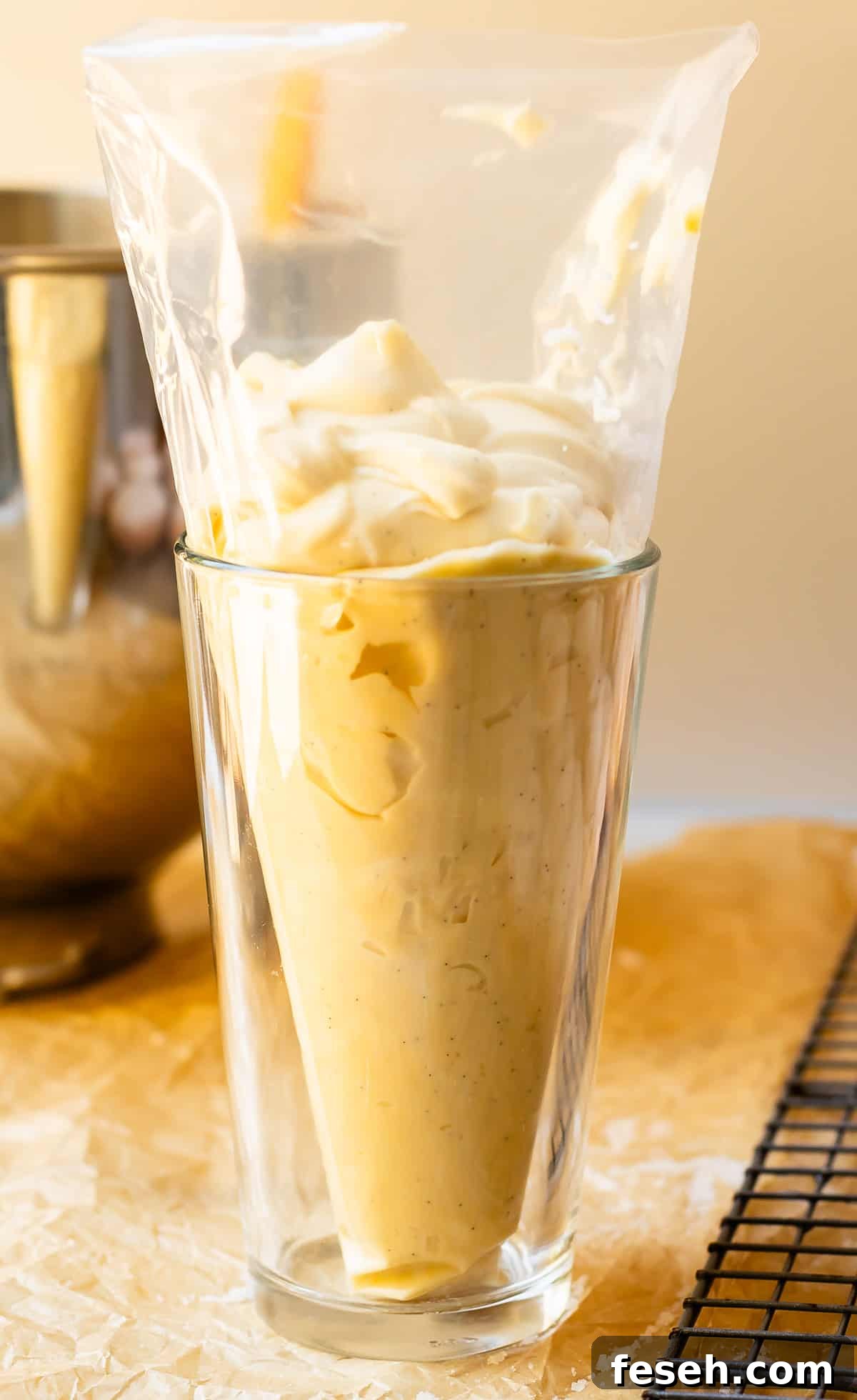
Tip: Use a glass to hold a piping bag upright while filling it for easy, mess-free transfer.
How to use pastry cream filling
Pastry cream is a go-to filling for many desserts because it’s stable, creamy, and easy to use. Ideas for using it:
- Fill Bavarian cream donuts or any filled donut.
- Use inside cream puffs and eclairs.
- Layer it in puff pastry or use between pastry layers.
- Use as a trifle layer or pipe into cupcakes.
- Fill fruit tarts or top with fresh fruit.
- Dip fruit, cookies, or graham crackers for a quick treat.
- Fold with whipped cream to create crème légère for a lighter filling.
- Stir into or enrich frosting for a richer buttercream.
Leftover pastry cream ideas
Leftovers are delightful—treat pastry cream like vanilla pudding for quick desserts:
- Serve in bowls topped with whipped cream and fresh fruit.
- Layer with cookies or graham crackers for instant parfaits.
- Stir in chopped candy or nuts for texture.
- Use as a filling for hand pies, cookies, or mini tarts.
- Create themed desserts (s’mores, cheesecake-style with cherry topping, etc.).
How to store pastry cream
Store pastry cream in an airtight container in the refrigerator for 5–7 days. Press plastic wrap directly on the surface before sealing to prevent a skin from forming. If you see liquid at the edges after refrigeration, stir well to reincorporate moisture.
Do not freeze pastry cream—freezing causes separation and a watery texture when thawed because the starch-protein network is damaged. Since this recipe is quick to make and stores well in the fridge, freezing is unnecessary.
Frequently Asked Questions
Pastry cream is the English name for crème pâtissière, a thick custard used to fill pastries, donuts, and tarts.
A simple list: egg yolks, sugar, salt, milk, cornstarch, butter, and vanilla. That’s it—no elaborate equipment required.
They’re similar. Both use eggs and milk, but pastry cream includes a starch (like cornstarch) that stabilizes and thickens it more than eggs alone, making it better for filled pastries.
Not exactly. Bavarian cream uses gelatin to set and is often lightened with whipped cream, giving a mousse-like texture. Pastry cream is starch-thickened and denser. Both make excellent fillings depending on the desired texture.
If you need a quick substitute, instant vanilla pudding can work, though it won’t match the depth and freshness of homemade pastry cream.
More recipes to try
- Homemade Vanilla Pudding Recipe — very similar but a touch looser than pastry cream.
- Layered Pudding Dessert — simple no-bake crowd-pleaser.
- Lemon Lush — a tart, creamy bar dessert.
- Chocolate Cream Pie — a favorite chocolate custard pie.
- Butterscotch Pudding with Roasted Banana Whipped Cream — rich and decadent.
- Banana Cream Pie — classic and creamy without a soggy crust.
- Banana Cream Pie Cookies — handheld treats with pudding-style filling.
- Vanilla Coconut Rice Pudding — a tropical twist on a classic.

Pastry Cream
Ingredients
- 4 large egg yolks
- 1/2 cup granulated sugar
- 1/4 cup brown sugar (optional; packed)
- 1/2 teaspoon kosher salt
- 1/4 cup cornstarch
- 2 cups whole milk divided
- 2 tablespoons butter
- 1 vanilla bean or 1 tablespoon vanilla extract
Instructions
- Add 4 large egg yolks to a 3-quart saucepan that is off the stove. (Reserve whites for another use.)
- Stir in 1/2 cup granulated sugar, 1/4 cup packed brown sugar (optional), 1/2 teaspoon kosher salt, and 1/4 cup cornstarch.
- Add 1 cup whole milk and beat with a hand mixer on high for about 1 minute until smooth and frothy.
- In a separate heatproof cup, add the remaining 1 cup milk. If using a vanilla bean, split it and scrape the seeds into the milk. Heat the milk until it bubbles at the edges (2–3 minutes in a microwave or on the stovetop).
- With the hand mixer running on medium, slowly pour the hot milk into the egg mixture to temper the eggs. Beat for about a minute until foamy.
- Transfer the mixture to the saucepan on the stove and cook over medium, stirring constantly with a whisk until it thickens and comes to a gentle boil, 2–5 minutes. Continue whisking vigorously for 15–45 seconds once it bubbles. It should leave defined marks when you drag a whisk across the surface (about 200°F if using a thermometer).
- Remove from heat and whisk in 2 tablespoons butter and 1 tablespoon vanilla extract if you didn’t use a bean.
- Strain through a fine-mesh sieve into a medium bowl to remove any lumps.
- Press plastic wrap directly onto the surface of the pastry cream to prevent a skin from forming. Refrigerate for at least 2–4 hours (you can chill briefly in the freezer for about 30 minutes to speed cooling, but transfer to the refrigerator after).
- When ready to use, remove the plastic wrap, whisk until smooth, and use as desired. Fold with whipped cream for crème légère if you want a lighter filling. Store leftovers in the fridge with plastic wrap pressed to the surface for up to 5–7 days.